


A clear review can turn subjective taste into evidence. Video-game criticism, film criticism and review aggregators all ask whether the experience works, but each field weighs that question differently.
Some review sites compare a whole range of metrics in detail, whilst others simply aggregate whether or not something is ‘good’. Whether you’re weighing a new RPG, a summer movie or a platform, the best criticism helps you understand the experience before you commit.
The Experience Comes First
For games, user experience begins with control. Does movement feel precise? Do menus explain themselves? Does performance hold up when the screen gets busy? Action-game reviews can cover aspects like shooting feel, traversal, loot drops and open-world structure. A game can have ambitious ideas, yet lose you if the camera, input lag or onboarding gets in the way.
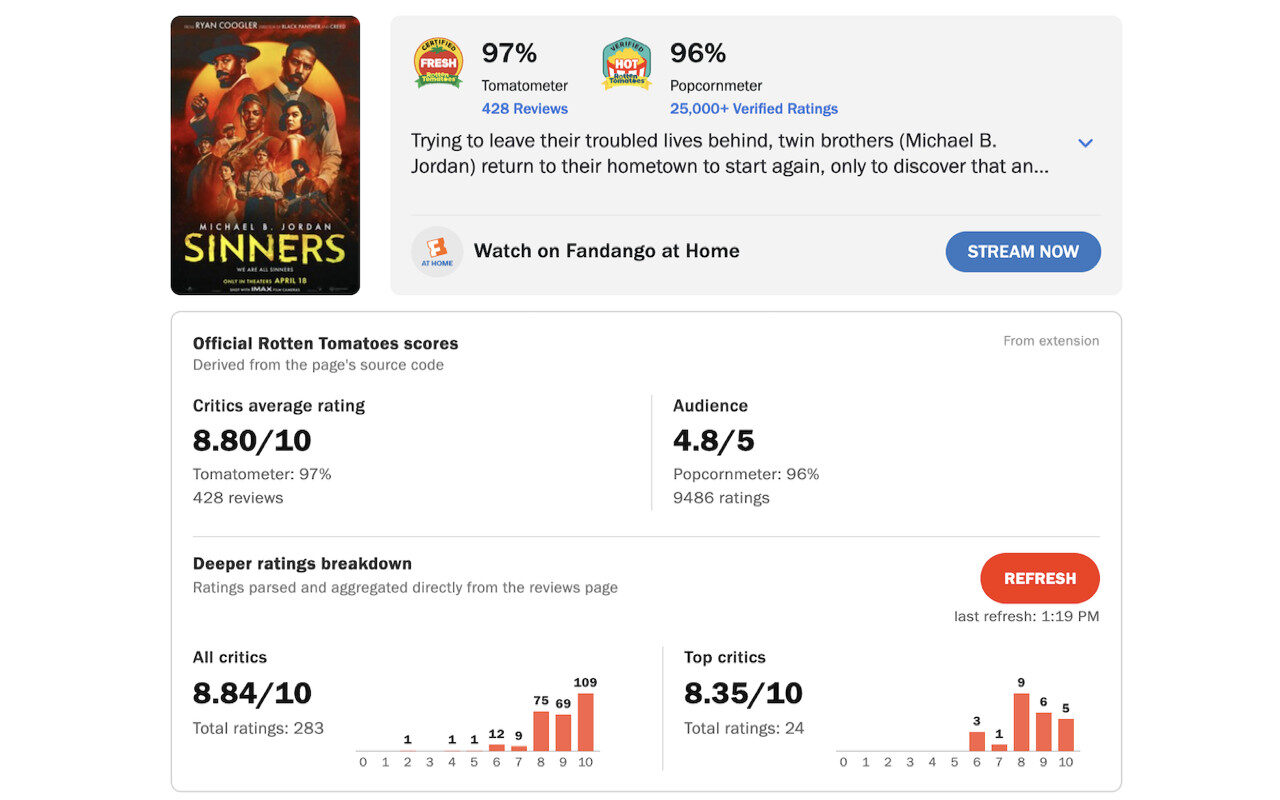
Movie reviews measure experience through pacing, clarity, performance and tone. You don’t control a film, so it’s generally a much simpler case of whether the various aspects of production have combined to make it enjoyable or not. A critic judging a horror movie or superhero release asks whether the edit, sound, script and cast keep you engaged across the runtime. Market leader Rotten Tomatoes does that by turning that response into the ‘Tomatometer’, a percentage of approved critic reviews judged positive, while its ‘Popcornmeter’ reflects audience sentiment.
Online casino reviews provide a useful point of comparison because they demonstrate how review standards change when money, compliance and customer support are involved. Rather than focusing primarily on subjective entertainment value, reviewers in these sectors tend to assess measurable consumer-facing factors such as reliability, transparency and user experience.
For example, on Casino Guru, online casino reviews across USA include a Safety Index, user feedback scores, complaint records, payment notes, game-library depth, bonus terms and mobile performance. That’s closer to reviewing a service than a single creative release. In fact, many if not most casino review sites, even the ones that show both expert and user reviews, as does Casino Guru, leave the choice of game down to the player themselves, preferring to focus on consumer points like the above.
Scores Only Tell Part Of The Picture
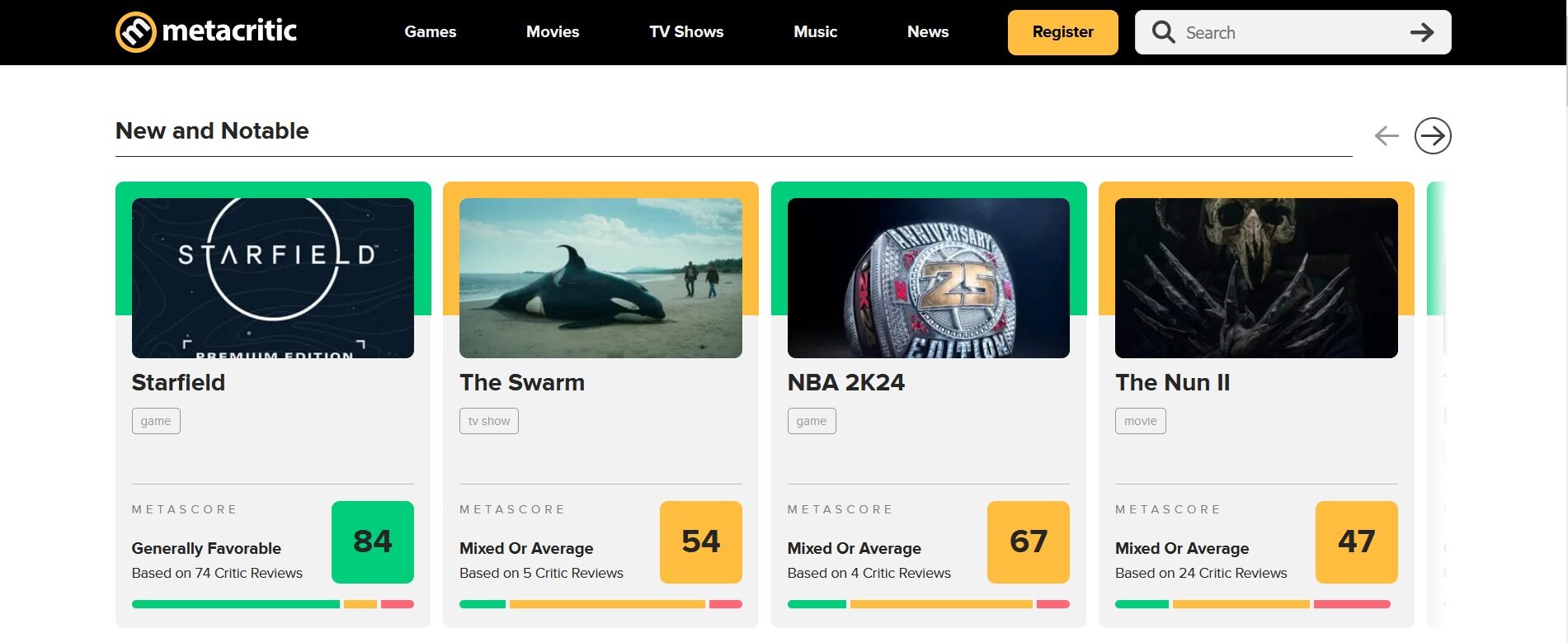
Aggregators simplify complex opinions, which can help when you’re scanning. Metacritic says its Metascore is a weighted average of critic reviews across games, movies, TV and music. OpenCritic, focused on games, commonly displays a Top Critic Average, a Critics Recommend percentage and a percentile rank. Those metrics suit games because performance, mechanics and replay value can be compared across platforms and genres.
Film metrics work differently. A Rotten Tomatoes score tells you how many critics leaned positive, while Metacritic’s movie score tries to capture intensity of opinion on a 0-to-100 scale. A film with many mild recommendations can look strong on one site and less exceptional on another. That gap is precisely why readers still need full reviews.
2025 analysis from StatSignificant.com frames the issue more directly, asking why the average Tomatometer score increased over the past decade. The article argues that the shift may be linked to changes in the reviewer pool, with more approved critics being counted and a larger number of reviews feeding into mainstream releases. For readers, that’s a useful reminder that review scores don’t only reflect taste. They also reflect who gets included, how reviews are classified and what incentives sit behind a platform’s scoring system.
Storytelling And Mechanics Don’t Match Cleanly
Storytelling means different things across media. In a game, it might come through dialogue, mission structure and environmental clues. If a combat system makes you feel vulnerable or curious, the game is using mechanics as part of its narrative language.
In film, storytelling is more concentrated. Reviewers judge structure, character motivation and whether the ending earns its emotional payoff. A game adaptation review shows how this can get complicated: a movie based on a game may be judged on action choreography and fan service, while still needing coherent scenes, performances, and pacing.
Casino-review sites have little use for storytelling in the artistic sense. Their equivalent is the user journey: how easily you sign up, understand the terms, find games, contact support, and withdraw funds. For a reader, trust becomes part of the entertainment value.
Trust Is The Real Currency
Every review category depends on trust, though the pressure points differ. Game reviewers often rely on pre-release access, review codes and embargoes. A 2025 games-reviewing report quoted one editor saying, “We believe in matching games to players, not assigning arbitrary numbers.” That’s a reminder that context is essential, whereas numbers mean nothing when everyone has their own scale of preference.

Movie critics face their own pressures: studio access, festival buzz, audience-score manipulation and marketing campaigns built around badges. Sites respond with critic eligibility rules, verified audience ratings and clearer labels, yet readers still need to know what each score measures.
Casino review sites face the heaviest regulatory burden. In the US, availability can vary by state, and meaningful reviews need to consider licensing, identity checks, payment handling and complaint resolution. Entertainment value still counts, but a smooth library of games means less if payouts are slow or terms are unclear.
The Best Reviews Help You Choose
The shared criteria are engagement, immersion, clarity and confidence. Video game reviews lean most heavily on mechanics and interactivity, so when looking at a game like Fortnite, it is different than your enjoyment of the most recent blockbuster. Movie reviews focus on craft, theme and performance. Casino reviews, as a tertiary comparison, show how entertainment reviewing changes when safety, regulation and service quality sit alongside enjoyment.
That’s why the strongest reviews read like guided decisions. They explain who the experience is for, what might frustrate you, what standards were applied and where the score came from. A useful review respects taste while giving you evidence, so you’re better placed to choose what’s worth your next evening.