
There’s a particular kind of disappointment reserved for games that clearly know what they want to be but simply can’t execute the fundamentals, and The Relic: First Guardian buries you in that disappointment before you’ve even cleared the tutorial. I am a massive fan of the genre, to a fault maybe, but when the right effort goes into a Soulslike, the game just sings, and recently there have been so many great ones that the rough ones feel even worse.
Project Cloud Games has assembled all the recognizable systems of a Soulsborne game: the stamina meter, the parry windows, the world stitched together out of grief, but they forgot the main thing, and that’s how the game feels in motion among some of the bigger pieces too, like the unforgiving bosses, and the great soundtrack to sell you on the intensity of everything.
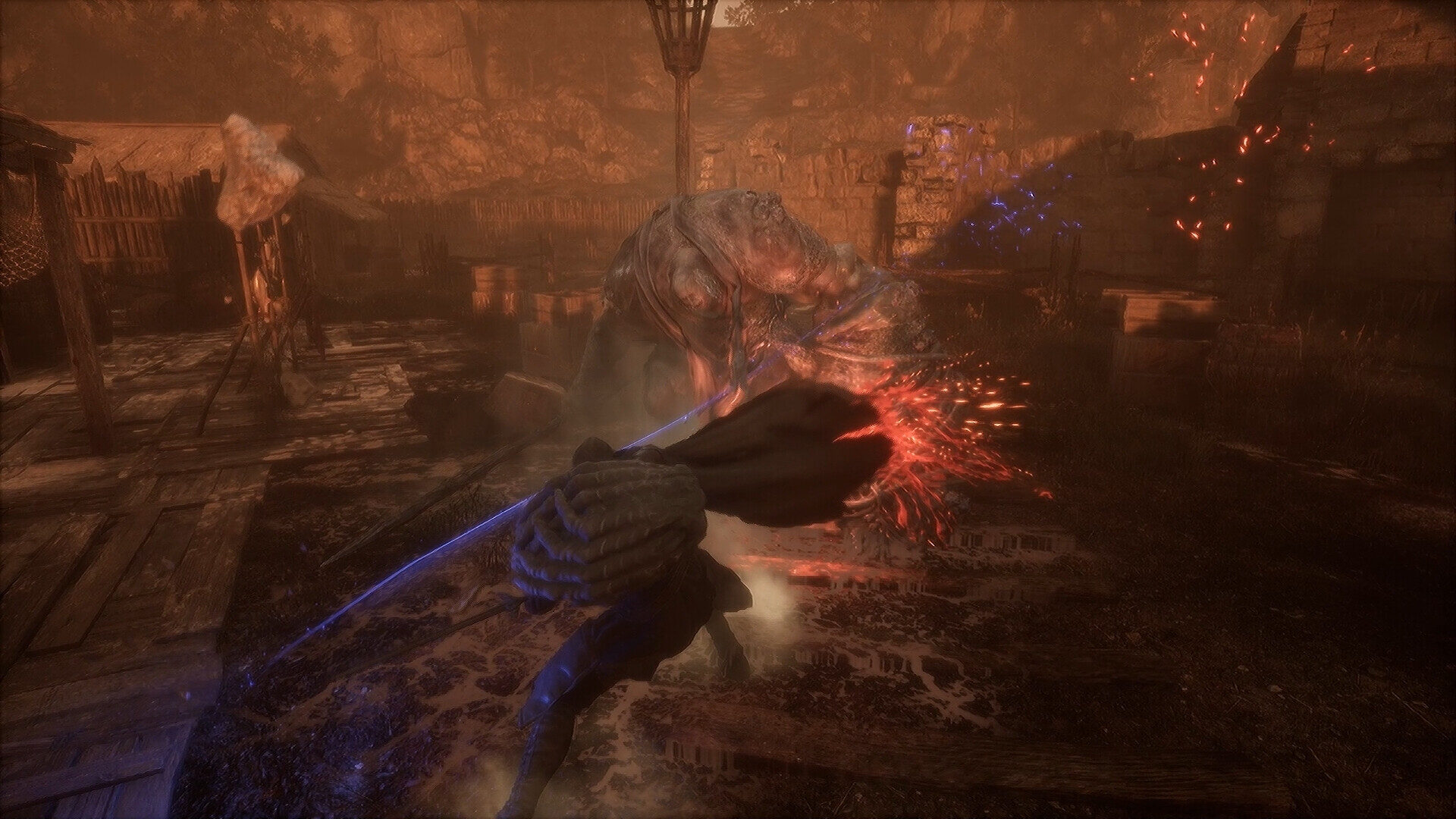
I immediately knew I was in for a rough time when I first moved my character in-game because I noticed, and never stop noticing, how the character floats around like they are wearing ice skates. There’s a persistent looseness to every input, a half-second of hesitation between pressing a button and something actually happening on screen, and it never resolves into anything you can build muscle memory around.
“The Relic: First Guardian buries you in that disappointment before you’ve even cleared the tutorial.”
This also goes into how dodges carry your character further than they should, but never feel consistent; attacks have recovery animations that feel disconnected from their windup, and the whole package has this floating, weightless quality that undermines every single encounter. Combat in this genre lives or dies on how tight your inputs are. Here, they all feel slightly behind what you are actually wanting to do, and don’t even get me started on the weird parrying mechanic that doesn’t actually parry.
Compounding that is a camera that seems actively hostile to the player. The world of The Relic: First Guardian is full of narrow corridors and cramped ruins, which is a fine aesthetic choice for a world defined by decay and collapse, but the camera has no idea how to operate inside them. Back your character into a corner, which happens constantly, because enemies shove and stagger you with none of the deliberate spacing you’d expect from a game in this genre, and the camera simply gives up.
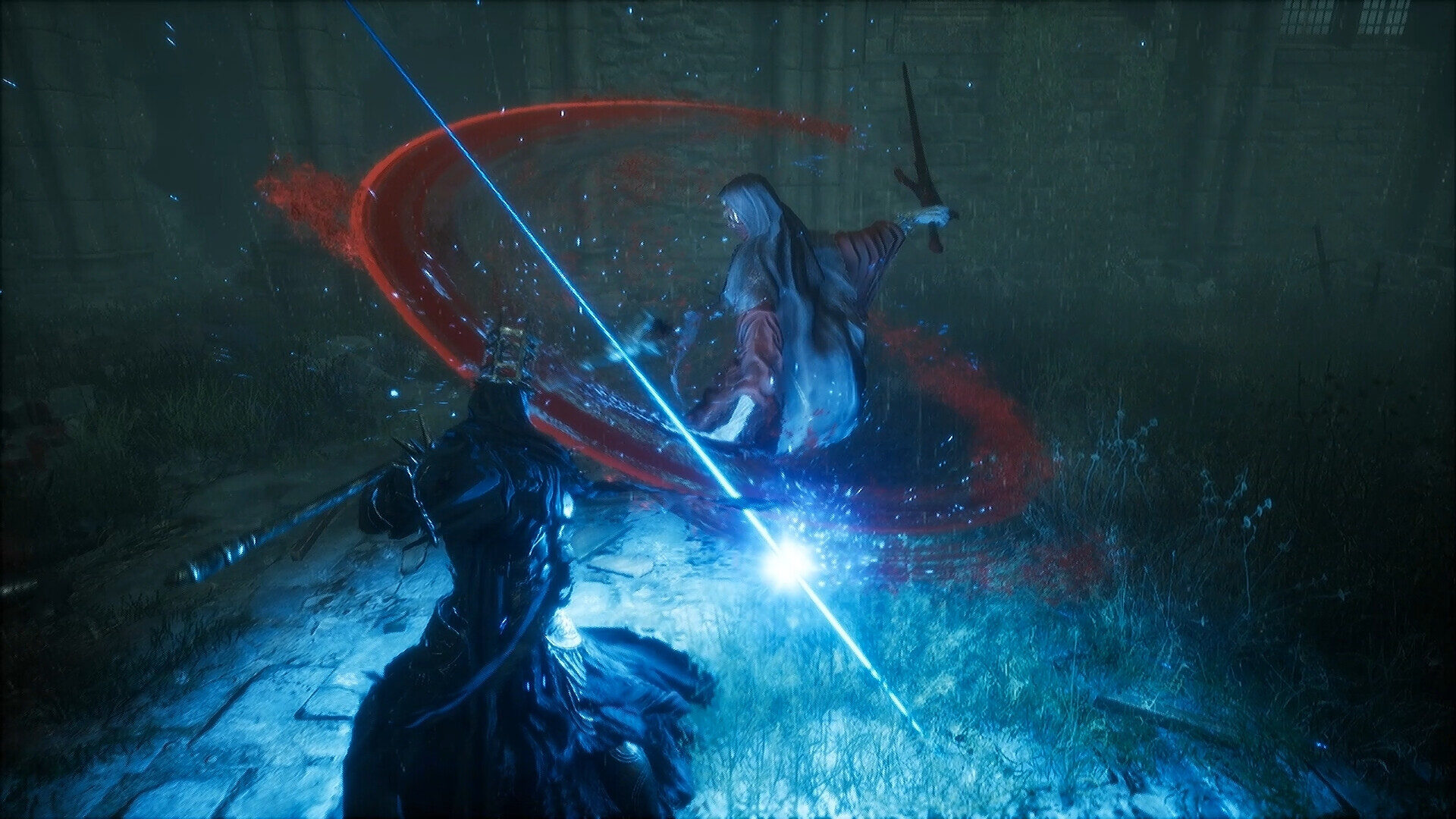
It clips, it snaps, it gets physically caught on geometry, and for several agonizing seconds you’re not fighting the enemy in front of you, you’re fighting to figure out which direction you’re even facing. I lost track of how many deaths in my playthrough weren’t the result of a bad read or a missed dodge, but of simply not being able to see what was happening to me. That’s not difficulty. That’s just bad camera programming.
The blocking mechanic in The Relic: First Guardian deserves special criticism because it might be the single most confusing mechanic I’ve encountered in a game that’s apparently built around timing and precision, and that you also have to learn or you will not be able to pass the first boss. Land what feels like a clean, on-the-nose block, and sometimes you’ll stun the enemy, opening a window for a punishing blow. Other times, against the exact same attack with what felt like the exact same timing, nothing happens: no stagger, no feedback, no indication of why one attempt worked and the other didn’t.
And even when the stun does land, enemies frequently recover fast enough that the critical window closes before you can even get close to the enemy you blocked, which is right in front of you, which raises the obvious question of why the mechanic exists at all. A defensive system is supposed to teach you its own rules through consistent feedback, but here, it teaches you nothing, because it isn’t consistent. You’re left blocking on faith rather than skill, which is about as far from the genre’s core appeal as you can get.
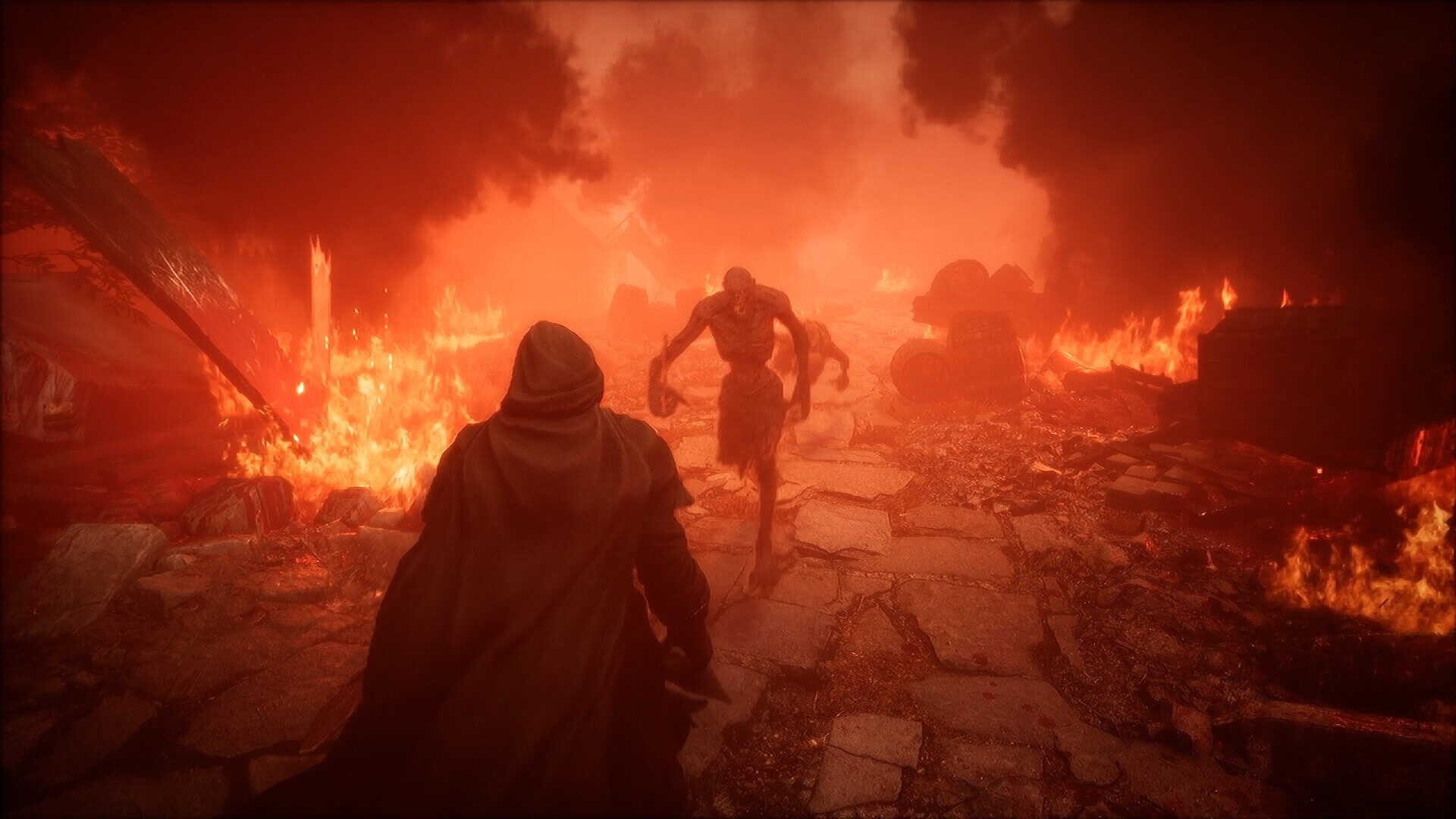
That appeal, for anyone who’s spent real time with Soulsborne games, is built on a very specific promise: you will die, but you will die for a reason you can identify and correct. Perseverance and pattern recognition are the entire engine of the genre’s satisfaction, and even if this isn’t dead on, it can still be a satisfying game, as long as there is something to take away from every death.
“This is easily the worst Souls-like game I have ever played.”
Of course, The Relic: First Guardian seemingly tries to break that by having the camera and blocking system be the lead cause of death, nothing you can really work around and learn from other than don’t trust the game’s controls and camera. The genre this game is so clearly imitating is built on the idea that every loss teaches you something you can use next time.
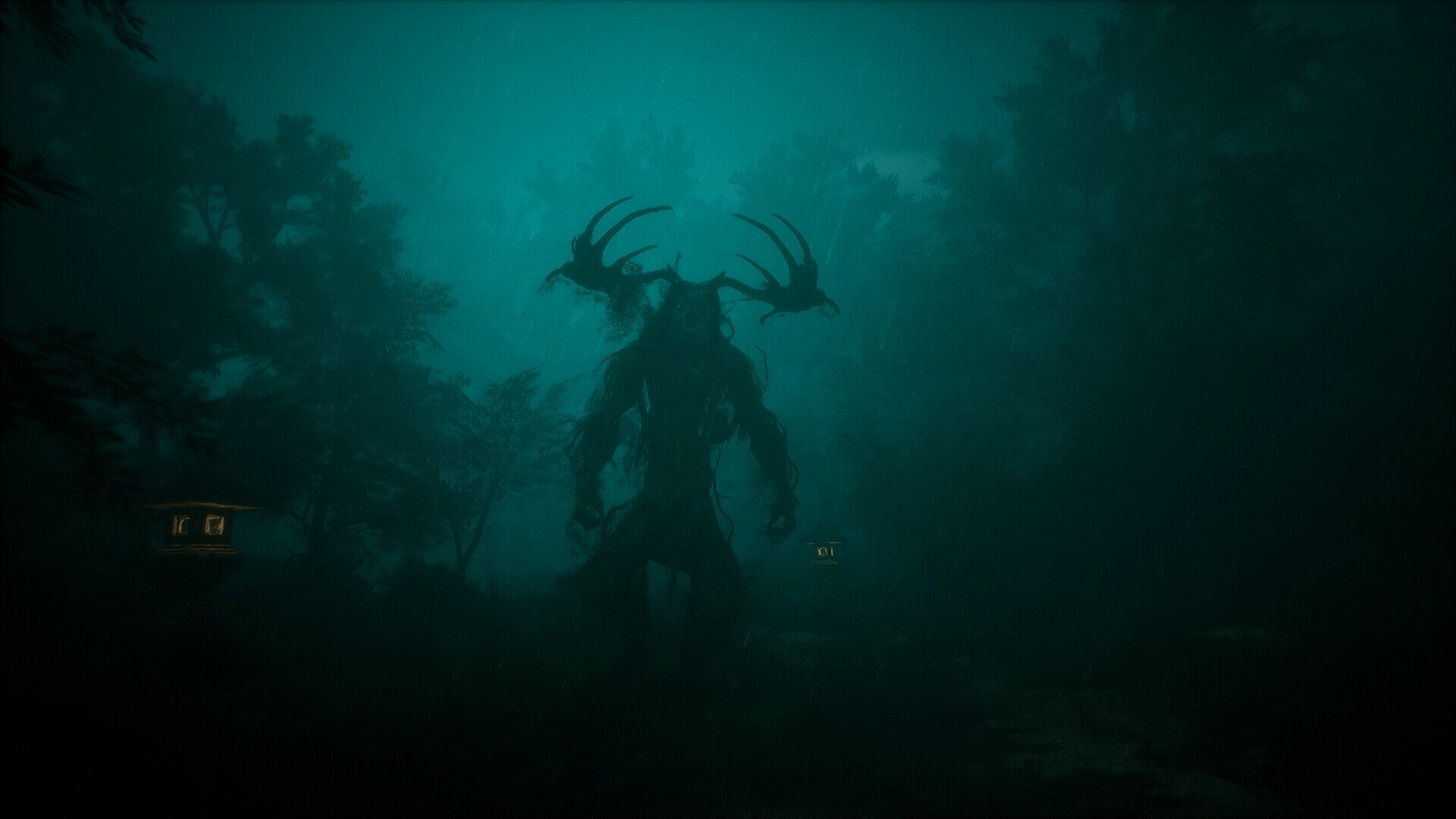
Boss fights, which should be The Relic: First Guardian‘s showcase, are instead where all of these problems compound into something close to unplayable. Almost every major encounter I fought took place in a tight, enclosed arena, which is already a strange choice given how badly the camera performs in confined spaces, and it only gets worse once the bosses themselves start attacking. These are large, telegraphed-but-sprawling attacks that fill nearly the entire arena, several of which are simply unblockable. There’s no dodge window that reliably clears them, no positioning that consistently keeps you safe, just a slow realization that the fight wants you to eat the hit and move on, making every fight a battle of attrition.
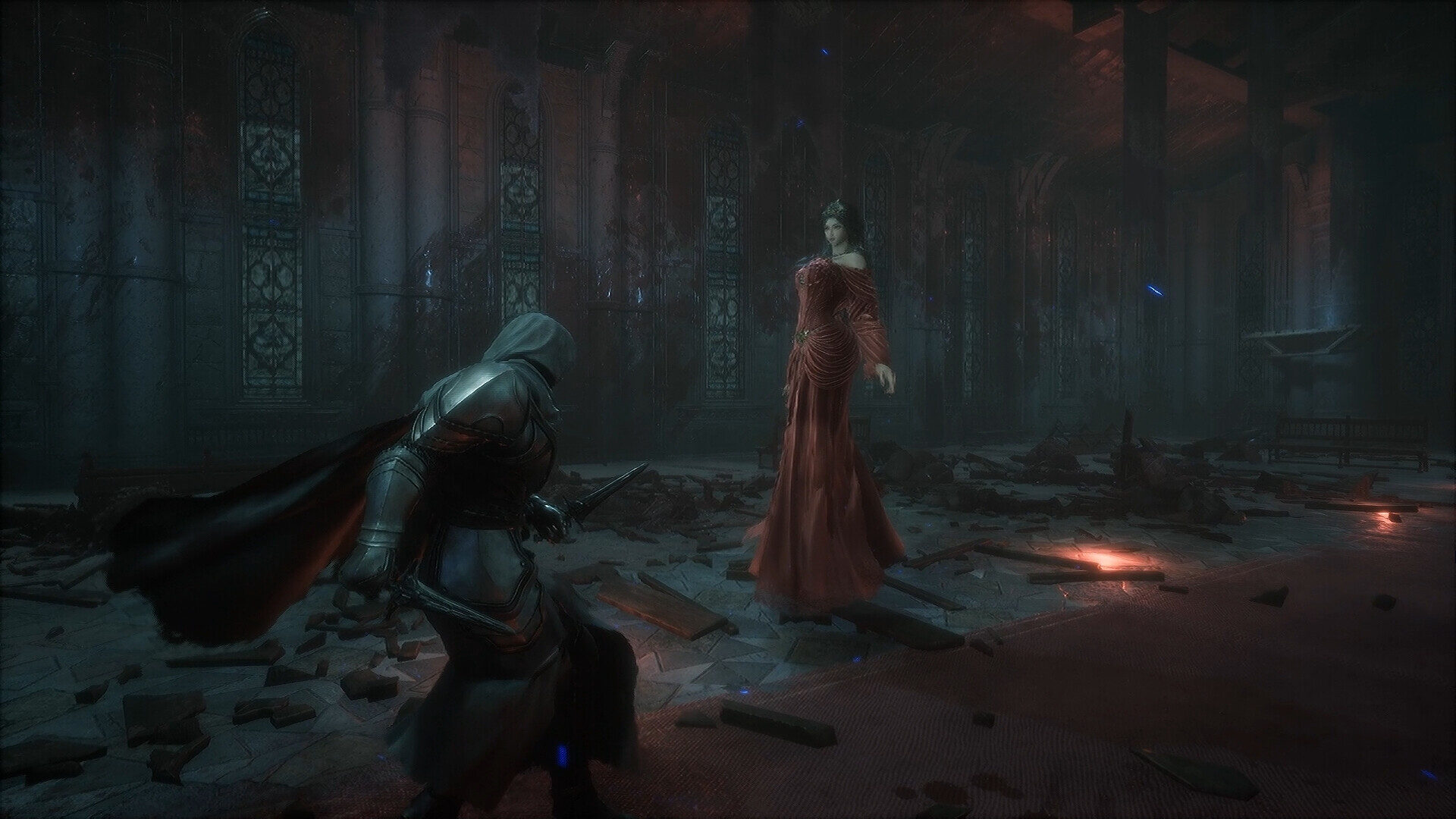
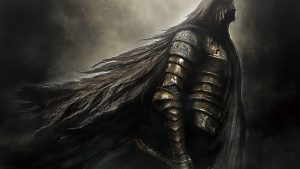
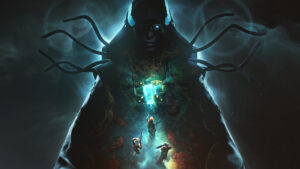
I wanted to like The Relic: First Guardian. The art direction has real moments of beauty, and there’s clearly a team here that loves this genre enough to want to contribute to it. But loving a genre isn’t the same as understanding what makes it function, and almost every mechanical pillar this game leans on from movement, camera, blocking, stamina, boss design buckles under the slightest pressure.
What’s left isn’t a difficult game in the tradition it’s clearly chasing because there isn’t really a skill here to better, none of that perseverance that makes these games sing. This is easily the worst Souls-like game I have ever played. It makes the original Lords of the Fallen and Steelrising look like masterpieces.