


On 3 December 2021, early access for Final Fantasy XIV: Endwalker met login queues past 17,000 people and an error code, 2002, that veterans could recite from memory. Square Enix had no switch labelled “more capacity” to flip. Producer Naoki Yoshida spent the following weeks explaining that the studio physically could not obtain the machines it wanted, because the global semiconductor shortage had stretched server hardware lead times into months. That episode is a useful reminder that “the server” is never one computer.
A modern online title runs a fleet: an authentication tier, world simulation nodes, matchmaking, a database cluster holding every character, chat routing, and a content delivery network shipping patches. When a launch collapses, the simulation is rarely the first casualty. Diablo III‘s infamous Error 37 in May 2012 was a login tier refusing new sessions while the game itself sat idle.
Not Every Game Puts the Same Weight on the Machines
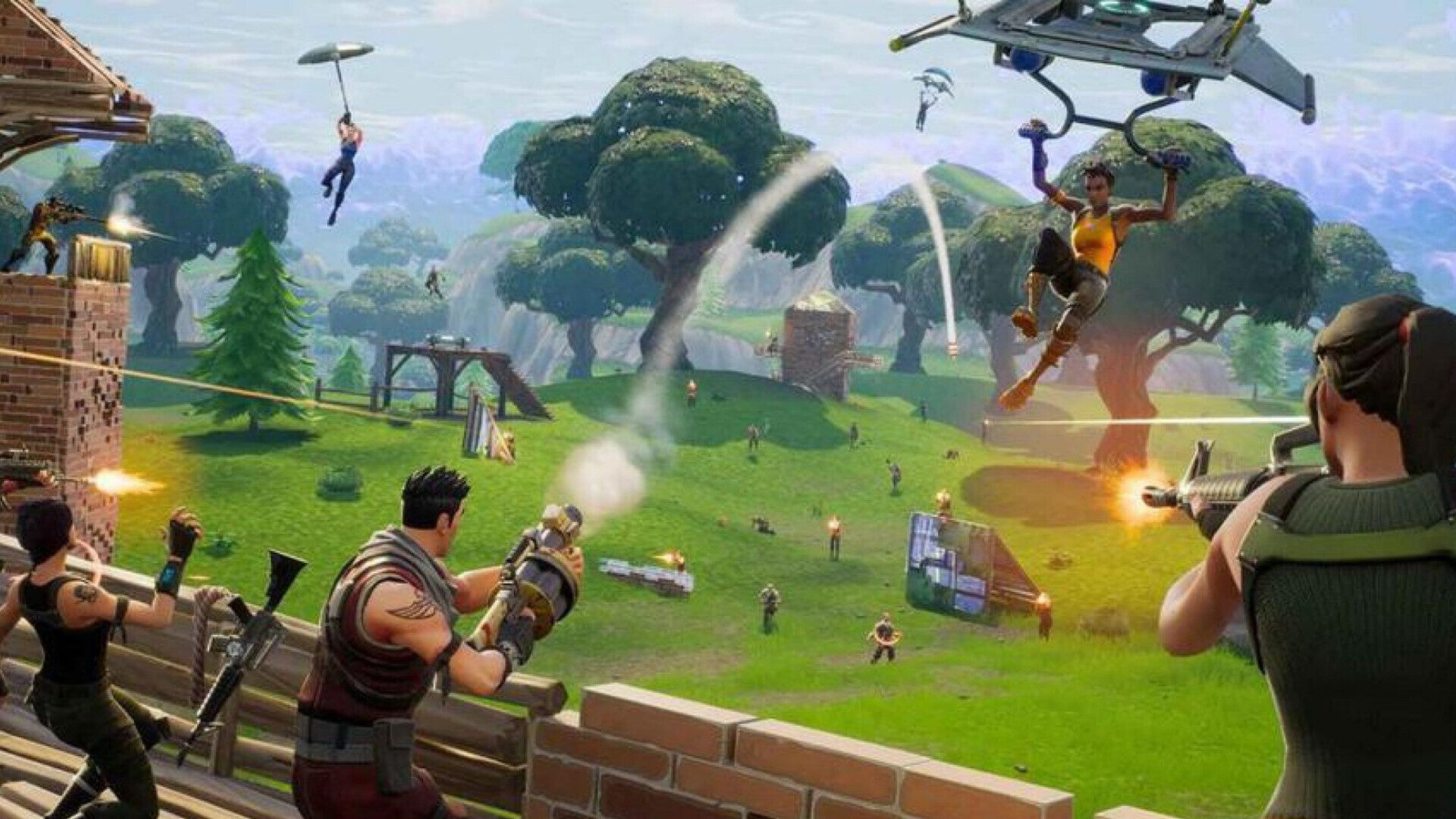
A player’s real cost to a data centre is measured in state, not headcount. An open-world session streams position and animation data for dozens of nearby entities at 20 to 60 updates per second, each packet unique to that one client. Lightweight browser titles sit at the far end of that scale: a few megabytes of client, no install, and one short round shared by everyone connected at that second. A round-based browser game such as Aviator works on exactly that model, with a single authoritative round state that every client renders at the same instant. The shared state for one round fits in a few kilobytes.
Nobody holds a private view that needs reconciling there, which changes what leaves the server every tick:
- Open-world client: a personal snapshot of every nearby object, rebuilt dozens of times a second and never identical to a neighbour’s
- Competitive shooter: fewer entities, but a strict tick budget, so a late packet hurts more than a large one
- Browser round: one broadcast state shared verbatim, a few kilobytes per client, with no per-person reconstruction at all
Shards, Instances and Layers
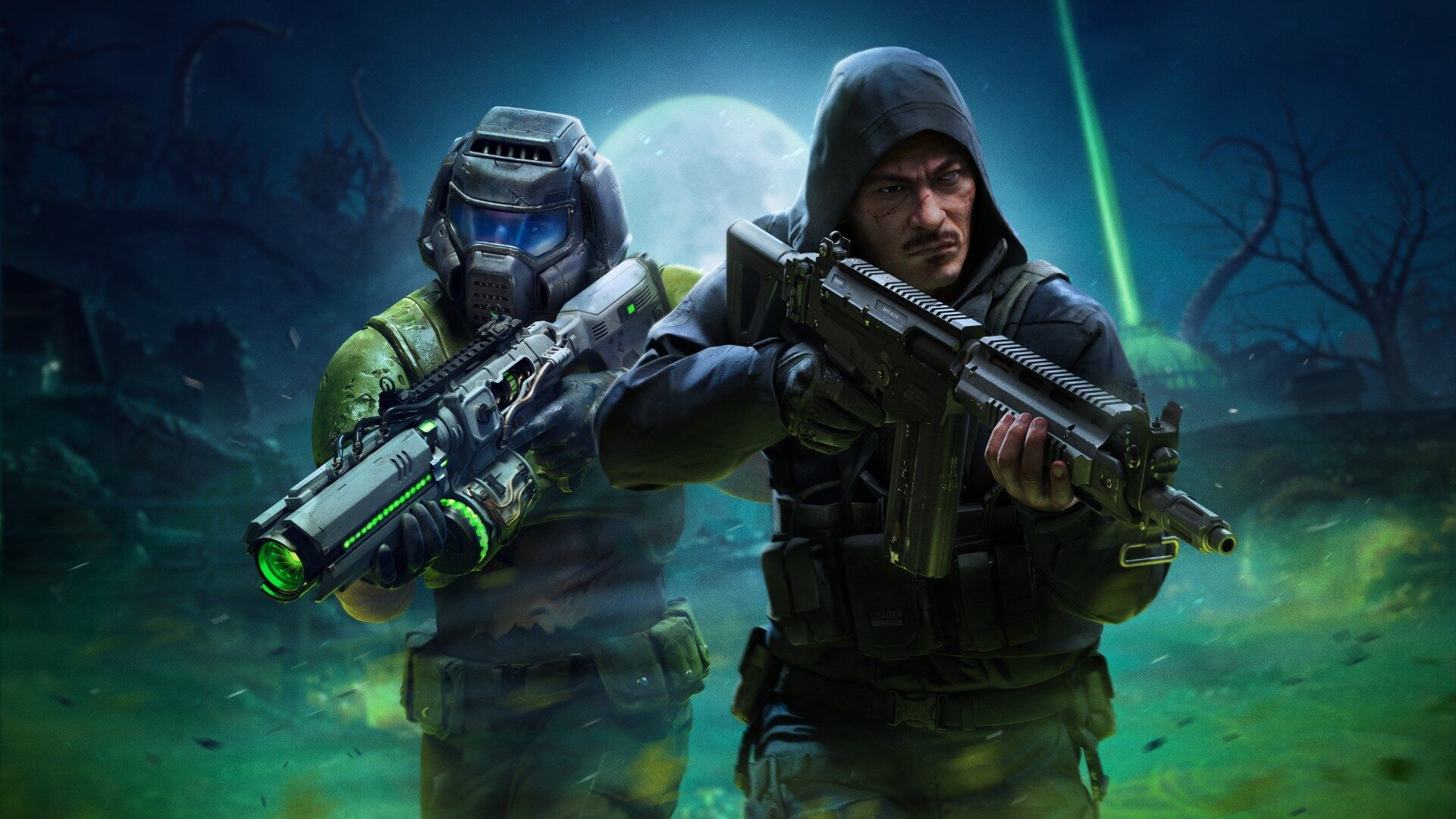
That asymmetry decides how capacity gets added, and nobody tries to put a million people in one place. Epic’s Astronomical concerts in April 2020 drew 12.3 million concurrent participants across the first show alone, and the technical trick was that no venue existed: the event ran as tens of thousands of parallel 50-player instances, each a small server process, all playing the same script. Blizzard took a different route for WoW Classic in August 2019 with layering, which quietly duplicated whole continents and moved characters between copies as starting zones thinned out.
The stubborn exception is EVE Online, which keeps one universe on one shard. When 7,548 pilots converged on the B-R5RB system in January 2014, CCP’s answer was time dilation: the simulation tick slows to as little as 10 percent of real speed so commands queue instead of vanishing. The fight ran 21 hours, and everyone experienced it in slow motion together.
| Approach | Seen in | How capacity grows | What the player notices |
|---|---|---|---|
| One shared universe | EVE Online | Simulation tick slows down | Orders resolve in slow motion |
| Parallel instances | Fortnite live events | More small processes spun up | Friends land in different copies |
| Duplicate world layers | WoW Classic, 2019 | Extra layers per zone | Crowds thin out unnaturally |
| Round-based browser session | Light web titles | More sockets per node | Almost nothing until a reconnect |
A Queue Beats a Crash
A login queue is admission control, and it exists to protect the database tier rather than the graphics. Reading and writing character records is the expensive part, so the front door admits people at a fixed rate the storage layer can absorb. Arrowhead capped Helldivers 2 at 450,000 concurrent players in February 2024 while it repaired backend services, and Blizzard’s Overwatch 2 launch that October left queues above 25,000 as denial-of-service attacks hit at the worst moment. Amazon’s New World spent September 2021 adding worlds and opening free transfers because queue times had settled into hours.
When It Breaks Anyway
Recovery is harder than staying up. Roblox lost roughly 73 hours across late October 2021, traced to a subtle failure in a service discovery component under sustained load, and engineers could not simply switch everything back on: a cold fleet accepting every client at once produces a thundering herd that knocks itself over again, so capacity was restored in slices.
The counter-move is rehearsal. Diablo IV‘s May 2023 weekend was named Server Slam and its stated purpose was pushing the live infrastructure until something gave. Distance still governs the rest: a regional data centre keeps round-trip times near 15 to 30 milliseconds, while a cross-ocean connection sits above 150 and no amount of hardware fixes that. A queue number that ticks down steadily is the healthier symptom.


