


While mobile has been a place to game and create for quite a while now, Qualcomm is looking to push those possibilities further with its latest announcements at the Snapdragon Summit.
With the Snapdragon Summit currently underway and CGMagazine on the ground (full disclosure: travel and lodging were paid for by Qualcomm, although no coverage was promised in exchange for the trip), we got to see firsthand what the company is bringing to mobile. For gamers and content creators, there is a lot of good news to get excited about, including better frame rates, better visuals and more features that expand what a smartphone can do.
For gamers, Qualcomm showed off Adreno Neural Fusion, a new proprietary technology that uses the new Matrix cores featured in the Snapdragon Elite Gen 6 SoC for mobile games. Think of it as DLSS for mobile, built from the ground up to take advantage of Qualcomm’s silicon. On stage, the company said it is currently working with 20 games, with that number expected to expand as more developers get on board.
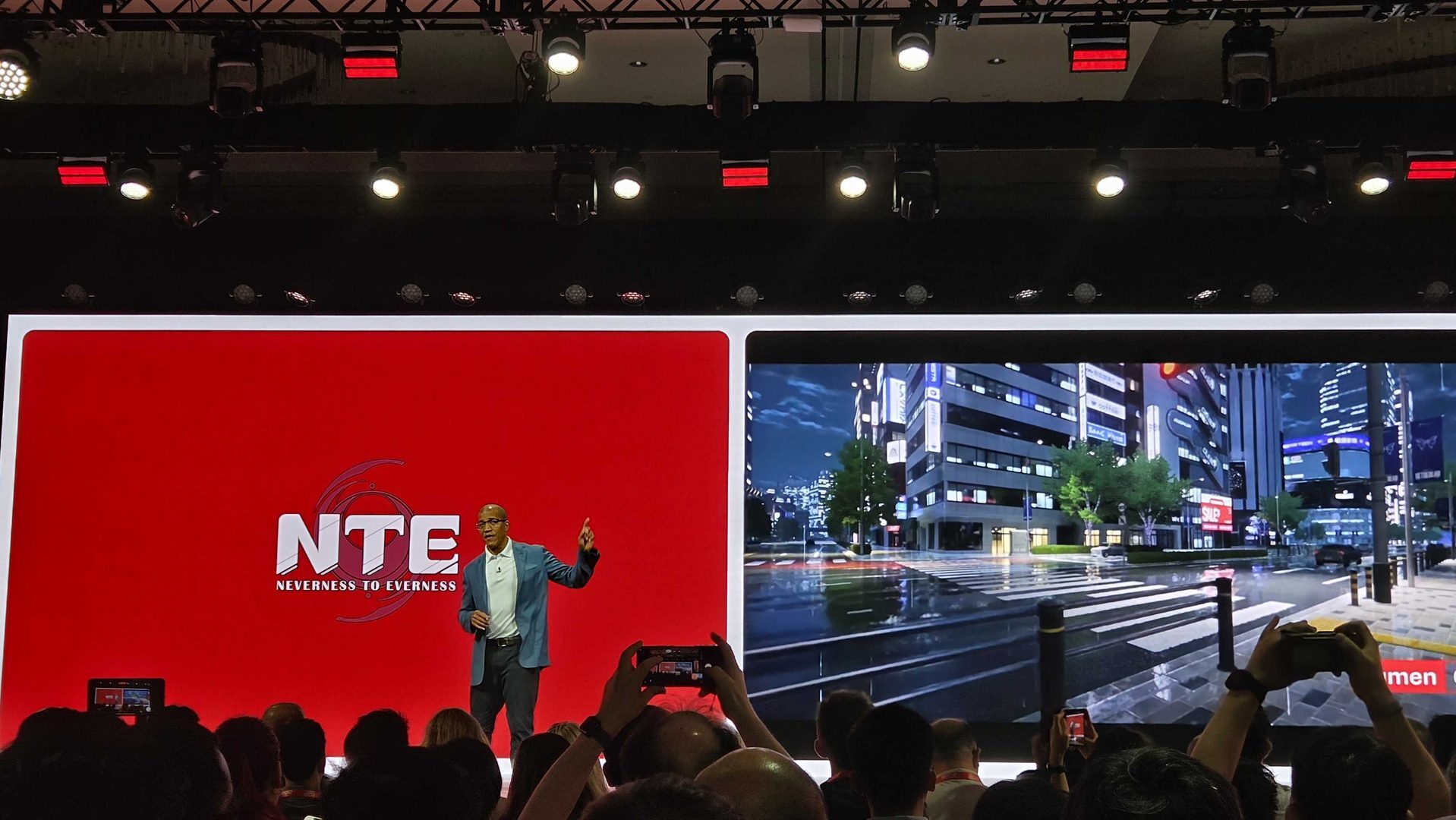
But even from the demos they showed off, the tech looks pretty impressive. If Qualcomm can reduce power consumption by anywhere from 10% to more than 30% in select titles, that could mean major savings while you are on the go and want to jump into a game but are worried your phone will not last until you get home.
The company also announced that ANF is the first mobile super-resolution technology supported by major game engines, making it easier for developers to implement it in new titles. With games such as ANANTA, Diablo Immortal, Naraka: Bladepoint, NTE, Honkai: Star Rail, and Silver Palace showcased, just to name a few, we will not need to wait too long to see the tech in action.
On the creator side, Qualcomm announced new features as part of the Snapdragon Elite Gen 6 SoC designed to help users capture and edit content. The new chip adds support for the APV codec, letting creators capture professional-grade video on their phones. For many, the announcement of Adobe Premiere coming to Android means they will have one more tool to use when looking to edit footage without ever touching a laptop or desktop, all with native APV support.

While these are some bold claims, they are also exciting if they hold up to testing. I know I would love to game more on the go without worrying that my phone will die when I need to call an Uber or look something up, and if ANF actually works as well as Qualcomm says, it could be very exciting. Better tools for creators are always good to hear about as well. We will have to go hands-on when the first phones are released, but until then, stay tuned to CGMagazine for all the news out of Snapdragon Summit 2026.