
I’ve long maintained that the Indie scene is the only bastion of true creativity in the video game industry, how could it not be with something like Don’t Fret? It’s funny how the industry goes through cycles of popularity—where something genuinely unique comes along and almost everyone wants to have their version of it. We saw it with mascot platformers, military shooters, hero shooters, and now cartoon horror games.
In some way, it feels like Five Nights at Freddy’s kicked it off, but it was games like Poppy Playtime, My Friendly Neighborhood and most notably Bendy and the Ink Machine that inspired the idea of warping the familiar trappings of childhood into nightmarish experiences. And as I’ve said before, there’s nothing wrong with borrowing inspiration from other games, so long as you’re bringing something new to the table, and in a lot of ways Don’t Fret is.
Ahead of its reveal at Future Games Show Summer Showcase, I got to take a look at a small demo of the game—roughly its opening hour. While its still an early build, so it was a little rough around the edges in terms of presentation, it certainly made up for in with an abundance of style and interesting ideas. If I could summarize it simply, I would say “Don’t Fret is Bendy and the Ink Machine, but with music instead of cartoons.”
It combines a sense of the cerebral with the absurd, as the game begins with a belligerent father accosting his family. A young boy named Fret is told to hide in his room. Fade to black and the player awakens in what looks like an exaggerated music studio, emerging from a guitar case as a cartoon guitar—complete with Mickey Mouse gloves and all. As a mysterious woman tries to guide Fret through Harmonic Heights, he begins to face horrors both physical and psychological and must fight to survive.
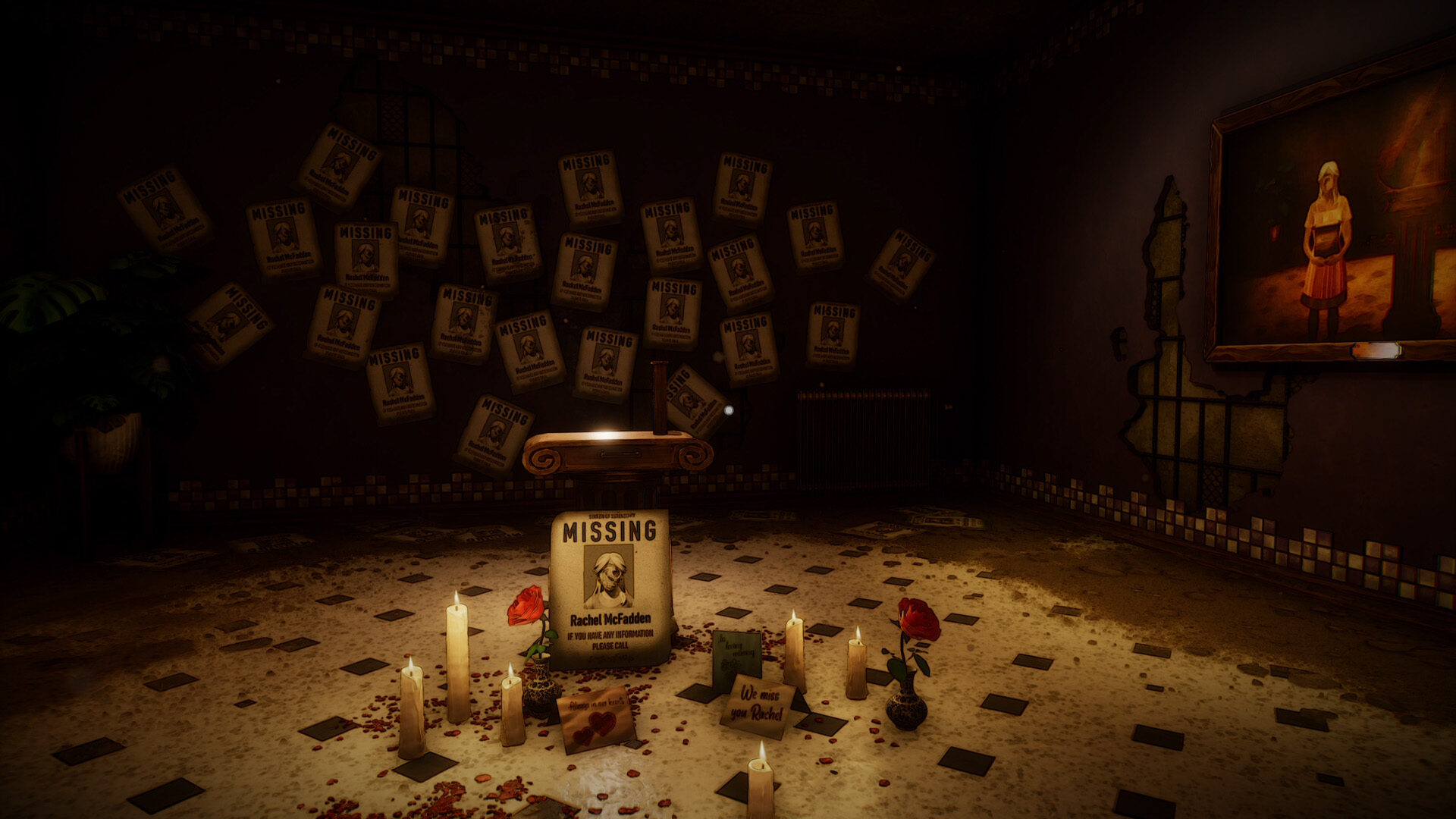
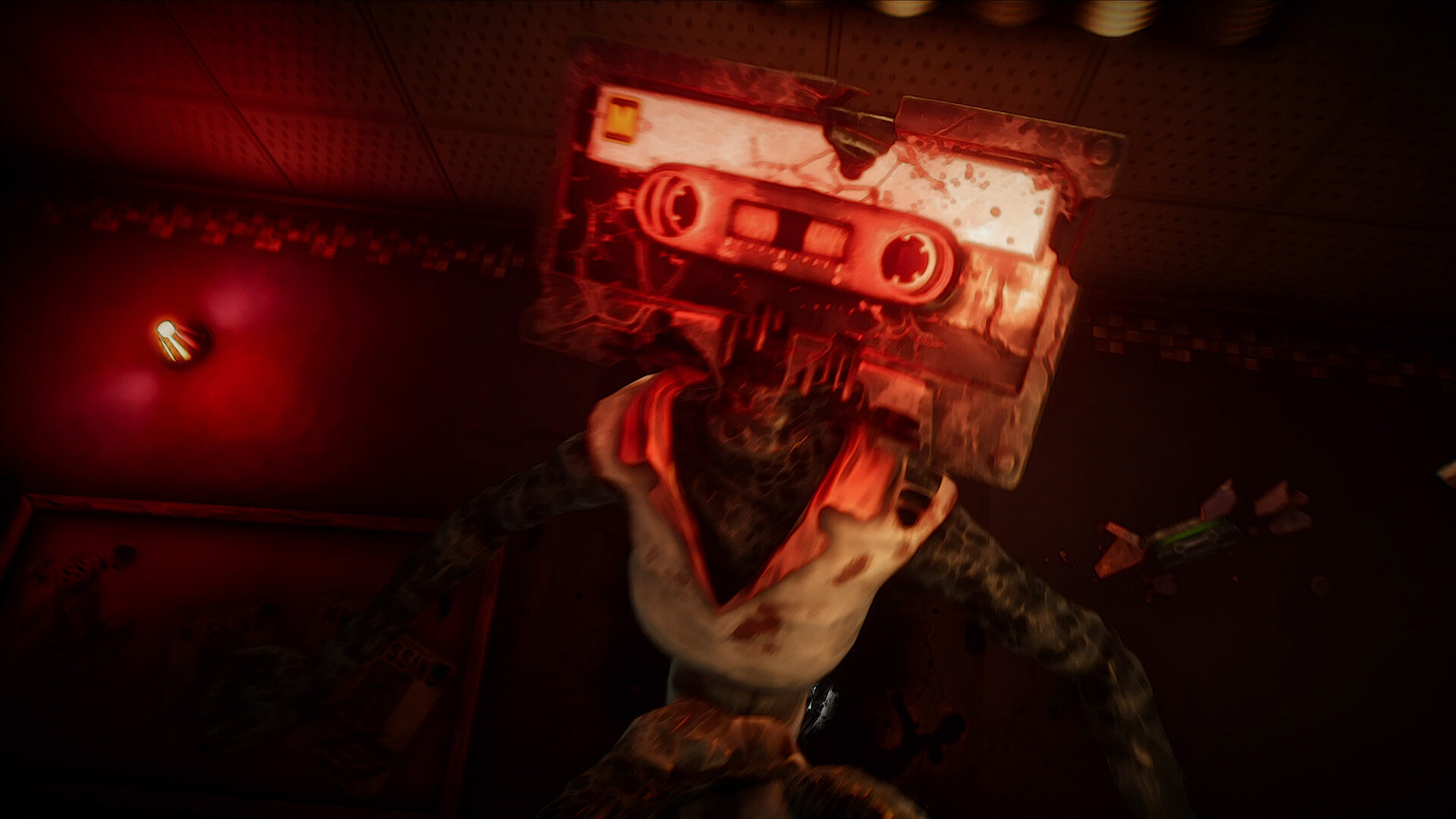
Despite its short length, the demo lays a pretty solid foundation for Don’t Fret. It builds a world that feels both familiar and alien, utilizing the imagery and concepts of music the same way Bendy and the Ink Machine used cartooning. Everything from the monsters to the puzzles is structured around music in a way that makes it feel oppressive and heavy.
“While there’s a lot of room for improvement, I was genuinely intrigued with what I got to experience in Don’t Fret.”
This fits in well with the game’s horror themes as well, as it becomes pretty clear quite quickly that Harmonic Heights, which is actually a twisted music school, is a reflection of Fret’s own trauma as a child musician—likely forced into music by his overbearing parents. It starts to create a feeling of terror around the very concept of music and the act of creating it becomes almost like a punishment.
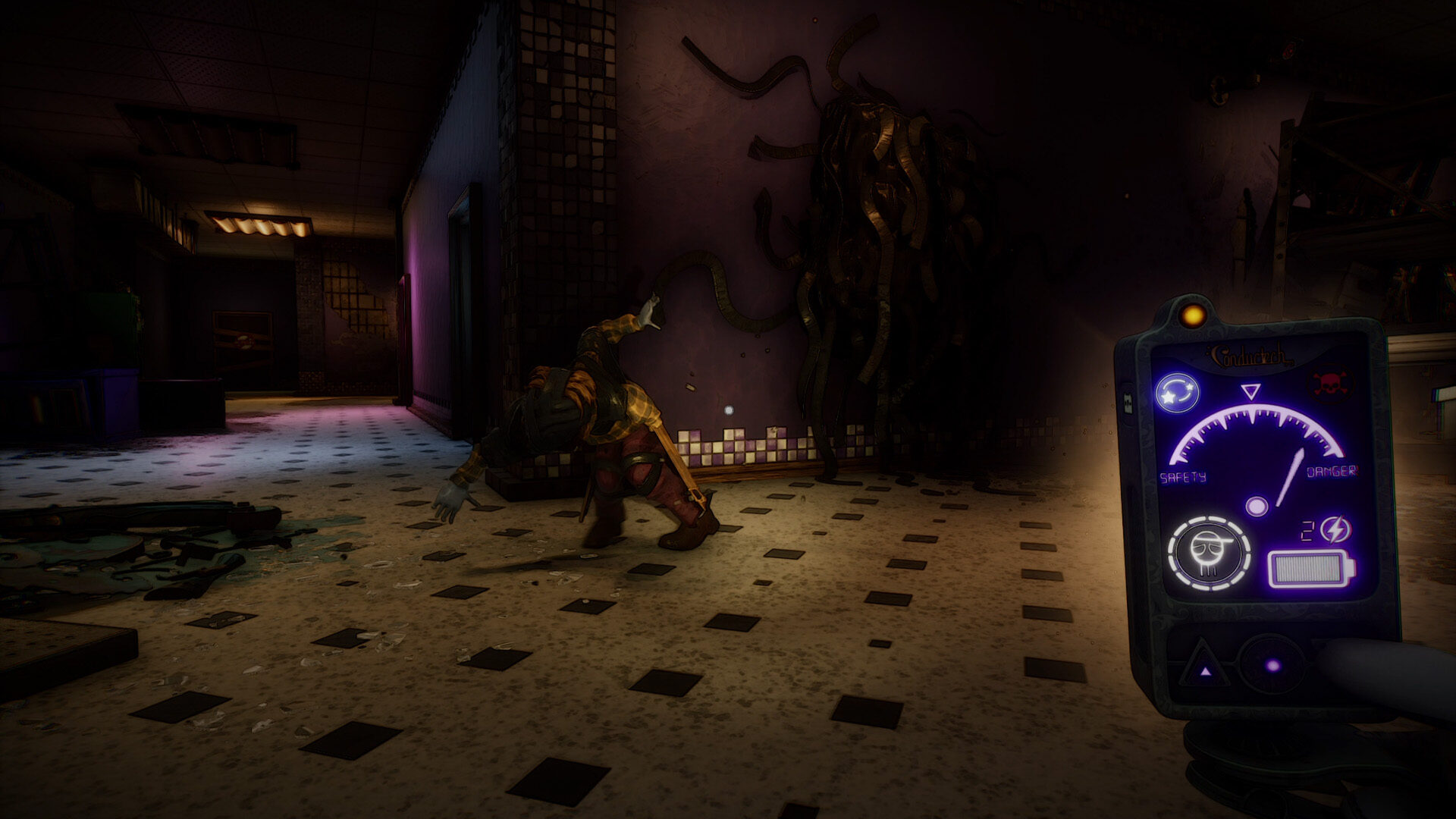
And it’s used to interesting effect within the gameplay as well. Players receive a Tuner that not only acts as a flashlight and a potential defense against smaller monsters, but allows him to see if they’re near danger—akin to the radio in Silent Hill. At one point, players must move through the darkness against an enemy who can see through smell, while deafening D&B is blasting through speakers and flashing lights disorient the player like a dreadful discotheque.
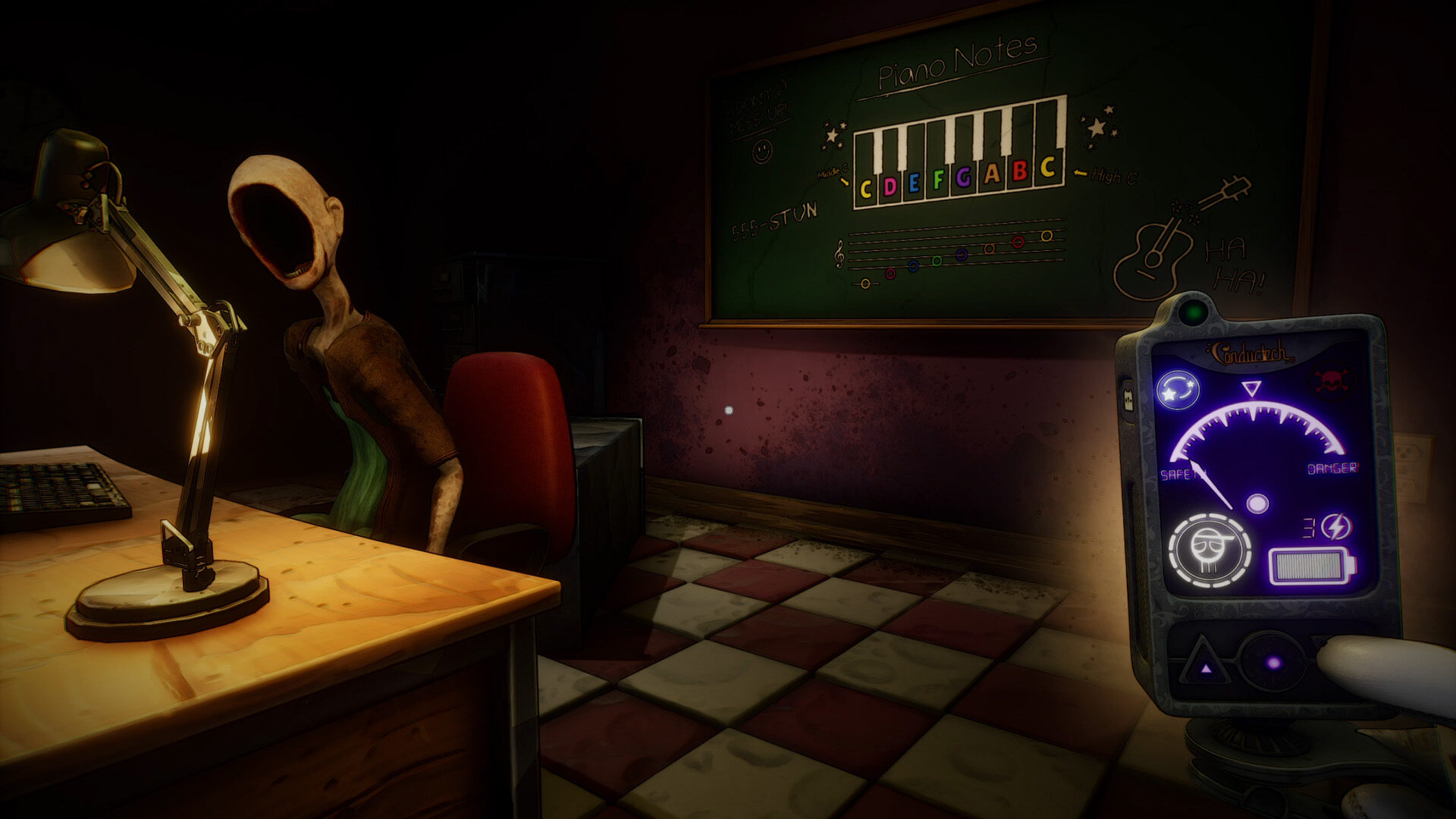
And while its visuals have a certain cutesy aesthetic—which works in creating the atmosphere of a child’s nightmare—it also does have some genuine scares. One moment in particular where what seemed like a corpse sitting in a chair stiffened upright with a ghostly breath genuinely sent shivers down my spine. Like I said above, its an early build so a lot of the jump-scares didn’t work due to some technical hiccups in the execution, but that moment left an impression on me.
While there’s a lot of room for improvement, I was genuinely intrigued with what I got to experience in Don’t Fret. Like I’ve said in the past, the only thing I like more than a horror game is one with a good idea and this game certainly has one. With a little more time and polish can bring this could be a truly remarkable game.
Don’t Fret is available to Wishlist now on Steam.