

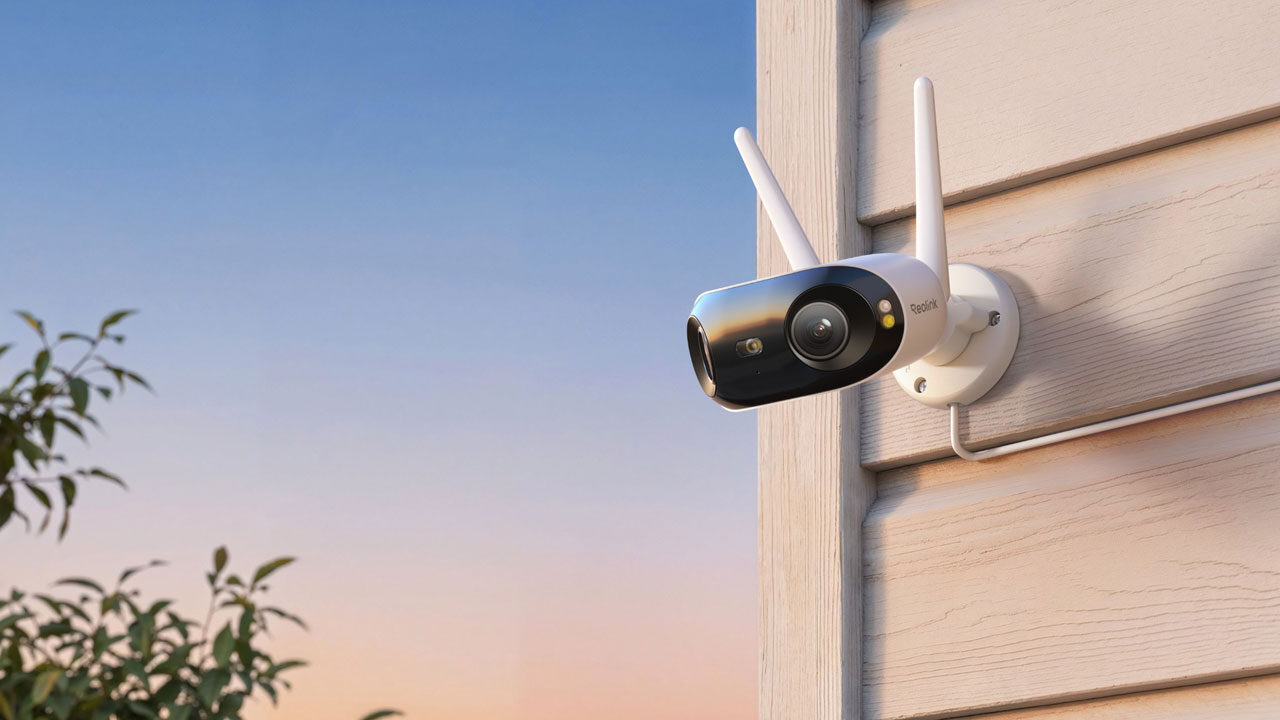
Security cameras were once simple recording devices. A camera captured footage, stored it locally, and waited for someone to review the video after an incident. That model is changing quickly as artificial intelligence, cloud infrastructure, faster networks, and advanced video analytics turn surveillance systems into searchable sources of real-time information.
The scale of the shift is significant. Grand View Research estimates that the global video surveillance market will reach about $94.1 billion in 2026, up from $83.5 billion in 2025, with the market projected to grow at an annual rate of 11.7% through 2033. IP-based surveillance systems already represented more than 55% of the market in 2025.
Security needs remain substantial even as some crime categories decline. The FBI estimated approximately 5.99 million property crime offenses in the United States in 2024, including roughly 779,500 burglaries. More than half of those burglaries involved residential properties.
For organizations operating stores, schools, offices, warehouses, healthcare facilities, and other physical spaces, simply having cameras is therefore no longer enough. The bigger question is whether teams can find useful information quickly when something actually happens.
The evolution from basic motion alerts to intelligent video search is changing the answer.
The First Big Step: Motion Detection

One of the earliest major improvements to traditional surveillance was motion detection.
Older CCTV systems often recorded continuously. This created huge volumes of footage, much of which showed nothing happening. Security teams could spend hours reviewing recordings to find a few seconds that mattered.
Motion-triggered recording made the process more efficient. Instead of treating every second equally, cameras could begin recording or generate an alert when movement appeared within the scene.
For a small retail shop, this could mean receiving a notification after movement is detected near the rear entrance outside operating hours. For a warehouse, motion detection could help highlight activity in an area that is normally empty overnight.
The technology reduced unnecessary recording and gave security teams a useful starting point.
However, motion detection had a major weakness: it generally understood that something had moved, but not what had moved or why that movement mattered.
A tree moving in strong wind, headlights crossing a parking lot, an animal near a fence, or an employee entering a building could all trigger similar alerts.
This led to the next phase of video surveillance.
From Detecting Movement to Understanding Objects
Modern cameras and video management platforms can use computer vision to distinguish between different objects and activities.
Instead of generating an alert whenever pixels change, AI-assisted systems can potentially classify people, vehicles, objects, and other elements in a scene.
Consider a distribution center with hundreds of vehicle movements each day. Traditional motion detection might generate excessive alerts as trucks enter and leave. More advanced analytics can help security teams focus on specific types of activity, such as a person entering a restricted loading area or a vehicle appearing where it is not normally expected.
This shift changes the purpose of an alert.
The question is no longer simply, “Was there movement?”
It becomes, “Was there activity that deserves attention?”
That distinction matters enormously when security teams oversee dozens or hundreds of cameras.
Fewer irrelevant alerts can reduce alarm fatigue and allow staff to spend more time investigating events that may represent genuine operational or security risks.
Intelligent Search Is Changing Video Investigations
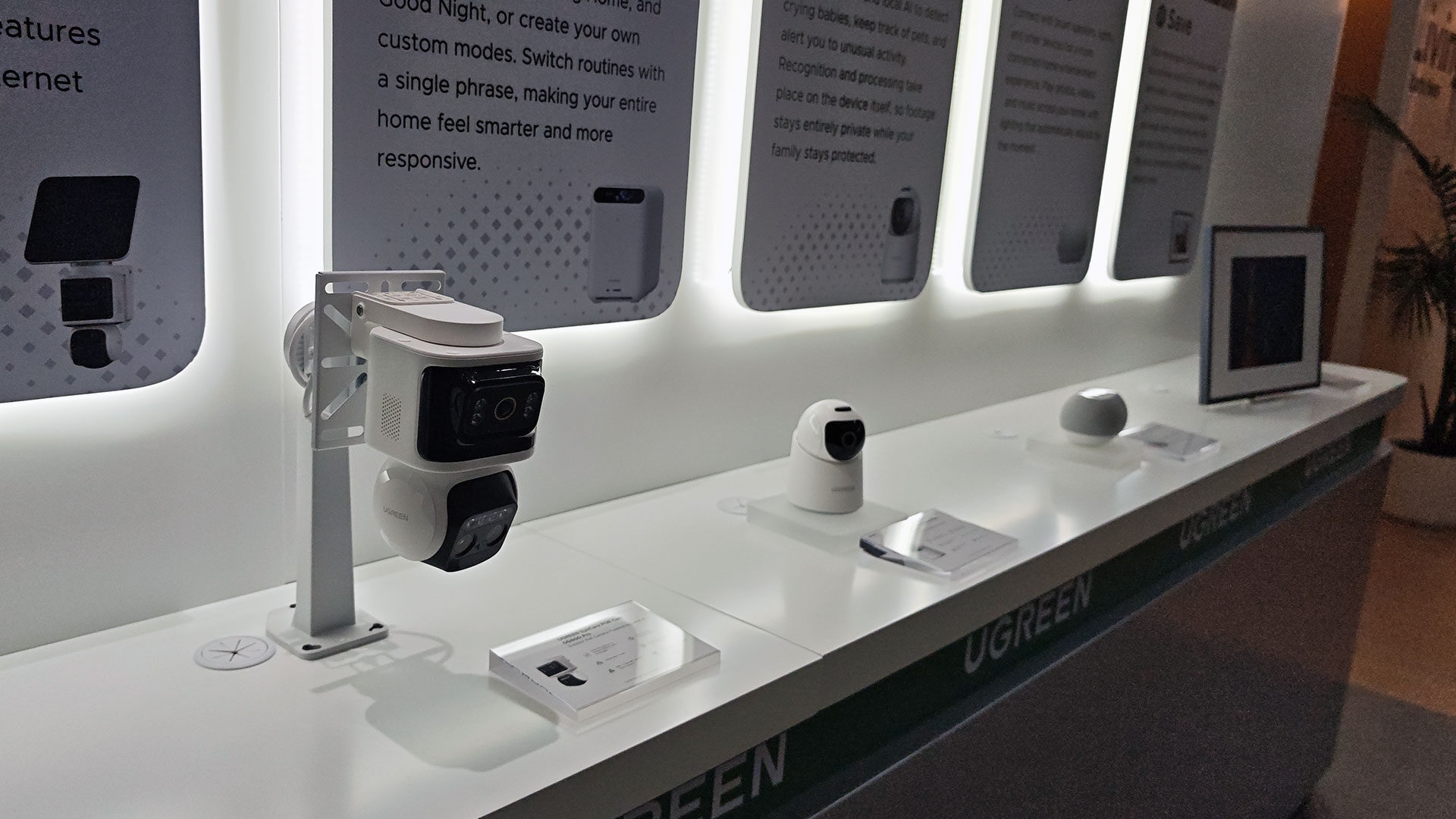
Perhaps the biggest transformation is taking place after footage has already been recorded.
Searching traditional surveillance recordings is often surprisingly manual. Suppose a business discovers at 4 p.m. that a laptop disappeared sometime between 9 a.m. and 2 p.m. A security employee might need to select several cameras, identify relevant time periods, and manually move through hours of footage.
The challenge gets much larger on a multi-building campus.
Intelligent video search is designed to make that process faster by allowing recorded footage to be searched according to characteristics, events, people, or objects identified by the system.
A security operator investigating an incident might narrow footage to activity involving a particular doorway, vehicle type, object, clothing description, or period of time. Instead of treating video like an endless recording, the organization can begin treating it more like searchable data.
This capability can be useful outside traditional crime investigations too.
A warehouse manager investigating a missing shipment could review when a particular loading area was accessed. A facilities team could investigate repeated unauthorized entry into a restricted room. A retailer could more quickly locate footage related to a customer incident instead of searching an entire day of recordings.
The practical improvement is not simply better cameras. It is shorter time between asking a question and finding a relevant video.
Storage Is Becoming Part of the Intelligence Layer
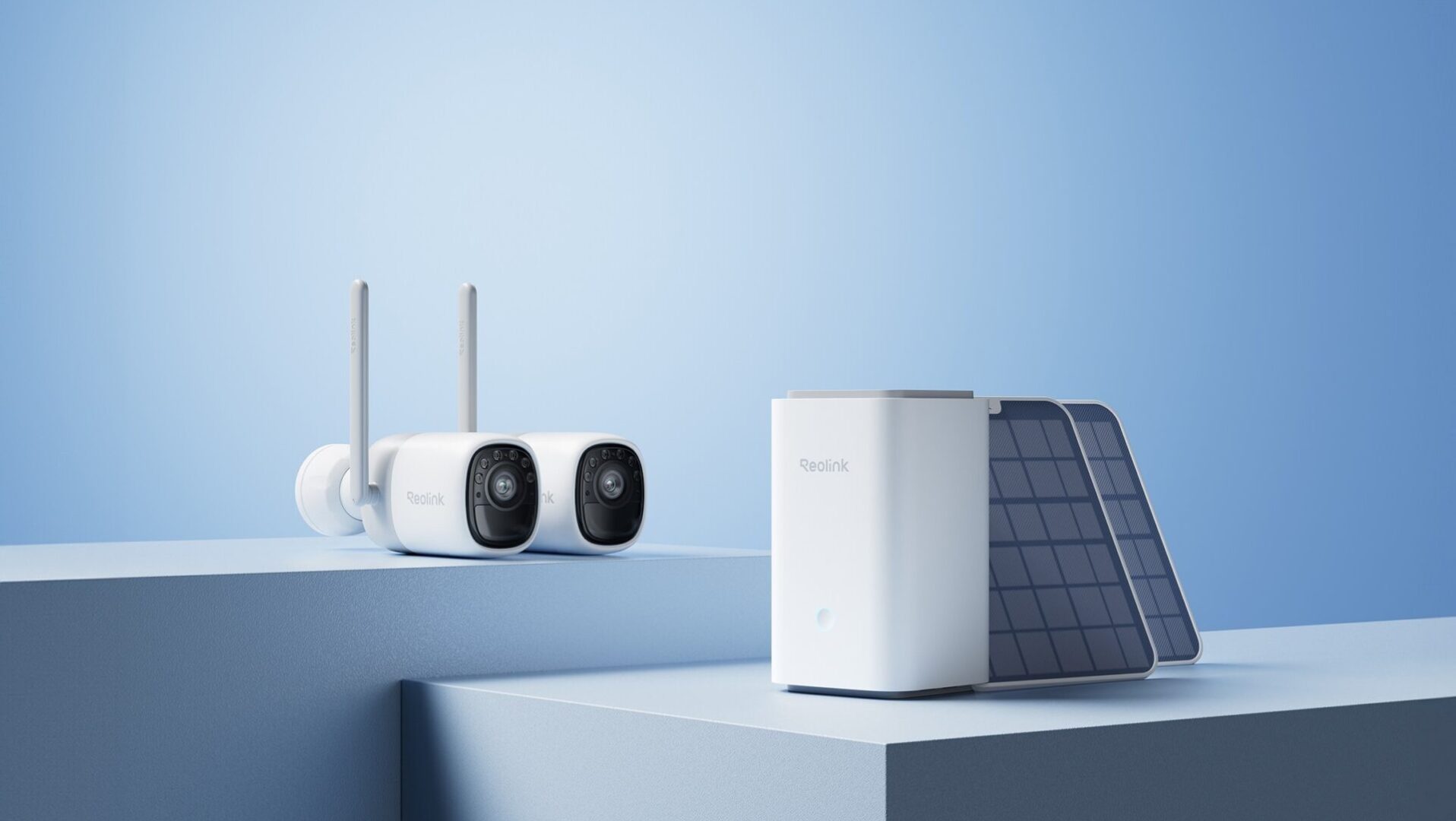
More advanced search creates another important requirement: organizations need footage to remain available, organized, and retrievable.
Traditional systems typically relied heavily on DVRs, NVRs, hard drives, or other equipment installed at each location. Local storage can still provide important advantages, including direct access and reduced dependence on internet connectivity, but physical storage has capacity and maintenance limitations.
Cloud and hybrid architectures offer another approach.
For example, Coram illustrates how cloud storage for security cameras can be combined with AI-powered video management and hybrid storage. According to its cloud storage guide, the platform supports intelligent searches for events, objects, or people and provides retention options ranging from 30 to 365 days. It also describes custom retention policies that organizations can adjust according to operational or compliance requirements.
The larger industry trend is important because intelligent search becomes much more useful when organizations can reliably access historical footage across multiple locations.
A regional business with 40 facilities, for example, does not necessarily want security staff logging into 40 independent recorders. Centralized access can simplify investigations, especially when an incident involves multiple sites or requires footage from several cameras.
Why Hybrid Storage Is Becoming Important
Cloud does not automatically mean every second of every camera recording needs to exist only in a remote data center.
Hybrid surveillance architectures combine local and cloud resources.
Recent footage might remain available locally for fast access while important recordings or archived footage can also be maintained remotely. This can provide redundancy while reducing dependence on a single storage location.
The approach can be particularly valuable for organizations with unreliable connectivity or large numbers of high-resolution cameras.
A manufacturing facility, for example, might need continuous recording even if its internet connection temporarily drops. Keeping video available locally can protect continuity, while cloud-based components may support centralized access, backups, or longer-term retention.
Choosing between local, cloud, and hybrid storage should therefore depend on operational needs rather than trends alone.
Organizations need to consider bandwidth, required retention periods, camera counts, cybersecurity, accessibility, compliance expectations, and the financial impact of storing increasingly large quantities of high-resolution video.
Security Cameras Are Becoming Operational Tools
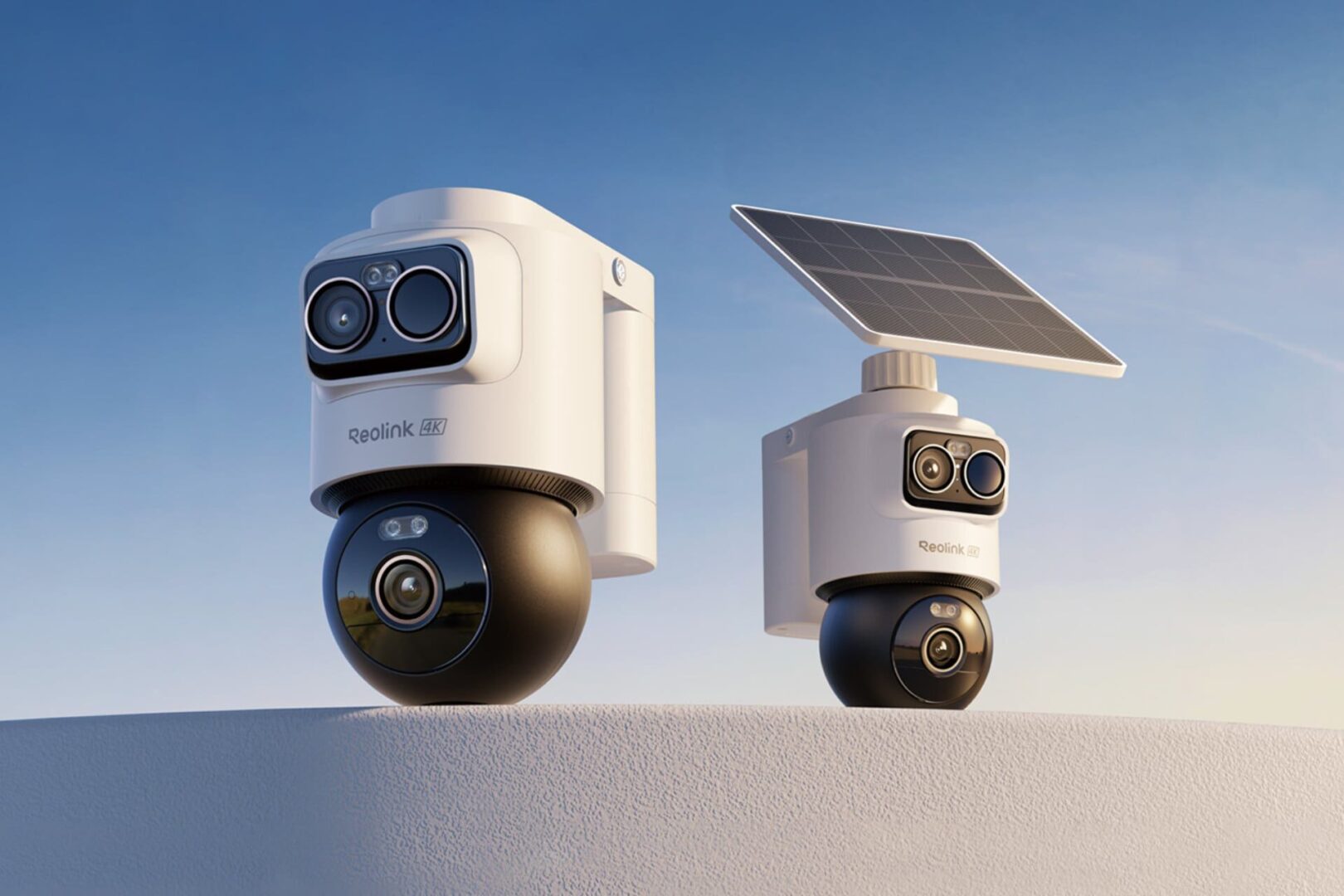
Another major change is that surveillance footage is increasingly useful to teams beyond security departments.
Video can help organizations understand what happened during an operational problem.
Imagine a warehouse where customers repeatedly complain about delayed shipments. Video investigation may help managers determine whether delays happen at receiving, staging, loading, or another part of the process.
In retail environments, managers might use footage to investigate blocked exits, delivery problems, or repeated congestion near specific areas.
Schools can use searchable video to review incidents without manually examining an entire day of recordings. Property managers can investigate damaged equipment, unauthorized access, or disputes involving shared spaces.
The camera therefore becomes more than a digital witness.
It becomes part of an organization’s broader information infrastructure.
That does not mean every camera should become an employee-monitoring tool. Organizations should establish clear policies defining legitimate uses of footage and limiting unnecessary surveillance.
The technical ability to analyze more video also creates a responsibility to decide when that analysis is appropriate.
Privacy and Cybersecurity Matter More as Cameras Get Smarter
A traditional analog camera presented a relatively limited cybersecurity surface. Modern IP cameras, cloud platforms, mobile applications, remote dashboards, and AI services create many more connections.
That makes security architecture increasingly important.
Organizations should evaluate encryption, authentication controls, user permissions, software updates, audit capabilities, and retention policies before selecting a surveillance platform.
Access to video should also follow the principle of least privilege.
A security administrator may need broad access to footage across a property, while a store manager might require access only to cameras at one location. Giving every user unrestricted access creates unnecessary privacy and cybersecurity risks.
Retention deserves similar attention.
Keeping footage indefinitely can increase storage costs and privacy exposure without necessarily improving security. Organizations should establish retention periods based on operational requirements, applicable regulations, investigation needs, and risk.
Cloud video storage also introduces practical considerations such as internet reliability, ongoing subscription costs, and data privacy concerns, which should be evaluated alongside benefits such as scalability and remote accessibility.
What Businesses Should Look for in a Modern Camera System
The most advanced technology is not automatically the right technology. A useful surveillance system should reduce complexity rather than simply add features.
Organizations evaluating an upgrade should focus on a small number of practical questions:
- Search speed: How quickly can employees locate relevant footage after an incident?
- Storage flexibility: Can retention periods and capacity grow as camera deployments expand?
- Remote management: Can authorized employees securely access multiple sites without maintaining separate systems?
- Cybersecurity and privacy: Are authentication, permissions, encryption, retention controls, and system updates properly managed?
Compatibility also matters.
Replacing dozens or hundreds of functioning cameras purely to obtain new software features can significantly increase project costs. Organizations should understand whether existing IP cameras, networks, and storage infrastructure can remain part of the upgraded environment.
The goal should be to solve operational problems, not simply purchase more sophisticated hardware.
The Next Stage: Cameras That Help Answer Questions
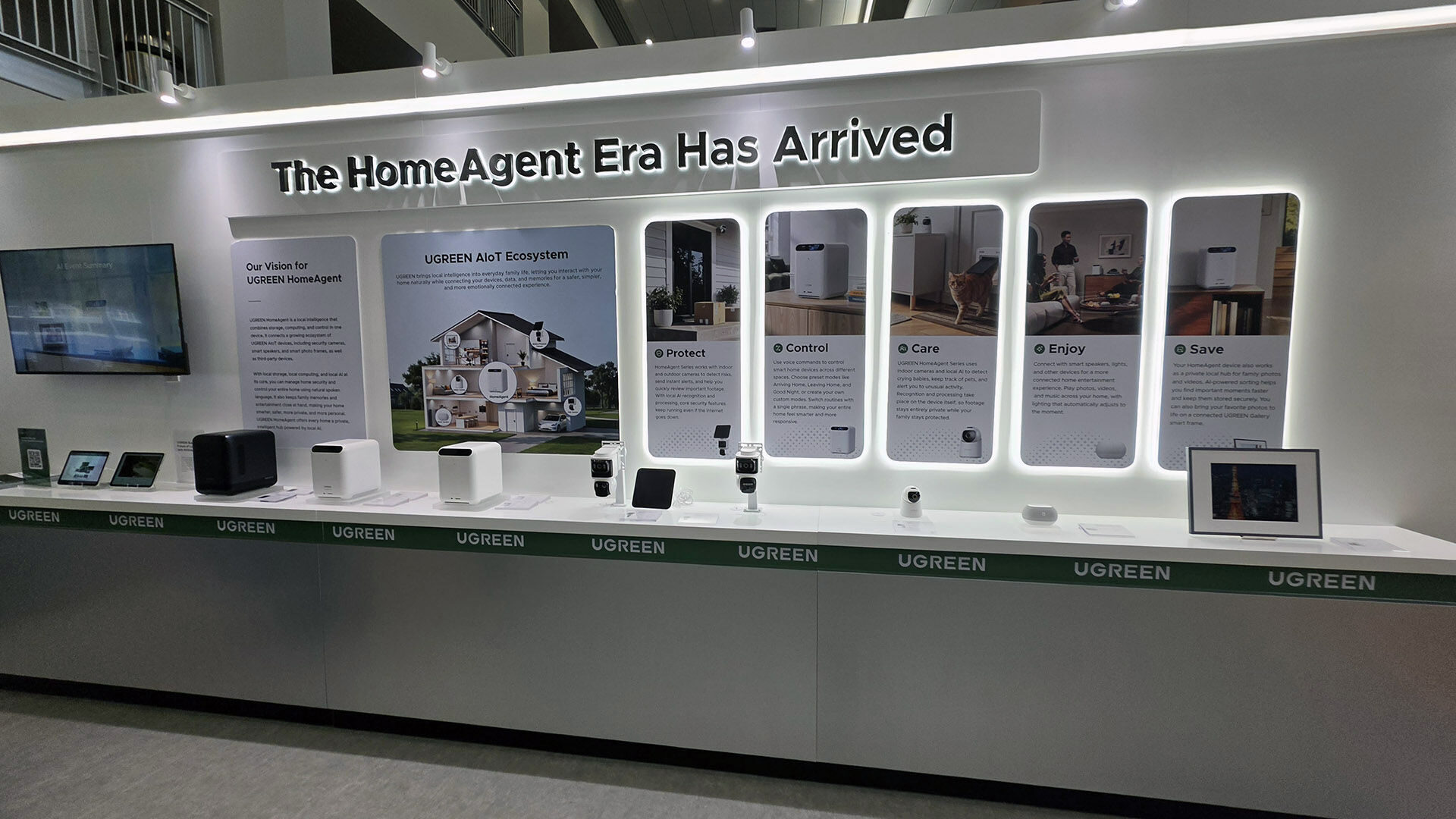
The future of surveillance is likely to involve less time staring at video walls and more time asking systems targeted questions.
That transition is already visible.
Security cameras began as recording devices. Motion alerts made them reactive. Object detection made them more selective. Intelligent search is now making recorded video easier to investigate.
Over time, AI systems may become increasingly capable of connecting information across cameras, identifying patterns, summarizing events, and helping operators investigate complex incidents faster.
Human judgment will still remain important. An algorithm may identify relevant video or flag unusual activity, but people must determine context, significance, and the appropriate response.
The most valuable evolution is therefore not surveillance becoming completely automated.
It is surveillance becoming easier for humans to use.
FAQs
What is intelligent video search?
Intelligent video search uses AI and video analytics to help users locate relevant footage according to events, objects, people, characteristics, locations, or other searchable information. It can significantly reduce the amount of video that must be reviewed manually.
How is intelligent search different from motion detection?
Motion detection primarily identifies movement within a camera scene. Intelligent search can analyze recorded video more deeply and help users find specific events or objects instead of reviewing every motion event individually.
Does cloud storage replace local video storage?
Not necessarily. Some organizations use fully cloud-based systems, while others prefer local storage. Hybrid systems combine both approaches, allowing businesses to balance local availability with cloud-based accessibility, redundancy, and scalability.
How long should businesses retain security camera footage?
There is no universal retention period. The appropriate duration depends on industry requirements, regulations, storage capacity, risk, and operational needs. Coram’s guide notes that many businesses commonly retain footage for 30 to 90 days, while certain healthcare or financial organizations may retain footage for longer periods.
Can AI security cameras eliminate the need for security personnel?
No. AI can help prioritize alerts, search recordings, and identify potentially relevant activity, but human operators remain essential for interpreting context, verifying incidents, making decisions, and coordinating an appropriate response.
Conclusion
The evolution of security cameras is moving the industry away from passive recording and toward faster, more intelligent investigation.
Motion detection reduced unnecessary footage. Video analytics helped systems distinguish meaningful activity from ordinary movement. Cloud and hybrid storage made footage easier to access across locations. Intelligent search is now helping users retrieve important moments without manually reviewing hours of recordings.
For businesses, schools, warehouses, healthcare facilities, retailers, and other organizations, this evolution can make existing camera networks far more useful.
The real value of the next generation of surveillance will not be measured by how much video organizations can record. It will be measured by how quickly they can turn that video into useful information when something important happens.