

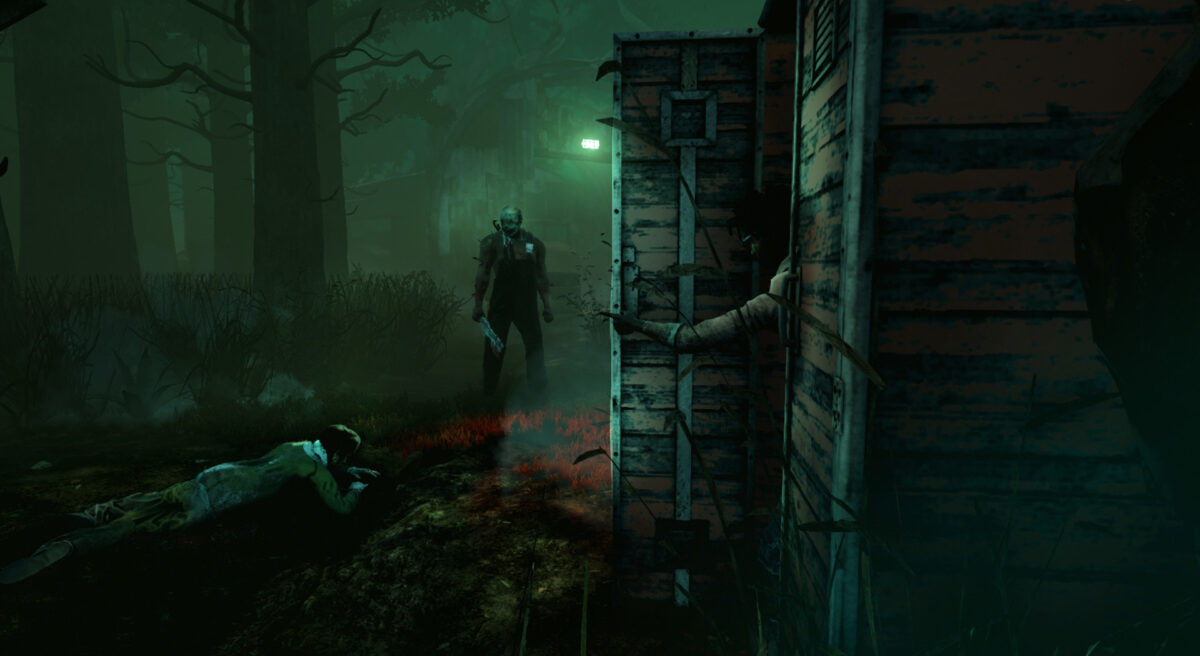
When mapping out the true heavyweights of asymmetrical multiplayer, you always end up back at Dead by Daylight. Drop launched back in 2016 by Montreal’s own Behaviour Interactive, this horror-survival titan essentially threw out the standard industry playbook. It has somehow blown past 60 million global players, locking down a permanent spot in digital culture. Keeping people around that long takes more than luck, though. It requires a brutal combination of multiplayer infrastructure, massive technical pivots, and highly aggressive live-service execution. What originally began as a simple, straightforward 4v1 game of hide-and-seek evolved into a masterclass in player retention.
Balancing Chaos: Fair Play in an Unfair Setup
How long does an asymmetrical game actually live? For Dead by Daylight, it all comes down to aggressive live-service tweaks and its matchmaking loops. True balance in a 4v1 setup is a massive headache. Shift a character’s movement speed by a fraction, or alter a single loop in map geometry, and the core competitive loop falls apart. To stop that from happening, the engineering crew set up automated data pipelines. These pipelines constantly harvest real-time player telemetry, giving devs an instant snapshot of kill ratios, survival rates, and performance trends across millions of active matches.
This massive, daily firehose of data directly fuels server-side hotfixes, balance updates, and content drops. By tracking these metrics under a microscope, the studio deploys fast, incremental balance shifts without shattering the core gameplay. A sophisticated skill-based matchmaking (SBMM) algorithm runs alongside these micro-updates. Instead of static brackets, this system calculates player skill gaps on the fly, matching individuals dynamically across global regions to protect competitive fairness while keeping queue times low.
Unifying Communities via Cross-Progression
The trajectory of Dead by Daylight says a lot about what modern digital audiences want out of entertainment platforms. Today’s players have zero patience for technical friction; they want instant connectivity and flawless backend performance. This demand for real-time responsiveness is a defining trait of Canada’s broader digital economy. Whether regional networks are managing massive user spikes for live sports streaming, processing sudden transaction volumes on major e-commerce hubs, or stabilizing traffic for a high-volume online casino in Canada, the underlying infrastructure requirement is identical: heavy-duty server capacity that prevents systemic downtime.
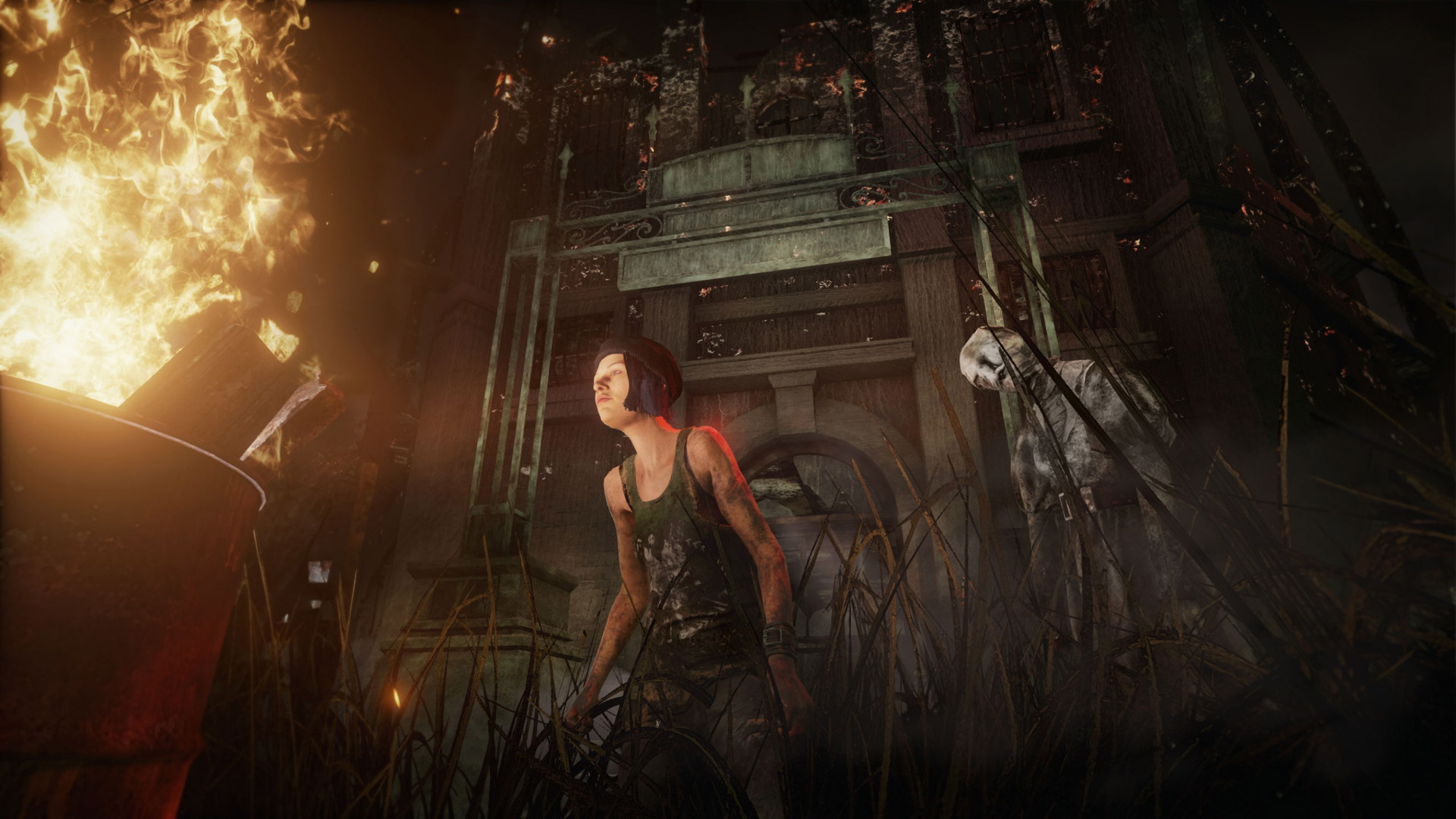
In the gaming space, this shifting expectation is exactly why advanced cross-progression systems became mandatory. Players want to take their unlocked items, earn cosmetic rewards, and profile setups across different hardware ecosystems without running into a technical wall.
The Streaming Engine: Dominating Twitch and YouTube
If you look past the raw code and server logic, the game owes a massive chunk of its multi-year lifespan to streaming culture. The high-stakes, direct tension of a 4v1 chase provides perfect raw material for creators on Twitch and YouTube. The dev team realized this early on, baking community programs and creator outreach directly into their live-operations strategy.
Constant cosmetic drops, seasonal in-game events, and massive, headline-grabbing crossovers with legendary horror franchises keep players hooked. This self-sustaining loop of content creation and rapid developer response builds an organic marketing engine that pulls in new faces while keeping veterans around for the long haul.
How Montreal is Rewriting the Multiplayer Blueprint
The undeniable momentum of Dead by Daylight shines a massive spotlight on Montreal’s position as a premier global hub for video game development. Fuelled by specialized local talent, Behaviour Interactive has scaled up a dedicated Live Operations group packed with data analysts, product managers, and community specialists.
As the technical demands of multiplayer gaming scale up, the studio’s data-first philosophy offers a blueprint for the rest of the industry. By blending heavy engineering with a sharp understanding of community culture, they’ve ensured that the game’s broader ecosystem will keep thriving for years to come.