

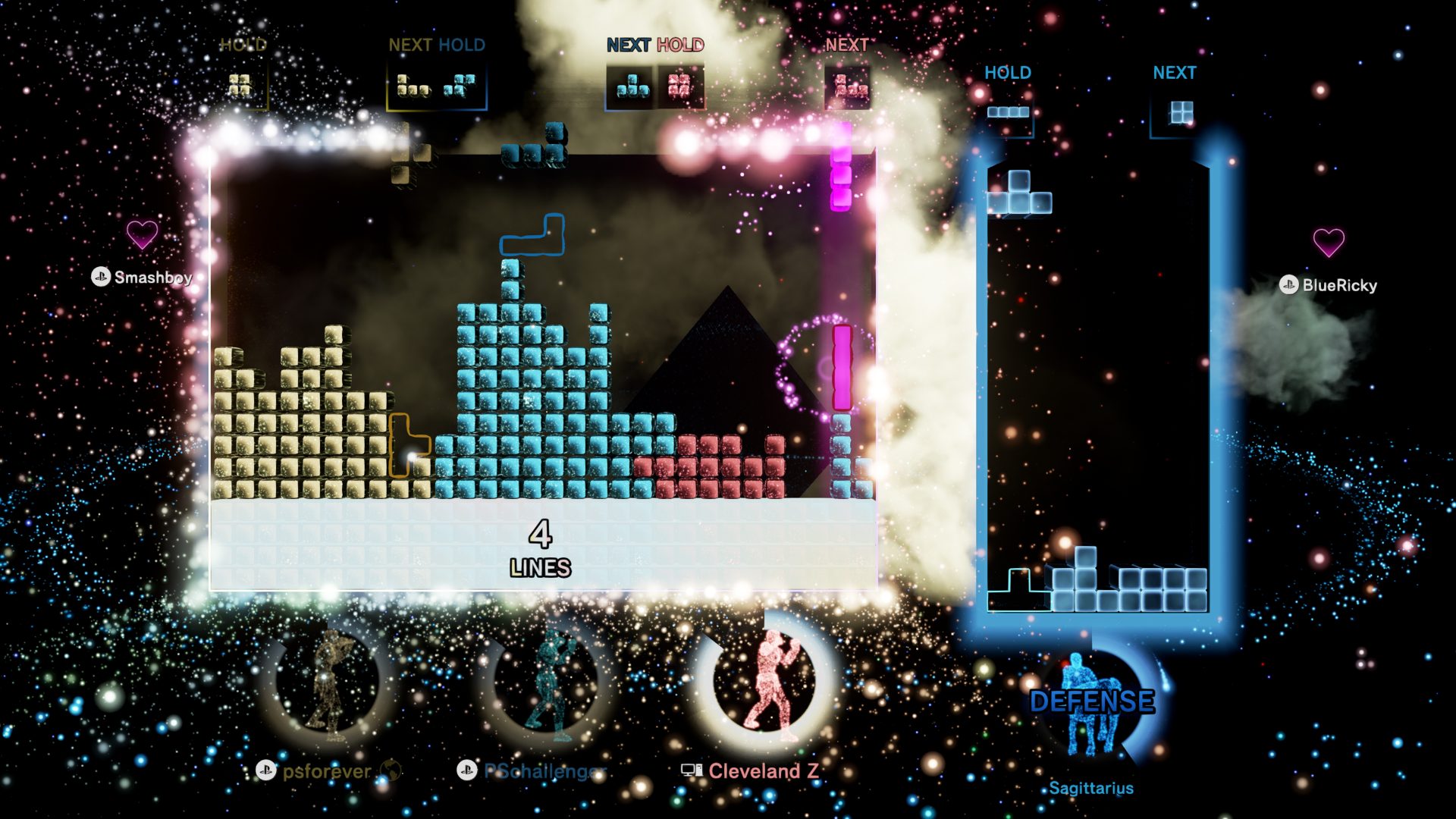
Modern video games can be astonishingly complicated, with open worlds stretching across enormous maps, role-playing games featuring interconnected progression systems, and competitive titles demanding hours of practice before players can truly master them. Live-service games add another layer of complexity by introducing new mechanics, features, and systems with every major update. Despite these developments, however, some of gaming’s most enduring experiences remain remarkably simple.
Tetris is still recognizable within seconds, while Pac-Man requires almost no explanation before someone can start playing. Pinball continues to attract enthusiasts, and familiar card games have survived countless changes in hardware, technology, and entertainment trends. These examples demonstrate something the industry occasionally overlooks: complexity is not necessarily the same thing as engagement, and some of the strongest gameplay ideas are also the easiest to understand.
The Difference Between Simple and Shallow
A simple game is not necessarily an easy game, and Tetris provides an excellent example of this distinction. Its basic objective can be explained in a single sentence, yet improving at it requires spatial awareness, quick reactions, forward planning, and increasingly precise decisions as the difficulty increases. Fighting games demonstrate a similar principle, since players can understand the basic objective almost immediately while spending years learning movement techniques, timing, character matchups, and advanced strategies.
The real distinction lies between accessibility and mastery. Accessible games make it easy for newcomers to begin playing, while deeper mechanics provide experienced players with reasons to continue improving. Some titles manage to combine both qualities, creating experiences that are immediately understandable but offer considerable room for long-term development. Others deliberately prioritize immediate entertainment rather than extensive progression, and neither approach is inherently superior. What matters most is whether the mechanics support the experience the developer intends to create.

Why Familiar Formats Translate Well to Digital Platforms
Part of the appeal of traditional arcade and casual games comes from their recognizable visual language, as players generally understand falling blocks, matching symbols, playing cards, spinning reels, and straightforward movement controls without requiring extensive tutorials. This familiarity becomes particularly valuable when established gaming formats are adapted for different platforms, allowing an arcade concept to become a mobile title, a traditional card game to become a browser experience, or a familiar physical format to be reimagined through animations, sound effects, and digital interfaces.
Coin-based games also fit within this broader tradition of accessible entertainment. For example, a coins game casino experience can incorporate virtual coins and recognizable casino-inspired mechanics to create casual digital entertainment rather than conventional cash-wagering gameplay. The underlying appeal is relatively straightforward, as players encounter familiar symbols and interactions within an accessible digital environment.
Of course, recognizable visuals do not eliminate the importance of clear rules and transparent presentation. Virtual coins, randomized outcomes, and game-specific systems should always be explained accurately so that players understand what they are interacting with. Good casual game design reduces the learning curve while ensuring that the experience remains clear and predictable in terms of its rules, even when individual outcomes involve chance.
More Features Don’t Always Make Better Games
The gaming industry has become exceptionally good at adding new systems and features, with modern releases frequently incorporating crafting mechanics, skill trees, daily challenges, collectibles, seasonal progression, competitive rankings, upgrade paths, and extensive customization options. These additions can provide considerable depth and longevity, particularly for players who enjoy investing time in mastering complex environments, but they can also introduce unnecessary friction into the overall experience.
Consider someone returning to a game after several weeks away, only to discover multiple new currencies, unfamiliar menus, additional progression systems, and a seasonal event that requires several introductory screens before gameplay can begin. For committed players, learning these systems may be part of the enjoyment, whereas someone looking for just fifteen minutes of entertainment might find the experience unnecessarily exhausting. Simple games avoid much of this friction by keeping their central interactions understandable, allowing players to spend less time preparing to play and more time actually enjoying the game.
This distinction becomes increasingly important as gaming libraries continue to expand and players have more entertainment options than ever before. While additional features can improve certain experiences, they should serve a meaningful purpose rather than exist simply to make a game appear more sophisticated.
The Importance of Immediate Feedback
One reason classic games remain satisfying is their ability to respond clearly and consistently to player actions. Pressing a button produces an immediate result, moving a piece updates the screen, completing a pattern triggers a recognizable response, and successfully navigating an obstacle provides instant confirmation that the player has accomplished something. This relationship between input and feedback is one of the fundamental principles of good game design, regardless of the genre or technical complexity involved.
It also explains why sophisticated graphics are not always necessary to create an enjoyable experience. A visually modest game can feel excellent when its controls are responsive, and its feedback is easy to understand, while an impressive-looking production can become frustrating if animations obscure important information or controls respond inconsistently. The sensation of playing matters just as much as the visual presentation, particularly in games where the central mechanic is repeated frequently.
Strong feedback generally relies on three important qualities: clarity, which ensures players understand what their actions have accomplished; consistency, which means similar actions produce understandable responses; and timing, which ensures visual and audio cues arrive when players expect them. These principles apply to almost every gaming genre, ranging from fast-paced action titles to casual browser games and traditional puzzle experiences.

The Value of Games That Respect Short Sessions
Not every player wants to spend several hours exploring an enormous virtual world after work, and sometimes there is only enough time for a quick puzzle, a short arcade session, or a few minutes with a familiar game. These shorter experiences are no less meaningful simply because they require less commitment, as they reflect the different ways people incorporate interactive entertainment into their everyday routines.
Short-session games have particular design requirements, including clear objectives, limited preparation, and convenient stopping points. Players should be able to understand what they are doing without reconstructing an elaborate narrative, remembering dozens of controls, or navigating several layers of menus before reaching the main activity. This accessibility makes simple games useful companions to larger releases, since someone might spend an entire weekend exploring a major role-playing game before choosing a casual alternative during a short weekday break.
Rather than competing for exactly the same kind of attention, these different formats serve different moments and preferences. Some players enjoy the commitment required by expansive adventures, while others appreciate entertainment that can be enjoyed in smaller intervals without sacrificing the satisfaction of a complete experience.
When Presentation Supports the Mechanics
A game’s presentation should make its mechanics easier to understand rather than introduce unnecessary distractions. Sound design can communicate success or failure, animation can clarify movement, visual hierarchy can direct attention toward important elements, and carefully designed interfaces can prevent information overload. These details contribute significantly to the overall experience, even when the underlying gameplay is relatively straightforward.
CGMagazine explored this relationship in its feature on why great game feel is about more than graphics, highlighting the importance of responsiveness, sound, animation, and interface design in creating satisfying interactions. The underlying principle extends well beyond technically demanding productions, since every game benefits when its controls and visual feedback work together naturally.
For casual games, these details can become especially noticeable because players spend a greater proportion of their time interacting with the central mechanic. An unnecessary delay, confusing animation, or poorly positioned control can quickly undermine an otherwise enjoyable experience. Developers therefore have good reason to approach simple games with the same attention to detail and polish they would apply to much larger productions.
Randomness, Familiarity, and Player Expectations
Randomized mechanics are common throughout the gaming industry, with roguelikes using procedural elements to create variety, role-playing games incorporating random encounters and loot systems, and traditional card games relying on shuffled decks to determine what happens next. Certain arcade and casino-inspired formats also incorporate randomized outcomes, creating experiences where each round can produce a different result.
Randomness can make a game feel fresh and unpredictable, but it needs to operate within understandable rules. Players should be able to distinguish between the elements influenced by their own decisions and those determined by chance, particularly when outcomes cannot be reliably anticipated. A randomized result should never be presented as something players can consistently predict based on previous outcomes, since doing so creates misleading expectations about how the underlying system operates.
Similarly, games using virtual resources should clearly explain what those resources represent and how they function within the experience. Transparency does not eliminate the excitement associated with uncertainty; instead, it helps players understand the nature of the entertainment and make informed decisions about how they interact with it.
Why Simple Games Will Continue to Matter
The future of gaming will undoubtedly include increasingly expansive worlds, sophisticated simulations, more advanced graphics, and entirely new ways of interacting with digital environments. However, these developments do not make simple game mechanics obsolete. If anything, the growing scale and complexity of modern productions create an even stronger argument for accessible alternatives that allow players to enjoy interactive entertainment without extensive preparation or long-term commitment.
Players have different interests, schedules, and expectations, meaning there will always be demand for a variety of gaming experiences. Some enjoy mastering deep strategic systems, others prefer competitive environments that reward years of practice, while many simply want a familiar activity that can provide entertainment during a short break. The continued appeal of arcade classics, puzzles, traditional card games, and casual digital formats demonstrates that the industry has room for all these approaches.
Ultimately, successful game design should not be measured by the number of systems a developer can incorporate into a production, but by how effectively those systems support the intended experience. A title built around one excellent mechanic can become just as memorable as a sprawling adventure containing dozens of interconnected features, provided that its central idea is executed with care and consistency.
In an era when video games are becoming bigger, more detailed, and increasingly ambitious, knowing when to keep things simple may remain one of the most valuable design skills of all.