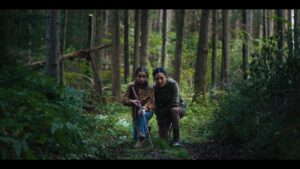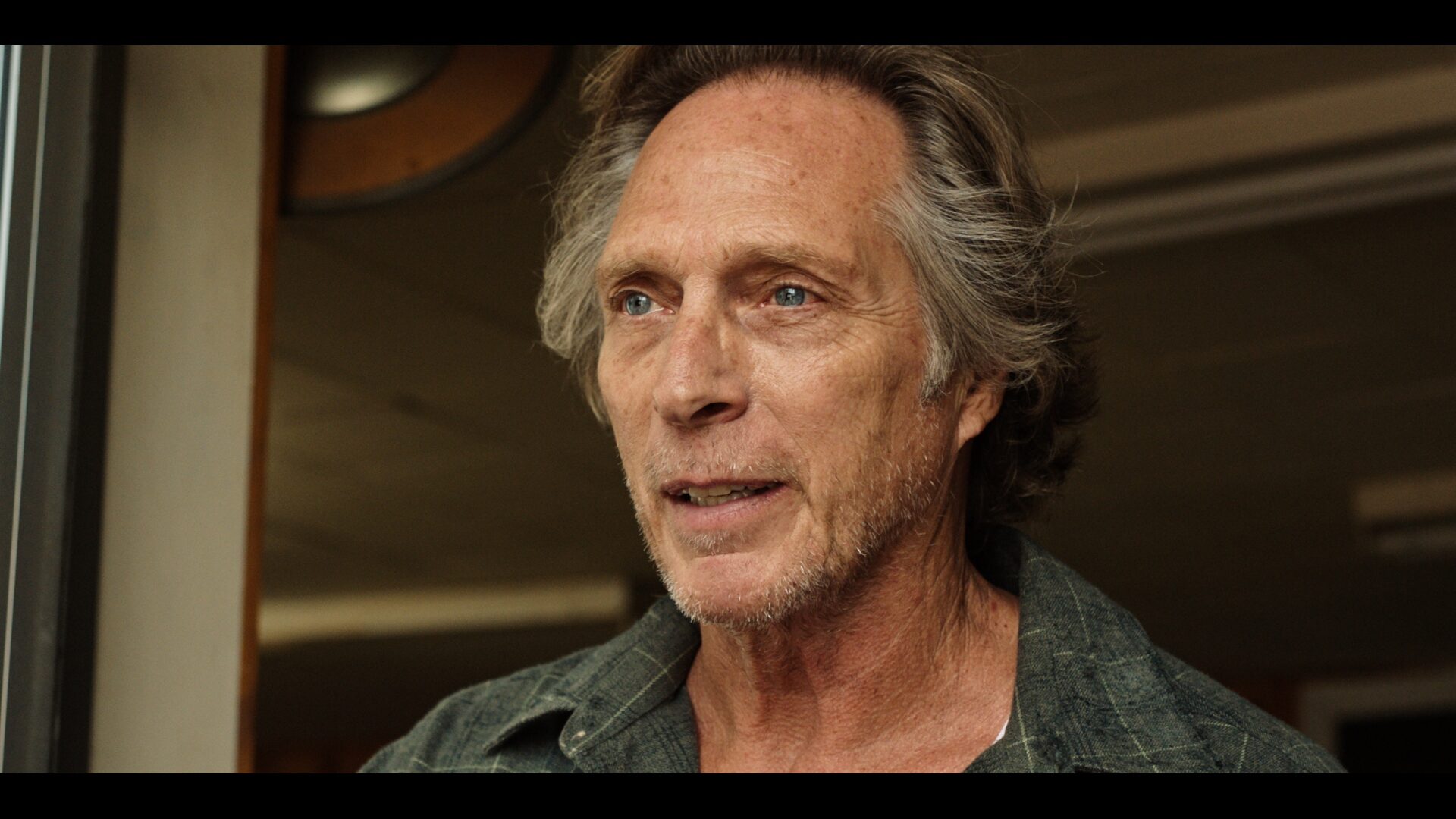
In the great year of 2026, various world issues continue to stack up—from climate change, civil wars, poverty, world hunger, tariffs, to AI ethical debates. The Outer Threat is a sci-fi thriller that director William Woods shines a light on who should really be in charge of the Earth’s future. Woods has been a producer on various films, such as The Kid Detective and The King Tide. Making his directorial debut, he brings together wonderful actors like Constance Wu (Crazy Rich Asians, Lyle, Lyle Crocodile), Mark O’Brien (Ready or Not, Nuremberg), and William Fichtner (Lucky, Beef Season 2).
CGMagazine had the wonderful opportunity to talk with Woods and Fichtner ahead of the Toronto premiere on Monday, August 20th. The two had such great camaraderie and shared so many jokes. We discussed how Woods came up with this specific sci-fi story, how Fichtner tapped into his character Sam, and the reason why North Bay was the perfect location to shoot The Outer Threat.
The Outer Threat tackles plenty of topical issues, from AI to ecological collapse, so what inspired you to make this film and have those themes?
William Woods: I always had a philosophical interest in existential threats to humanity, and I thought this was an interesting canvas to bring in two potentially new shepherds of the planet—whether it’s intelligent AI or intelligent alien civilization. But I think when you look at how we have a choice between the family too. No one knows what they’ve discovered, but this family has a decision to make: who’s going to be the best new shepherd of the planet if it’s not humanity or humankind?
And once you start to look at what would we hope for as a shepherd, if we were going to be one of the subordinate organisms, then you start to realize that humanity possesses so few of the characteristics that we would hope being the subjugated. I wanted to posit these two dominant beings, and then once you start to reflect on what you hope for having that be a reflection on ourselves and how we’re managing and operating as the shepherd of our ecosphere.
Right, and we see that questioning of humanity between Constance Wu’s character Michelle and you [William Fichtner], as Sam. I’m curious to hear your thoughts on the dialogue in that scene, William [Fichtner].
William Fichtner: The dialogue felt real. I was never in a place in the scene where the character of Sam is calculating or trying to figure out something. I think he’s being very honest about who he is and how he feels about people. We’re all aware of the circumstances that are happening, and he makes real-time choices. He’s going to let what’s going to happen outside happen. What I find exciting is it’s all happening in real time, these decisions.
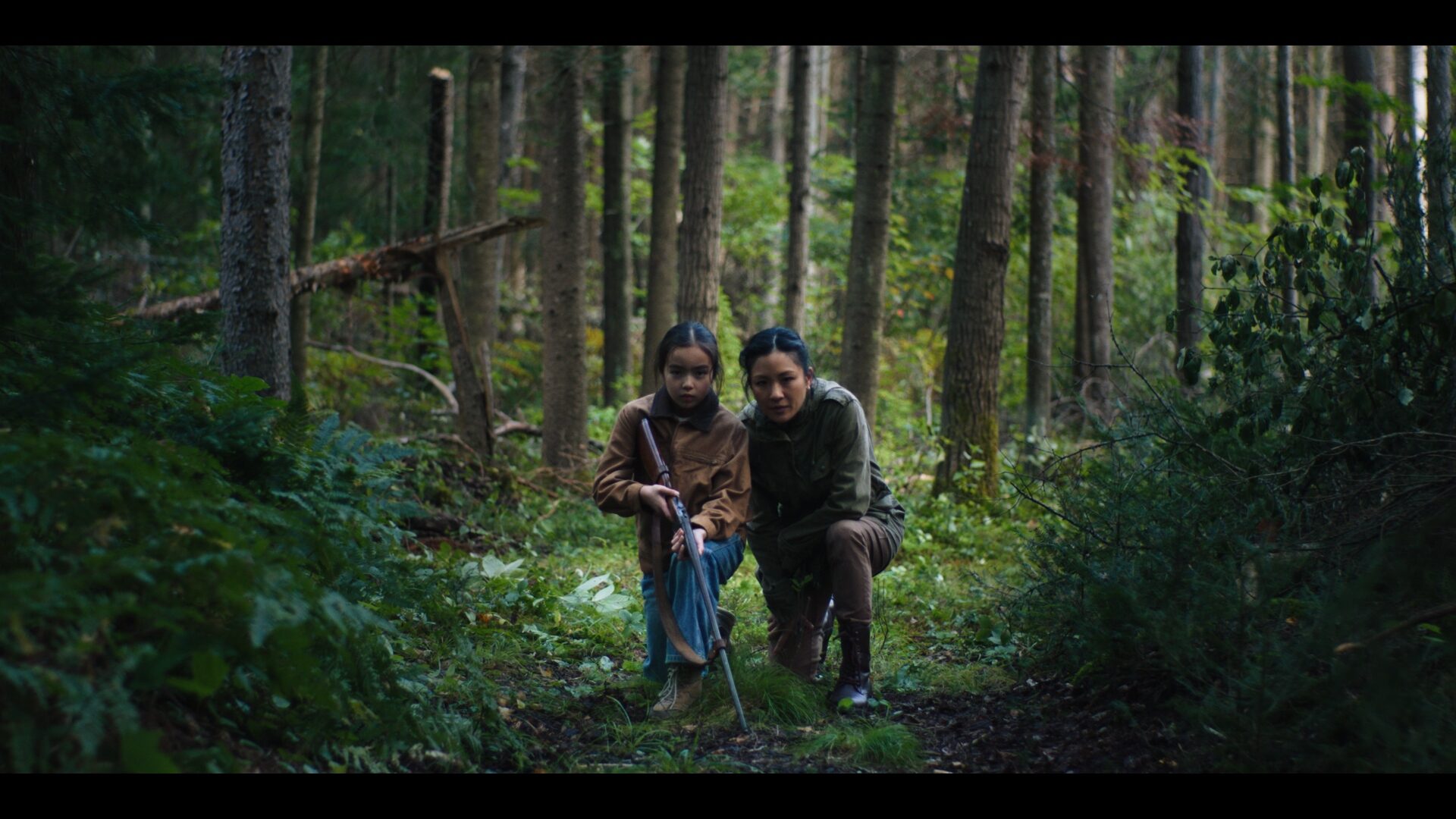
So, I’m kind of curious, how did you two meet and join up on this project?
William Fichtner: Yeah, how’d that happen?
William Woods: One of the executive producers, Tom Spriggs, who works at Principal and works with Mark—
William Fichtner: Yeah, Mark, who is my manager. And the script got to me; I read it, and then I said, ‘Let’s have a phone call.’ Then, we talked for a while, more than once. I never know what a thing is going to be. Sometimes, I read things and I’m like, ‘Wow, that was pretty good, but it’s just not for me.’ It doesn’t matter, big or small part. Sometimes, you read something and it’s enough of the pieces of the puzzle to go, ‘Wow, okay, it’s worth the journey. I felt that way about this pretty much from the beginning.
Especially after we had our first conversation about it, and I said, ‘I’m going to North Bay…where? How many hours north?
William Woods: But you also kind of had to champion it internally because it is a very small movie, and it’s a smaller role. I think Mark and Tom were skeptical that it was going to be enough to entice you. But you read it and saw the character; you had to be the one that stood up and said, ‘No, this is worthwhile.’
William Fichtner: Yeah, I’ve had a few times in my life where a script will come my way, and they’ll go, ‘Look at this role.’ Then, I finished reading the script and called my manager back and went, ‘Oh, I like the script. But that’s not the role. This is the role.’ And the role that they asked me to look at is a big supporting part throughout the film, and the role that I wanted has one scene. But sometimes, it’s [how] you identify with that.
So, that’s what really happened in this case of identifying. I thought it was such a pivotal part in the journey. With this family, all of a sudden, you have all these things that are happening. And then, you have this real human moment that potentially could be as scary as everything else because of how humanity can make decisions, and the decisions that Sam makes. So, to me, it checked all the boxes I needed. Then, I told him, ‘What are the flight times?’
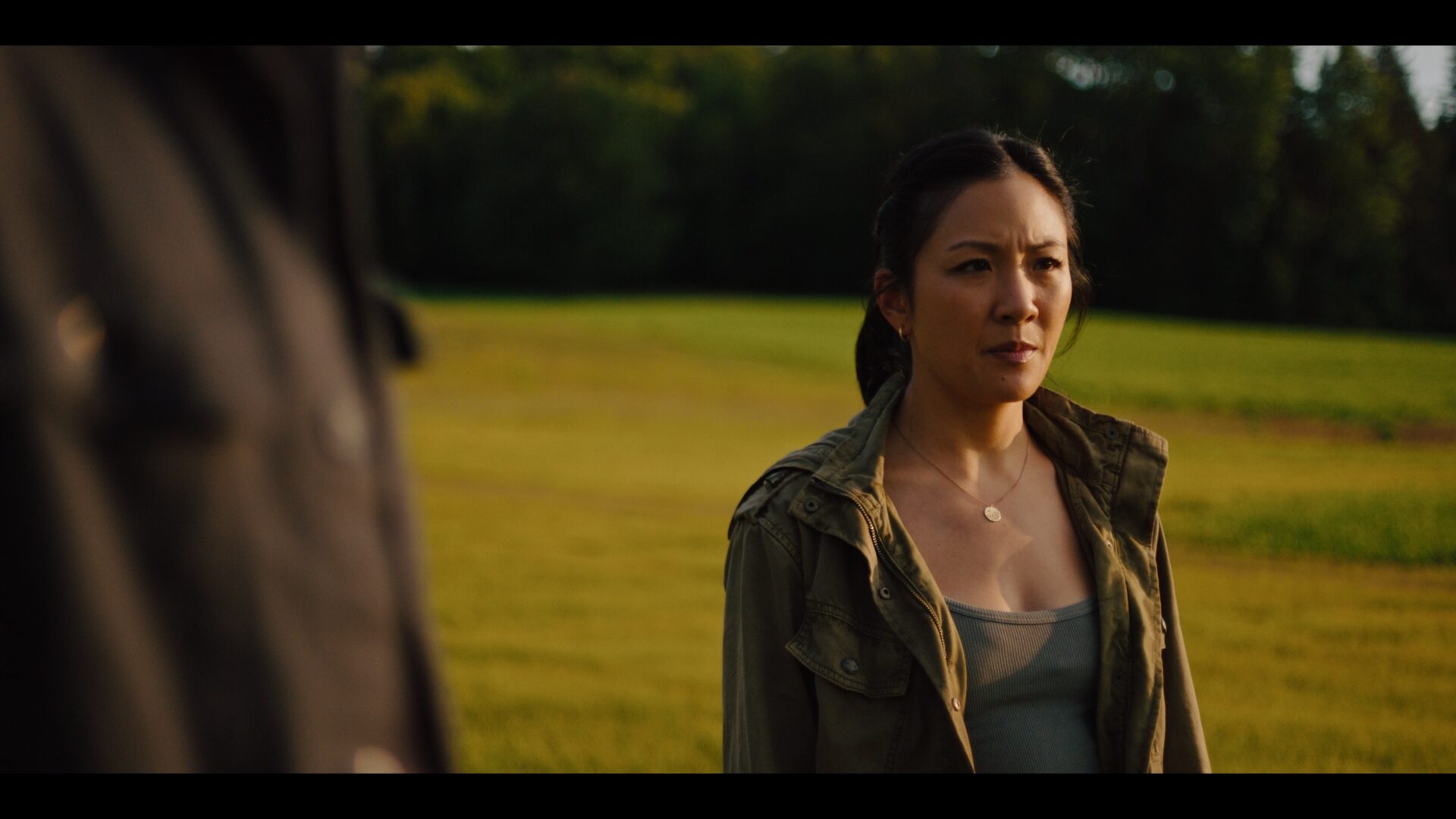
Haha! And speaking about setting and environment, was North Bay what you always envisioned for the backdrop of the story in The Outer Threat?
William Woods: Part of our financial structure included the Northern Ontario Heritage Fund, which is a grant that you can apply for if you’re going to shoot and spend money in the Northern Territory. I’ve shot a lot of movies in North Bay as a producer. This is the first time I’ve directed a film.
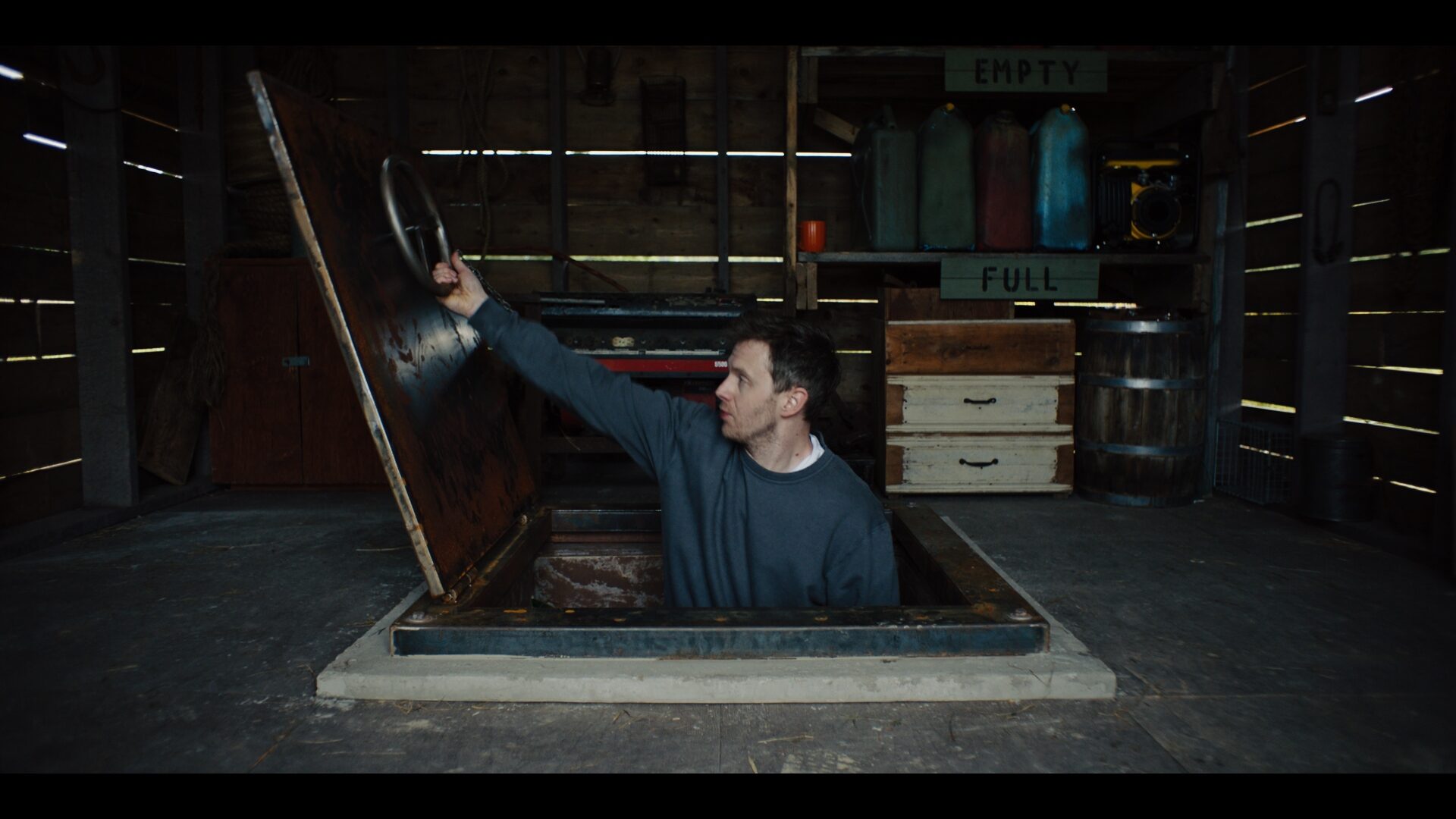
So I was very familiar with the cinematographer and producers, and we were able to get up there and get ahead of finding the locations. We found an amazing farm that we knew would work for all the action that takes place on the farm. And then, the tunnel sequence was a tough one to find, so it was a combination of an actual tunnel that was for tractors actually to go under the highway. There’s a huge gap in the middle of it, so we had to VFX it to make it a continuous tunnel.
Then, there’s actually a telescope in North Bay that we drove out there—probably like a 2-hour drive outside of North Bay, in the middle of nowhere. We tried to reach out, but we couldn’t. Then, we used an old missile silo in North Bay and repurposed it. We VFX-ed in the telescope at the end to make it like a space station. The VFX artists did a great job with that telescope.
William Fichtner: Yeah, but I’ll tell you, when I got to North Bay and looked around, and we went to that diner, I was like, ‘This is a great place to shoot this movie—especially the farm. I didn’t see it in person, but in the film, the farm is great!
(The Outer Threat is out in theatres now)