

NVIDIA arrived at SIGGRAPH with a broad pitch for the future of AI-assisted creation, tying together new Omniverse libraries, agent-ready creative software, and newsroom verification tools.
The big new announcement from this year’s SIGGRAPH is undoubtedly the company’s showcase of a new set of Omniverse libraries designed to give AI agents practical tools for simulation work, including RTX sensor simulation, GPU-accelerated physics and CAD-to-SimReady asset preparation, with SideFX and PTC already integrating the technology into their own workflows. “The physical AI era will be built in simulation first,” NVIDIA founder and CEO Jensen Huang said, adding that the libraries are meant to turn AI agents into collaborators inside the 3D tools developers already use.
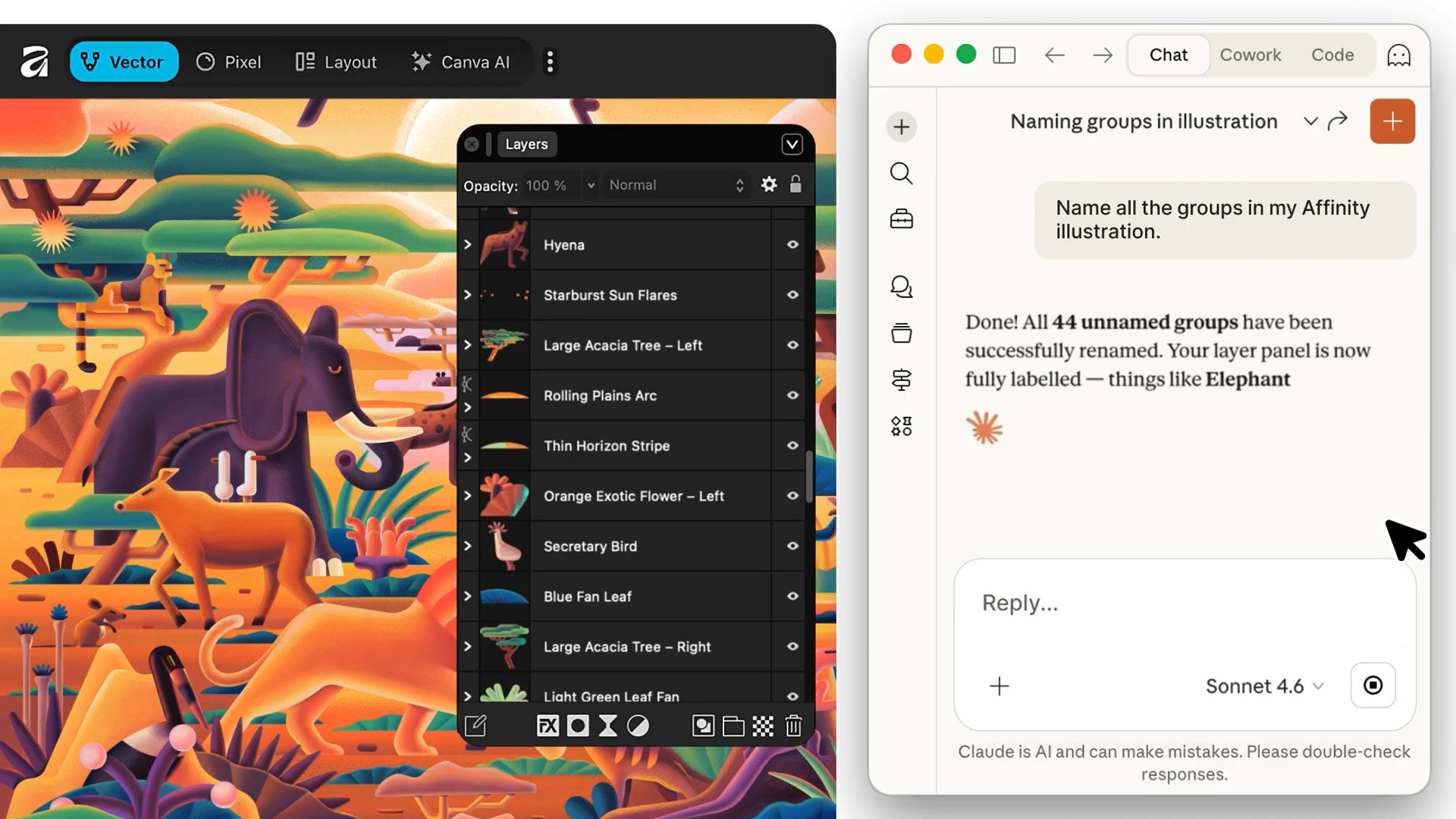
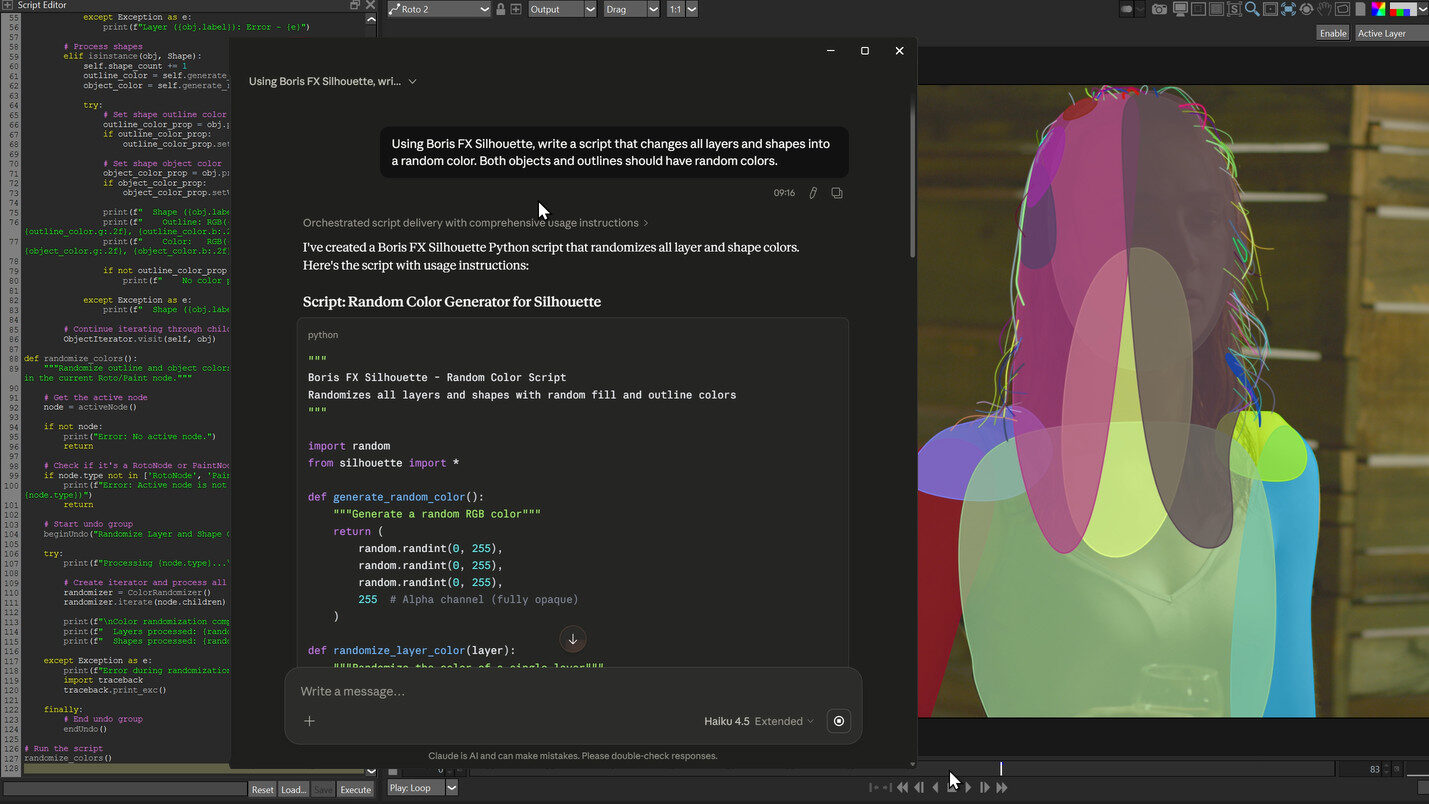
This concept seems to flow through the full range of NVIDIA’s broader SIGGRAPH slate, where the company says creative applications are becoming agent-ready through Model Context Protocol connections that let AI systems inspect scenes, validate shots, prepare exports and automate repetitive production work while keeping artists in control.
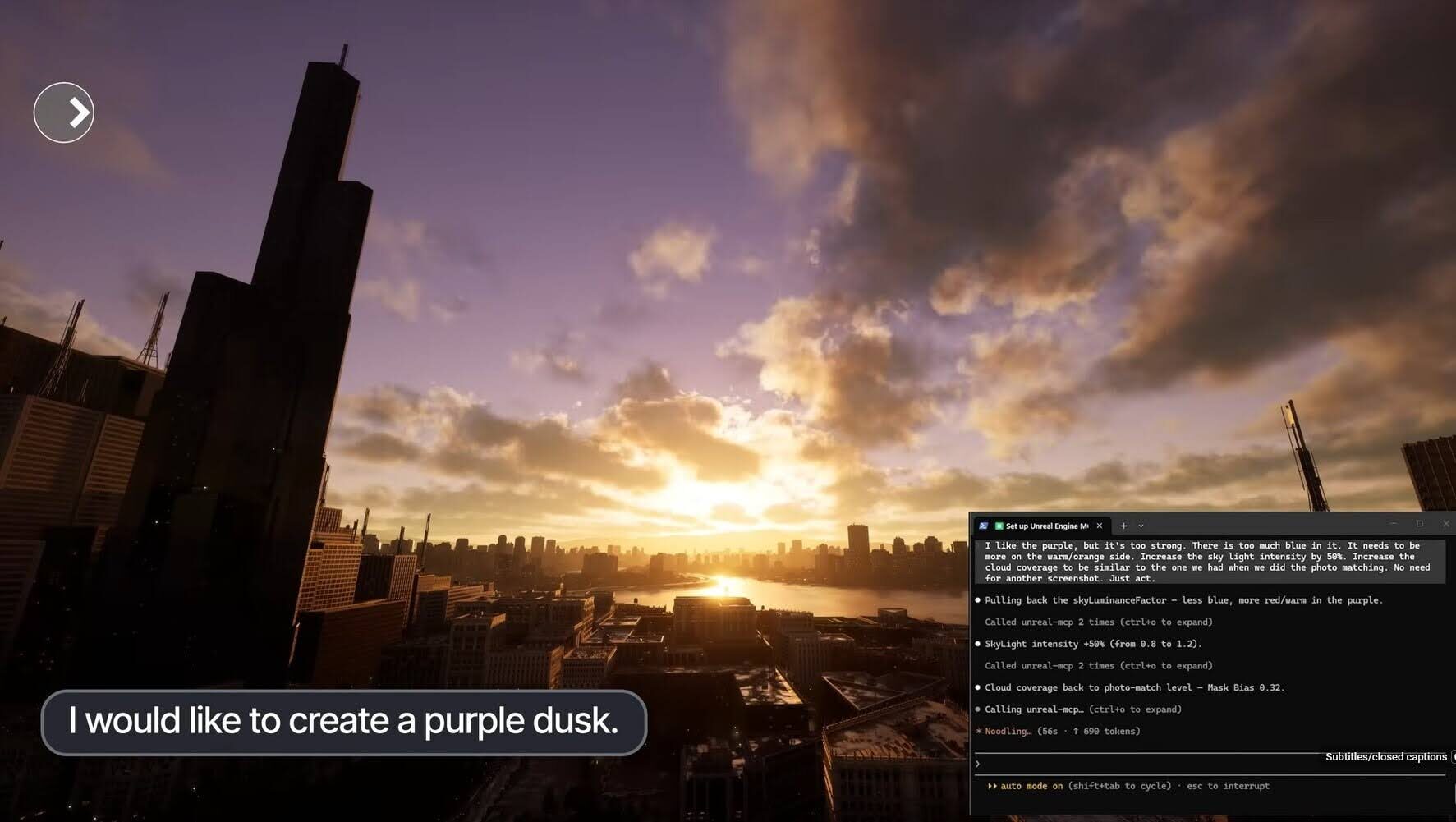
Adobe, Affinity, Boris FX, SideFX and Unreal Engine are all part of that push, while NVIDIA positions RTX PRO systems, DGX Spark and DGX Station hardware as the local engine for running those models and workflows closer to the creator. This makes it possible to use these new tools without relying on an external model for many tasks, making it a much better solution when working with sensitive or private material.
NVIDIA is also pitching DGX Station as a deskside home for more specialized agents through NemoClaw, a stack that pairs the Nemotron 3 Ultra open model with Omniverse tools and the OpenShell secure runtime in a local system that does not require an internet connection. The company says the GB300-powered system can deliver up to 20 petaflops of FP4 AI compute with 748GB of coherent memory, underscoring how seriously it wants creators, developers and engineers to treat on-device AI.
Granted, to take advantage of this type of workflow, you will need to spend a fair amount, since the DGX Station currently runs from around $85K to $125K depending on the configuration, so this is very much targeted at the enterprise or professional market, and less so for home use.
Perhaps one of the more exciting announcements, especially for media organizations, is that NVIDIA used SIGGRAPH to introduce Synthetic Video Detector, a NIM microservice that analyzes footage frame by frame and provides editorial teams with a signal indicating whether a clip may contain synthetic content. NVIDIA says the system reached up to 92% accuracy on uncompressed video in internal testing and is already being embedded by Wowza into livestreaming workflows used across more than 35,000 deployments in over 170 countries.
Rounding everything off is the news from NVIDIA Research, which is bringing 21 accepted technical papers to SIGGRAPH, including work on MotionBricks for real-time character motion, ArtiFixer for cleaning 3D captures, and new physics and material systems meant to support everything from games and films to robotics and factory digital twins. “Procedural 3D creation is essential to building the complex, controllable worlds needed for simulation, robotics and industrial AI,” said SideFX president and CEO Kim Davidson, whose company is exploring the libraries inside Houdini workflows.
NVIDIA keeps working on ways to make AI feel less future-looking and more like a set of tools the average creator, worker or professional can actually use, and this is the sort of thing the industry needs to be taken seriously. Local solutions that can help creators work faster without replacing the core work they do are the best way to showcase what is possible, while still putting the human front and centre. It will be interesting to see how creators and professionals use tools like this, and how they can fit into a production workflow.