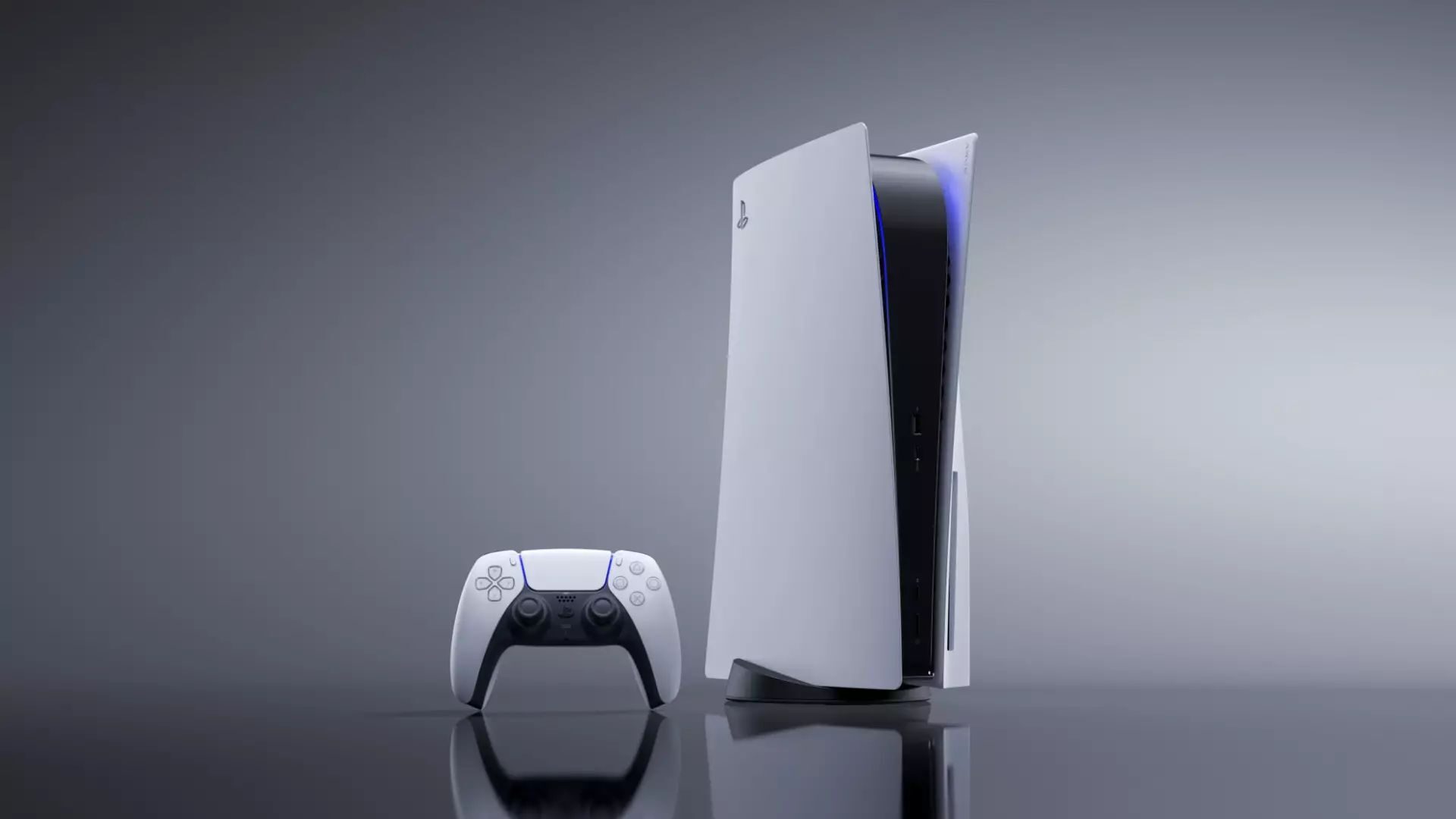
An industry insider recently suggested that the PlayStation 6 may cost around $1,000, citing a supposed parts cost list.
More people are becoming aware of the recent rise in RAM costs, largely because costs have also risen for many cars and electronic devices. According to an industry leaker, the PlayStation 6 could cost around US$1,000. Insider KeplerL2 suggested this price point after determining the bill of materials cost, which is a list of components that make up a device. This rumour comes at the same time that a class-action lawsuit has been opened against Samsung, SK hynix and Micron, the three leaders in RAM manufacturing, alleging that they are manipulating component prices as AI firms buy more RAM.
KeplerL2 originally estimated it would cost Sony around $760 to create a PlayStation 6. Now, the industry insider updated their first forecast to the bill of materials costing $760 to $960. Sadly, this did not factor in overhead costs, such as shipping and storage, as well as the research and development costs associated with this upcoming console’s release. Unfortunately, this is in line with Xbox’s $100 price increase for the Xbox Series X|S and the first price release of Valve’s Steam Machine. The PlayStation 5 lines also saw price raises back in March.
Regardless of whether this bill-of-materials cost list is accurate for the final PlayStation 6 price, too many signs point to consumers likely shelling out US$1,000 for the PS5 successor. Part of the evidence supporting this cost prediction for the PlayStation 6 rests with those who create the components that go into consoles. Multiple insiders have warned consumers over the past few years about the importance of holding tech parts manufacturers accountable for supply and pricing.
As reported by Law360, the class-action complaint alleges Samsung, SK hynix and Micron have been conspiring to fix component prices while reducing DRAM supply. More specifically, the lawsuit claims the trio has reduced production of DDR3 and DDR4 RAM chips to focus on creating higher-cost DRAM intended for use in AI data centres. This claim means that big companies are no longer making RAM chips for consumers, and no one can tell them not to.
To make matters bleaker regarding the potential cost of the PlayStation 6, this lawsuit shows how boldly Samsung, SK hynix and Micron have handled other lawsuits related to component price-fixing. In 2005, Samsung pleaded guilty to price-fixing DRAM and paid a US$ 300 million fine to the U.S. Department of Justice. Hynix also pleaded guilty at the time and was fined US$185 million, while Micron reportedly avoided a fine by reporting the incident and working with prosecutors. The fact that these manufacturers can pay a small fee to have the lawsuit dismissed is disheartening, but it is a sad reality for the everyday consumer.