
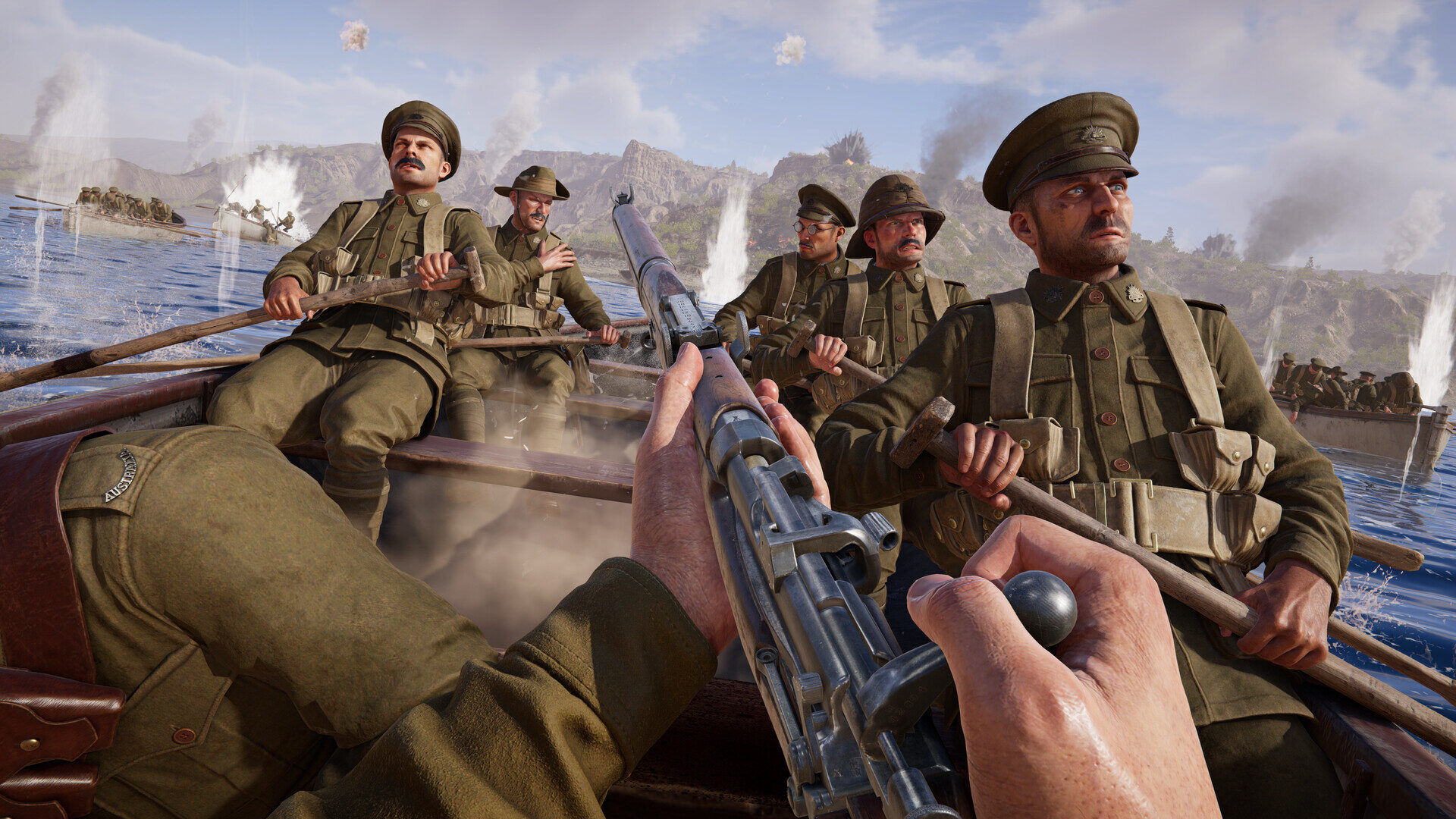
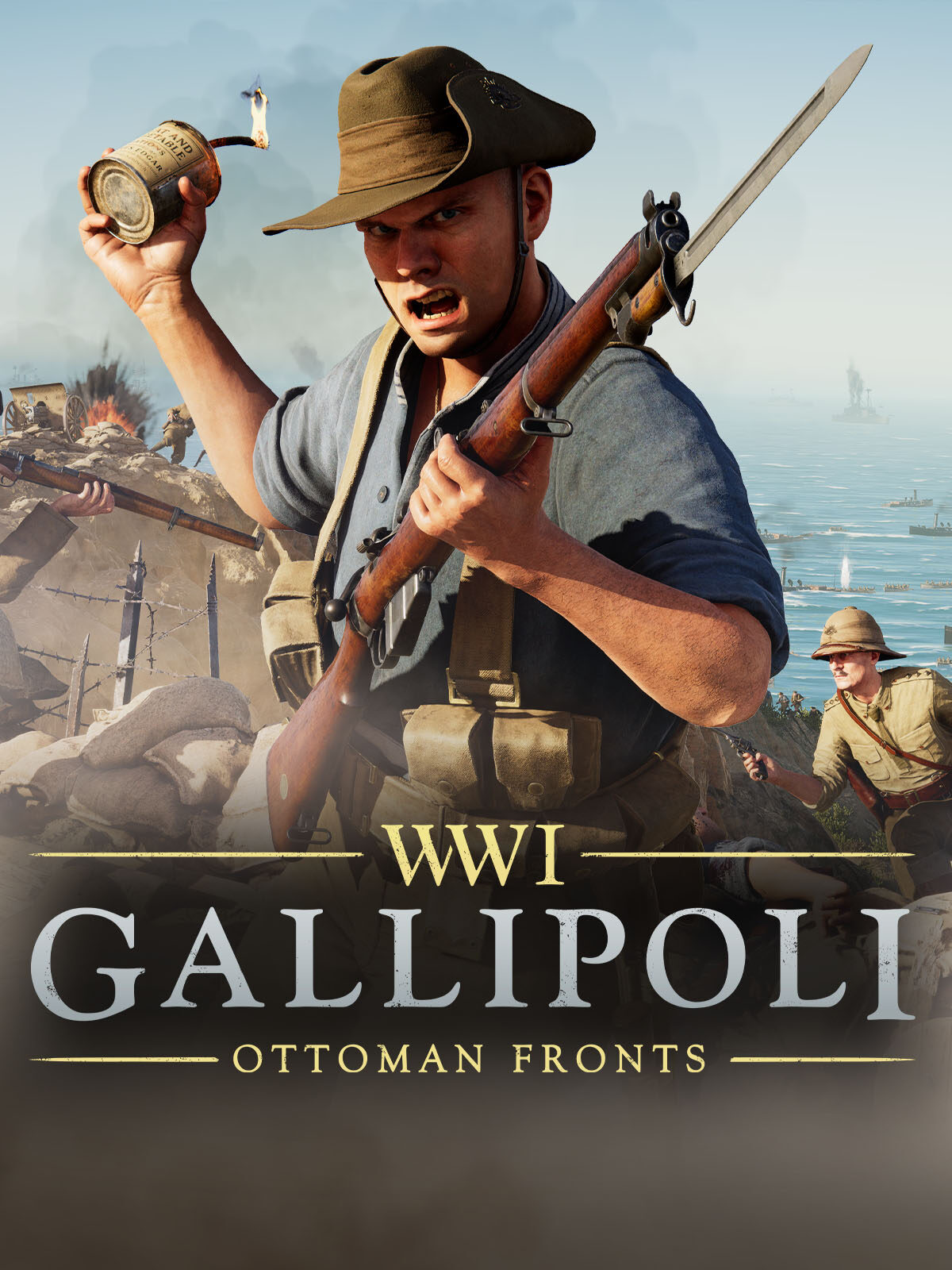

It’s hard to believe, but BlackMill Games‘ World War I series is over 10 years old now. In that time, the franchise has explored the deadliest battlefields from one of history’s bloodiest and most pointless wars. Players have chased glory everywhere, from the muddy trenches of Verdun to the blood-soaked forests of Tannenberg, and the mountains of the Isonzo. And now, with its fourth entry, BlackMill Games is bringing its arcadey, hardcore slaughterfest to the shores of the Ottoman Empire, in Gallipoli.
In the west, Gallipoli is one of the lesser-explored campaigns of the First World War. Mostly because it was a humiliating disaster for us. The Allied plan was to force the Dardanelles Strait, take Constantinople, and open a sea route to Russia. But eight months later, seven battleships were gone, hundreds of thousands were dead or wounded, and Ottoman forces were pressing the Allies back into the sea.
Gallipoli was a horrifying catastrophe where nothing was gained, and everyone got dysentery. But 100 years later, some Dutch game developers have come along and finally found the fun in it.
This time around, Gallipoli is a triumph. Every game in the series has been a little better than the last, with Isonzo becoming a full-on cult hit. But Gallipoli is a noticeable jump forward. The improved visuals, reworked gunplay, and newly balanced mechanics make this five-map, one-mode indie game feel like a small slice of a AAA-scale epic.
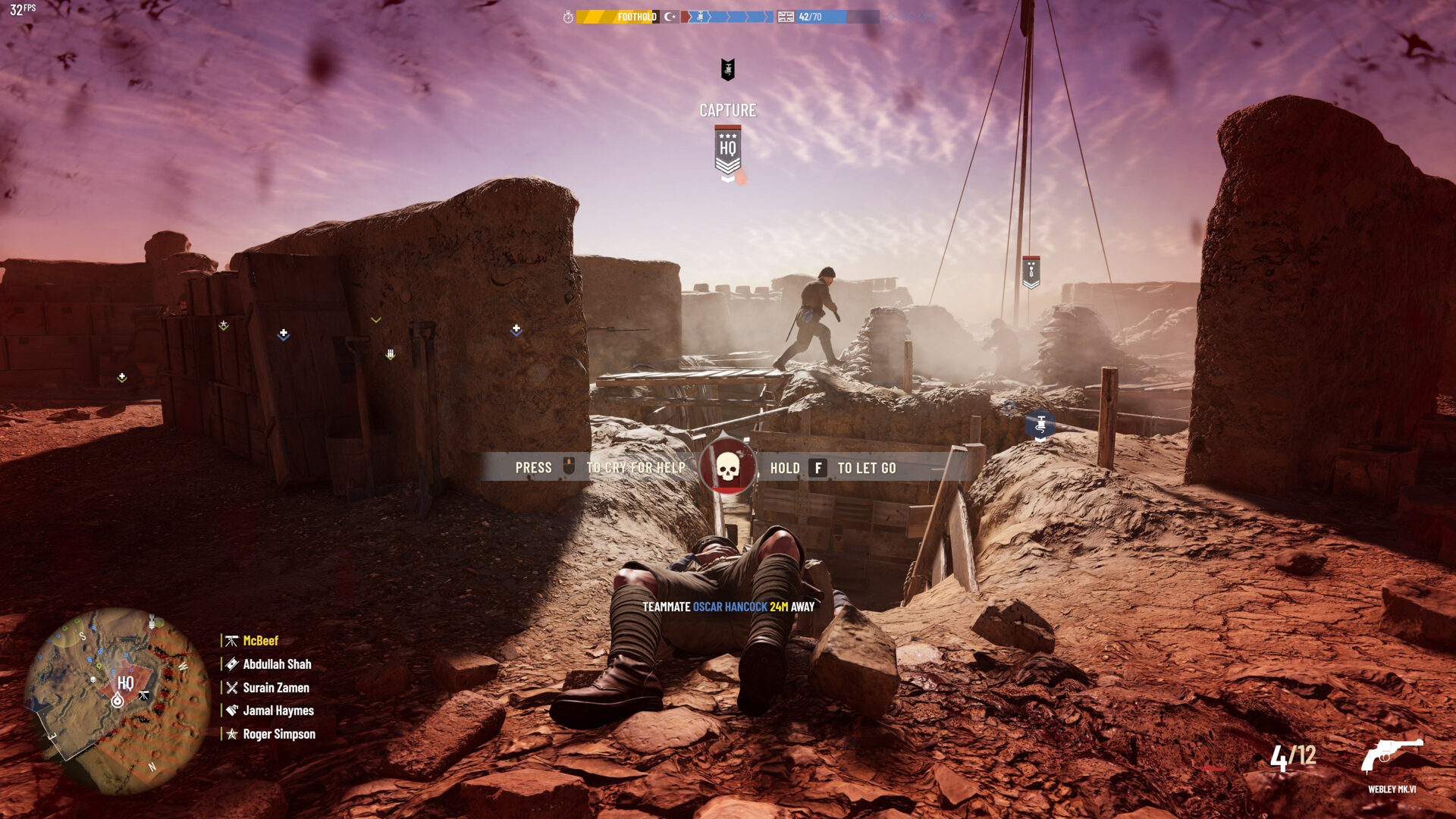
The presentation really steals the show, though. The sandy Ottoman shores are a far cry from the vertigo-inducing vistas of Isonzo. But new lighting and atmospheric effects make the rolling dunes and quiet shores far more menacing. For me, that mostly comes down to how lighting was used—it made for downright horrifying moments.
“This time around, Gallipoli is a triumph.”
There we are, sitting in our trench and waiting for the next wave of Ottomans. An artillery shell lands feet from my position, leaving a smoking crater. When the smoke thins, I see a distant dune, and on it the faint shape of a man. I fire my Martini-Henry, holding my aim to see if he falls, but the smoke returns too quickly. When the dune emerges again, there are many men, running down the sands. Our line readies their rifles and aims at the dunes. Then, as the sun emerges from behind a cloud, the long shadow of the first man appears through the smoke. He is not alone. They are only feet away. We fixed bayonets.
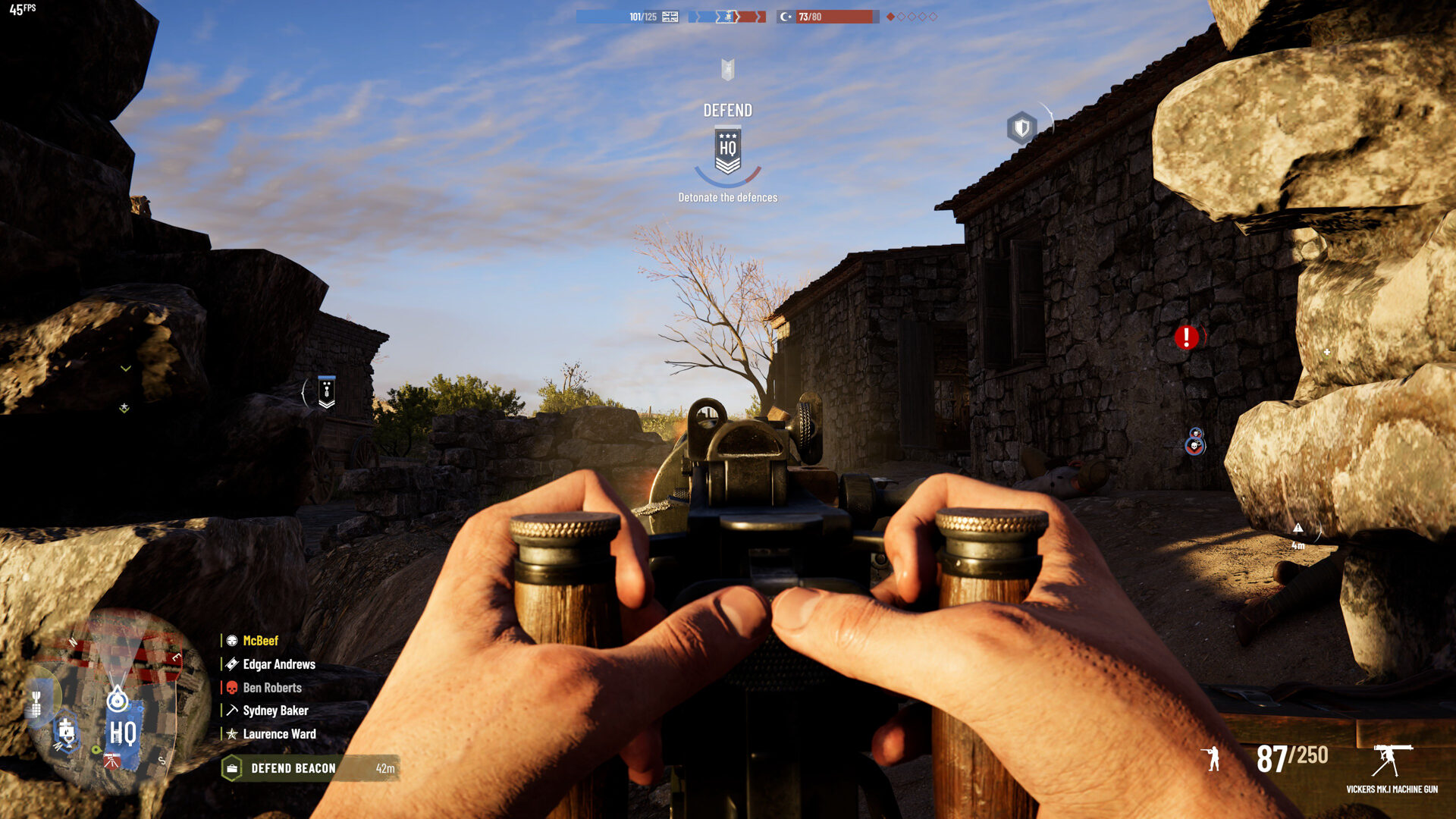
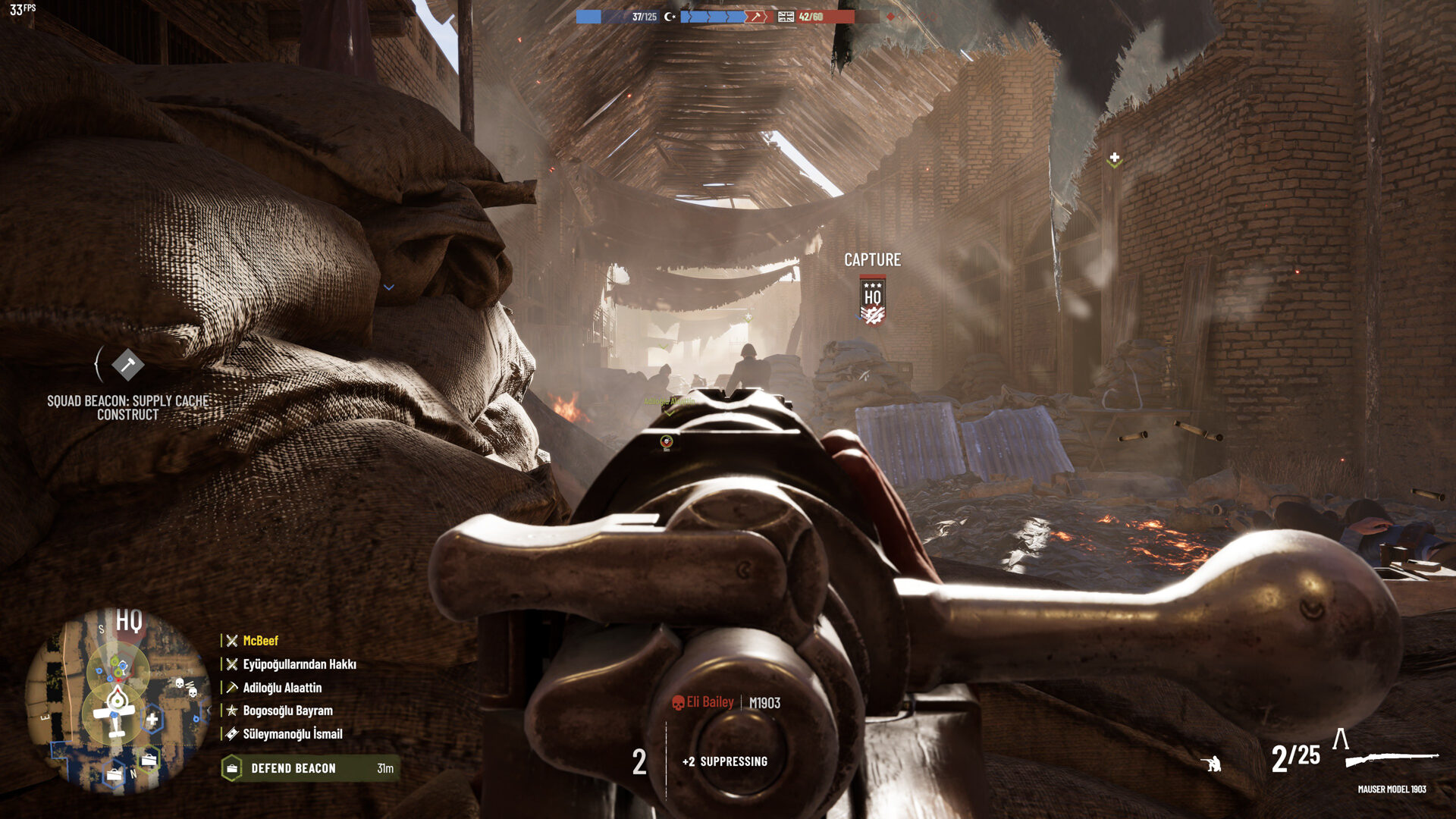
Dramatic, no? Well, Gallipoli is fine-tuned to produce these moments. I’ve played plenty of games with great smoke and lighting effects, but I’ve never seen them used this theatrically. It sounds like a small addition, but it fundamentally changes how the game is played. A rifleman has 35 rounds at most, and his weapon takes a second to cycle between shots. Firing at the wrong part of a shadow or having dirt kicked up in your sightline can make the difference between holding and losing a point.
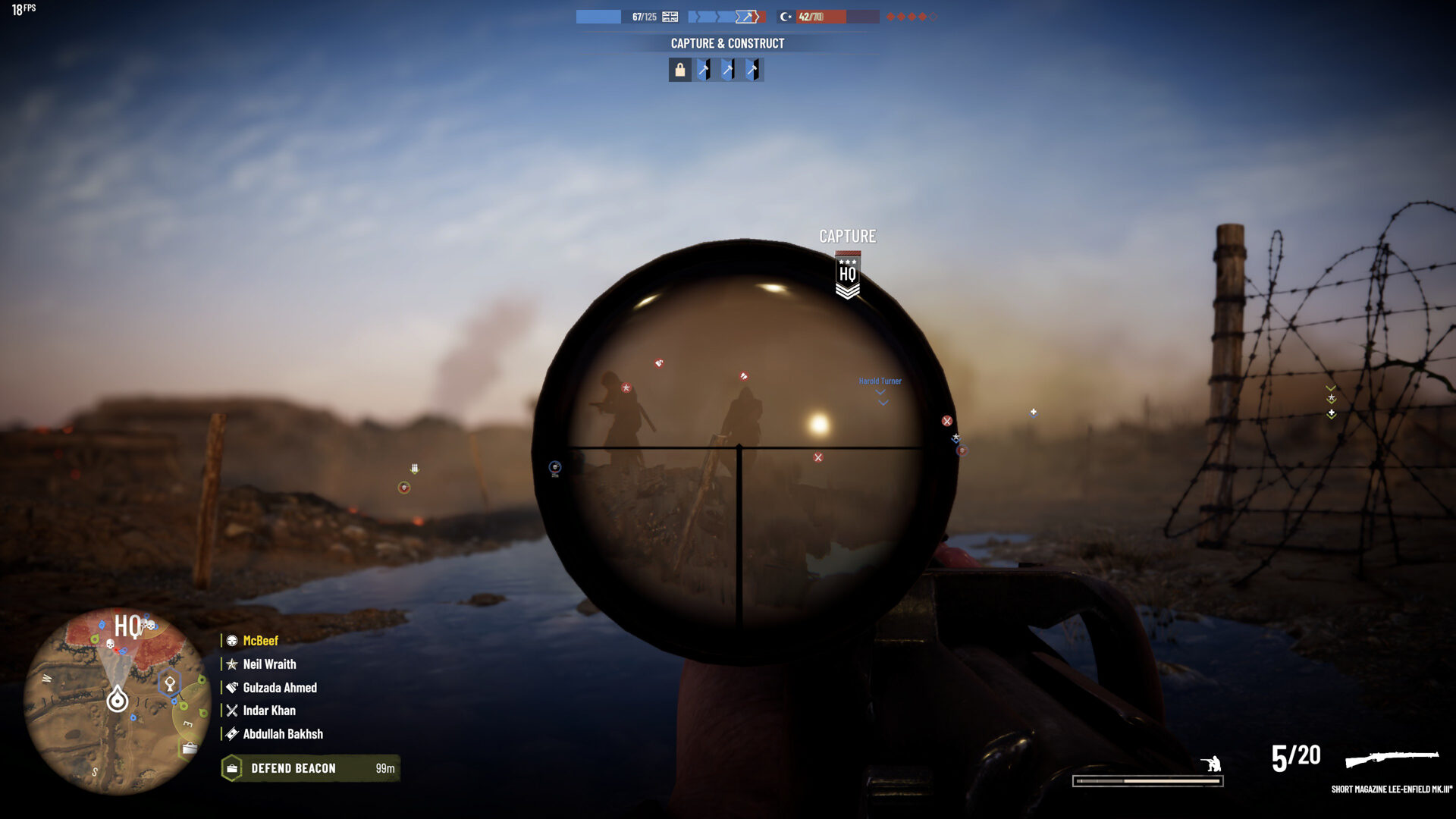
Lighting has even been worked into sniper play. While looking through a scope, you have to be mindful of where the sun is. If it’s behind you, the glass catches glare, obscuring your view. So now, the best spot isn’t always the highest point; it’s often the most creative patch of shade. This keeps snipers moving and makes finding a cheeky spot even more rewarding.
There are lots of little details like this; I could go on for days. But the TL;DR is that Gallipoli looks better than ever. Each map is as meticulously decorated and brutally rendered as those in previous World War I games, but with a level of fidelity that saves your imagination from having to fill in the blanks.
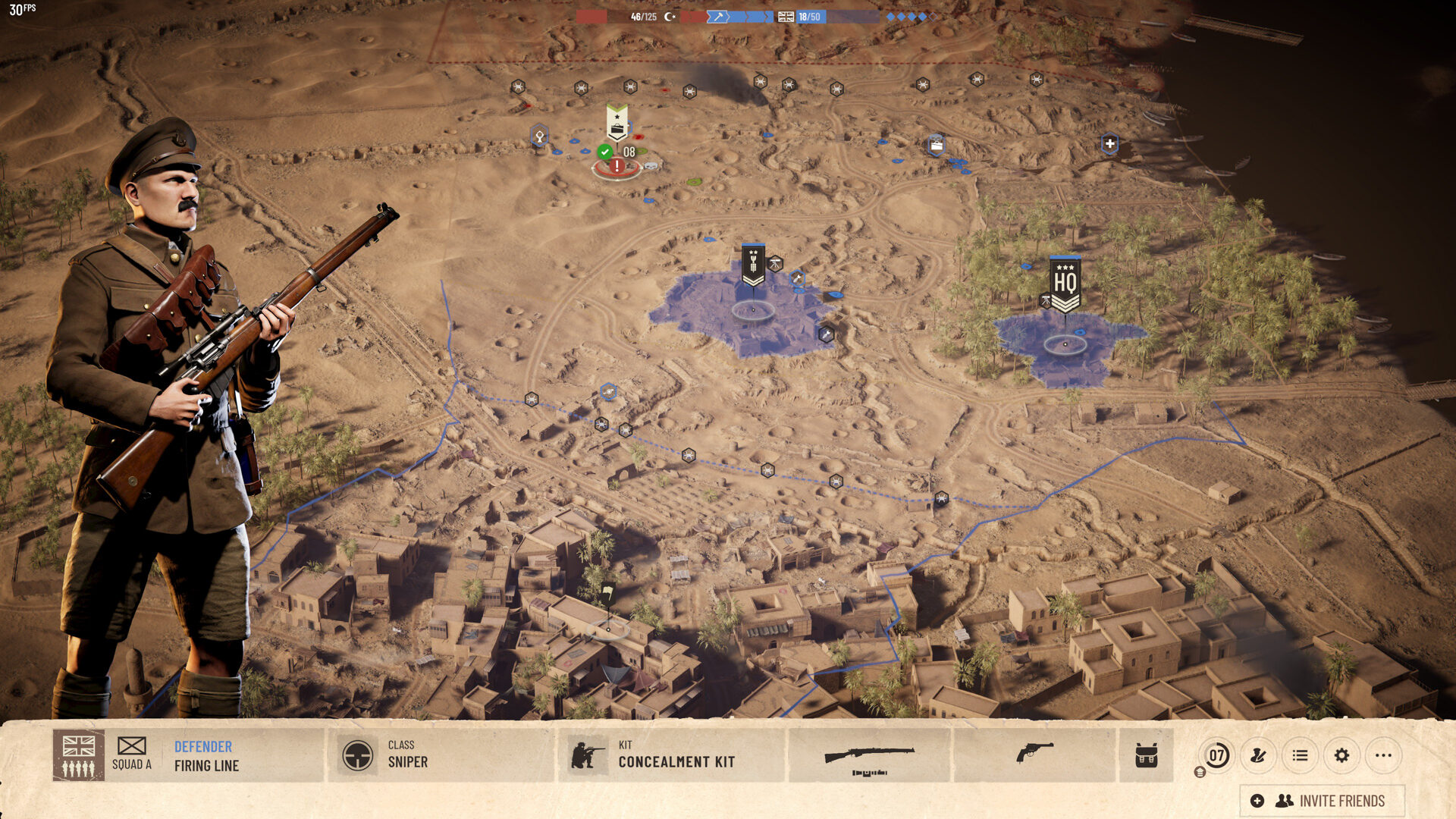
From a gameplay perspective, not a whole lot has changed. But the intensity has been ratcheted up. Team sizes have increased from 24 players each to 25 per team, and some unpredictability has been added to the ticket system. Overall, though, the new Expedition game mode is very similar to the old offensive battle system. Attackers try to capture hard points and push defenders to the back of the map. But now, to hold an objective, attackers will have to complete tasks such as planting a charge or slowly building a position. Each capture point will also have a secondary objective that can serve as a fire support base.
There have been some pretty big changes to combat, though. Weapons now have more realistic ballistics and more pronounced differences in damage falloff. The stamina system has also become more complex. Tiring yourself out will affect how quickly you can sprint and how stable your aim is. A suppression system has been added where near misses will cause soldiers to panic, affecting not just their aim but also how well they can operate their weapons. This brings me to the coolest change: staged weapon use. If you interrupt a reload, you’ll have to hit the reload button again to pick up where you left off. The system also applies to working the bolt. Stressed-out or suppressed soldiers may need an extra click between shots to finish cycling a round.
Battles are more intense than ever. The addition of beach landings and momentum-based reinforcements keeps matches at a fever pitch from beginning to end. It doesn’t hurt that a killer soundtrack is always swelling at exactly the right moment, either. At times, Gallipoli feels like a more mature, grounded approach than earlier games in the series—but fear not: the ever-rolling killfeed and score counter keep things from getting too serious.
My only concern is longevity. The World War I games as a whole feel like games from another time. As a person from that other time, I approve, but I’m not sure for how long. Gallipoli offers a relatively light progression system: you can improve classes and weapons, but most rewards are small modifiers affecting things like breath-holding, sprint time, reloads, and weapon handling, along with cosmetics such as mustaches.
That means the game has to hold my attention using gameplay alone. It’s a lot of heavy lifting for one game mode and five maps, especially when the gunplay remains deliberately simple. It’s improved, yes, but combat is still missing modern conveniences like leaning and weapon mounting. Without those, encounters are flat, attritional head-to-heads. At times, I wondered if I was having so much fun because I was playing something new—or reliving the bolt-action matches from World at War.
There are very few games like Gallipoli. That’s because titles like this can only come from small studios with big visions. They’re the only ones willing to take risks and be weird—and Gallipoli is very weird. It’s part of a series that takes horrifying moments from history and reconstructs them in painstaking detail. Then it frames them as one-shot-kill, Battlefield-style FPS games.
It’s a Ken Burns documentary with a killfeed. The whole thing is pretty primal and gross when you think about it, but my God, is it fun—especially when you’re the Turks, pushing the hated British back to their little boats. Because when you’re the good guys, you don’t have to feel weird about smiling over the stack of bodies you’ve made in the trenches.
You know what? I take it back. Don’t think about it. Just enjoy Gallipoli.