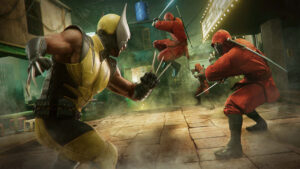



There’s a moment about two hours into Marvel’s Wolverine where Logan stumbles into a room, and I already knew exactly who was waiting for him and roughly how the scene would end. Those kinds of moments happened again and again. I don’t say this to brag about my keen detective instincts; I say it because a game that wants to be a gut-punch of a character study probably shouldn’t be this easy to read from the opening cutscene onward. That gap between what Marvel’s Wolverine is clearly reaching for and what it actually lands is enormous.
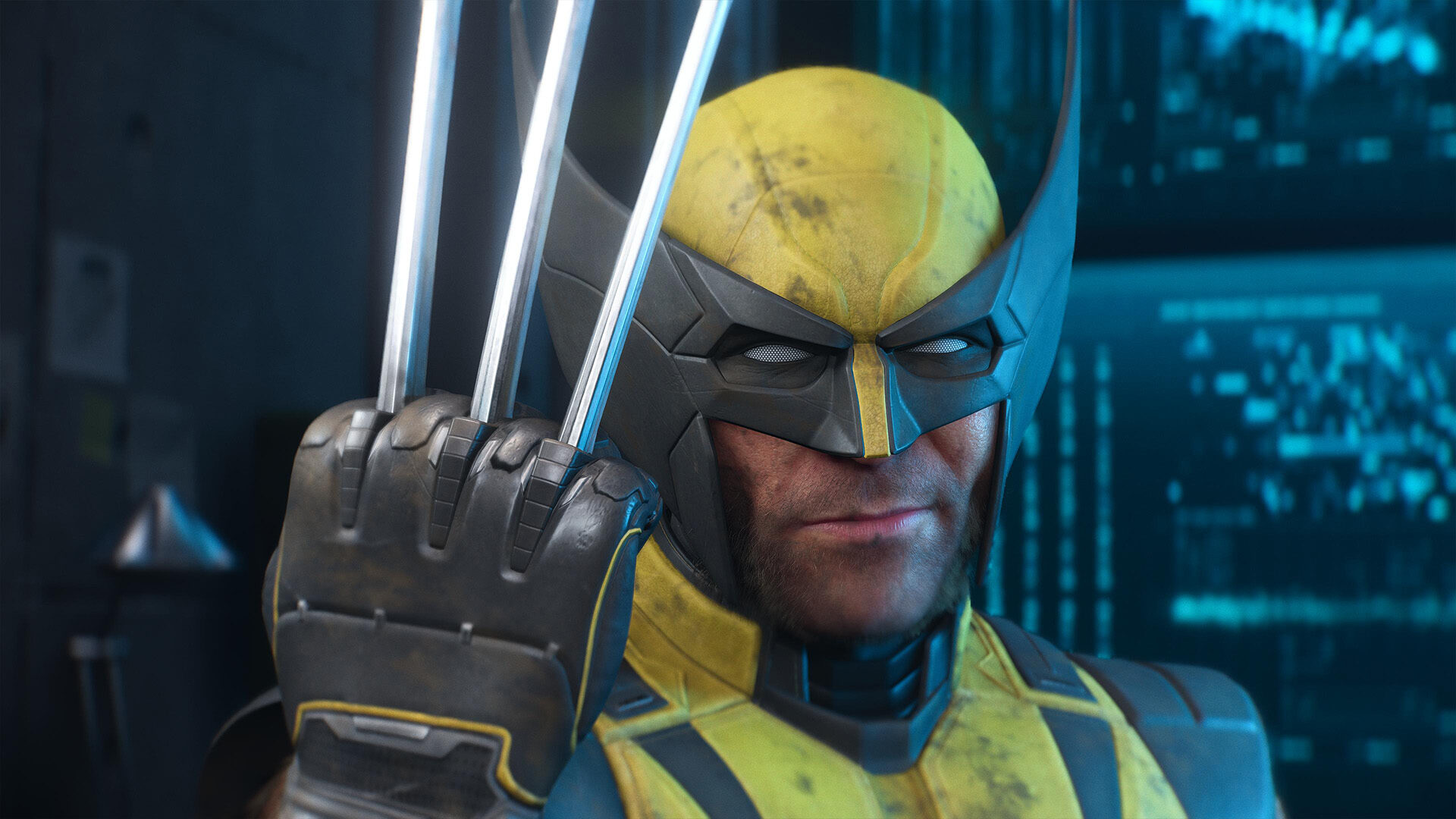
Let’s start with what Insomniac gets right, because there’s plenty of it. This is, without question, one of the most cinematic superhero games ever made; the transitions between gameplay and cutscenes are seamless in a way only Insomniac seems to have figured out, where you genuinely lose track of when you regain control. The voice acting is outstanding across the board, with the standout being, of course, Logan.
He sounds gravelly and tired in exactly the right way, world-weary without being over the top, and the supporting cast around him carries scenes that the writing itself doesn’t always earn. If you handed me a highlight reel of just the performances and the direction, I’d tell you this was a Game of the Year contender. Unfortunately, a highlight reel isn’t a twelve-hour game.
“There’s a genuinely strong emotional arc buried deep in the story here.”
My main issue is that combat in Marvel’s Wolverine boils down to hitting square a whole bunch. That’s not me being reductive for effect; that’s genuinely what the moment-to-moment experience is for most of the runtime. You mash square, and when an enemy’s a little too far away, you tap triangle to lunge in and keep the combo going. That’s it. That’s the loop. There is a moment later on where enemies’ health bars go up, where my thumb was getting sore, along with my mind from the repetition.
Sure, there is a skill tree with unlockable abilities and a whole progression system dangling in front of you that implies your moveset is going to expand and your approach to fights is going to evolve. But even after I unlocked new moves over the course of the entire campaign, I never once felt like my strategy in a fight changed. I was still hitting square, still lunging with triangle; instead, this time holding R1 to regain some health.
Insomniac’s Spider-Man games had this same skeleton of a combat system, but they dressed it up with web gadgets, environmental traversal, and a genuine sense of momentum that made every encounter feel different depending on the space you were fighting in. Wolverine doesn’t have that toolbox; it’s just his claws, and claws basically do one thing.
The challenge rooms don’t help matters either, because either they are too easy race-to-the-finish challenges, or combat arenas that test your skills outside the main story, but because the combat underneath them never gets more complex, the “challenge” mostly just means healthier enemies in the same open, snow-covered forest. I cleared most of them without breaking a sweat, which isn’t the flex it sounds like when the whole point of a challenge room is to make you sweat.
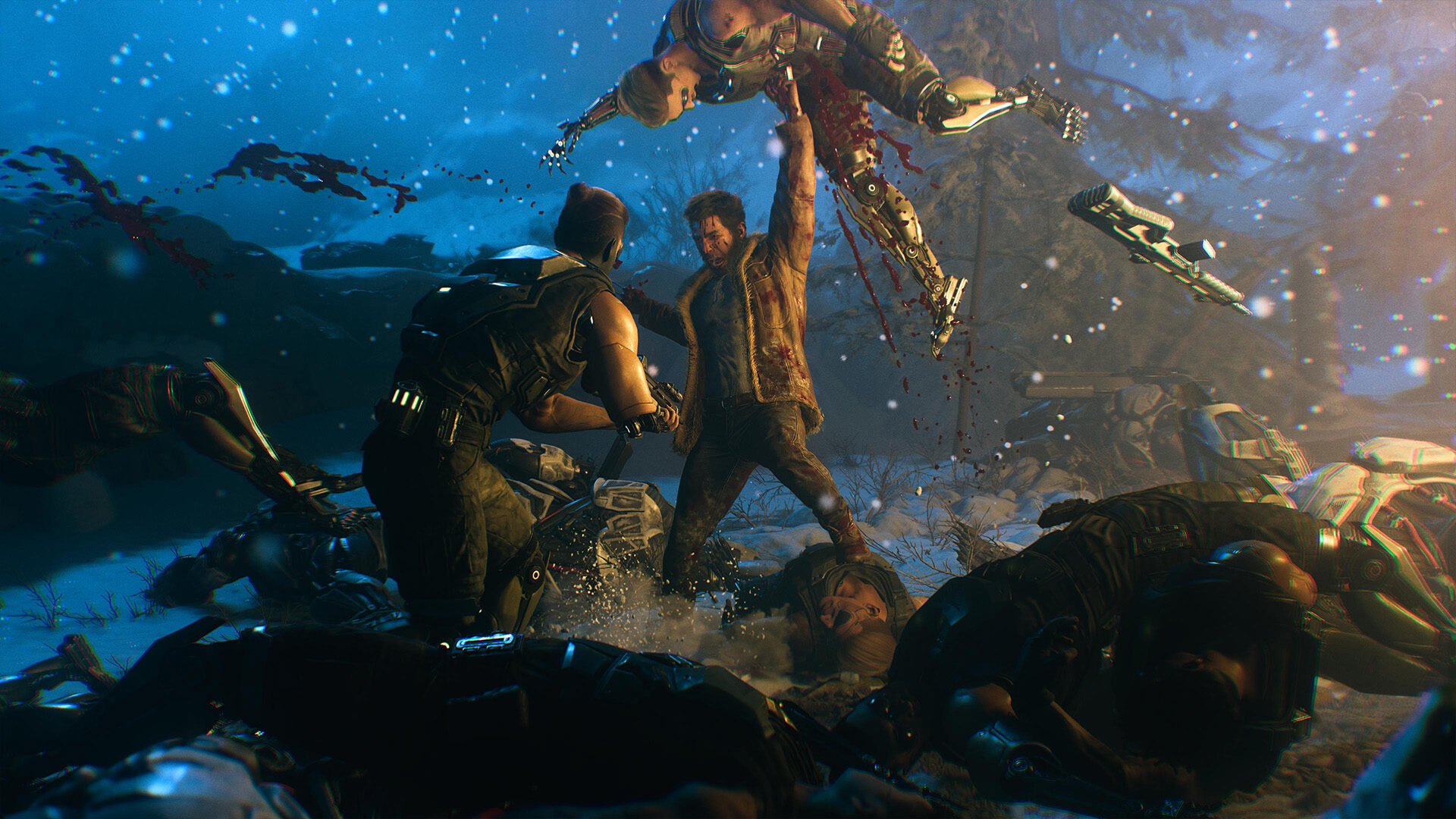
The gore is a genuine highlight early on, and I want to give credit where it’s due; they aimed for that Mature rating, and Insomniac clearly wasn’t going to make a Wolverine game and pull punches on the violence, and the first few times Logan tears through a room of mercenaries, it’s brutal in a way that feels true to the character. The core root of the problem in the whole game is repetition. Wolverine’s jacket takes damage in the same spot, over and over, to the point where by hour two I could predict exactly where the tear was going to show up before it happened.
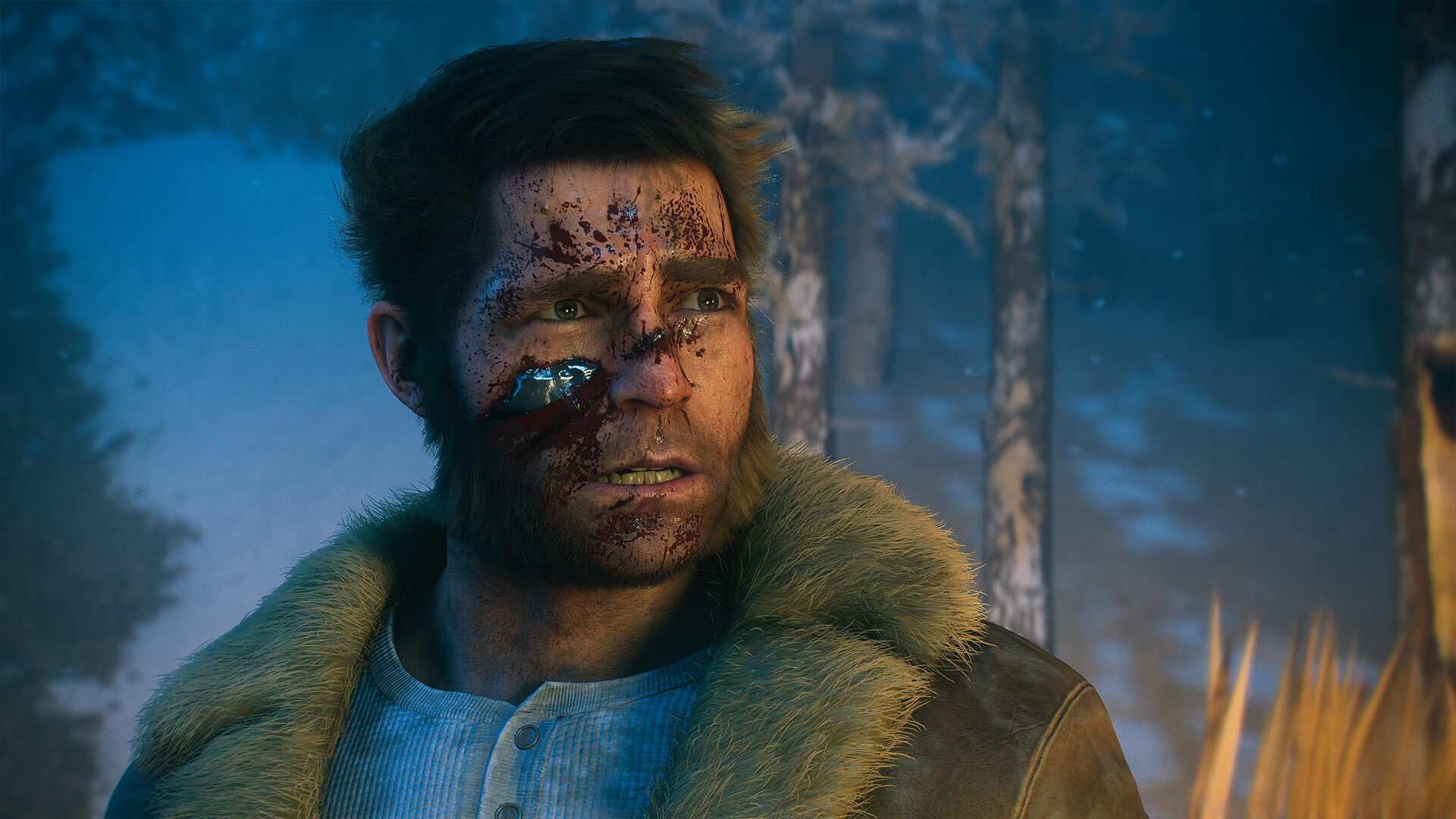
It’s one of those things that once you notice it, and you will notice it because it happens frequently and often, the spectacle stops feeling like spectacle and starts feeling like a visual effect on a loop. Sure it isn’t a game breaker, but it’s the kind of small thing that chips away at immersion in a game that’s otherwise so meticulously art-directed everywhere else.
“My main issue is that combat in Marvel’s Wolverine boils down to hitting square a whole bunch.”
The suit collection is one of the game’s better ideas, even if the execution undercuts itself a bit. There’s a real love letter to Wolverine’s history here, much like we saw in the previous three Spider-Man games. You can see decades of comic runs, TV shows and games represented in the wardrobe, and it’s genuinely cool watching Logan cycle through looks that longtime fans will recognize instantly. My problem is that despite having a closet full of options, I found myself parked on the same two suits for basically the entire game, and both of them unlock incredibly early.
There’s a genuinely strong emotional arc buried deep in the story here. Logan’s history is tailor-made for exactly this kind of introspective, brutal character piece, and you can feel the writers reaching for something with real weight. But the pacing is just so all over the place that big reveals are telegraphed so far in advance that by the time they land, they’ve lost all their punch. Quiet character moments get rushed past to get to the next set piece, and then the game slows to a crawl right when you want momentum.
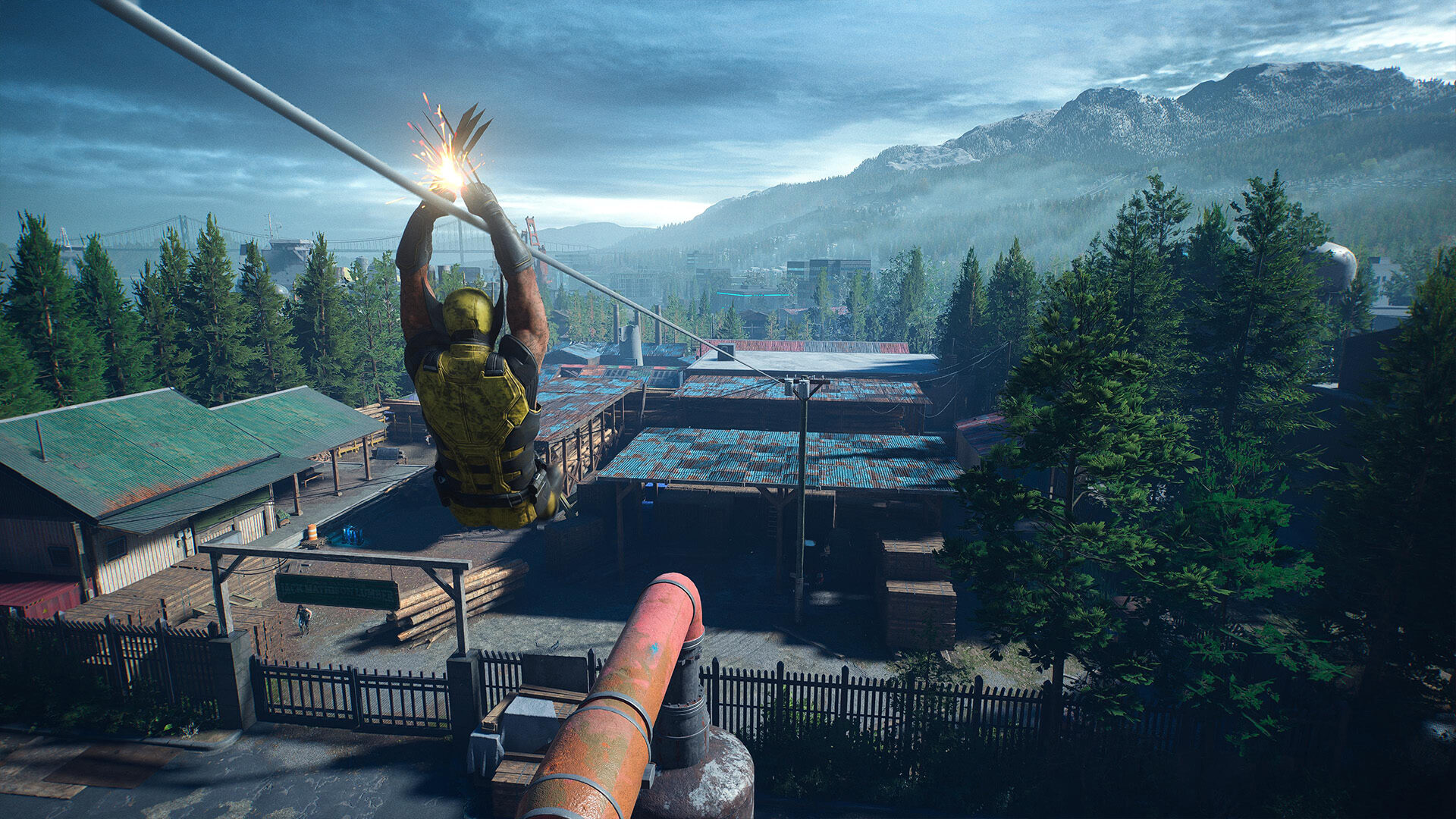
I think there’s a broader lesson in here, too. Wolverine has always worked best as a character in relation to the people around him: the tension between the loner instinct and the family he keeps finding anyway, whether that’s the X-Men, X-Force, or whoever he’s grudgingly protecting this week. While this is not really a fully solo Wolverine story, since the majority of it you either have a supporting NPC or are looking for one, it never really lets Wolverine be his loner self.
“Marvel’s Wolverine is a good-looking, beautifully performed game built on a combat system that never grows beyond its opening hours and a story that keeps giving away its own secrets.”
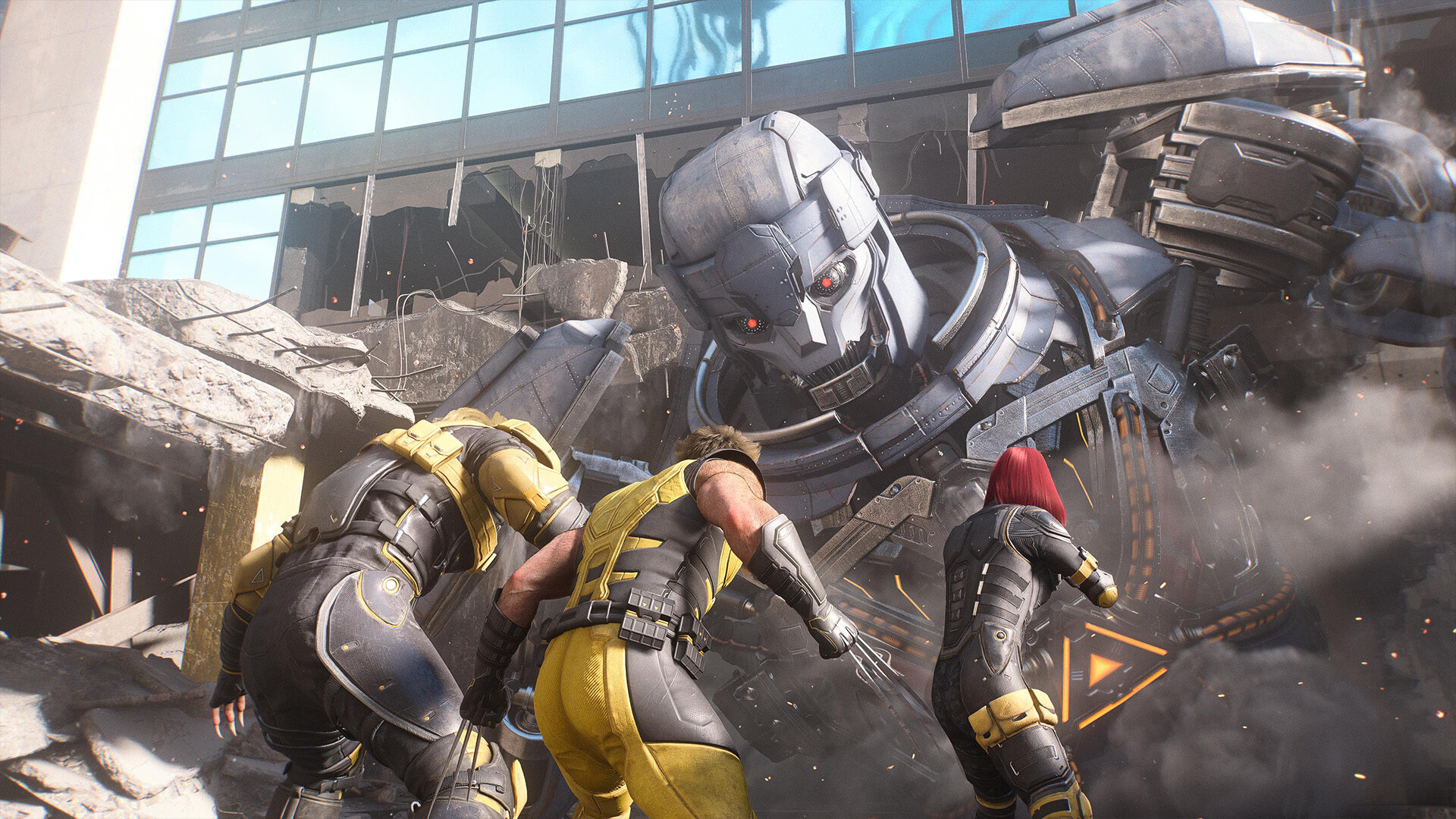
It also doesn’t help that the mutant cast around him is thin. The characters who do show up are perfectly fine, but there’s no real “oh, they got that character?” moment anywhere in the runtime, no surprise A-listers, no cameo that makes you sit up.
Then there are the bugs, which happened during my playthrough multiple times. There were times when parts of the menu UI would just hang around on screen after I was in the menu, some quick-time buttons would stay on screen long after the prompt was shown, and times when Logan just got stuck in geometry. There were roughly ten instances where I had to hard reset to fix a situation I was in; thankfully, the checkpointing was really good. But there are some escape sequences where triggers just wouldn’t happen, and I would be stuck sitting there wondering what to do until I reset. I can’t even think of the last time this happened in an Insomniac game.
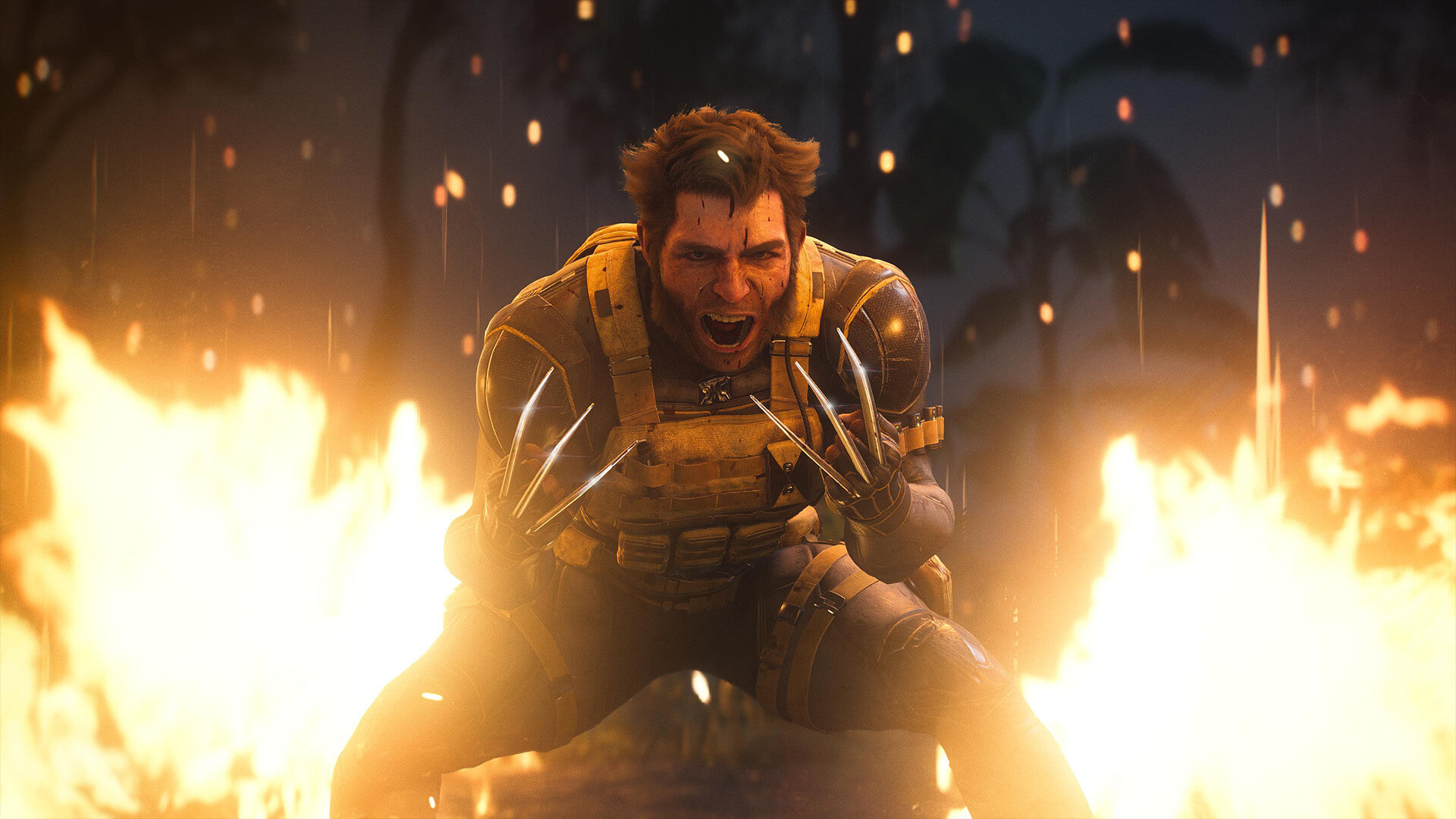
Marvel’s Wolverine is a good-looking, beautifully performed game built on a combat system that never grows beyond its opening hours and a story that keeps giving away its own secrets. Insomniac clearly knows how to make a superhero game sing cinematically, with the direction and voice work here being genuinely some of the best in the genre. But the stuff you’re actually doing with the controller for roughly twelve hours doesn’t hold up its end of the bargain. It’s a step down from what this studio has proven it can do, and after Spider-Man, that’s a real letdown, not a minor one.