
Marvel’s Wolverine marks a striking new direction for Insomniac Games. Best known in recent years for its acclaimed Marvel’s Spider-Man games, the studio is bringing Logan’s world to life through a far grittier, more brutal lens, shaped by visceral combat, destructible environments, blood effects, and an intensely personal story centred on one of Marvel’s most enduring characters.
CGMagazine sat down with Art Director on Marvel’s Wolverine, Grant Hollis, and the game’s Animation Director, Brian Wyser, to discuss the creative work behind Insomniac’s interpretation of the clawed mutant. Hollis and his art team are responsible for establishing the game’s grounded visual identity, from its international locations and environmental destruction to its reimagined versions of Wolverine’s iconic allies and enemies. Wyser leads the animation effort, translating Logan’s long history across comics, film and games into combat that feels weighty, efficient, animalistic and distinctly different from Spider-Man’s acrobatic movement.
Together, the pair explained how Insomniac balances the character’s comic book legacy with its own vision, works with stunt performers and draws on martial arts research. They also discussed how the studio ensures every slash has impact, even for players who choose to disable the blood effects. Hollis and Wyser also spoke about building a version of Wolverine that embraces his violence without losing the emotional core that has defined Logan for generations.
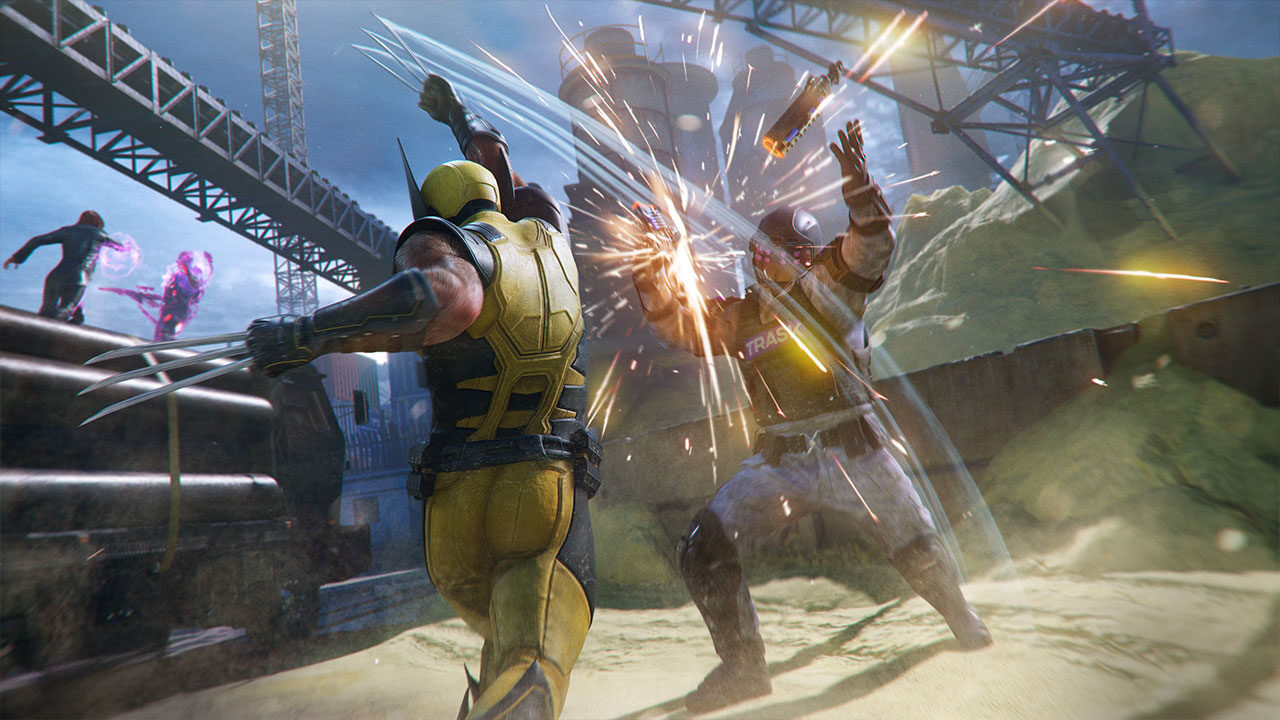
Marvel’s Wolverine is a much darker game than many of the titles Insomniac has made to date. How did you determine the visual direction needed to bring that tone to life in the version we saw today?
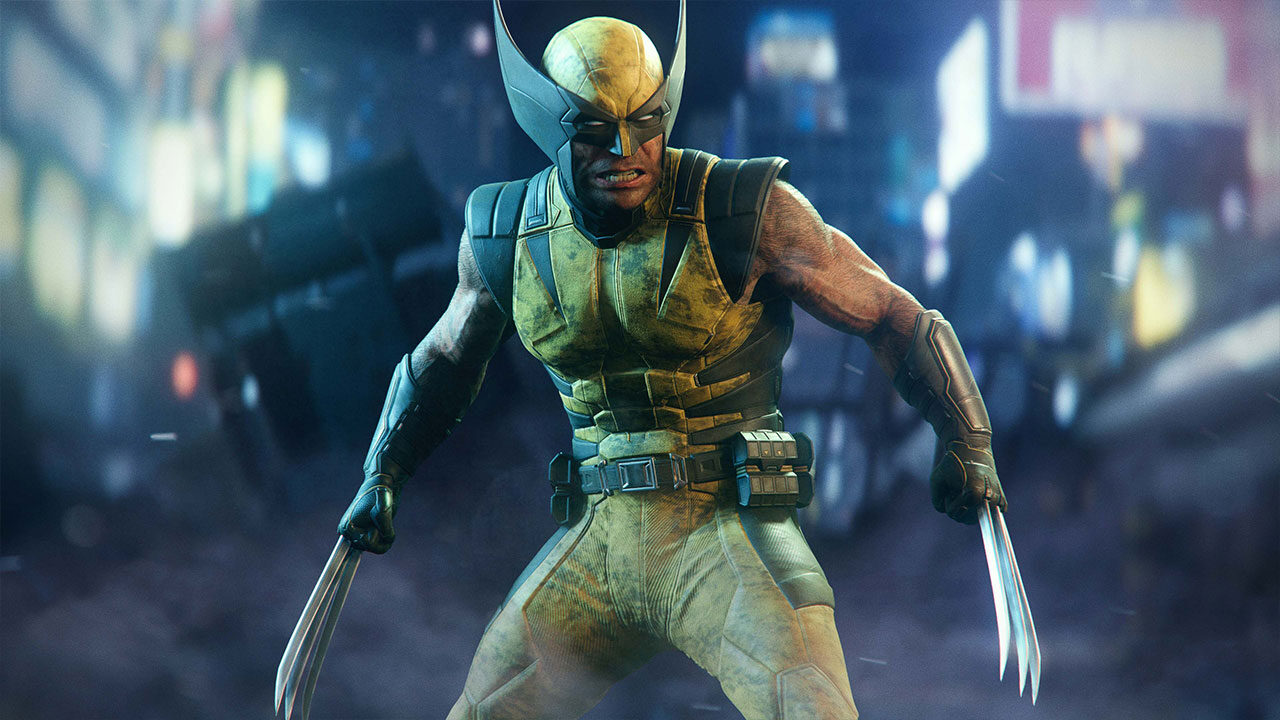
Grant Hollis: When we started, we knew who the character was, Logan, and we knew what story we wanted to tell based on who he is. From the art side, we imagined Logan as more of a tank, a little messier, a little dirtier, less polished, more grounded and shaped by a very complicated life he does not necessarily remember. That life is not just difficult. It is brutal.
Brian Wyser: Yeah, extremely. On the animation side, we also knew we wanted to create a grounded version of Wolverine. We wanted him to feel believable within the hyper-real environment we had built, so his actions needed to make sense. We also wanted to differentiate him from our previous properties, such as the Spider-Man characters. We love those characters, but they move in a very light and acrobatic way.
Early on, we made choices about Wolverine based on the comics and our research. Unlike Spider-Man, Wolverine is more about function than form. He is just as capable of doing a backflip into a punch, but he will only do it if that is the most efficient way to eliminate the enemy in front of him. Much of our animation research focused on giving him a grounded sense of weight and bringing out his animalistic side.
I noticed that in the demo I played, Wolverine has a very animalistic way he moves, especially when he’s in stealth.
Brian Wyser: Right.
Now, there’s such a history with Wolverine. How did you, in both animation and art design, figure out what aspects to pull from the comics, what aspects to pull from other media up to this point, and how to bring that into one experience in Marvel’s Wolverine?
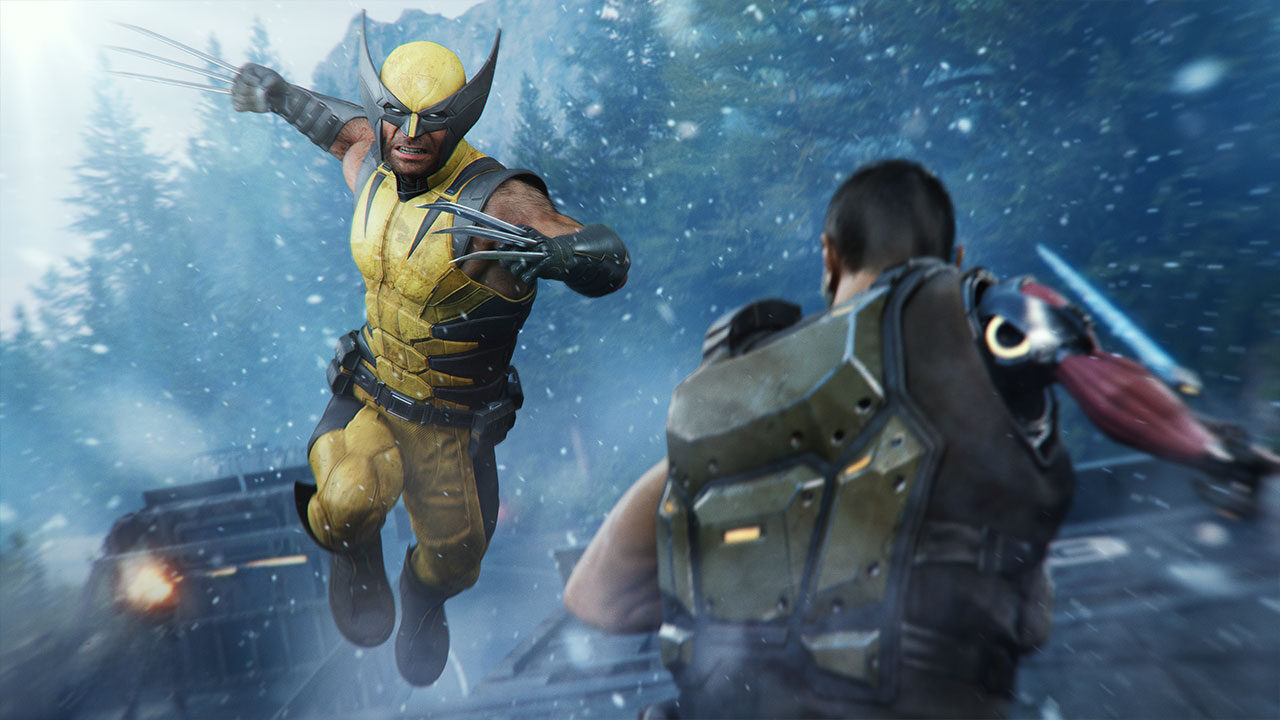
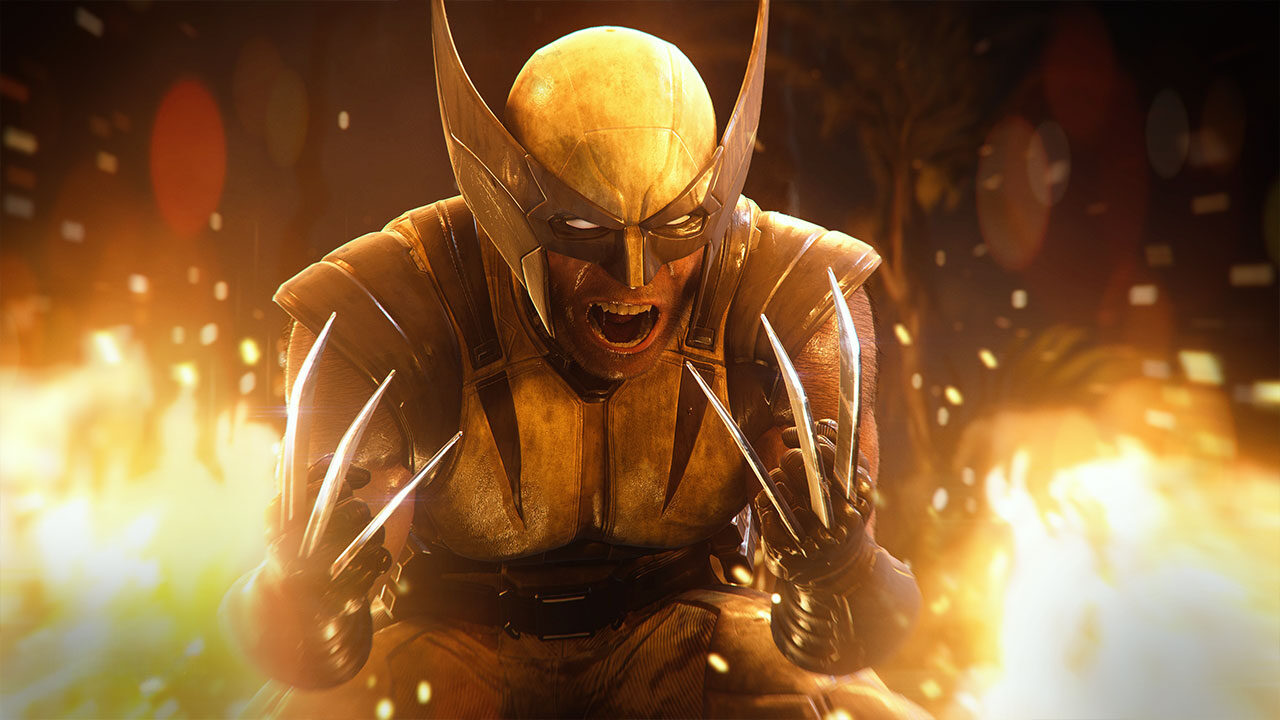
Grant Hollis: From the art side, I have been a Wolverine fan since probably the third or fourth grade. For me, it was about asking, “What did I like as a kid? What have I liked in the films? What is interesting in the script and the story we are creating?” and “How do we put our own spin on it?” We looked at what had been done in the past, but we also asked, “What is Insomniac’s Wolverine?” One of the main ideas we wanted to convey artistically was that players should feel the claws.
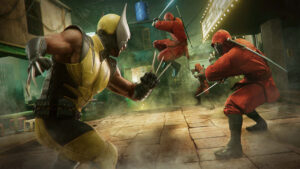
That involves more than animation. It also includes the blood and destruction, not only the damage Logan causes to his enemies, but also what those enemies can do to Logan and the environment. We wanted to reinforce the idea that this is a brutal game with extensive destruction. Logan is a killing machine, but he is doing it for a greater good.
Brian Wyser: Yeah, and for animation, we take the time to research the comic books, films and everything else Wolverine has appeared in so we can better understand the character. Many of us are already fans. When it came to determining how he fights and which moves he uses, much of that developed over time. We set specific goals for the animation.
One of those goals was preserving his animalistic agility. As we learned more about the character and his age, we also considered that, according to the comics, he knows every martial art because he has had the time to train in all of them. We spent a lot of time studying different martial arts and finding ways to incorporate them into the combat.
And then, in our first few exploratory days with stunt actors on the stage, I would pitch to them, “I think he might use some Krav Maga,” or, “He might try something different here with this weapon that’s used against him that is similar to kung fu or jiu-jitsu,” or whatever it might be. And then we collaborate with our stunt actors as well to identify how he can move. So, a lot of it is farming interesting ideas from the comics, the films, and the games prior to us, and then translating that into what works in our grounded world.
You mentioned that Marvel’s Wolverine is going to be pulling from all this different media. How was the process of figuring out what goes into this game, either from your side or the story team, etc., and how did that all get boiled down to what we finally see in the final product?
Grant Hollis: So, early on, when we started the environments, we had a few locales that the writer had called out in the story. And then we also had a few locales that we just decided it would be cool if we went there. And then some of those locales end up working into the story, and some of them don’t. But really, we take that as a jumping-off point to make what we call a diorama.
So, it’ll be a little snippet of a back alley in Shinjuku, or a little jungle area, or a forest in Vancouver. We do that early on to get a feel for what could be, and also what tech we currently have and what tech we need to bring it to the level that we ultimately want to do.
Brian Wyser: Yeah. For animation, the other animators and I will always run our own tests based on this research when we hit the ground running in the earliest days of development. We might create a previs version of a scenario such as “What would it be like if Wolverine fought a group of people in a snowy forest?” We then build a small scene and try to establish what could become an animation North Star for the game.
It will evolve over time, but it still gives us a clear goal and a sense of how the game might look. On the story side, we work closely with Grant throughout development. As the team builds a new diorama or an early proof of concept, we develop an initial cinematic within that space and use it to visualize the fidelity of the characters. We are not only looking at combat and gameplay, but also asking “How does this fit together? How does the entire world fit?”
Grant Hollis: How would it feel to move through this diorama as Logan? What would the world look like from his point of view? How would the camera move? How would all of those elements work together? During those early animation tests, we also looked at what was missing. How would we handle the blood? How could we make players feel the claws and ensure the violence felt visceral? We wanted players to feel like Logan, with knives for fingers, cutting through enemies.
Brian Wyser: What’s the ratio of limbing and cutting off arms and heads to combat?
Grant Hollis: And how much? How far is too far, and how far is not far enough? As we’re developing the amount of gore, we’re trying different things out. Sometimes we’re a little conservative, and we’re like, “You know what? That’s too conservative.” And other times we’re like, “Whoa, whoa, whoa, whoa. We’re not making a snuff film here. We’re making a game.”
So, that’s a process of iteration as we’re developing it, and it starts at the very beginning. The animation team previses, like, what does it mean to be Logan fighting some bad guys in a forest? And we’re like, “Well, I want to cut trees. I want to cut the enemies. I want to sever limbs.” And how much is too much, right?
On that note, during the presentation upstairs, they mentioned that players could turn the blood effects on or off. From an artistic standpoint, whether in animation or art direction, how did you approach designing that feature so players could disable the blood without losing the impact of what you had created with Marvel’s Wolverine?
Grant Hollis: Yeah. So, because you could turn the blood off, we had to make sure there was still enough feedback so that, if a player doesn’t want to play with blood, that’s fine, but they still need to know, “I’m damaging this enemy,” or “This enemy I’m about to defeat,” or “I’ve defeated this enemy so I can go attack this other enemy.”
All of that comes back into feedback. In a lot of instances, we’ll have more than just blood to show the damage. It could be some other visual effects—sparks, flares, different things we’ll do to help the player understand what is happening.
Brian Wyser: Yeah, and on the animation side, it keeps us honest a lot. Because, look, when you create something like this, and you’re thinking of the end vision, and you know there’s going to be blood in the shot, maybe the camera is going to shake, there are certain concessions the animation team can make where maybe the contact isn’t as accurate because we know the way it will be presented. So, with the likelihood that many will play without blood, we had to make sure that our claw impacts and our contacts all work, and everything is balanced—that it’s presentable that way as well.
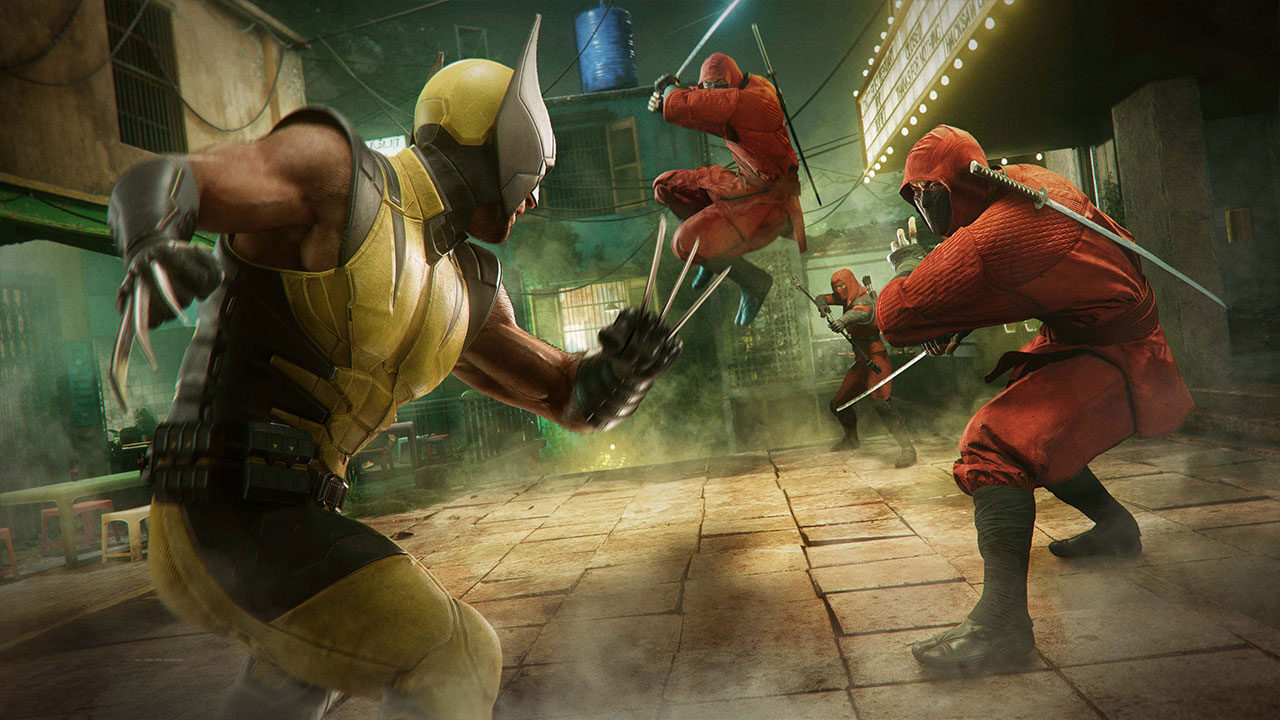
Now, the Marvel Universe is filled with ridiculously crazy characters, and some of the powers are mind-boggling. How was it to have the scope of what the Logan—the Wolverine—universe has to pull from? And were there some characters that you had to say, “Well, this can’t work because of X reason,” or were too complex to bring into Marvel’s Wolverine, or anything like that?
Grant Hollis: I don’t recall any characters that we said no to.
Brian Wyser: Yeah, no, I agree.
Grant Hollis: I’m trying to think. Pretty much all the characters and enemies that we’ve picked, they were there from the start. They may have evolved, but they were always there, and we never said no. There wasn’t a character where we were like, “Oh no, we can’t do that.”
Usually, it was, “That character’s cool. This is what we can currently do. How can we do more? What is it we need? What’s lacking?” Stuff like that. Like I said with the blood earlier, it was like, we can do sprite-based blood and this and that. But how do we make the blood feel more viscous, more liquid-like? And so, that was one of the things that we focused on. And another one was, well, Logan is, for lack of a better word, immortal. So, he can take a lot of damage and then come back to life.
How are we going to visually show that and make it satisfying and not overly gross, but so that you felt like, okay, I can physically see I’m taking a lot of damage, but I can also physically see that I’m healing over time and getting better, and that I have this push and pull?
Brian Wyser: And to Grant’s point, our character roster hadn’t changed dramatically. Generally speaking, with the games that we make, we’re looking at what serves the story first. So, when we have that basis of the story, and for the most part it remains the same—although that’s iterated on too—our cast pretty much stays the same once we find reasons for them to fit into the story. We want some emotional connection with Logan rather than—not saying it’s bad—but rather than just picking and choosing from the Marvel enemies list.
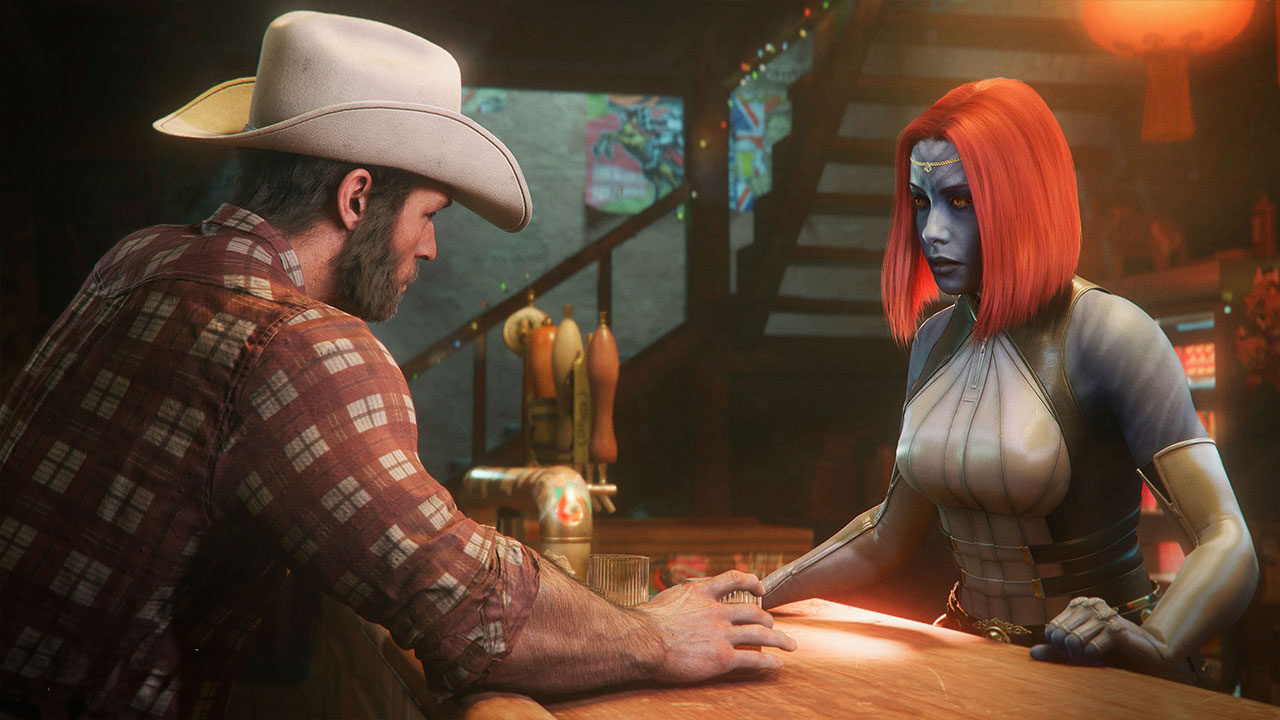
I noticed that every character in Marvel’s Wolverine had a unique look. Some designs harken back to their comic book appearances, while others blend elements from different versions. How did you decide on the final look for each of these iconic characters, given how much their designs have changed over the years?
Grant Hollis: Yeah. For Team X, we knew we wanted each character to wear a Team X uniform. Some of those characters were never part of Team X in the comics, so we had to create versions that felt appropriate for them, including Mystique. We started with the black-and-yellow motif used by Team X in the comics, and that was something we wanted to preserve.
Then we asked, “What would that costume look like in our game and our more grounded world?” We worked with some really talented concept artists early on to determine what the Team X outfit should look like. We also wanted to make sure each member had something iconic in their costume that people might recognize from the comics, movies or elsewhere. For Sabretooth, we asked, “What are his defining traits?”
We thought about his mane-like collar and the fur. The fur is a major element that I have always associated with him in the comics. We used that as a starting point and asked, “What is an element we really want to preserve, and how do we turn it into something grounded that works within our universe while still paying homage to the comics?”
We do that with all of our characters. We look at the elements we remember from the comics or movies and ask how we can put our own spin on them. We really want to stay true to these heroes and villains, but sometimes we also want to flip the table because it keeps things fresh. We are always looking at what has been done before and finding ways to make it our own.
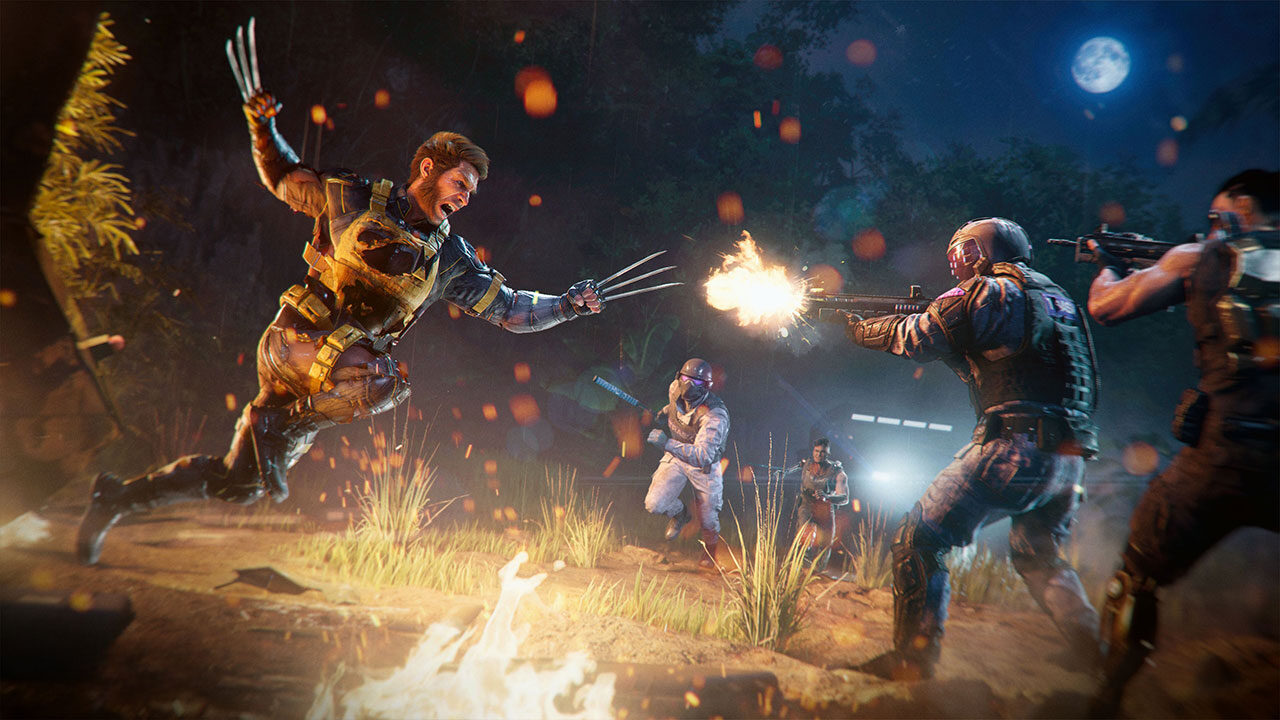
One final question to wrap up: Is there anything in Marvel’s Wolverine, whether in the animation, art or another area, that you are especially excited for people to see when they finally experience it?
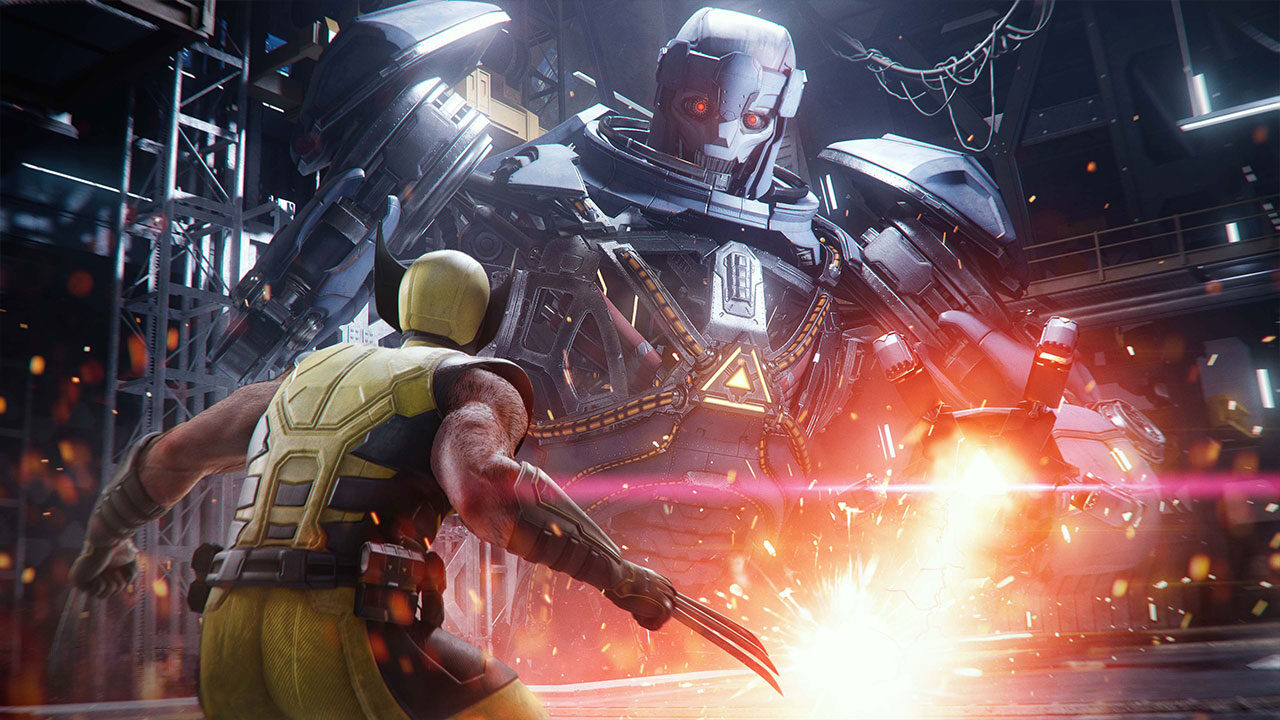
Grant Hollis: For me, it is the whole idea of destruction, blood and visceral combat. One of the things we added very late in development was the destructible ground, which you played through earlier. That entire Proto-Sentinel boss fight initially did not have destructible ground. It was still cool and fun.
But I thought, “I feel like we could really sell his power and size if he destroyed more of the environment.” That was something we added after we had reached a certain version of the fight. We thought, “This is fun. How do we make it feel like he is a giant robot doing a Godzilla-type thing and destroying buildings?”
Brian Wyser: Yeah, I have two answers when it comes to animation. In terms of gameplay and Logan in general, I am really excited for people to see our version of the character and experience that animalistic agility and the weight of the combat. Hopefully, players will actually feel like Wolverine as they fight, stab and slice people in half.
On the story side, I am also really excited for people to experience this journey. As fans of Wolverine, I think we have presented a completely honest version of the character that people who know him well will immediately recognize. It is Wolverine, but there are also twists and turns in our story that will make you feel something. As an animator, I live to create emotion in people.
So, I’m so excited that the fans will get to play this game and hopefully walk away having some emotional moments within our game.
Awesome, thank you for all the answers.