
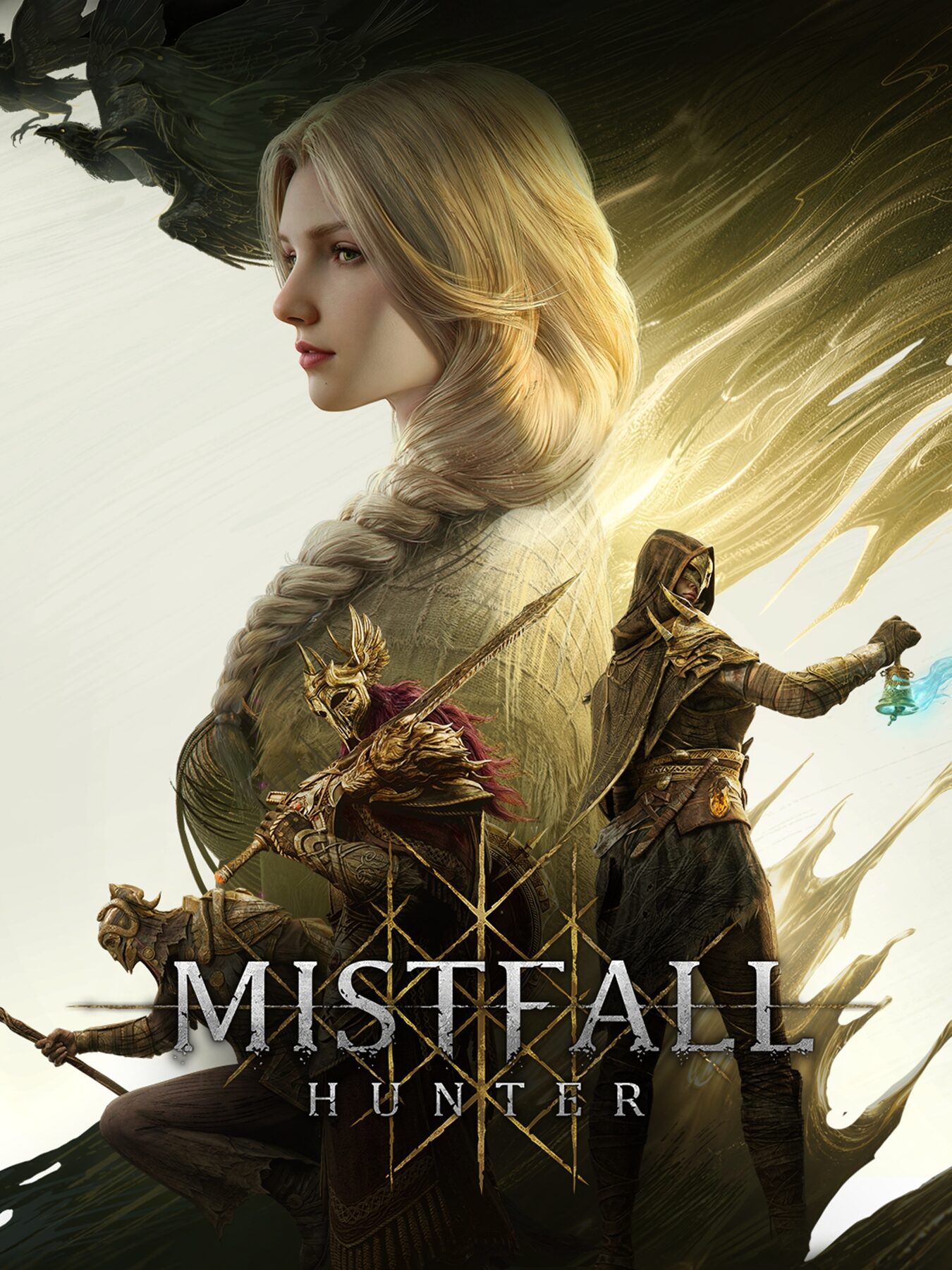
I was intrigued by Mistfall Hunter because I haven’t fully been sold on the idea of the extraction genre yet. While I think there’s potential in it—as there is in every genre—so far I haven’t found that one that really hooked me with both its ideas and execution. But, similar to Eldegarde, an extraction game based around a classic RPG could have some bones to it.
But like I always say, the devil is in the details, and a game can’t stand on good ideas alone. Mistfall Hunter actually shares a lot of the same DNA—and subsequently the same issues—as Eldegarde did, trying to hinge the majority of the extraction gameplay on the trappings of classic dungeon crawlers like Diablo, and doesn’t seem to fully understand what made the latter so fun.
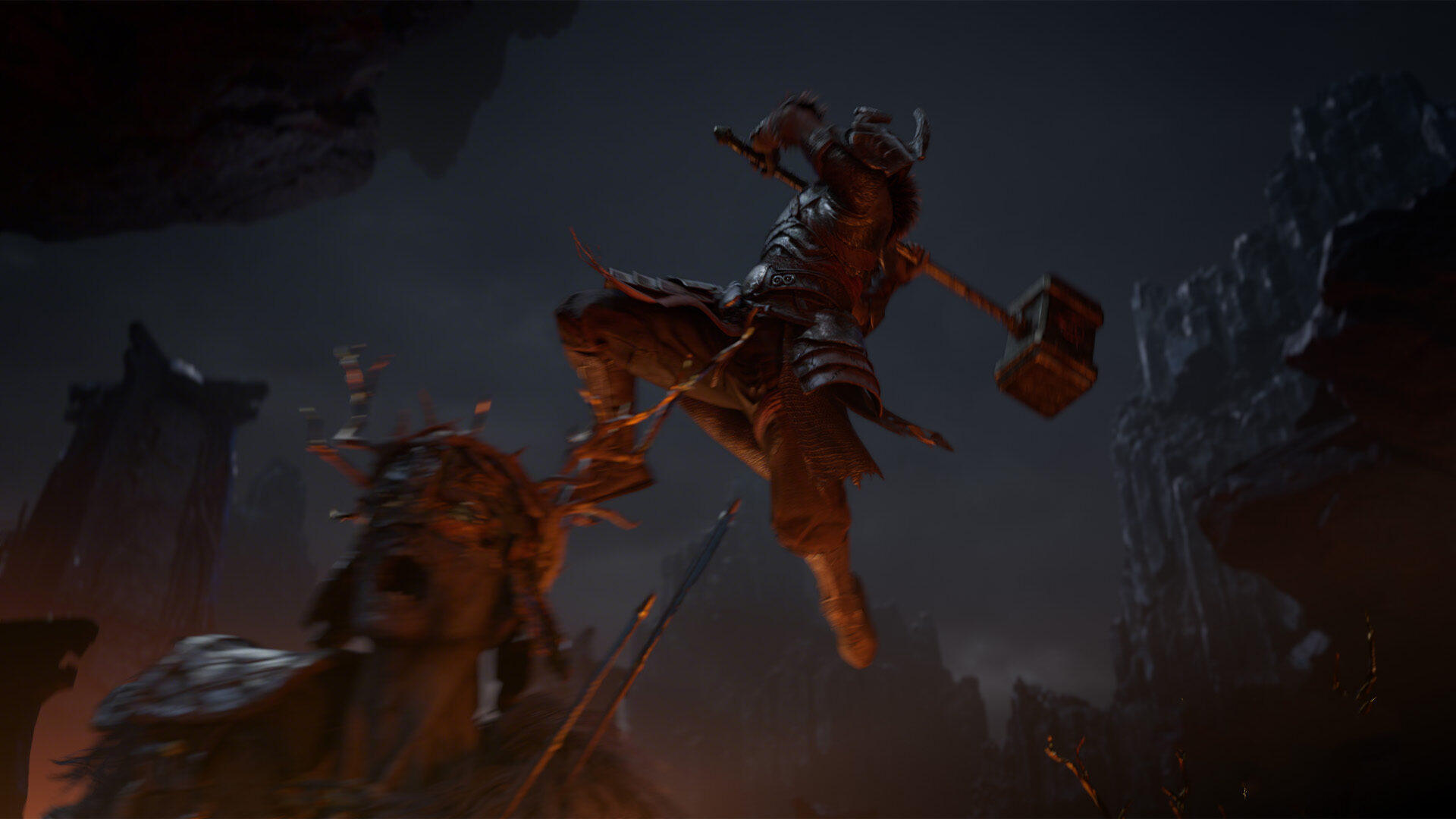
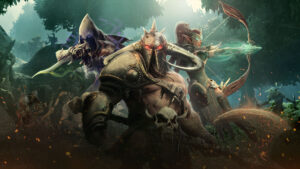
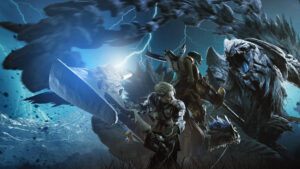
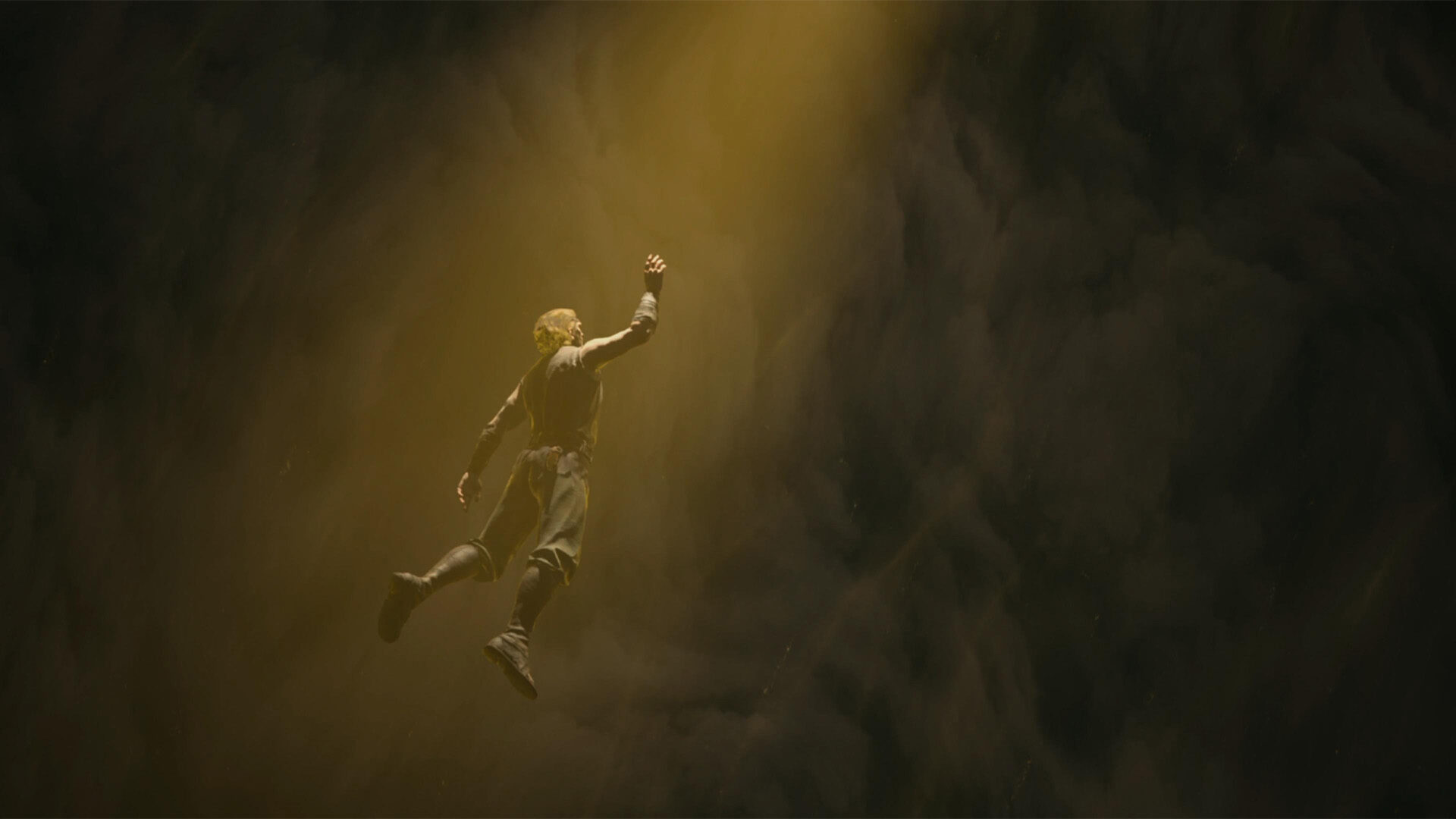
To its credit, Mistfall Hunter does have a story that is trying to evoke some Dark Souls vibes. The gods of the world have died, signalling a rebirth of all things. However, in this time, a corruption known as the Gylednmist is slowly devouring all things. As a Gyldhunter, the player must collect Gyldenblood in order to repair the broken Web of Fate and restore order to the world.
It’s a decent enough premise that does a decent job of wrapping the explanation for the extraction gameplay in a dark fantasy package. In both its visual storytelling and deeper lore, you can see there are a lot of good ideas and creative concepts. However, due to the game’s quick, get in, grab loot, get out nature, narrative progression feels too incremental to be fully intriguing. Add to this the fact that progress can sometimes be halted by another player, it makes the attempt at storytelling feel even slower and less engaging.
In terms of gameplay, Mistfall Hunter gets the fundamentals of the extraction game right, but doesn’t seem to know what it wants its combat to be. Like I said, it’s trying to feel like a soulsborne game, but with a mixture of classic dungeon-crawling RPGs mixed in, so players engage enemies in 3rd-person combat with a mix of special abilities on cooldowns. However, for some baffling decision, the game omits the ability to lock on to enemies, so combat has a wild, somewhat inaccurate feel to it.
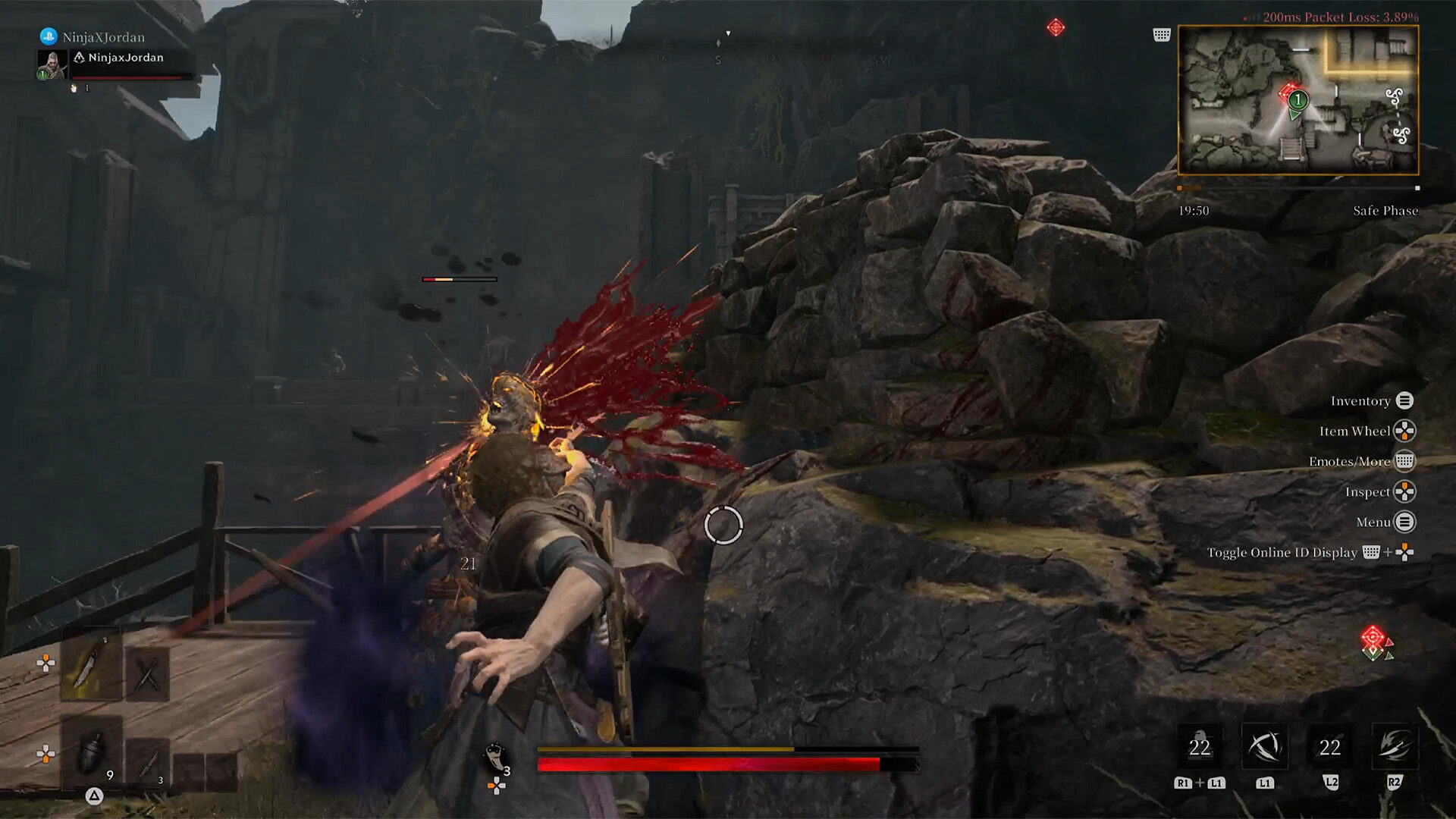
It tries to split the difference by maintaining a loose, auto-lock on when you attack enemies; however, this can start to feel unwieldy when trying to reposition the camera, as your character can swing off in different directions. Even more confusing, when players try to line up a ranged attack, the auto-lock will try to follow the enemy, causing your aim to swing and veer off like your character is constantly drunk.
But outside of all that, combat just feels generally terrible. Players are only given a meagre quickstep that never feels like an adequate way to dodge attacks, there’s very little strategy involved with approaching enemies, and it’s never engaging enough in the way a good soulsborne, or even a good RPG, should be. Naturally, I chose a “Shadowstrix,” the Rogue class—since there were no Warlocks available—and despite being equipped with a dagger and an invisibility skill (invis-ability?), it never really felt like I could, or needed to utilize stealth as a combat strategy.
Attacking from invisibility offers a minor damage boost, but takes you out of it before the animation even finishes, so it never feels like you’re actually attacking from stealth. Aside from that, it’s just a lot of fast flourishes from a combination dagger or twin-blades and only really becomes a proper stealth class after serious grinding and talent unlocking. It’s just a bizarre way to structure this kind of class and feels like working backwards from combat to stealth.
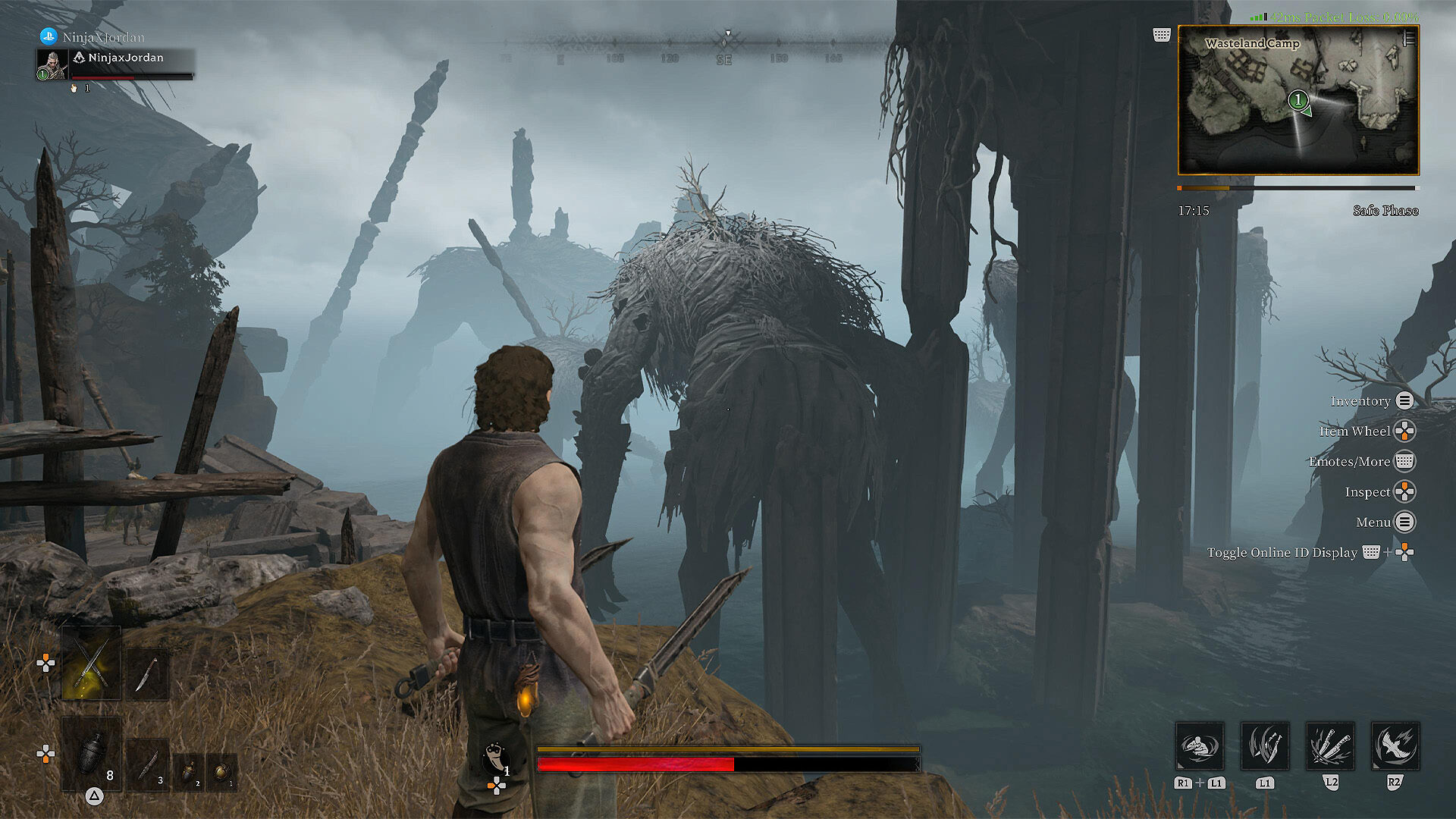
And with its pretty shallow combat and monotonous grind, Mistfall Hunter gets pretty boring, pretty quickly. I think a big problem with it is that you just never feel like you’re making any real progress. You never feel like you’re getting stronger or facing serious challenges and being rewarded with loot as part of it. Here, the loot is the main objective, and so much of your potential success is tied around it; it just becomes a largely unsatisfying grind.
“And with its pretty shallow combat and monotonous grind, Mistfall Hunter gets pretty boring, pretty quickly.”
Also, I can’t really wrap my head around why Mistfall Hunter, which is a $24.99 game, I remind you, feels the need to wrap itself in so many freemium elements. It has its universal currency, Gyldenblod; Moonlight Nectar, which is used to exchange for Raw Ore; Soul Coins, which are used for purchasing cosmetics in the specialty shop and can be earned in-game; Fate Coins, which cost real-world money and can also purchase cosmetics (usually at half the price).
There’s also Star Silver, which is used to buy other premium cosmetics and can be attained by purchasing Raw Ore with the Moonlight Nectar; however, the amount you get is random (as a kind of a lootbox mechanic). There’s also a Battle Pass, because of course there is, which requires Soul Coins to activate, but rewards a different currency—Contract Sigils—in order to claim rewards. Like I’ve said before, it just kind of feels like putting the cart way ahead of the horse on how popular or lucrative you think your game is going to be, and always comes off scummy.
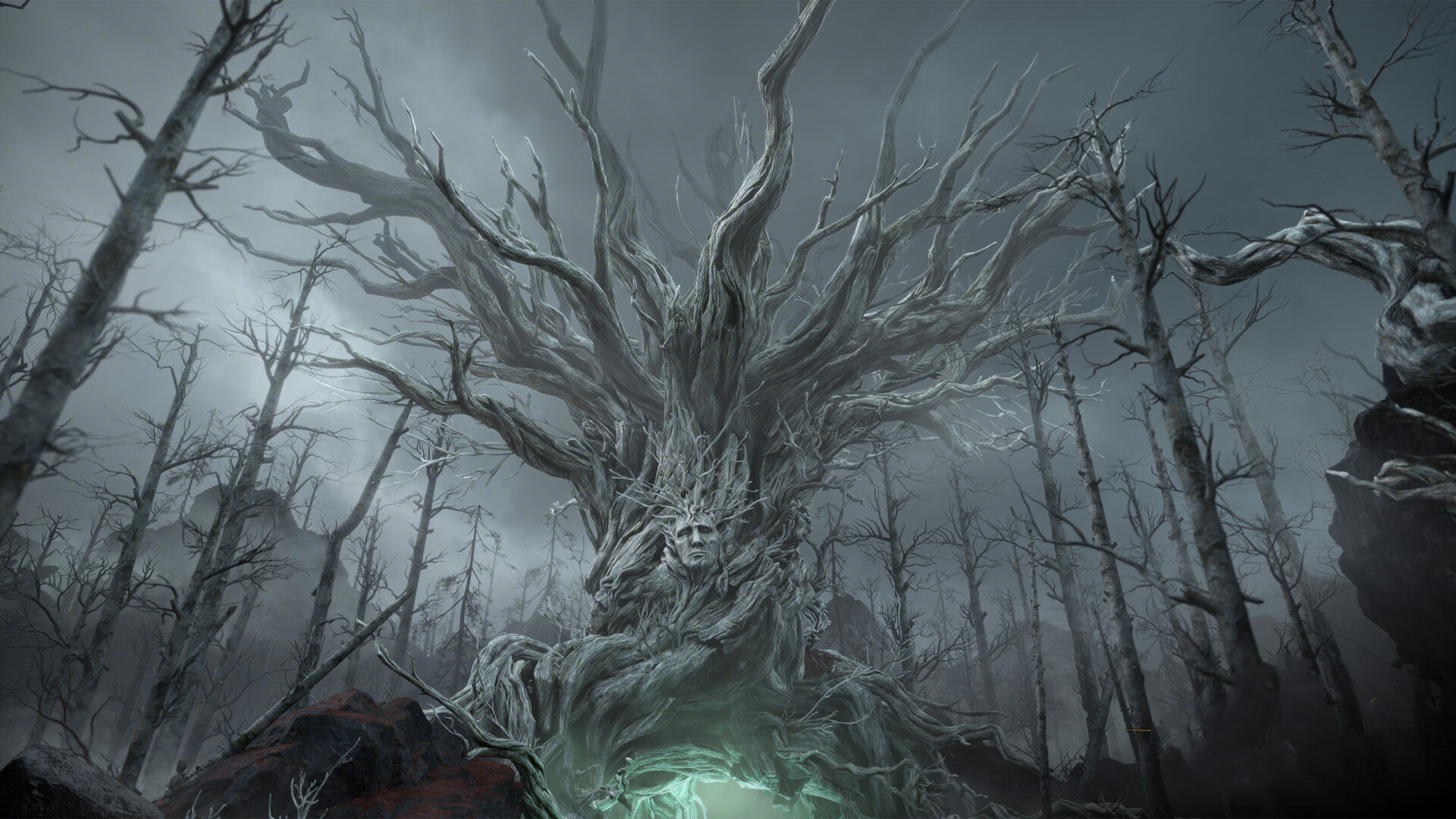
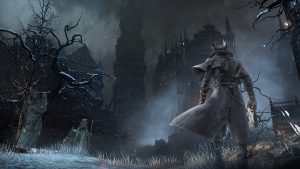
Visually, Mistfall Hunter is pretty standard. As I said, it does have some interesting locations and creative ideas, but doesn’t really stand apart from the dozens of dark-fantasy RPG worlds falling to “the corruption” and full of dead gods. It’s not bad by any means, but it just feels like an amalgam of Dark Souls, Elden Ring and Lords of the Fallen. Audio fares about the same—decent but kind of forgettable.
Mistfall Hunter isn’t a terrible experience, but it’s not a particularly remarkable one either. There’s the germ of a good idea in there, but much like Eldegarde, it needed to commit much more to its central idea. If its combat felt better and its progression was more rewarding, it could’ve made its extraction elements all the more satisfying.