
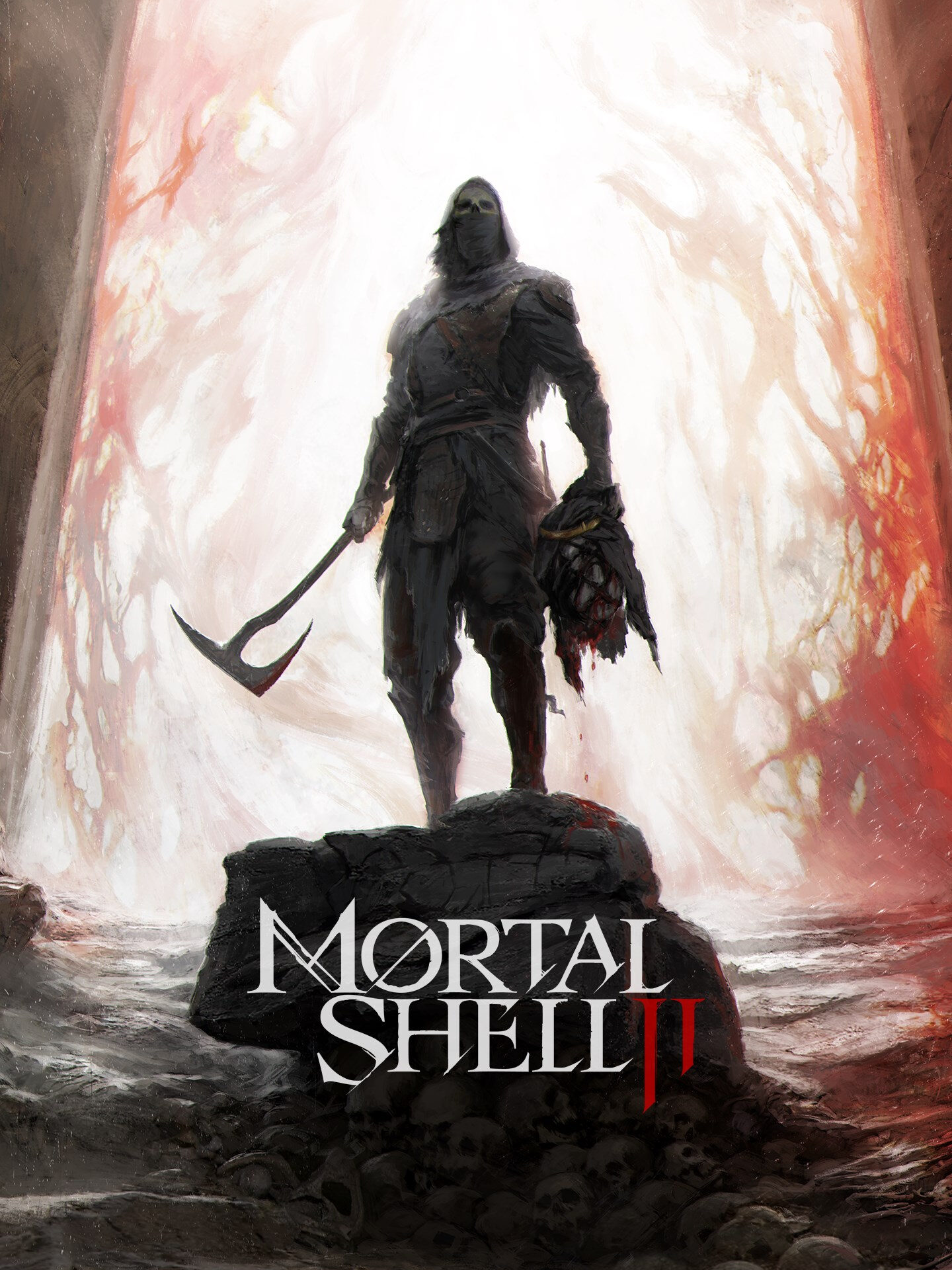

It is always a great feeling when, within thirty minutes of starting a game, you know it’s going to be not only a great palate cleanser, but a great game in the genre. With Mortal Shell II, there was a little worry that it would be much like the first one and be more something I kind of just tolerated, but very early on that was not the case, and I started thinking of it as one of the better soulslikes I’ve played in years. That’s not a small thing to say.
The original Mortal Shell had a neat hook and not much else holding it up; it was a game that felt like such a letdown with this great promise. Mortal Shell II is such a better sequel, and it’s not even close.
Mortal Shell II has so much more confidence in everything, and I felt it the moment I picked up the controller. The original Mortal Shell always had a slight stiffness to it, an unwillingness to fully commit to the aggression the genre usually rewards, and Cold Symmetry has clearly spent the years since honing their craft. Every swing, dodge, and parry in Mortal Shell II has this tightness to it that the first game never seemed to find.
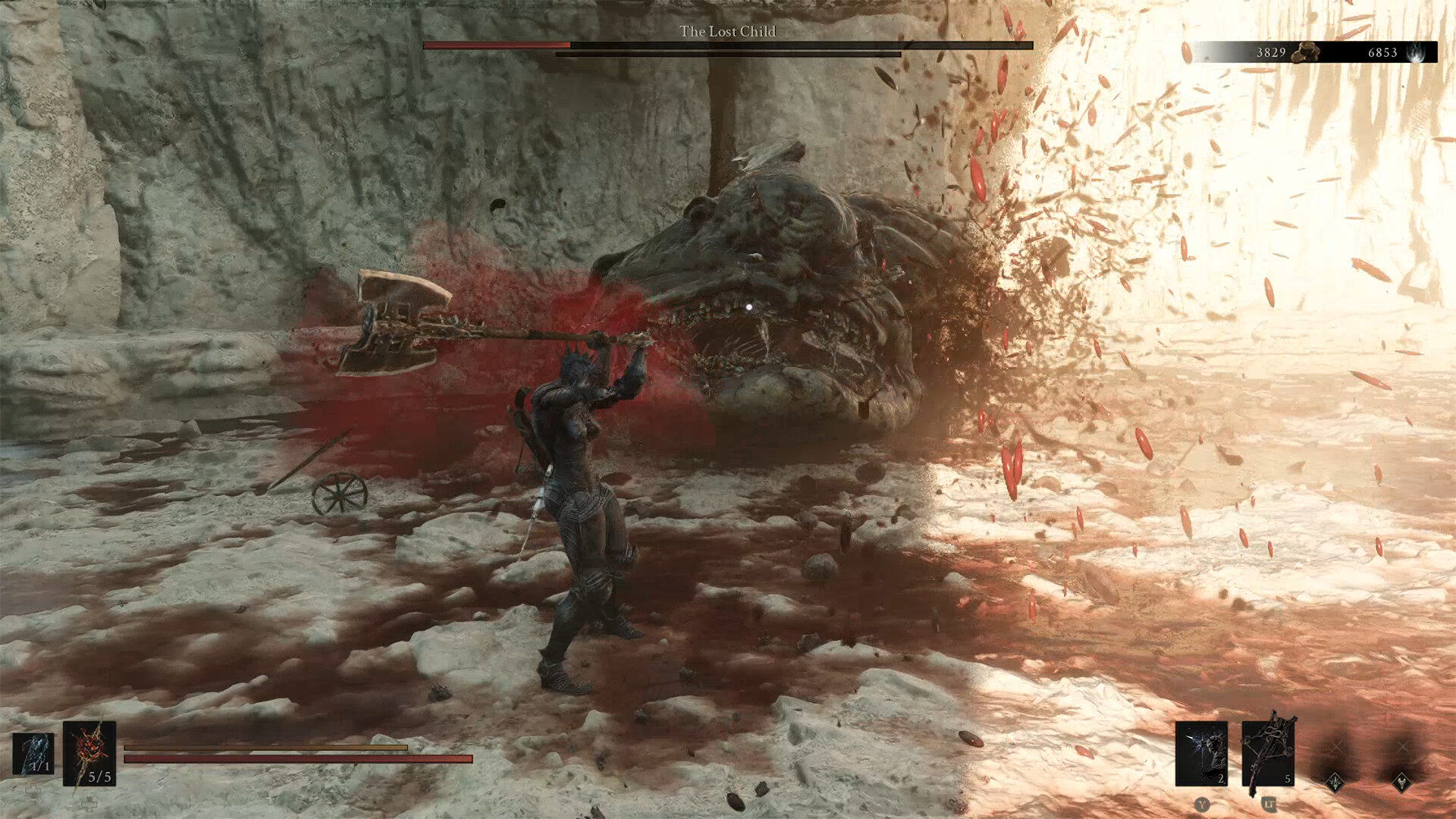
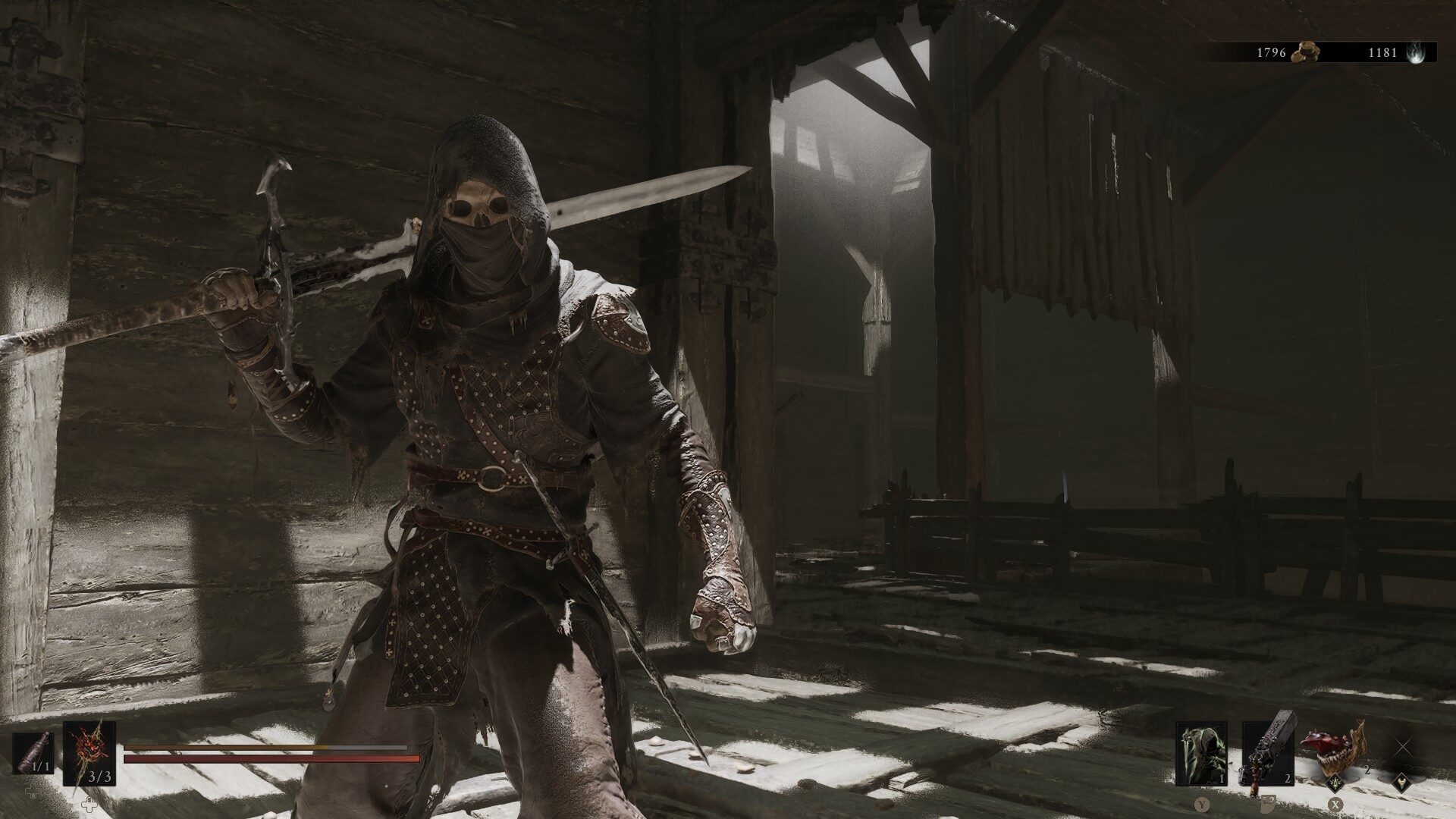
The shell system was always the series’ best idea, and this time around, it manages to actually build a game worth wrapping around it. Much like the first game, each shell comes with fragments of a life you piece together as you play and upgrade, and learn who these people were before they ended up husks. The writing for these characters and the smaller set pieces wrapped in their dreams is just so much better this time around. Even still, I found myself gravitating toward two shells in particular and pretty much stuck with them for the rest of the run.
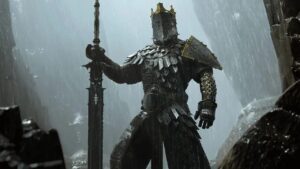
One comes with this hookshot-like attack that either yanks you into range of an enemy or drags smaller enemies to you and layers on some electricity damage. The other plays like a warrior-king; their ability, instead of the hookshot, is this charged attack that can stagger even the bigger enemies if you time it right. Between the shells and the weapon variety sitting on top of them, Mortal Shell II gives you a real toolkit to build around, and that freedom is a huge part of why the combat clicks as hard as it does.
Because make no mistake, this is a soulslike through and through, and a genuinely fantastic one. The combat has that weight and deliberateness the genre demands, parries feel great when you land them, and the game is more than happy to punish you when you don’t. What’s changed is the world around that combat. Mortal Shell II goes open world this time, and it actually earns the shift.
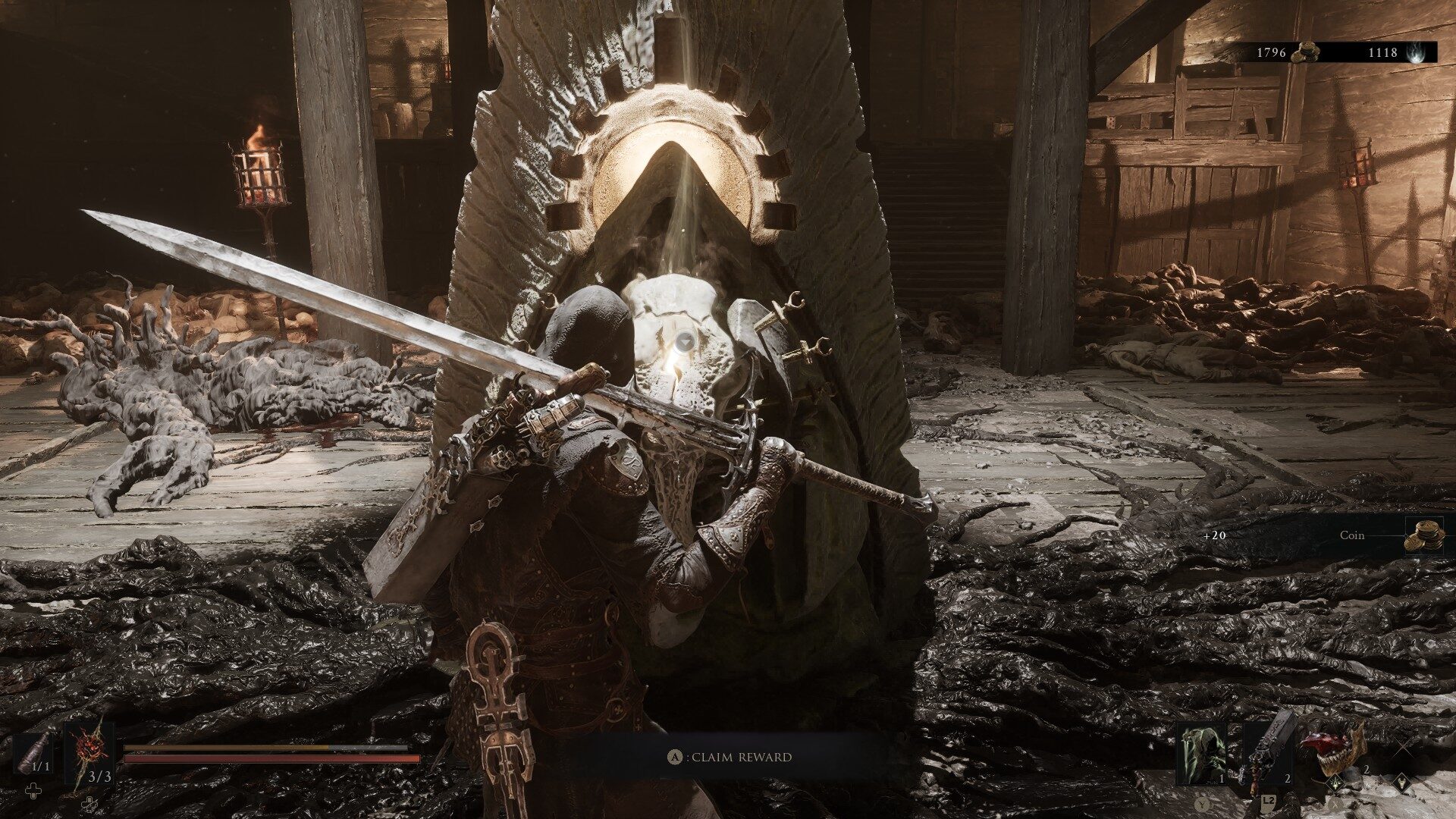
Every region feels like its own pocket of the world with its own history, each one decaying or lost in its own particular way with its own set of enemies suited to it. You can feel the difference walking from one zone into the next, not just visually but in how the enemies move and how the oppression in the environment feels. Scattered around that world are optional dungeons and beacons, and ducking into them for a tough fight is consistently worth it, since the weapons and upgrades waiting on the other side are genuinely worth building a run around.
“Mortal Shell II has so much more confidence in everything, and I felt it the moment I picked up the controller.”
That open-world structure is really where the full scope of Mortal Shell II comes to life. It’s clear how much connective tissue exists between those areas, how deliberately the pacing ramps as you push further out from where you start, and how much thought went into making sure no single region ever feels like filler stitched between the good parts. It’s the kind of open-world design that resists the urge to just be big for the sake of it. Every stretch of it seems to have a reason for existing, and that restraint is rarer than it should be in games that make this jump from a tighter, more contained original into something this expansive.
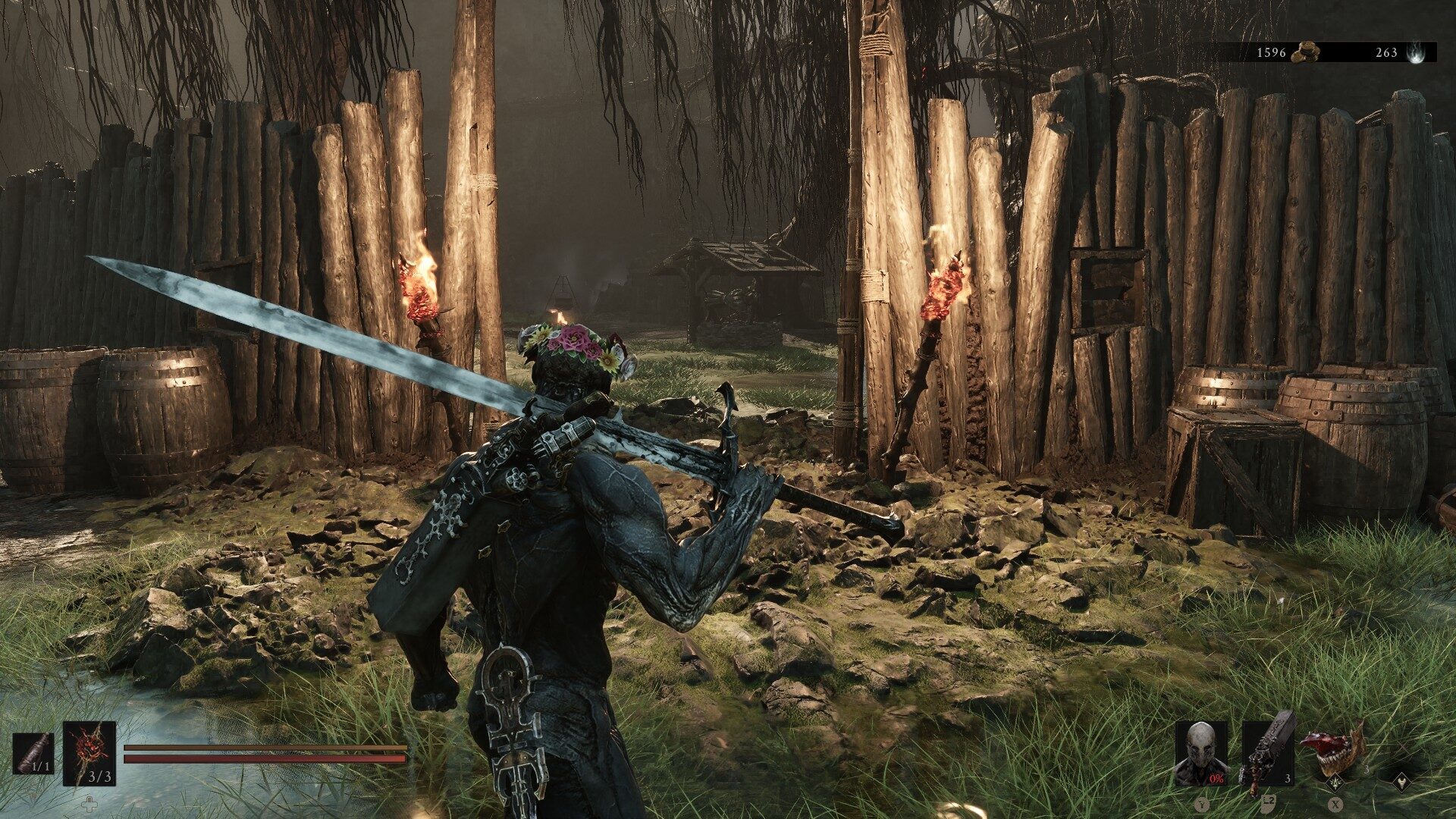
Story has never been the reason to play a game like this, and Mortal Shell II knows it, but it gives you more than the last one did, and it is much better told this time around. There’s more legible narrative here than you’d get out of a Dark Souls game without having to dive into item descriptions or lore books, actual through-lines you can follow if you care to, but it’s still smart enough to let that material live in the background while the combat and exploration do the heavy lifting. That’s the right call. It’s a game that trusts its systems, and those systems are strong enough to carry it.
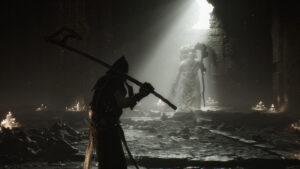
Visually, Mortal Shell II is stunning hands down. It’s soaked in dread, all rot and ruin and the kind of oppressive atmosphere the best of this genre chases, and the art team clearly understood exactly what mood they were going for. The enemy and boss design matches that mood and viscera step for step, grotesque and memorable without ever feeling like it’s throwing shock value at you for its own sake.
There’s a region I’ve been calling the blood desert, and in my mind it’s the best area of the game, an area just oozing with atmosphere from the second you can see it from afar. It’s the kind of location that reminds you why this genre can be so effective when a studio actually commits to a vision instead of just aping what worked for someone else.
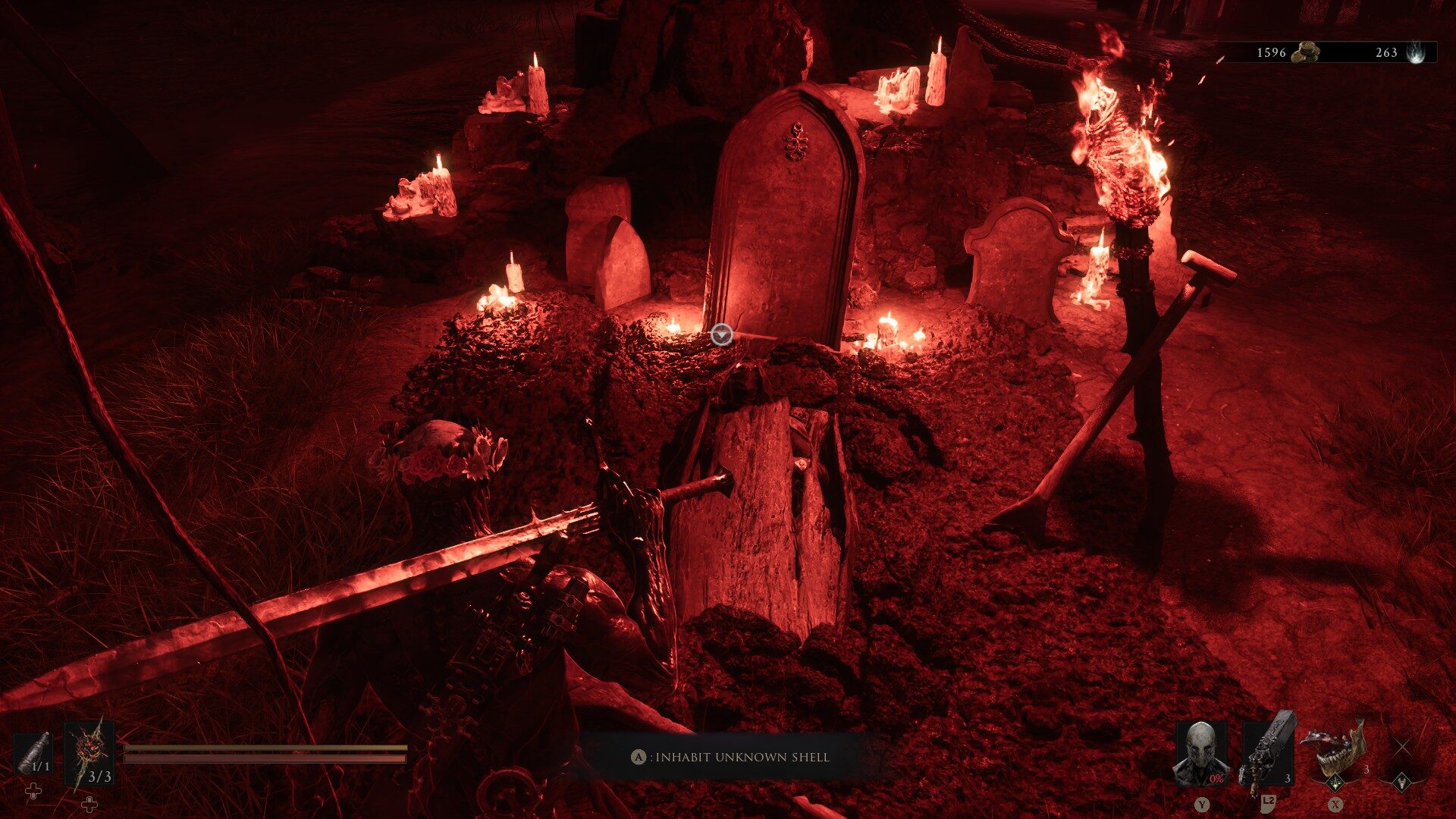
Every soulslike seems to have that one region you end up hating, the Blighttown of the experience, and Mortal Shell II does technically have its version of the classic poison swamp. But that wasn’t the zone that got under my skin. It was a frozen region instead, where a handful of hits freezes you solid, and where archers are perfectly happy to pick you off while you’re stuck standing there or knock you clean off a ledge before you can react. It’s a rough stretch, and probably the one part of the game I’d point to as a genuine misstep in an otherwise confident design.
That’s a minor complaint in the context of everything Mortal Shell II gets right, though. This is a massive glow-up from a first game that always felt like it was reaching for something it couldn’t quite grab. The sequel grabs it. Between the shell system finally having emotional stakes, the open world actually feeling purposeful instead of padded, and combat that stands shoulder to shoulder with the genre’s best, Mortal Shell II is easily one of the biggest improvements from one entry to the next that I’ve seen in this space. If you bounced off the original, this is worth coming back for.