
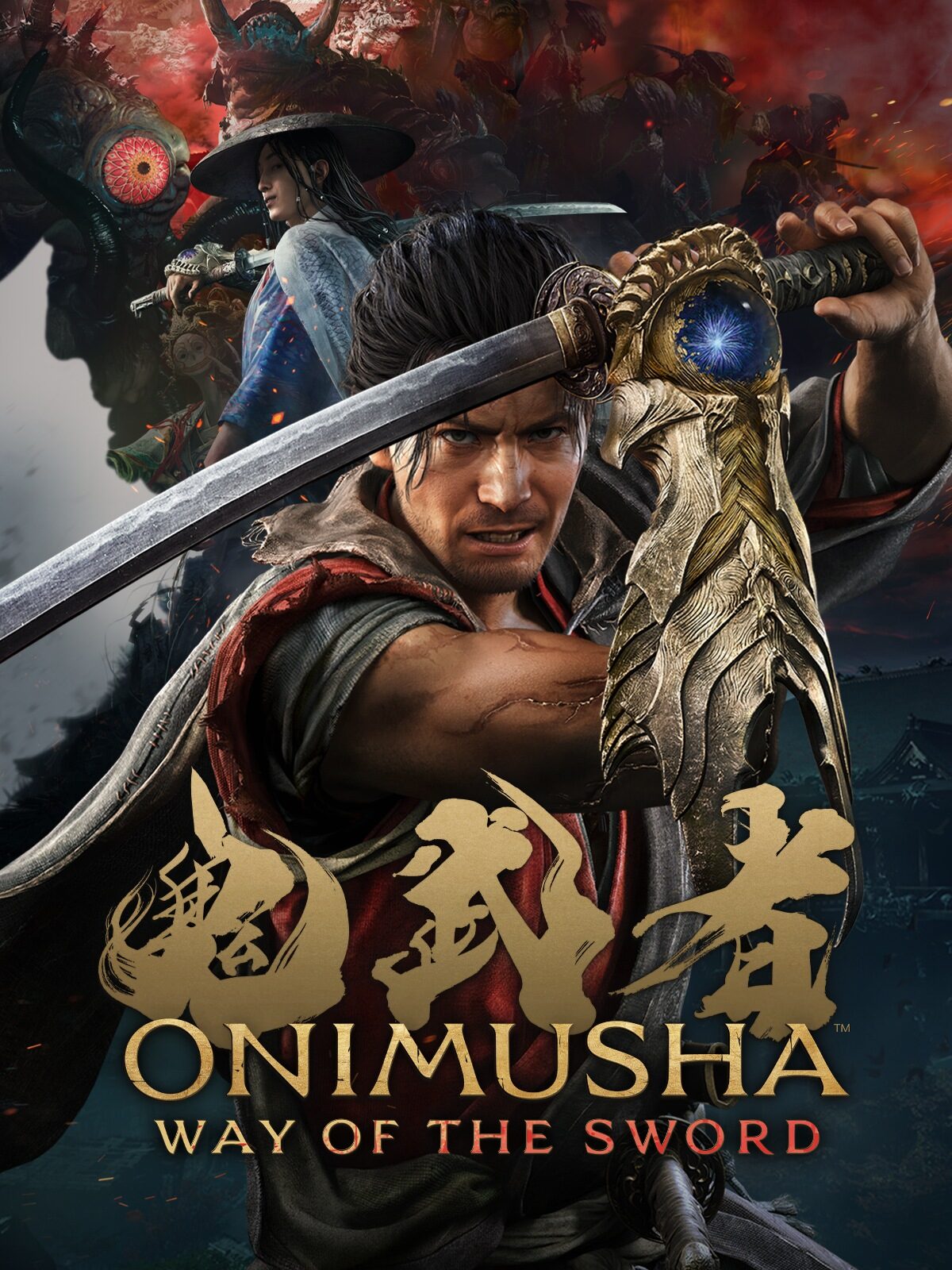

Onimusha: Way of the Sword arrives at an interesting moment for Capcom, a studio that has spent the better part of the last few years operating at what feels like an unfair advantage over the rest of the industry. When your back catalogue for a single calendar year includes something as tightly wound as Resident Evil and as strange and confident as Pragmata, resurrecting a fan-favourite samurai action series was always going to be judged against an internal bar that Capcom itself set impossibly high. And that’s really the story of Onimusha: Way of the Sword.
Taken on its own, it’s a genuinely good time, a loving modernization of a series that’s been dormant for the better part of two decades. Set against the rest of what Capcom has shipped this year, it’s the runt of the litter, the one that stumbles in the exact places its stablemates don’t.
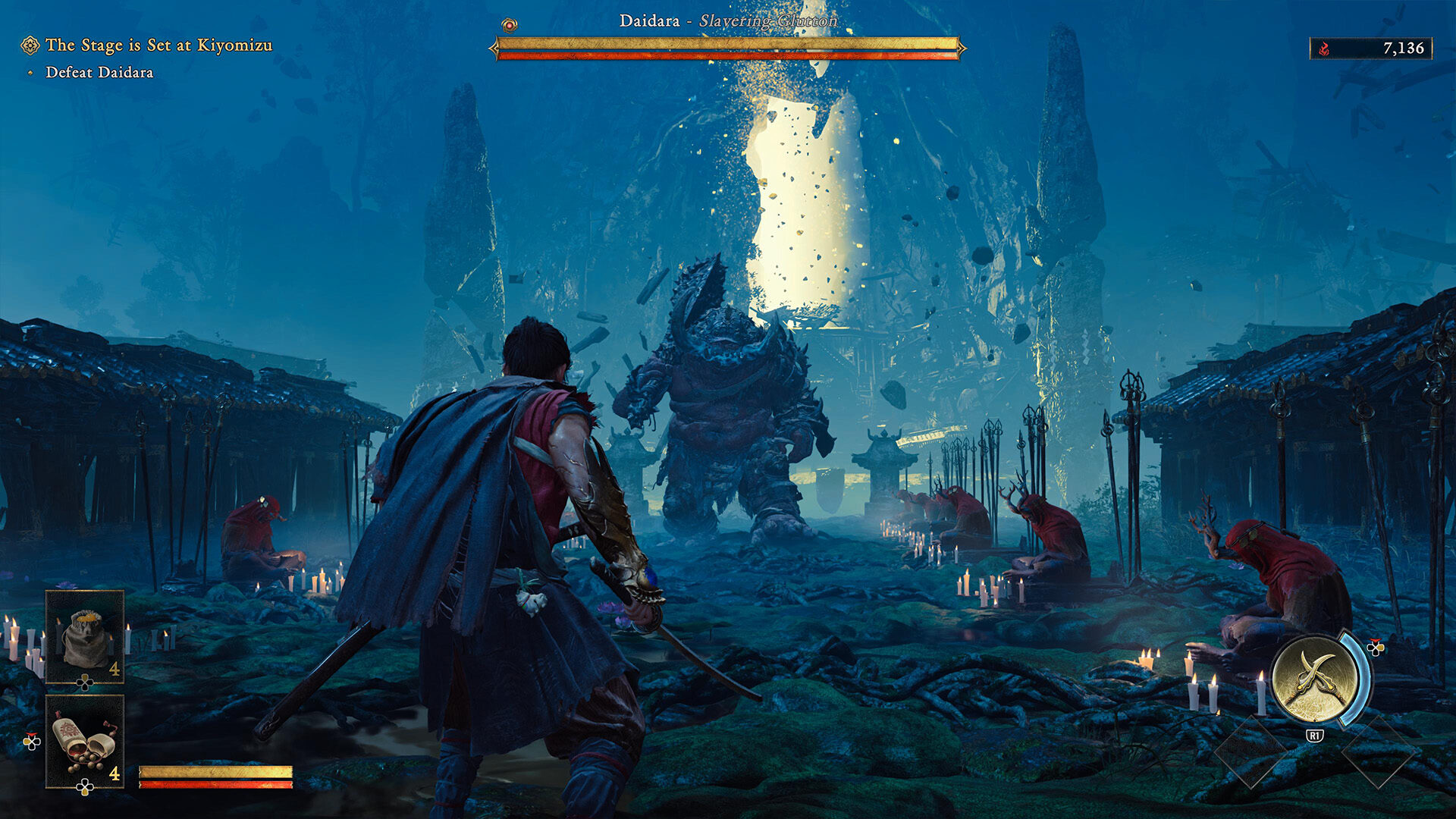
The combat feels great, but it is something that takes quite a while to get going. For the first handful of hours, until the enemies really start to vary, Onimusha: Way of the Sword can feel quite repetitive, but once you need to start switching from parrying to oni power, dodging things really start to fit into place.
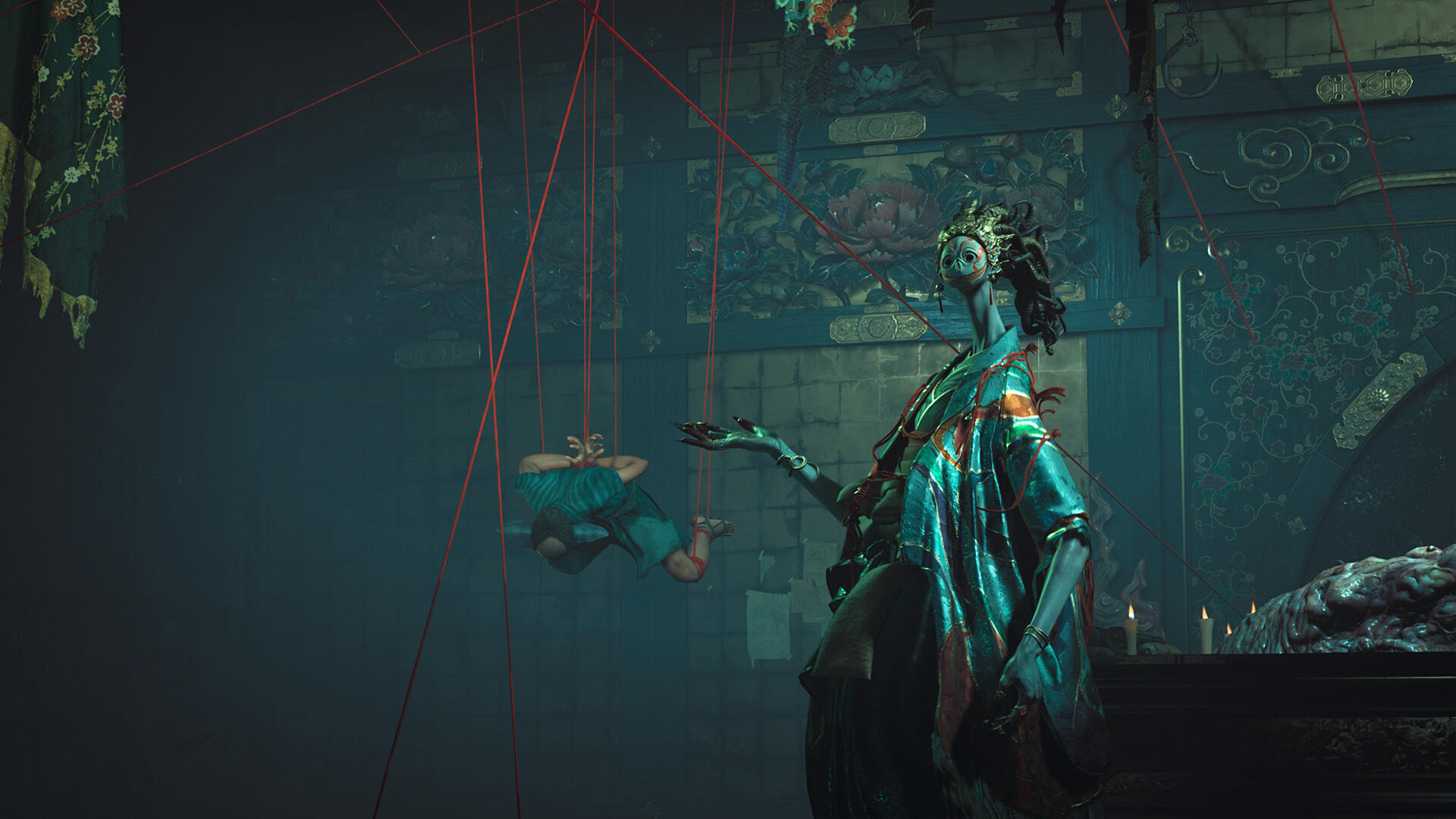
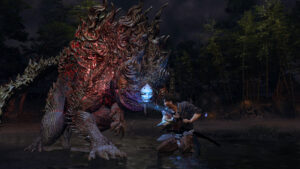
The parry timing in Onimusha: Way of the Sword is generous enough to feel fair without ever tipping into forgiving, and the Issen counter system is a great counter system that makes you feel like a god when you can pull it off, with its one-button-press instant kill. Chaining a perfect parry into an Issen into a follow-up combo against a genma boss is as good as combat gets in this genre this year, full stop. It’s fast, it’s brutal, and it rewards you for paying attention and reacting with precise timing.
“For the first handful of hours, until the enemies really start to vary, Onimusha: Way of the Sword can feel quite repetitive…”
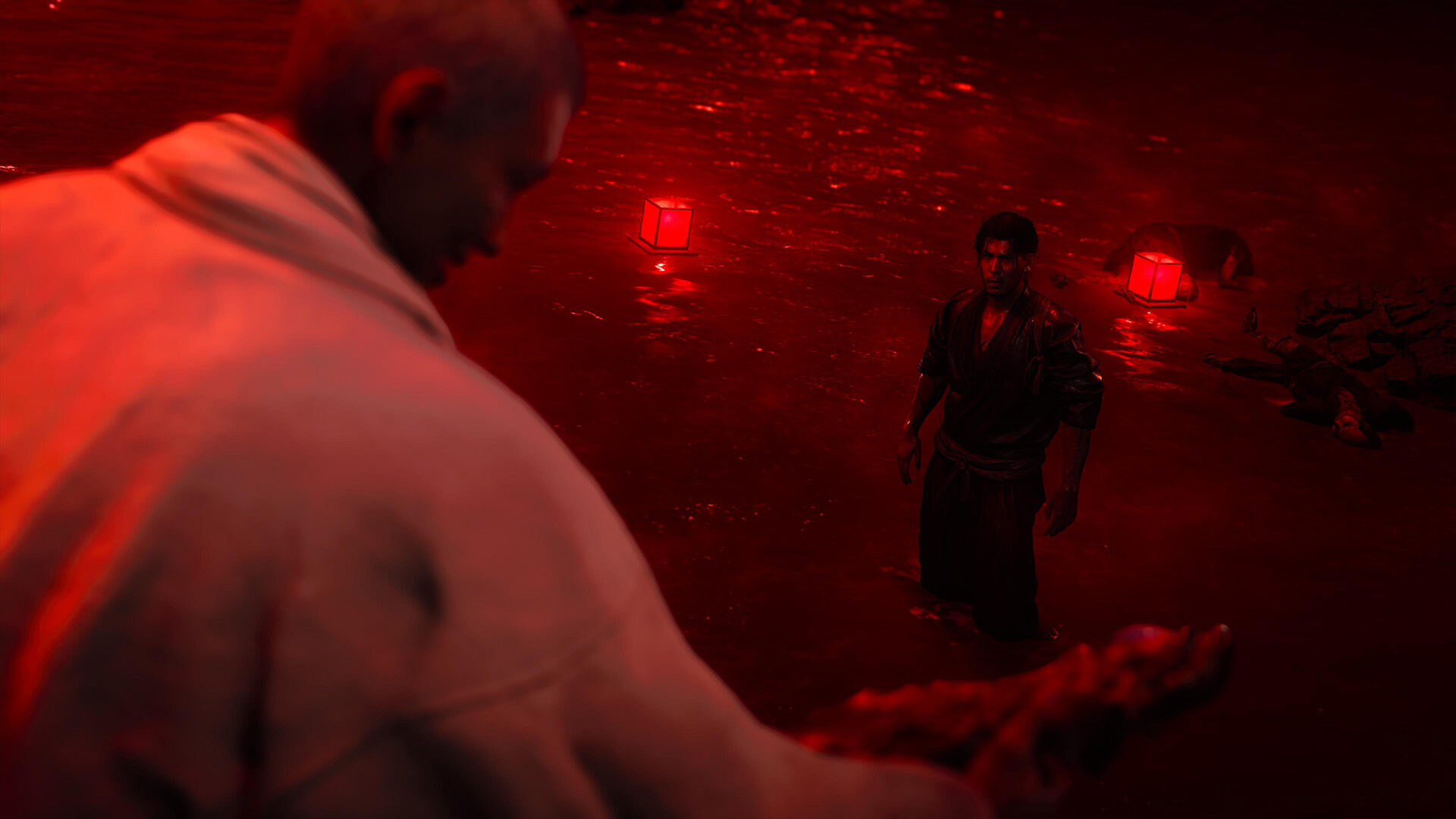
I also have to talk about the opening hours of Onimusha: Way of the Sword, because they’re some of the best I’ve played in a long time. The game starts off genuinely funny, disarmingly so, leaning into a lightness and a warmth between characters that makes you settle in comfortably before it’s even asked anything of you. And then it just guts you. The tonal swing from the early levity into despair and outright horror is one of the sharpest turns I’ve seen a game pull off in recent history, and it works precisely because the writers earned your trust with the humour first.
I was genuinely giggling and laughing at the baffonary going on, until it hard-cuts to a brutal, effective gut punch. It’s a masterful piece of pacing, the kind of opening that should be studied for how effectively it manipulates tone without ever feeling manipulative. Whatever issues I have with the pacing of the rest of the campaign, that intro alone stands as one of my favourite openings.
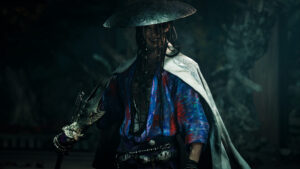
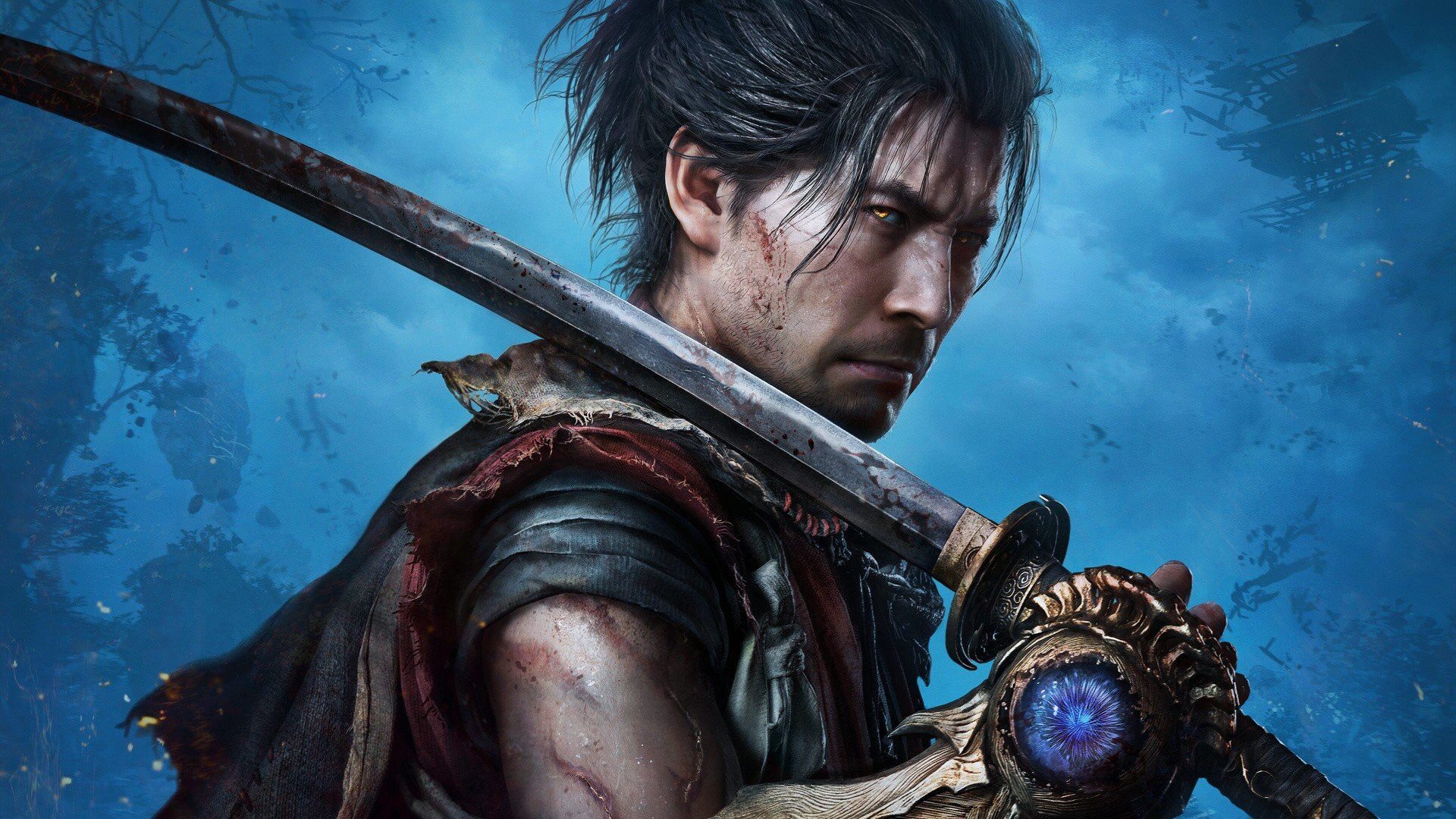
That instinct carries through the rest of the story too, and it surprised me, because I went in expecting a fairly by-the-numbers samurai-versus-demons plot to hang the combat on. What actually elevates the narrative isn’t the central conflict, which is serviceable but familiar; it’s the relationships the protagonist builds along the way. The writers clearly spent their energy on the people around your character rather than the plot mechanics themselves, and it pays off.
The camaraderie with your allies, the small character beats that develop over the course of the campaign, the way certain relationships shift depending on how you’ve been playing and who you’ve been leaning on in battle- it all gives the story an emotional throughline that a lot of action games in this genre don’t bother reaching for. You come away caring about these people, which is more than I can say for most demon-slaying samurai epics.
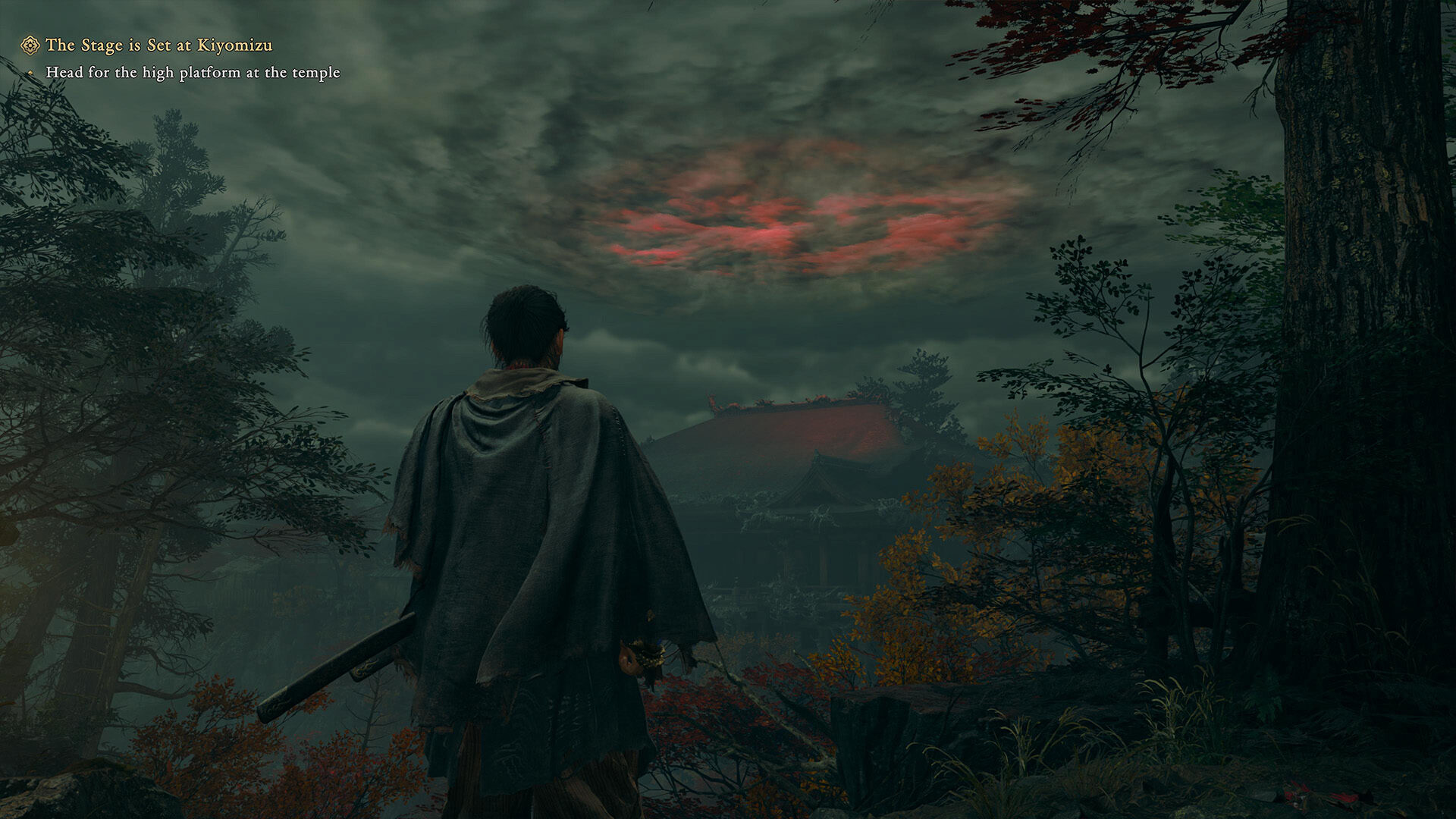
Where Onimusha: Way of the Sword starts to lose its footing is almost entirely wrapped up in how it’s been structured as an open-world title. And I want to be careful here, because I don’t think the open world itself is a bad idea in theory; in fact, Onimusha as a concept could absolutely support a bigger, more explorable Sengoku-era Japan, but the execution is less than ideal. The side quests and stories don’t feel optional because of upgrades.
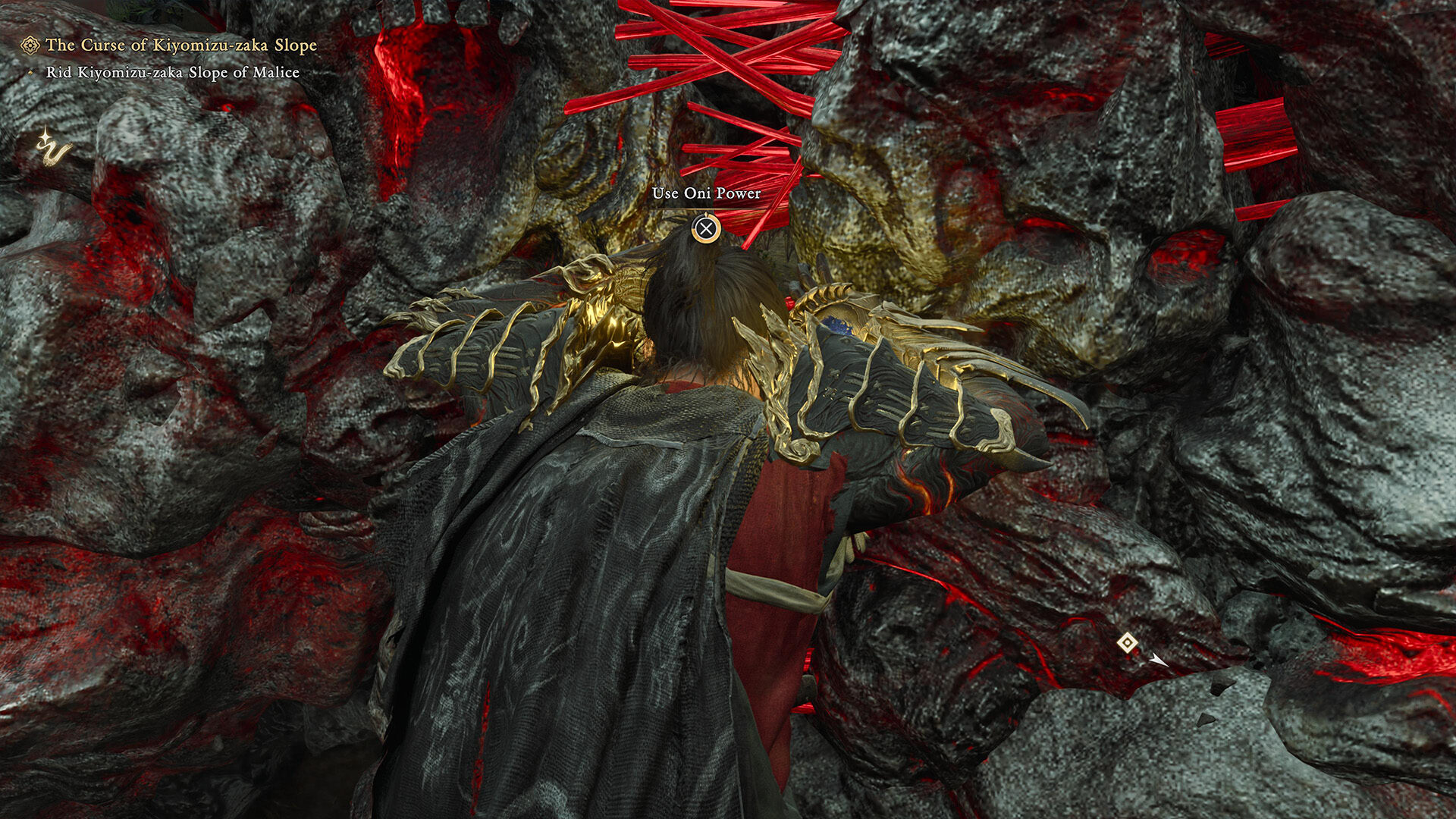
Upgrade materials for your weapons, your armour, your Oni arm- they’re gated behind side quests often enough that skipping them isn’t really a choice; it’s a decision to actively make yourself weaker while heading into the game’s tougher encounters. That’s a subtle but important distinction. Good open world design makes side content feel like a treat you’re choosing to indulge in. Way of the Sword makes it feel like homework you have to finish before the main assignment is due.
Compounding that is just how much dead air exists between the good stuff. Walking from point A to point B in this game means getting pulled into a fight roughly every two minutes, and while I said the combat itself is genuinely great, great combat repeated ad nauseam against the same handful of enemy types stops being great and starts being a chore.
This wouldn’t be nearly as much of an issue if fast travel were more liberally available, but it’s restricted enough that you’ll frequently find yourself hoofing it across the map, getting stopped by yet another skirmish, dispatching it competently, and then getting stopped again thirty seconds later. It turns exploration, which should be a pleasure in an open world game, into a bit of a grind. I found myself dreading traversal by the midpoint of the campaign, which is not a sentence I expected to write about an Onimusha game.
The RPG systems underneath all of this are perfectly solid without doing much to distinguish themselves. The soul levelling system in Onimusha: Way of the Sword that governs your Oni powers is flexible on paper, but in practice I found myself gravitating toward two powers early on and just riding them for the rest of the campaign, because the incentive to diversify never felt strong enough to pull me away from what was already working.
“So where does that leave Onimusha: Way of the Sword? It’s a genuinely good time built around some of the best sword combat you’ll find in an action game this year…”
That’s not necessarily a criticism; plenty of action games are built around depth-through-mastery rather than breadth, but it does mean the system reads as a little underbaked compared to what it could have been. Same goes for the equipment upgrading: your sword, your armour, your Oni arm all have clear, sensible progression paths, and tinkering with them scratches the itch you want scratched in a game like this. It’s just that the whole loop is once again tethered to that side quest structure, so the pacing of your power growth ends up dictated by how much open world busywork you’re willing to tolerate rather than how you actually want to engage with the combat systems.
So where does that leave Onimusha: Way of the Sword? It’s a genuinely good time built around some of the best sword combat you’ll find in an action game this year, opened by a stretch of storytelling that pulls off one of the sharpest and most confident tonal turns I’ve seen in recent memory, and carried by a cast whose relationships do more emotional heavy lifting than the plot itself. But it’s also a game visibly straining against a structure that doesn’t suit it, an open world that exists more because open worlds are what big-budget action games do now than because Onimusha specifically needed one.
Stack it up against Resident Evil or Pragmata, both games that knew exactly what kind of experience they wanted to deliver and built every system in service of that vision, and Onimusha: Way of the Sword looks like the least confident release Capcom has put out this year. But taken on its own terms, away from that internal competition, it’s still a solid, satisfying return for a series that’s been away far too long. Fans of the franchise, and newcomers with some patience for open-world bloat, will find plenty here worth swinging a sword for.