

MSI has managed to make one of the best Micro-ITX motherboards I have tested in a long while with the MSI MPG X870I EDGE TI EVO WIFI. It can be hard to find great micro-ITX boards, especially if you want it to be capable of gaming, content creation, and general performance uses. The size limits what can be offered, and that often means you need to make compromises.
The MSI MPG X870I EDGE TI EVO WIFI manages to deliver a board that not only looks great, but finds ways to avoid many trade-offs similar class boards have, and it does it all with plenty of performance and gaming features that make it an ideal choice for a new living room gaming experience, although that performance comes at a price.
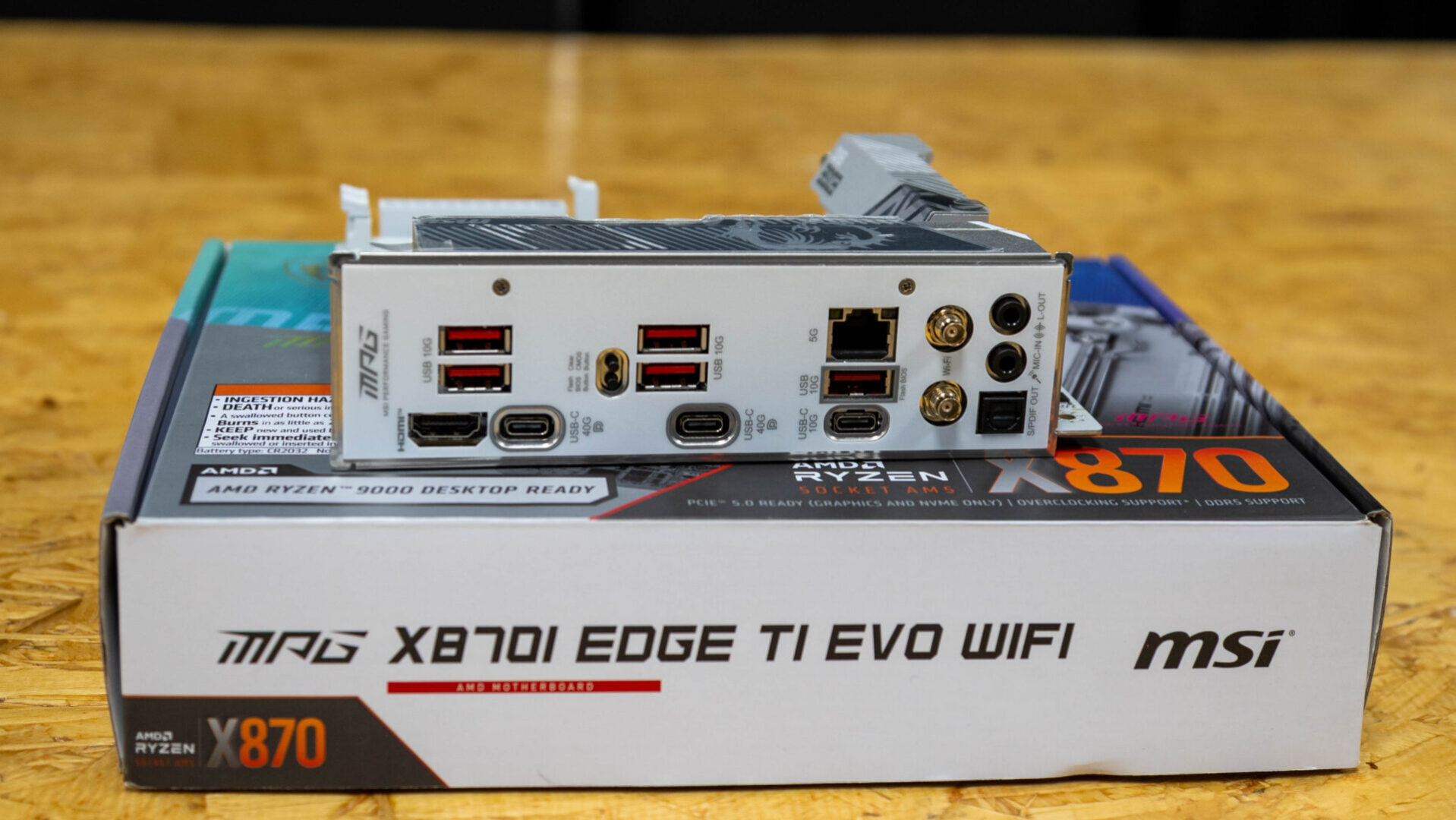
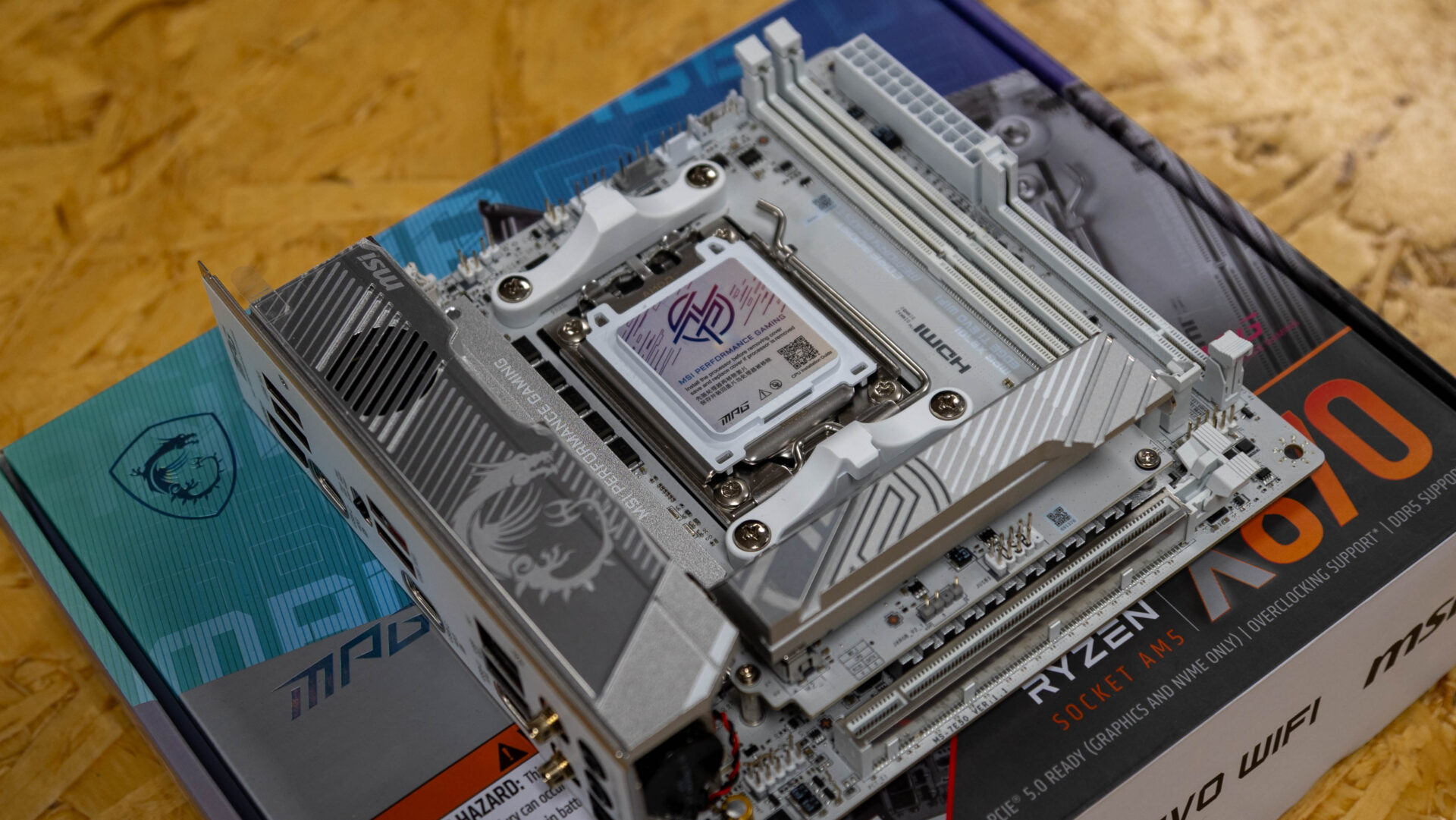
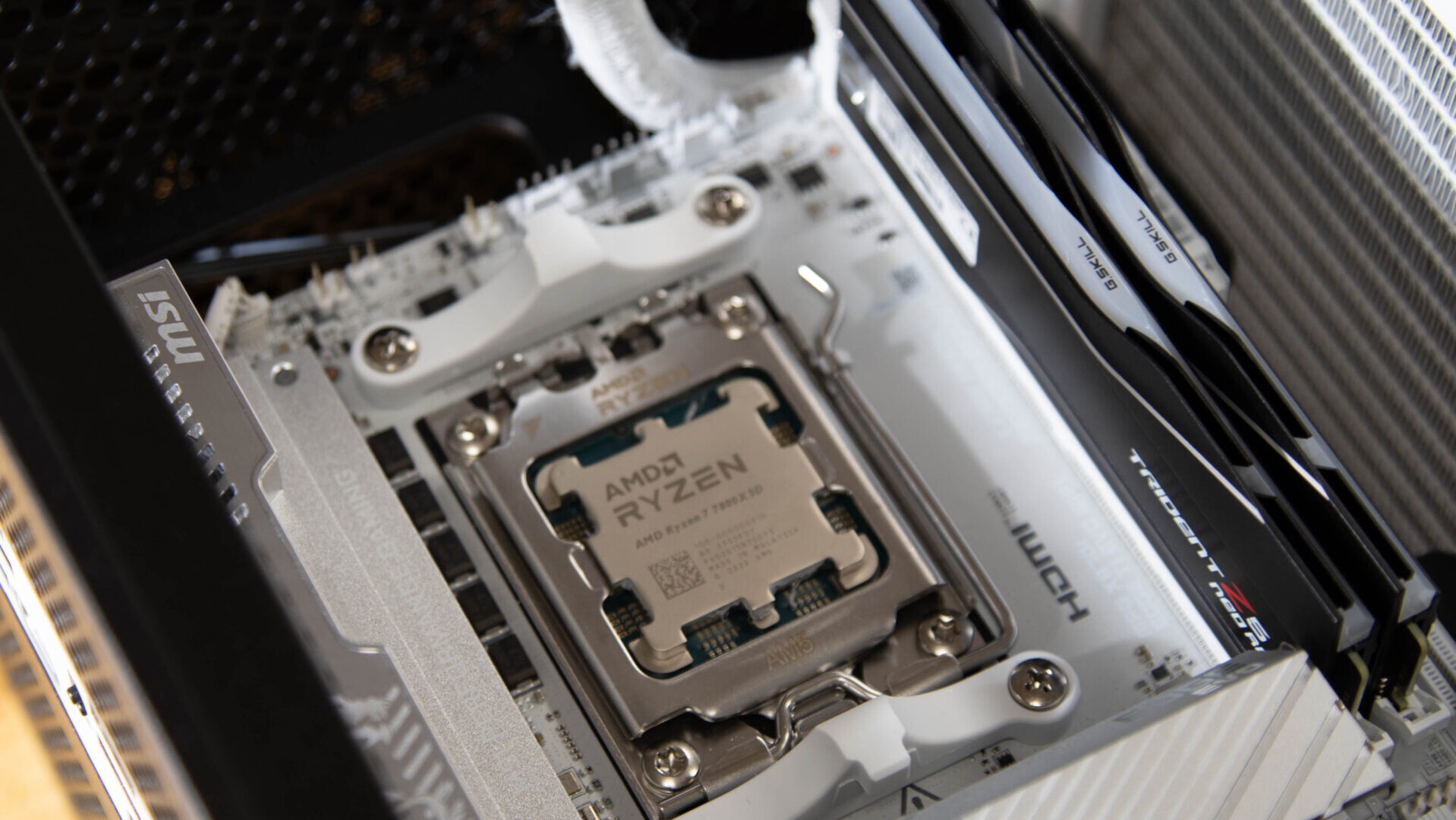
Unboxing the MSI MPG X870I EDGE TI EVO WIFI motherboard, you would be forgiven for being surprised by the amount of hardware packed into the tiny box. The board itself is a standard-sized Mini-ITX board, featuring a 12-layer PCB, an AM5 socket and support for Ryzen 7000, 8000 and 9000 Series processors. It also features a silver-and-white colour scheme that I love, though that is, of course, subjective. I am also a huge fan of the EZ PCIe Release button, especially given how tight the GPU could be in a system like this. Even if this feature is becoming more commonplace, on a board this size, it is a godsend.
The board features three M.2 slots in total: M.2_1, PCIe 5.0 x4 from the CPU; M.2_2, PCIe 4.0 x4 from the chipset; and M.2_3 on the Xpander, PCIe 4.0 x4 from the chipset. It also has two DDR5 DIMM slots, supporting up to 128 GB and overclocked speeds up to DDR5-10000 MT/s, along with AMD EXPO support.
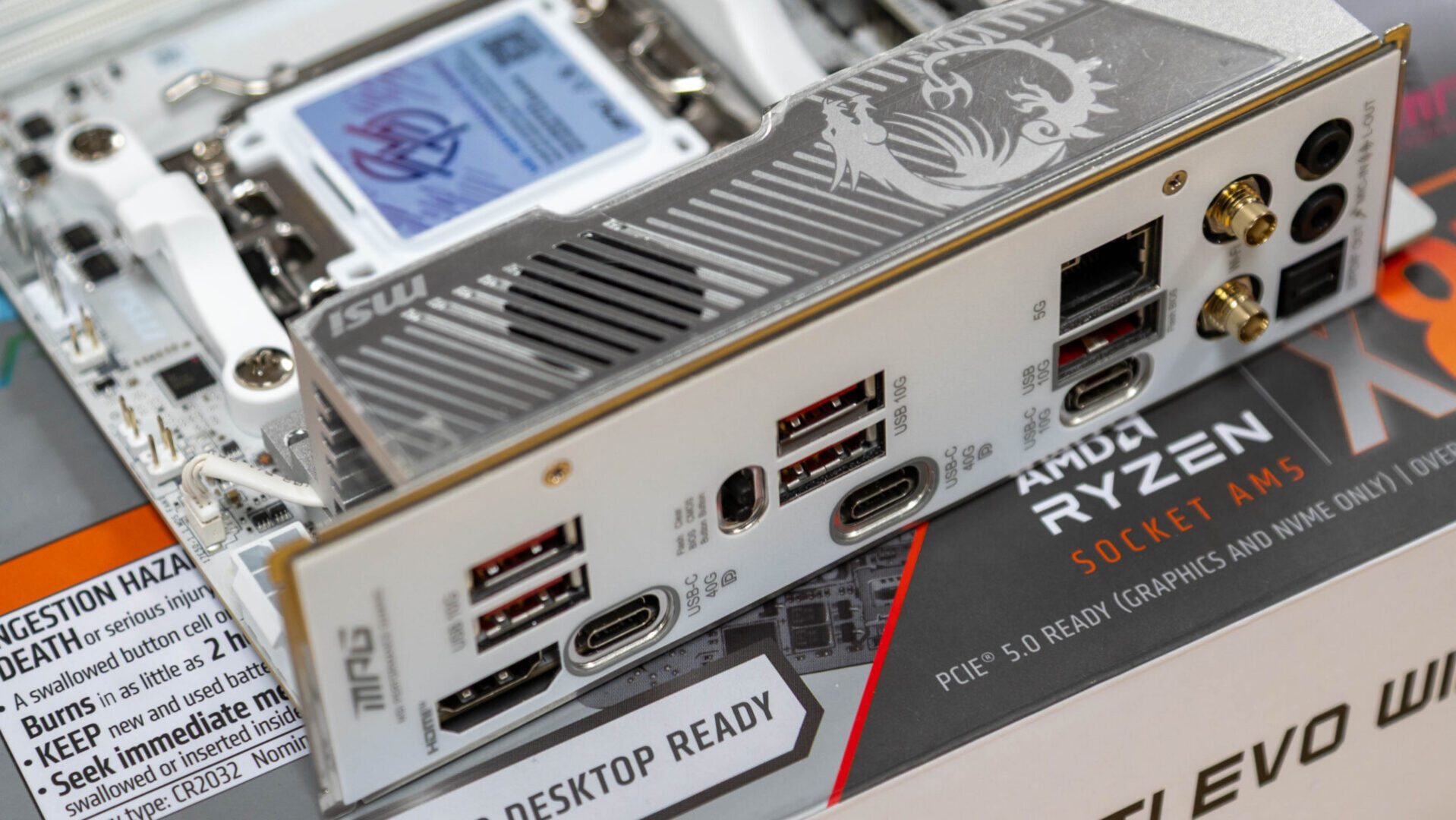
On the rear, there are five USB 10 Gbps Type-A ports (USB 3.2 Gen 2), two USB 40 Gbps USB4 Type-C ports, one USB 10 Gbps Type-C port, HDMI 2.1, a Clear CMOS button, a BIOS Flashback button, support for the Realtek ALC4080 codec, 7.1-channel audio, and S/PDIF output. It also features Wi-Fi 7 and 5G LAN connectivity, giving you options when connecting your PC to the internet.
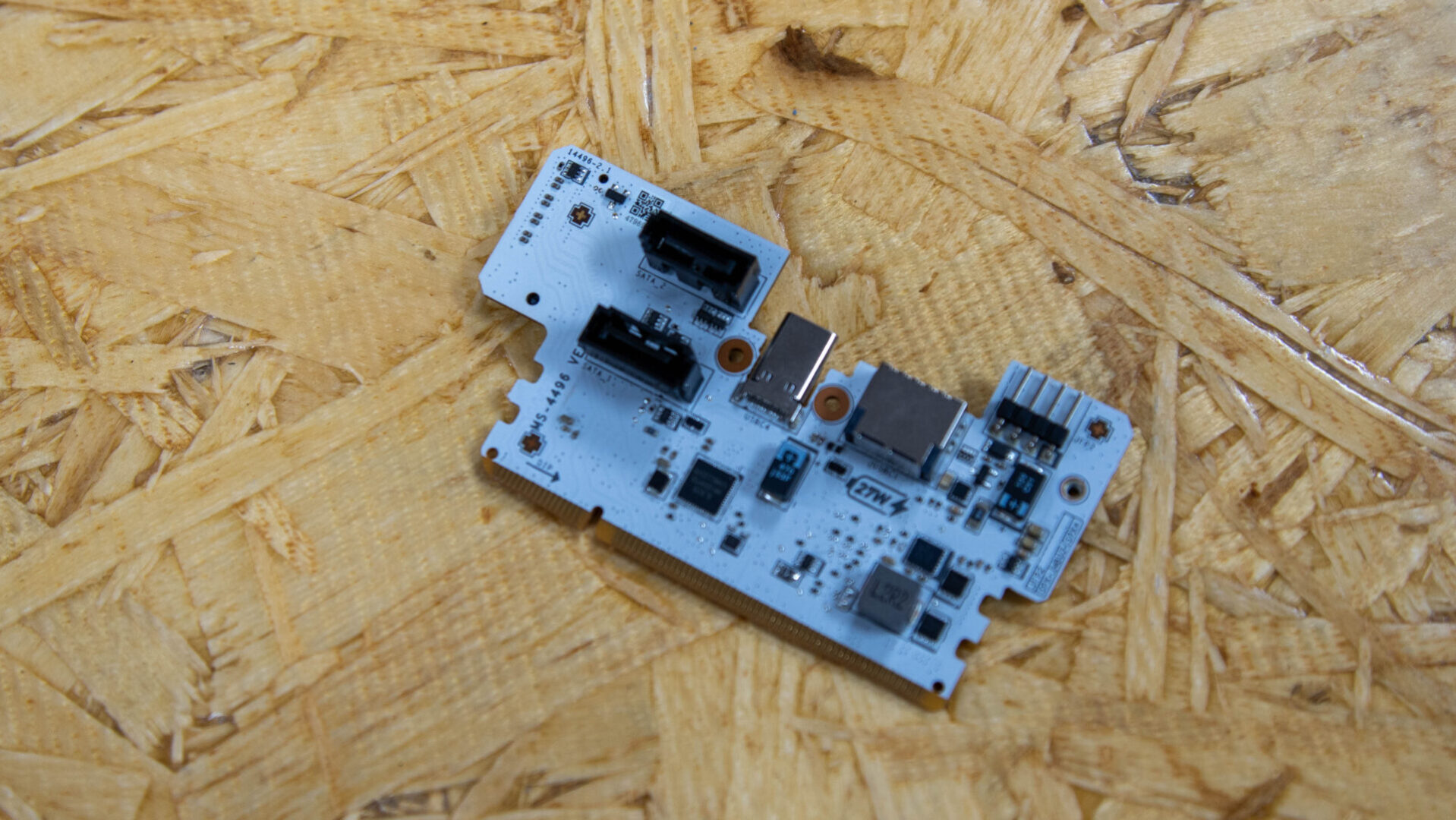
It is impressive how much I/O MSI crammed into this tiny motherboard, but the company went even further by adding more I/O with a special extender card. The 5-in-1 Xpander Card offers more internal connections, making the MPG X870I EDGE TI EVO WIFI feel much more robust than it first seems. It adds one PCIe 4.0 x4 M.2 slot (M.2_3 from the chipset), two SATA 6 Gbps ports, one USB 20 Gbps Type-C front-panel header and one USB 5 Gbps Type-C header. This gives what could have been a slightly limited motherboard much more room to expand, especially when it comes to M.2 NVMe slots.
There are some limits on what can fit into the system, especially considering how everything is placed. While you can add more M.2 drives, the Xpander Card sits right next to the RAM slots, so drives with heatsinks may be difficult to install. For the build, we used drives without heatsinks, so that was not a problem. However, the space is tight, so it is worth keeping in mind. Because everything is laid out so tightly, some hardware will be cramped, making heat and thermals important considerations when building with the MPG X870I EDGE TI EVO WIFI.
With the MPG X870I EDGE TI EVO WIFI being a Mini-ITX board, you are limited to only two DDR5 sticks, so gaming systems or builds focused on content creation should account for that when choosing memory. Larger sticks would be ideal, but they can be hard to find during the current RAM crisis. Thankfully, as mentioned, the board supports up to 128 GB total, giving you plenty of room for more complex builds. It also allows for memory overclocking, and the MSI BIOS makes that process incredibly easy. MSI still has one of the easiest BIOS interfaces to use, and that holds true for this board as well.
On the power delivery side, the MPG X870I EDGE TI EVO WIFI features an 8+2+1 Duet Rail Power System that uses 110A Smart Power Stage MOSFETs controlled by a Renesas RAA229139 controller. This gives you plenty of power for most smaller build needs, although thermals can pose an issue with any rig built in a smaller form factor. I would pair this board with a 9800X3D to get plenty of gaming performance without a CPU that runs too hot, especially depending on the cooling solution. That said, in testing, the board did a good job of keeping VRM temperatures in line, though they did reach around 70 C during benchmarking, so it is something to keep in mind.
Jumping over to the BIOS, I am impressed with how well MSI set up the BIOS on the MPG X870I EDGE TI EVO WIFI. It features a 64 MB BIOS chip, which gives plenty of room for updates and future CPU compatibility. MSI’s Click BIOS X is incredibly user-friendly on first boot and features an EZ Mode that walks users through basic settings without becoming overwhelming. You can, of course, switch to advanced mode should you want to dig deeper into the settings.
But for most people who just want their system up and running, EZ Mode makes it incredibly simple to get things going and see the system running well. It also features MSI Center software, which lets you adjust the modules you install. As software suites go, it is relatively okay. I am still not a fan of bloated software packages for these motherboards, but at least it is inoffensive, and you can disable most of the bloat if you do not intend to use it.
The biggest selling point for me is how well the MPG X870I EDGE TI EVO WIFI delivers performance and speed, both on the M.2 slots and across the board overall. You will always have tradeoffs when building a smaller PC, but MSI has mitigated most of those issues and made a board that delivers where it matters most. Storage throughput on the PCIe 5.0 primary M.2 slot hit 12,406 MB/s read and 11,667 MB/s write in testing.
The CPU delivered results comparable to our test bench PC, at least when properly cooled, with memory performance landing close to some of the better boards we have tested. Gaming results in games like Cyberpunk 2077 and The Witcher 3: The Wild Hunt were in line with most X870 boards we have tested on similar components, with differences under two to five FPS on average, well within the margin of error.
MSI has delivered a fantastic X870 AMD board with the MPG X870I EDGE TI EVO WIFI, made even better by the fact that it comes in a Mini-ITX form factor. The 5-in-1 Xpander Card is a fantastic addition and makes the overall experience with the board much more flexible and expandable. While it does come at a premium price point compared with other AM5 offerings, MSI has delivered enough value that I feel it is worth the extra cost.
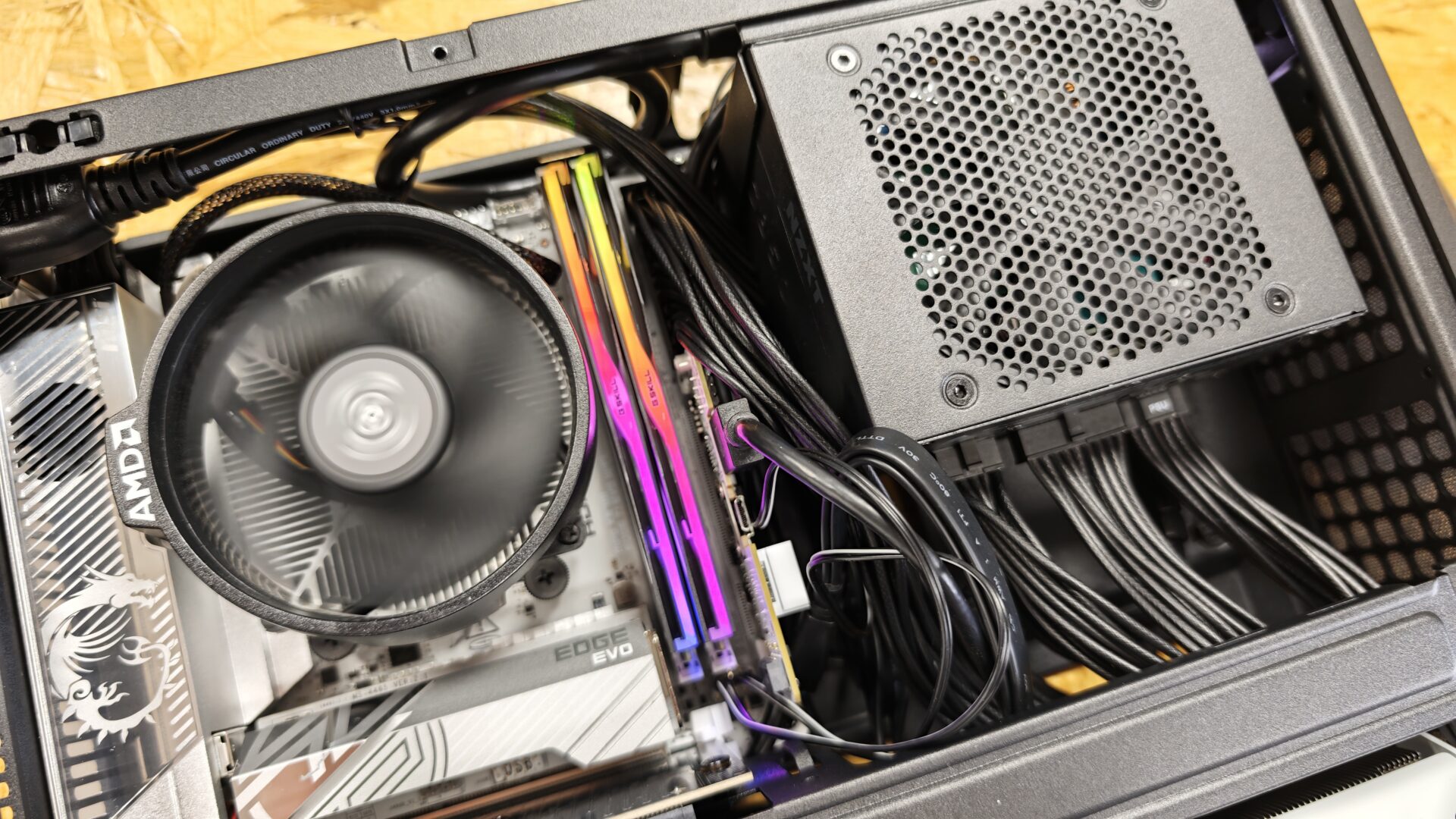
While you are limited by what a Mini-ITX board allows, the MPG X870I EDGE TI EVO WIFI feels like much less of a compromise compared with competing offerings. If you are building a new mini AMD system and do not want to compromise, the MPG X870I EDGE TI EVO WIFI may be a great option, provided you can look past the price of entry.
No products found.