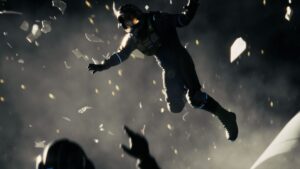

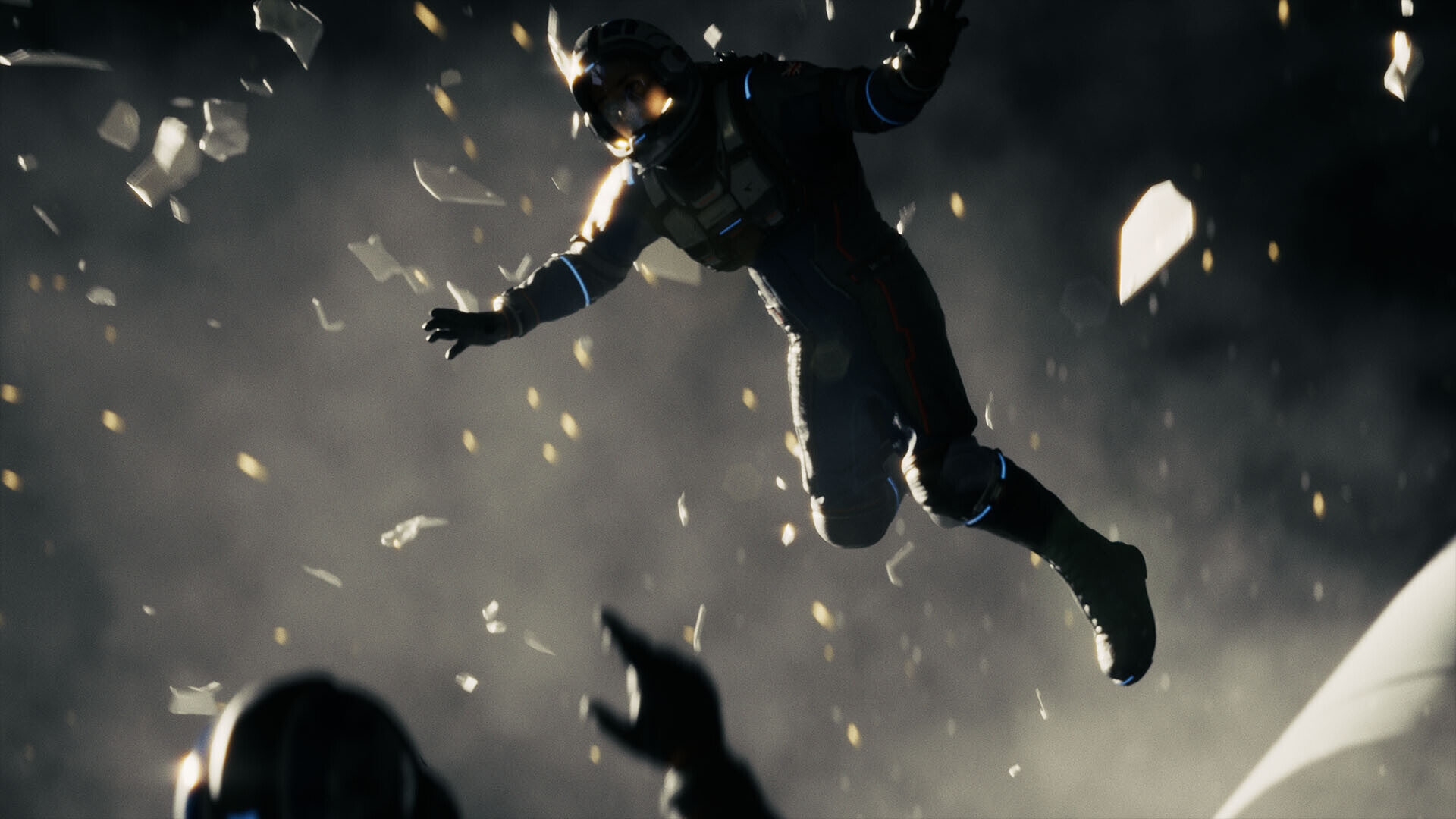
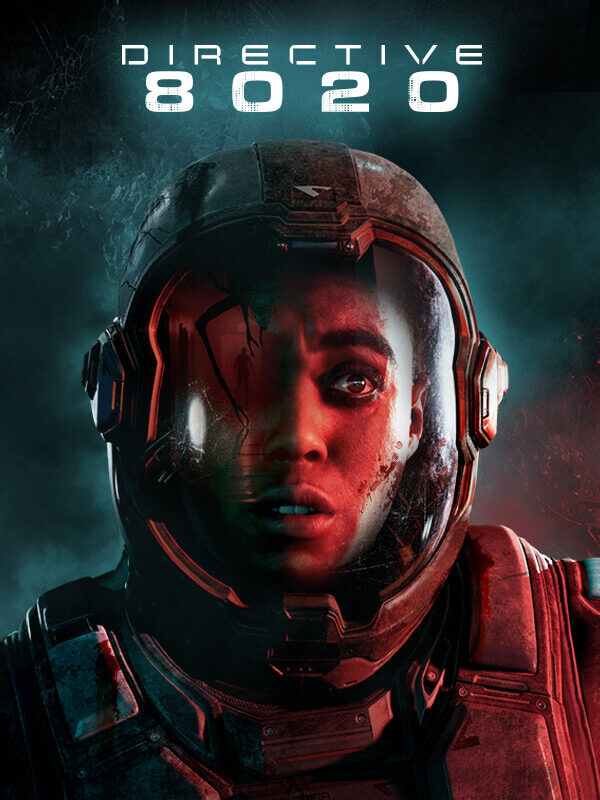

There was a point when it started to feel like The Dark Pictures Anthology had kind of peaked and was settling into a rhythm that was maybe a little too comfortable. The setups felt familiar, and the twists felt like they were less well thought-out. Even the strongest entries still carried this sense that the anthology was circling the same ideas in different costumes. Directive 8020 changes that, but in the weirdest way. It feels sharper, more confident, and far more willing to play with expectations than the last couple of games, but that’s not to say it makes you feel like you know everything before truly presenting itself. More importantly, it finally feels dangerous again.
During the first two of three hours, Directive 8020 really tricked me into thinking it was going to be another straightforward sci-fi horror story. A colony ship drifting through space with a crew carrying baggage and tension into an impossible situation. Then enters the horror of something alien aboard that should not be there. The opening hours lean hard into familiar territory, enough that I genuinely thought the biggest surprises were just kind of shown to the player, like the developers didn’t really trust their own story. I’ll be real. It was not a good feeling, so much so that, mentally, I had already started my road to low-scoring the game.
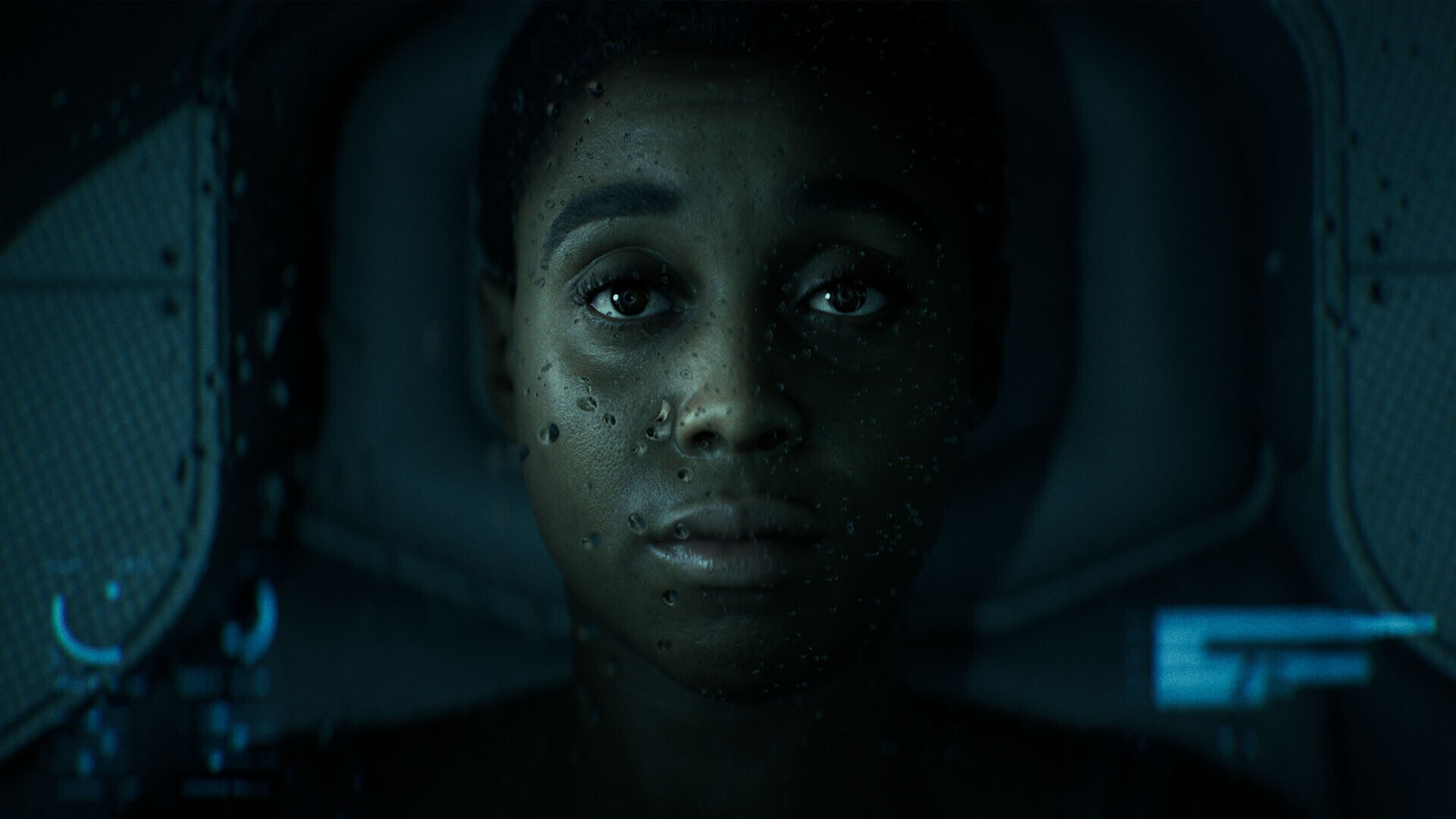
Then Directive 8020 did something unexpected. It believed in itself.
What followed was one of the most satisfying stretches Supermassive Games has put together in years. Don’t get me wrong, this isn’t Until Dawn, or even House of Ashes. But it easily set itself up to be in the top five, if not the top three, of Supermassive Games’ games. Now, this story is going to be talked around from me instead of told outright what it is, mostly because, for me this time around, the story actually matters, and it’s a cool idea. The more blind you go into Directive 8020, the better.
“The more blind you go into Directive 8020, the better.”
The way character motivations shift meant that entire scenes take on new meaning once the wheels start turning and you start looking at the bigger picture. There are a couple of bombshell moments here that completely reframed how I was looking at the story, and Directive 8020 earns them because it spends so much time quietly planting seeds early on. It never feels like shock for the sake of shock. The further it goes, the more it becomes clear that the opening familiarity was intentional.
The other Dark Pictures games sometimes struggled with momentum. They either burned through their mystery too fast or dragged themselves toward the finale once the tension peaked. Directive 8020 kept on escalating the stakes, and strangely enough, the world got more and more dangerous, with the fact that everyone in my game lived, and that’s usually not how it works in these games.
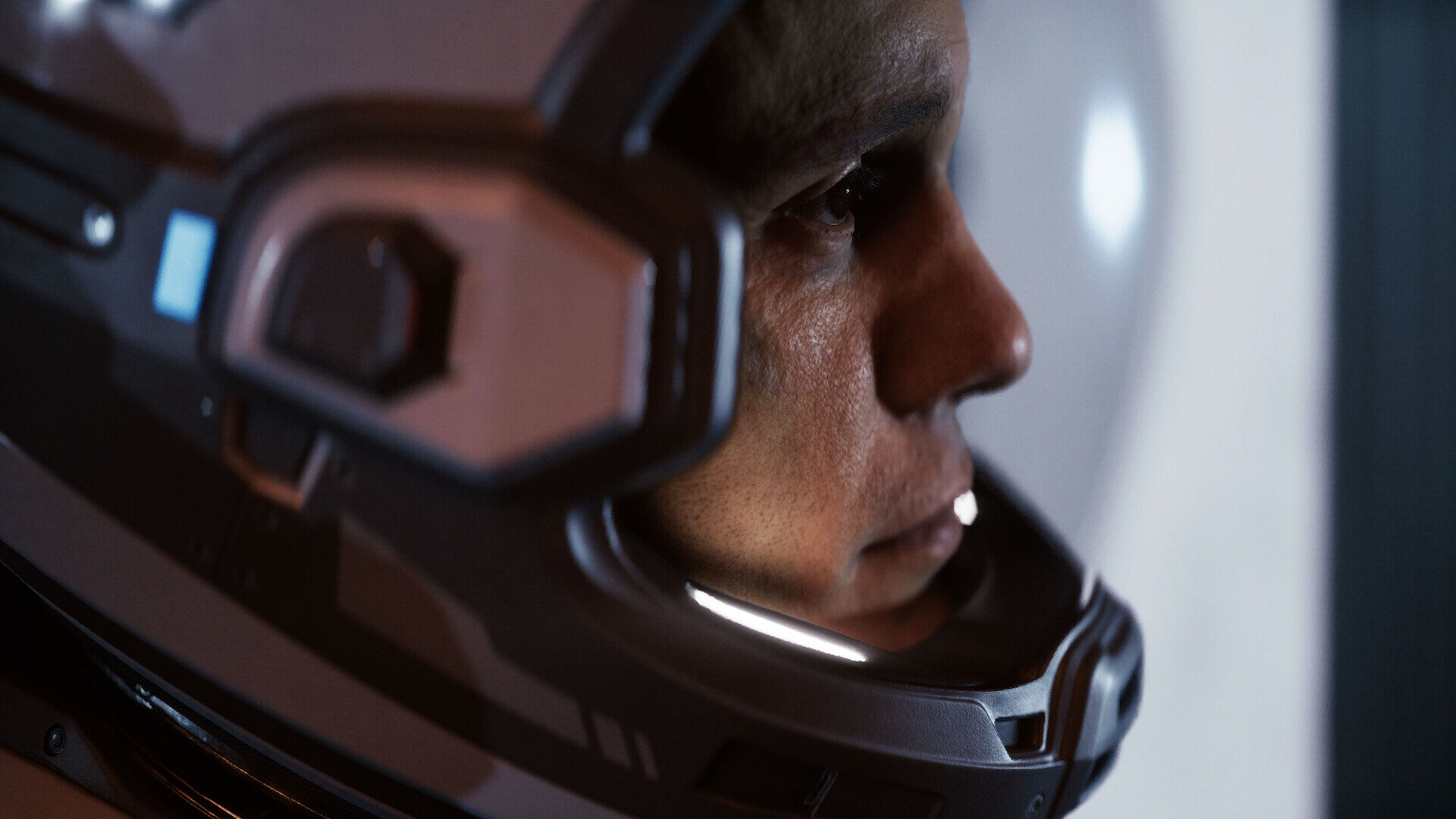
Every chapter adds another layer of paranoia to the crew dynamic, and the sci-fi threat at the center of the story becomes more unsettling the more Directive 8020 explores it. There are scenes where conversations suddenly become impossible to trust because of the situation happening, and for once in the series, it does a really good job once you understand the stakes at forcing you to second-guess even simple choices.
The cast this time around is mostly great. There are two characters in the opening chapter that I just could not get behind. Normally, they would be fine, but when the rest of the cast does such a great job, it’s hard not to notice the ones lagging behind a bit. For the others, the performances feel stronger across the board, especially when the game leans into fear and mistrust instead of constant exposition.
Characters actually feel like they are unravelling under pressure instead of simply waiting for the next jump scare. There is still some uneven dialogue here and there, and a few emotional beats land softer than intended, but the overall writing is a noticeable step up from some of the anthology’s weaker entries.
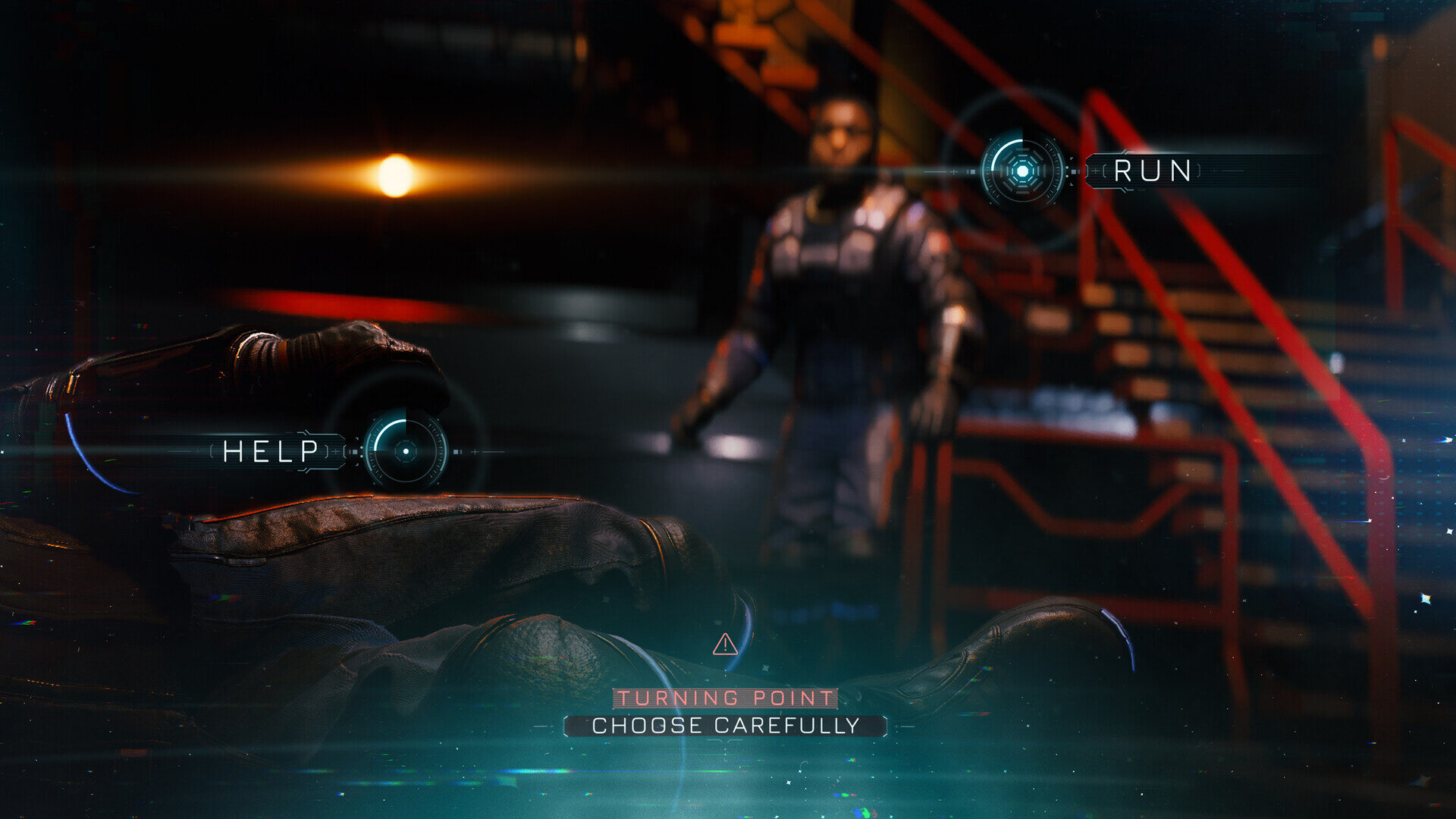
Visually, this is easily one of the best-looking games Supermassive has made. The sterile hallways and industrial interiors of the ship create this oppressive atmosphere where every room feels just isolated enough to become threatening. Lighting does a lot of heavy lifting. Flickering panels, emergency reds washing over metallic corridors, shadows stretching across cramped maintenance tunnels. It all sells the feeling that the crew is trapped somewhere enormous and unknowable. The facial animation still has the occasional stiffness the studio is known for, but the overall presentation feels far more polished than previous anthology games.
The choices themselves still feel very Dark Pictures Anthology, since Directive 8020 still follows the familiar branching formula. Some decisions led to consequences much earlier than I expected, while others didn’t pay off for a few hours. I’ve always liked their branching choices and the later games for having the visible tree, especially since once I was done, and I went back and saw all the branches. It’s a fun visual that lets you go back to any choice, even the non-branching ones and continue from there.
“Every chapter adds another layer of paranoia to the crew dynamic, and the sci-fi threat at the center of the story becomes more unsettling the more Directive 8020 explores it.”
What surprised me most was how much this game reconnects the anthology to the larger universe around it. House of Ashes was already one of my favourites because it felt bigger and more ambitious than the earlier entries, and Directive 8020 feels like the first game since then to really capture that same energy. There are nods and ties to other stories scattered throughout, but one connection in particular absolutely blew my mind. The way it ties itself very closely to another game in the anthology reframes parts of both stories in a really clever way without feeling forced. It rewards longtime fans without turning into pure fan service.
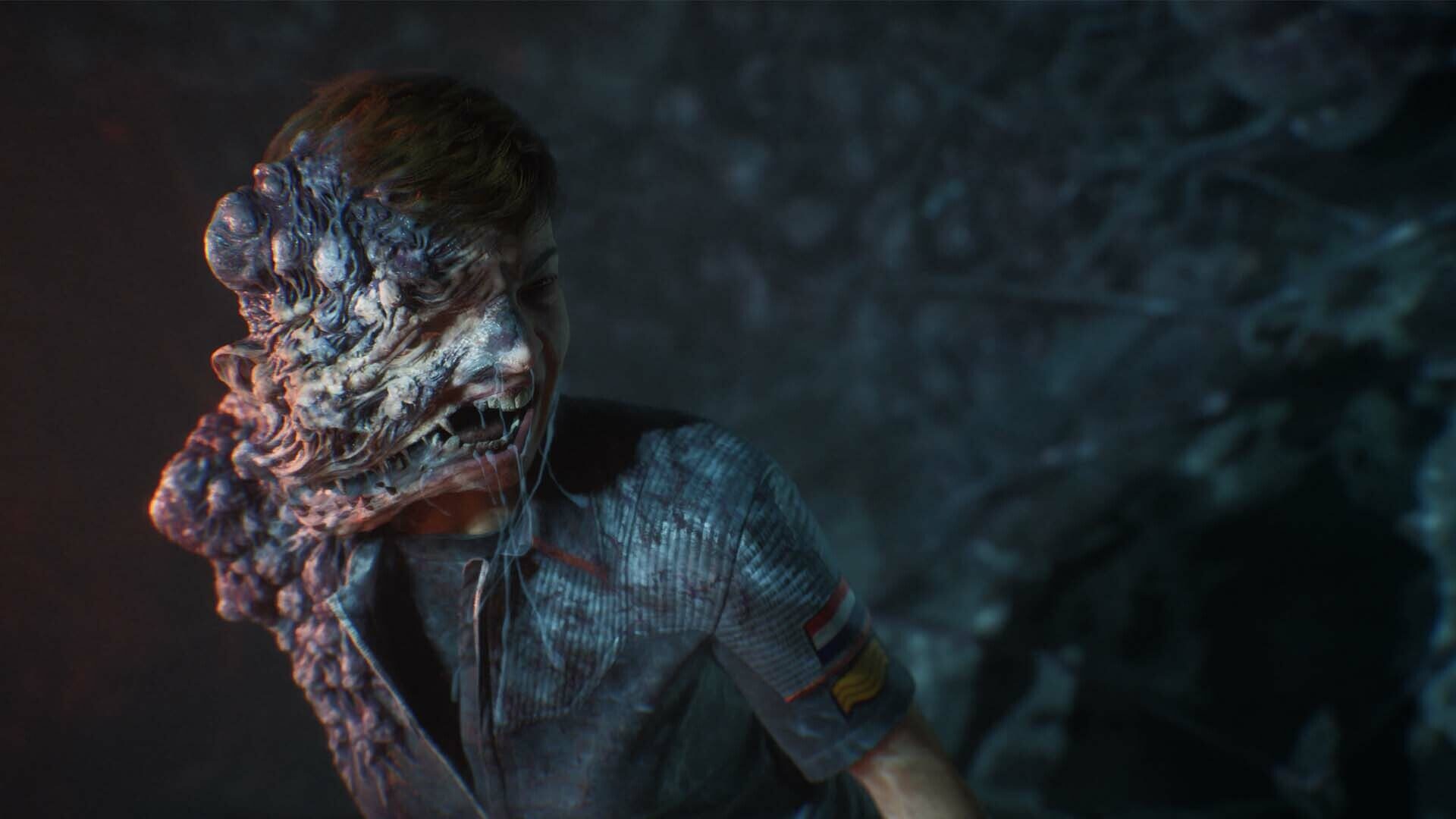
The horror itself is where Directive 8020 struggles to find itself most of the time. There are still jump scares, some effective and some predictable, but overall, because the game does the slow reveal, and somewhat tries to show you its hand early or at least give you some red herrings, the scariest parts aren’t all that shocking. Having played all of the Dark Pictures and Supermassive games, I would have to say that this is maybe one of the weaker games on the scary front.
What matters is that Directive 8020 feels revitalized. For the first time in a while, it feels like Supermassive Games is pushing this anthology forward instead of simply maintaining it. The Dark Pictures Anthology was starting to feel a little long in the tooth, especially after a few uneven entries, but this one completely reinvigorated my interest in the series. It captures the ambition and unpredictability that made House of Ashes stand out while pushing the larger narrative in some genuinely exciting directions.
By the time the credits rolled, I was already thinking about another playthrough just to see how different choices reshaped everything. More importantly, I found myself excited about where the anthology could go next. After a stretch where it sometimes felt like the series was running on autopilot, Directive 8020 finally gives it fresh momentum again.
Now I genuinely cannot wait to see what comes next.