
It’s a good time to be a keyboard connoisseur. Over the past few years, enthusiast-driven innovation has reshaped the entire market. New Chinese brands have emerged, combining the latest trends with unfiltered access to the world’s parts supply. The result has been an unprecedented wave of affordable, high-performance keyboards that have left the biggest names in gaming struggling to keep pace. The HyperX Origins 2 1800 is what it looks like when one of the world’s premier gaming brands almost nails it.
Almost.
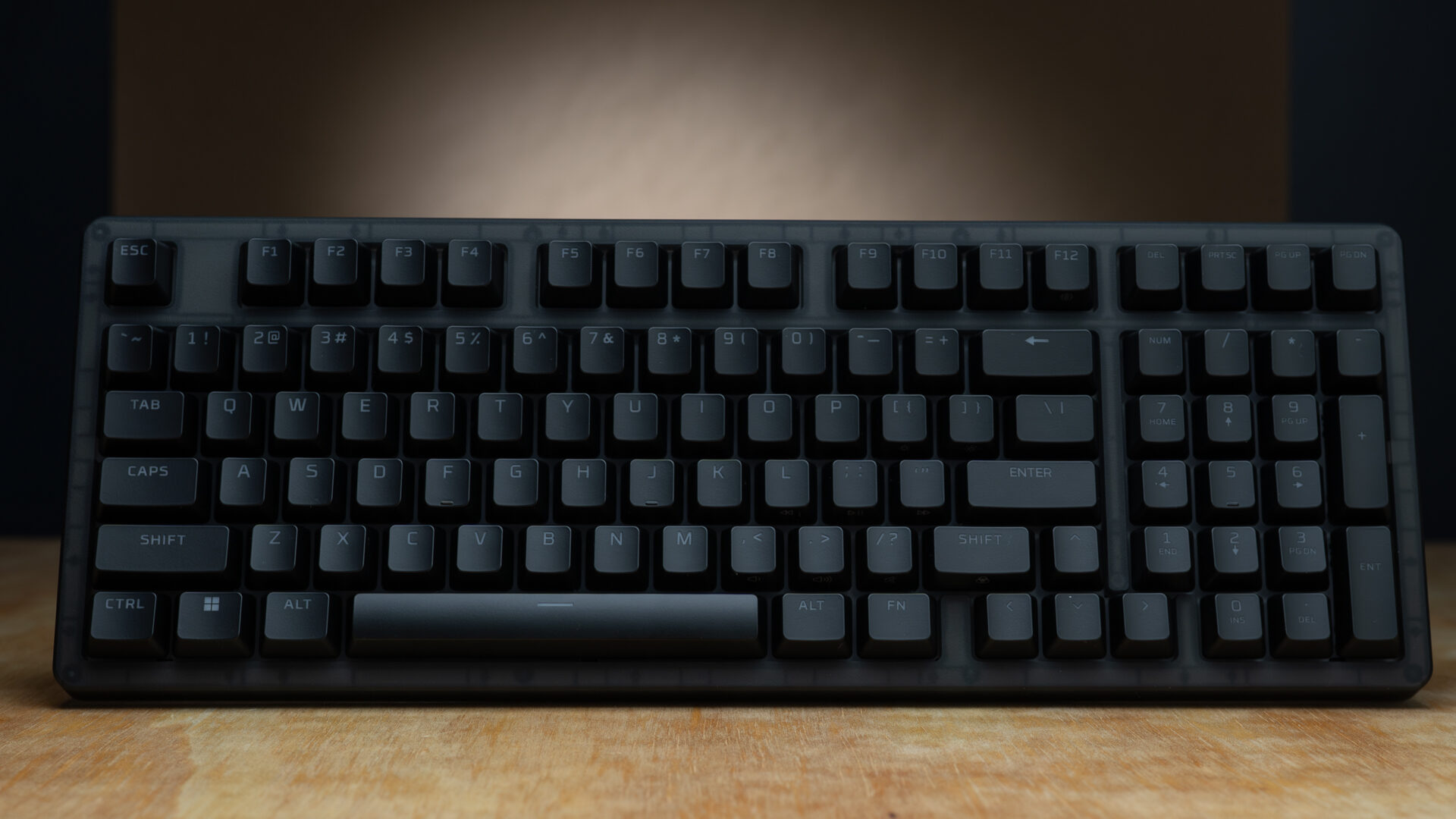
HyperX, HP’s gaming division, got ahead of the curve in 2019 with its exceptional Alloy Origins keyboards. After years of releasing the Origins in different layouts, HyperX has finally released a proper sequel: the full-sized Origins 2 1800 and the 65% Origins 2 65. For our review, HyperX provided an Origins 2 1800.
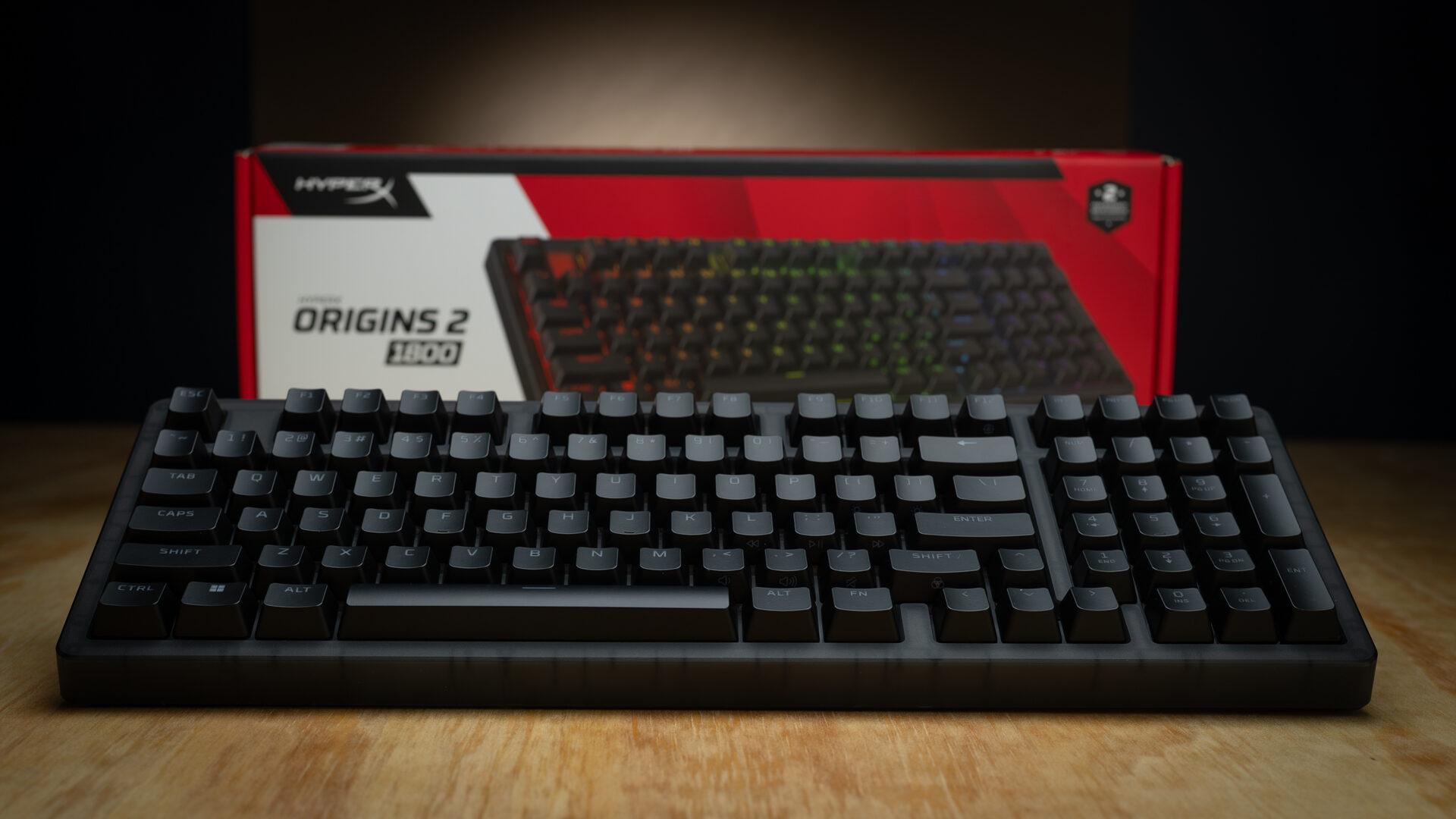
The key difference between the new Origins 2 models and their predecessors is the polling rate, which has been upgraded from 1K to 8K, placing them near the apex of responsiveness. But what makes the Origins 2 stand out from other keyboards is its easily replaceable housing, which allows users to buy or print a new frame for the switch plate. A rare feature even in the highest price brackets.
“The HyperX Origins 2 1800 is what it looks like when one of the world’s premier gaming brands almost nails it.”
Both models are equipped with O-ring-mounted, hot-swappable PCBs compatible with most three- and five-pin mechanical switches. The stock switches are factory-lubed HyperX Linear Reds, topped with semi-matte, double-shot keycaps. Considering how lightweight the keyboard is, and that it’s entirely plastic, the keys are surprisingly crisp to type on, with a satisfyingly crunchy sound profile.
The drawback is the price. The Origins 2 1800 costs $139.99, which isn’t bad for a full-sized keyboard. The problem is that everything else at that price is much nicer. For ten dollars less, you can pick up an Epomaker Galaxy 100 with tri-mode connectivity and an aluminum frame. If you’re patient, even a Razer BlackWidow V4 will inevitably land in that range during Amazon sales.
The HyperX Origins 2 1800 is closer in quality to a Redragon. Redragon boards are also all-plastic and check many of the same marketing boxes, but they’re considerably less expensive. An 8K Redragon K686, for example, is only $62.99 before factoring in the brand’s perpetual sale pricing. It’s also wireless. You’ll be missing out on swappable housing, but you’ll be able to buy a second keyboard with the savings.
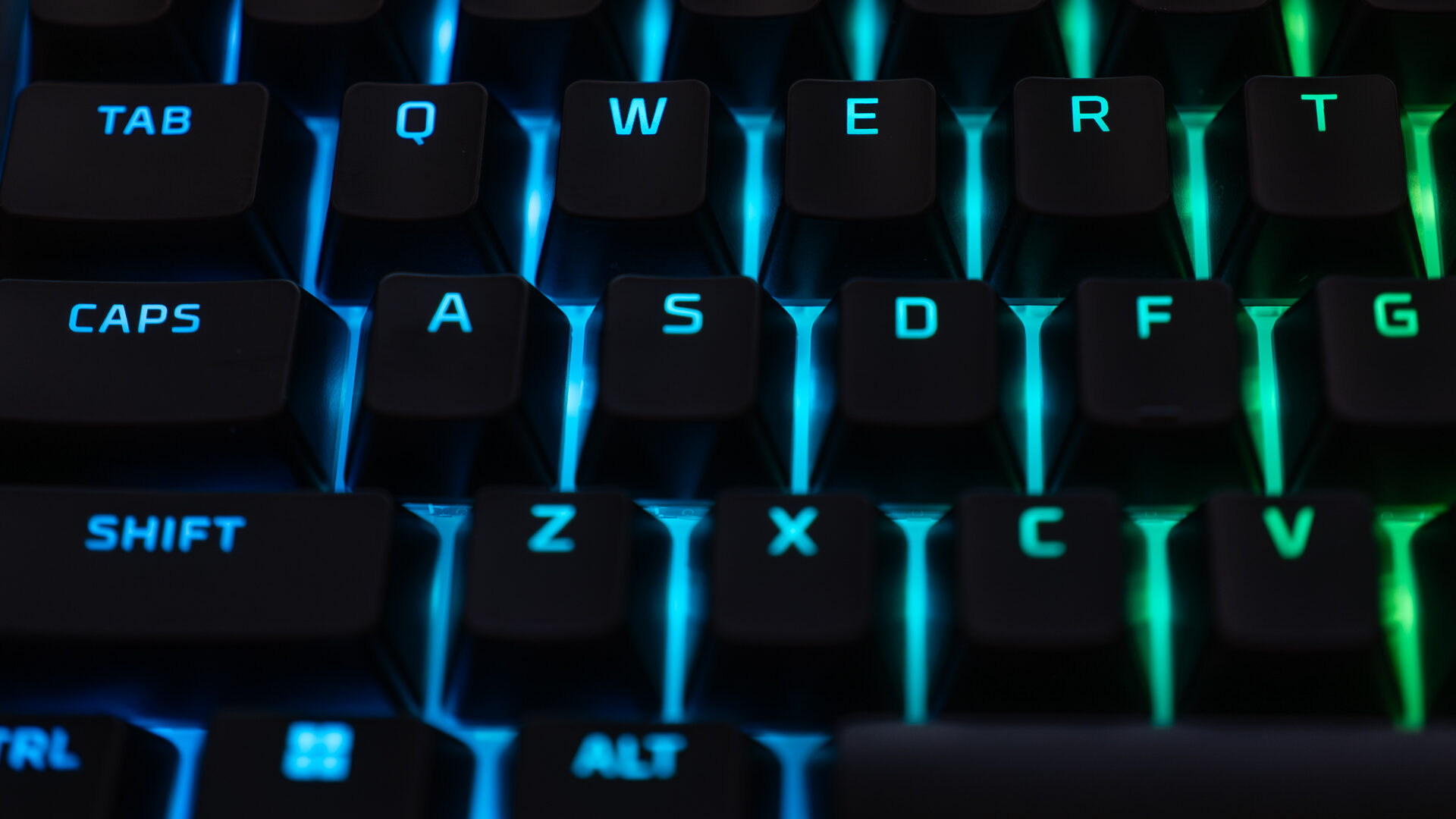
I haven’t always been easy on Redragon keyboards, mostly because I’m a snob. But after testing the HyperX Origins 2 1800, I’ve learned an important lesson: Redragon boards are really well made. Within a week of setting up my Origins 2, the switch under the C key stopped responding consistently. I went back to the packaging to grab a replacement switch. After all, every hot-swappable keyboard I’ve ever owned has come with at least two. There were none.
To find another Linear Red, I had to harvest one from my Redragon EISA K686 Pro—a keyboard that has been living in my workshop for months, feeding on a steady diet of stone carving dust, freezing temperatures, and spilled coffee. I may or may not have used it as a hornet-smashing device at some point, too. The important part is that it still works flawlessly, and the replacement switch I pulled from it worked without a hitch. Which is good news because now the “A” key is starting to feel a bit sluggish.
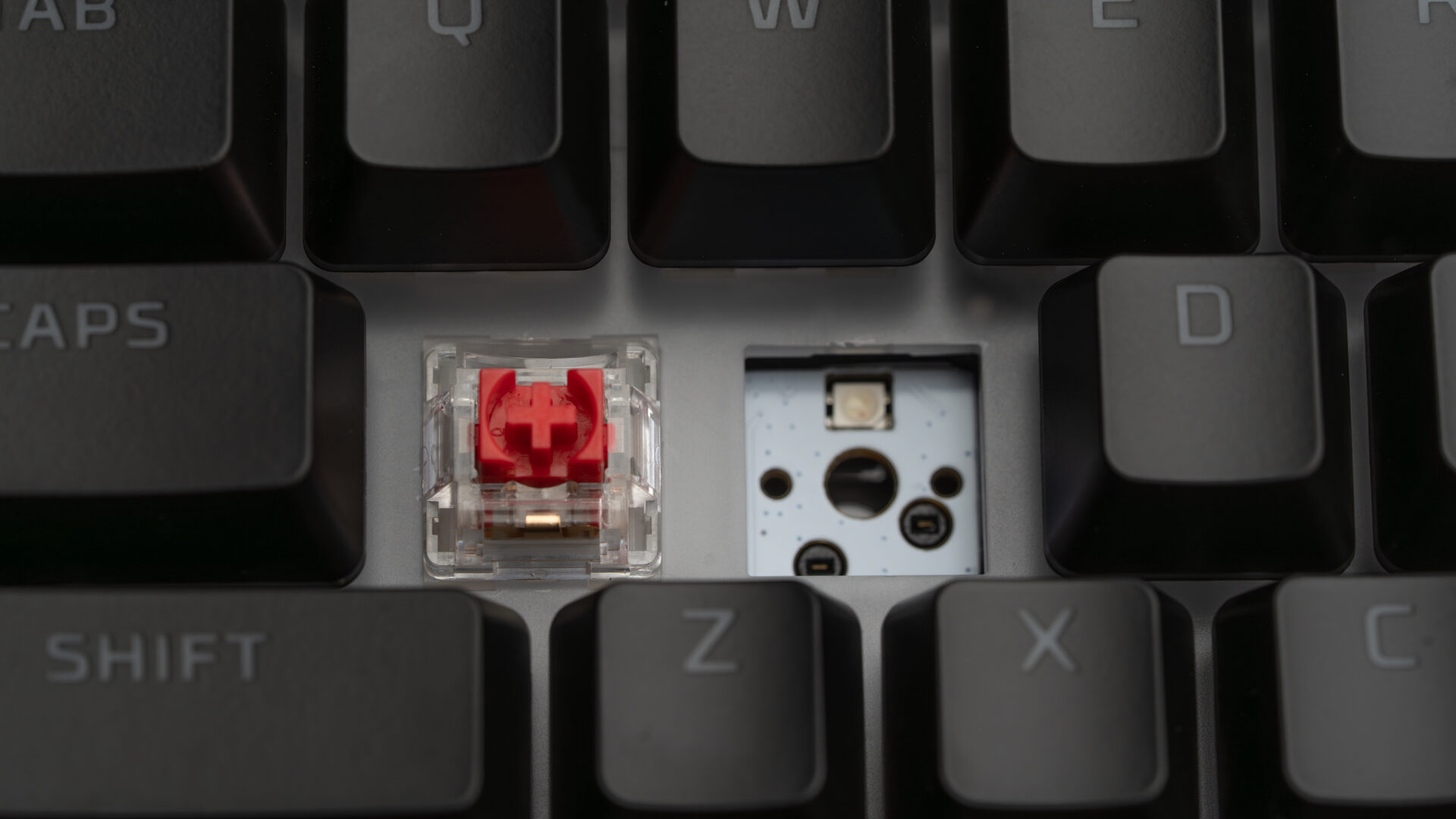
Once it was working, though, it looked pretty great. The per-key RGB lighting is exceptional. I used HyperX NGENUITY to dial in a warm orange-to-yellow gradient across the keys. At night, when the light filters through the frosted black housing, the vibes become, as the children say, immaculate. I’m not convinced that justifies the premium, but it is, at the very least, pretty cool.
“The coolest feature is the least advertised one: HyperX isn’t just selling frames; they’ve made editable STL files available for free on Printables.com /@HyperX .”
The swappable housing is also worth mentioning. It mostly seems to be an Origins 2 65–specific feature. Housings are available for both models, but only the smaller one comes with an integrated PCB removal tool. In that case, the housing is also a single piece. It’s a thoughtful, properly integrated feature.
To remove the PCB from the Origins 2 1800, you need to unfasten 8 screws on the bottom of the case and pop off the top plate. At that point, though, you don’t really have a noteworthy feature—you just have a case. That’s just how keyboards are made. The “special feature” becomes the ability to buy spare parts.
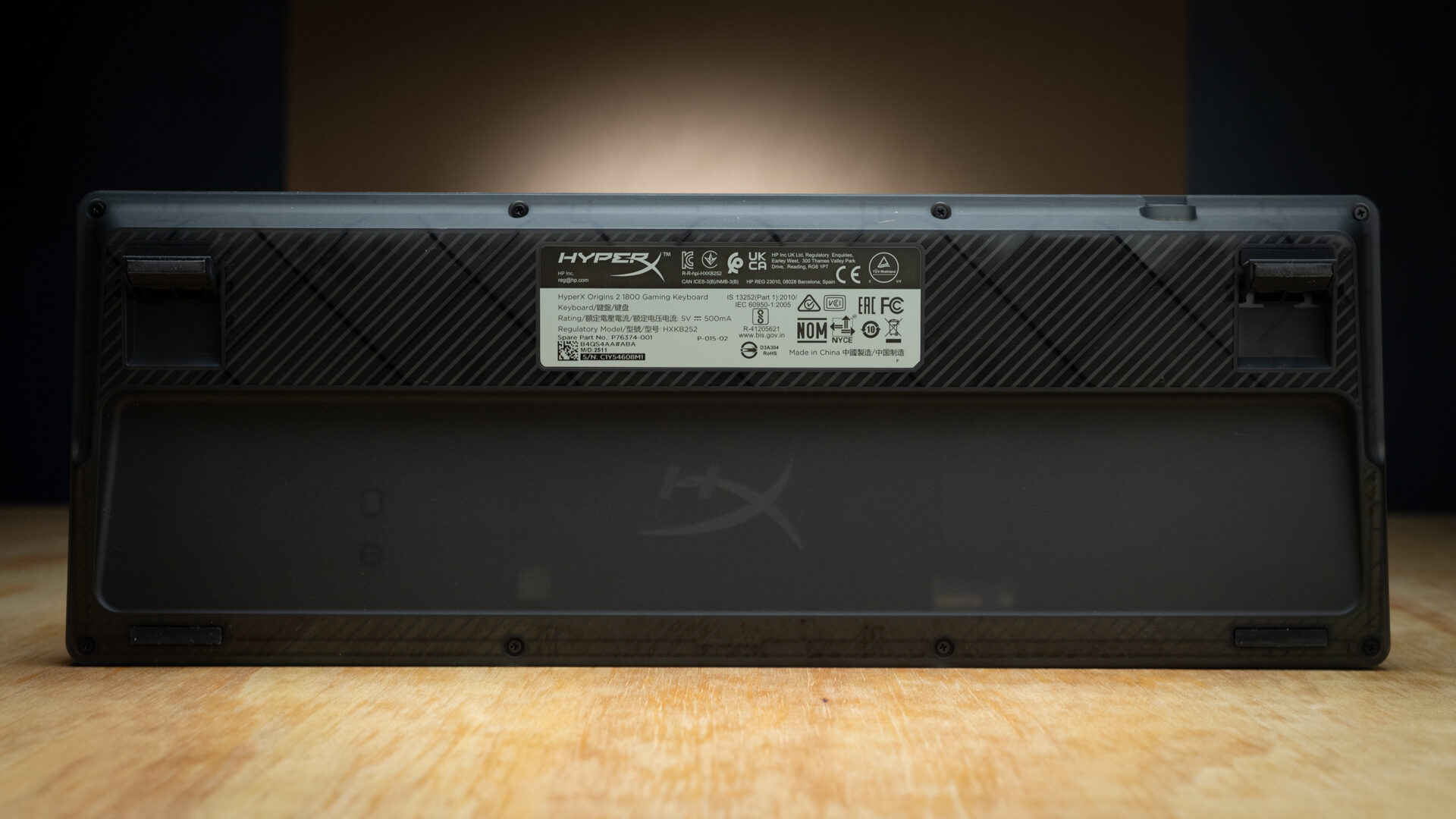
The coolest feature is the least advertised one: HyperX isn’t just selling frames; they’ve made editable STL files available for free on Printables.com /@HyperX . If you have a 3D printer and a vision, you can make whatever kind of housing you like. I’d recommend adding additional supports to reduce flex and provide extra clearance for adding a weight.
The HyperX Origins 2 isn’t as innovative or exciting as the keyboards it’s replacing, or competitive enough to be compelling in its price bracket. It’s an aesthetically pleasing, feature-rich option that, if found on sale, would make a great base for a custom build. At full price, though, it’s tough to recommend.