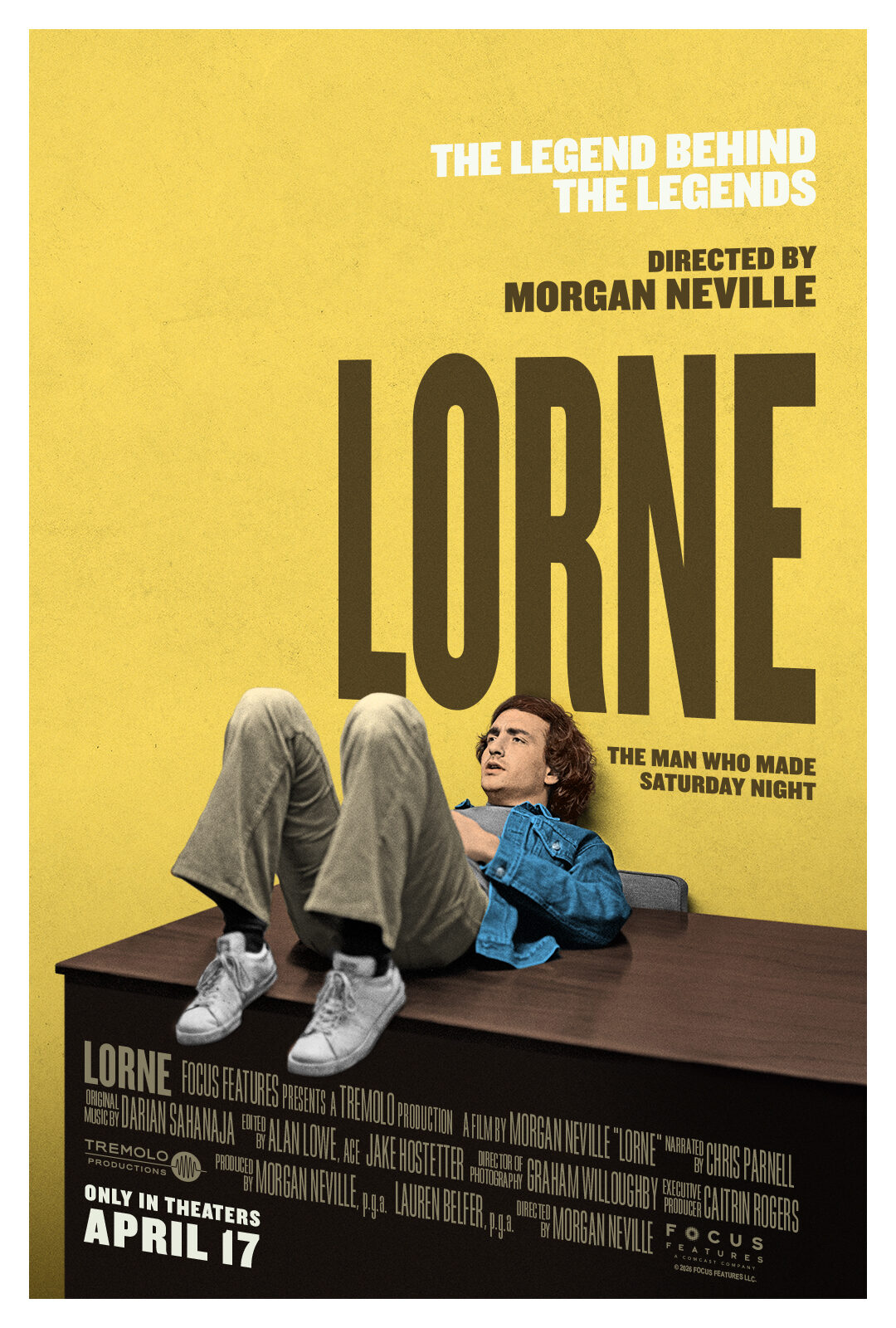

For someone who helped give rise to the biggest voices in comedic history, Lorne Michaels is a pretty quiet guy. So much so that he spends the opening moments of his own documentary actively avoiding being on camera. It’s the fascinating push and pull that presents itself throughout Lorne, an entertaining documentary about the life and career of the man behind the comedy institution known as Saturday Night Live. Well, as much as he’s willing to tell.
Born in Toronto as Lorne David Lipowitz, Michaels originally cut his teeth in the late 60s and early 70s writing and producing specials, as well as hosting his own comedy show on CBC, The Hart and Lorne Terrific Hour. He moved to the US in the early 70s, where his successful stint producing specials for Lily Tomlin would give him the opportunity from NBC to create his own live comedy show. From there, SNL was born.
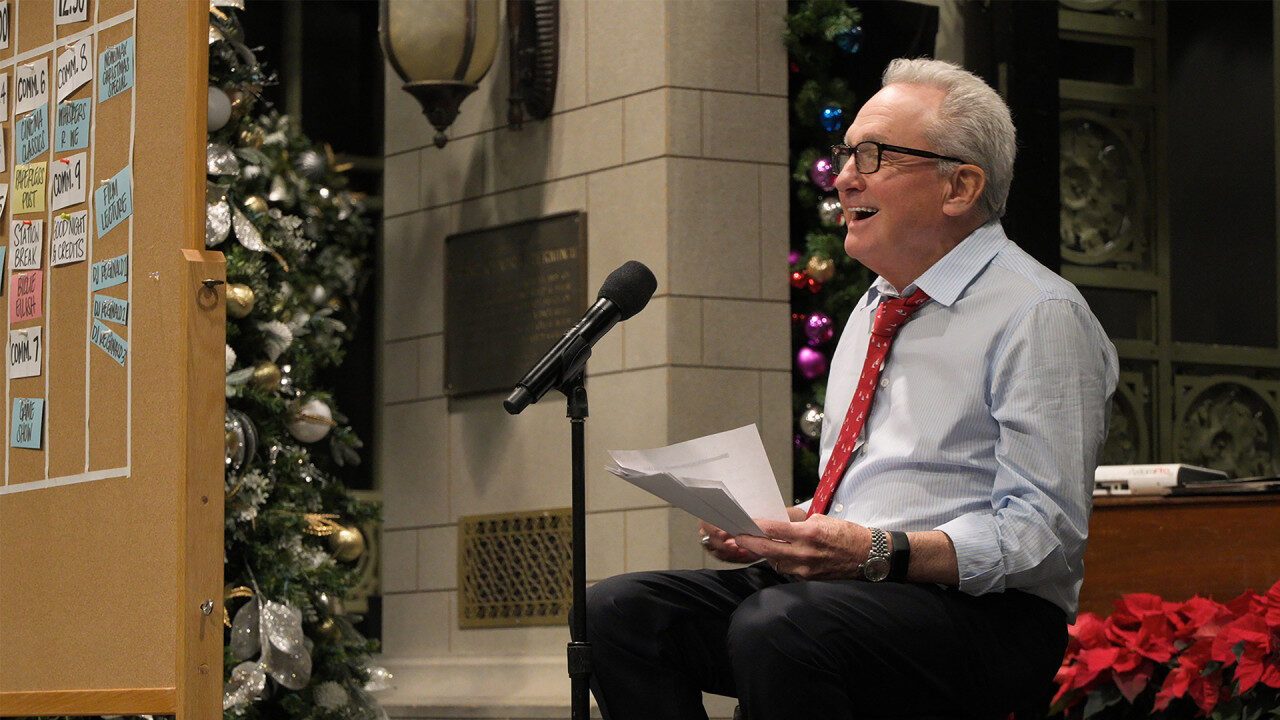
The doc doesn’t spend a significant amount of time surrounding his personal life. In fact, the only appearance of his wife and three kids is a publicity photo where their faces are blurred out. Although Michaels doesn’t talk too much about his family life, there are moments where he does begin to open up to director Morgan Neville that still feel fairly poignant, like his insight into his five-year departure from the show back in 1980, and his travels to his second home, raising farm animals in Maine, where he relaxes in between seasons of SNL. After seeing the chaos that goes into making an episode of the show, I quickly understood why.
“Lorne gives arguably the most in-depth look at the process that goes into making the long-running sketch comedy series.”
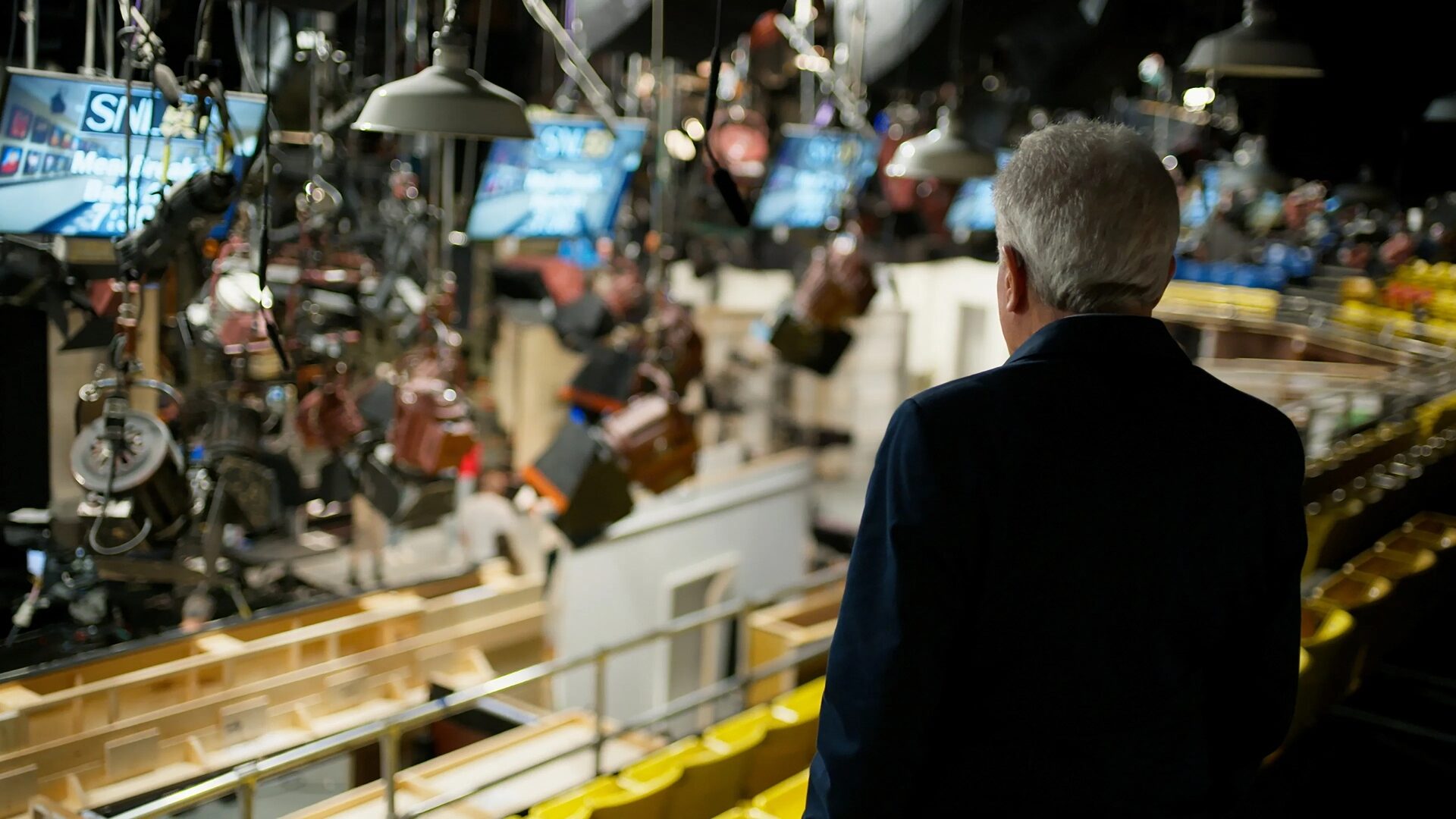
Filmed over the course of two years, Lorne gives arguably the most in-depth look at the process that goes into making the long-running sketch comedy series. Starting with a sit-down meeting with the cast and the guest host on the first day, throwing ideas together, the cast and crew work around the clock throughout the week to write sketches; prepping them overnight to get the show ready in time for 11:30. Sketches will even get reworked or scrapped as far as after dress rehearsal. In fact, the show’s list of sketches isn’t even finalized until a private producers meeting at 10:45. It’s overwhelming seeing how a production like SNL consistently gets down to the wire before it’s even complete.
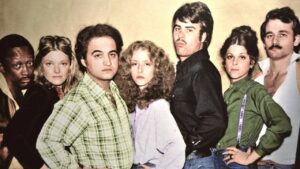
Despite the demanding and chaotic schedule, many of the talking heads here speak positively about their experiences with Michaels. It helps that the talking heads that surround the film are a veritable who’s who of comedy heavyweights. We’re talking Mike Myers, Adam Sandler, Chris Rock, Conan O’Brien, Tina Fey, Seth Meyers, Maya Rudolph and Kristen Wiig, to name a very short few. Even original cast member Chevy Chase made a brief appearance.
“There’s a lot about Lorne that’s fun to watch, which does make it a bit frustrating that the film focuses more on SNL’s continuous survival than on Michaels himself.”
Hell, I would have been happy if the film solely consisted of the roundtable conversation between Andy Samberg, Bill Hader, Fred Armisen and John Mulaney; all of whom bring some of the funniest anecdotes surrounding Michaels’ dry sense of humour. There’s also a great bit showcasing Michaels’ little tics when he thinks a sketch is going out of control during shows. There’s even a moment around Michaels’ hatred of cast members “breaking” that leads to a hilarious reveal, one that’s not lost on alum (and infamous breaker) Jimmy Fallon.
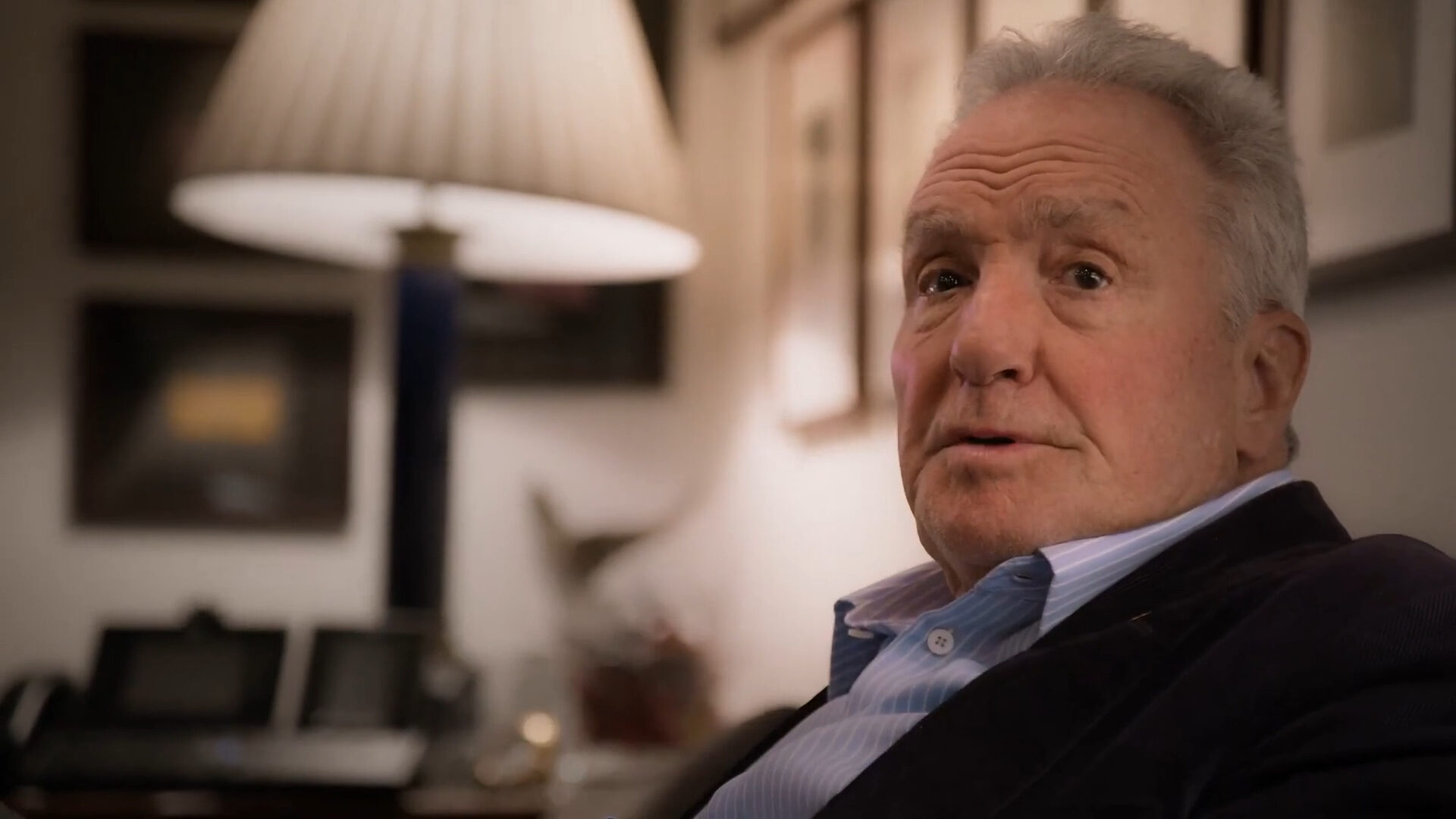
There are also some fun commentaries from current SNL cast members and writers like Kenan Thompson, Colin Jost and Michael Che, as well as members of Michaels’ inner circle like Alec Baldwin, Steve Martin and Paul Simon. To pack on the nostalgia even further, there are some great segments depicting Michaels’ struggles with network execs animated in the same style as SNL’s classic TV Funhouse sketches.
There’s a lot about Lorne that’s fun to watch, which does make it a bit frustrating that the film focuses more on SNL’s continuous survival than on Michaels himself. Ultimately, I understand it’s because Michael’s life IS the show. He’s structured his day-to-day schedule around it for nearly the entirety of the show’s nearly 51-years (and counting!) on the air. As narrator Chris Parnell states, he goes to bed and wakes up at the exact same time, goes to the same few restaurants and eats the exact same meal every day. If something’s worked well enough for this long, why change it too much?