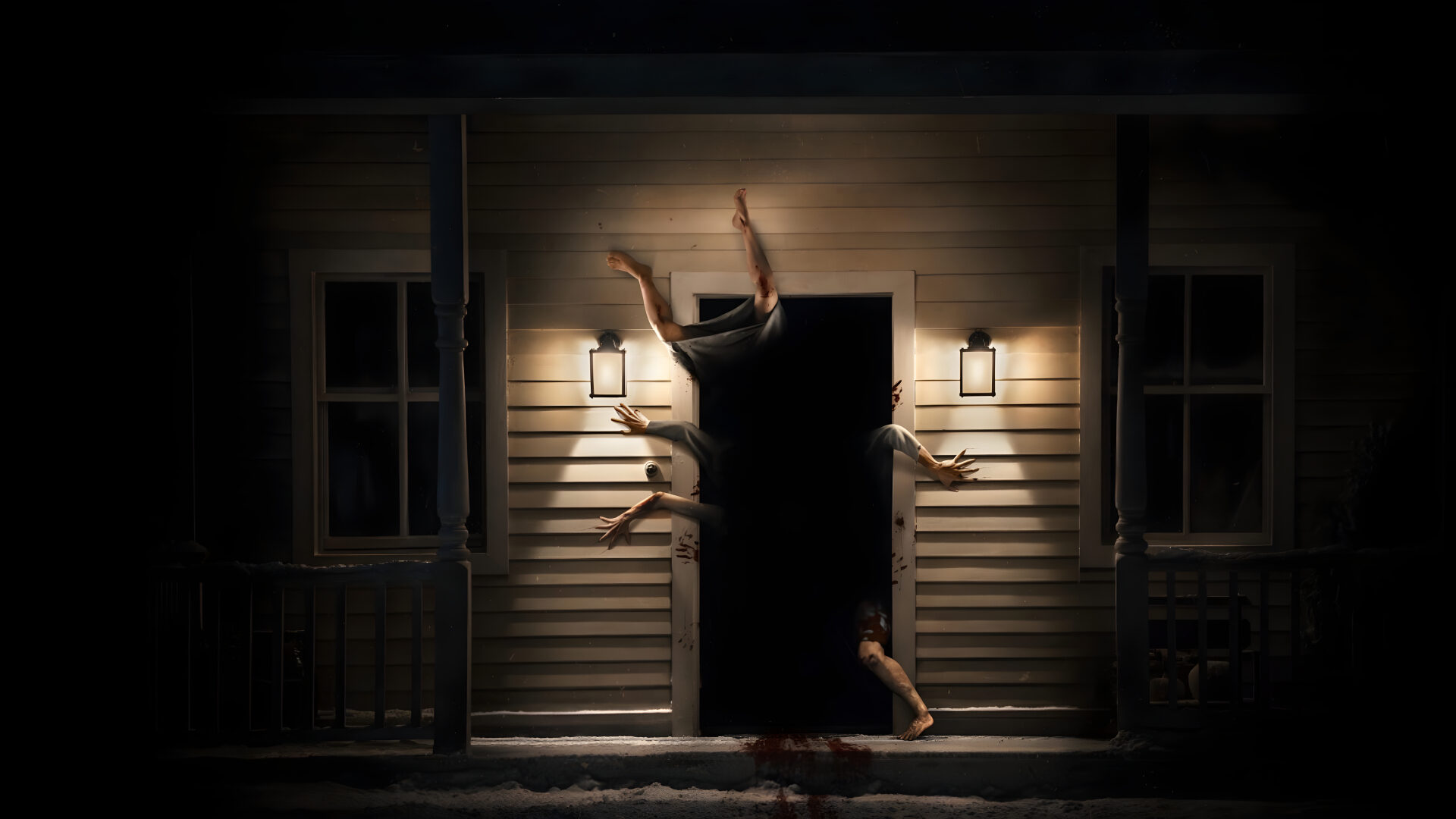
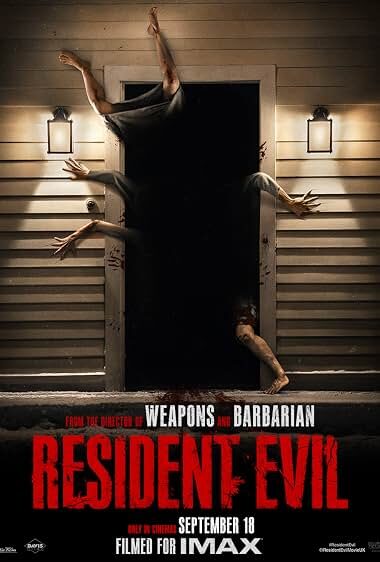

If you throw something enough times against a wall, it will eventually stick. Zach Cregger’s Resident Evil (2026) felt like the perfect follow-up to his work on both Barbarian (2022) and Weapons (2025), particularly the former.
Despite not being the biggest fan of 2022’s Barbarian, after a second rewatch, I could clearly see why Cregger would agree to make his first film based on an intellectual property be Resident Evil. Based on the beloved survival horror series that got its start on the original PlayStation, Capcom’s zombie-infested megahit has spawned countless film and television adaptations over the years, making it ripe and practically rotting for another cinematic mutation.
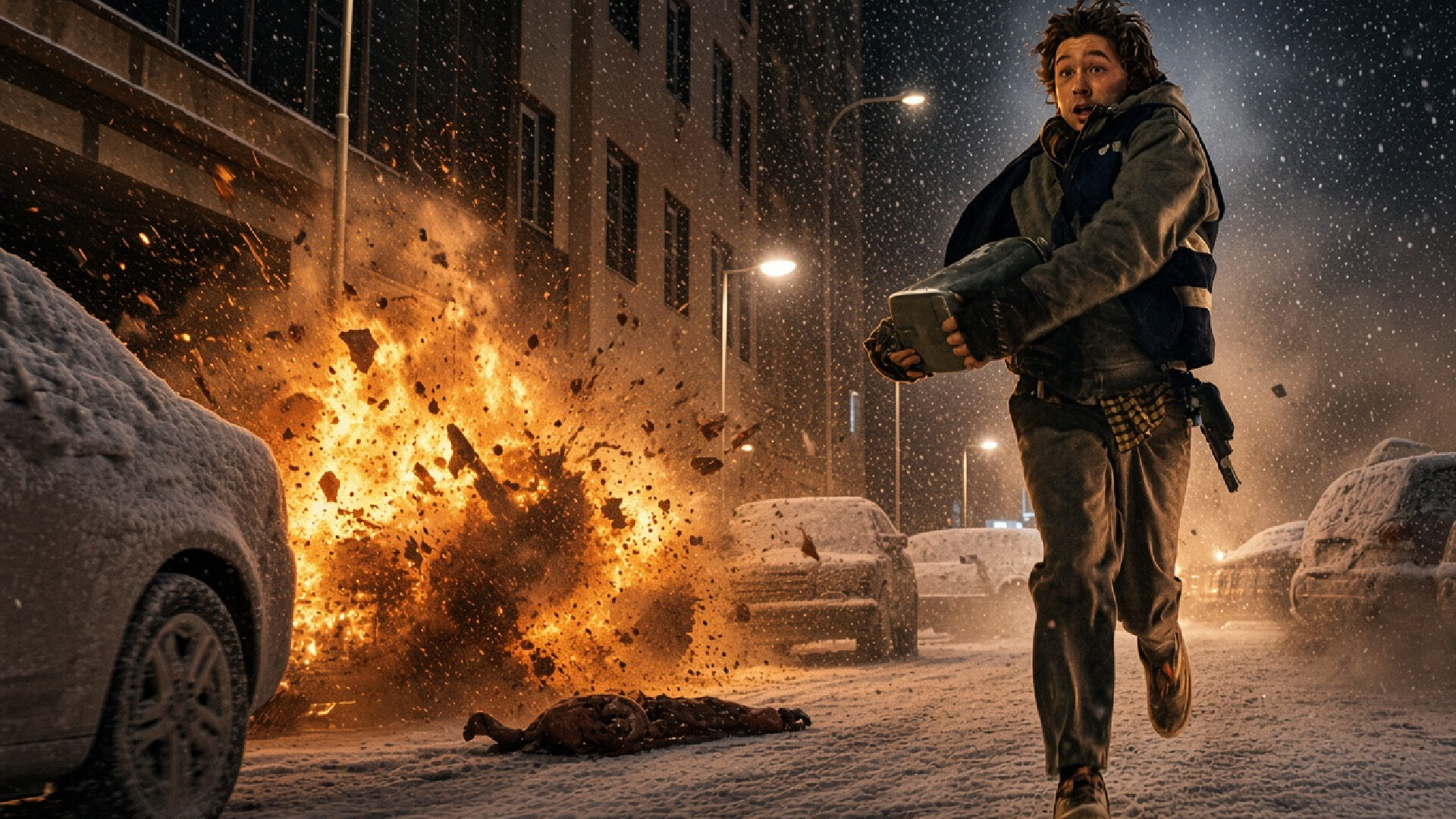
Resident Evil (2026) follows the exploits of a man on a mission: Bryan Hodukavich (Austin Abrams), an unlucky delivery boy tasked with delivering a crucial package to a remote hospital, who finds himself caught knee-deep in a zombie outbreak. For purists looking for an enriching narrative set in the expansive game world, Resident Evil (2026) takes place concurrently with the events of the Raccoon City outbreak, although the events of the film do not strictly adhere to the established canon.
In other words, it’s best to view Zach Cregger’s adaptation as more of a story inspired by Capcom’s long-running franchise, and more of an original story that could easily be a game worthy of the brand. In fact, this loose approach feels smart and aptly fits into the vibe of the newer Resident Evil games, one that focuses on atmosphere and tense action instead of trying to check every box and account for minute details from the bowels of Umbrella Corporation.
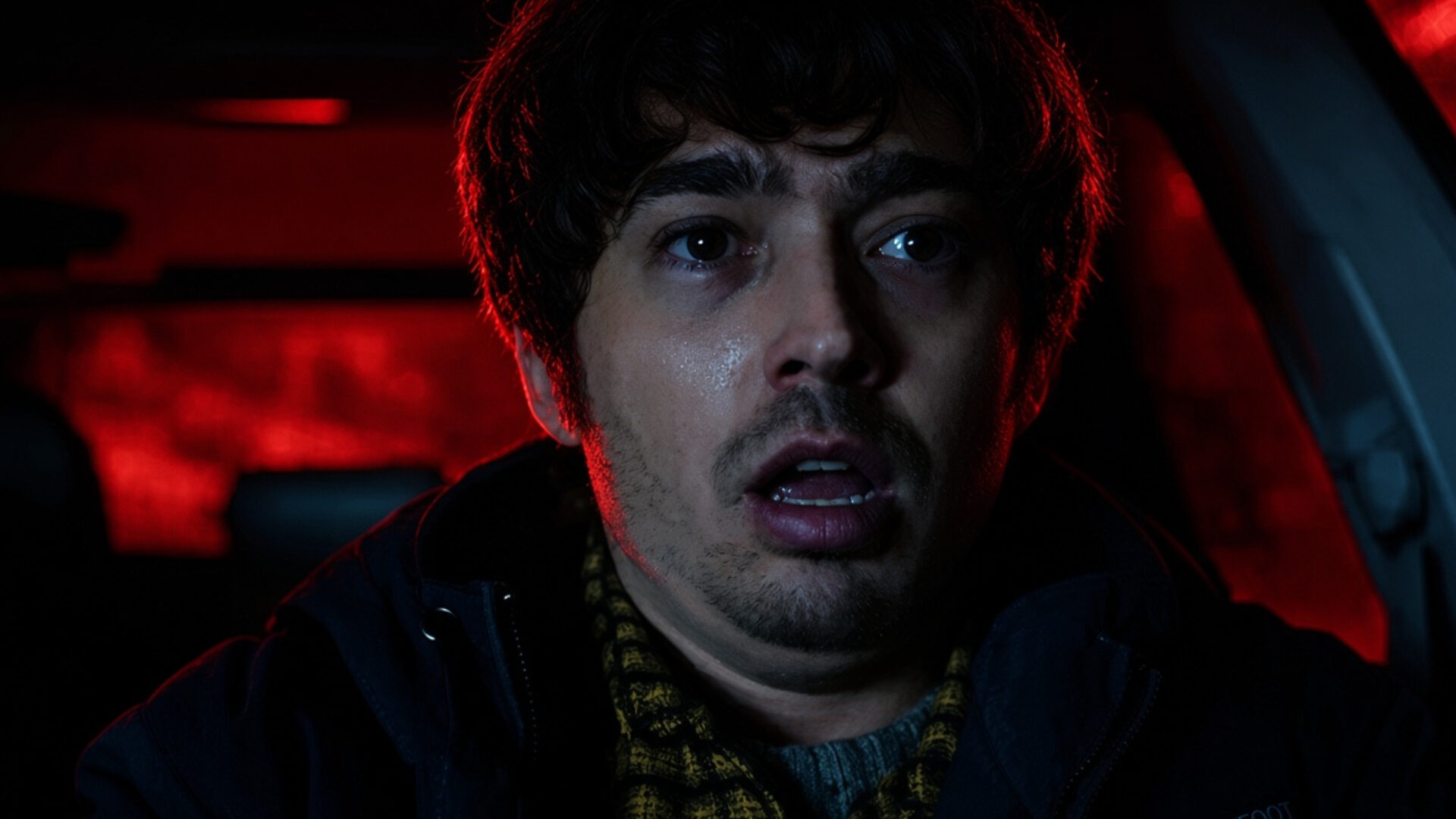
The tense and often blood-soaked gore of the film is offset by moments of levity and humour, an element that Cregger excels in. Austin Abram’s character is a hapless hero with zero experience with firearms, instead relying solely on his love for video games to see him through the night. This lighthearted character trait, combined with Bryan’s quips and constant denial of the horrors in front of him, makes Resident Evil equal parts horror and comedy, embracing its campy roots with pride.
“The tense and often blood-soaked gore of the film is offset by moments of levity and humour, an element that Cregger excels in.”
In fact, if Cregger decides to give IP flicks another shot, I’d love to see his interpretation of Capcom’s other zombie-slaying franchise, Dead Rising, something that would fit the vibe of this film’s 1 hour and 30 minute runtime. If there is one area Resident Evil (2026) suffers somewhat, it is in its secondary characters; with the move laser-focused on Bryan’s journey, most of the supporting cast gets little time to shine or develop.
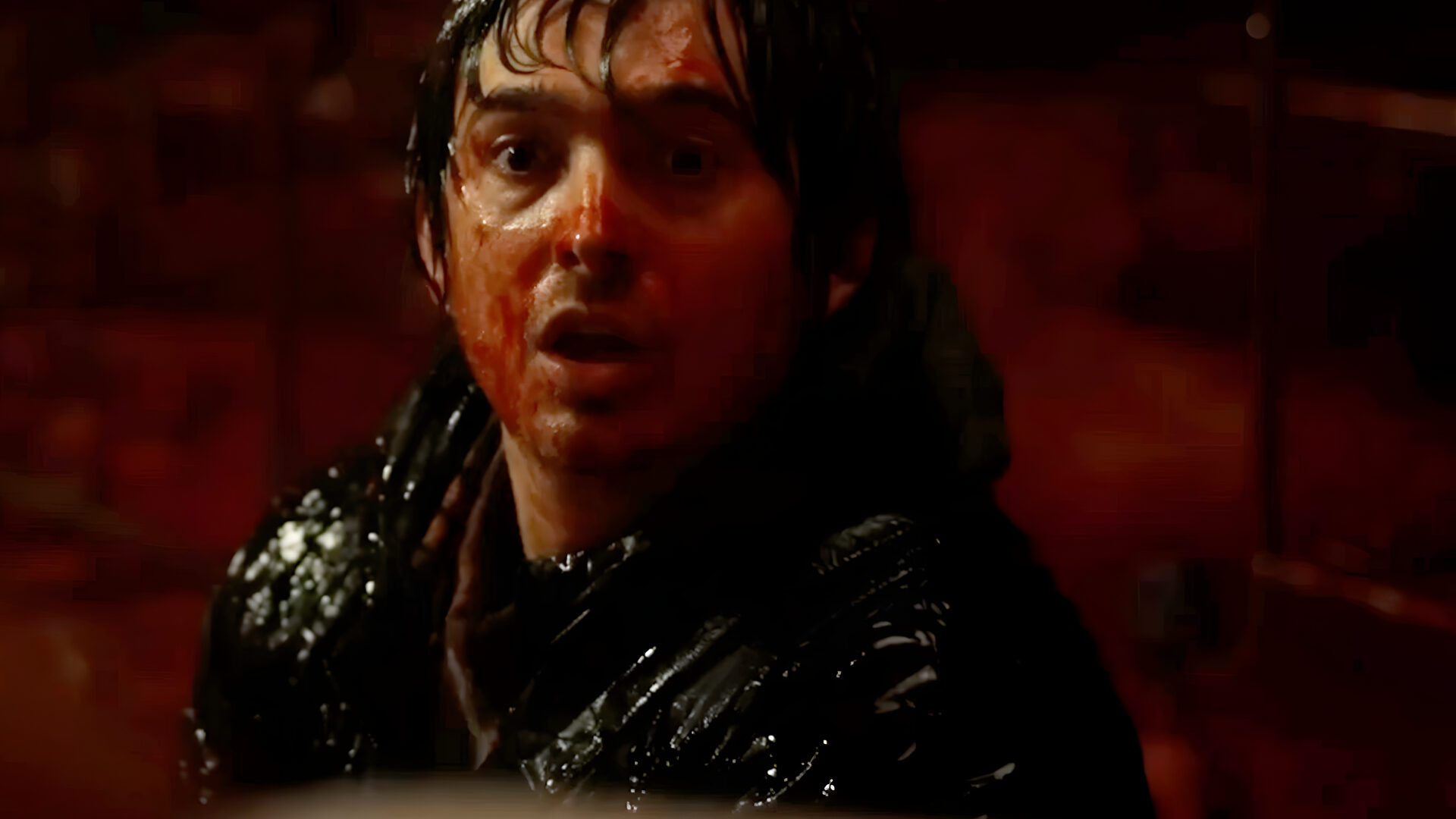
This is particularly disappointing with Zach Cherry’s character, who is introduced late into the film and I don’t even recall having a proper name, instead relegated to some quick humour and on-screen star power from his rise in popularity with his work within Severance.
Resident Evil (2026) feels like a celebration of the series, with the film not only paying tribute to various in-game Easter Eggs strewn throughout its runtime, but also to video game logic and set pieces, which feel like a huge part of the movie’s world-building. Without giving away specifics, the movie takes the time to create exciting scenarios that feel like they could belong in any number of RE titles, in addition to a fun running joke involving locks that might just be the best thing about the movie for longtime gamers.
“…Tonally, the movie fits the vibe of Resident Evil to a T(virus)…”
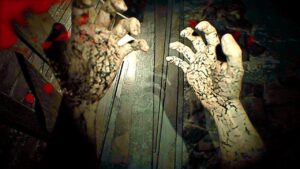
In terms of creature designs, Resident Evil (2026) opts to mostly stick to original creations, all of which feel like they borrow and amalgamate (in more ways than one) into interesting and unsettling monsters that feel both fresh for the franchise. Even so, outside of a clearly inspired encounter at the end, I do wish the movie took just a little bit more from the games.
Conversely, there are parts where Resident Evil (2026) feels like it’s trying to go out of its way to communicate to the audience that, yes, this is a movie based on a video game, which can feel hit or miss, but ultimately well executed if not a little tiring. Finally, in terms of overall plot, the movie doesn’t accomplish a lot, instead feeling more like a series of vignettes that pay tribute to the source material rather than a trepidatious journey.
Tonally, the movie fits the vibe of Resident Evil to a T(virus), but those looking for a really grounded or serious horror film may find Resident Evil (2026) to be a bit too outlandish. Saying that, however, just as I gave up on seeing any real sense of dread or despair, there is a scene towards the latter half that humanizes Bryan in a way that ties everything together and gives the movie a strong backing that goes beyond simply being a pulpy zombie pummeling joyride.