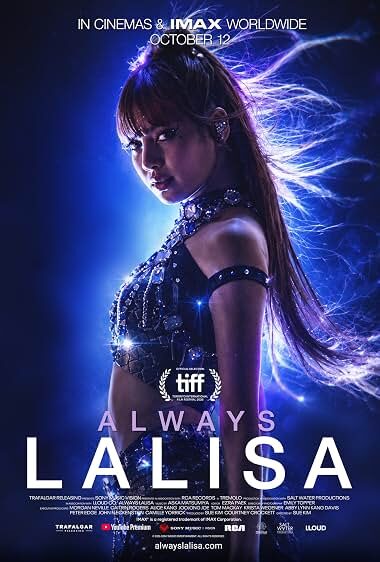

K-pop idol–turned–global superstar Lalisa Manobal aka Lisa (birth name: Pranpriya) stars in this intimate and transformative documentary tracing her journey from childhood ambition through Blackpink stardom into the artist she is today. Documentary filmmaker Sue Kim is no stranger to covering K-pop, as she served as an executive producer on Apple TV’s docuseries K-Pop Idols. While the film delved into Lisa’s childhood and academy days, it primarily built up to showing the trials and tribulations of building her solo career—along with the iconic Coachella set and landing The White Lotus Season 3 in her role as Mook.
Essentially, Kim followed Lisa for that gap year from YG Entertainment, where she attempted to get her solo album made and released most successfully. For faithful Lillies who have followed Lisa’s journey from the start, this is the ultimate reward. For those learning about her for the first time, it’s an irresistible introduction to her world. I agree. Always Lalisa contained enough explanations in its interviews, which matched the behind-the-scenes footage.
Always Lalisa could have gone further into Lisa’s time before Blackpink, but it by no means felt lackluster. It touched on her mother’s POV of Lisa’s whole life, and the fortune teller recommended a name change when she was little—she was born Pranpriya. Even Lisa’s stepfather provided his perspective on Lisa’s rise, and how much he loves her since meeting her at the age of 3.

Seeing Lisa recount and talk about her first and most influential dance teacher, Teacher Nok, was the most tearjerking moment of the doc. He formed the foundation of Lisa’s dancing skills, but met a tragic end when he was diagnosed too late with cancer. Learning about this time of her life definitely made this documentary movie worth watching, as she mentioned this was the first time she had publicly talked about her late mentor.
“For faithful Lillies who have followed Lisa’s journey from the start, this is the ultimate reward.”
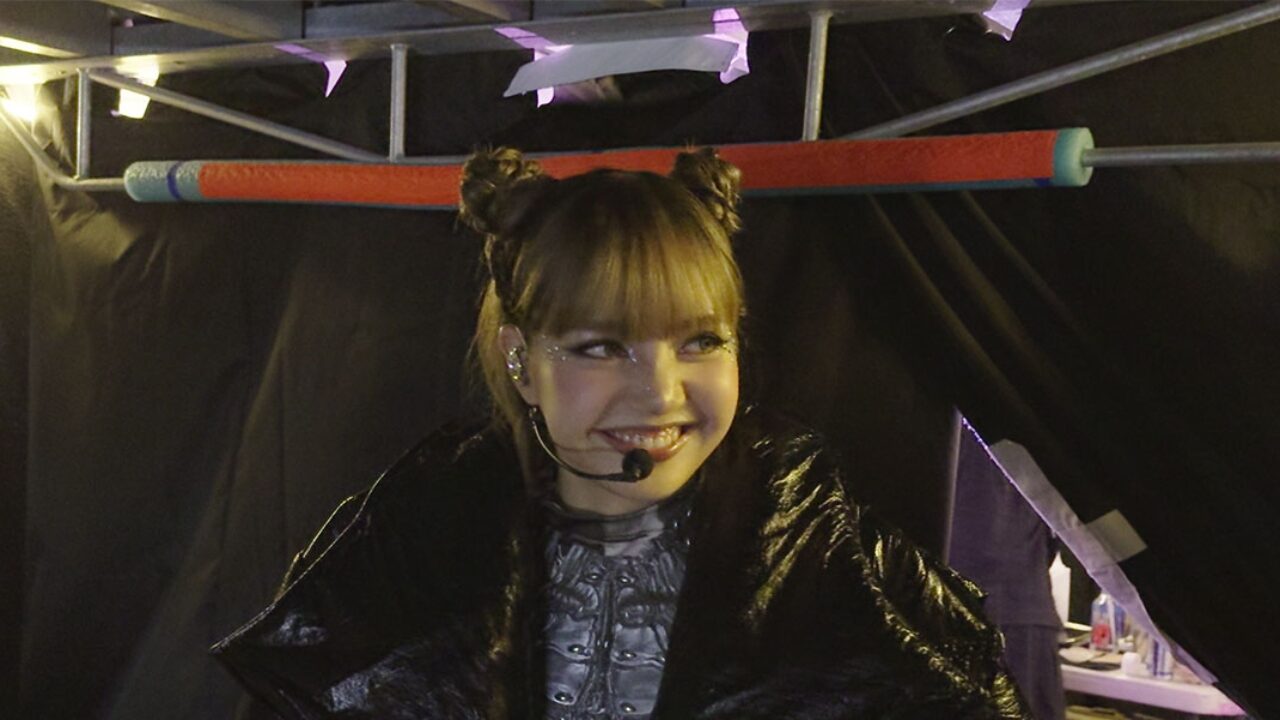
The cinematography was some of the strongest I have seen from documentaries on musicians: capturing the bombastic performances, meeting fans at events, and seeing Lisa break down or crash out. The camera was not shy to get into some of Lisa’s vulnerable episodes, but tried to—with the help of the editing team to capture these moments tastefully. As high-profile as Lisa is, it was hilarious to see how much she asks everyone around her for help—and the things she would ask for to help de-stress. One could take it as pretentious, but I thought it was also endearing. Witnessing her hard work behind the scenes, it justifies the immature or innocent moments when Lisa needs to decompress.
The strongest part of Always Lalisa was how they nailed the throughline throughout the film. There were a few times that brought up the concept of fate, and the doc perfectly executed the payoff by the end. Real Lisa fans will know all the drama that happened in the YG Entertainment gap year, from trying to create Alter Ego with brand new songwriters to the album getting leaked before the release date.
The guest interviewees both played up the drama and added some funny moments, including but not limited to The White Lotus showrunner Mike White, music artist Tyla, and much more. Each guest offered some fair analysis of either a situation Lisa was struggling to get through or commented on Lisa’s work ethic. It is a bit vanilla in terms of how there were no guests who critically critiqued her. The mention of Lisa’s stalker added some grave drama, but mainly for those not in the know.

Another strength of Always Lalisa was how it was not only a time capsule of one of Lisa’s biggest years, but it was an inside look at what it takes for a music artist to transition from a group to a solo career. This intimate piece of media does not typically happen for a K-pop star, where a lot of K-pop stars are asked to hide a lot of their personal details that do not align with the brand. This movie presented how much people believed in Lisa’s first solo album, as she got some of the best songwriters and sound engineers to help produce it
“Hopefully, Lillies will walk away with some tears and cheers, for what is the most personal look into the global popstar’s life.”
This documentary also sheds light on her manager, Alice Kang, who has to take care of the logistics surrounding concerts and other issues that could distract Lisa from showcasing her art. Kang left YG Entertainment to join Lisa’s personal management label, LLOUD Co., and manage its operations. Including Kang, along with her stress and conversations with Lisa, provides some of the most human moments in the film. These snapshots and interactions highlight the hard work Kang does to help Lisa realize and promote her vision for Alter Ego.
Always Lalisa is the first time the lens has hyper-focused on Lalisa Manobal, even though she has been under a microscope for years as a member of BLACKPINK. The one-hour, 37-minute runtime is a great length for this year-long journey. I wish we got more footage of her with her close family and friends, where she can be herself the most. But for someone so easily scrutinized on social media and by the press, it is understandable that she would want to hold on to those precious moments. Hopefully, Lillies will walk away with some tears and cheers after experiencing what is the most personal look yet into the global pop star’s life.