
I had only heard of Witch Hat Atelier through the grapevine and the recent zeitgeist of manga readers. The fantasy seinen manga was created by Kamome Shirahama and began serialization on July 22, 2016, in the Kodansha imprint company, Morning. This manga series has been running for almost 10 years, and as of March 2026, over 7.5 million copies were in circulation. So, it is no wonder I had to finally check out the anime series.
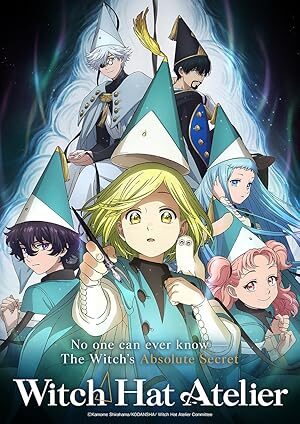
Witch Hat Atelier takes place in a world where only witches can cast magic. The number one rule is that they must avoid being seen by ordinary people while casting. While Coco does her chores, she daydreams of becoming a witch. When a young witch named Qifrey visits her village, Coco uncovers the number one secret of witches in this world, becomes Qifrey’s apprentice, and begins her studies. This is the story of children who encounter despair, yet reach out toward hope.
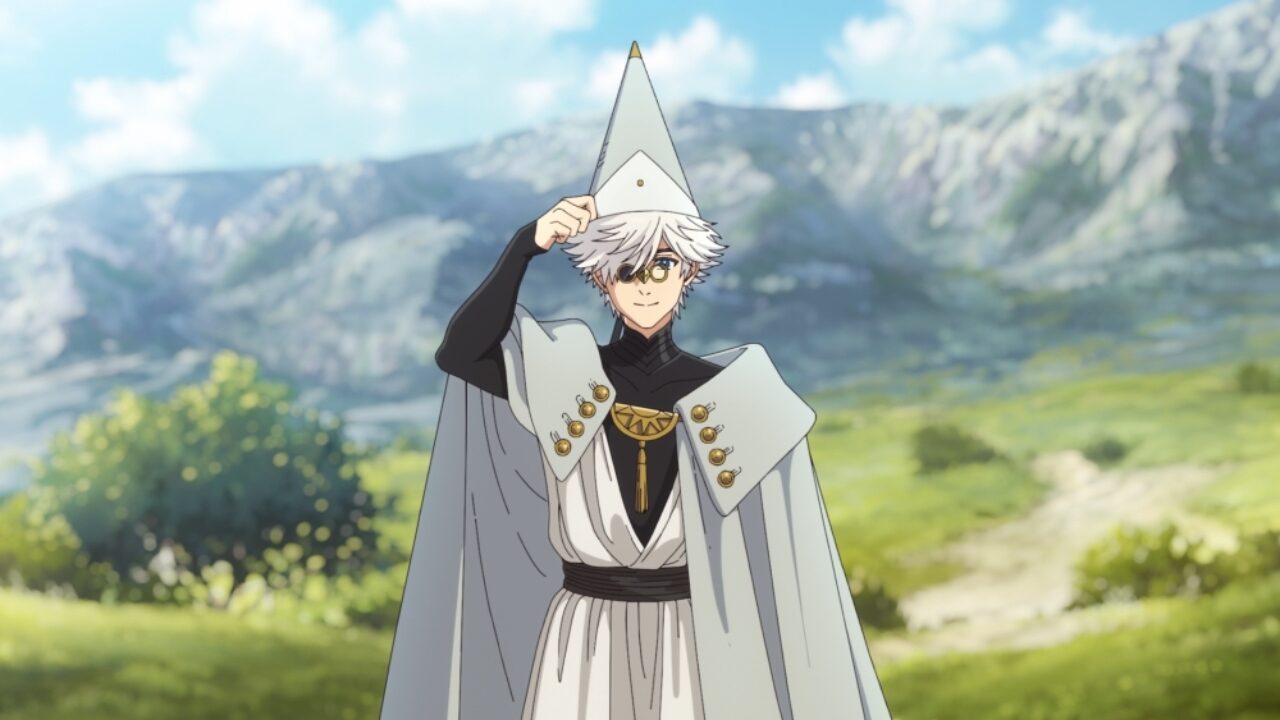
As a slight disclaimer, I underestimated the hype behind this anime. When I walked into the theatre for Crunchyroll’s latest Anime Nights Sneak Peek preview event this past March, I kept an open mind watching the first two episodes of this one. But I remember thinking, ‘Alright, let’s see what this childish anime has to offer with its predominantly young girls cast of characters.’ I also saw how Qifrey was like an Albus Dumbledore teacher who could be Dumble-daddy with how handsome and striking he looked. Without giving too much away, Qifrey’s atelier becomes a Buddy Daddies situation.
“The animation in Witch Hat Atelier rivalled that of Frieren: Beyond Journey’s End, period.”
I am never afraid to admit when I am wrong, and oh man, this one took me almost by surprise in the same way Made in Abyss caught me off guard. I should have learned my lesson with Made in Abyss and Seraph of the End: young main characters do not necessarily mean the story is targeted for a younger audience. I was expecting a Little Witch Academiavibe, but I got something darker.
The catalyst to kick off Coco’s witch journey is wild, and my mouth was agape throughout that whole final scene in Episode 1. Episode 2 was more in line with my expectations for the exposition, but it was a good way to tease the other main characters of the series. Going forward in the story, I appreciated all four of the girls’ narrative arcs in the first eight episodes I have seen. I know there is still more to come, but the way we learn more about them all is fleshed out as a natural progression of things happening in the present rather than by circumstance.
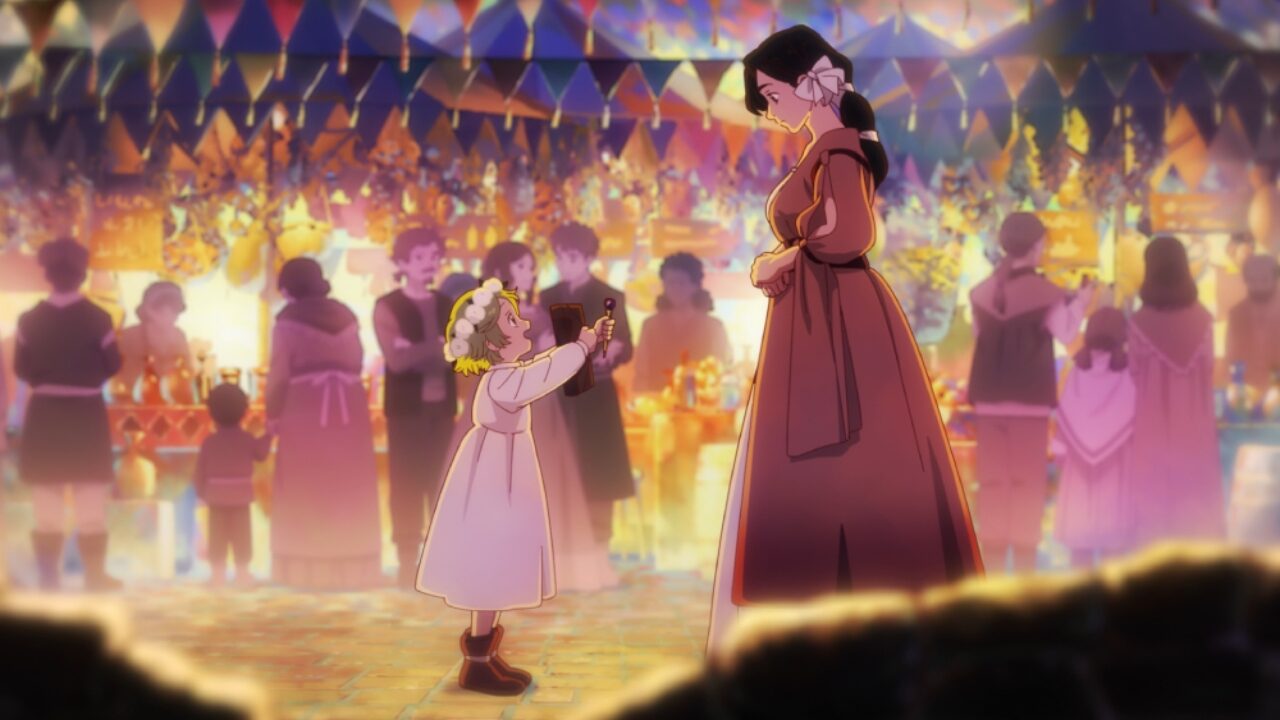
In both the story and the editing style, I noticed many subtle details and unspoken interactions that hint at a larger scheme between certain scenes. While this show comes off as a fantasy-coded story, I enjoyed the mystery and thriller elements too. There were no real spooky parts, but there are dark, mature themes baked in the undertones—even without showing anything particularly gruesome.
Almost every episode left me thinking, ‘Something more is afoot here!’ This mystery-genre feeling was baked into some of the episode’s cliffhangers/teases. Right when there were wholesome, happy moments, there were also moments I gasped and said out loud, ‘No, no, no, no. That can’t be right. That’s crazy!’ Believe me when I say that this show will put you on a rollercoaster ride, which is both fun and scary.
“Witch Hat Atelier is a must-watch series from the spring 2026 anime slate.”
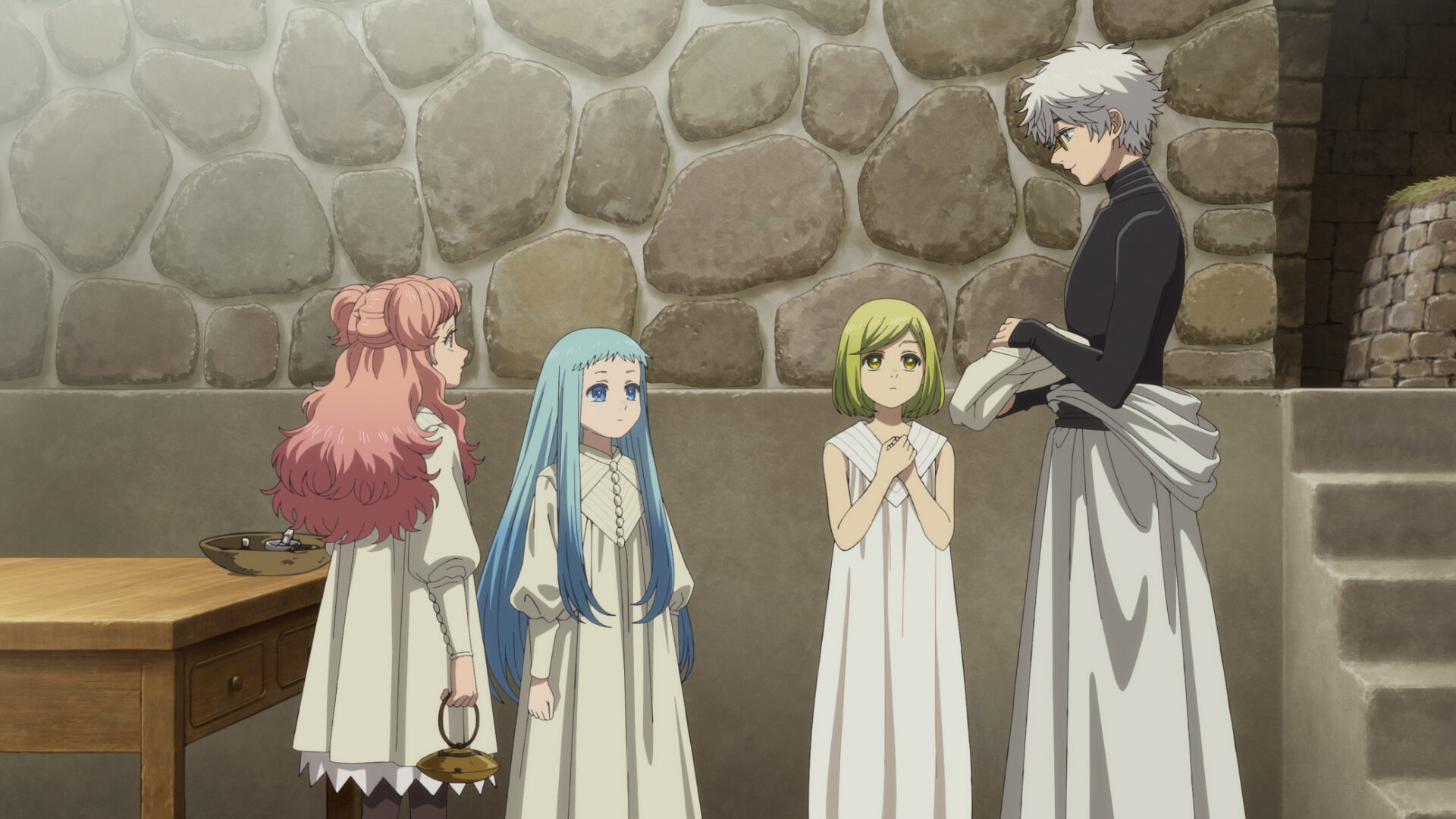
The animation in Witch Hat Atelier rivalled that of Frieren: Beyond Journey’s End, period. Of all the latest fantasy anime series, this one was at the mighty Frieren level. It even has a distinct pop-up book style at times; I wish they utilized this art style more throughout the season. However, I highly recognize and respect a series for going the extra mile by making their art style unique. Toilet-Bound Hanako-kun and Delico’s Nursery come to mind.
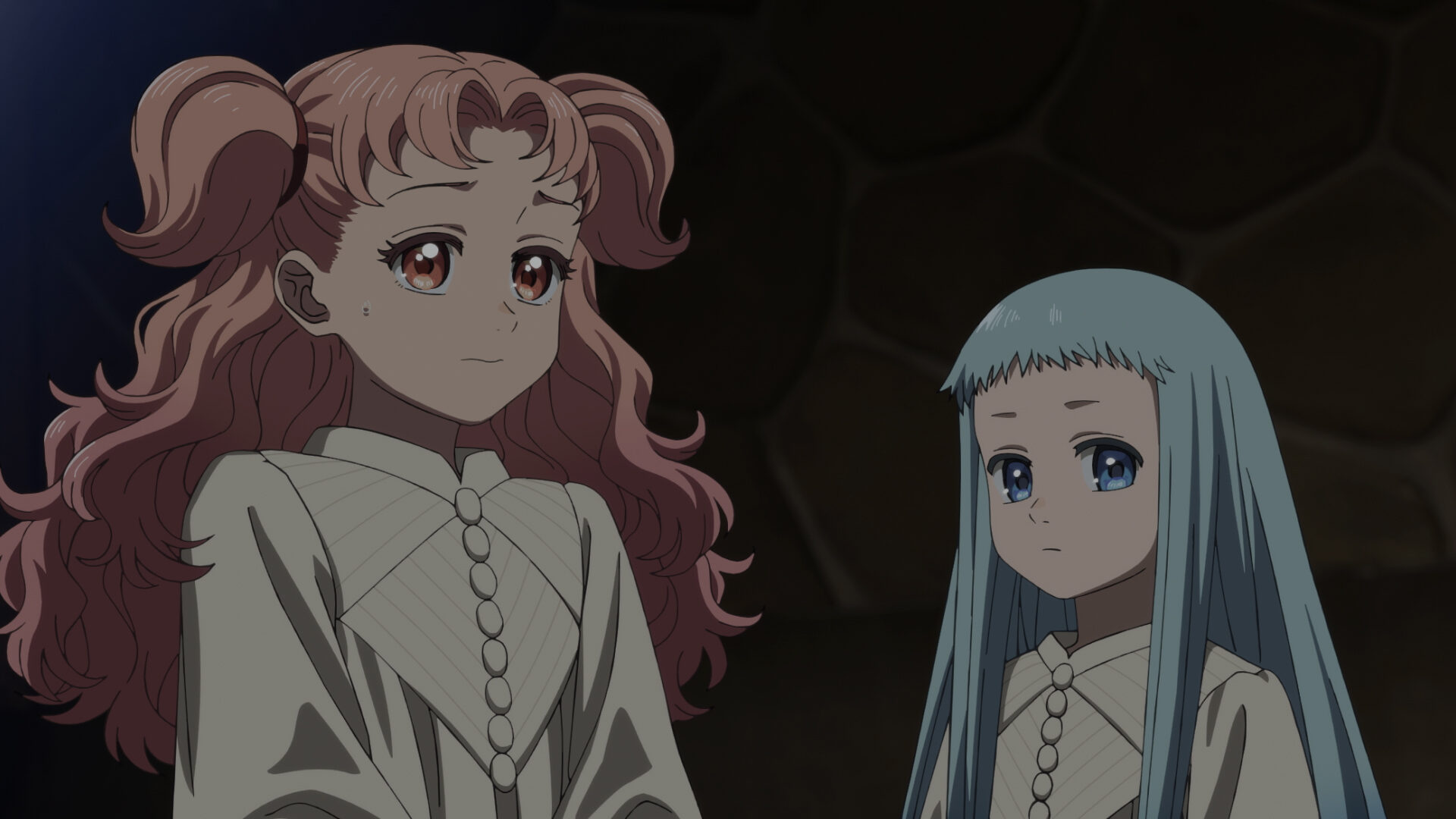
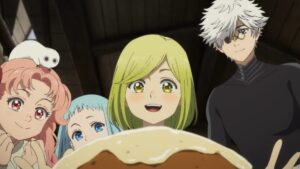
From the character design, environment design, colouring, to the general animation and art style, everything worked in tandem. For each witch apprentice, I realized the details of having each student’s hair and eye colour that matched their personality types. Coco’s light mossy green eyes and hair match her motivated, curious, and empathetic personality, whereas Agott’s ultraviolet eyes and plum hair perfectly represent her enigmatic, individualistic, and introspective sides of her.
These visual markers are great distinguishing tools that help audiences quickly understand which character is in each frame, even in darker, shadowy environments. This includes situations where the backgrounds are pure shades of black or white. Then, I felt the warmth of vibrant yellows and oranges when the story was enveloped in a heartwarming moment or memory.
I can only leave off by saying that Witch Hat Atelier is a must-watch series from the spring 2026 anime slate. Do not be like me and assume this was a show tailored for kids; it is for teens and older—definitely not for young children. The rich, mysterious storytelling has me deeply invested and intrigued to see where Coco’s story is going and how she will save her mother. I implore any otaku or casual anime viewers to check this one out for the myriad of reasons listed above.