


There has been a lot of discussion about NVIDIA’s DLSS 5 since files from NBA 2K27 leaked online and modders had a field day, but the technology is more complex than some of the early examples suggest. Yes, DLSS 5 can make games look like living nightmares when it is not implemented properly, but after finally learning more about how the technology works, I am convinced it is not simply an “AI slop” filter.
It is doing something incredibly interesting, even if it will not work for every game. Sitting down with the team at gamescom 2026, I learned how DLSS 5 works, what it is designed to accomplish and, importantly, what it is not built to do. The conversation painted a much clearer picture of the technology and why gamers should be paying attention.
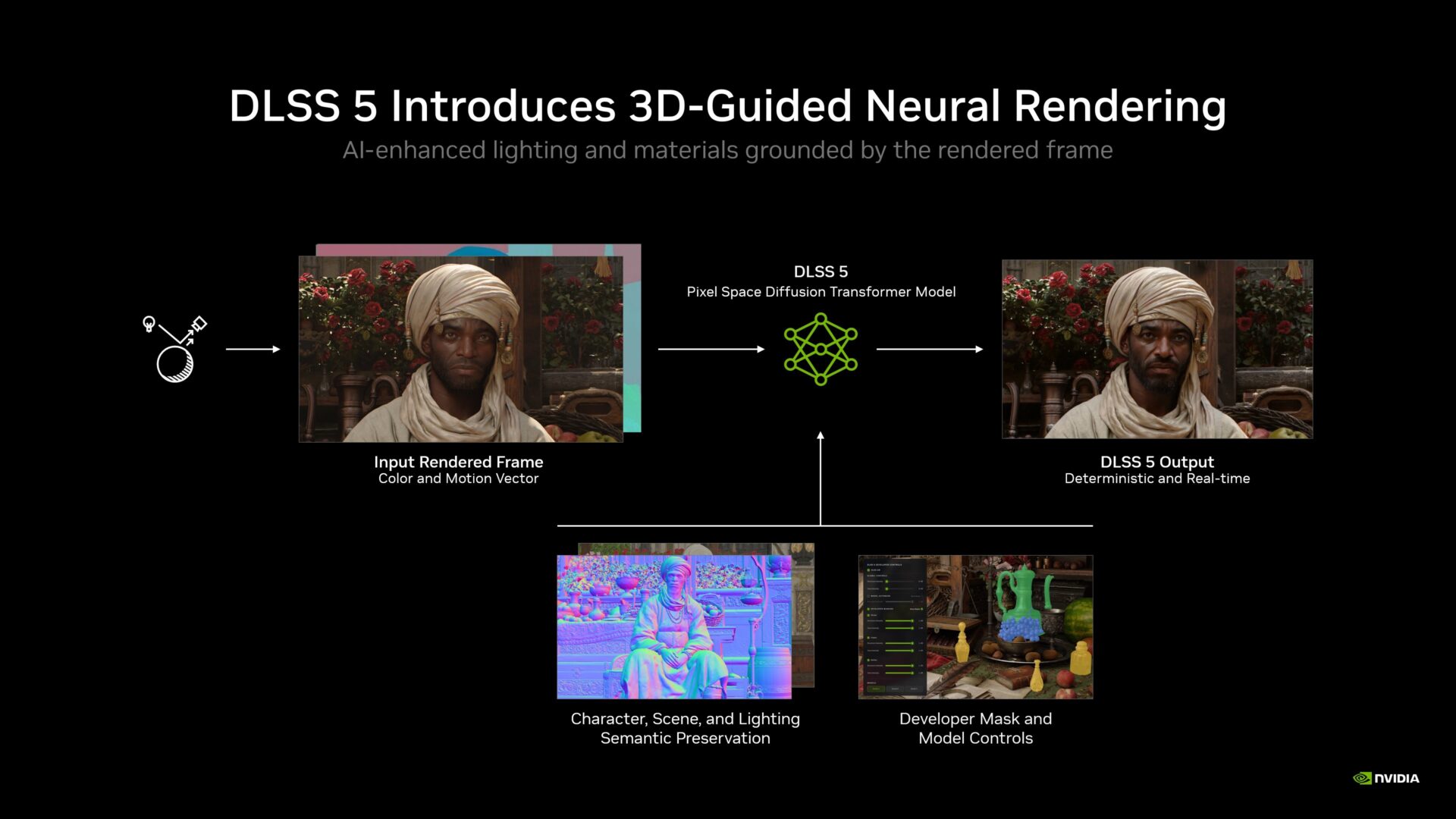
DLSS 5 is designed to enhance scene realism using lighting information and other data already provided by the game. Developers can choose from three models, each offering a slightly different look depending on what they want to achieve. The technology is designed to depict complex lighting and material interactions more realistically, including effects such as subsurface scattering. This is how light passes through and beneath an object’s surface, and accurately reproducing it can be incredibly resource-intensive.
We already have technologies such as ray tracing and Ray Reconstruction, but even with everything they can accomplish, we are still nowhere close to creating a virtual world that behaves exactly like the real one. Even the most powerful GPUs you can put in a PC do not have enough raw performance to reproduce everything accurately while maintaining a playable frame rate. That is where NVIDIA’s DLSS 5 comes in.
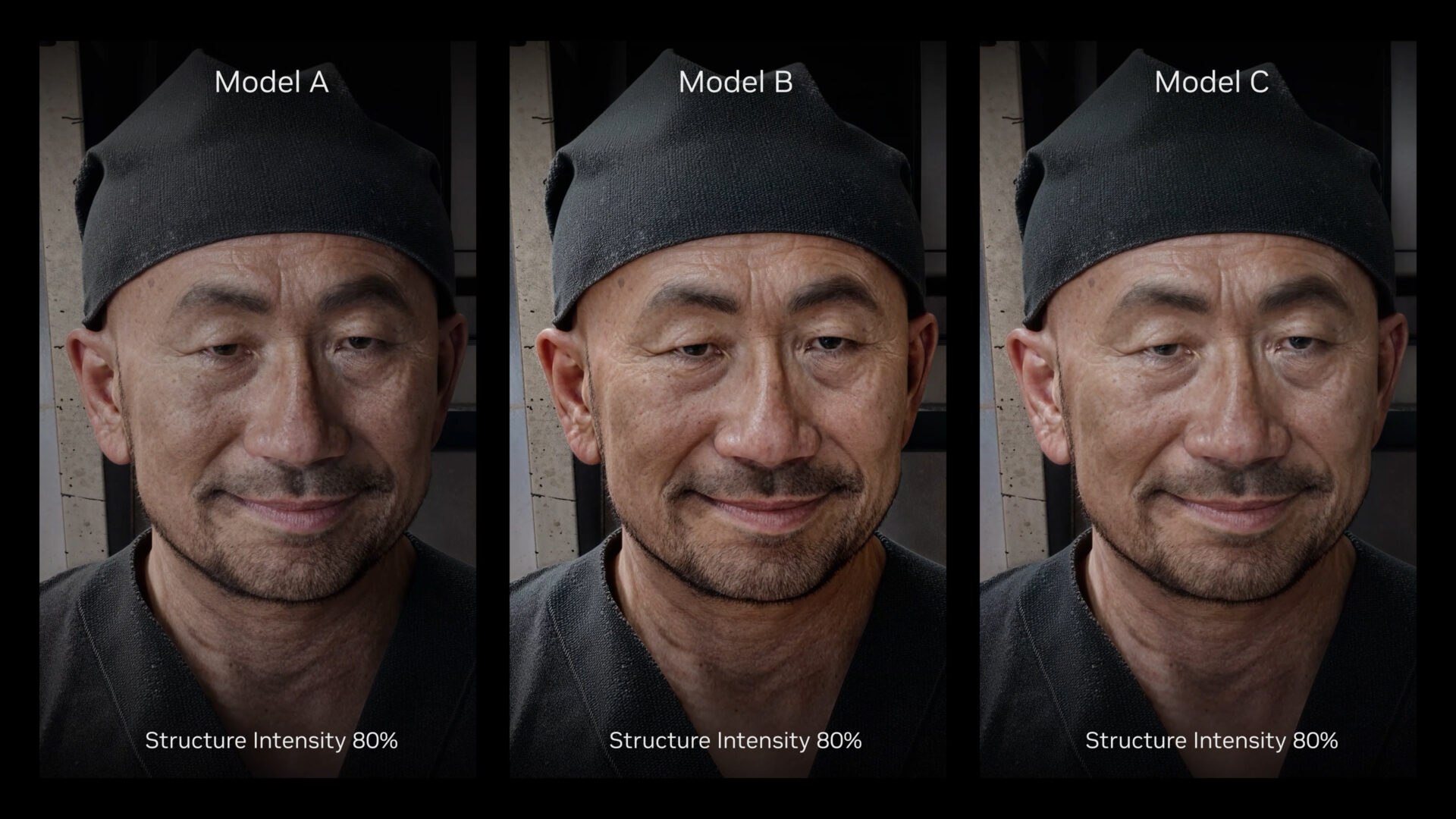
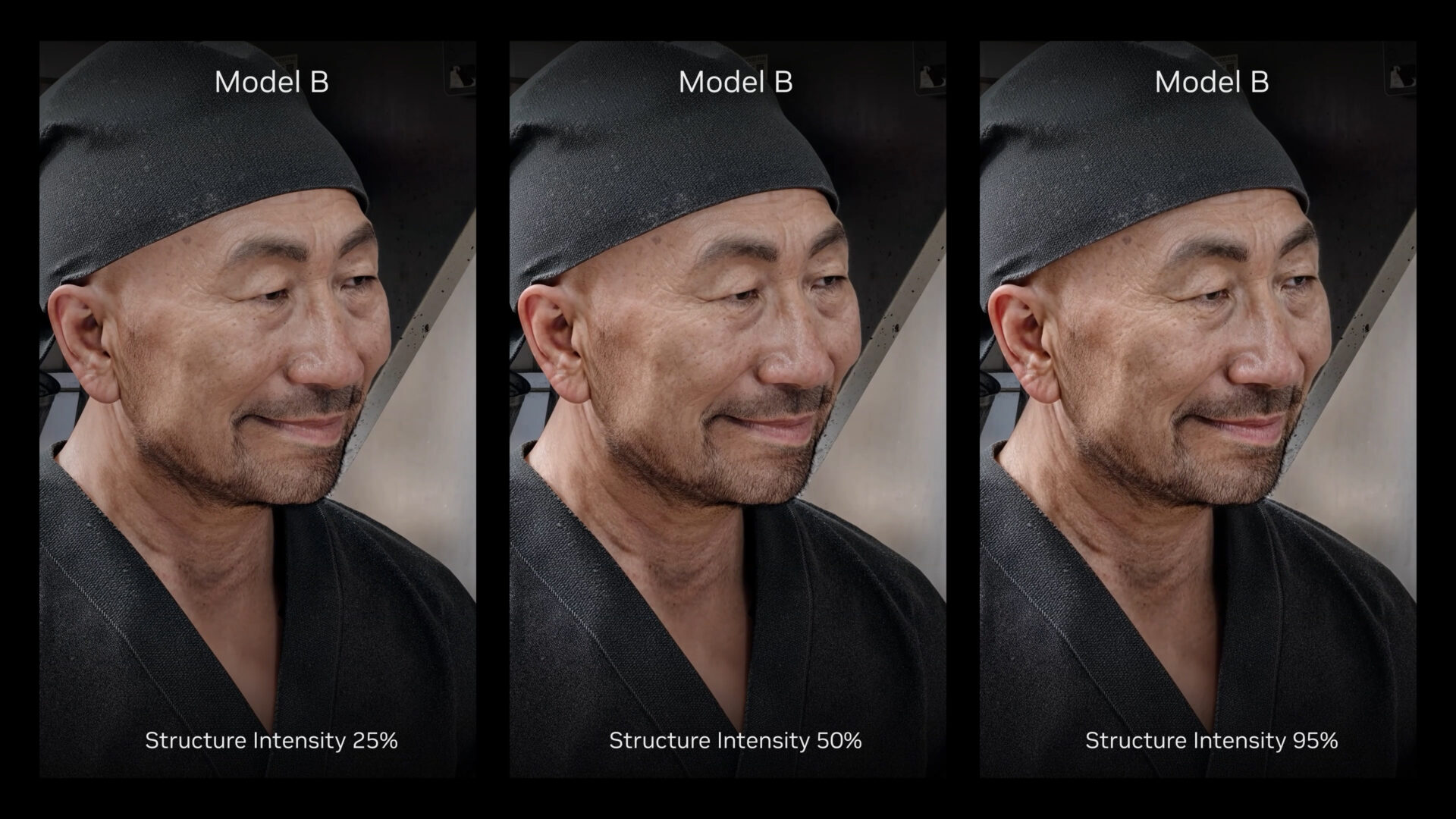
In theory, DLSS 5 works frame by frame and pixel by pixel to determine how light and shadow should interact with and move around objects based on how the developer has built a scene and the data provided by the game. It then generates a frame that accounts for that lighting information, creating an image that more closely resembles how the real world might look. Because reproducing those effects through raw GPU and CPU power would be incredibly demanding, the models approximate the result with only a modest performance hit, rather than bringing the game to a crawl or making the effect impractical altogether.
“In games designed to take advantage of it, the results from NVIDIA’s DLSS 5 can be impressive and visually striking.”
When I say modest, that comes with an important caveat. If you turn on only DLSS 5 without enabling Multi Frame Generation or other DLSS features, the performance hit can be significant. When I asked an NVIDIA representative on site how much frame rates would drop with only DLSS 5 enabled, they said the hit would be around 50% to 60%. That means using the technology on its own could result in noticeably worse performance than playing without it.


That said, NVIDIA claims that enabling DLSS Multi Frame Generation and other DLSS features can help offset that loss and deliver a much more playable experience. I was skeptical at first, but I saw the technology running smoothly across a range of devices, including a laptop. In games designed to take advantage of it, the results from NVIDIA’s DLSS 5 can be impressive and visually striking.
But here is the thing: DLSS 5 is not designed for every game, and judging by some of the horrific results we have seen with anime-inspired and cel-shaded titles, I can see why. DLSS 5 works best when it is given the right data, implemented properly and carefully controlled by developers to fit their artistic vision. Yes, you can force it to run wild, and it can produce some bizarre results.
However, as the NVIDIA representative explained, the technology works best when it is limited to specific parts of the rendering process. With those guardrails in place, it can produce something impressive. Let it run without the right data or direction, however, and the results can quickly fall apart. It was reiterated a few times throughout the presentation that DLSS 5 was made to maintain artistic intent, and not just be a filter on top of something an artist made.
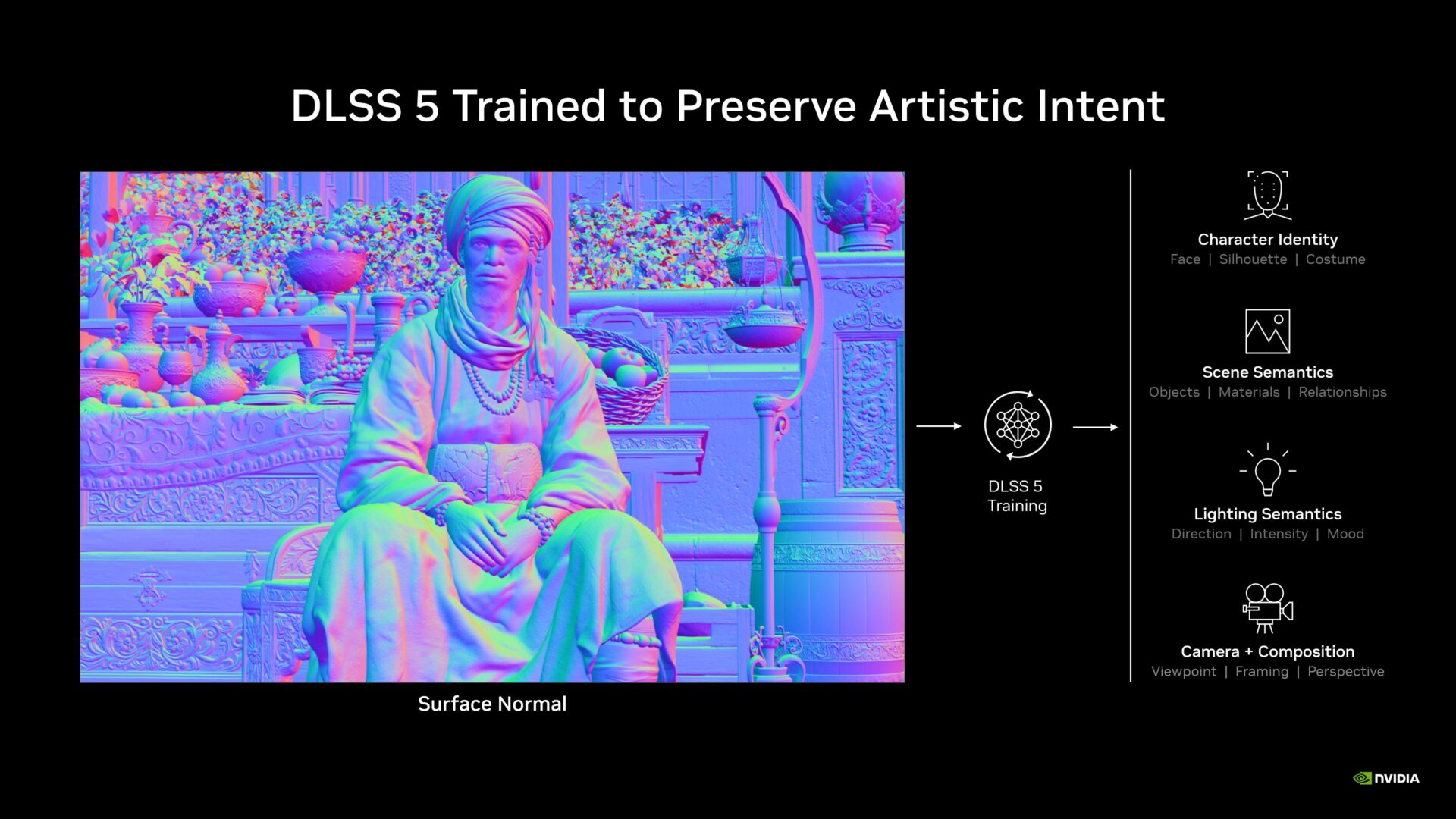
The NVIDIA representatives said plainly that DLSS 5 is designed primarily for realistic-looking games and is not intended to transform anime-inspired or heavily stylized experiences into something realistic. It is meant to help reproduce lighting effects that are difficult or impractical to achieve with today’s hardware, and even then, developers need to implement it carefully. The representatives demonstrated how the technology can be tuned to suit a developer’s needs and artistic direction.
“DLSS 5 works best when it is given the right data, implemented properly and carefully controlled by developers to fit their artistic vision.”
One game could use it only for plants in a scene, while another could apply it to water, the main character or another specific element. Developers can also adjust which model is being used and how strongly the lighting effect is applied. Those settings can even change from scene to scene to better suit the experience. Because DLSS 5 is designed to enhance realism rather than replace a game’s visual identity, it will not suit every title, and that is by design.


I walked in skeptical and unsure of how it would all work, but after seeing how the technology interacts with the game and which aspects of the experience it uses, I am more open to what DLSS 5 is trying to accomplish. But let us be clear: this is not a feature every game needs. In fact, I would argue that only a select number of games will truly benefit from this kind of technology. Games such as Borderlands, Genshin Impact and World of Warcraft, along with thousands of others, simply would not suit what DLSS 5 is trying to do.
However, some genres, including sports and racing games, could use it to create more realistic experiences. If it works alongside the original artistic vision, the results could be visually breathtaking. From everything I saw and heard, however, this is very much not a one-size-fits-all solution. Games that do not need that level of realism may be better served by sticking with a more stylized art direction that already brings their worlds to life.
With a real performance hit and a goal of making games look more realistic, I now have a much clearer understanding of what DLSS 5 is trying to accomplish and how it does it. I can also understand why people are upset by what they have seen from leaked versions online. If developers don’t carefully guide the technology to keep the results true to their artistic vision, DLSS 5 can easily turn something unique into something nightmarish. Seeing it at work in NBA 2K27, I could understand what the technology is capable of when a developer takes the time to implement it properly.


As with any new technology, there is real potential here to create something impressive. Thankfully, if it doesn’t work for a particular game, it sounds like players can disable it with a single setting, so it shouldn’t be too much of a problem if it fails to meet expectations. With NVIDIA’s DLSS 5 arriving this week, we should soon have a better sense of how it performs in the wild. Hopefully, developers will keep the horrors created with leaked implementations in mind when deciding whether and how to use it in upcoming games.