

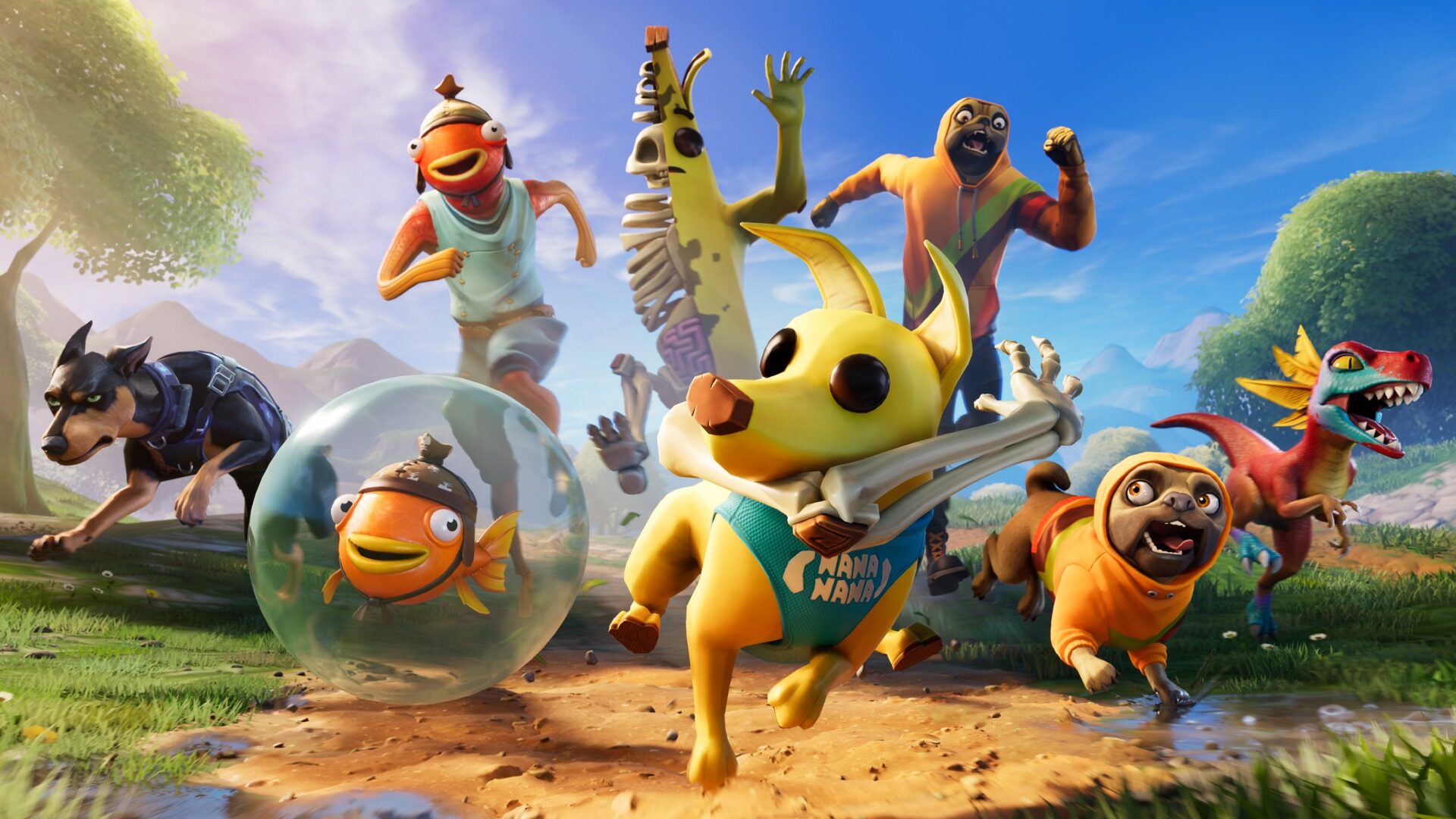
There are few games that have gone through as many changes as Fortnite. From the very start, the developers have treated the game as a live platform rather than a traditional game. In recent years, however, chapter updates have become even more frequent and dramatic.
Recent updates have been especially complex, and one could argue that each new update represents a complete overhaul of the game. In this article, we’ll discuss the updates and how they are affecting the loyal players.
The Chapter System: Fortnite’s Core Innovation Engine

The chapter system is at the core of the Fortnite evolution strategy. Unlike standard updates, chapters serve as hard resets. They provide new maps, new mechanics, and often entirely new gameplay identities. Chapters have also introduced major shifts, such as Zero Build mode and altered game mechanics, from day one. Such a structure allows the game to reinvent itself with every new chapter.
It’s a bold approach that keeps Fortnite from becoming stagnant and, by extension, boring for users. Every time developers wipe the slate clean, they have a chance to find a new audience.
Chapter Updates Are Getting Bigger—and more frequent
The chapter updates are more frequent, but they are also bigger and more complex in scope. They are about more than map changes or weapon balancing. Instead, updates can bring entirely new ecosystems within the game. Players can see rhythm-based experiences through Fortnite Festival, survival mechanics in LEGO Fortnite, and competitive shooter-style modes layered alongside traditional Battle Royale, in the span of two chapters.
Collaborations have also become more intense. Crossovers with major franchises are no longer occasional highlights; instead, they are a constant presence. The game is, therefore, a hub of interconnected mods rather than a single experience.
The Upside: Why Players Keep Coming Back
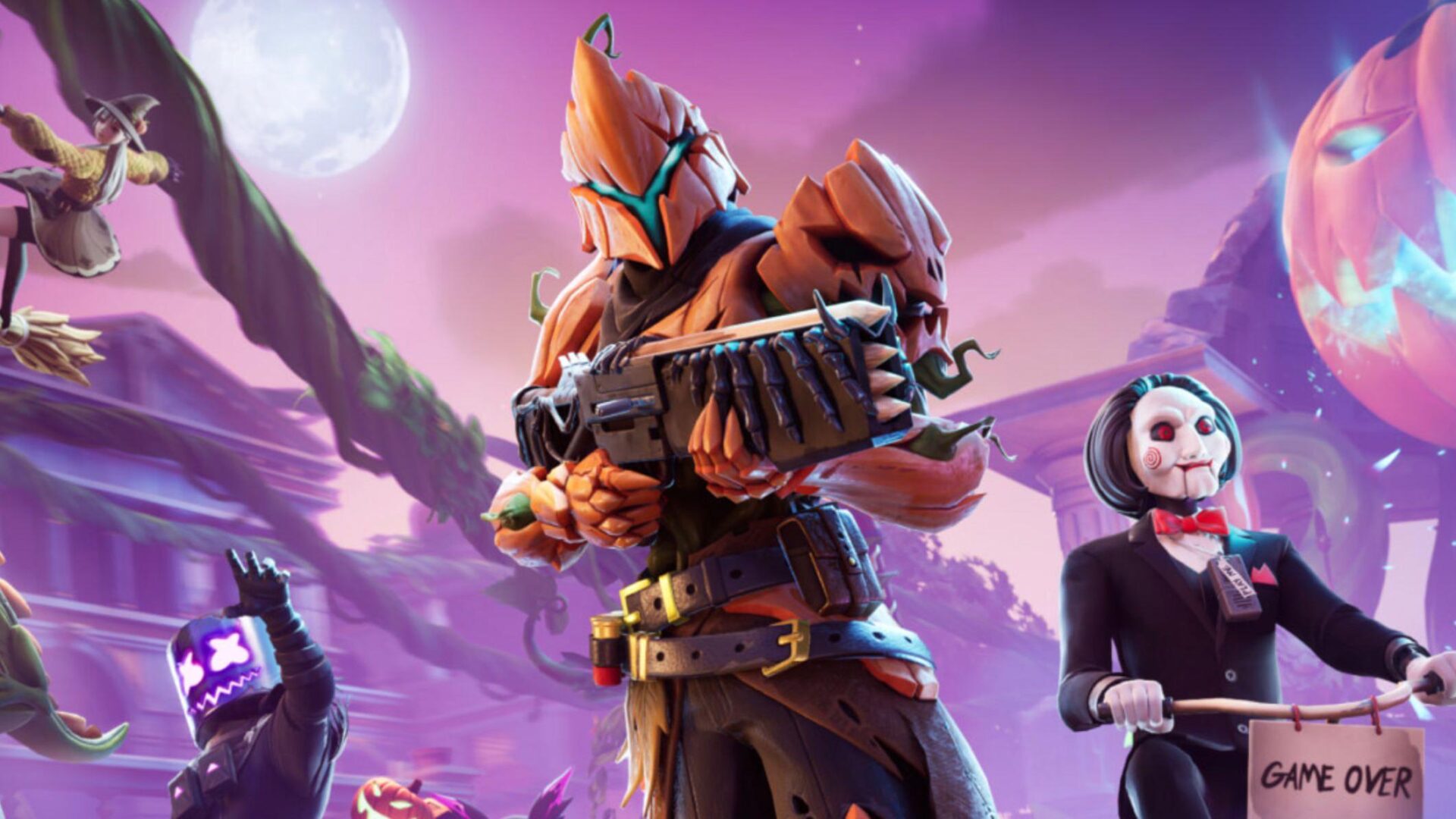
There’s a reason this strategy works. The players keep coming back to Fortnite because it keeps reinventing itself. When the gameplay changes, players have something new to master, which is usually the most important feature for a player.
Live events, concerts, and limited-time experiences turn Fortnite into a shared space rather than just a competitive game. These social events are just as important as gameplay and game mode changes. Without this constant flow of updates, Fortnite wouldn’t be able to stay on top of its genre for so long.
Risk vs. Reward Mechanics and Player Psychology
At the same time, Fortnite has increasingly leaned into high-tension gameplay loops that mirror risk-versus-reward systems seen across modern multiplayer design. This is seen in limited-time events, escalating challenges, and streak-based progression mechanics that encourage players to push further each session, often at the cost of a higher failure risk.
Such a structure taps into the same psychological drivers that make fast-paced, multiplier-style experiences, like those found in the best crash games, so engaging. The appeal for the player is in choosing the right timing and knowing when to step back and when to push further. In Fortnite, the tensions are most noticeable in late-game rotations and the event-based progression.
The Hidden Cost: Content Overload and Cognitive Fatigue
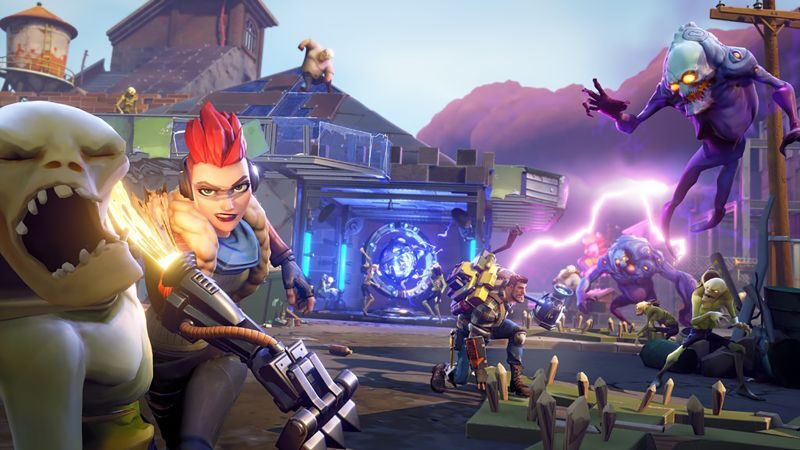
There’s also a downside to this constant change. As the game expands, it becomes harder to navigate. Players now have a growing list of modes, events, and systems, each competing for attention. For some players, this may be overwhelming, especially in an era when nostalgia is such an attractive quality.
Constant changes also mean the players need to keep relearning how to play the game. It becomes a burden for the long-term player who wants to play a familiar game, and what a payoff for the years of practice and effort.
FOMO Mechanics and Engagement Pressure
The system is designed to keep the players engaged. Many players fear missing out on new chapters and modes of play. This is especially true now when changes are no longer cosmetic and when the chapter introduces new features.
Daily challenges, seasonal milestones, and time-limited unlocks turn play into a checklist. Some players want to complete the gaming experience by trying Fortnite across all its chapters and versions. However, it can also lead to burnout with too many different versions to try and explore.
Epic’s Dilemma: Innovation vs Stability
The chapter system has created a dilemma for the Epic Games studio. It now has to balance innovation that keeps the game fresh with the stability needed to keep players loyal and interested. At this point, the studio tries to balance the two without showing a preference for one over the other.
Some feel that Fortnite has become too much of a good thing, and that the features that made it what it is will lead some players to turn away from the game. This is especially a concern in a landscape that’s saturated with new games. If adapting to new chapters becomes too complicated, players will walk away.