

The skin market around Counter-Strike 2 stayed active throughout May 2026, with new designs moving quickly from early curiosity into wider player discussion. Fresh items did more than expand the catalogue, as they also influenced pricing behaviour, loadout choices, and trading patterns across the community. Activity on platforms tracking CS2 skin exchange trends also shows how quickly demand can shift once players begin comparing rarity, finish quality, and long-term appeal.
What made May interesting was not only the arrival of new skins, but the speed at which the market reacted. Earlier releases often needed more time to find a stable price range, while this wave moved through the hype stage much faster. Players seemed more selective, paying closer attention to whether a skin looked good in real matches rather than judging it only by rarity or launch buzz.
What Makes a Skin Feel New in 2026
In 2026, a new skin is not defined only by its release date. The market is already crowded, so players now look for designs that bring a clear identity without feeling forced or overly complicated. May’s stronger entries leaned toward cleaner finishes, sharper colour balance, and patterns that remained readable during gameplay. This matters because a skin can look impressive in a preview window but lose appeal if it feels too busy in actual matches.
The most successful designs usually found a middle ground between style and practicality. Some used bold contrast to stand out, while others relied on smoother gradients or controlled details that worked across different wear levels. This helped them feel modern without moving too far away from the visual language players expect from Counter-Strike 2. In a market where attention fades quickly, that balance became one of the main reasons certain skins performed better than others.
Early Pricing and Market Reaction
May followed the usual launch pattern, but the phases were shorter than before. At first, prices rose because supply was limited and players wanted early access to the newest items. That initial spike did not last long, as more skins entered circulation and traders began testing realistic resale value. Once supply improved, prices corrected quickly and moved toward levels shaped by actual demand rather than first-week excitement.
This faster correction shows how mature the CS2 market has become. Players are less likely to assume that every new item will keep a high value simply because it is fresh. They now compare new releases against older skins, existing favourites, and similar finishes from previous cases. As a result, weak designs lose momentum early, while visually strong skins continue to attract attention after the first wave of hype has passed.
Which Skins Gained the Most Attention
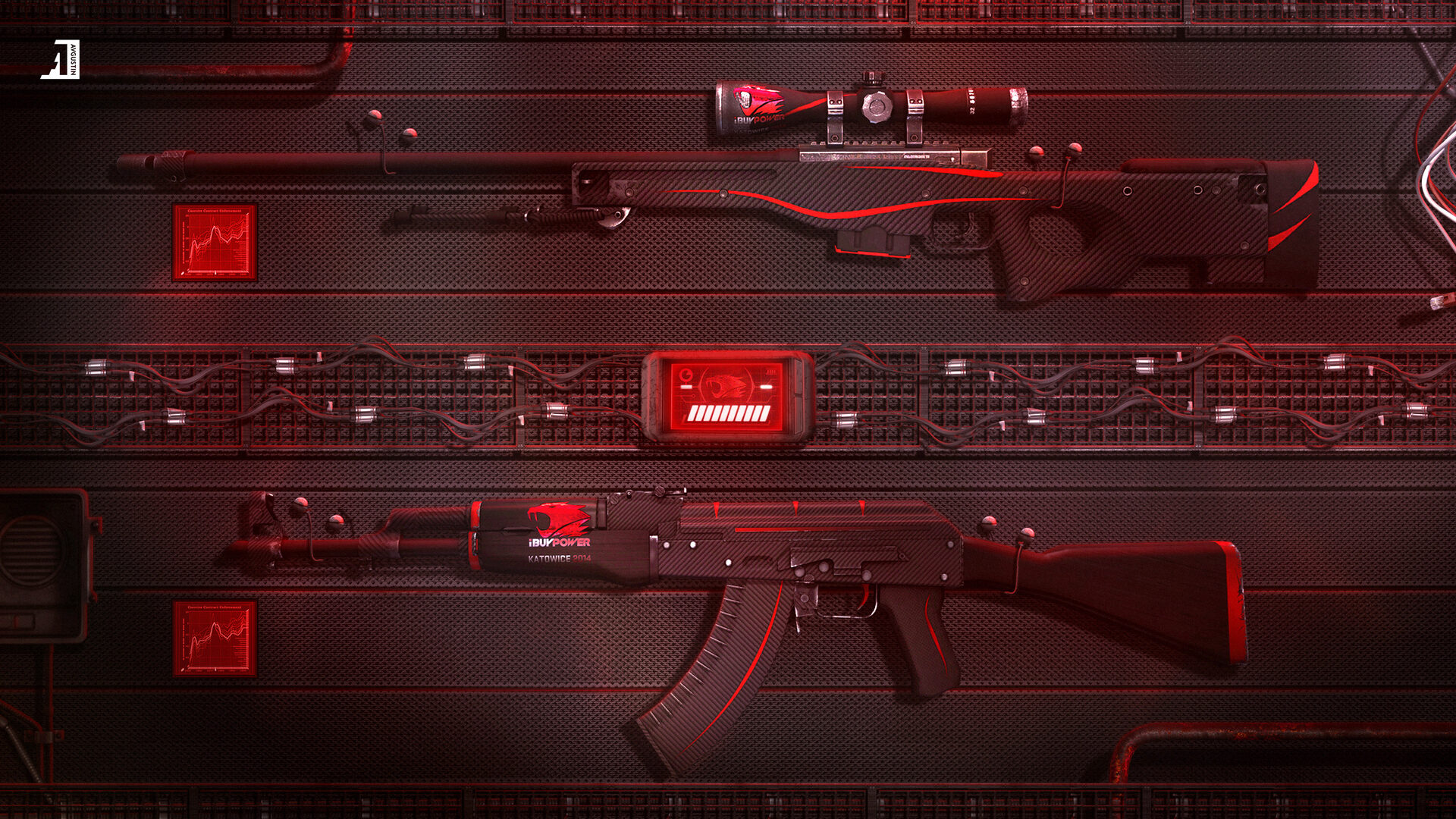
The skins that stood out in May shared several qualities. They were easy to recognize, worked well with common loadouts, and did not depend only on rarity to feel desirable. Clean visual structure was especially important, since many players prefer items that look sharp without distracting from gameplay. Heavy detail can still appeal to collectors, but broader demand often comes from skins that remain clear and stylish in real use.
Wear performance also played a major role. Some skins lose much of their appeal once they move below lower-float conditions, while others keep their identity even with visible wear. Items that stay attractive across several wear levels usually reach a wider group of buyers because they are not limited to expensive versions only. This gave certain May releases a stronger position than skins that looked impressive only in near-perfect condition.
Why Long-Term Value Is Harder to Predict
Short-term popularity can be misleading. A skin may receive attention during launch week and still fail to hold value once supply increases. Long-term strength depends on several connected factors: visual identity, consistent demand, usability in matches, wear stability, and how well the skin fits current player taste. If one of these elements is missing, early interest can fade quickly.
Older skins also remain serious competition. Many established items already have trusted market positions, recognizable designs, and strong community memory. New releases must therefore do more than look fresh. They need to offer a reason for players to replace or expand existing loadouts. May showed this clearly, as some new skins created real discussion, while others blended into the background soon after launch.
A More Careful Way to Read the Market
The best approach to new skin releases is patience. Launch prices often reflect scarcity more than real demand, so judging value too early can lead to poor assumptions. It is more useful to watch how the item behaves after several days, how often it appears in matches, and whether interest continues once the first wave of attention fades.
May 2026 confirmed that the CS2 skin ecosystem is becoming faster, sharper, and more selective. New items can rise quickly, but they also face immediate comparison with established favourites. Skins with strong design, good wear performance, and practical in-game appeal have the best chance of lasting beyond release hype. In this kind of market, understanding behaviour matters more than simply tracking what is new.