
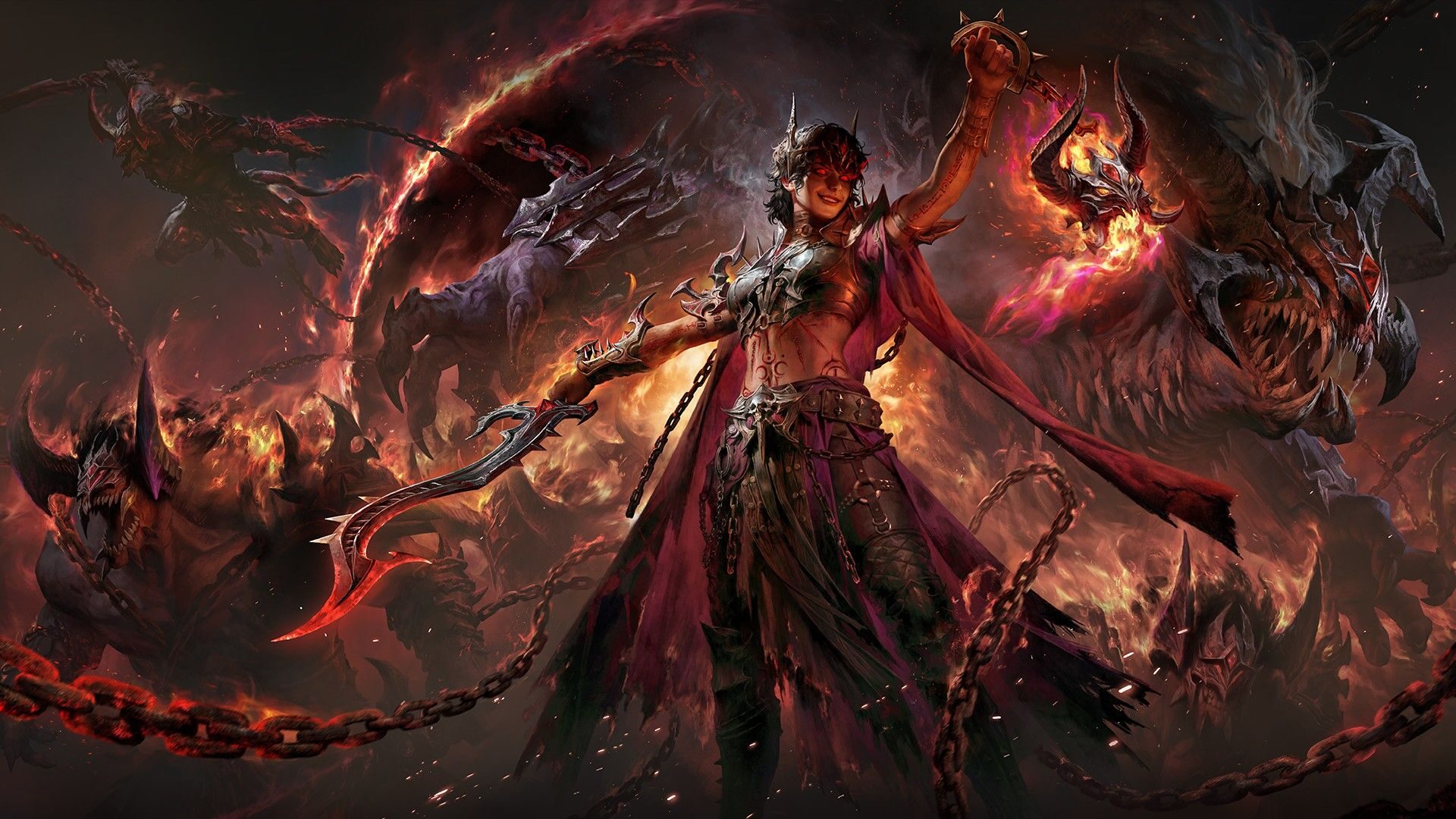
Diablo Immortal shows no signs of slowing down with the reveal of its tenth class, the Warlock. While the Warlock first made its way to the franchise just a few months ago, with our first exposure being to the well-received Diablo II: Resurrected variant in February, and then with our most recent version with the release of Diablo IV: Lord of Hatred, it looks like Blizzard still has one more variant for players to experience. This latest iteration offers a whole new iteration of the class and, believe it or not, still manages to feel fresh.
I recently had a few days to run around the world of Sanctuary once again, summoning the forces of Hell and turning them on their allies, wreaking havoc on the forces of evil. While it was a short time with the class, I was able to play through the Class quest, low-level content and dabble briefly with an end-game Warlock character. In essence, I got to taste a little bit of everything, and now I want more.

The Warlock of Diablo Immortal is, at its core, a summoner/caster hybrid built to command the battlefield with speed and reap a harvest of chaos and devastation to all who are unfortunate enough to be in its path. As a necro main for Diablo II, Diablo Immortal, Diablo III and much of Diablo IV, I’ve had ample experience with summoners in the Diablo franchise, and was, at first, concerned that the Warlock would simply be a more colourful iteration of my favourite class. Thankfully, I could not have been more wrong.
While the Warlock does get a constant companion demon, similar to the Necro and his trusted golem, the former is distinct in design and execution. The Soulgorger is an ever-present threat to enemies and flails around the battlefield, Hulk-smashing its way through everything. Spells, such as Warp Strike, give the Warlock direct control over its targets and actions, but even when left to its own devices, the Soulgorger is a close and present danger to all the Warlock’s enemies.
“In terms of the Warlock of Diablo Immortal, I can say, with confidence, that everything about the design feels and plays great.”
The Warlock distinguishes itself from other Summoners in that it still leans heavily on casting, unlike the Necro, which, if built correctly, really doesn’t need to. The design of the class lends itself to a constant refresh of many, many minions summoned.
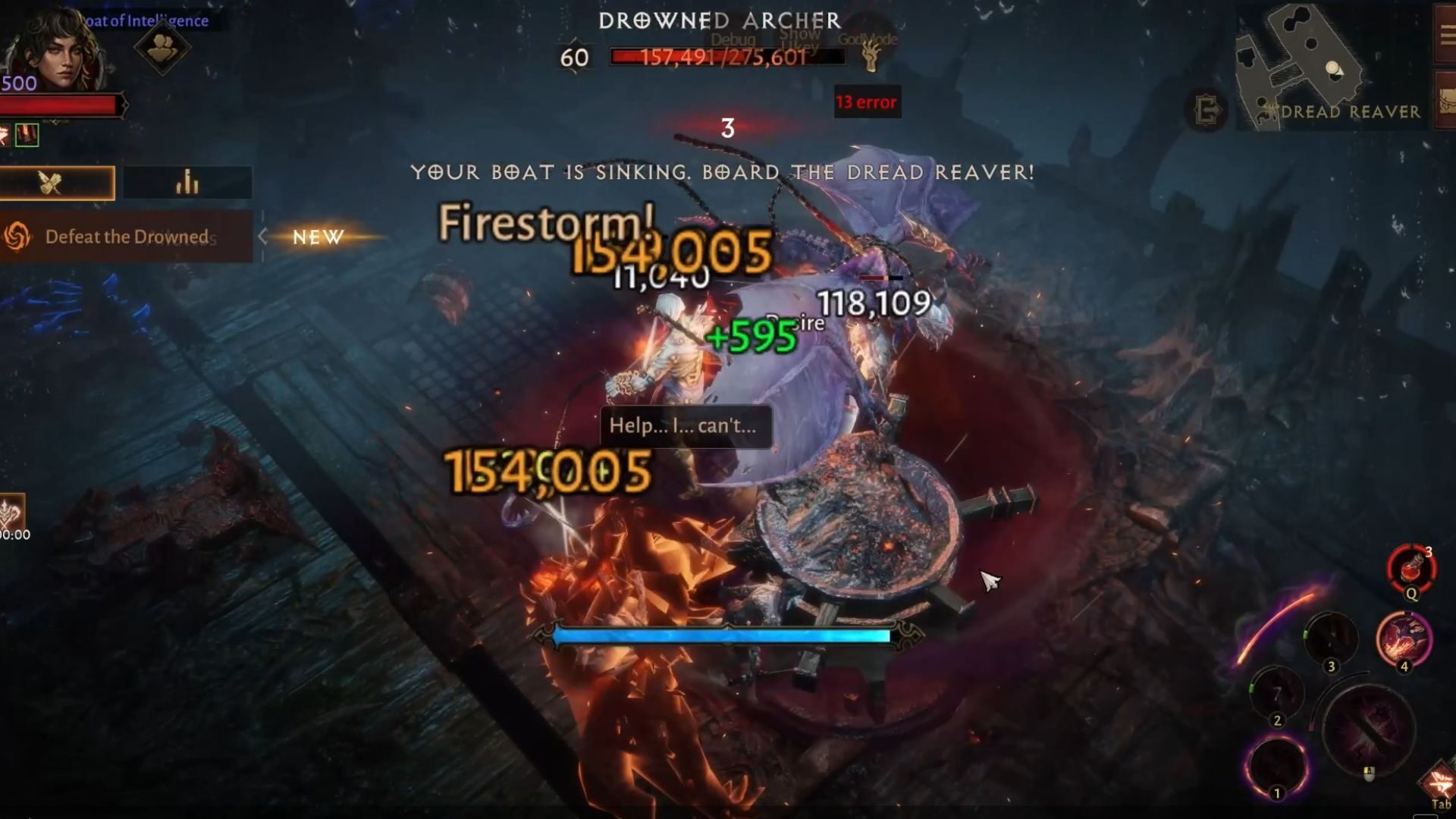
Demonic Portal, for example, is a staple skill given early on in the tutorial. When cast, many of the other skills on your bar transform into potential demons that can be temporarily summoned into the world, creating a rhythm in combat that revolves around the Demonic Portal’s cooldown. After summoning up to two packs of demons, the Warlock can continue to cast other devastating spells, dodging in and out of combat while the spell refreshes. It’s an interesting mix of summoning and spell casting that feels fast and fluid.
In fact, the Warlock is designed with mobility in mind, with spells like Burning Accent—essentially, the Warlock rides a giant bat breathing fire across the map—and Brimstone Gateway, a two-way portal system, allowing you to reposition almost on demand at any point in combat. When combined with Hellfire Bolt (think Firebolt… But hellish, I guess?), which can be cast while moving, you have the perfect recipe for a devastating and mobile casting class.
Combined with a wide range of destructive spells and demon summons, the Warlock feels distinct in Diablo Immortal even from its other variants present in Diablo II and Diablo IV. While the Warlock of Diablo II: Resurrected feels almost rudimentary in its command of demons (more on this in a moment), the Warlock present here feels more at home with summoning and controlling the hordes of Hell. Likewise, with spellcasting, the Immortal variant feels a bit more rudimentary in its command of demonic spells than that of the Warlock of Diablo IV, and it’s excellent.
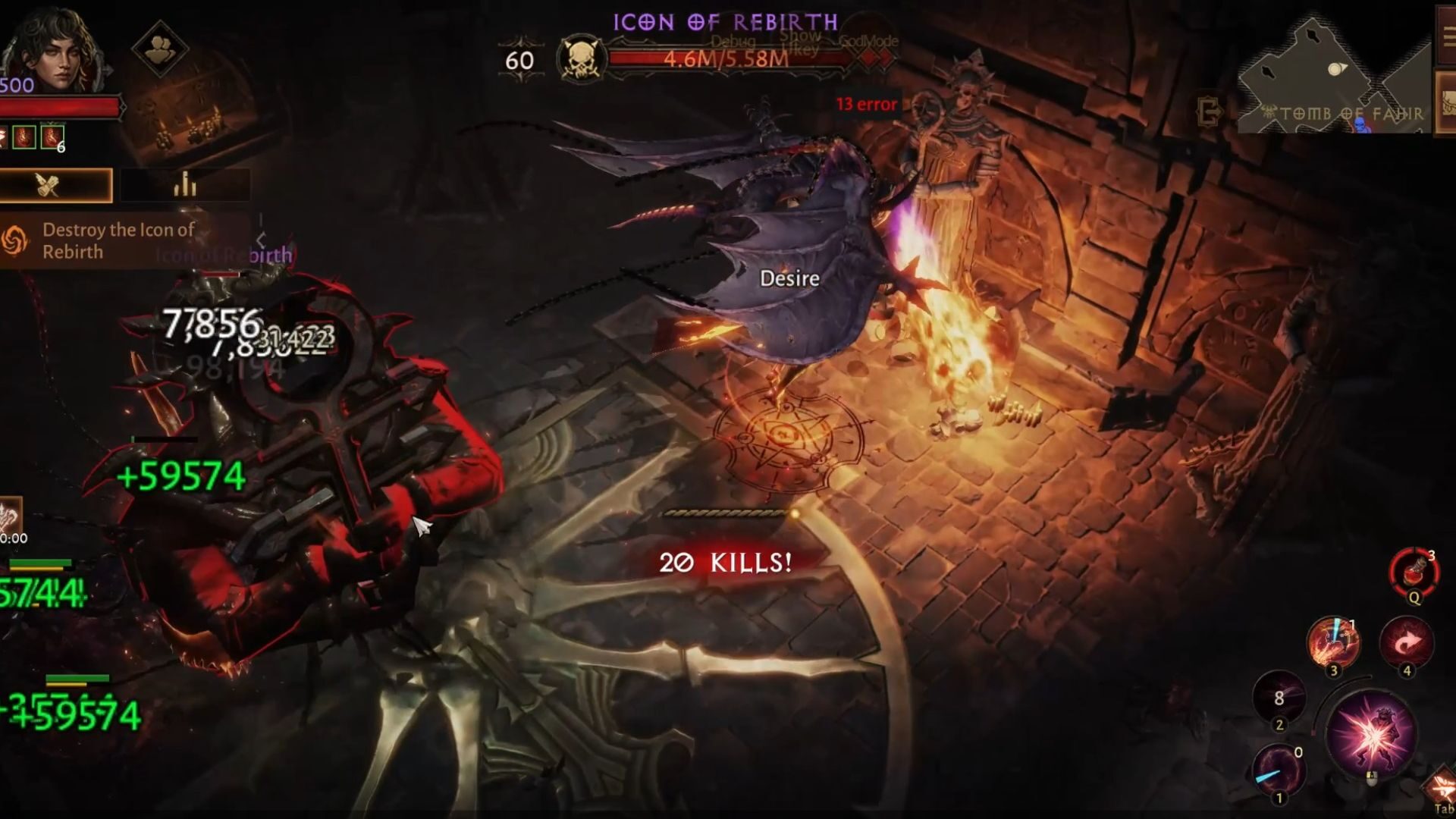
Having essentially retconed the Warlock into the Diablo franchise in February with the release of the class for Diablo II: Resurrected, Blizzard set themselves up with the difficult job of retconning the evolution of the class across three titles that take place at progressively later times in the franchise’s timeline. This could have gone horribly wrong.
Yet, with great care and intentionality, what we have is a class that feels like it has always been a part of the franchise and experienced the same type of evolution of design as iconic classes like the Barbarian. To Blizzard, I tip my hat, as this is no small feat, and to have the Warlock developed it so well across these three titles is an impressive bit of development.
In terms of the Warlock of Diablo Immortal, I can say, with confidence, that everything about the design feels and plays great. The blend of movement, casting and summoning all work in harmony to create a deadly and devastating Warlock class to raise Hell. Look for the Warlock in Diablo Immortal on June 17th.