
Game of Thrones and real-time strategy are one of those things that go together like peanut butter and jelly – you’d think there’d be a dozen RTS games in the series by this point. Massive wars, highly divergent factions, political intrigue; Game of Thrones has absolutely everything that would make the genre flourish. And yet, the series’ forays into video games, almost as a whole, have been entirely squandered.
But the winds of change are upon us, and Game of Thrones: War for Westeros might be on track to give the series its first truly great video game. After going hands-on with the skirmish mode for a good ten hours, War for Westeros has a rock-solid foundation already in place, and a smart focus on quick, snappy matches. And while I love what’s here already, it feels like it needs just one more step, one real killer app, to stick the landing.
To make things entirely clear, War for Westeros is a true real-time strategy game, with all the bells and whistles you might expect with that. Game of Thrones has had strategy games before, but these have largely been weighted down by limited mobile or stamina-based design. But War for Westeros, more than anything, reminds me of a slightly more streamlined version of The Lord of the Rings: Battle for Middle-Earth (a very good thing considering I fully believe that game to be one of the best RTS titles ever made).
In short, War for Westeros is a zone-control RTS, meaning opposing armies vie for control of zones in order to achieve victory. In the demo I played, I only had access to 1-vs-1 skirmishes, but the full game will support up to four different players. I also could only play as two of the game’s four factions, the Starks and the Lannisters. Each player starts in their own zone and has to capture strongholds to claim other zones, which then, in turn, allows you to claim valuable resource spots and construct buildings in that zone.
“Game of Thrones: War for Westeros might be on track to give the series its first truly great video game.”
Resource collection, much like in Battle for Middle-Earth, is handled automatically by buildings you construct: windmills for the Starks and mines for the Lannisters. You still need builders to construct your structures, which largely fall into four categories: resource collection, military, research and defence.
Military units are also divided into four main types: melee infantry, ranged, mounted and siege. In terms of complexity, I would place Game of Thrones: War for Westeros somewhere between Halo Wars and Battle for Middle-Earth. There is not a huge amount of complexity at the macro level. You generally do not need to think too much about building placement beyond making sure your military production is close to the front lines. Resource management and the army cap are also fairly streamlined. The focus is instead placed on the micro level, with second-to-second army management and the need to handle multiple fronts of combat at once.
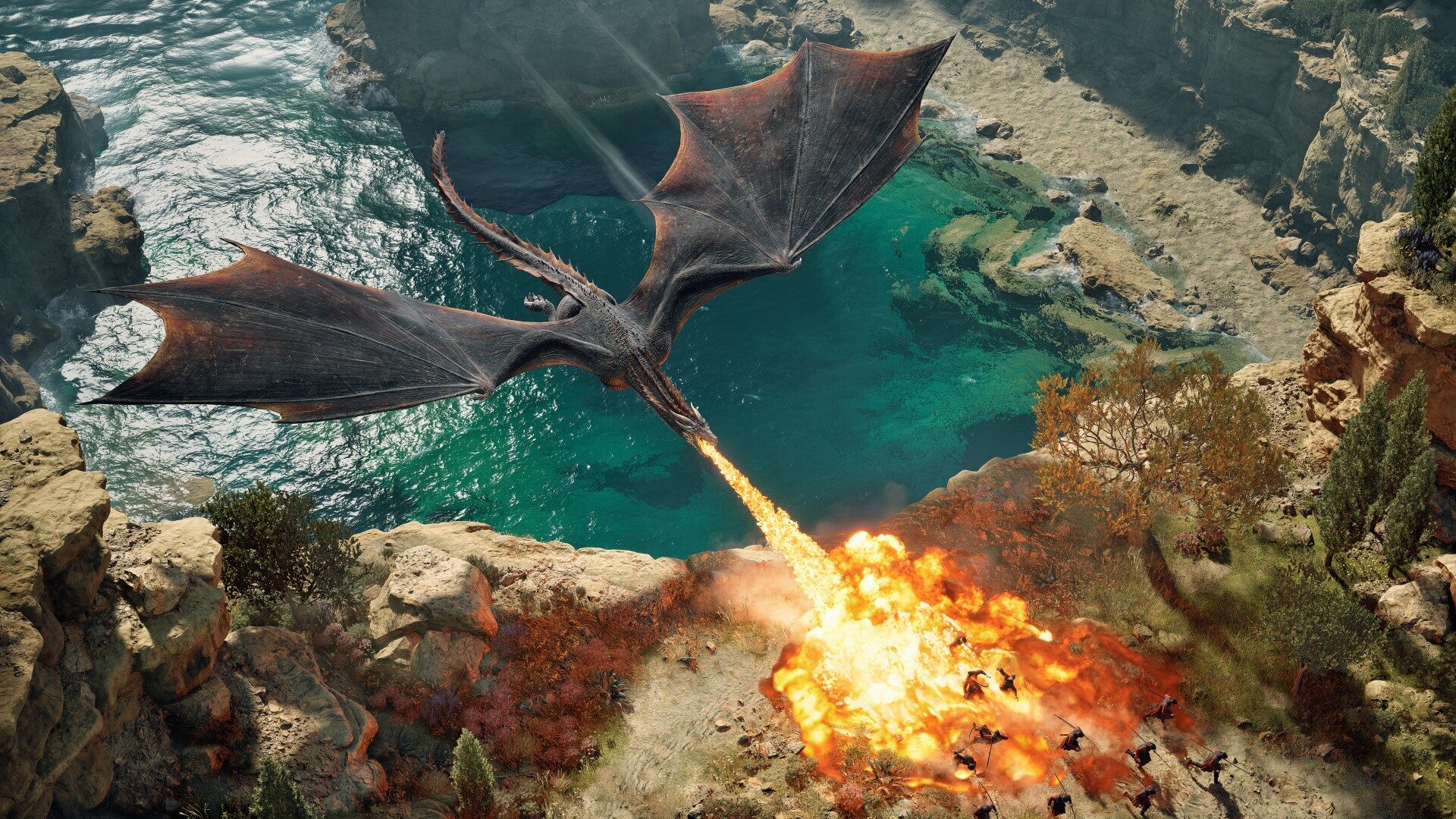
Game of Thrones: War for Westeros is a very fast RTS; you need to claim zones as quickly as possible, get your economy humming, and orchestrate your army as quickly as possible. But that speed is something I really enjoyed about the game. For skirmish modes, I love something fast-paced and demanding, likely born from the years I spent playing StarCraft multiplayer in my formative years. And largely, I think the lack of economic and macro complexity isn’t an issue, as it fits the vibe of Game of Thrones’ battles well.
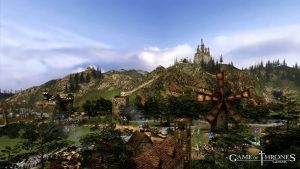
But by far my favourite part of War for Westeros, and something I wish the game would lean even harder into, is asymmetric design. From an overhead point of view, I think the biggest problem facing this game is going to be: what distinguishes it from every other RTS besides the Game of Thrones coat of paint? To be clear, it’s a pretty good coat of paint that feels fittingly Game of Thrones-y, and I especially like the music that uses different renditions of themes from across the TV series. And while I don’t think this demo directly answers that question yet, the varying faction designs are a good indication.
While the point of matches is the same as the Starks and Lannisters, and you’re largely doing the same thing- earning money and buying military- there are some really nice, subtle differences between factions. For example, the Lannisters’ mines expire at a certain point and stop being as useful, while the Starks’ windmills never do. But the Lannisters can also overspend and go into debt for an extra fee.
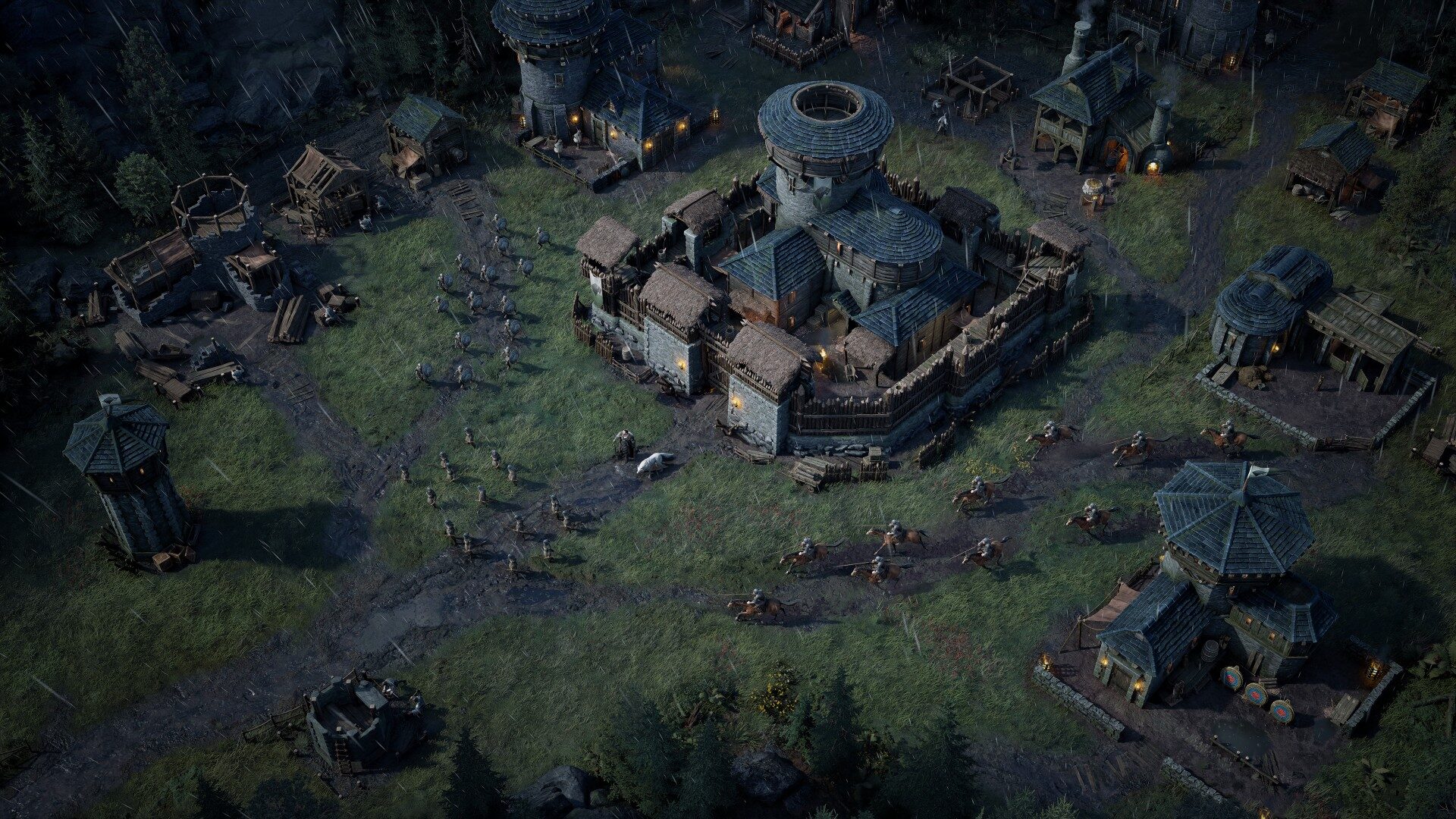
The Lannisters get two heroes, Jamie and Tywin, while the Starks get four, Jon, Robb, Ghost, and Grey Wind. More interestingly, however, the Direwolves are more powerful when paired with their respective owners, and even have special team-up abilities. Largely, the Lannisters can fuel their economy while the Starks get special bonuses for their units.
But the asymmetric design also applies to the actual military units. Each faction has its basic spearmen, archers, and soldiers, but then gets drastically more complex from there. The Starks can recruit extra fast Direwolves for cavalry, which then get further bonuses when fighting near the Ghost of Grey Wind.
The Lannisters can construct an alchemist’s guild for extra research, and then make wildfire-throwing Alchemists that burn enemies and allies alike, incredibly destructive when used right. They also get access to the ultra-powerful Kingsguard, which can only have one squad built at a time but essentially functions like another hero. Meanwhile, the Starks can construct buildings to recruit Wildlings, with specialized archers and melee units, as well as terrifying Giants and Mammoth riders. There are at least a dozen more distinctions between the factions in terms of units, research, and more.
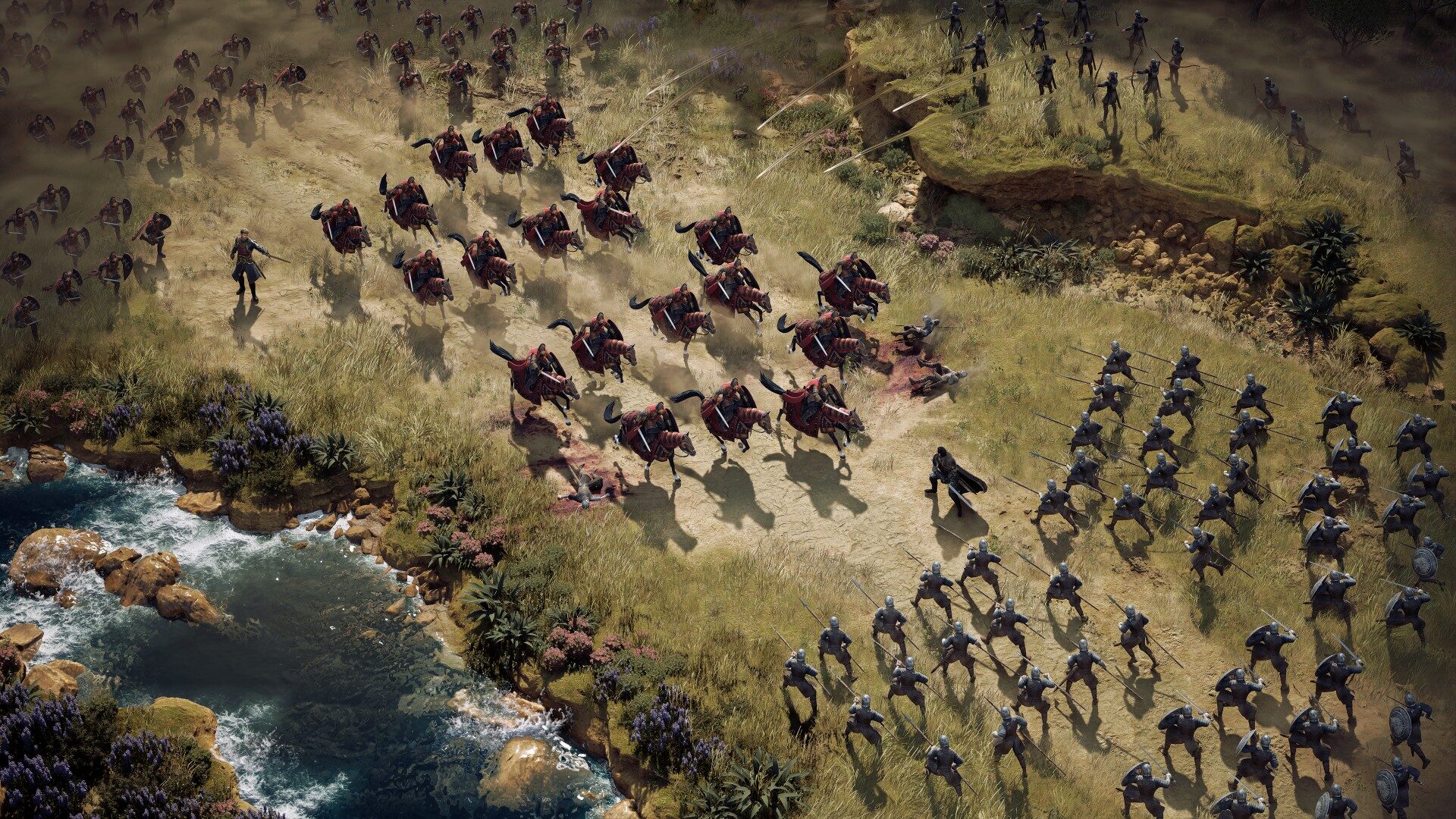
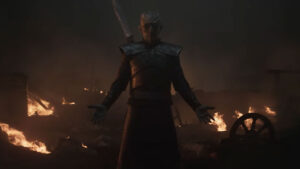
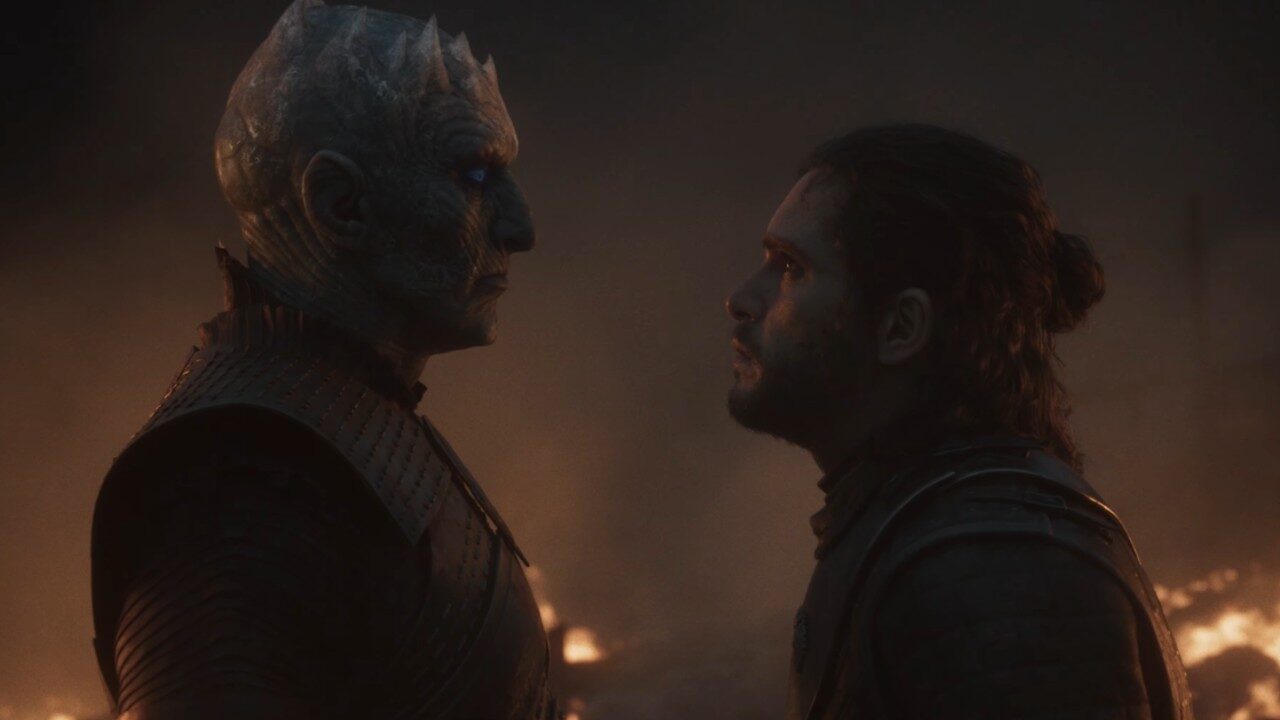
But, as I said earlier, I genuinely think Game of Thrones: War for Westeros could benefit from leaning into this asymmetric design even more. I’d love to see wildly different factions that function entirely differently, even in how they collect resources and build armies. And I think it’s entirely possible that’s the plan moving forward, considering the White Walkers will be a faction.
“War for Westeros is a very fast RTS; you need to claim zones as quickly as possible, get your economy humming, and orchestrate your army as quickly as possible.”
While I loved what I played, the simplicity of these skirmish matches became noticeable after a few hours. And while this is, of course, still a very early demo, I do have some concerns that the game may not have enough to truly stand out. It needs one defining idea that other RTS titles do not already offer. That could come from meaningful differences between factions, an especially strong single-player campaign or something else entirely.
There are also clearly some bugs and rough edges that still need to be worked out. Unit AI has issues in its current state, and I consistently had squads sit idle without attacking nearby enemies until I gave them an order. Wall building is especially frustrating right now, often making it difficult to create barriers without gaps or holes. It reached the point where I stopped building walls altogether and relied only on defensive towers. I also encountered a few instances where units would die but, instead of leaving behind a corpse, simply remain standing for the rest of the match. These are all bugs and issues that can likely be addressed before release.
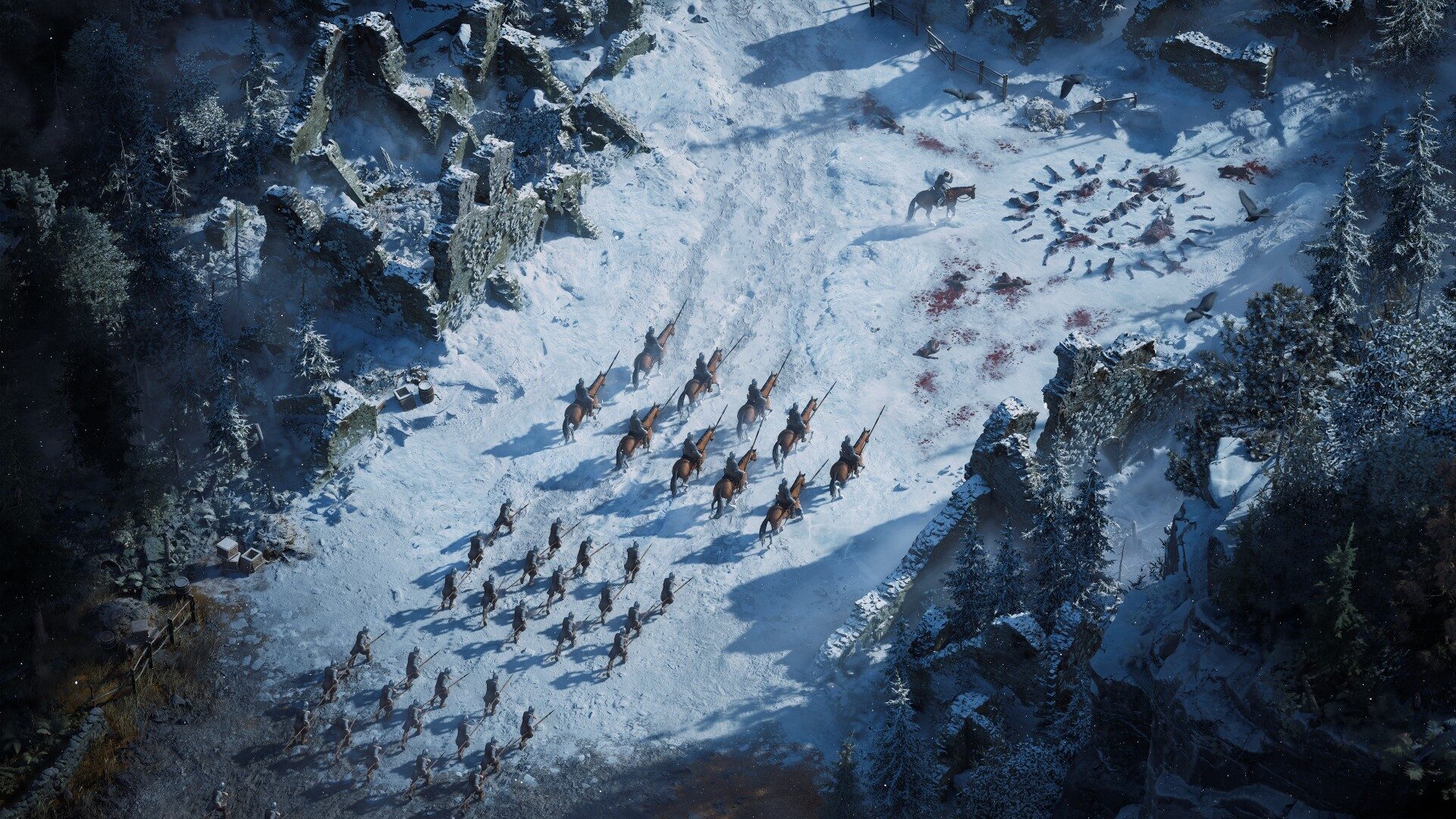
But what’s important is that Game of Thrones: War for Westeros made a damn good first impression, and absolutely left me hungry for more. I absolutely cannot wait to see how the two additional factions play, and if that single-player campaign can really deliver something that matches the scale of Game of Thrones, it could be an all-timer of the genre. It’s too early to make a definitive judgment call, but War for Westeros clearly has the foundations of something that could be great. Even just the basic similarities to Battle for Middle-Earth are enough to get me excited.