The 7th Guest Returns: Vertigo Games Reimagines a ’90s Classic for 2026
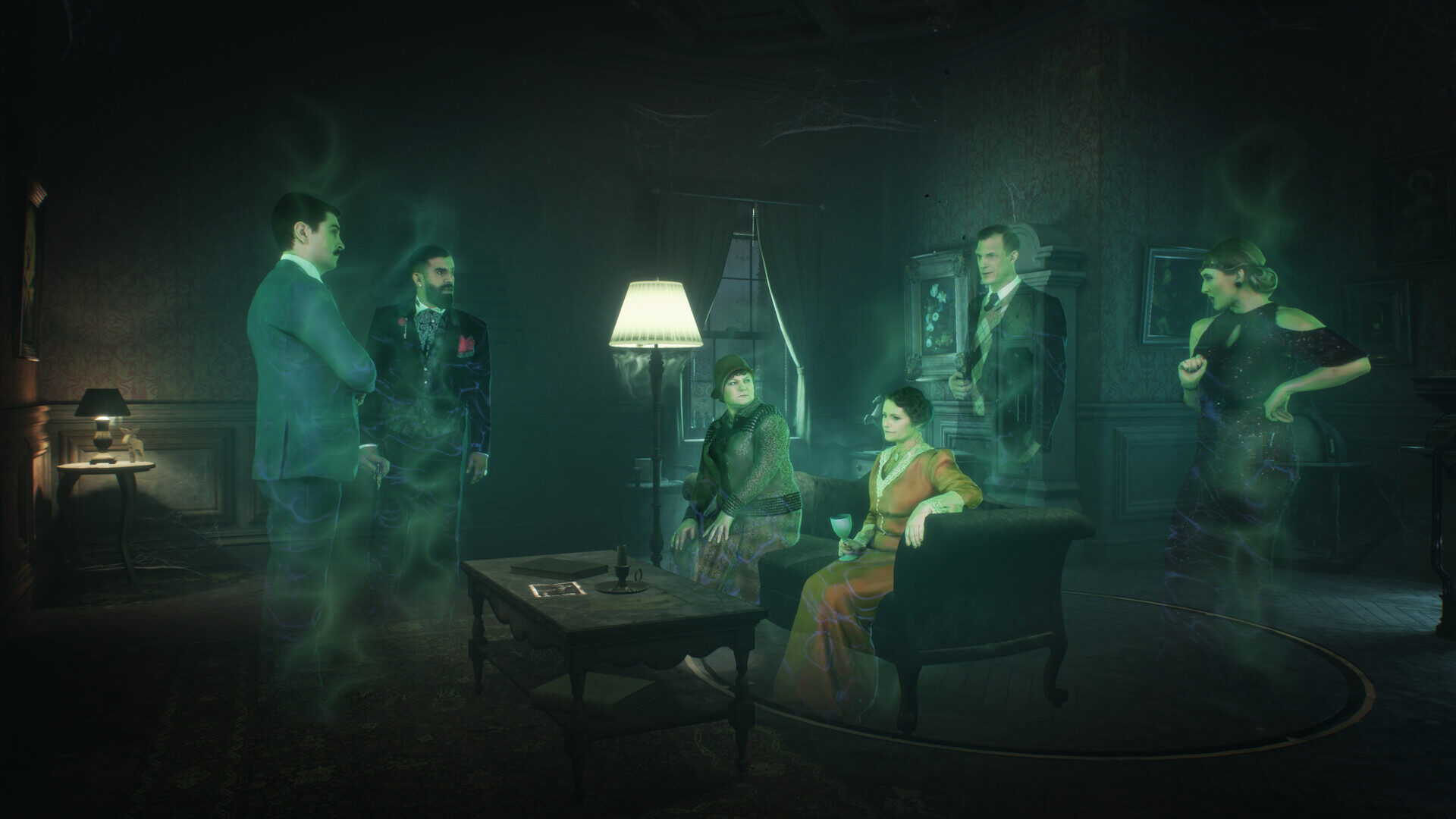
The 7th Guest Remake officially launches today, bringing one of the ’90s most iconic FMV (full-motion video) horror games back to life for modern audiences. Vertigo Games has rebuilt the haunted mansion from the ground up — new puzzles, new performances, and a fully reimagined presentation — while preserving the eerie charm that made the original a cult classic.
Ahead of release, CGM spoke with Game Director Paul van der Meer about the challenges of updating the original 7th Guest—a 30‑year‑old game—plus the team’s collaboration with original creators, and how they’ve shaped the remake into something that resonates with both longtime fans and players discovering Stauf’s mansion for the first time.
First things first, I know the game was brought to VR in recent years, but why was The 7th Guest the right game to remake overall?
Paul van der Meer: The central premise is timeless: solve puzzles as you go through a haunted mansion and uncover this creepy ghost story. But what makes for an interesting puzzle game has changed over the years. And here’s where we felt we could breathe new life into the game. The game now feels closer to what a modern escape room is, with interconnected puzzles.
Why the interest in bringing The 7th Guest to VR first, followed by the remake to PC and consoles?
Paul van der Meer: This was more a matter of the right circumstances than anything else. When I started working at Vertigo Games, we had just released Arizona Sunshine, the acclaimed VR zombie shooter. And as a big fan of the original The 7th Guest game, my first thought was, “How cool would it be to experience the mansion of The 7th Guest in VR,” and the ball started rolling from there.
Is there any sort of guidance when remaking a game from 30 years ago? For instance, did you work with anyone involved in the original, or were members of the team major fans, etc., while making The 7th Guest Remake?
Paul van der Meer: We were in close contact with Rob Landeros, the original designer of the game, who gave us his blessing. And our composer Jonathan van den Wijngaarden got to work with George “The Fat Man” Sanger (the original composer) on one of the tracks for the game. So, we were honoured that we could work with some of the people who created the original. They are also really nice guys, so that helped a lot as well.
I was going through the YouTube comments, seeing things like “There was a time this was the scariest game out there.” Has Vertigo Games tried to up the ante with The 7th Guest Remake in terms of how scary it will be?
Paul van der Meer: We’ve been hearing these great anecdotes from players who first encountered this game as a kid when they were playing the game with their parents back in the ‘90s. And I remember being terrified as a kid as well. Let’s conveniently ignore the fact here that we were way too young to be playing something like this.
But we always liked the mix of creepy, ominous and even goofy elements that the original had. So, we wanted to preserve that. This game doesn’t try to be the scariest game out there; there’s little to no gore, for instance and few jump scares, but we tried to keep things ‘spooky’ and add some humour as well. It’s like Halloween; it’s scary, but hopefully you’ll be laughing occasionally as well.
What kind of challenges did Vertigo Games face bringing The 7th Guest into 2026?
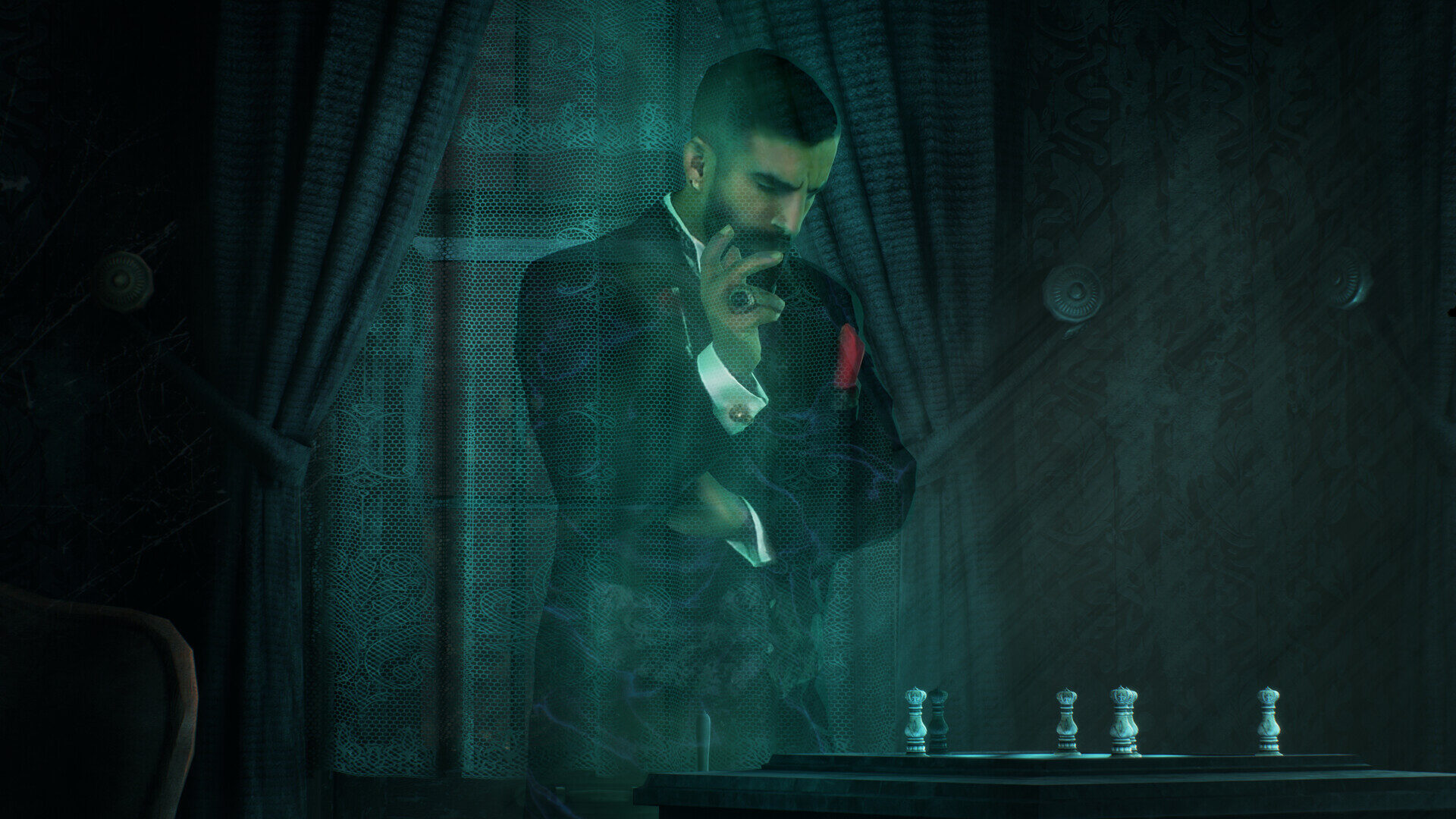
Paul van der Meer: From a technical perspective, it was a tough challenge to bring the volumetric (fully 3D) video footage to all the platforms. Just like it was hard for the VR version. And we had to rethink the controls for each puzzle. But ultimately, we found something that worked really well for both controller and keyboard and mouse.
How much has changed from the original title to The 7th Guest Remake, and what has changed from the VR experience?
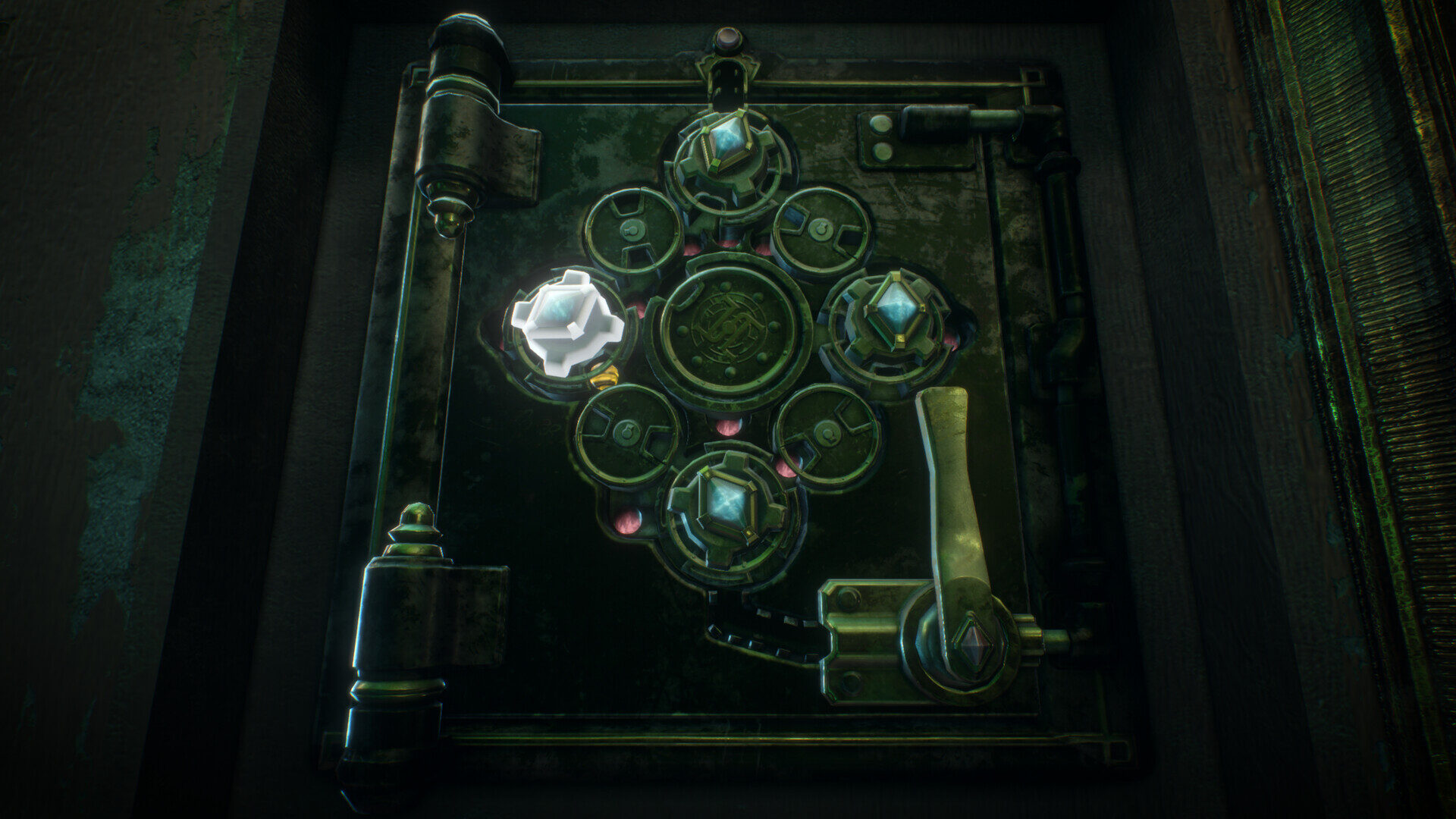
Paul van der Meer: The core is the same, but all the details are different. We’re telling mostly the same story with the same characters, and you’re in a familiar mansion. But we had to rebuild everything from the ground up and film everything again. This time in full 3D. So, we went over every bit of the original game to see if we could keep it or if it needed to be adjusted or even fully reworked into something else. And that includes all the puzzles.
We hope that long-time fans will get a game that feels familiar but will surprise them as well. I read a comment from a fan appreciating the fact that the puzzles were all new, as he knew how to solve the original ones anyway. That’s exactly what we were going for.
With the original The 7th Guest being from the 90s, what is Vertigo Games doing to ensure that the game will not only resonate with its original audience but also bring in a new audience in 2026?
Paul van der Meer: Of course, we add all the features you would expect from a modern game. From controller input, achievements, multi-language support and plenty of settings. But when we tested the game with our testers, several had not heard of the game before. And they pretty much all had the same reaction: “Oh, it’s like an escape room!” Until then, this didn’t really occur to us. But it made total sense. So people who enjoy escape rooms should find a lot to enjoy here as well.
And regarding the fans, I’m hoping they find plenty of new things to play around with and at the same time appreciate the callbacks to the original. An old phrase, the stairs in the foyer, and a familiar melody here and there. All packaged in an exciting new presentation.
How did your team find the balance between those things, and did you run into any specific issues or have to pivot during the development of The 7th Guest Remake?
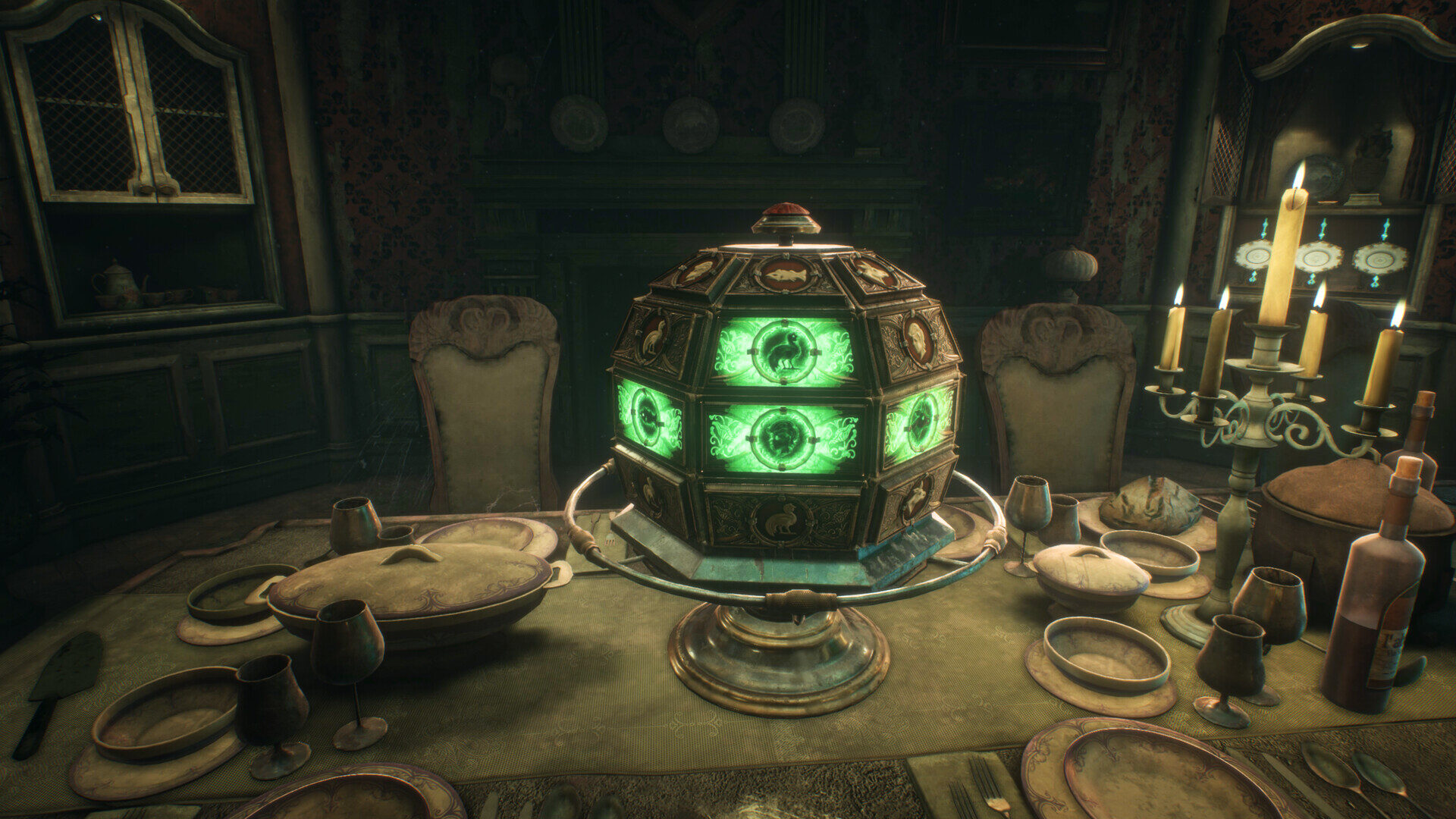
Paul van der Meer: We never had to pivot, but of course there are adjustments along the way. The first ideas were pretty out there, and in the end, we stayed closer to the original game. But we always approached it as a modern game and not a 1:1 remaster of the original. Decisions in the ‘90s were made based on the technology at hand. It would be a waste not to use current technology for this version. These can be ‘little’ things, such as not fading to black when you go into a room. But also, creating a slightly different layout of the mansion with bigger open spaces and interesting shapes.
Was there ever a specific focus on what the team could do differently, or was the goal to keep things as close to the original The 7th Guest as possible?
Paul van der Meer: Simply because we were in real-time 3D, we already had to approach things differently, even more so with being in VR. But there were a couple of things we wanted to change anyway. We wanted a more organic way of learning about Stauf’s backstory, and not with a lengthy opening cutscene without interaction, and we wanted a battle against Stauf through gameplay.
Rob from Trilobyte was gracious and let us forge ahead. He agreed that the new version should not be frozen in time, but an update to the original, not a replacement.
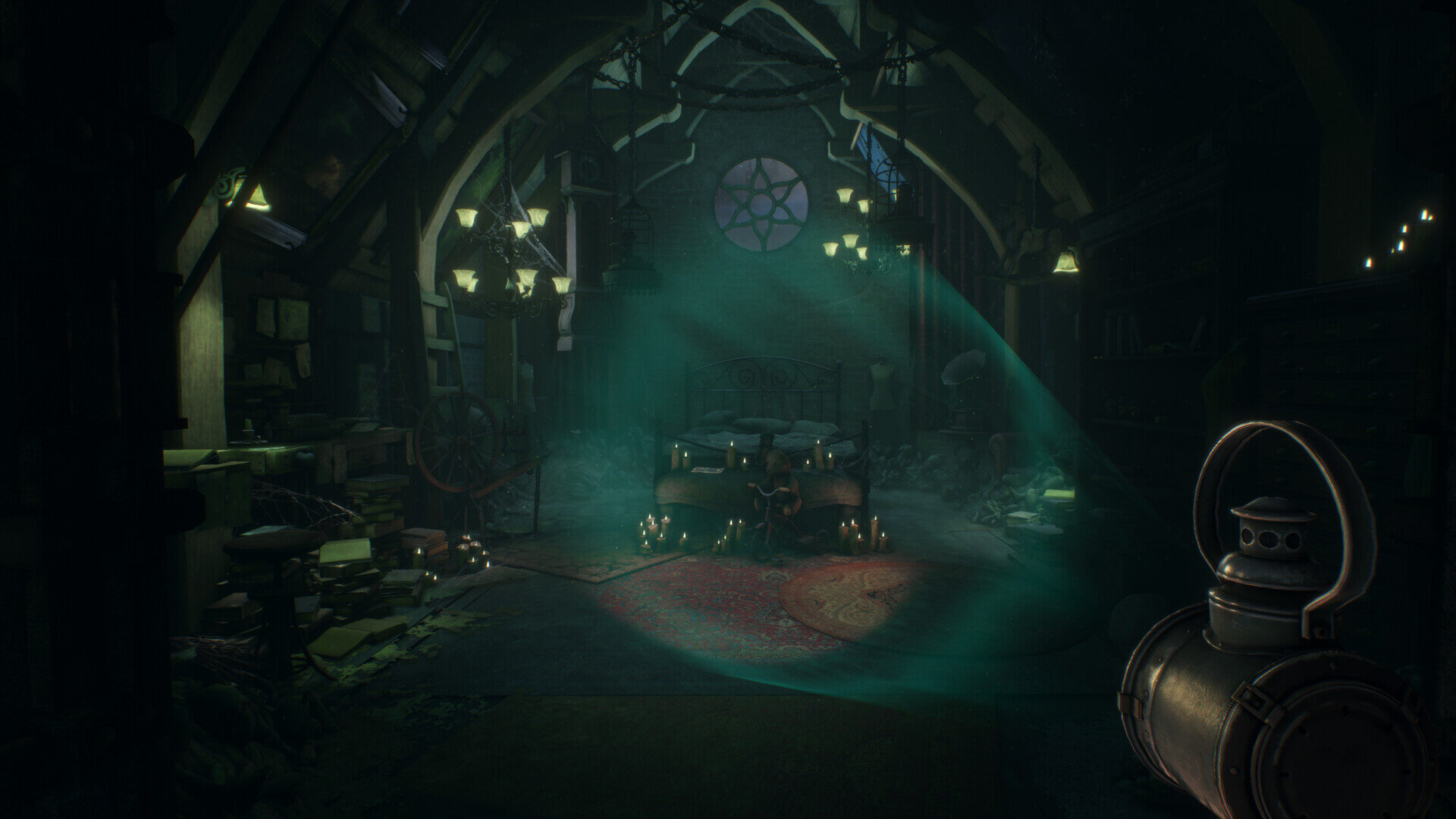
Is there anything else you think players should know ahead of The 7th Guest Remake’s June release?
Paul van der Meer: We hope players familiar and new to The 7th Guest will find much to enjoy and discover. We had a lot of fun working on the game, and with a bit of luck we managed to balance that strange but fun blend of the macabre and dark humour. Old man Stauf is waiting for you, and he has all-new puzzles.
The 7th Guest Remake is available today on Steam.