
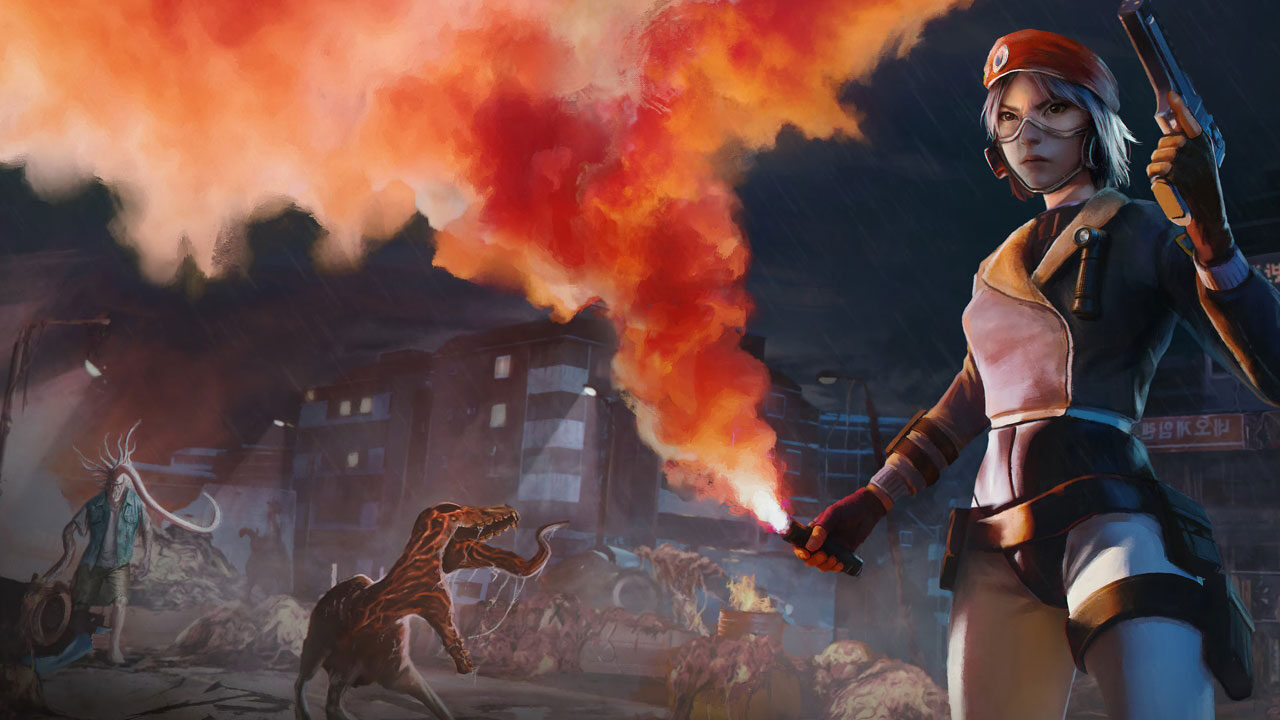
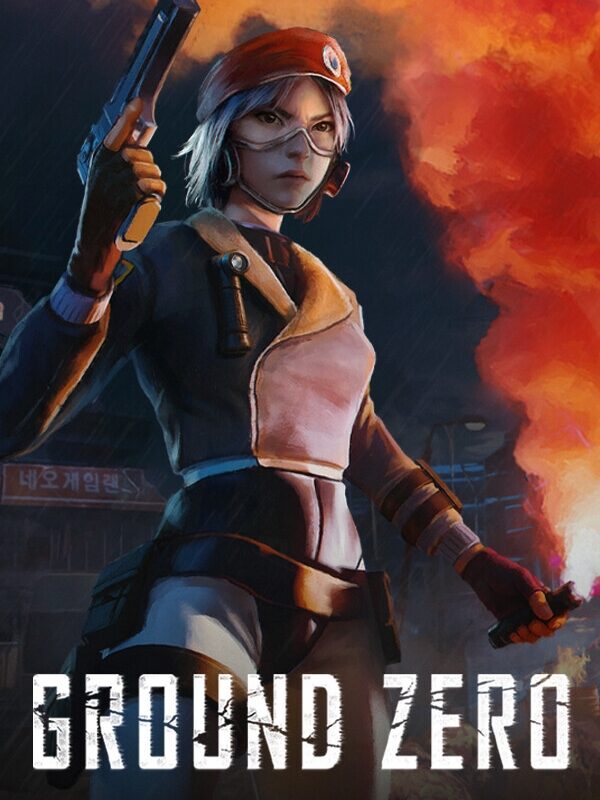
Ground Zero knows exactly what it wants to evoke and wastes little time trying to convince you otherwise. From the opening moments, there is a deliberate throwback energy in how it presents its world, its pacing, and even the way it asks for patience. It leans into familiarity, sometimes a little too comfortably, but there is an undeniable charm in how committed it is to that vision. That isn’t to say there is little here for anyone who doesn’t want the standard PSX-style survival horror affair. It has tried to evolve certain aspects, but to varying effect.
Set in the remains of a still-burning South Korea after a mass of meteorites comes crashing down, bringing with it a virus. The game builds its atmosphere through its environmental storytelling more than anything. The streets are empty save for a littering of corpses, interiors feel abandoned in a hurry, and small environmental details do a lot of heavy lifting. There is a confidence in letting players sit in that silence. It does not rush to fill every moment, which helps tension build naturally.
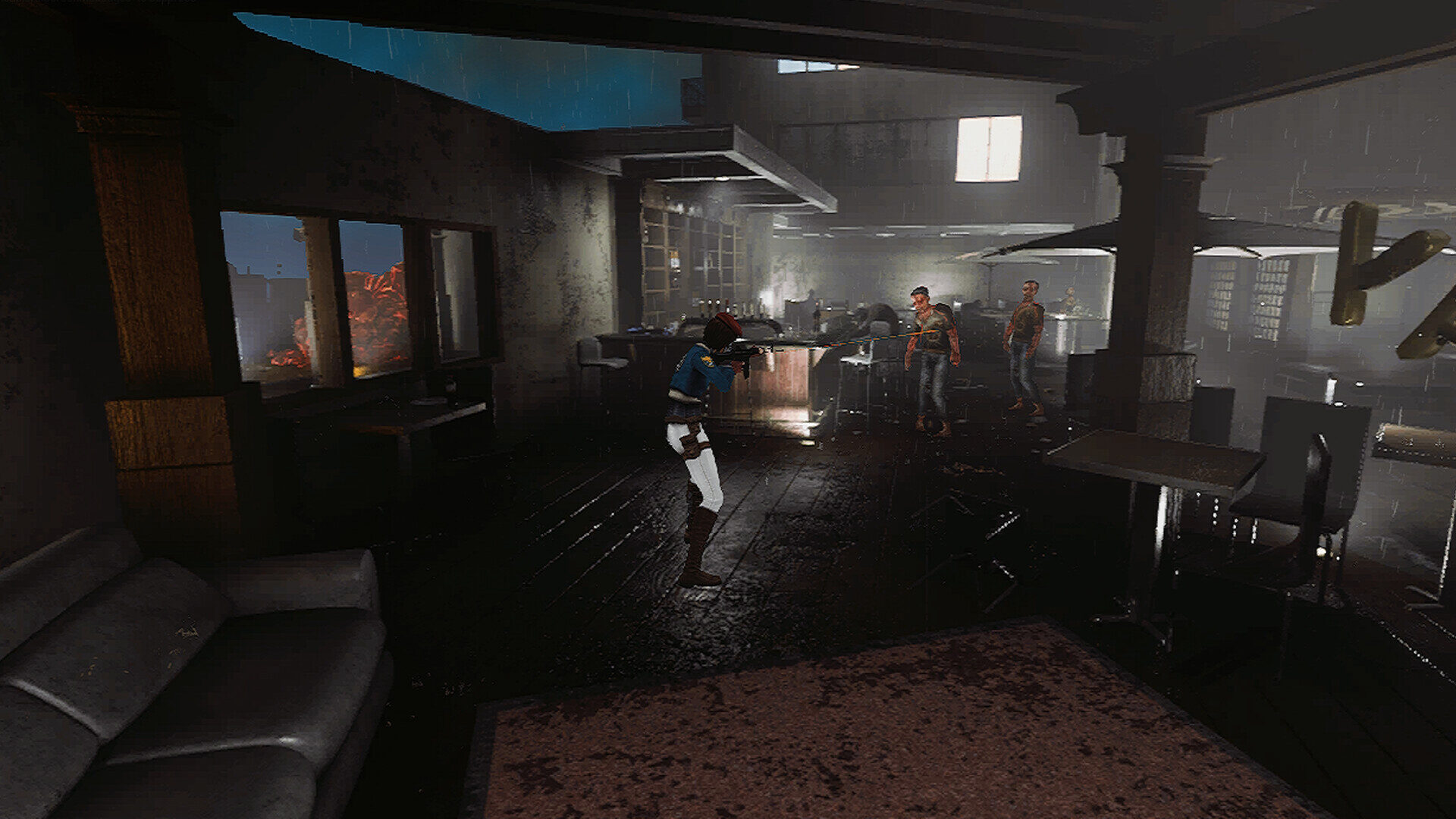
Pre-rendered backgrounds are used throughout, and while they are not always consistent in quality, they often evoke that retro survival-horror tone. But, it almost tries to hang its hat on the environments because the character models can look stiff, and animations do not always blend smoothly, but there is a certain authenticity to that roughness. It fits the aesthetic the game is chasing, even if it occasionally pulls you out of the experience.
“Ground Zero knows exactly what it wants to evoke and wastes little time trying to convince you otherwise.”
Gameplay sticks closely to established survival horror fundamentals. Movement can feel heavy, especially if you opt into the more classic control scheme, and combat requires you to ask yourself if it’s worth every bullet constantly. Every encounter carries some level of risk, not because enemies are especially complex, but because resources are limited and mistakes are costly, especially if you try to use the game’s critical hit system, in which your character focuses their aim, and you need to hit a window; otherwise, it’s a wasted shot. I found myself never really needing to use this, since I found being able to free-aim and hit enemies in the head would land me enough criticals.
Gunplay is fine but rarely satisfying. Weapons lack a punch, and enemy reactions can feel repetitive and almost muted. It’s mostly fine, but when each enemy type has the exact same reaction to everything, it gets repetitive and fast. The counter system exists for players wanting to do knife-only runs, but again, just like the critical hit system, I never found it reliable enough over just taking normal shots.
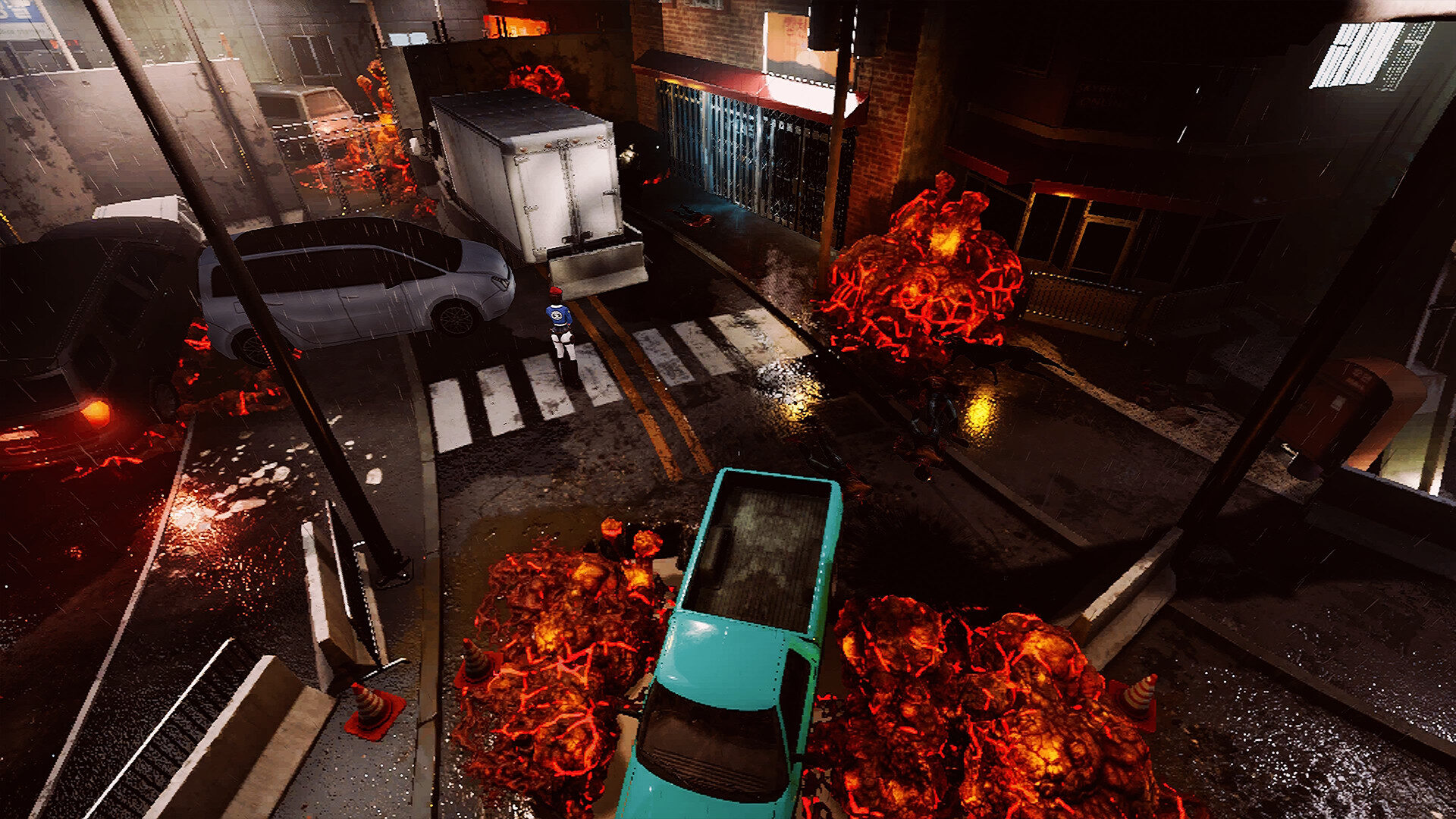
The story is probably my biggest gripe with Ground Zero. It sets up an intriguing premise involving a catastrophic event and even tries to weave in some espionage, but the delivery of the dialogue feels stiff, and the character interactions lack the emotional weight needed to carry the narrative forward.
Voice acting does not do the material many favours. Performances are uneven, with some lines landing well enough and others feeling flat or oddly paced. I found it distracting enough that it really made me disconnect from the story anytime the characters were talking on screen.
Pacing is a mixed bag as well. Backtracking can sometimes be a real slog, especially early on, when you are expected to mix key items together without any prior knowledge of how to combine them.
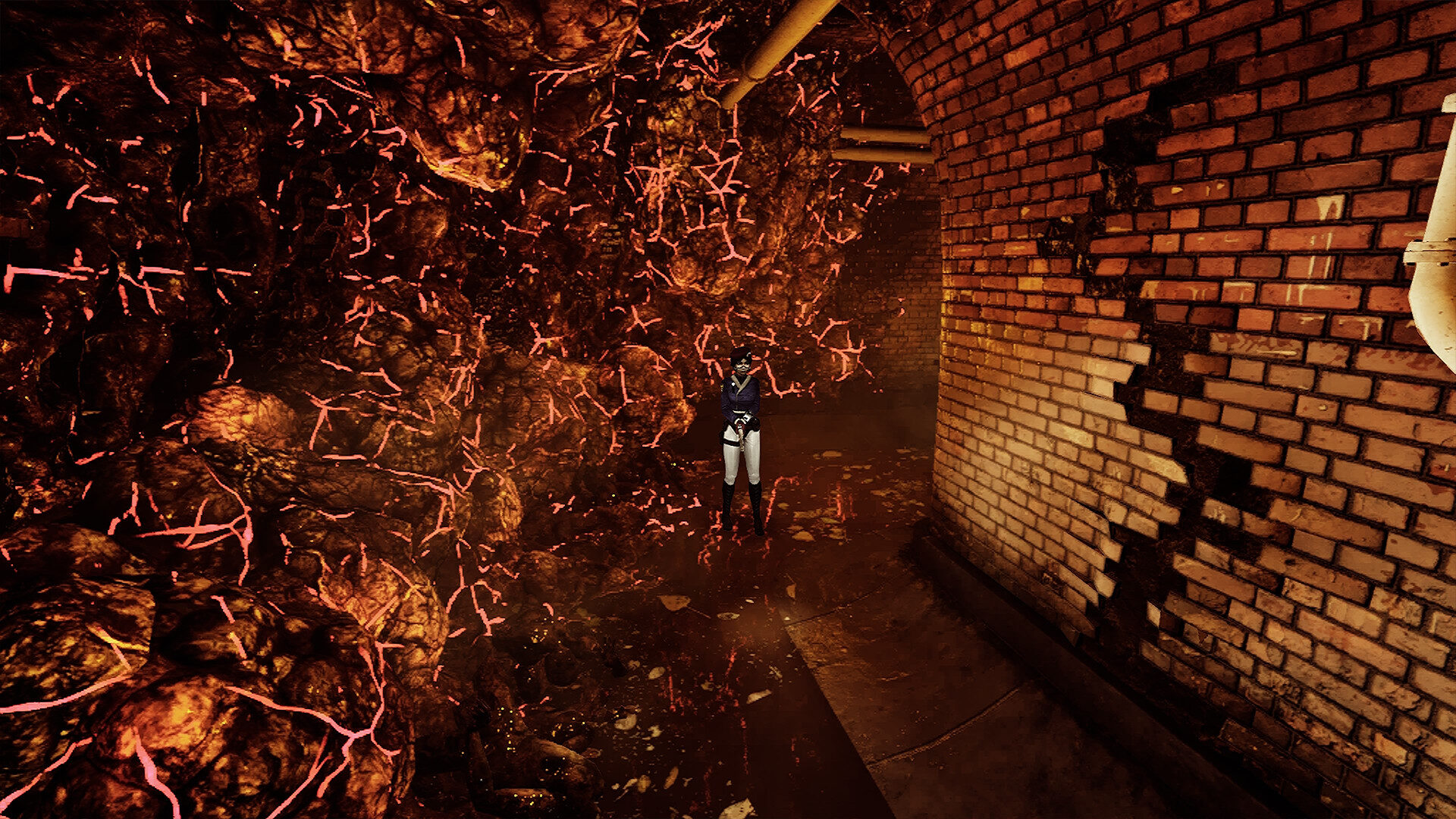
There is also a sense that the game holds itself back from taking bigger risks. It plays things safe in ways that keep it grounded but also limit its potential. You can see where it could have pushed further, whether in its mechanics, its narrative, or even its presentation. Instead, it settles into a comfortable space that feels familiar but rarely surprising.
“The story is probably my biggest gripe with Ground Zero.”
Technical performance is generally stable, though not without minor issues. Every time you run past a save zone, there is a hitch, and sometimes it can be more frustrating, especially if you are mid-combat when it happens, but they are not frequent enough to significantly impact the experience.
Ground Zero ends up in a bit of a strange spot. It understands survival horror on a fundamental level and, for stretches, delivers exactly what you’d hope for from something cut from that cloth. There’s a familiarity to it that works in its favour early on, especially if you’ve been riding the wave of the recent PSX-inspired resurgence.
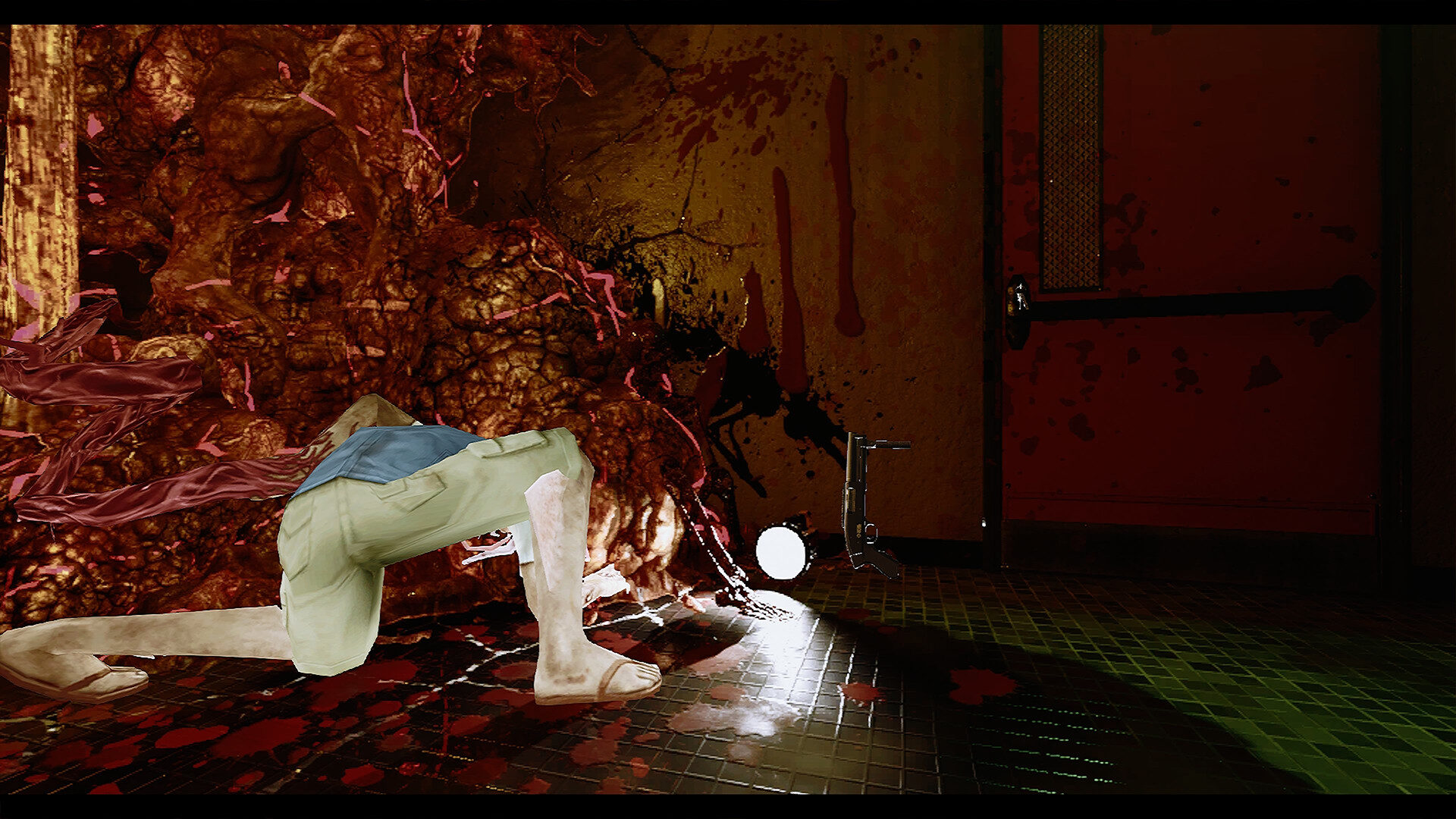
That sense of familiarity never really grows into anything that sets it apart. You can see flashes of something more distinct trying to come through, but it never quite leans into those ideas enough to give itself a clear identity. It ends up playing things safe, staying well within the lines drawn by the games it looks up to. What that leaves is an experience that’s mostly fine, with a few rough edges and not many real surprises.