
Digital Sun had one job with Moonlighter 2: The Endless Vault: do not screw up the thing that made the first game a sleeper hit. For the most part, it did not. But “mostly” is doing a lot of work in that sentence because the sequel trades away some of what made the original feel unlike anything else at the time and never quite finds something to replace it.
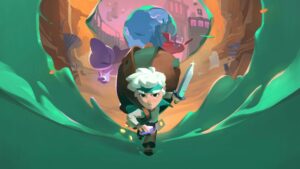
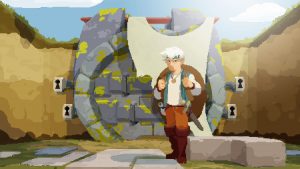
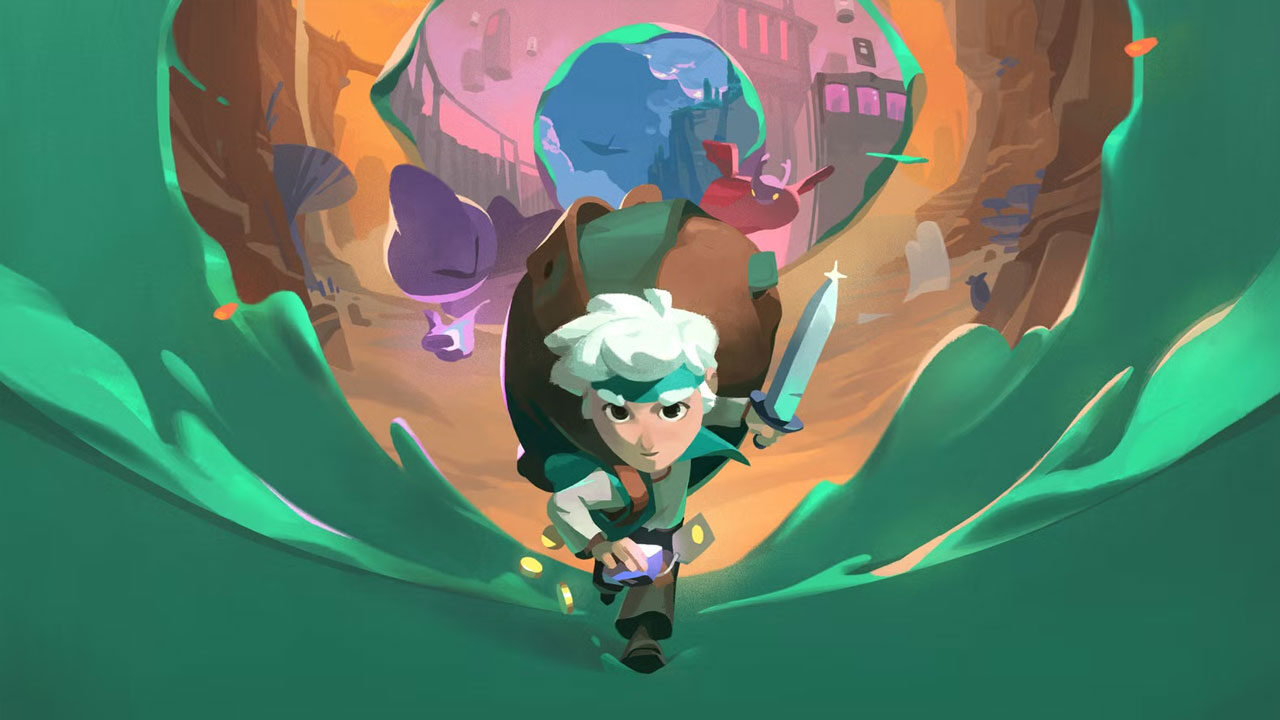
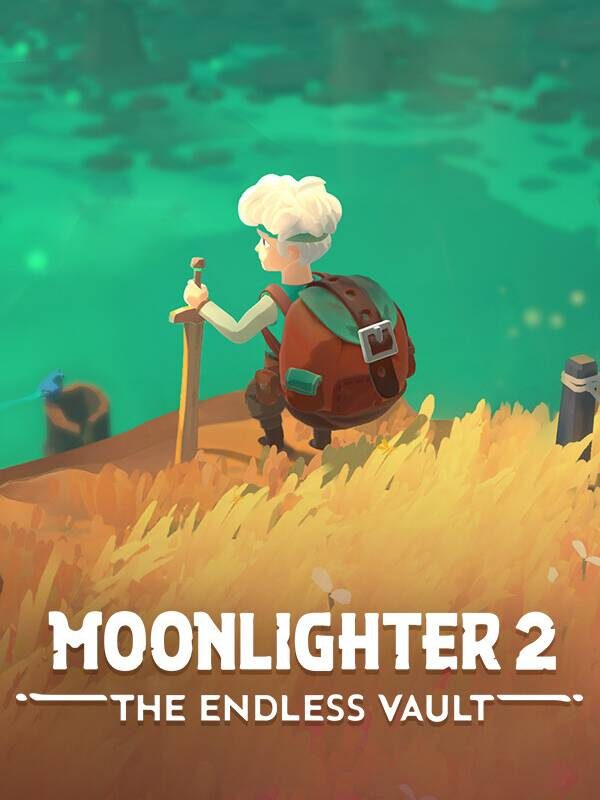
Moonlighter’s pixel art was a huge part of its appeal. It was beautifully animated, gave each run a distinct visual identity and allowed the shop to glow with personality. It was also a major reason Moonlighter stood out. The art style was immediately recognizable, looked fantastic in motion and made screenshots pop. Moonlighter 2: The Endless Vault trades that pixel art for a 3D isometric style, and for me, it is a downgrade in ways that affect more than just the aesthetics.
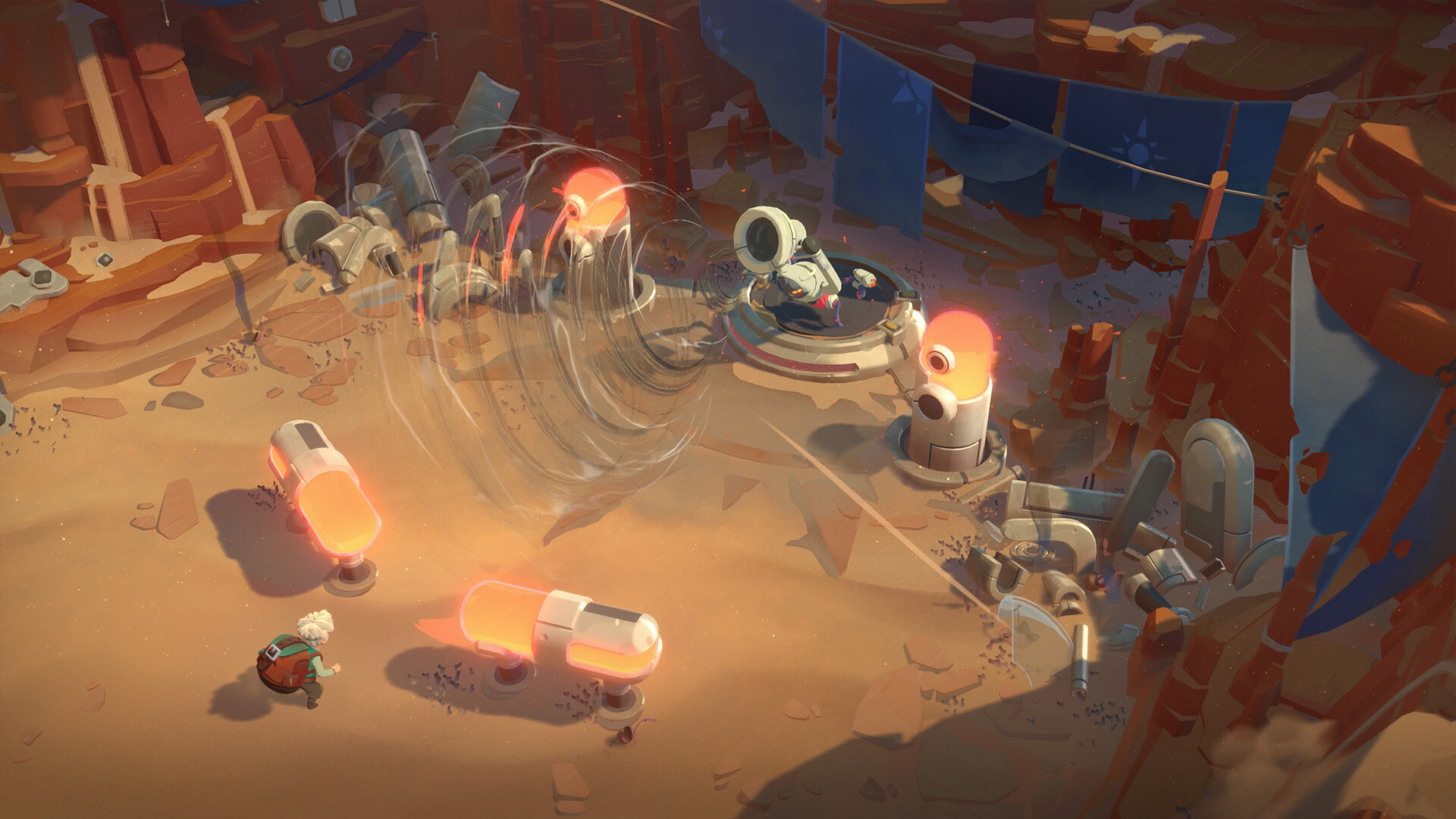
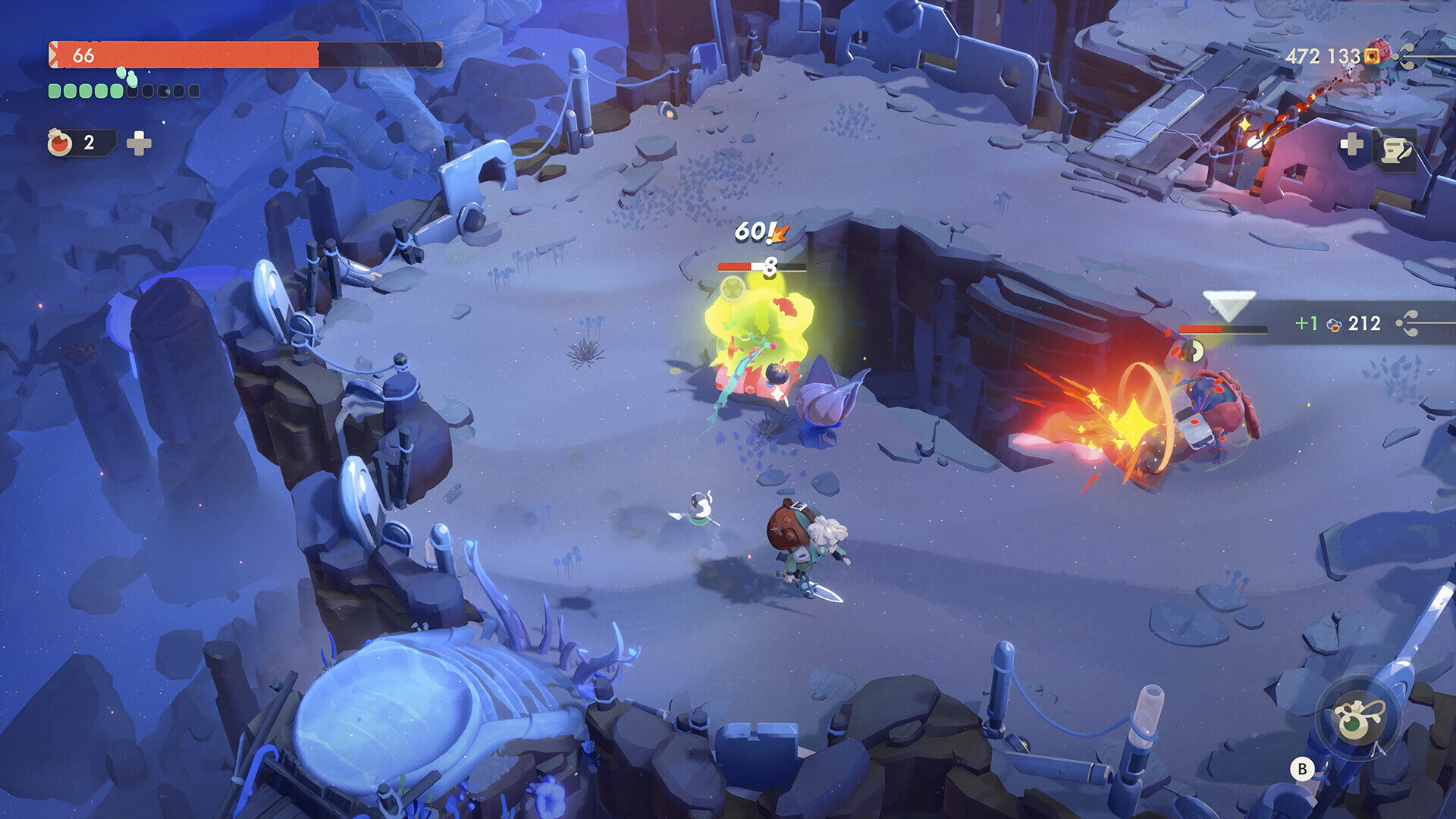
Here’s the thing about pixel art in a game built around repeated dungeon runs: every enemy, every room, every drop reads instantly because the artists could exaggerate silhouette and colour without worrying about lighting or geometry getting in the way. The new 3D style can’t do that. Enemies blend more into environments, and rooms start looking interchangeable a few floors in. By the third or fourth run of a session, I started getting bored of what was in front of me, because each enemy, item and environment felt quite bland.
“Moonlighter 2: The Endless Vault trades that pixel art for a 3D isometric style, and for me, it is a downgrade in ways that affect more than just the aesthetics.”
This isn’t a nostalgia complaint either; sure, I like some gorgeous pixel art, but we saw the same thing with the changeover from Hyper Light Drifter to Hyper Light Breaker because a roguelike lives or dies on how quickly you can read a room, and Moonlighter 2: The Endless Vault made that harder on itself by switching to a style that’s worse at communicating information at speed.
The runs don’t just look more bland; they play more bland, because the visual boredom can be and is a real mood killer. Combat encounters that should have felt like they were escalating and tense start to blur together, and I would end runs less able to point to a single memorable fight or room than I could in the original.
In Moonlighter 2: The Endless Vault, beyond the art, there is a rougher edge than you might expect from a studio on its second game in the series. The game crashed on me a handful of times mid-run, which in a roguelike means losing real progress, not just a few minutes. That stings more here than it would in most genres because the appeal of a run-based structure is that each attempt is supposed to feel earned and leave you with a sense of progress, even if you fall short.
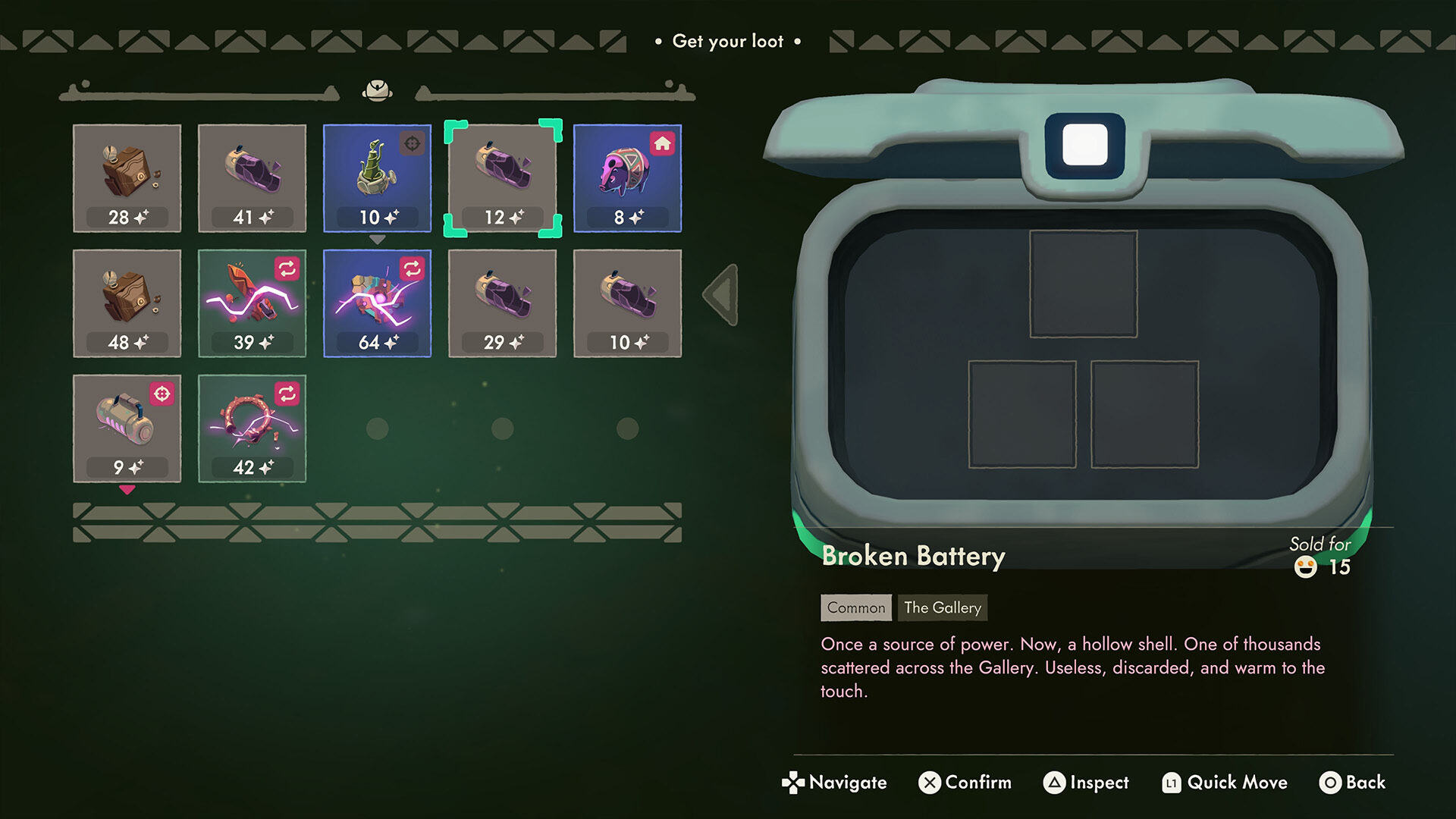
Losing 40 minutes of looting and fighting to a crash, rather than a death you can learn from, simply feels like wasted time. It happened often enough during my playthrough that, after a few crashes, I started giving the game less of my attention. Every run became tense because I never knew whether I would make it to the end and come away with tangible rewards for progression or suffer another crash and lose nearly an hour.
Smaller issues pile up too. The calendar prompt is supposed to be an on-screen indicator you can check at any time to see which goods sell better and when, but in practice, it only responded while I was in the shop. Everywhere else, it simply sat there doing nothing. It may have been a minor UI hiccup, but it is the kind of issue that slowly wears on me over the course of an entire game.
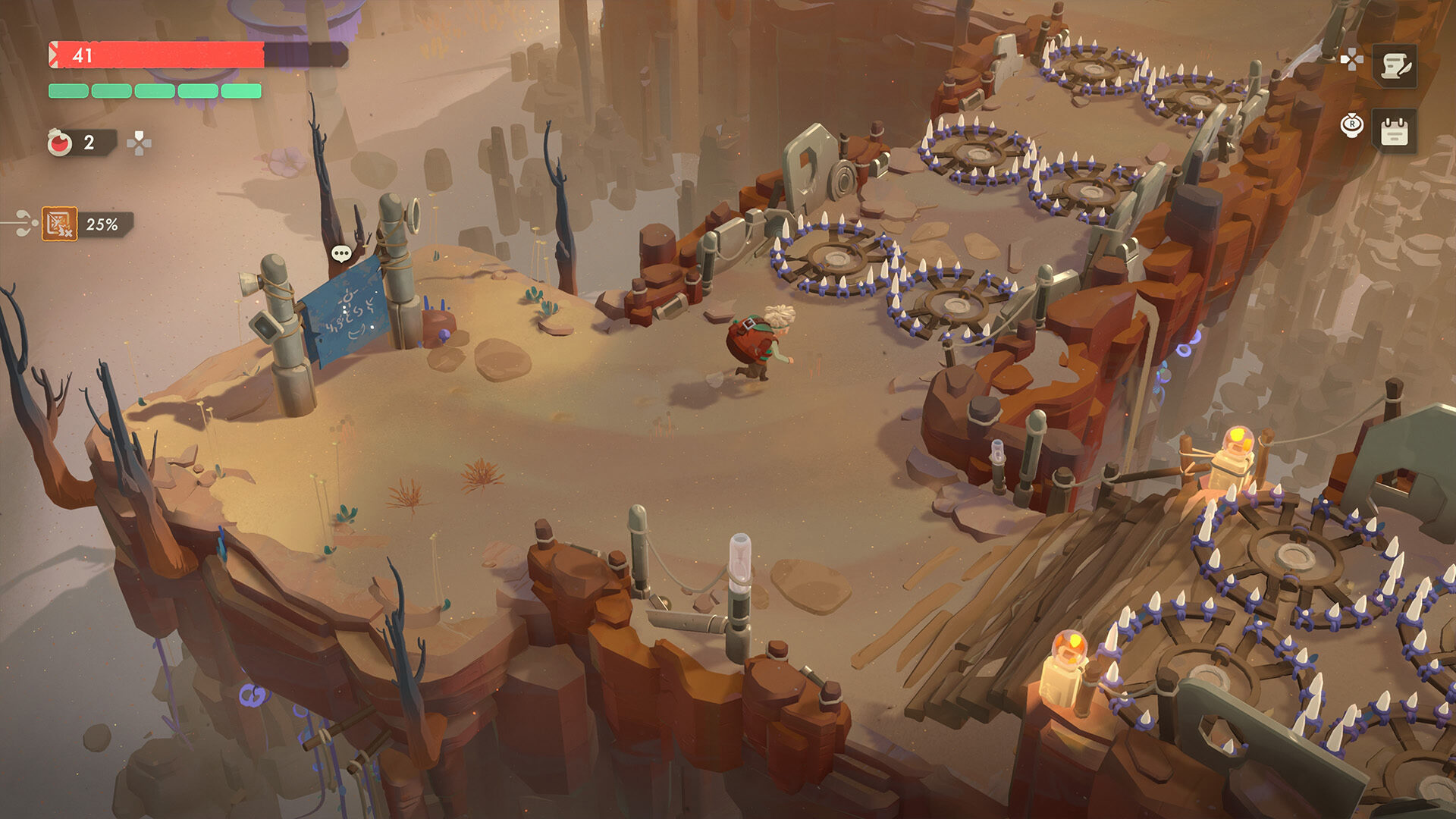
There was also an issue after beating a boss where the teleport back to the town portal would disappear, forcing me to run around the area until the prompt eventually appeared. None of these bugs are catastrophic on their own, but stacked together, they give the game a slightly unfinished feel, as though it is a patch or two away from being the version Digital Sun intended to ship.
Credit where it is due: the shop is still the best part of the game, and it remains the main reason to come back. Finding goods in the dungeon, hauling them home and haggling prices with townsfolk who each have their own tastes and grudges remains a genuinely satisfying loop. Digital Sun wisely did not tamper with what made it work. If you loved the original for the merchant half of its dual identity, that side is still intact, and it is the strongest reason to stick with the game through its rougher patches.
“The sequel trades away some of what made the original feel unlike anything else at the time and never quite finds something to replace it.”
What has changed is the pacing around it. Everything in Moonlighter 2: The Endless Vault takes a little longer than it used to. Transitions linger in town and become longer as your shop grows, at times taking between 10 and 15 seconds when entering. Even combat, which once had the snappy, in-and-out rhythm the first game nailed, now feels like it is dragging half a beat behind where it should be.
None of it is broken, exactly. It is more that the entire experience feels stretched out without becoming more substantial. You spend the same amount of playtime doing less, and by the back half of a session, that slower rhythm starts to wear on you in a way the original never did.
If you’re coming from the first game expecting the sequel to build on what made it special, temper your expectations. This is a game made by people who understood their own systems well enough not to break them, but not ambitious enough to actually improve on them. The art change was supposed to be the headline upgrade for this entry, and instead it’s the thing holding the whole package back. Everywhere else, Moonlighter 2: The Endless Vault just does what the original already did, slightly slower and slightly less crisp, with a handful of bugs that shouldn’t have made it out the door.
Digital Sun built something safe here. Given how good the original was, safe was never going to be enough, and what’s left is a game that’s easy to recommend with a shrug and hard to recommend with any enthusiasm.