
In the world of peripherals, no marketing term is as loaded as “Gaming Headset.” If the sales pitch includes “budget,” the trouble deepens. It’s a sure sign that someone is about to charge 80 bucks for 40-dollar headphones and a microphone they couldn’t give away. HyperX has generally been one of the exceptions to that rule, releasing high-quality headsets that are overspecced, well-made, and competitively priced. Their newest wireless headset, the HyperX Cloud Stinger 3 Wireless, complicates that legacy.
The Cloud Stinger 3 Wireless is the latest edition to HyperX’s lineup of entry-level over-ear headsets. Improved audio quality and comfort were at the heart of this overhaul, and to that end, HyperX delivered. The new 50mm drivers deliver full, detailed sound with enough dynamic range to bring out the nuances of any game. They include spatial audio that widens the soundstage for immersive media playback. And while not fully noise-cancelling, the faux leather ear cushions dampen a good amount of external noise. They’re also incredibly comfortable and feature battery life that’s been quadrupled from 20 hours to 80.
The microphone, on the other hand, remains poor, and the wireless performance leaves a lot to be desired. But let’s lead with the good.
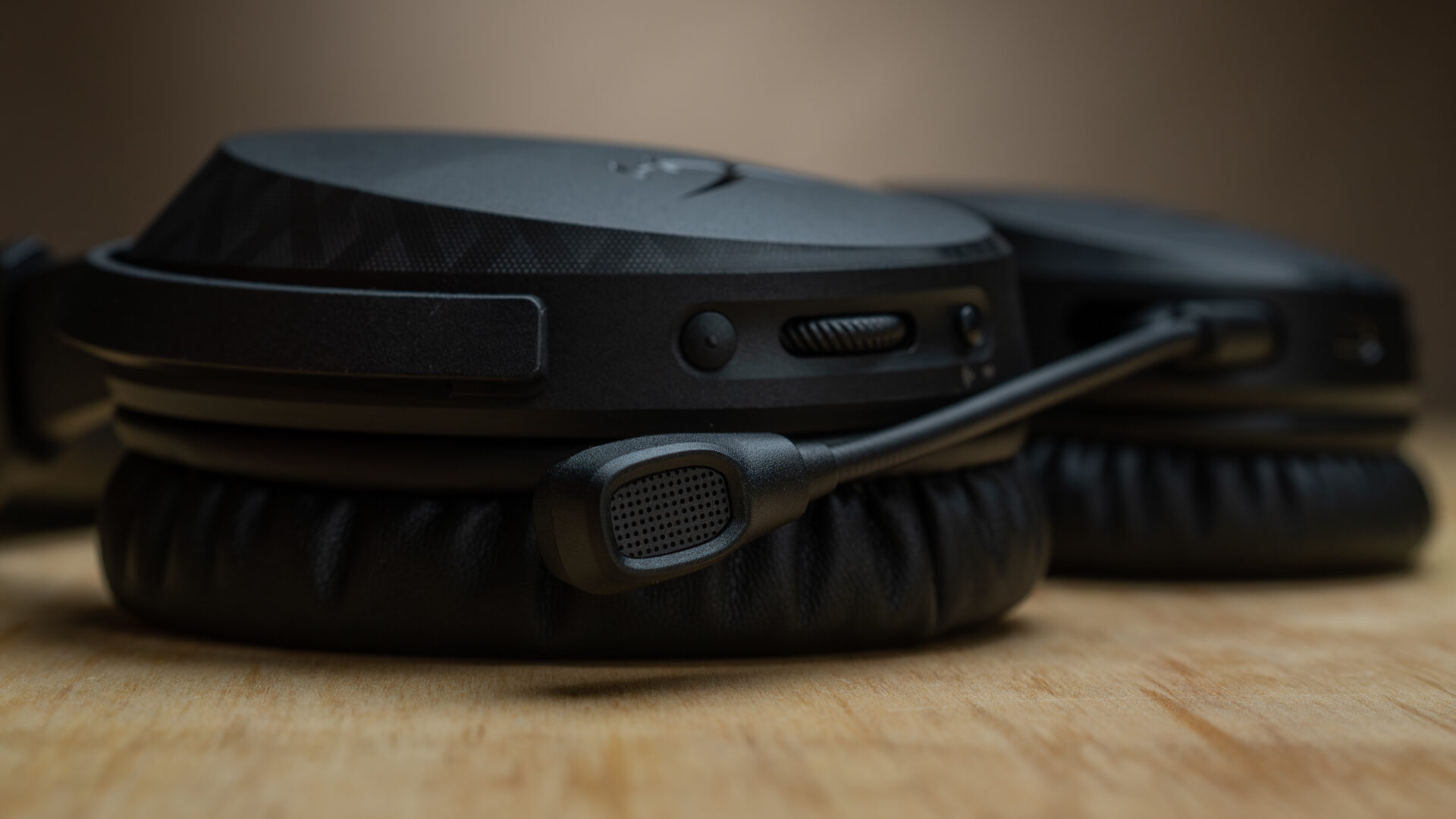
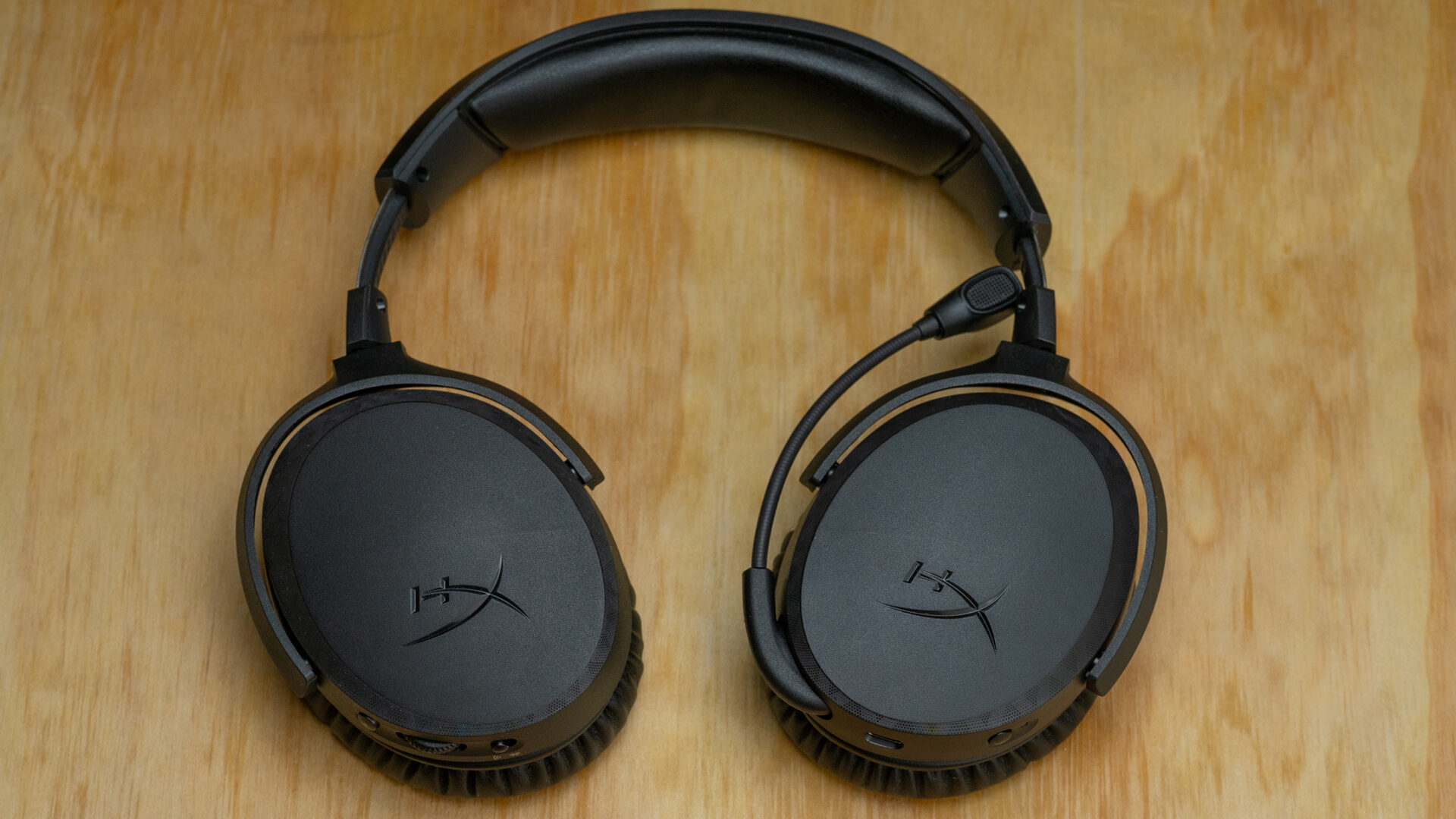
The build quality and design of the HyperX Cloud Stinger 3 Wireless Headset are excellent. It’s hard to find a shoddy headset from a reputable name these days, but even so, the Cloud Stinger 3 stands out. This is the wireless version of HyperX’s most affordable headset, but it’s built to a standard that other brands reserve for their flagships.
The plastics feel more durable than my Bose QuietComfort. The headband padding and earcups have nicer foam than Sennheiser GameOne’s, and there are more metal supports than in a Razer BlackShark V2. Of all the headsets I own, the Cloud Stinger 3 is the sturdiest. They’re flexible and easy to articulate but never creak or rattle, an impressive feat for a mostly plastic headset that weighs less than 300 grams. They’ve also taken some serious tumbles and have yet to scratch.
“The build quality and design of the HyperX Cloud Stinger 3 Wireless Headset are excellent.”
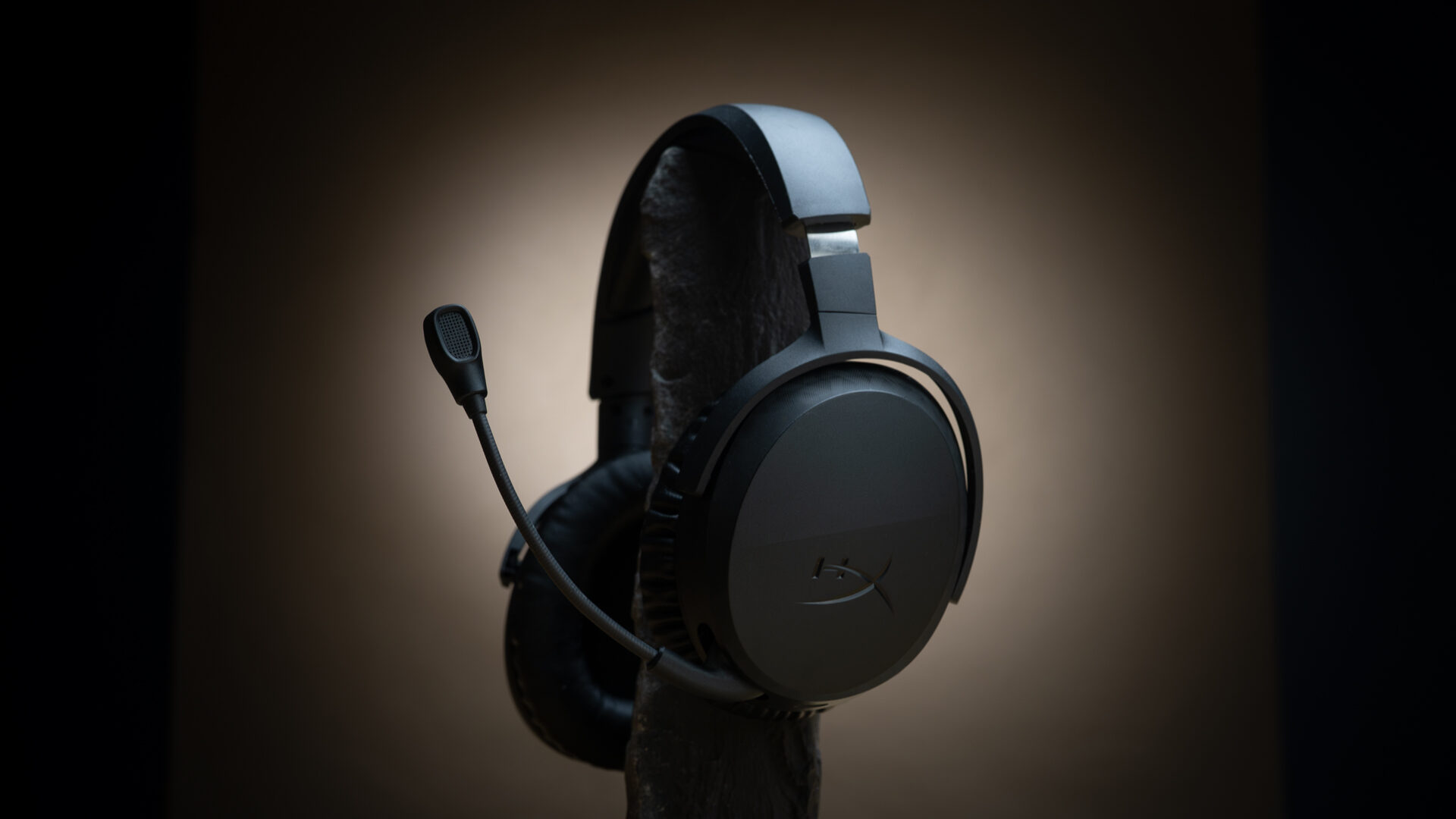
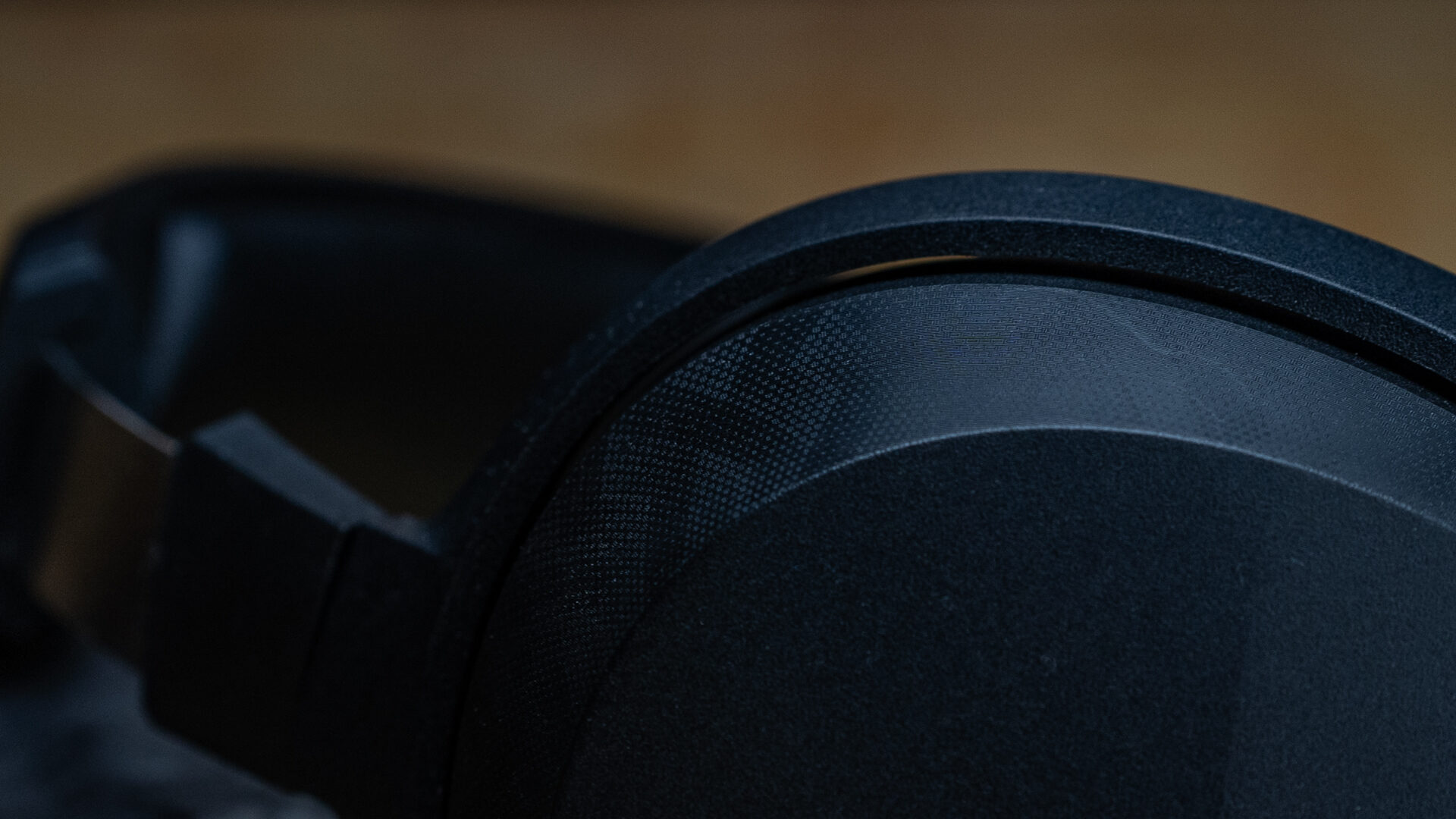
Design-wise, the Cloud Stinger 3 is among the least gamer-looking gaming headsets around—something I wish I could give out medals for. The entire frame is matte black with lightly textured bevels on the earcups and subtle branding pressed in shallow relief. It’s about as tasteful as it gets.
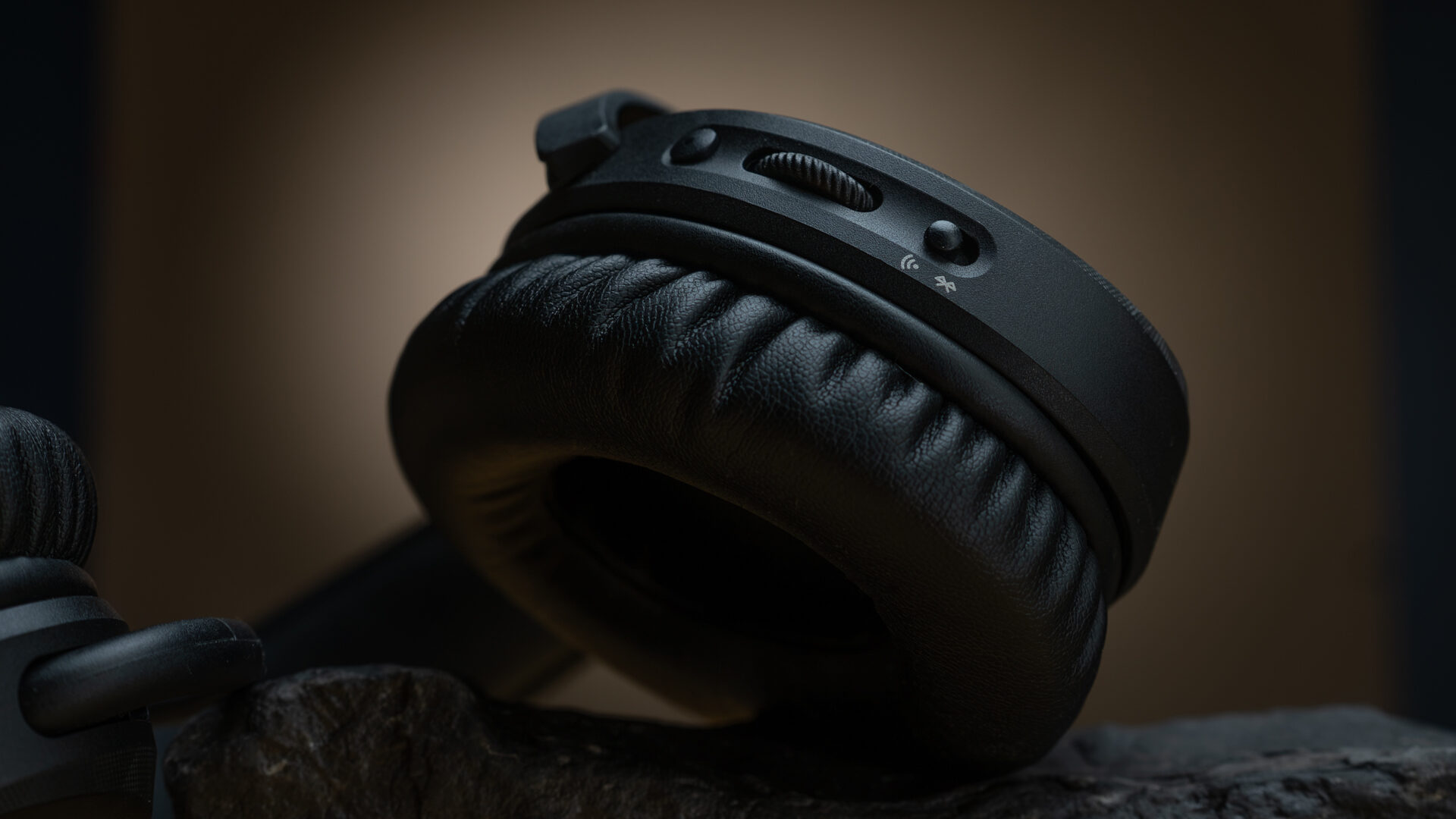
When it comes to comfort, this is easily a headset you can wear all day. It sits lightly on the head and is ventilated enough to keep users from getting a case of “hot ears.” The only caveat to that is that the balance between comfort and stability is a bit off.
No matter how I tilted the headband or how far up I pushed the earcups, it always felt like the Cloud Stinger 3 was about to slide off my head. I wasn’t always wrong. This is the first headset I’ve ever used that launched off my skull from the force of a powerful sneeze. It’s a first in nearly 40 years of wearing headphones—and it happened twice.
The Cloud Stinger 3 Wireless left an excellent first impression. But decent audio, great build quality, and impressive battery life can only take you so far. Here’s the thing: at $100, the Cloud Stinger 3 Wireless is bumping up against mid-range competition—but it only really competes with it in audio and battery life. And even then, only just.
And the audio, the headset’s greatest asset, is merely on par with other $100 headphones. The highs are nice and crisp, and the bass has enough oomph to sell an in-game explosion, but ill-defined mids aren’t going to make these ideal for music. They are very specifically tuned for gaming. I found them to be clearer than a Razer BlackShark V2, but only by a hair. Fidelity differences between entry-level gaming headsets are almost always splitting hairs. But when the hairs are split, the Cloud Stinger 3 Wireless comes out as one of the better options.
With all that said, let’s get to the ugly. A headset isn’t just a well-made set of headphones; it also needs a microphone. It’s no secret that headset mics are not very good. You have to pay a hefty premium to get one with a mic that’s comparable to an affordable USB mic. I didn’t expect the Cloud Stinger 3 to knock my socks off, but I did expect something that sounded better than a Bluetooth mic from 2010. The voice capture was tinny, quiet, and aggressively compressed. In some cases it was downright unusable.
During testing, the most common response from my teammates in Hell Let Loose: Vietnam was a confused “what?” During Discord calls, I was asked by different people if I was underwater. I was not. I played around with range boosting and compression in HyperX’s NGENUITY software, but it only made things worse. It was the most disappointing mic I’ve used in a long time and was easily outgunned by the condenser mic on my Final VR3000—which is an $80 set of earbuds.
The other issue I had was the 2.4 GHz connection. Bluetooth worked without issue, but connecting to the USB-C wireless dongle had some problems, even after firmware updates. The range is pretty good. I was able to get a signal from my basement all the way out to the end of my driveway. But the connection would randomly drop even when I was sitting right next to the dongle.
Every 20 minutes or so, the headphones would go silent, and I’d get a disconnected prompt followed by a five-second pause before reconnecting. Sometimes this would happen once; other times it would happen a few times in a row. This is not what you want when you’re listening for footsteps and trying to Escape from Tarkov.
This problem can be overcome by picking up the $49.99 wired version of the Cloud Stinger 3. I didn’t test it, so I can’t say whether the microphone is any better—but it certainly solves 50% of my criticisms… and saves you 50 dollars.
Like I said earlier, a good headset is more than just a set of headphones. As a complete package, this one’s hard to recommend. I’d only suggest the Cloud Stinger 3 Wireless to anyone looking for a gaming-centric headset with decent spatial audio capabilities who only needs a mic for emergencies.

- ONE CHARGE. 80 HOURS. DAYS OF PLAY. – Made with long gaming sessions in mind, enjoy up to 80 hours of play in 2.4Ghz mode, 4 times better than our previous generation Stinger 2
- LAG FREE 2.4GHZ, CHECK. BLUETOOTH, CHECK. – Dual Wireless Connectivity means you can switch between 2.4Ghz for lag free gaming or Bluetooth for better capability whenever you want