


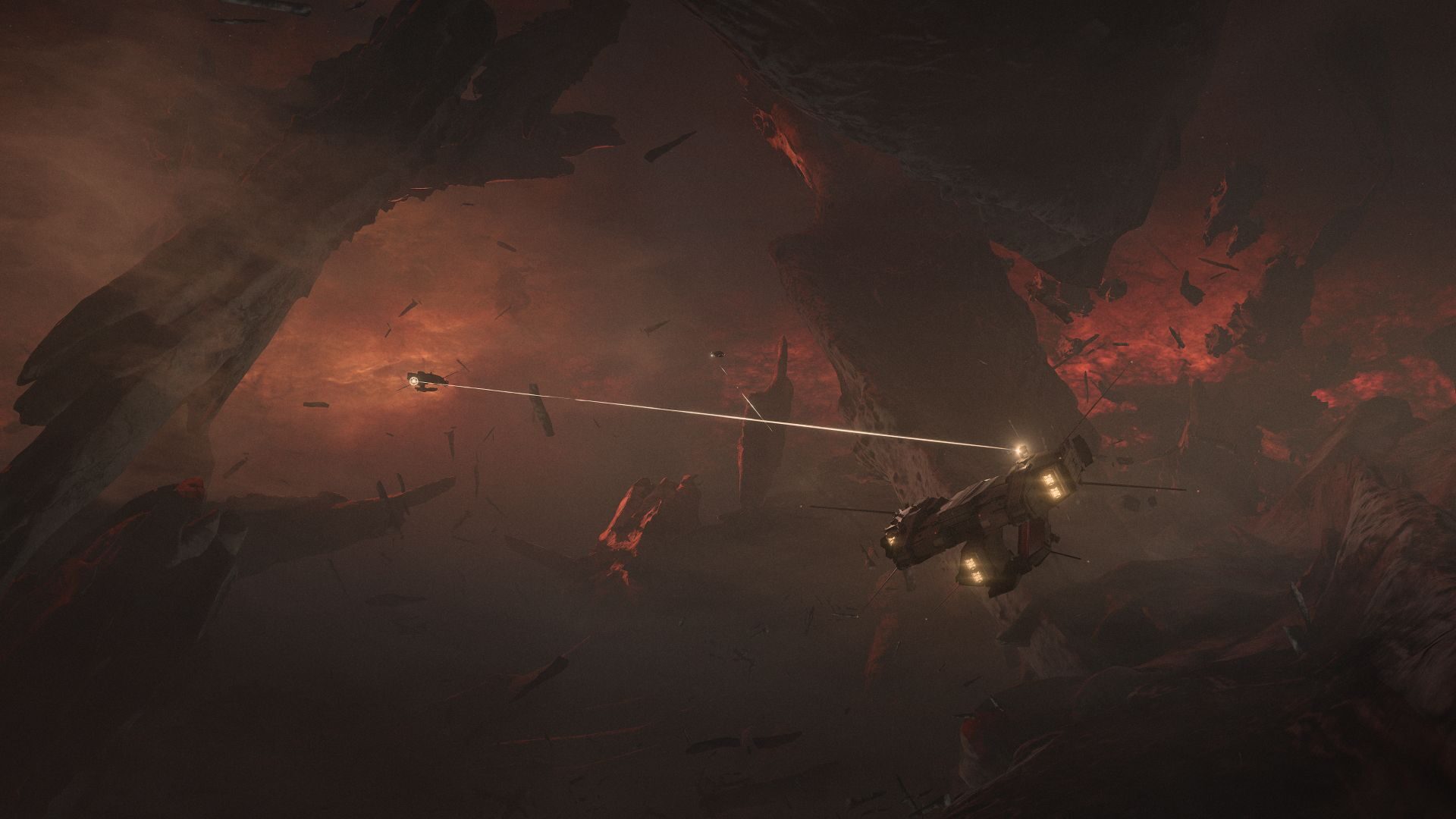
Fenris Creations open-sourced its Carbon Engine earlier in 2026, and now it’s adding new rendering tech with CORTAO to bring fresh visuals to EVE Frontier.
Fenris Creations revealed what they’re calling Circular Occluder Ray-Traced Ambient Occlusion (CORTAO), a new open-source rendering technique designed to give game worlds more accurate shading and a stronger sense of depth while keeping rendering costs low. It will also be available in the open-source Carbon Engine; what started as an intimate project for Senior Rendering Engineer Daniel Isheden is now available for developers to explore. A brief rendering showcase has been prepared by Fenris Creations, showcasing the technology in EVE Frontier, and it can be seen below.

CORTAO began as Engineer Isheden’s independent research, with Fenris Creations providing the production environment to test and refine it at scale. The resulting CORTAO implementation has been optimized and tested in EVE Frontier and shown in the EVE Frontier showcase above. EVE Frontier is an in-development space survival MMO set in the same universe as EVE Online, designed for hardcore players set on rebuilding civilization. The CORTAO technology works by calculating shading in real time, which makes it ideal for visual situations like EVE Online, EVE Frontier, or any MMO that is constantly reshaping to the whims of the player.
Daniel Isheden said, “Small errors in shading can make an otherwise convincing scene feel wrong, especially when they become visible as the camera moves. I wanted to find a more accurate way to handle that within the performance budget games actually have. EVE Frontier gave us a demanding environment to test the approach, and I’m looking forward to seeing how other graphics developers put it to use,” on why CORTAO was created. The idea is to create smoother rendering without breaking the development budget.
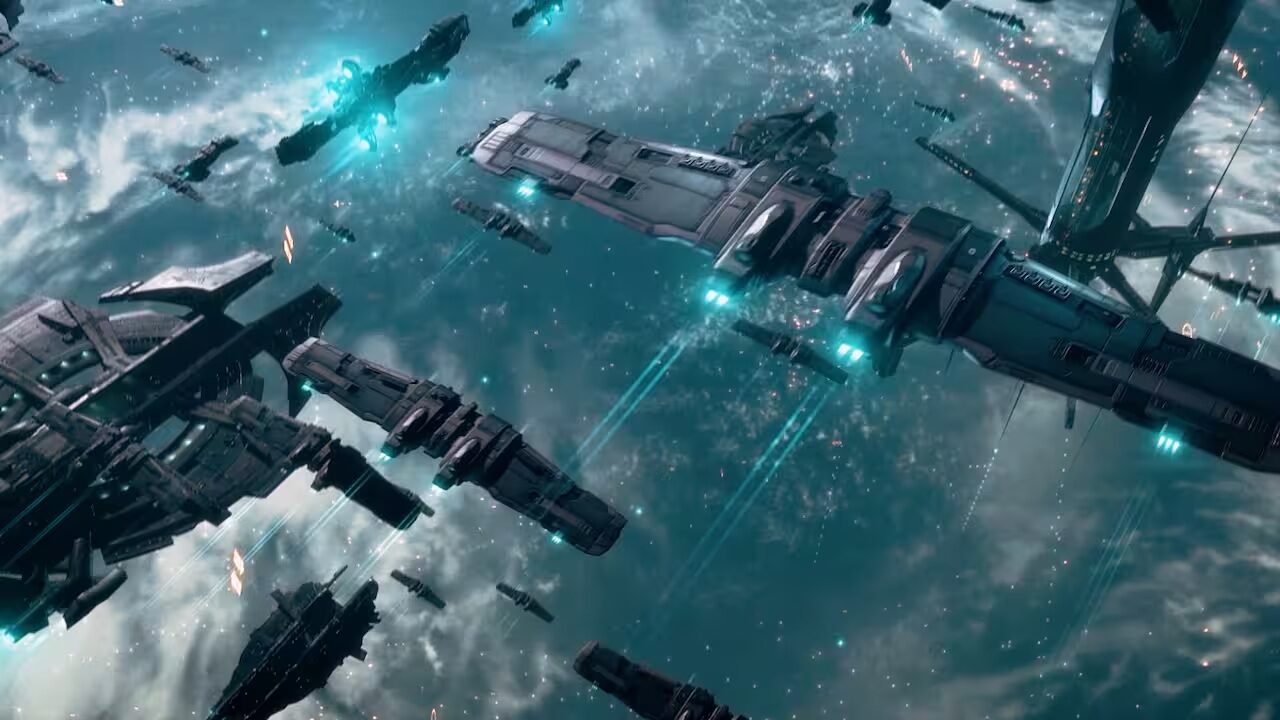
The Director of Core Technology at Fenris Creations, Ben Hunter, said, “Good rendering research needs room to develop, and a game that puts it under pressure,” adding that supporting this type of work through the now open-source Carbon Engine helps the team establish issues from other teams working with Carbon, and answer them, before the engineers even encounter the rendering issues themselves. This is a big reason why Fenris Creations made Carbon open source in the first place.
Basically, CORTAO takes a new approach to screen-space ambient occlusion and uses “information from the current view to represent nearby surfaces as circular occluders and calculate how they block ambient light.” This means visuals will render much better, at a lower cost for the developer, and now Fenris Creations is implementing it into the Carbon Engine.


