
You’ve probably called a play before the snap and felt clever when it worked. Playing Madden does that to one; it trains your eye to see things you would not otherwise have picked up on. The catch is what happens when the read is right, but the result isn’t.
Madden has been around long enough — since 1988, there are retired Super Bowl players a decade younger than the game — that most NFL fans have spent time with it, whether that’s a full franchise run or just a few quick games on a Sunday. It feels close to the real thing. And after 35 years of refinement, it would. Madden emulates the same teams, same plays, same players. The question is whether that familiarity actually translates into anything useful beyond the screen.
That question lands differently now because the game has moved closer to simulation than ever before. It is built on real playbooks and trends, and a deep pool of data behind every action. At some point, the line between playing and studying starts to blur. What carries across into real NFL viewing is not prediction, but recognition.
Madden Builds a Framework for Reading the Game
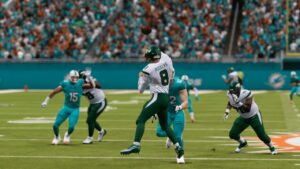
Spending time in Madden teaches you what to look for. Formations stop being shapes on a screen and start meaning something: a stacked box usually points to a run, A corner sitting deep suggests coverage, not pressure. These are not guesses, but observations from seeing the same situations play out again and again.
The virtual game is built to reflect real football structure. Playbooks are based on actual teams, and player behaviour follows real-life tendencies. That integration has been pushed further in recent versions, with systems trained on NFL data and in-game scenarios that feed into how teams react during a match. It gives Madden a level of consistency that mirrors what you see on Sundays.
That carries across into real viewing. Plays are easier to follow because the setup is familiar. You start noticing where players line up and what that might lead to. It does not turn you into a coach, but it does make the game easier to read.
Simulation Has Become More Accurate, but Still Has Limits
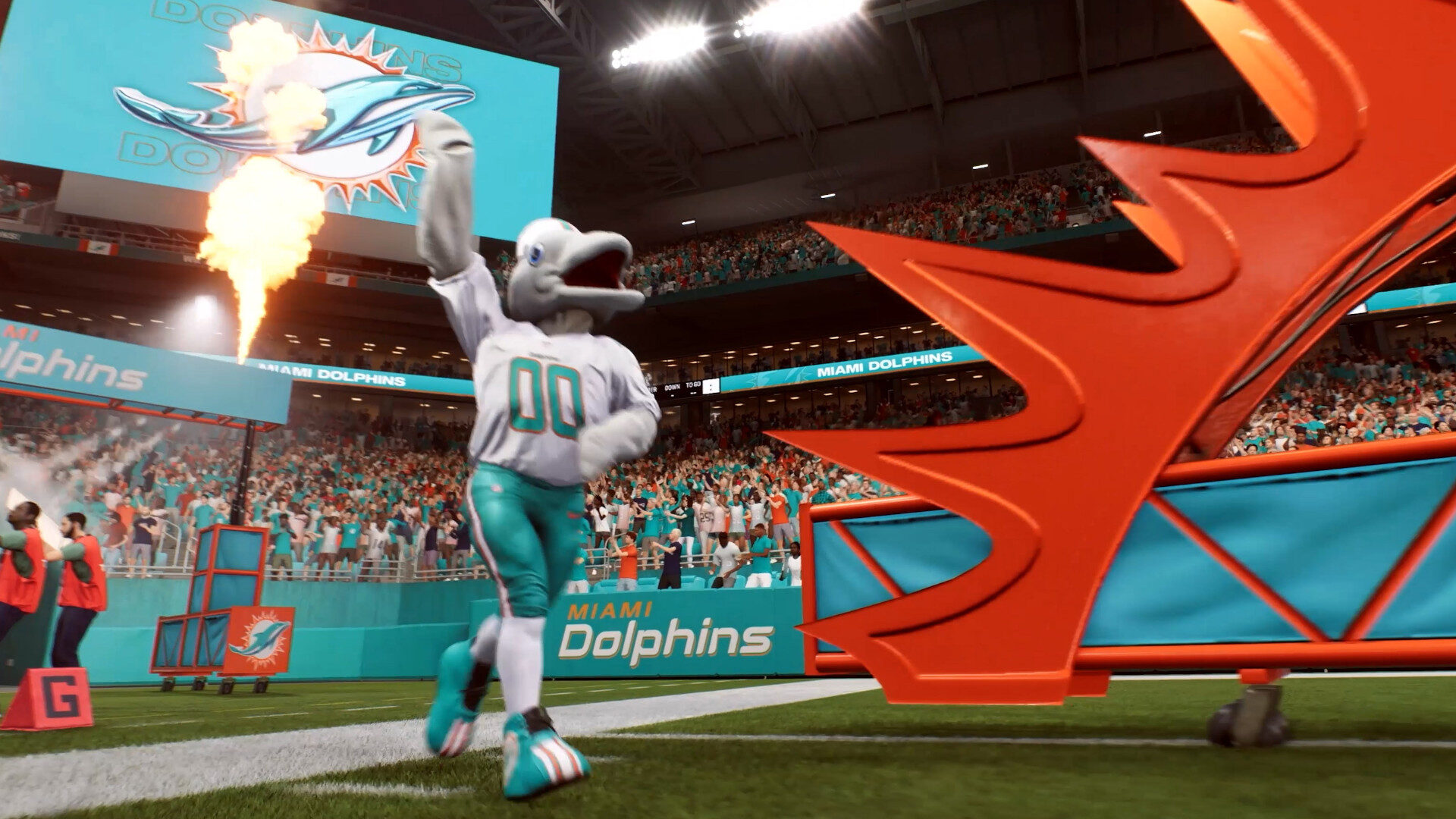
Madden’s push toward realism is quite dynamic and gets tuned constantly. Defensive behaviour, for example, has seen upgrades in pass rush logic and coverage positioning, while offensive play has been refined through blocking adjustments and movement changes. These are not cosmetic tweaks. They are attempts to mirror how real teams react during live play.
That constant tuning creates a strong sense of accuracy. The game behaves in a way that feels believable. Drives unfold in familiar and predictable patterns, and momentum swings feel earned rather than scripted. For someone spending time inside that system, it becomes easy to trust what the game is showing.
There is a clear crossover between time spent in Madden and how NFL games are watched. Plays become easier to follow because the structure behind them is already familiar. A blitz package or a zone coverage does not need explaining.
That matters when the scale of the audience is this large. NFL Thanksgiving games averaged 45 million viewers, with a single matchup between Kansas City and Dallas drawing 57 million, while streaming alone accounted for 2.2 million viewers, up 58 percent year on year. This is the definition of engaged viewing.
That level of attention rewards anyone who can process the game a step ahead. Madden helps with that. It trains the eye to look in the right places. It makes the sport easier to read, especially when the pace of a live game starts to pick up.
Where the Gap Between Recognition and Prediction Appears
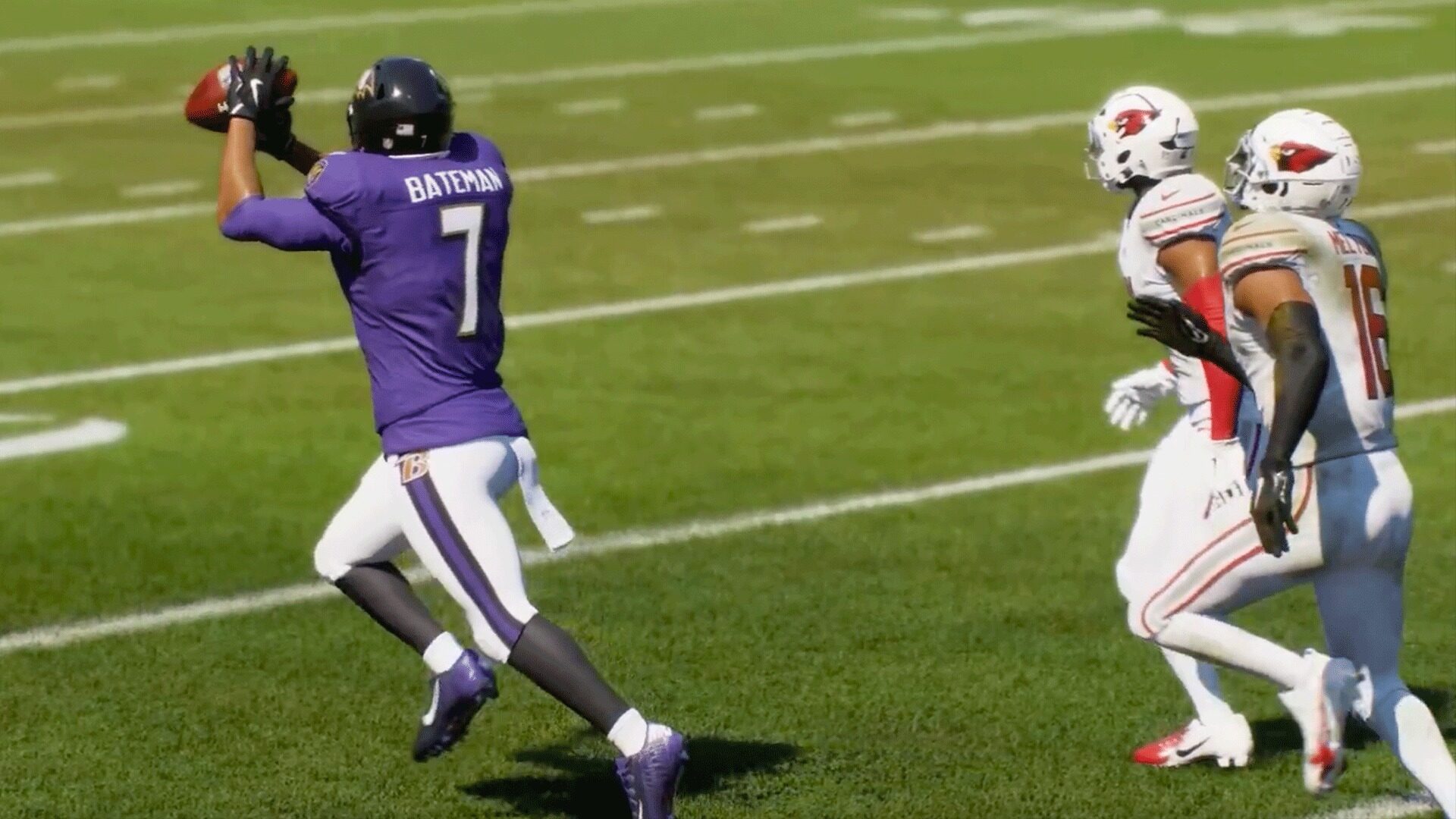
Understanding a play is not the same as calling its outcome. That difference is where things break.
Madden simulations can look convincing. A Super Bowl run might land on a 23–20 result with full stat lines and drive summaries. It feels precise and the numbers suggest confidence, but the problem is consistency. Across multiple simulations, accuracy drops. One run might land close. The next can miss wide enough to feel like a different game.
Real-world decision-making operates on narrower margins. The global sports betting market was valued at $100.9 billion in 2024 and is projected to reach $187.39 billion by 2030. That growth sits on pricing models that work within tight percentages. A small edge makes a difference. A small mistake wipes it out.
That is where the broader betting context starts to matter. Once fans begin thinking beyond simply reading formations and start looking at real-world predictions, pricing and probability become part of the conversation. Many use comparison resources to break down how different operators structure odds, bonuses and promotions, including reviewing options like the Fanatics sportsbook promo, as a way to better understand how sportsbooks frame risk around NFL outcomes and even test how everything works by taking advantage of the available bonuses.
Simulation does not operate in that space. It runs a scenario once and produces a result. It does not adjust for late information, market movement, or the small variables that shape real outcomes.
Execution and How People Actually Play
Performance changes how all digital games are experienced. Reaction time, input speed, and visual clarity all affect how quickly information gets processed. That difference shows up in fast sequences where a split-second delay changes the outcome of a play.
Hardware plays into that more than it gets credit for. High refresh rates, low response times, and consistent performance create a smoother experience, which helps players react in real time. That kind of setup does not teach strategy, but it does sharpen execution.
Even then, the environment stays controlled. Madden operates within defined systems. Real games do not. External factors, coaching decisions, and unpredictable moments sit outside what a simulation can replicate.
What Carries Over and What Doesn’t
Madden does carry useful habits into real NFL viewing. It builds a working understanding of formations and play design, so the structure of a game becomes easier to follow. Recognising mismatches becomes more natural because repeated exposure trains the eye to spot them early. Game flow also seems clearer, since similar situations play out often enough in the simulation to feel familiar.
The limits sit in areas that rely on information outside the game itself. Pricing and implied probability do not exist inside Madden, so there is no reference point for those concepts. Line movement and market behaviour depend on external input that a simulation cannot track. Injuries, weather, and coaching adjustments introduce variables that fall outside fixed scenarios. Long-term consistency depends on managing those variables, not just reading the field.
Reading the Game Is Not the Same as Predicting It
Madden sharpens how the game looks. It gives structure to what might otherwise feel chaotic. Watching the NFL becomes easier once that framework is in place. But the step beyond that is different. Prediction depends on probability, information, and consistency across many decisions. Madden does not train those skills. It improves awareness, not accuracy.
That leaves it in a useful place. It helps you understand what is happening. It does not tell you what will happen next.