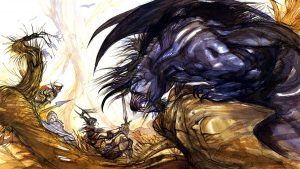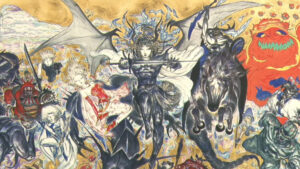

In 1987, Hironobu Sakaguchi named his game Final Fantasy because he believed it would be his last project in the game industry. Square was bleeding money. The Japanese gaming market was consolidating around fewer studios. Sakaguchi, twenty-five years old and frustrated with the commercial failure of his previous titles, poured everything he had into what he assumed would be his farewell. The game sold 400,000 copies in Japan within its first week.
Thirty-eight years later, Final Fantasy is the fourth highest-grossing video game franchise in history. It has sold in excess of 185 million units across mainline entries, spinoffs, MMOs, mobile titles, and remakes. It has produced feature films, anime series, orchestral concert tours, clothing lines, and a theme park attraction. The game that was supposed to be Sakaguchi’s last has become one of entertainment’s most durable commercial properties.
The question is not whether Final Fantasy matters. It does, in a measurable and demonstrable manner. The question is why it continues to matter when so many of its contemporaries from 1987 have been forgotten entirely. What makes this franchise resistant to the cultural erosion that claims most entertainment properties within a decade?
Reinvention as Survival Strategy
The most obvious answer is reinvention, and it is the correct one. Final Fantasy changes everything between entries. Settings shift from medieval fantasy to cyberpunk dystopia to road-trip bromance to Venetian political thriller. Combat systems swap between active time battles, turn-based grids, real-time action, and MMO-style rotations. No two mainline entries share a world, a cast, or a mechanical framework.
This approach is the opposite of how successful franchises typically operate. Call of Duty releases functionally similar games with incremental improvements. Pokémon maintains the same core loop across nine generations. Mario perfects a proven formula. These franchises survive through familiarity. Players know what they are getting, and that predictability is the product.
Final Fantasy reinvents itself with every entry. Final Fantasy VI was a steampunk ensemble opera with an operatic villain and fourteen playable characters. Final Fantasy VII was a cyberpunk thriller about corporate environmentalism with a protagonist suffering dissociative identity disorder. Final Fantasy X was an underwater sports drama that doubled as a meditation on organized religion. Final Fantasy XII was a political war story with a combat system closer to an MMO than a traditional RPG. Final Fantasy XV was a road trip between four friends who happened to be fighting a war. Each entry alienates part of the existing audience and attracts a completely new one.
The franchise’s identity is not a genre, a setting, or a design philosophy. It is a promise: each title will be different from the last. That promise has cost the franchise fans with every release. It has also ensured that the franchise never becomes stale, never gets trapped by its own formula, never runs out of creative territory to explore. In an industry where most long-running series eventually collapse under the weight of their own conventions, Final Fantasy‘s willingness to abandon what works has become its most reliable survival mechanism.
Music as Emotional Architecture
Nobuo Uematsu’s soundtracks for Final Fantasy are not background music in the way most game soundtracks function. They are emotional architecture. Terra’s Theme from Final Fantasy VI is not merely a character theme; it is a musical thesis statement about isolation and belonging that develops across sixty hours of gameplay. Aerith’s Theme from Final Fantasy VII is so structurally integrated into the game’s narrative that the scene it accompanies becomes incomprehensible without it. The music does not strengthen the emotional impact. The music is the emotional impact.
The Distant Worlds concert series, which performs Final Fantasy music with full orchestras and choirs, sells out venues worldwide and has been running since 2007. Fans who have never played some of the games attend these concerts purely for the music. That is an extraordinary achievement. The soundtrack of a 1994 Super Nintendo game fills concert halls in 2026 because its emotional content transcends the medium that produced it.
No other game franchise has produced music that crosses into other art forms so completely. The music of the Zelda franchise is beloved but rarely performed outside gaming contexts. The Halo theme is iconic but culturally narrow. Final Fantasy‘s music exists as legitimate concert repertoire alongside film scores and classical compositions. Uematsu, along with successors Masashi Hamauzu and Yoko Shimomura, created something that belongs to music as much as it belongs to gaming.
Characters That Outlive Their Source Material
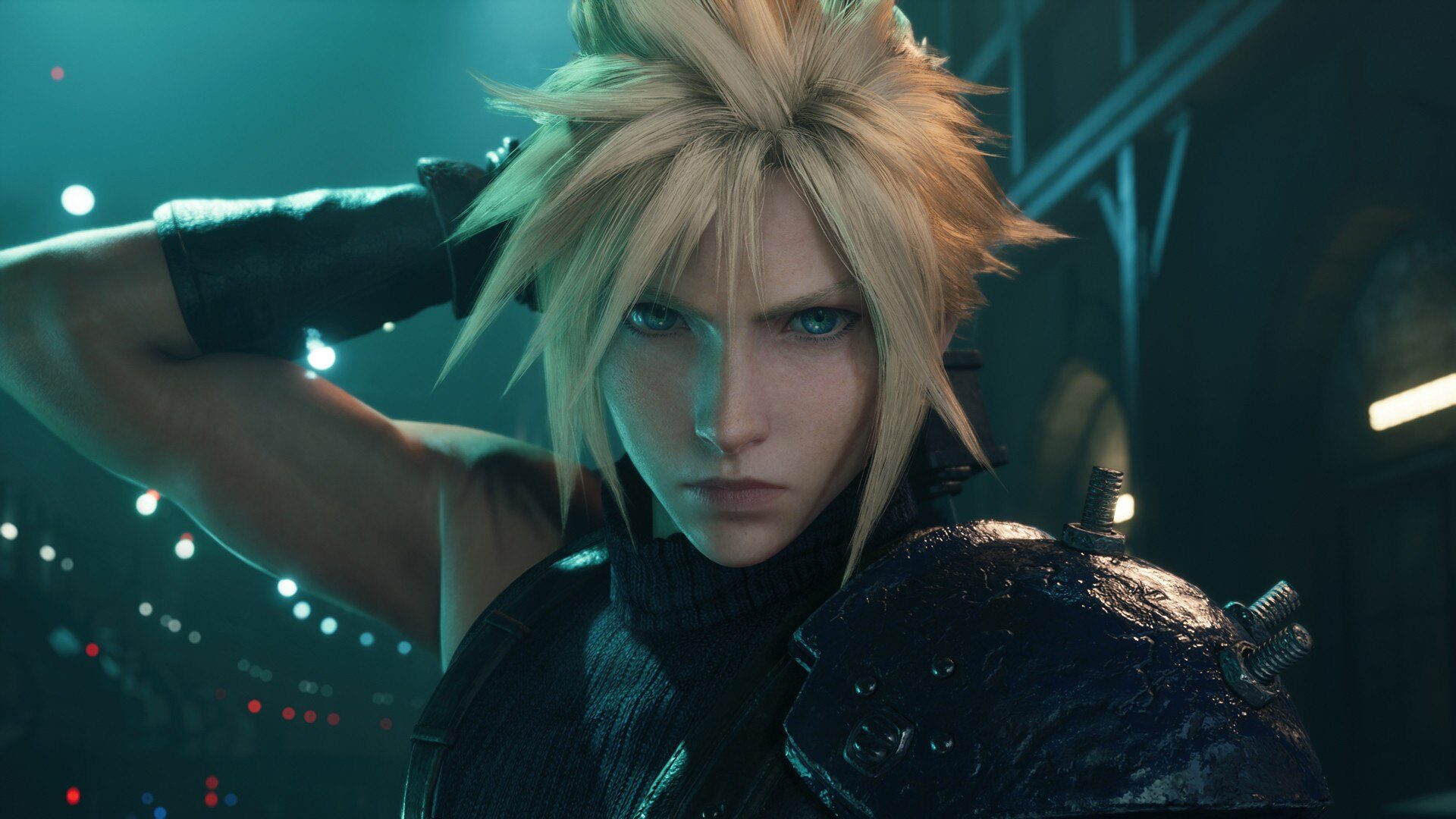
Cloud Strife, Squall Leonhart, Lightning, Noctis, Yuna, Terra: the protagonists of Final Fantasy exist in popular culture independently of the games that created them. Cloud appears in Super Smash Bros., in Kingdom Hearts, in mobile games, in merchandise, and in cosplay competitions at every convention on the planet. He is recognizable to people who have never touched Final Fantasy VII. That cultural penetration is comparable to characters from film and television, not from gaming.
This character persistence is unusual for a franchise where characters do not recur between mainline entries. Mario endures because he appears in dozens of games across decades. Cloud endures despite appearing in one mainline game released in 1997 and not receiving a direct sequel until the Remake project twenty-three years later. The characters persist through force of personality and design rather than through repeated exposure.
The full trajectory of how each entry contributed to the franchise’s cultural weight, from the 8-bit original through the PlayStation era and into the modern remakes, is mapped out thoroughly in this detailed ranking of every Final Fantasy game. Following the evolution entry by entry reveals patterns that are invisible when looking at any single game in isolation.
The Remake Paradox: Honouring The Past By Changing It
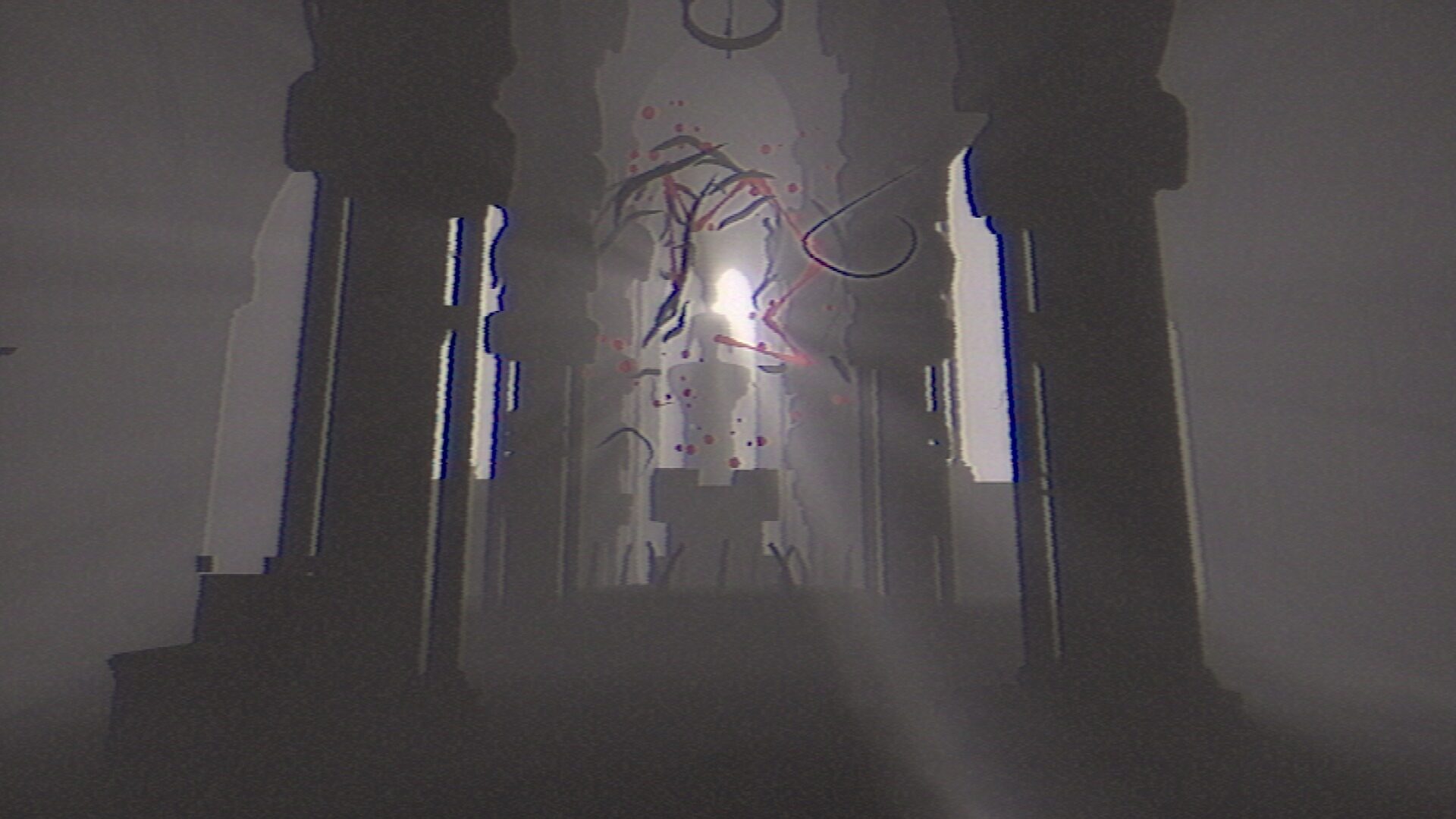
Final Fantasy VII Remake and Rebirth represent something without precedent in entertainment: a franchise remaking its most beloved entry and deliberately changing the story. Not updating graphics. Not re-recording voice lines. Actually altering plot points, character fates, and narrative structure. The Remake project is not a faithful reproduction. It is a conversation with the original, an argument about what Final Fantasy VII means and whether meaning can survive transformation.
This is reinvention applied to reinvention. A franchise that never repeats itself, finding a way to revisit its most significant work while remaining true to its core principle of constant change. The fact that Final Fantasy VII Remake is simultaneously a nostalgia product and a radical narrative experiment is the most Final Fantasy thing the franchise has done in decades.
The critical and commercial response validated this approach. Final Fantasy VII Remake sold over seven million copies and received widespread critical praise, not despite its changes but because of them. Players who wanted a shot-for-shot recreation were sometimes frustrated, but the gaming press recognized the ambition. A franchise built on reinvention applied that principle to its own history, and the result was both commercially successful and artistically meaningful.
The Cultural Machinery That Keeps Final Fantasy Alive
Final Fantasy‘s persistence is not solely about game quality. The franchise maintains cultural relevance through an entire ecosystem of products, events, and media that keeps the brand visible between game releases. Final Fantasy XIV, the MMO that nearly destroyed the franchise’s reputation at its 2010 launch, was rebuilt from scratch and relaunched in 2013 as A Realm Reborn. It became one of the most successful MMOs in gaming history with over twenty-seven million registered players by 2024. The game generates continuous revenue, continuous content, and continuous press coverage between mainline releases.
The merchandise pipeline is equally sophisticated. Clothing collaborations with Uniqlo and luxury fashion brands keep the brand visible in non-gaming contexts. Play Arts Kai action figures target adult collectors willing to spend three hundred dollars on a Cloud Strife statue. Mobile games like Final Fantasy Brave Exvius and War of the Visions maintain engagement with audiences who may never play a console RPG. Each product serves a different audience segment while reinforcing the same brand identity.
This cross-media saturation is something few game franchises achieve. Most gaming IPs remain confined to their original medium. Final Fantasy operates more like Marvel or Star Wars: a central mythology expressed across multiple formats, each feeding audience awareness back into the core product. When a new mainline game launches, it arrives in a cultural environment that has been continuously primed by MMO content, merchandise, concerts, and media appearances.
Why It Will Still Matter in 2046
Final Fantasy will celebrate its fiftieth anniversary in 2037. Barring catastrophe, the franchise will reach that milestone with at least two more mainline entries, continued XIV expansion content, and whatever experimental projects Square Enix launches in the interim. The franchise has already outlasted most of the studios that competed with it in 1987. It has survived format transitions, corporate restructuring, creative director changes, critical backlash, and a complete shift in the global gaming market from Japanese to Western dominance.
The franchise’s capacity for surprise extends beyond game design. Square Enix’s decision to transform Final Fantasy XIV from one of the worst-reviewed MMOs in history into one of the most acclaimed required a level of institutional courage that most companies cannot muster. They shut down the servers, apologized publicly, rebuilt the game from the foundation up, and relaunched it as a product that would eventually rival World of Warcraft in subscriber counts. That recovery arc mirrors the franchise itself: failure is not fatal when reinvention is coded into your DNA.
What strikes me most about playing through the series chronologically is how each entry feels like a reaction to the one before it. Final Fantasy VIII‘s divisive junction system led to Final Fantasy IX’s deliberate return to classic mechanics. Final Fantasy XIII‘s corridor-heavy linearity led to Final Fantasy XV‘s open-world freedom. The franchise learns from its mistakes in real time, processing audience feedback across multi-year development cycles and emerging with something that addresses previous criticisms while introducing entirely new risks. No other franchise iterates this aggressively across such long timescales.
Other franchises play it safe and survive through familiarity. Final Fantasy survives through surprise. And in an industry where playing it safe is the most reliable path to irrelevance, that willingness to risk alienating its audience with every release may be the most important reason the franchise has outlasted nearly everything around it. Twenty years from now, someone will play whatever Final Fantasy looks like in 2046 and discover that it feels nothing like the one before it. That discovery will be the franchise’s forty-sixth act of reinvention. And it will still work.