


For years, Ireland has developed a good reputation in software, technology and digital media. However, its domestic video-game industry is much smaller than that of other countries like the UK, France and Finland. The Irish video-game tax credit may help reverse the trend; however, tax assistance by itself can’t build a sustainable studio economy.
Now, the window of opportunity is open. Games involve software development capabilities, animation skills, storytelling, sound design skills, and online infrastructure capabilities, all of which Ireland already has. The challenge is to turn those strengths into companies that can develop, own, and publish successful Irish games, rather than just supporting international companies.
The digital entertainment sector is already a wide and joined-up market. For example, Irishluck.ie is a website that offers Irish visitors information and a comparison of casino sites in Ireland, including information on casino selection, games played, payment options, bonuses and safer gambling options. It also illustrates how Irish consumers are increasingly moving to specialist digital product comparison sites before using the product, which also has implications for video-game publishers who want to target informed players.
The Tax Credit Can Reduce Development Risk
It’s costly and unpredictable to create a video game. It can take years for a small studio to earn money from a game they’ve worked on for years. That includes salaries, art production, software licenses, testing, and marketing expenses.
Some of this burden can be lessened by a tax credit. It could enable studios to bring on extra developers, increase production times, or put more resources into quality assurance processes. This is especially useful for the independent companies that don’t have the resources of a large international publisher.
But the support needs to be available. For smaller studios, the application process may be too burdensome and/or the reimbursement may be too slow. The scheme should have clear rules, clear decisions and a structure that mirrors the real-life process of game development.
Ireland Needs Studios That Own Their Games
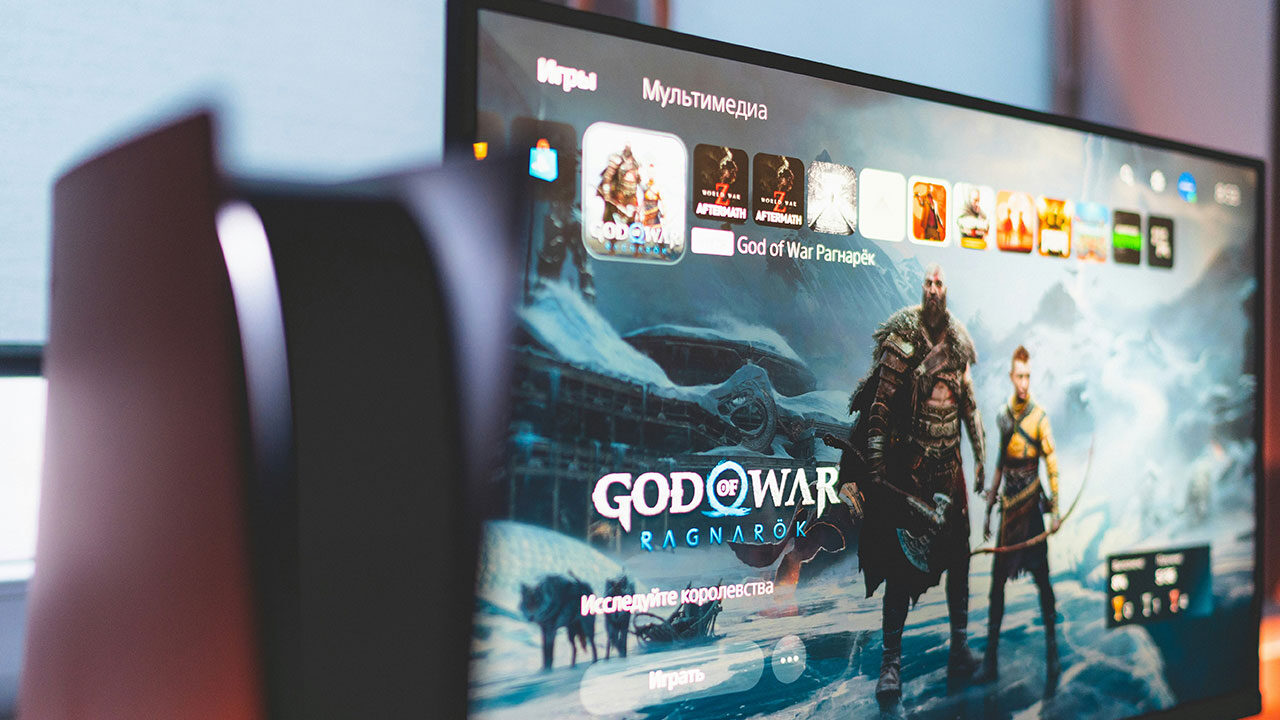
Contract work is not the sole source of a real economy for the studio. Employment can be generated through providing technical support, localization, or outsourcing art, but the greatest long-term gains are typically obtained through IP ownership.
Control of characters, game world, and the underlying technology allows an Irish studio to generate revenue from sequels, licensing, merchandise, and adaptations. It can also garner investment interest in the value of its portfolio, not its latest contract.
The tax credit should also be used to incentivize original development and work done for foreign companies. Whilst international investment is good, Ireland needs studios on its own that can create brands that can go around the world.
Funding Remains a Major Obstacle
Tax relief typically can assist once a qualifying expense has been incurred. Even studios will require funding during development to pay employees and suppliers.
This leaves a gap in funding. Although small grants or private savings may be enough to get early-stage teams going, a commercial game may need a lot of money in order to complete and market. Irish investors might also be more accustomed to software subscriptions than to game development, which works on a hit basis.
Ireland requires investors, lenders, and public agencies who are knowledgeable of production milestones, publishing contracts, and IP value. Other good studios may have to sell projects prematurely or even move to look for financing.
Skills Must Extend Beyond Programming
While Ireland has a great technology workforce, game studios need more than just software engineers. They also need producers, technical artists, writers, level designers, audio experts, animators, and user-acquisition experts.
Training providers and Universities can help by creating courses based on real production pipelines. There is a need for students to be aware of the importance of developing games using a multidisciplinary team to build, test and release the game, and not studying each creative skill in individual isolation.
Knowledge and experience in leadership are crucial, too. A studio can have great programmers and still not make it due to inadequate scheduling, communication and/or commercial vision. Experienced producers from established markets could be the solution to helping younger Irish teams avoid the costly mistakes.
Publishing and Marketing Cannot Be Ignored
Creating a great game doesn’t mean that users will find it. Whether you’re shopping for Android, iOS or PC games and consoles, you have thousands of titles to choose from.
Irish studios require assistance with publishing strategies, audience research and international marketing. They must know how to build communities, interest platform owners, and keep interest alive pre- and post-launch.
There is also potential to increase the ties between the games sector and other sectors such as film, music and animation in Ireland. There is an opportunity to use shared talent and technology to facilitate more sophisticated projects, and at the same time develop new commercial applications for Irish creative output.
Tax Support Must Lead to Permanent Capacity
Ireland already has a good starting point with the video-game tax credit, but it is important to remember that its success must not be judged solely on the number of projects it can secure. But the more significant questions are: Do studios survive between releases? Do studios keep experienced people on staff and do they still have valuable IP?
Patient funding, paired with tax support and practical teaching and publishing skills, can create a proper studio economy for Ireland. The credit in isolation may generate activity, but not sustainable companies.
The ambition should be an industry that can create Irish games, sell them internationally and invest the money in future generations of studios.