
Now and again, a new piece of tech comes along that reminds us just how far in the future we actually live. Over the past decade, consumer robots have gone from vacuuming our cat hair to delivering our food. Now, they’re fighting our wars. But today, it’s not an armed robo-dog or a Chinese mech suit that’s got my attention; it’s the HoverAir X1 ProMax by Zero Zero Robotics.
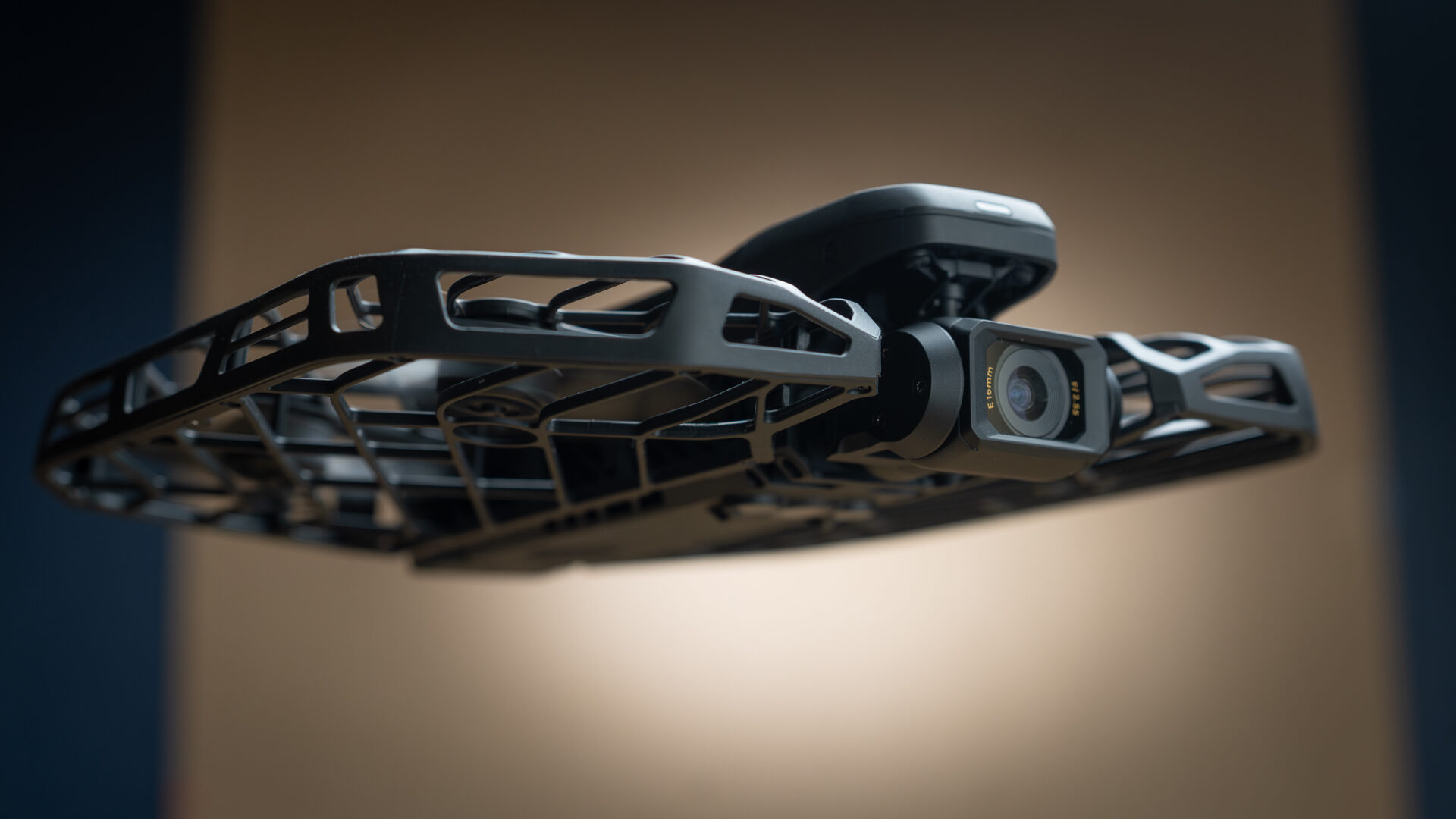
The HOVERAir X1 ProMax is an 8K ultralight self-flying camera that tackles the final frontier of automation: selfies. It’s a niche piece of kit that combines one-touch controls with intelligent auto-flight modes to record a user as they hike, bike, trek, or do mountain-top yoga. The X1 Pro and ProMax are updates to the original X1 design, offering longer-lasting batteries, upgraded cameras, and more intuitive interfaces.
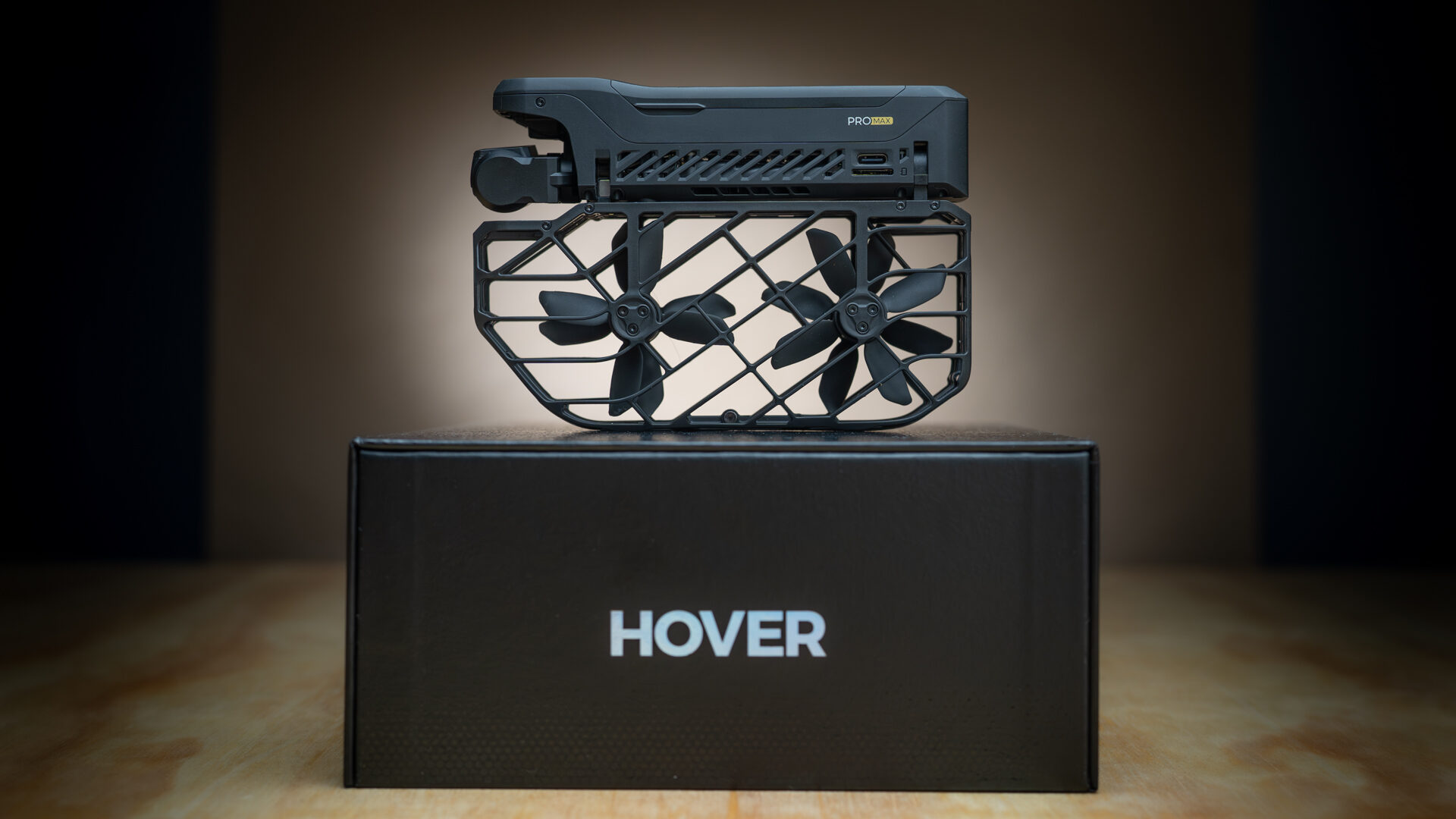
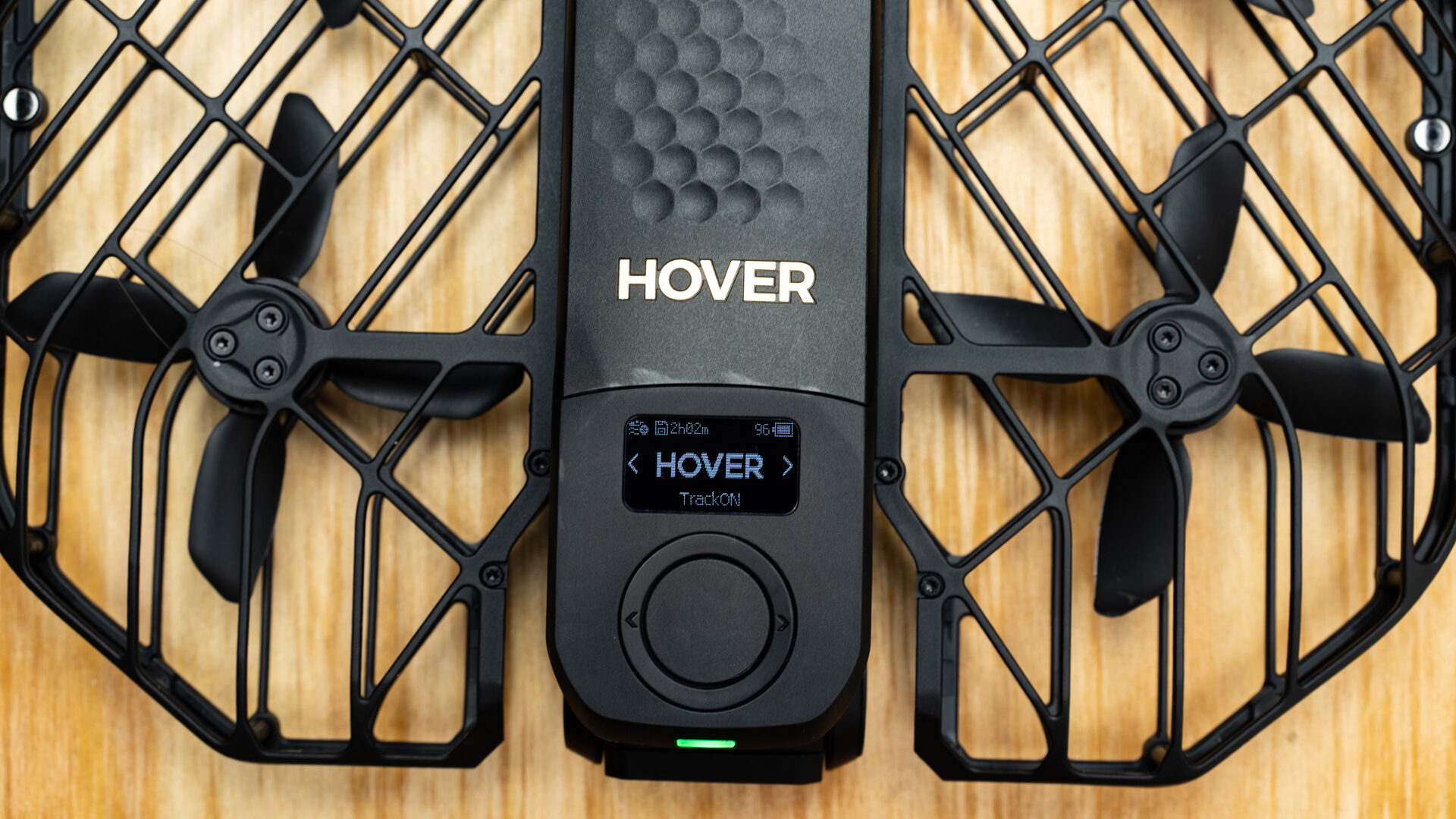
Flying robots are surprisingly user-friendly these days, but even compared to a DJI drone, the X1 ProMax is an evolution. From unboxing to first flight takes about 10 minutes, including firmware updates. Everything you need to know about using the drone can be learned through 30-second-long tutorials in the companion app. Recording settings, audio options, and flight parameters can be changed in the app and saved locally on the drone. Flight modes can be cycled through on the drone body, and recording is handled automatically while in flight.
When it’s time to film, you select a preset, push one button, and the drone launches from your hand to perform a cinematic camera move. It can follow or lead subjects as they walk, perform dolly zooms, or capture bird’s-eye flyovers, orbits, and spirals. For more specific shots, it can also be manually controlled from your phone.
“The X1 Pro and ProMax are updates to the original X1 design, offering longer-lasting batteries, upgraded cameras, and more intuitive interfaces.”
This isn’t a DJI, though. Instead of a transmission range measured in miles, flight distance is limited to roughly 90 meters. Often less. The intended use here is cinematic, user-focused self-tracking, not long-range photography. The modest range extends just far enough to maintain tracking while biking or skiing.
If you exceed the transmission range or the drone gets caught in the wind, the return-to-home function is relatively accurate. I had a few flights where a strong wind took the wheel, but it never led to a flyoff. Every time I would spot the drone slowly drifting back to Earth, a few meters from where I had set the home point.
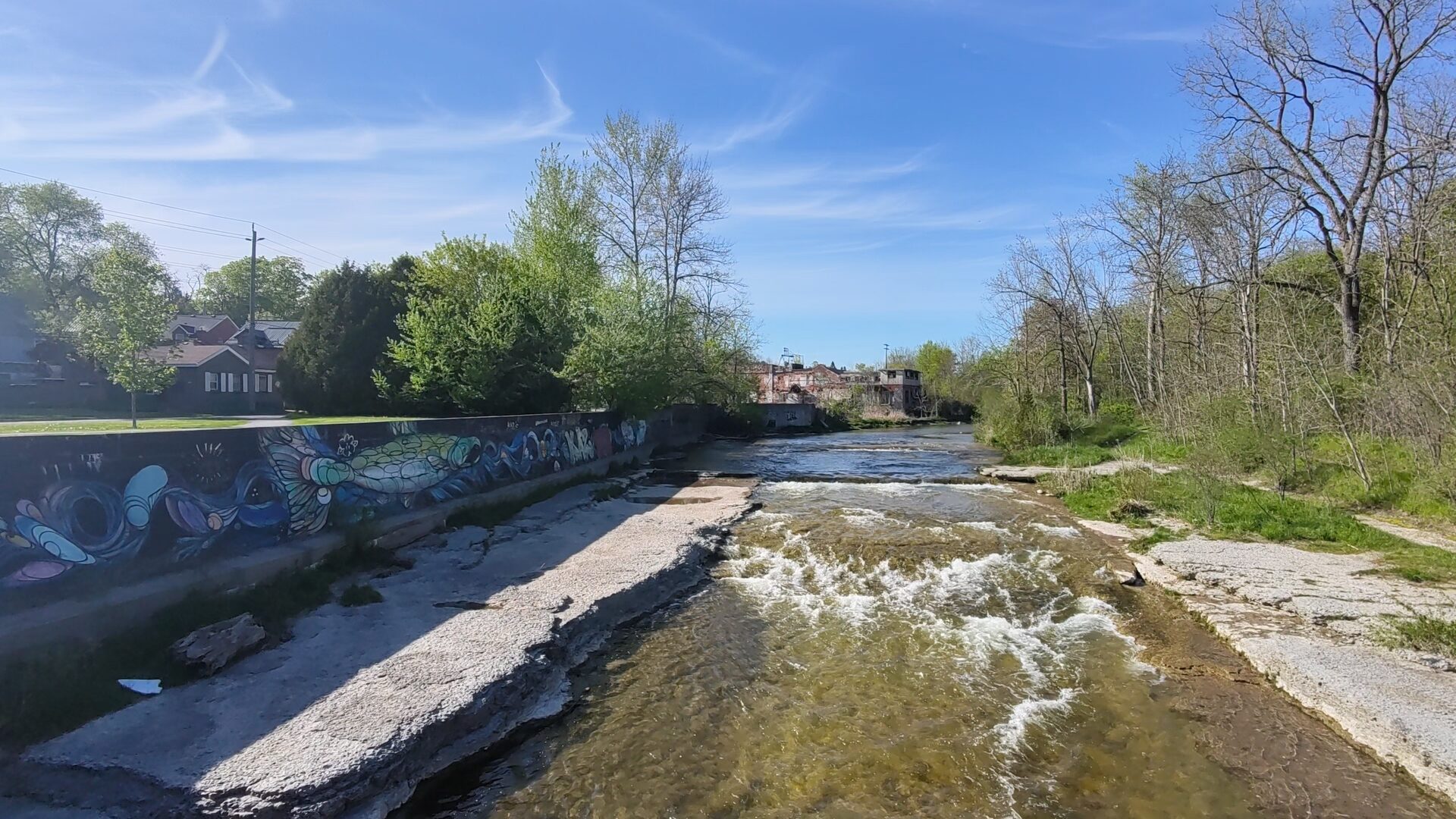
A less reliable safety feature was Omni-terrain, which is supposed to keep the drone safe over difficult environments. When it worked, the drone was able to maintain a consistent hover over choppy water, jagged rocks, and navigate hilly terrain.
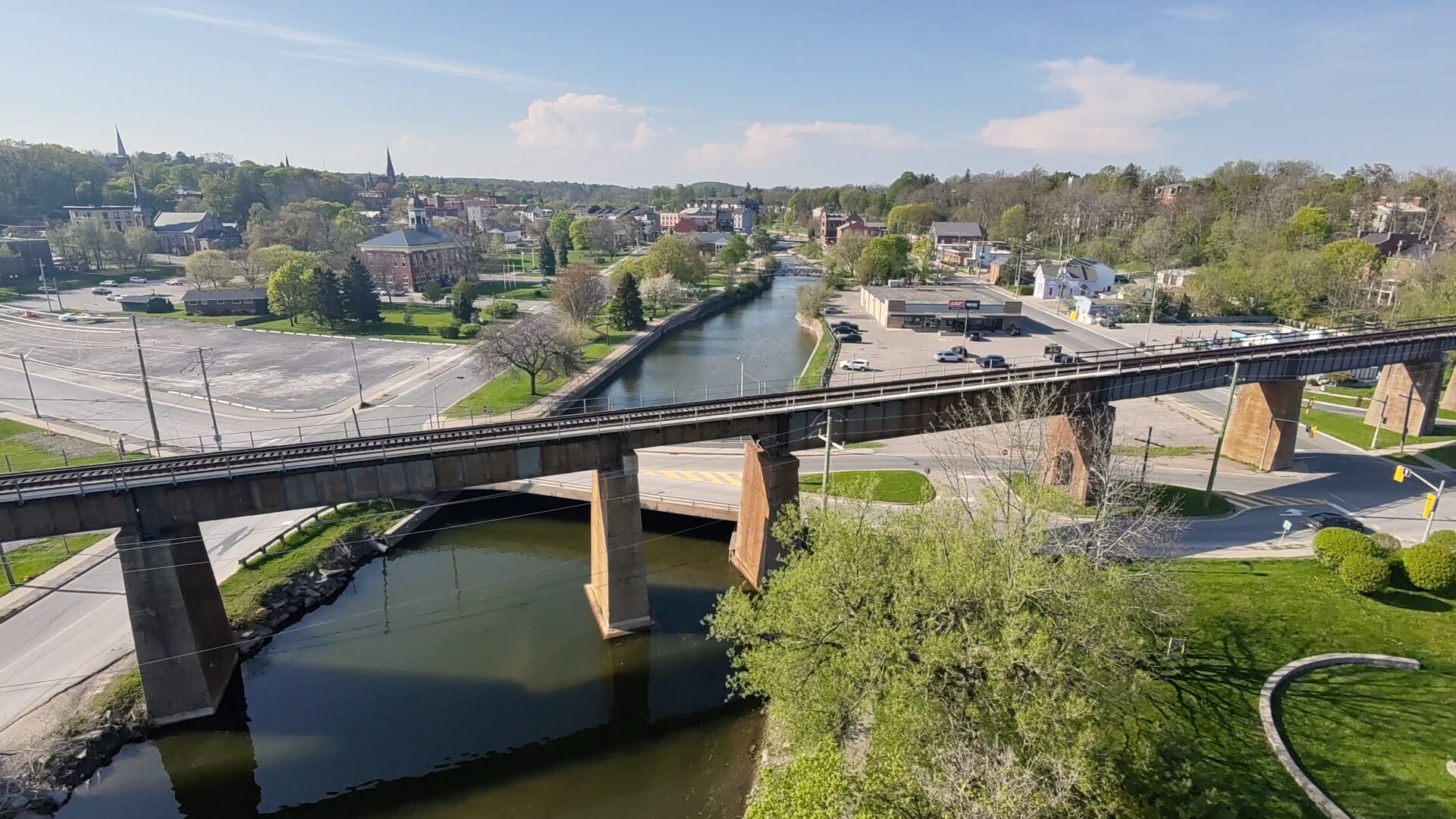
But the feature is inconsistent. Sometimes it needed a few minutes to activate before takeoff. Other times, it just wouldn’t. The main problem, though, is that it gets confused in uneven lighting. The second I flew under a bridge, the drone would think it was closer to the water and shoot up toward the ceiling. In that situation, the obstacle avoidance prevented me from lowering the altitude, even as the drone skittered across the concrete. My only option was to clench my cheeks, strafe left, and hope for the best.
Otherwise, the flying experience is great. The manual controls are smooth, responsive, and intuitive. The drone goes where it’s told, stops on a dime, and can hold a position like it’s staked in place. Small drones tend to bounce around in the wind and can even death spiral from their own rotor wash, but the HOVERAir is unflappable; it flies like it’s on rails. Applying yaw while moving forward is a bit clunky, and speed control is limited without joysticks—but this isn’t an FPV drone. Its agility is perfectly suited for basic camera moves.
It’s not very quiet, though; it’s louder than the larger and more powerful DJI Avata 360. Its baseline is a high-pitched whirring, not unlike a swarm of angry bees. When the wind kicks up, it gets even louder and more high-pitched.
My poor niece was chasing it around, pretending it was a fairy, but when the wind picked up and the rotors started screeching, she was terrified. “Uncle Erik, bring her down, she’s screaming!”
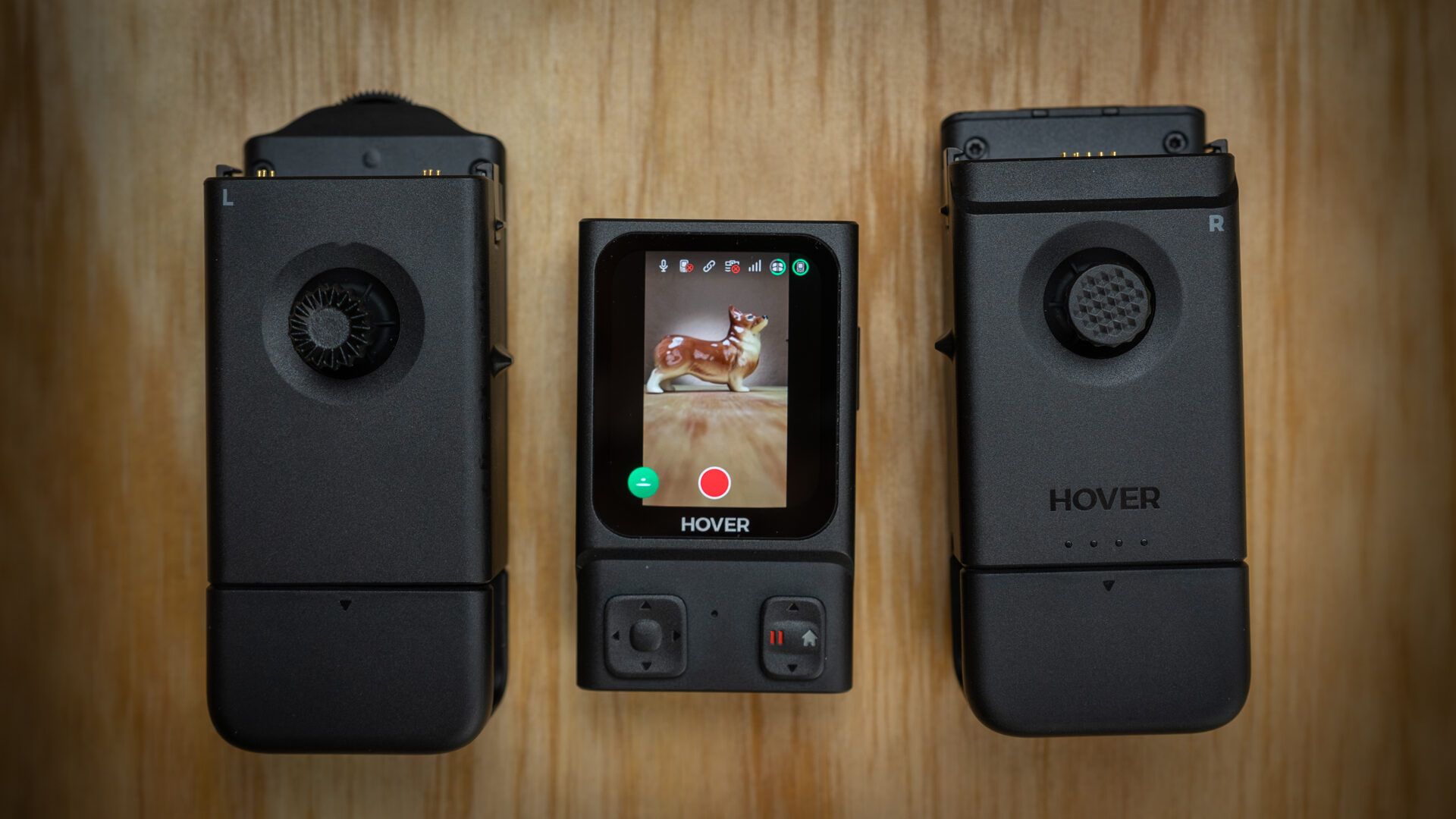
Our test model included a range-extending beacon attachment with a two-piece manual controller. The controller ends plug into either side of the OLD-screened beacon. Once the three pieces are clicked together, it works like a traditional controller, with a tiny screen in the middle, joysticks on the sides, and camera controls along the top. It can also transform into a USB-C tethered phone mount if you need a larger screen. Alternatively, you can create a motion controller by attaching just one of the controller ends to the beacon.
It’s a neat idea for a controller, but it’s awkward to set up and requires a separate case to lug around. While the physical joysticks were nice to have, they didn’t make the drone easier to fly. The beacon is worth packing just for the range extension, but I found dealing with the controller defeated the purpose of having a pocketable drone.
That controller is part of the beacon-focused Fly-Joy combo, which also includes several beacon mounts and, more importantly, extra batteries and a fast charger. If you are going to buy this drone, extra batteries are a must. The 1,920mAh lithium-polymer packs last about 16 minutes each, which is fine for a lightweight drone but not exceptional. In practice, that meant roughly three tracking shots and a few zoom-outs per charge. For day trips, three or four batteries would make the system far more practical.
The only comparable drone is the DJI Neo 2, since it’s the only other pocketable autonomous camera in this space. The Neo 2 is considerably more affordable than the X1 ProMax, although it only shoots in 4K. A full kit—two extra batteries, N3 FPV goggles, RC3 motion controller, and range extender—comes in at around $599. The X1 ProMax, on the other hand, is $699 for the drone alone. If you step up to the Fly-Joy kit, the price climbs to $1,069.
The reason for the premium comes down to purpose. The Neo 2 is a fun toy that can capture great content for social media, while the X1 ProMax is a more full-fledged filmmaking tool. It includes a higher-resolution camera, improved AI, and a more compact, durable design. It’s a drone suited to both hobbyists and professionals, but it trades some of the Neo’s playfulness for greater capability.
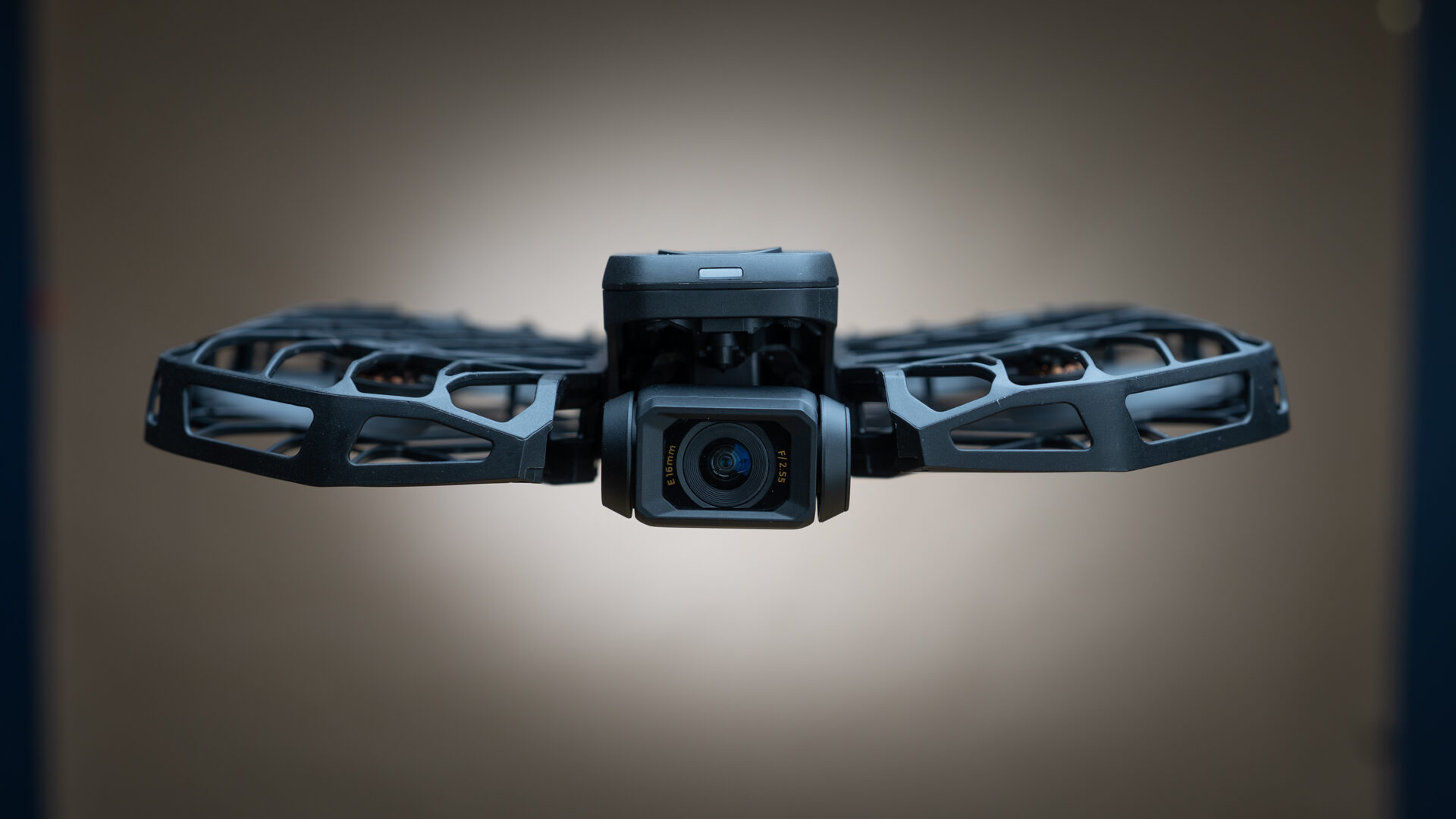
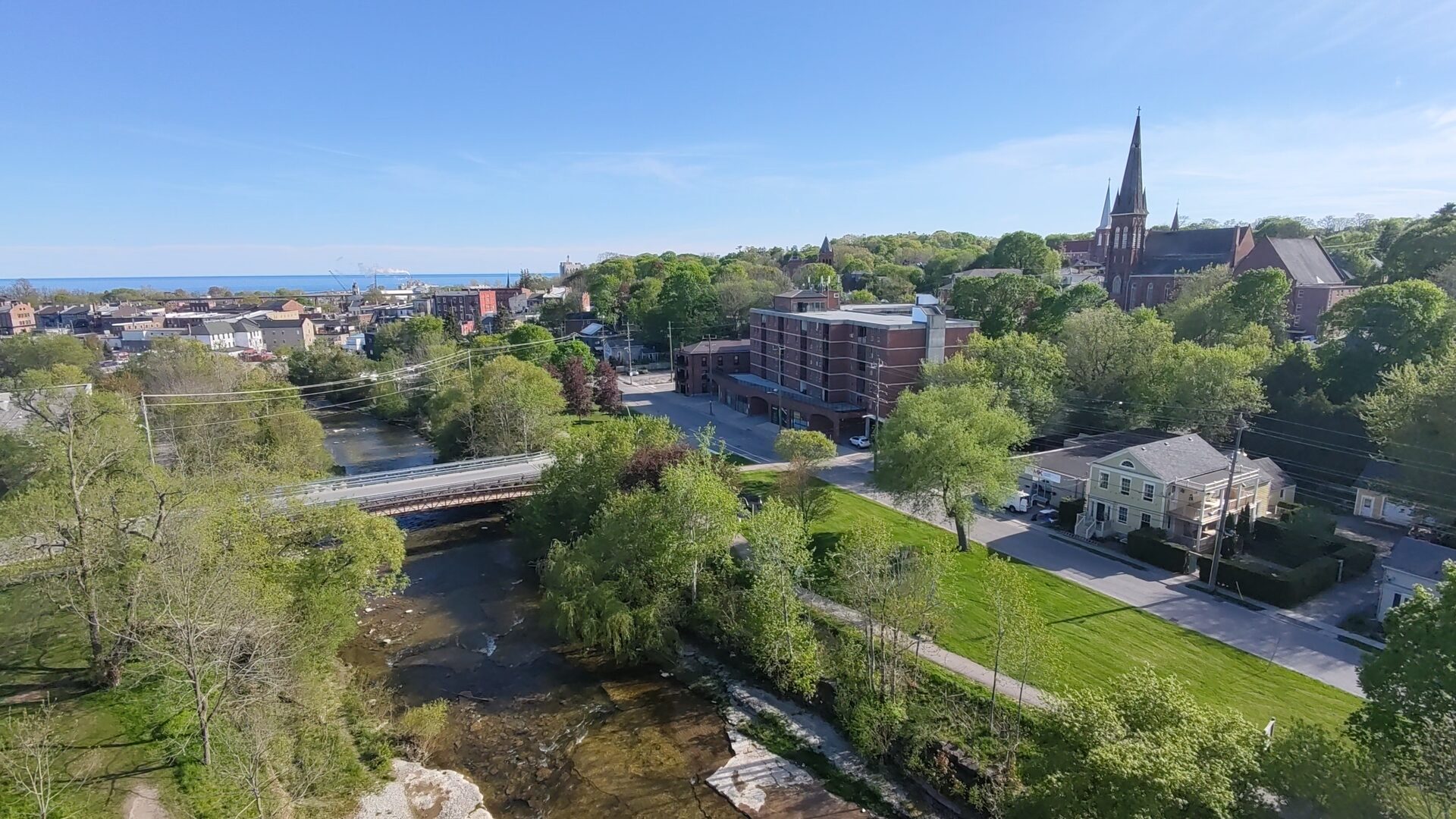
The footage this tiny CMOS sensor produces is outstanding. You won’t be shooting commercials with it, but it’s a totally viable B-roll machine, capable of recording 10-bit 8K at 30 fps and stunning 4K footage at up to 120 fps.
The 16mm lens produces rich, distortion-free images that are sharp from edge to edge. There are no built-in ND filters, but HOVERAir does sell a set of quick-detach lenses. I’d recommend these for all the usual reasons, but also for adding a little depth to help control lens flare.
The image processing is also impressive, and not just for a small drone. The standout shooting modes are HDR, HLG, and H-Log. All three do an excellent job of keeping shadow noise under control, though HDR and HLG are the most practical for editing. They look the best straight out of the camera while still leaving a bit of headroom for grading. It’s nice to have H-Log as an emergency option, but 4:2:0 recordings can only be pushed so far.
The exposure system is worth mentioning; during testing, auto exposure always produced a usable result. It tends to run a little hot at about ⅓ to 1 stop overexposed, but it was never blown out beyond recovery. My biggest sigh of relief, though, was seeing the manual exposure controls right in the app’s live view; I didn’t have to dig for them. The ISO has large gaps between stops, and the white balance uses presets instead of a Kelvin scale, but for a phone-controlled drone, the available options are a cut above. It even has exposure compensation.
I didn’t expect the photographic UI to be as good as it was. By the end of testing, I found myself using it almost exclusively in manual mode. It’s intuitive enough to trust during fast-changing weather and shifting light, and robust enough to dial in still-photo settings when conditions become difficult. For the intelligent auto flights, I let the AI do its thing and handle the image settings. It consistently produced strong results.
Now, I’ll put this out there: as a camera snob, I didn’t really care about the intelligent auto camera moves, and I didn’t trust auto exposure. Or, at least I didn’t.
My last experience with a subject-tracking drone was the OG DJI Neo. It was fun to play with, but as a photographer, it’s not something I ever fell in love with. Probably for the best, considering it eventually lost track of me on a walk, hit a tree, and crash-landed in a river. With that experience still in mind, I started testing the X1 ProMax on a small mountain, as far away from water as I could reasonably get.
The subject tracking is excellent. It maintained steady movement and consistent distance over some pretty tricky terrain. I had to go out of my way, playing peekaboo among the cedars before it gave up looking for me. Sometimes, after reestablishing line of sight, the camera would lock eyes with me, and we’d continue on our little jaunt. Other times, it would sullenly point at the ground and wait for rescue.
“Most people will never need this combination of features, but most people don’t go on weird adventures. If you do, and you want cinematic proof, the X1 ProMax will be worth every penny.”
Obstacle detection is similarly impressive. On the rare occasion it failed to see a branch, the drone would usually recover without crashing.
When it does crash, the drone gets a little snippy, chastising you in a vaguely British accent, reminding you to be more careful. I’ve named this voice Carol. I reminded Carol that she was the one flying, though I’m pretty sure she couldn’t hear me. The drone does have voice control functionality, so who knows—maybe something got through.
But as I stood alone in an ancient forest, arguing with a tiny robot, I became uncomfortably aware of the moment. People have walked this trail for centuries, yet I was the first to bring a robot up the hill. I pushed the drone too far and crashed it into trees older than my country. Bark chipped from their sides, but the X1 ProMax came away unmarked. My selfie was perfectly exposed. It’s an eerie thing to film alone but still feel accompanied, though I’d be lying if I said it wasn’t the most fun I’ve had with a camera in years.
The X1 ProMax is expensive. For less money, you can buy drones with a far greater range, longer battery life, and more traditional controls. But finding another specialist tool that combines high-quality imaging and reliable autonomous performance will be difficult. Finding another option under 193 grams that can fly over 26 mph is, at the time of writing, impossible. Most people will never need this combination of features, but most people don’t go on weird adventures. If you do, and you want cinematic proof, the X1 ProMax will be worth every penny.

- World’s First 8K@30fps Flying Action Camera: Capture stunning 8K@30fps videos with the HOVERAir X1 Promax Mini Camera Drone! 8K for the big screen, 4K vertical for the small screen no compromises. This pocket-sized mini action camera delivers cinematic-quality footage effortlessly for hiking, cycling, skiing or vlogging, with its lightweight design and smart flight modes making every moment unforgettable. Your adventures, in 8K! (Horizontal: 8K@30fps, Vertical: 4K@30fps)
- No FAA Registration Required & FCC Certified: Weighing a mere 192g (6.77oz), exempt from the hassle of FAA registration. Fully FCC certified with strict quality testing, allowing you to enjoy worry-free and hassle-free outdoor flying anytime. The foldable design makes every adventure just a fold away