

DJI makes some of the best consumer drones and creator gear on the market, so when the company reached out and asked if we would be interested in testing its robot vacuum, the DJI ROMO, I was intrigued. The company makes many of the parts that could go into a vacuum, so it made sense that it would finally jump into that space, but I was curious to see how it would all shake out and whether this would be a vacuum that could compete with the big players in the space. Now that I have used the DJI ROMO for around a month, I have to admit I am impressed.
First things first, when the box for the DJI ROMO came in, I was shocked by just how big it was. I have reviewed my fair share of these little vacuums, but this was one of the bigger boxes I have seen so far. Once I got it unboxed, I was even more interested because it offered one of the most unique designs I had ever seen on a robot vacuum.
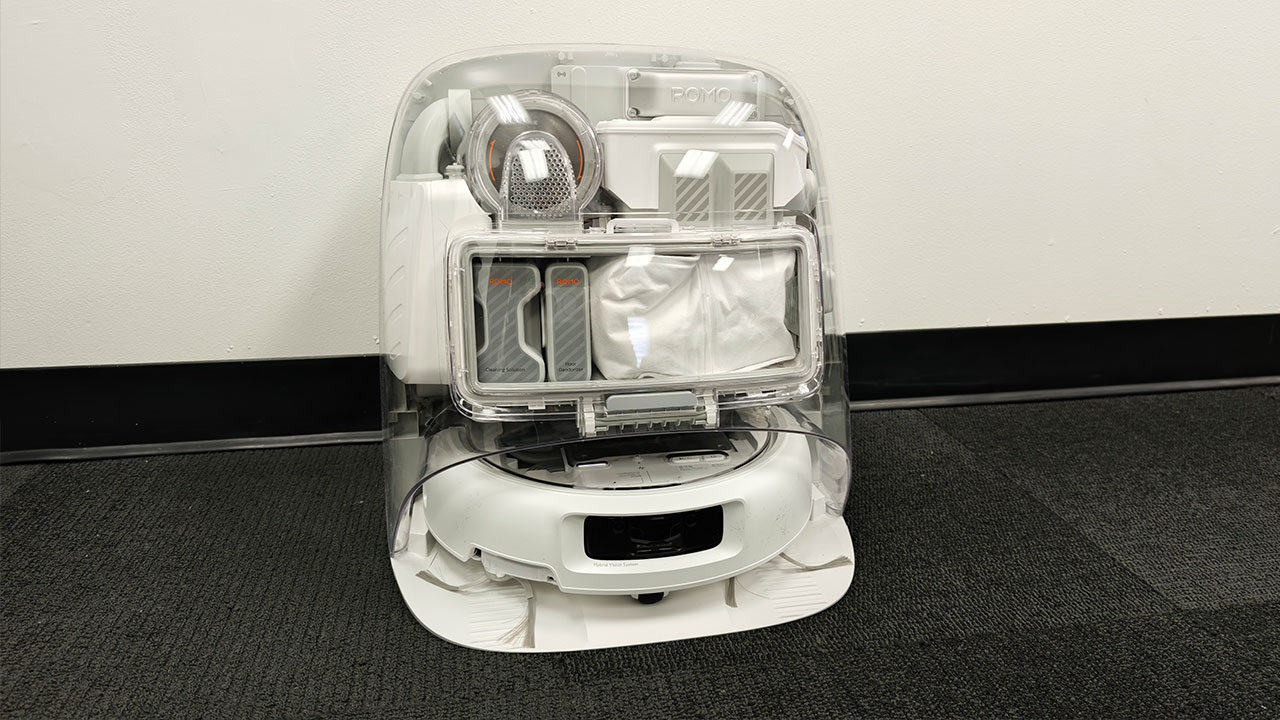
We all know the transparent plastic that was on everything in the late 1990s and early 2000s. Well, DJI has brought it back with the DJI ROMO. Both the base station and the robot itself have a clear plastic shell that lets you see some of the internal parts, and despite my concern when we got it set up and ready to go, it does not actually get as ridiculously dirty as it seems like it would, although more on that later.
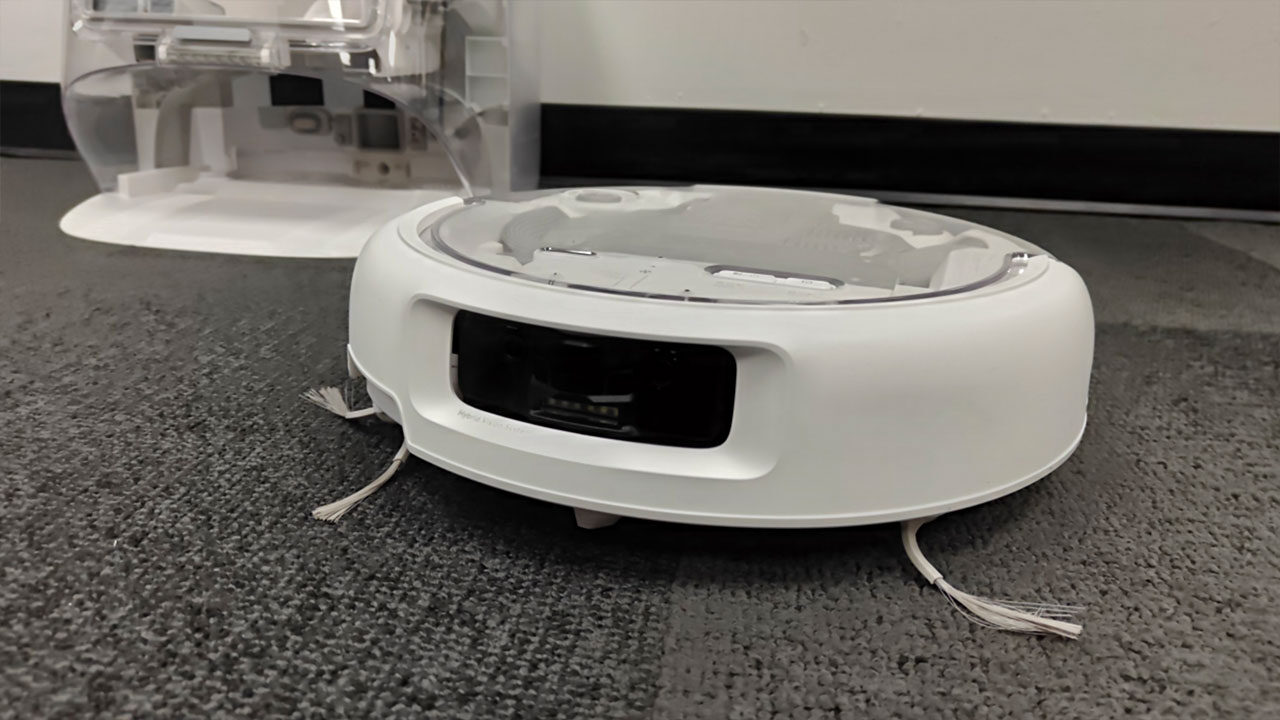
The DJI ROMO features a 2.4-litre dustbin, 60 C hot-water mop washing, UV and silver-ion sterilization, and an auto-detergent dispenser. It stands around 17 inches tall and measures about 15 inches from the back to the ramp of the unit, so this is not a small robot vacuum. It does, however, manage to fit everything into a rather unique-looking unit that can fit and look interesting in many areas of the house or office. The DJI ROMO is around 4.5 kg, so it is not the lightest machine out there, but it is very easy to pick up and move if that situation ever springs up.
In the box, you will find the detergent, deodorizer and vacuum bag, although depending on your level of use, you may need to invest in more to ensure the machine is always ready to clean your floors. During my month or so with the DJI ROMO, I did not run out of either or fill up the vacuum bag, but your personal usage will vary depending on the size of your house, the amount of hard flooring that needs to be washed, and how often you plan to run the DJI ROMO, so your mileage may vary.
Setting up the DJI ROMO was surprisingly easy. You get it all put together, install the DJI Home app—for me, I had to download it from the DJI website, although it may be in your respective app store once the device launches properly—and then the app takes you through the setup process. The ROMO starts by mapping your home, sorting out the various types of surfaces, room sizes and overall cleaning area, and works out a map of your space that you can use to direct it, set up zones, and handle the other things needed to ensure your home is cleaned properly when the DJI ROMO runs.
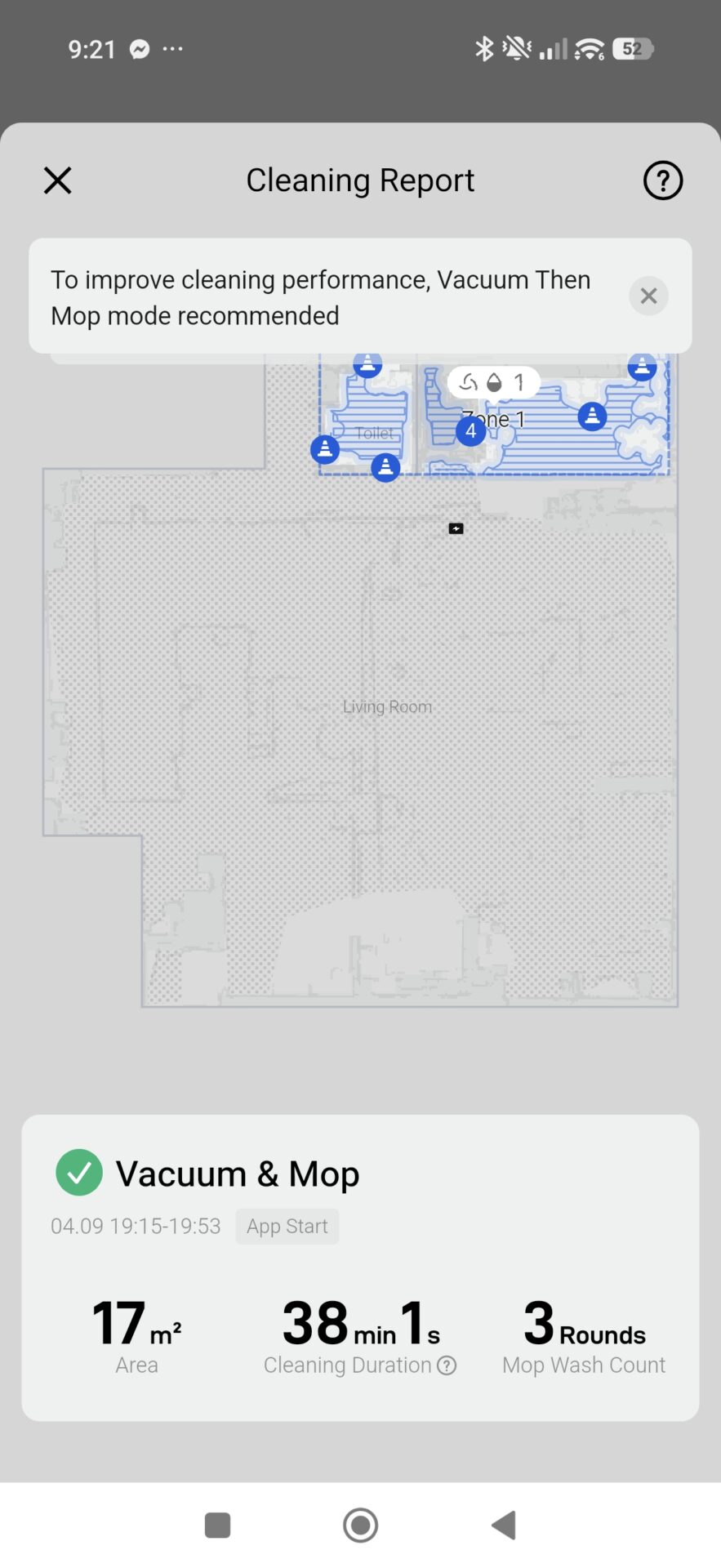
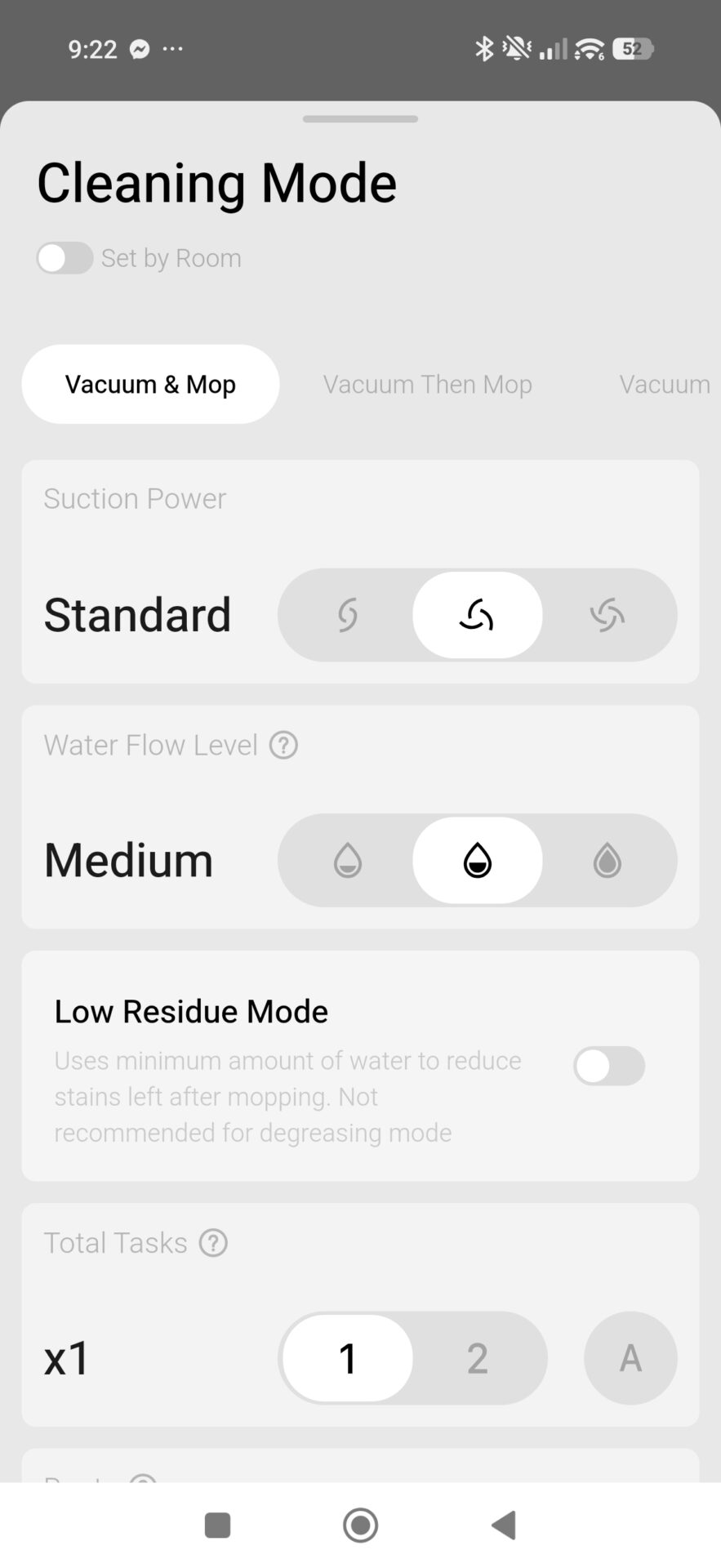
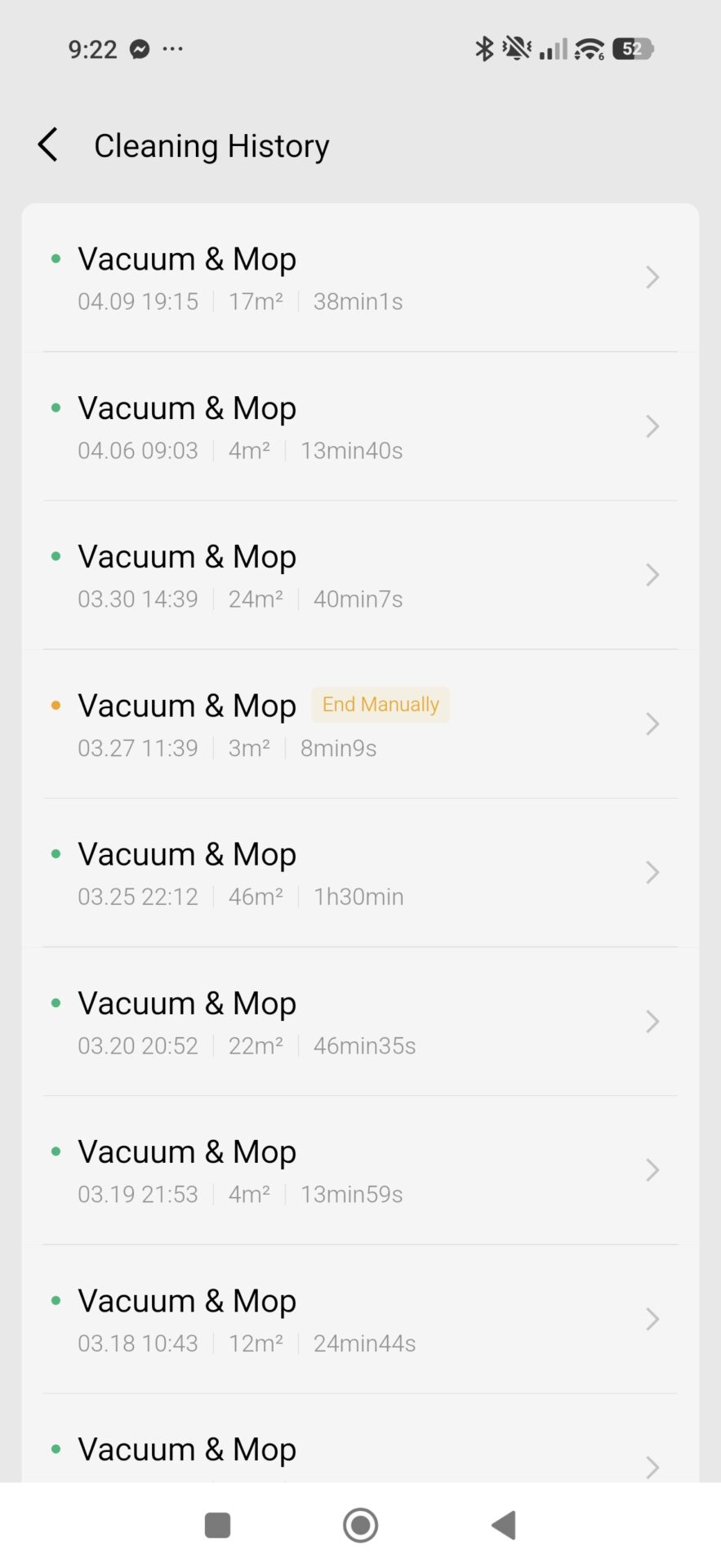

The app is used for all the settings of your ROMO, and allows you to schedule cleaning, set up the cleaning map how ever you need to, including no-go zones should you have any (I used it to stop the ROMO from going under the couch since it seemed to have issues getting out from under there due to the ratts nest of wires). The app will also let you set specific settings for a run, including how intense you want the cleaning to be, how many passes you want the robot to run while mopping, what order the mopping and vacuuming go, along with a few other granular features that help customize the experience to your needs.
“The DJI ROMO is around 4.5 kg, so it is not the lightest machine out there, but it is very easy to pick up and move if that situation ever springs up.”
Now is the time to talk about some of the tech that helps make this little robot run, and as I mentioned, it uses DJI tech to help it all work, which is one of the reasons it is one of the smarter robot vacuums I have used to date. The DJI ROMO features dual fisheye vision sensors along with solid-state LiDAR, giving it a solid view of its surroundings. It also has a little flashlight on the front of the robot for use at night, and I will say these features do help it feel a bit smarter than the average vacuum, at least in how it navigates.
The company calls this feature ActiveSense 3D navigation, and it uses a combination of structured light, an RGB camera and edge-detection sensors, all processed by a proprietary SLAM algorithm borrowed from the company’s aerial platforms, giving DJI a bit of a leg up on other brands. This is where the drone pedigree shines through in its performance. I was surprised at how well it all works together, with the ROMO being one of the fastest robots to map the office and get it ready for cleaning.
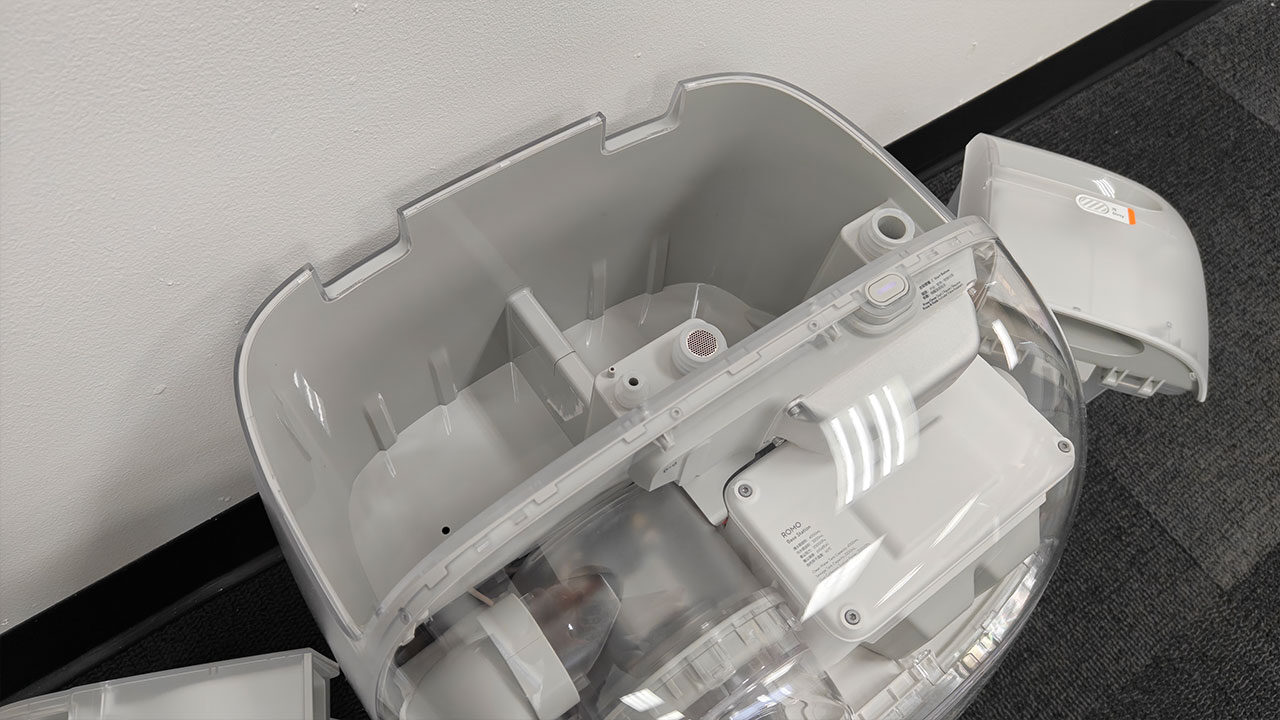
Many robot vacuums I have tested in the past are rather dumb and rely on bumping into things around them to sort out when to stop or where the edges of the room are. The DJI ROMO does not have this issue. Even when you have various things on the floor, or boxes that it has not been trained to avoid while mapping, the ROMO had no issues avoiding them, and out of all the robots I have tested to date, the ROMO got stuck the least. The few times it did were when I left various cables on the floor that got caught in the rollers, so I do not blame the ROMO too much for that one.
The ROMO boasts the ability to see objects as small as two centimetres, and I have to say that feels correct. Leaving a range of screwdrivers on the floor, do not ask, it managed to go around them rather than over them, something many other brands have done to me more times than I like to admit. The ROMO also manages its route very well, so much so that if you throw things in its way, it will find a way to finish its route, making sure minor changes in your space will not throw the ROMO into disarray.
Speaking of rollers, the DJI ROMO features a unique dual-roller system that is designed to avoid tangling when picking up hair and other things of that nature. It is similar to what we saw in some of the Narwal units, and DJI seems to have taken note of what works and delivered something very similar. The vacuum also features dual spinning mops with extending, adaptive robotic arms, with all of this helping it reach the hard-to-reach places static robot mop heads may have trouble hitting.
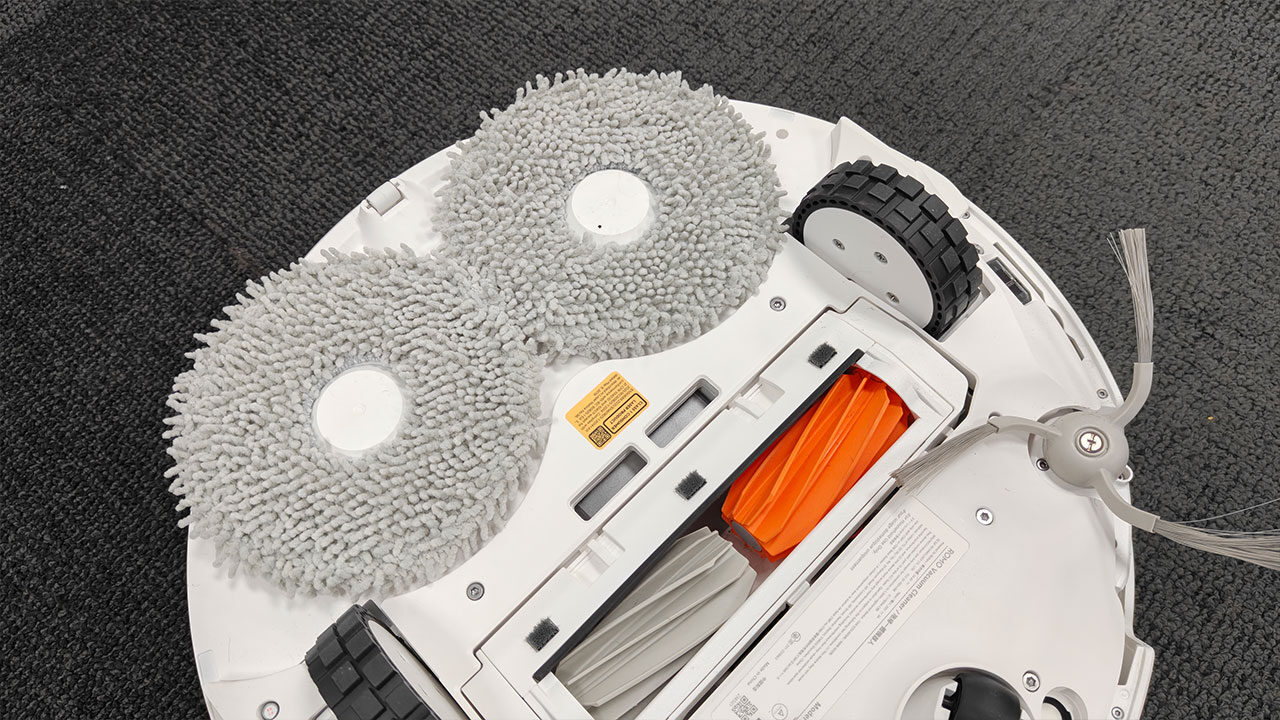
Cleaning performance was some of the best I have tested. The 25,000 Pa of suction power was able to collect a lot of the standard debris you find around your house, including smaller screws and nails you may have lying around your room, and it is even able to pick up many of the things that may fall on your kitchen floor, including cereal, flour and random odds and ends, with ease. The kitchen has honestly never looked better, and that is not even touching on the mopping performance of this little guy.
The dual mops I mentioned above work very well at cleaning up the many spills and messes that may be on your hard-surface floors. It has managed to keep the CGMagazine kitchen space clean for the better part of a month now, and I have been shocked at how well it is able to deal with the various messes that happen here. It is also very capable of cleaning bathrooms and hallways, picking up the various issues that may be present all over your home that you would rather not go near.
Once it is done cleaning and mopping, the base station ensures there are no major smells or other issues by washing the pads with water heated to approximately 58–60 °C and then running a hot-air drying cycle. This is a feature we have seen on a few different wet dry mops we have tested in the past, and it does a great job keeping the mildew, smells and other annoying issues that mops tend to have at bay while using the ROMO.
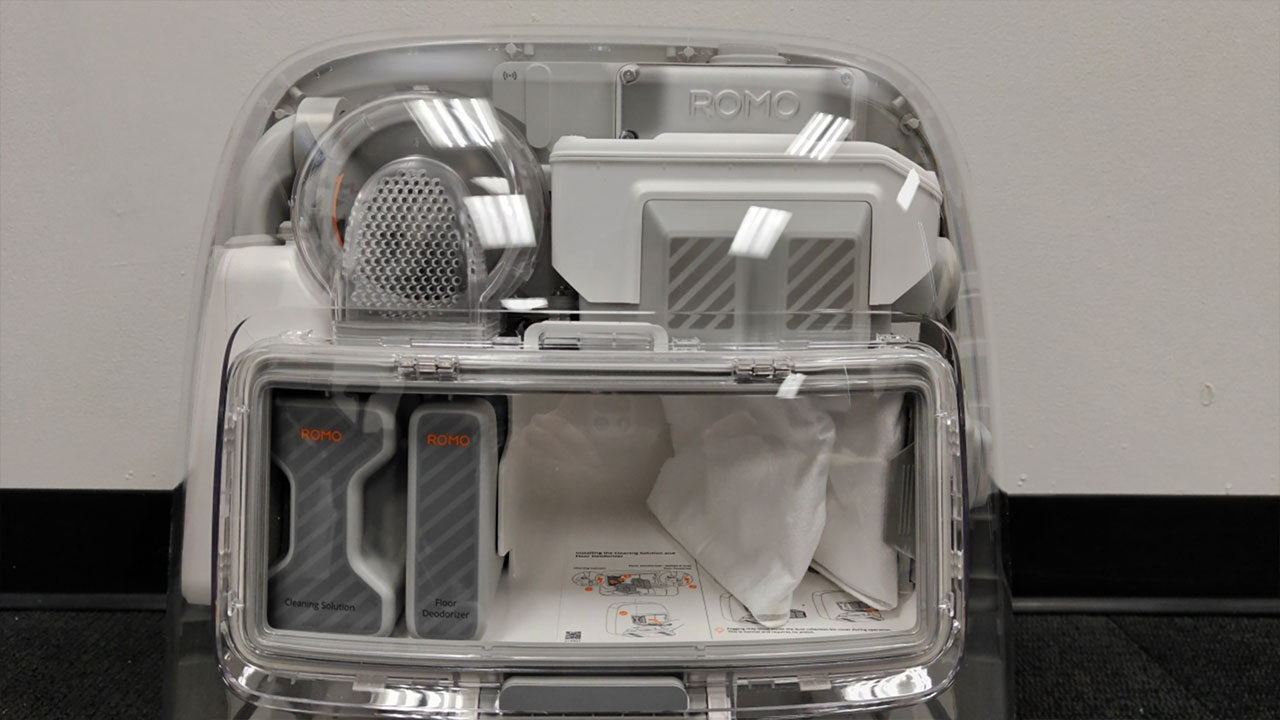
The DJI ROMO, like many of these robot vacuum cleaners with a base station, also features automatic emptying, which pulls out all the dirt and debris, while also refreshing the water once it finishes a job. It also ensures it is clean before it starts a job, so if you have it running on a schedule in the morning, be prepared for it to spring to life as it starts its usual routine.
That being said, the DJI ROMO is one of the quieter robot vacuum cleaners I have used, and it has not caused many issues as it runs throughout the office on a daily basis. The base station is audible while running, so if you are on a call or watching something, you will hear it, and it may be annoying, but the robot itself is incredibly quiet as it picks up dirt and cleans your floors around the house. I sometimes forget it is running, only to almost trip over it as I walk to grab something or check on something in the back.
The ROMO also features a 5,000-mAh battery and has the ability to run for up to three hours, meaning this little guy can clean most homes without needing to stop to recharge, something I have had issues with in the past. That being said, it is also relatively quick when it does run, with the ROMO finishing most rooms in around 15 to 20 minutes, including mopping, scrubbing and vacuuming. But as with anything like this, your experience will vary depending on your home and what sort of setup you need it to tackle.
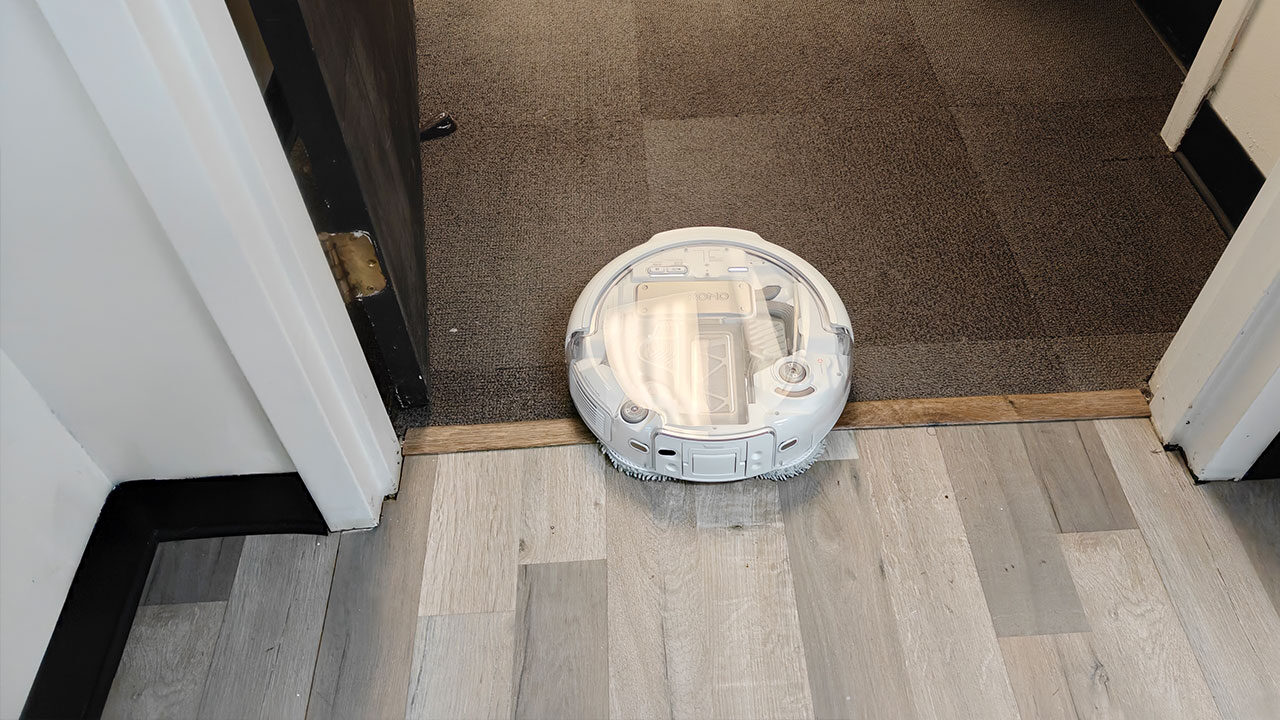
All in all, I am really impressed with the robot vacuum DJI has built, and it delivers a very solid overall experience. I will point out that the DJI ROMO currently lacks some of the more integrated app ecosystem connections that some other brands feature. Things like Alexa, Google Home and the like are sadly missing for now.
The DJI ROMO also comes at a premium, and at a projected price of well over $1,000 US, it is in the same category as the big players such as Narwal, Roborock and Dreame, so it is a bit of an investment, especially for a brand new to the space. That being said, the company has a solid track record with the tech it works on, and especially with its creator gear. Many of our writers swear by what it offers, so hopefully it can bring that same level of quality and support to robot vacuums.
DJI has delivered one of the more interesting robot vacuums with the ROMO, and I have to say I am impressed. There are a few rough edges, and the app integration is not nearly as robust as some of the other options on the market, but the results speak for themselves. The DJI ROMO has managed to deliver a solid cleaning experience and works incredibly well with both vacuuming and mopping, and the obstacle avoidance is the best I have tested to date. While it is a pricey option, if you have the budget, the DJI ROMO is a robot vacuum cleaner that is well worth the investment, and let’s face it, it looks ridiculously cool.