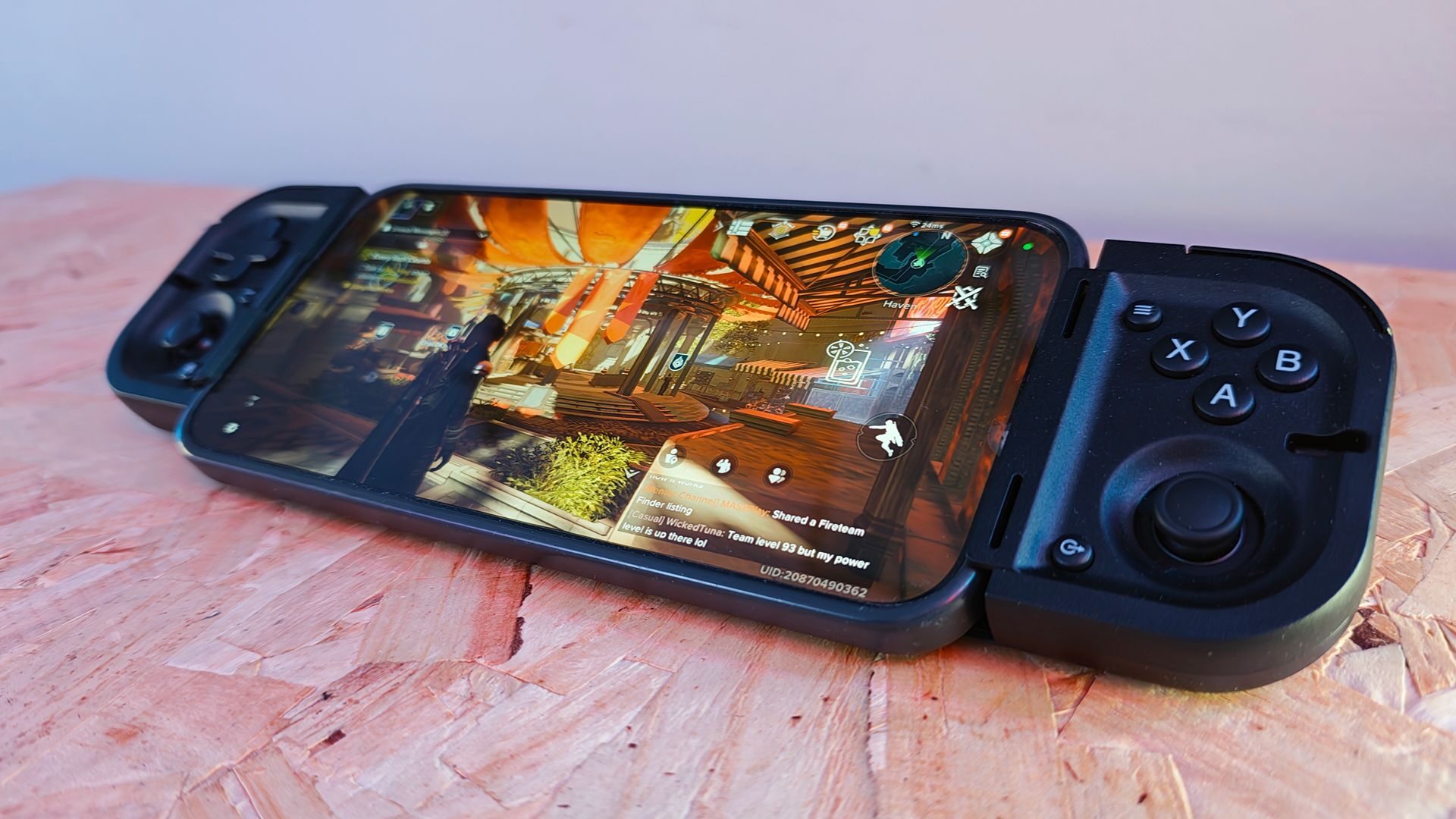


Introducing a new genre within mobile controllers, Razer has unveiled the new Prio ultra-mobile controller. Designed for those moments in between—waiting for an appointment or commuting to work—the Razer Prio takes all of the features and buttons you’d expect to find in a quality mobile controller and condenses them into a pocket-friendly format. With full console-style controls, a simple USB-C connection and cross-platform compatibility, the Prio is focus-built for those times when live only gives you a few moments to game.
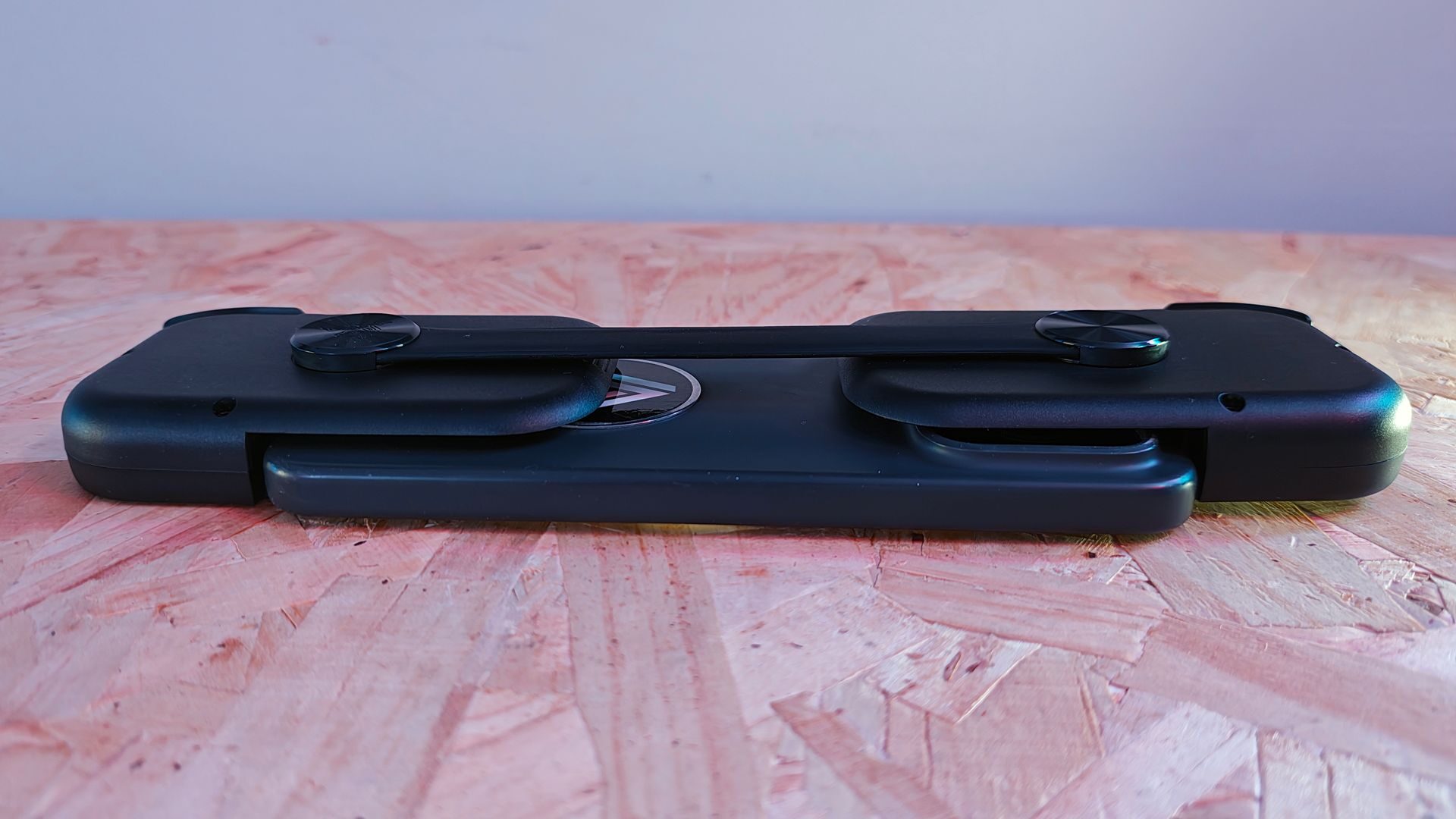
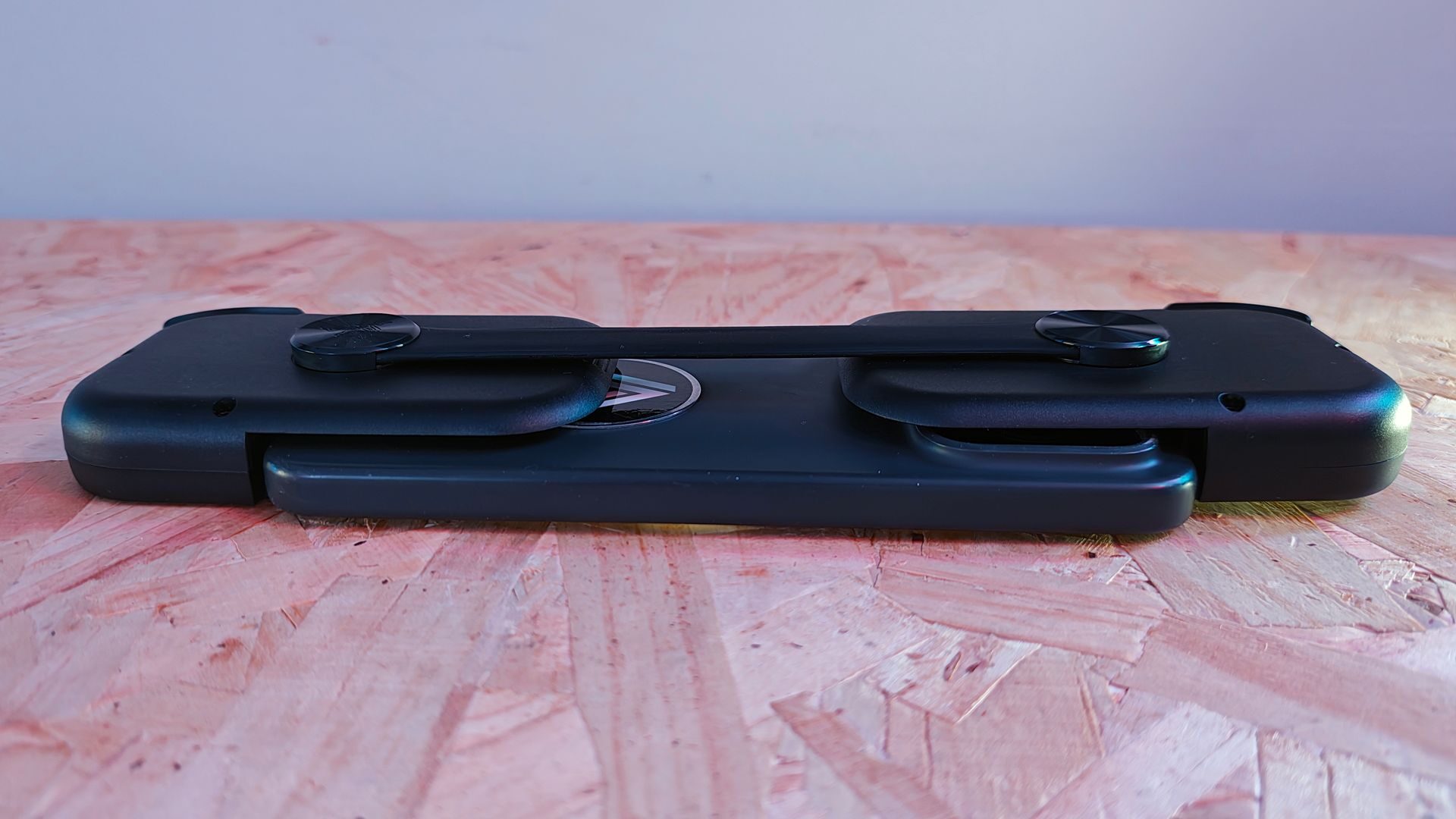
While there is a lot to love about this ultra-mobile controller, the most notable feature is its size. As a compact, foldable mobile controller, the Razer Prio can become impressively small. When collapsed into travel mode, it’s slightly larger than a credit card in height and width. While in travel mode, as I’ve officially dubbed it, the Prio measures a mere 101 x 67 x 32 mm and weighs only 101g, making it the most compact and lightweight controller I’ve ever tested.
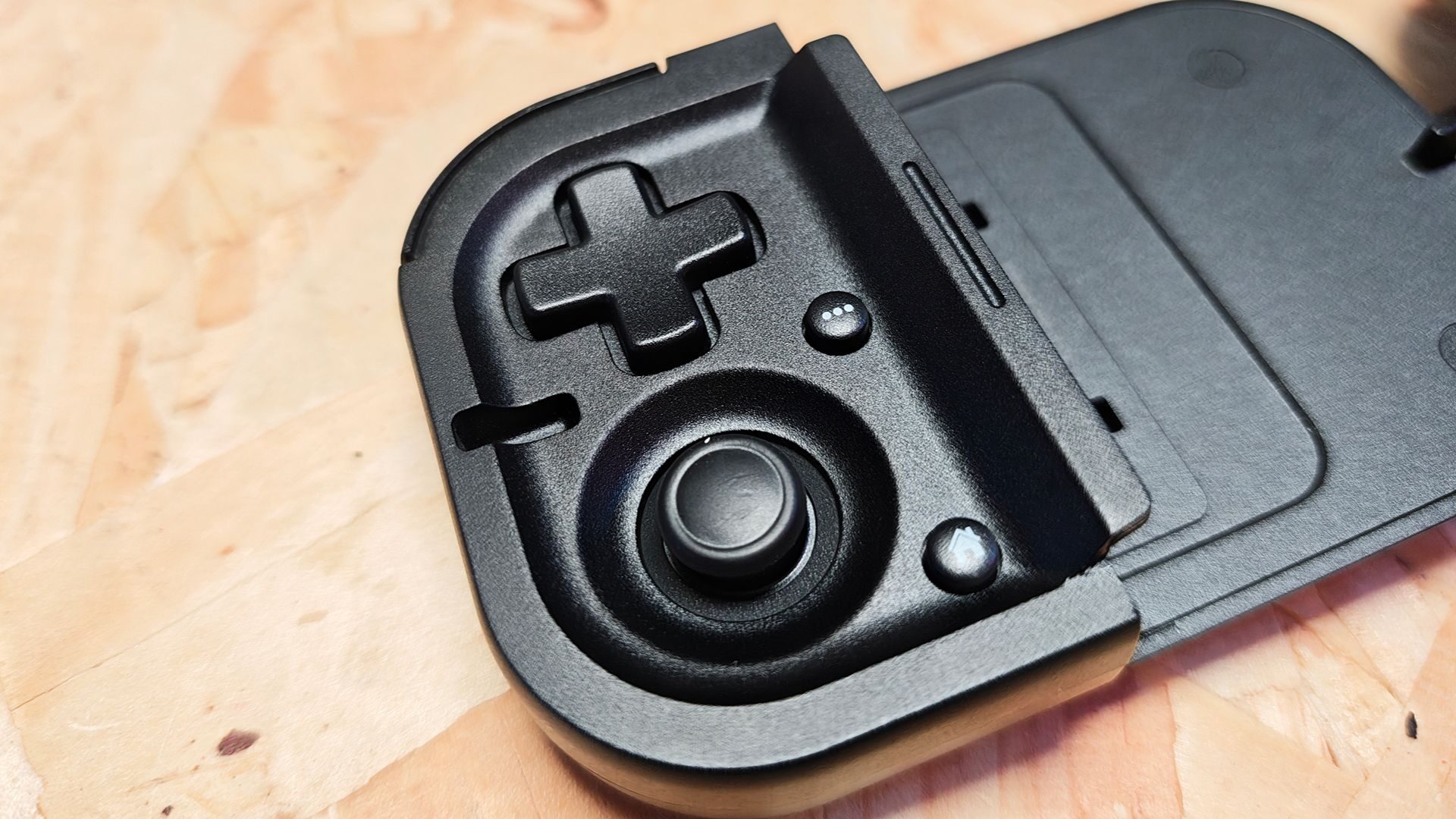
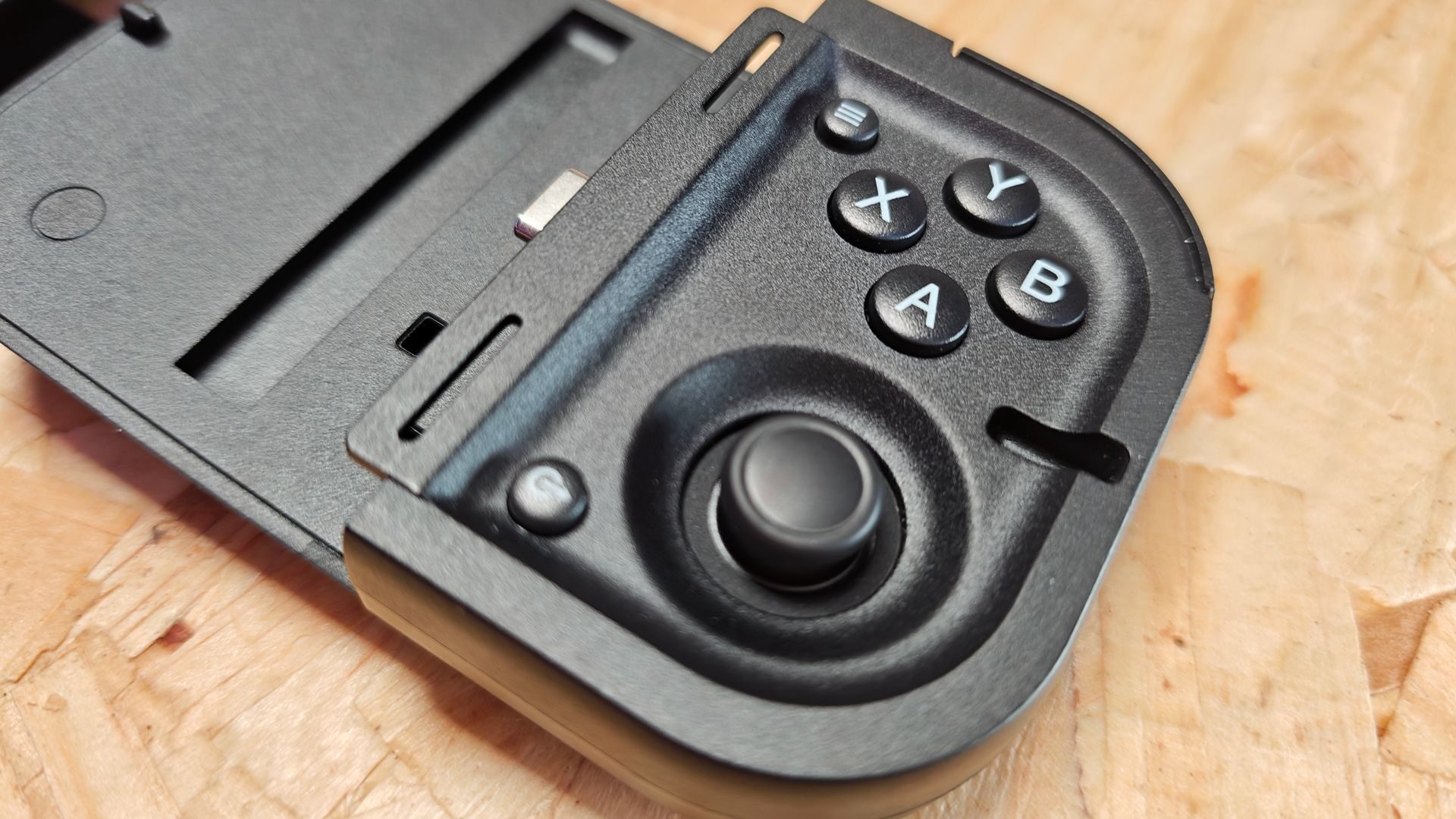
It easily fits into small pouches, a purse or even your front pocket, making it ideal for light travel when space is at a premium but you’re still looking for those few moments to game while on the go or waiting for the next calendar event. The way Razer has achieved this impressive form factor is also quite impressive.
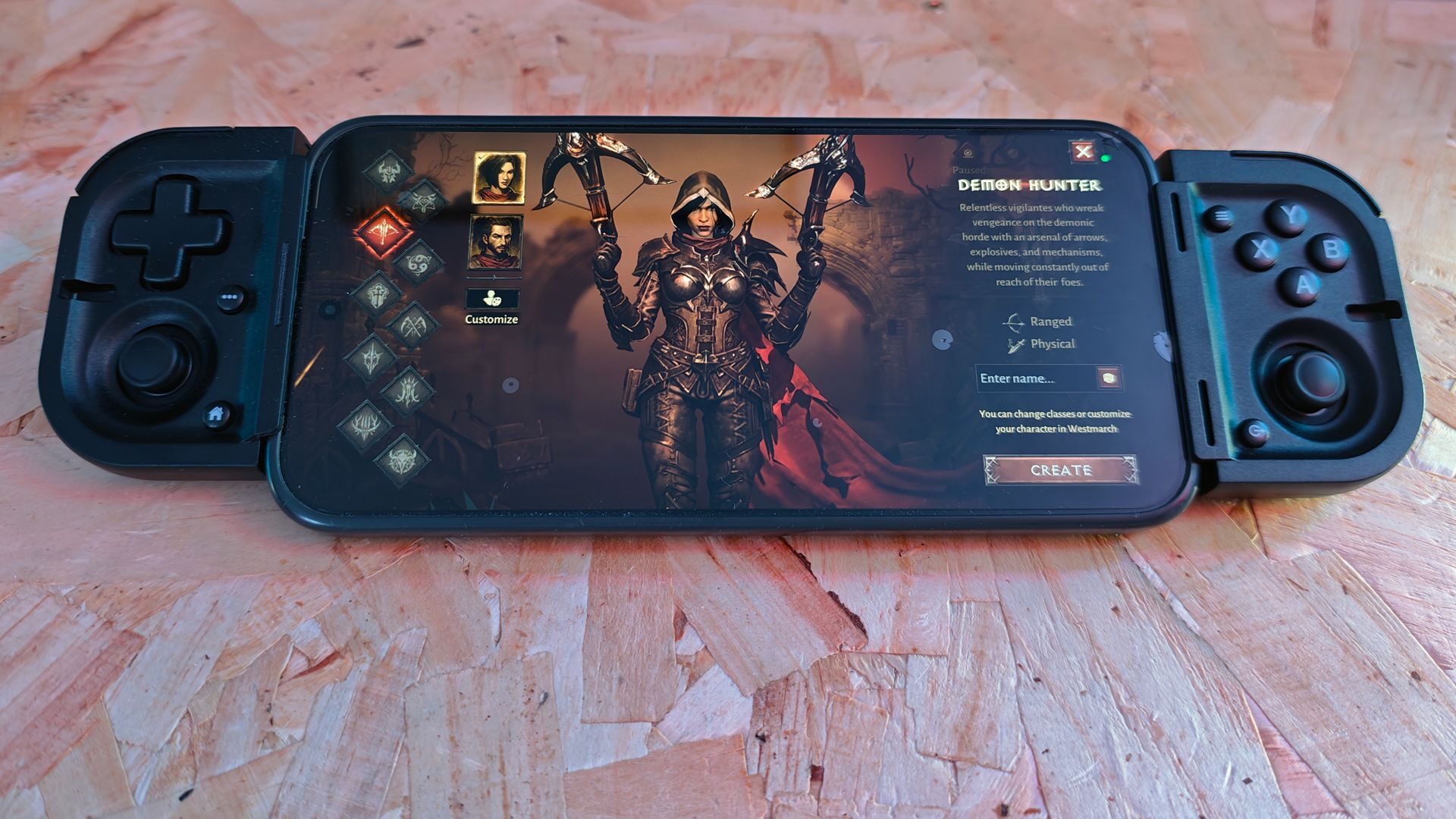
Two separate sections, one housing a single thumbstick, D-pad, menu and home button, are attached via a sturdy silicone band to the second section, which houses the USB-C connector for compatible Apple and Android phones, as well as the face buttons, menu button and second thumbstick. Both sections house bumpers and triggers as well, providing a full controller experience in a tiny form factor.
Opening and using the Prio requires a quick, simple process once understood. The right section slides slightly out from the left, essentially unlocking the system. Once unlocked, it is opened up and can be swivelled counter-clockwise 180°. Once expanded, an iPhone or Android phone with USB-C and up to 7 inches can be mounted into the Prio.
Two locking brackets help secure the face of the phone without impeding the viewing experience, and removable brackets allow for phones with most medium- to thin-profile cases to fit into the controller seamlessly. The ability to leverage a case is appreciated, as oftentimes one of the biggest frustrations for mobile gaming with a controller is having to remove the case to connect the phone.
As for the controls, the response and tactile experience are excellent. Razer has deployed what they refer to as next-gen contactless sensors on the thumbsticks, which provide exceptional precision for a mobile controller. Additionally, the thumbsticks support L3/R3 for titles such as Destiny: Rising that will make use of a full controller setup. The four face buttons are responsive and snappy as well, giving users a lag-free gaming experience.
“Razer has done an excellent job with the design and quality of the build, with the Razer Prio Mobile Controller feeling in line with their other mobile controllers such as the Kishi V3 Pro.”
The aforementioned bumpers and triggers also provide impressive feedback and are quite sensitive, as I noted during my playtest of Diablo Immortal. The D-pad, likewise, works as I would expect. The inclusion of four function buttons—menu, options, home and Razer Cortex—seamlessly integrates into the games I tested without additional mapping. Every button is silent as well, making it ideal for gaming in public spaces. Razer has done an excellent job with the design and quality of the build, with the Razer Prio Mobile Controller feeling in line with their other mobile controllers such as the Kishi V3 Pro.
My only two notes about the controller have more to do with preference than performance. The first is that Razer has opted to leverage a symmetrical thumbstick layout (think PlayStation), which is not my preferred layout. I find my left thumb gets cramped often, and as a long-time XBOX controller fan, it just doesn’t feel as comfortable as an asymmetrical thumbstick layout.
My second note is related to the very intention and design of the Prio. Understand this isn’t a critique, as I appreciate what Razer has built in the Prio, but rather speaks to the intended use of the controller. It is so small in hand. It lacks any meaningful handgrips by design and relies on the phone for additional palm support. As a result, if you have larger hands like mine, the Prio really is ideal for those shorter bursts of gaming. Don’t expect this to be a comfortable fit for longer play sessions, and in all fairness, that’s not its design or intent.
So who is the Prio for? Honestly, even with larger hands, this controller is the perfect companion for short bursts of gaming, when you find yourself with five to twenty minutes to spare. Its compact travel form, combined with its full button complement and impressive responsiveness, makes it a great, ultra-light option for gamers looking for an alternative to the more sizeable mobile controller options.
The Razer Prio is a fresh take on the mobile controller that works for its intended purpose. While it won’t get you through longer sessions of mobile gaming, it’s a great travel companion for those who often find themselves carving out a few minutes to game in between the busyness of life. Priced at $99, the Razer Prio is purpose-built and provides the level of quality I’ve come to expect from the Razer brand.