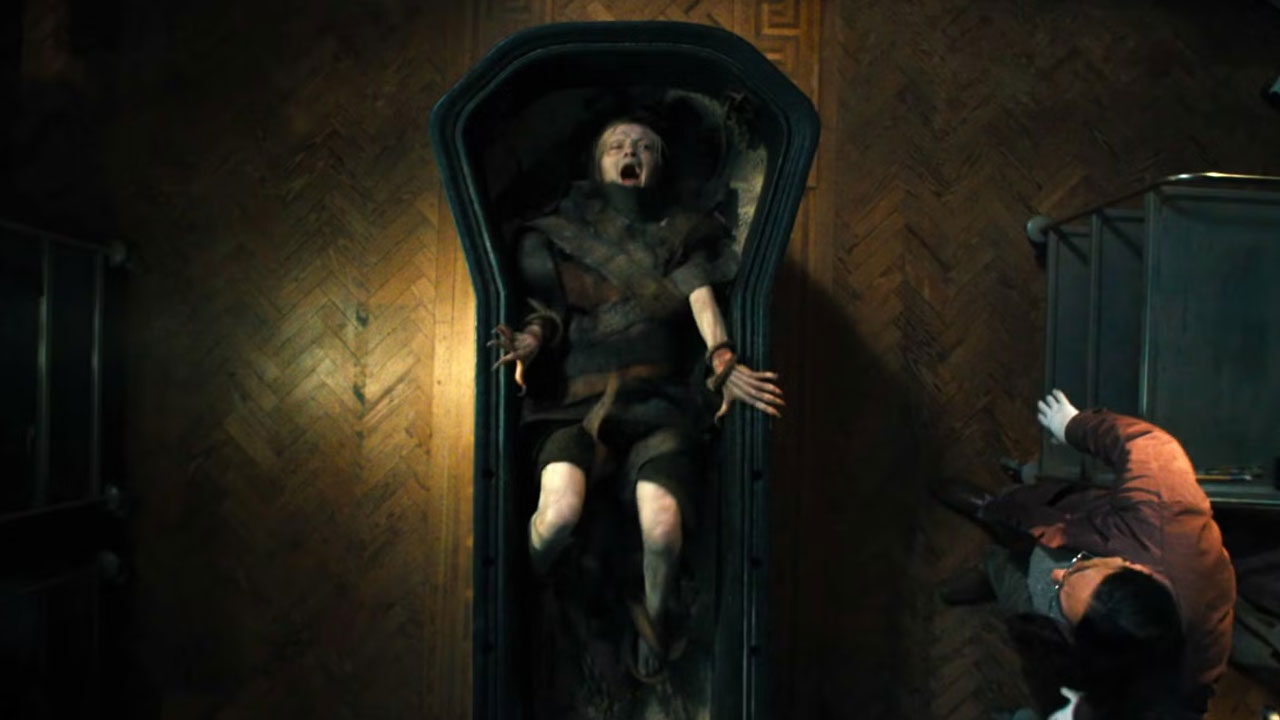

Lee Cronin’s The Mummy kicks off when the young daughter of a journalist disappears into the desert without a trace. Eight years later, the broken family is shocked when she is returned to them, as what should be a joyful reunion turns into a living nightmare. This is a reimagining of Universal Pictures’ The Mummy franchise, which dates back to 1932. Most people remember the Brendan Fraser-led films of the early 2000s, while some would rather forget the Dark Universe film led by Tom Cruise.
I grew up watching The Mummy movies with Fraser and loved the action-horror take. But this was a different experience. Somehow, Cronin struck a fortunate balance between horror and some dark comedy. I would not say it was as much dark humour as Weapons, but there were moments baked in by certain dialogue executions. The main difference was how many different horror elements this film contained.
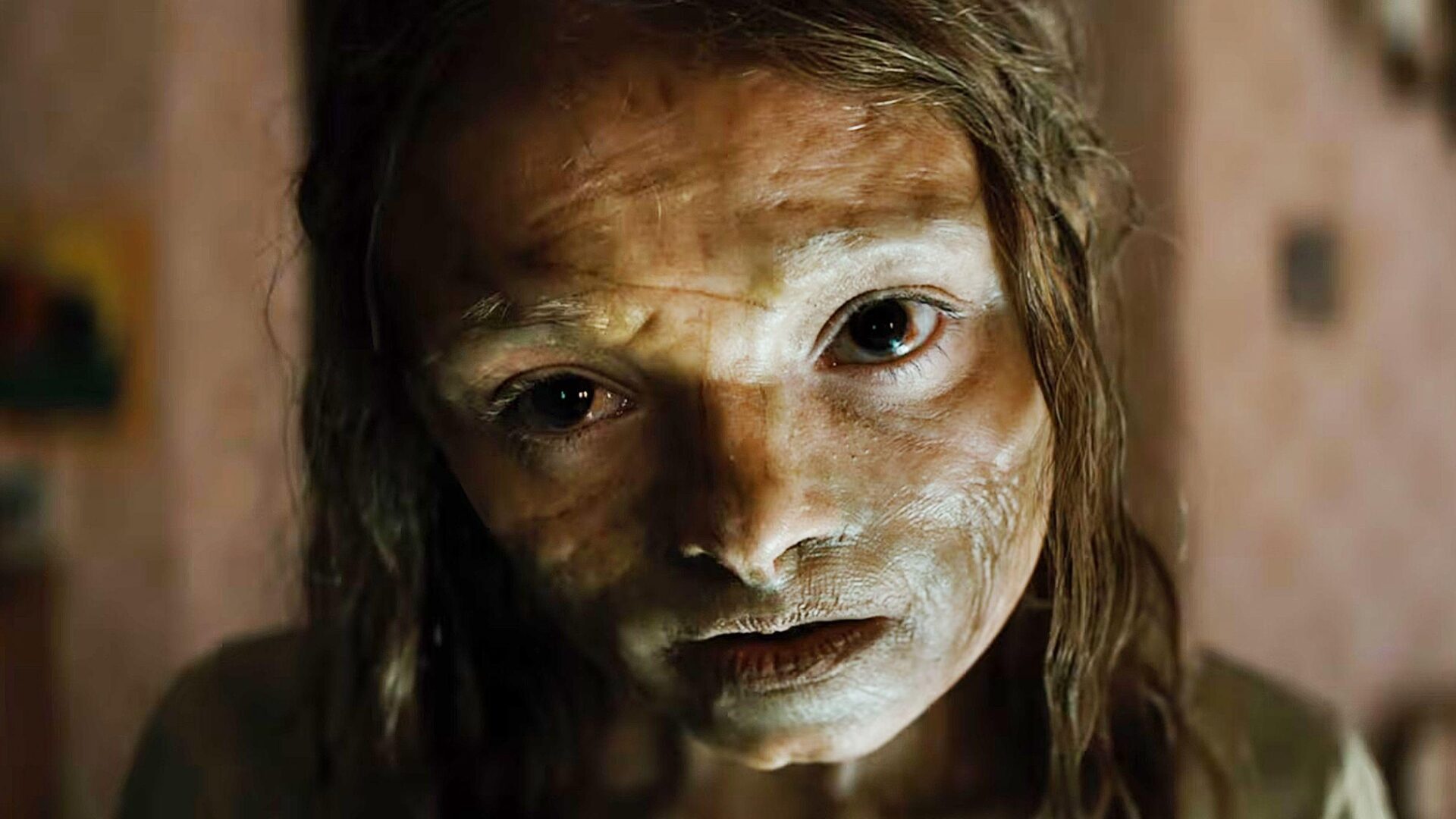
It had body horror, monster horror, supernatural/possession horror, and some psychological horror—all comingling to make this horror media textbook. Sweet mother cannoli! Lee Cronin’s The Mummy had a lot of flesh-peeling scenes; it will make you question how much meat we have on our human bones. All forms of practical horror in this movie were well shot and well-crafted. I appreciated that the camera lingered on some of the practical effects, so the audience could really soak it in.
“Somehow, Cronin struck a fortunate balance between horror and some dark comedy.”
Speaking of soaking in, make sure not to see this movie on a full stomach if witnessing someone vomiting makes you queasy. It was vomit and projectile liquids galore! If those things do not make you feel like throwing up, you will have a great time with this one. This was some of the most putrid and rancid vomit I have seen, and the sound design helped sell it as much as the visuals. Something used in Cronin’s previous horror film, Evil Dead Rise, was the amazing practical makeup and prosthetics to sell the body horror. In this movie, he ratcheted it up even more. I promise someone will be squealing in the theatre at certain moments throughout this film.
On the same topic of practical effects, I could not help but be in awe of some of the older horror film tricks. I did not expect to see stop-motion techniques among all the classic tropes. I expected wires for the possession and body-bending moments, but the stop motion scene was cool. It reminded me of theSam Raimi-directed Evil Dead films.
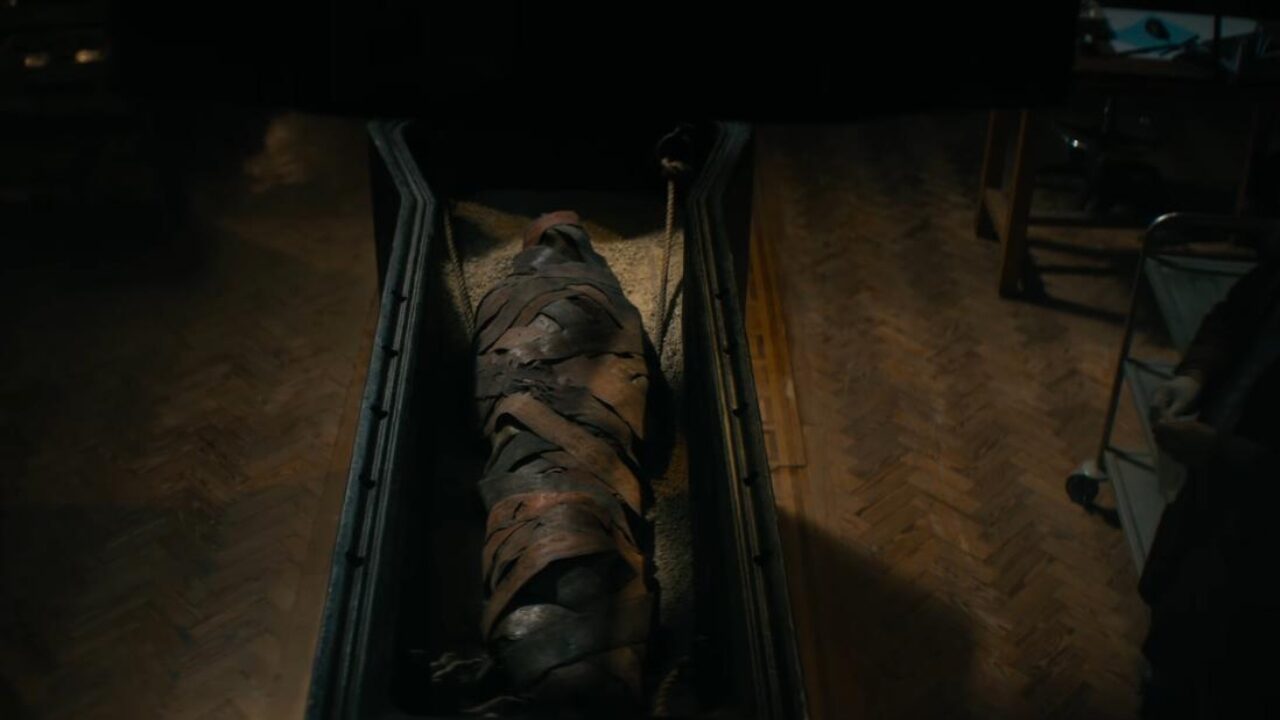
Oh man, the sound design of this film was pivotal for both the scares and the emphasis on narrative progression. The IMAX sound and the various sounds of objects, or moments of thumping, hit a lot harder than in other films. I hate when certain sounds are clearly meant to build up to a jump scare, but Lee Cronin’s The Mummy did it tastefully. There were even parts where the constant banging was more eerie than one big bang meant to send the jumpiest audience member screaming and jolting out of their seat.
“The main problem I had with Lee Cronin’s The Mummy was that it lacked narrative focus.”
For the IMAX format, I enjoyed how many classic Cronin deep-focus shots there were in this movie. We saw a lot of this used in Evil Dead Rise as well, allowing audiences to see the reactions of two characters not facing each other. In Lee Cronin’s The Mummy, I would say it was a nice camera technique for highlighting key items that characters needed to see and use.
The only questionable factors I could not ignore in this movie were the pacing and script, along with one weird-looking CGI element. While the mystery-solving highlights and spotlight gross moments were some of my favourite parts, there were a few scenes that could have either been explained faster or left out completely to keep up the pacing. Part of horror is suspense, but it should not come at the cost of stalling the movie.
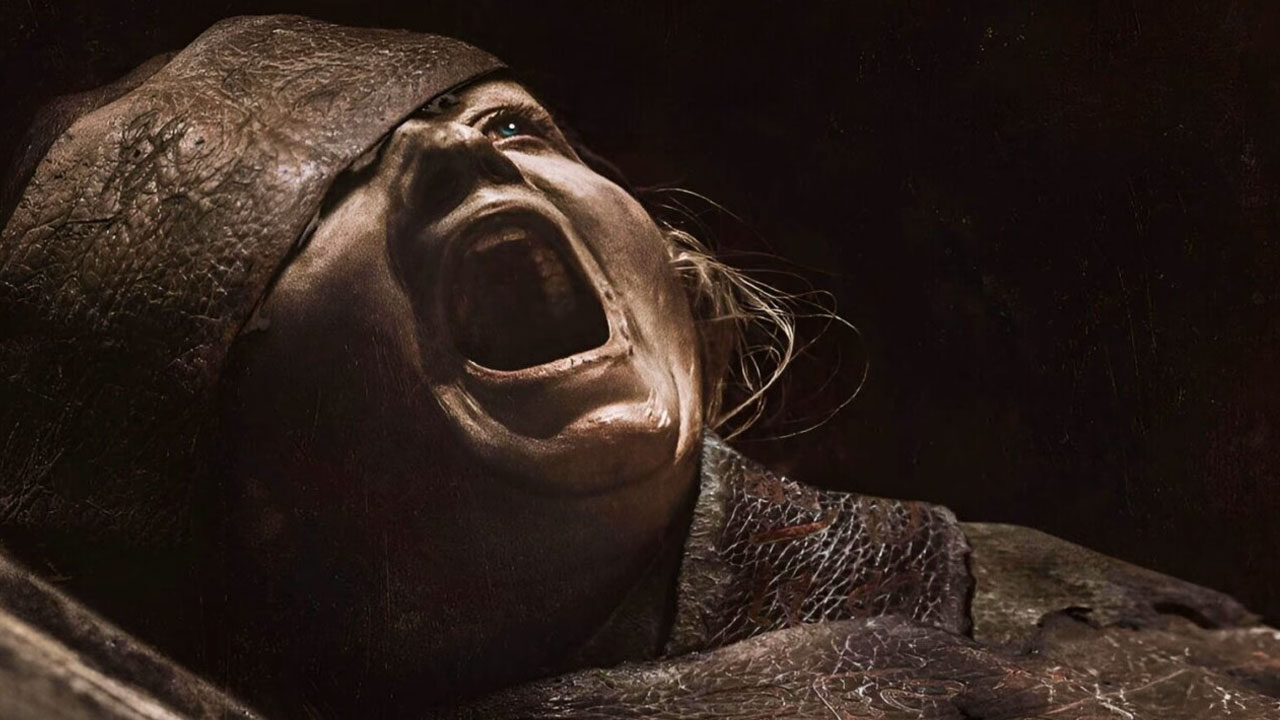
A huge part of the beginning dialogue with the Cannon family urked me, leading to some ridiculous character decisions. The CGI element(s) looked like something out of the Twilight saga, and not in a good way. I will admit the CGI got better from a different angle. Aside from these slight critiques, Lee Cronin’s The Mummy was unforgettable—especially with the performances from all three child/teen actors.
Shylo Molina, Natalie Grace, and Billie Roy deserve special recognition for their wide range of performances in this film. Most certainly, Grace deserves it for playing Katie, the child who goes missing for eight years. From the unsettling tics and the way she was able to hone in on being a possessed figure was phenomenal. The makeup and prosthetic team should be very happy with the skin details Grace had to wear for being the mummified Katie.
The main problem I had with Lee Cronin’s The Mummy was that it lacked narrative focus. In retrospect, it felt like about two-thirds of the film focused on the Cannon family, with the remaining third following Detective Zaki. And yet, I was far more compelled to watch Calamawy’s Detective Zaki try to solve Katie’s case than whatever the family was doing. Despite the lows being low, the highs were really high. Truly, the practical horror elements saved this movie, and I would absolutely encourage horror fans to check this one out.