
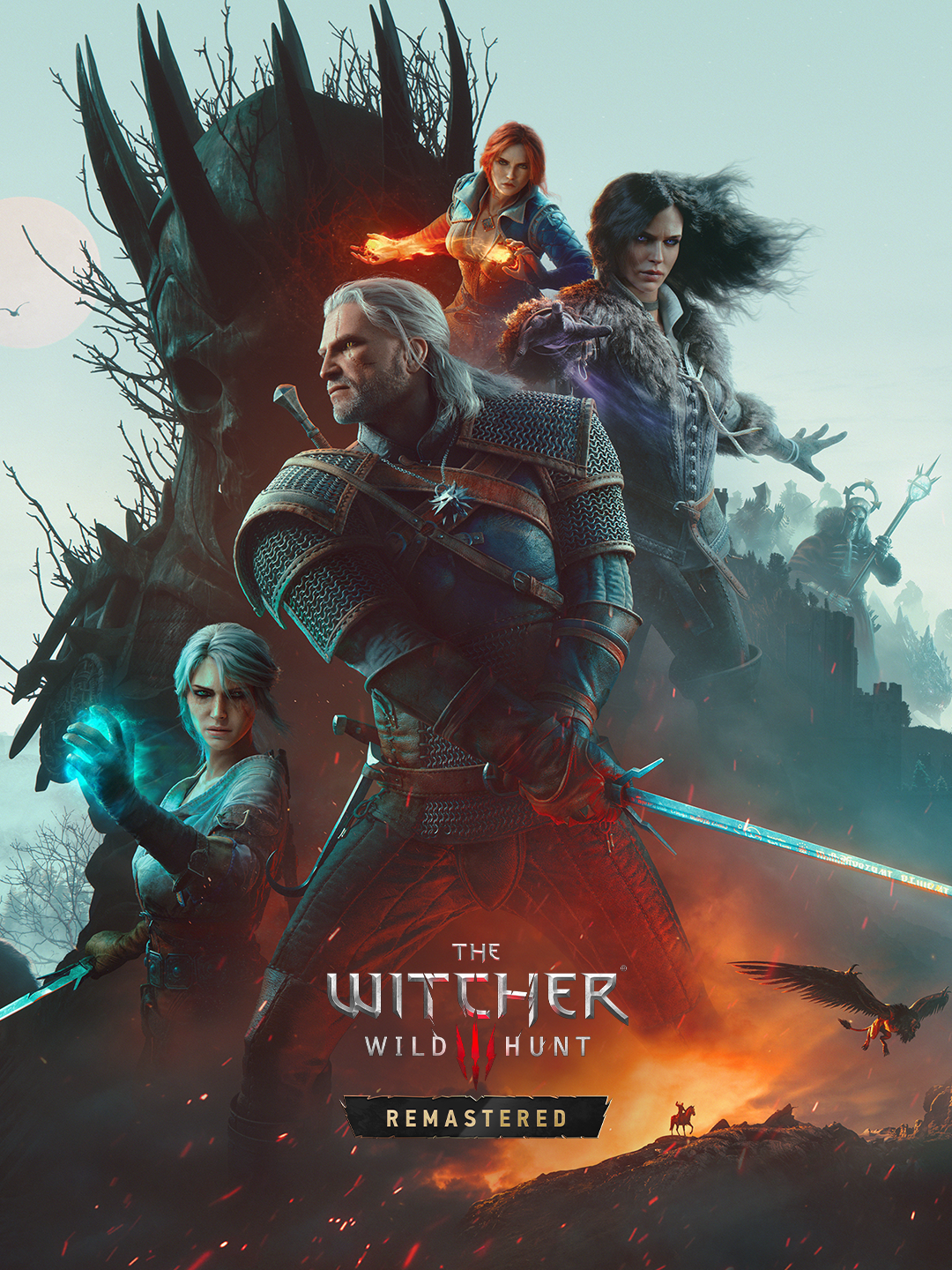

I’ve always found myself returning to the Northern Kingdoms to replay The Witcher 3 for one reason or another, mostly on PlayStation 5 or PC, so when the Nintendo Switch 2 version of The Witcher 3: Wild Hunt — Remastered landed, I approached it with equal parts excitement and suspicion.
The original Switch release was a miracle of engineering that also happened to look like Velen had been smeared with Vaseline. It was impressive that it ran at all, but it was hard to recommend over literally any other platform. Coming back to it on Switch 2 with the remaster, I’m happy to report that this is the version that finally makes the handheld pitch make sense, even if it’s not without some strange, occasionally hilarious problems.
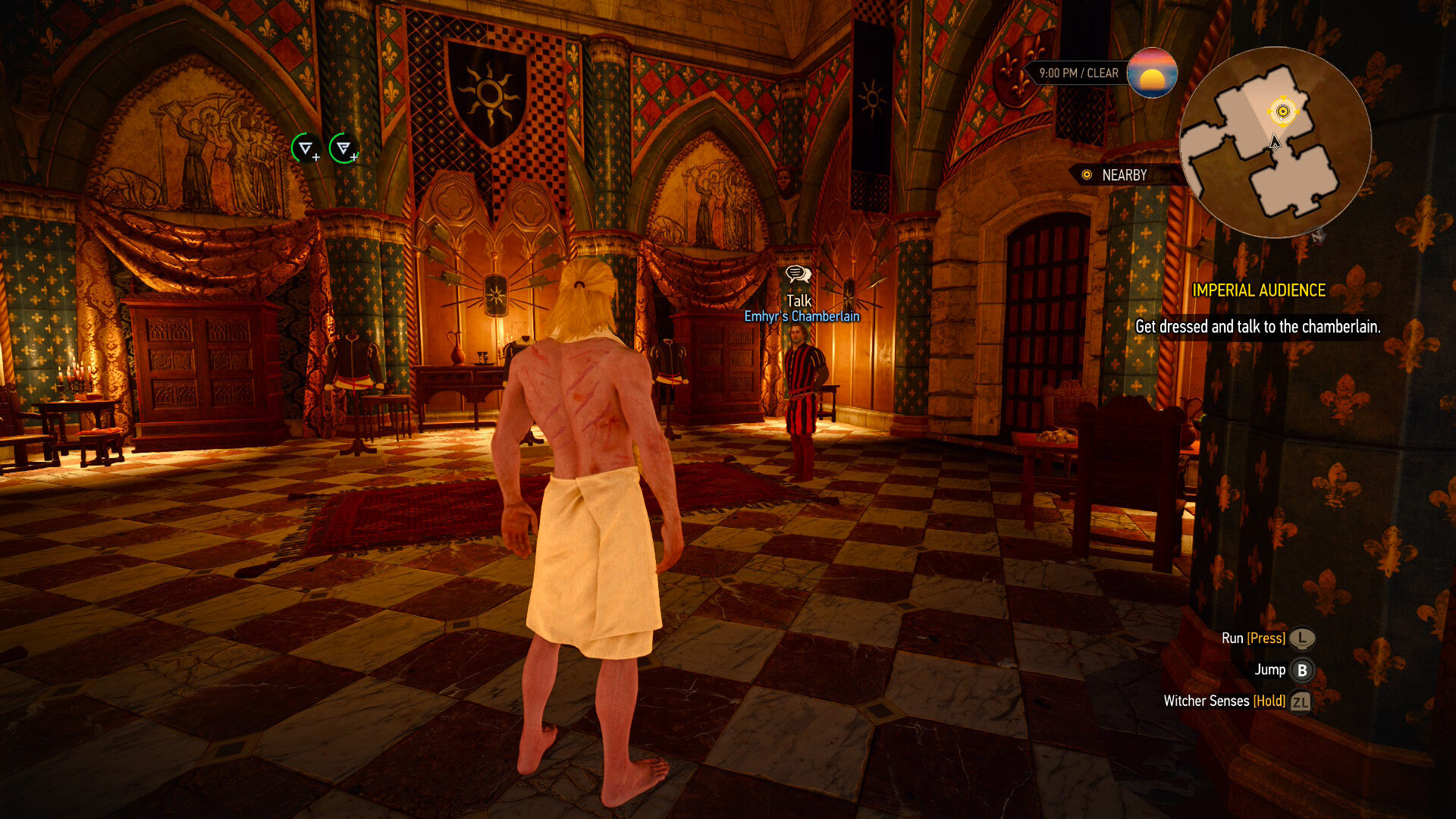
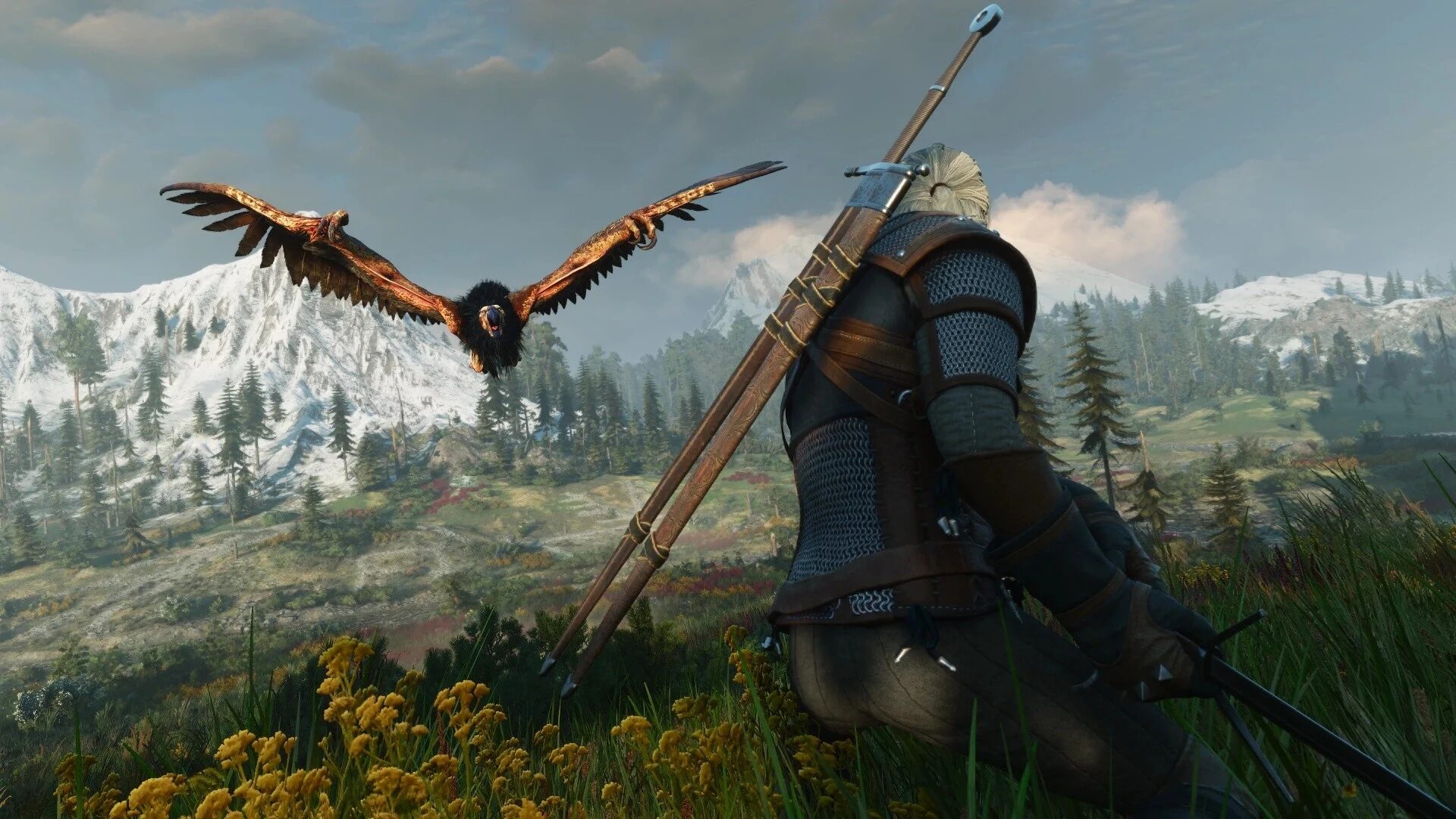
The most obvious improvement is how much better it all looks and feels. The muddy textures and blurry foliage that defined the original port are mostly gone; just overlook the odd shaving scene early on, replaced by something that holds together at a glance and, more importantly, in motion. Draw distances are much more a thing of awe now, character models have more definition, and the world no longer looks like it’s straining to keep its own edges together.
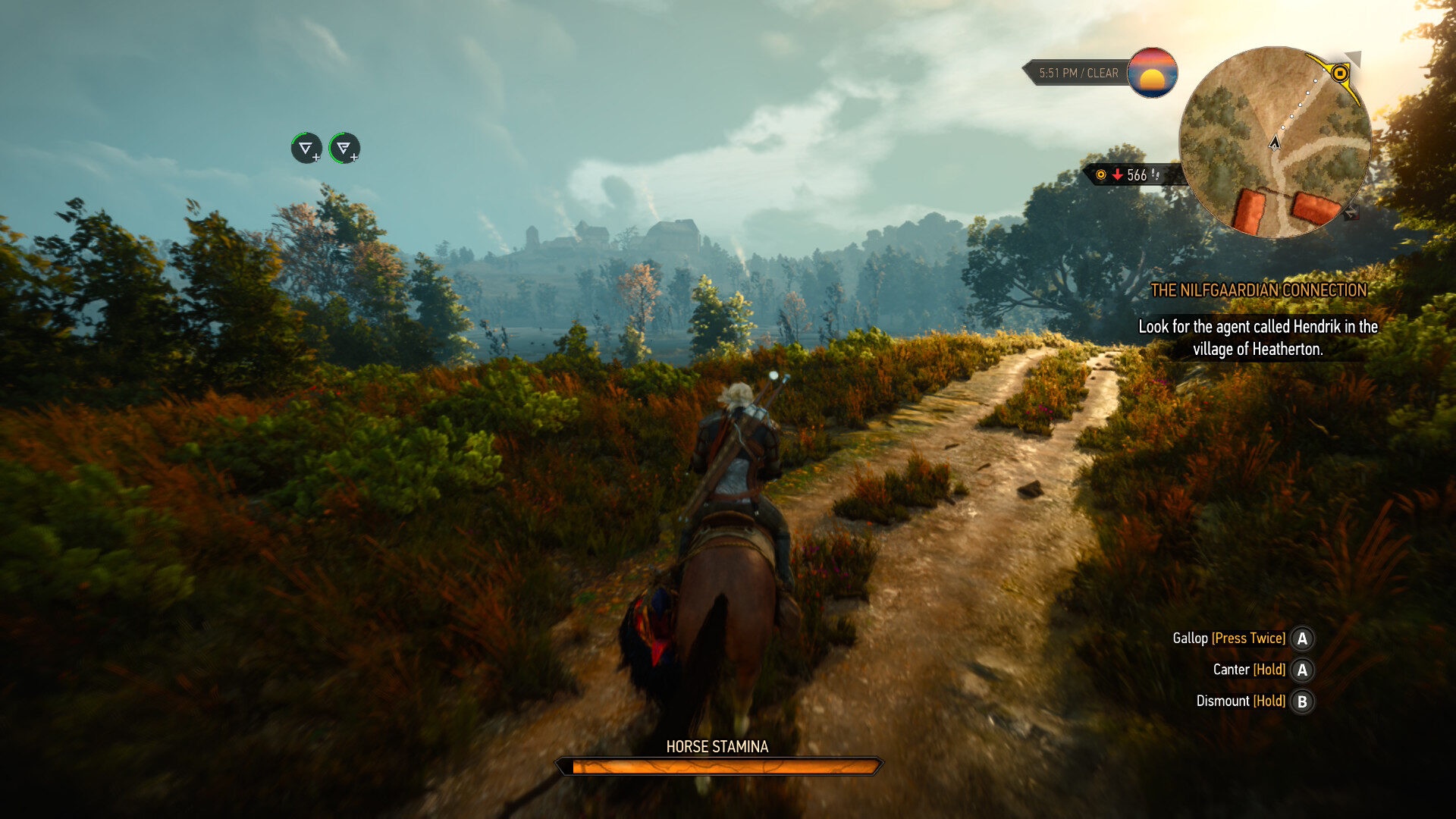
Riding Roach across the swampy hills of White Orchard or through the rain-soaked mud of Velen is a much more pleasant experience now, rather than a game of “spot the pop-in.” Combat is smoother, too, since signs, dodges, and the increasingly frantic rolling when a group of drowners surround me feel more responsive, and the game just moves with a confidence the first port never quite had.
It’s also worth stating the obvious: The Witcher 3: Wild Hunt — Remastered is The Witcher 3, and it remains one of the best-written games ever made and everything that made it special is still here. Geralt’s search for Ciri, his adopted daughter, still carries a quiet emotional weight that few open-world games even attempt. The Bloody Baron questline remains a masterclass in how to make a player feel deeply uncomfortable about a man they’re trying to help, and how to make the ugliest corners of a family tragedy feel human and hit home in a way like no other game could.
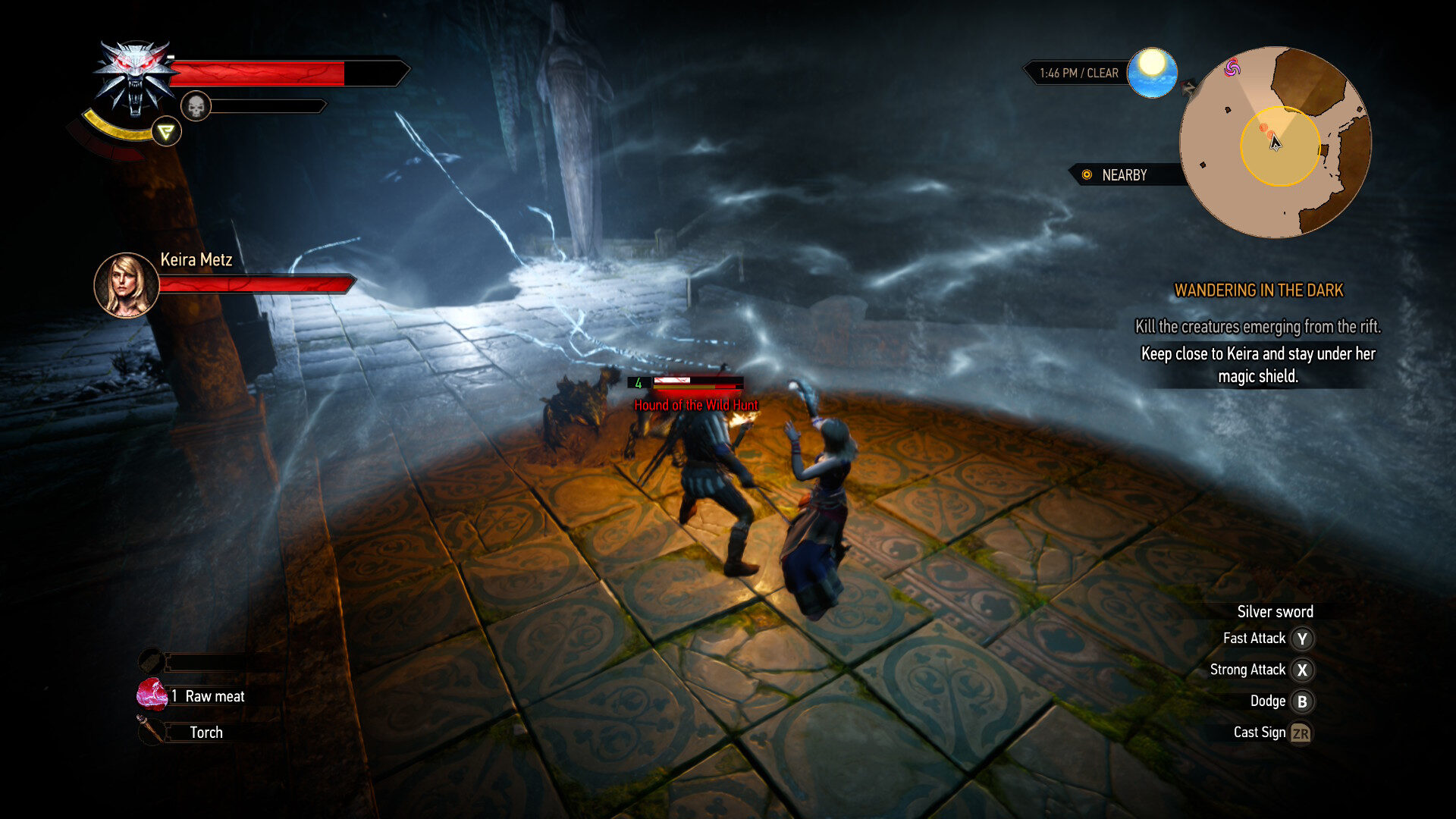
The Crones of Crookback Bog are still unsettling in the best way, and the eventual payoff of that quest still stings and will forever live in my head rent-free. Then there’s the first trip to Skellige, with its wind-battered cliffs, and a succession crisis that gives you a stack of hard decisions without ever telling you what the “right” one is. It’s CD PROJEKT RED at their best, and this remaster is just another way for people to enjoy the best game they have made.
“The Witcher 3: Wild Hunt — Remastered is the definitive way to play The Witcher 3 on a Nintendo system…”
And that’s before you even get to the DLC, which is all included here. Hearts of Stone remains a standout, with Gaunter O’Dimm as one of the most quietly menacing villains in the whole series, and a wedding quest that is somehow both hilarious and deeply creepy. Blood and Wine, meanwhile, is practically its own game, with the sun-soaked vineyards of Toussaint offering a very different tone from the grimness of Velen while still telling a mature, layered story about monsters, both the literal and human kind.
Now, here’s where I have to get into the weirdness, because The Witcher 3: Wild Hunt — Remastered has a very specific problem that’s impossible to ignore: the bloom. At times, it’s absolutely out of control with sunlight and dark environments with torch lighting that can push the lighting effects so far that Geralt’s iconic white hair looks straight-up blonde, as if the guy stopped in at a salon in Novigrad between contracts.
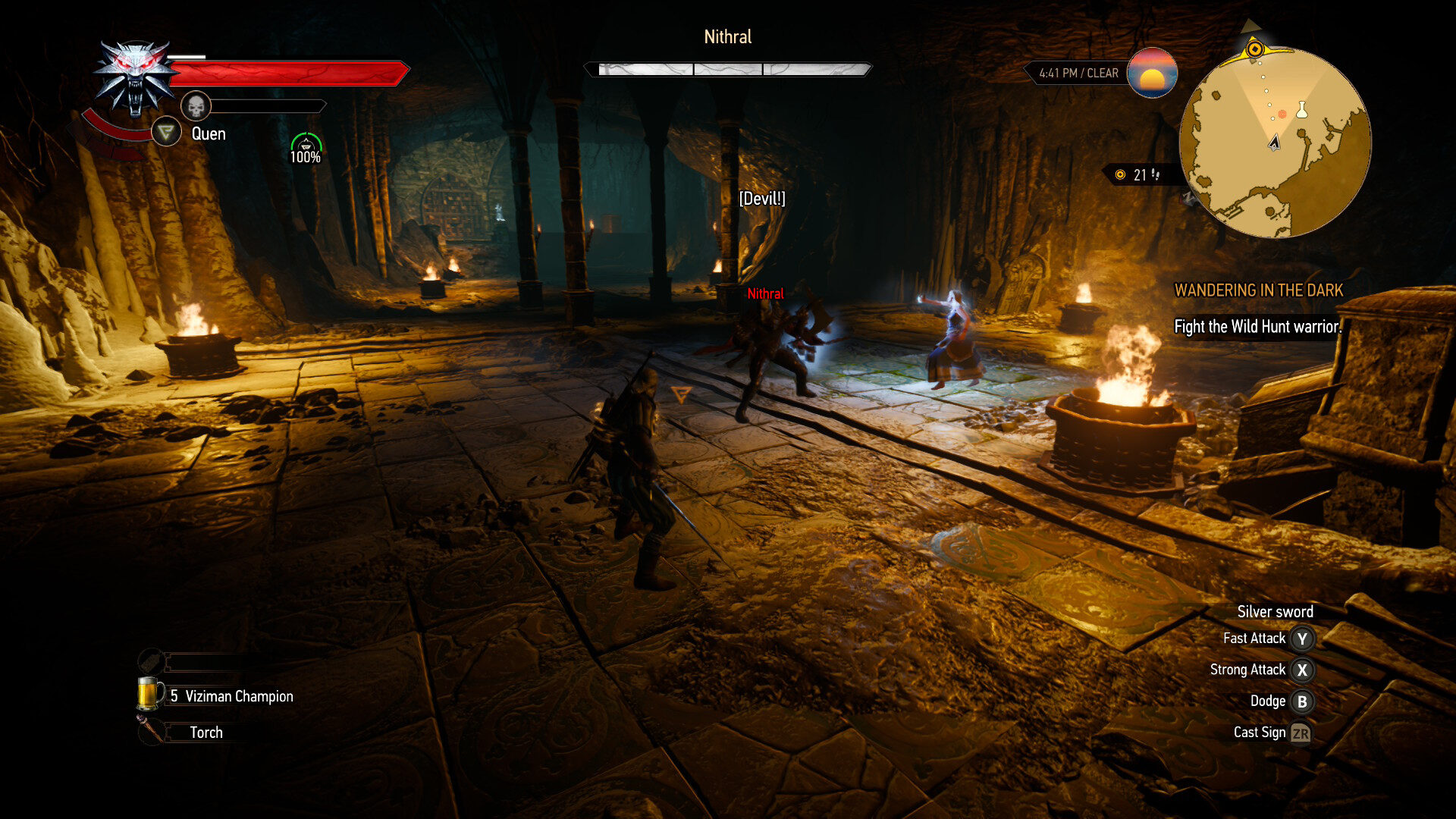
It’s distracting, and in a game that leans so heavily on mood and atmosphere, it can occasionally flatten what should be a moody, dramatic moment into something that looks like a shampoo commercial. Some scenes look great with a soft glow; others are so blown out that I found myself squinting. It’s the kind of thing that a patch could easily smooth out, and I hope it gets one, because it’s by far the biggest issue holding this port back from feeling truly polished.
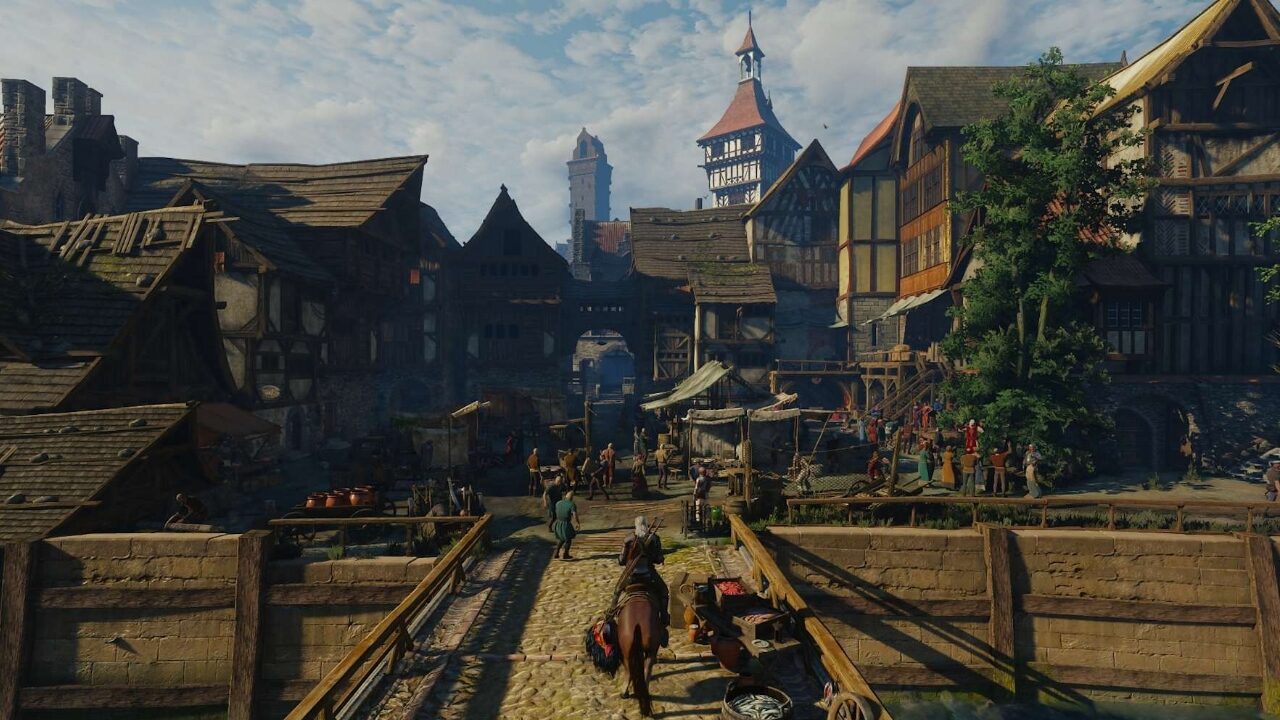
The other complaints are more expected and are a return from the original Nintendo Switch port, with the cities still feeling a little barren in certain spots, with Novigrad in particular not quite delivering the bustle it does on every other platform. There are plenty of moments where the crowds thin out, and the sense that you’re walking through a lived-in metropolis takes a hit. It’s a limitation I’m willing to forgive on a handheld, but it’s noticeable, especially if you’ve played the game on more powerful hardware where the streets feel packed.
Load times in The Witcher 3: Wild Hunt — Remastered are the other sore spot with the remaster, with the loads taking upwards of thirty seconds. The long waits mostly crop up when you’re fast travelling between Novigrad and the Skellige Islands, so it’s not like you would be doing this a lot since fast travelling in the same area is quite quick. It just meant that I cleared out areas before movingon too the next, but late game, when you need to go back for Witcher contract cleanups and hunting down the Witcher class armours, it will be more of a pain.
One of the more interesting changes is the reworked skill layout; instead of having all the skills laid out in a line, there is a more linear progression to it, and I’m of two minds about it. For new players, it’s a genuine improvement. The menus are cleaner, and the information is easier to digest while doing a better job of explaining how your build actually comes together without burying you in tiny icons.
But if you’re a returning player with years of muscle memory for where everything used to live, it can be genuinely confusing at first. I spent an embarrassing amount of time hunting for skills I knew I wanted, but that’s more of a me issue, having played The Witcher 3 a bunch and one that I got over after a handful of level-ups.
The Witcher 3: Wild Hunt — Remastered is the definitive way to play The Witcher 3 on a Nintendo system, and it’s a huge leap over the original Switch release. Sure, there are a few issues: the bloom, especially, is quite noticeable, and the load times put a damper on letting you do all the exploring you can, but if you’ve never played it, this is a great way to see what all the fuss is about. If you’ve already spent hundreds of hours in the Continent, the improvements are more than enough to justify another lap, blonde Geralt and all.