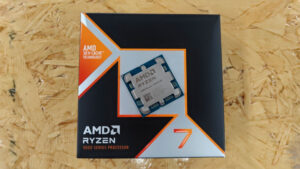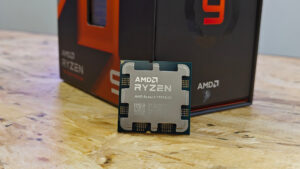


In today’s world of PC computing, it is becoming increasingly rare to see a major brand release something that could be considered budget, but AMD has bucked the current trend and released the AMD Ryzen 7700X3D CPU, a new gaming-focused processor.
While it is a bit strange to see a 7000-series chip coming out in the year of our lord 2026, considering it is still an AM5 chip and can be used by modern systems, I am all for it if it brings some relief to the prices we have been seeing. Even better, the AMD Ryzen 7700X3D delivers fantastic performance, and at the price, it may be a worthwhile upgrade for anyone who has been holding off but wants some much-needed gaming improvements.
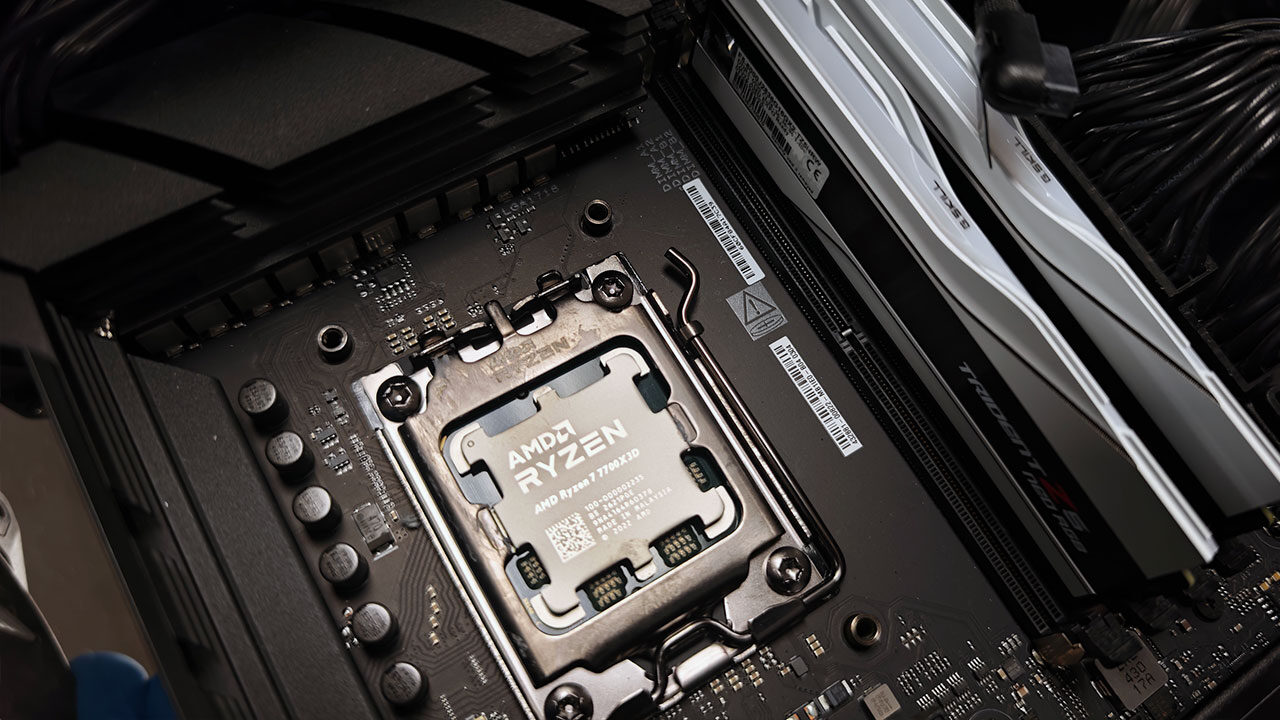
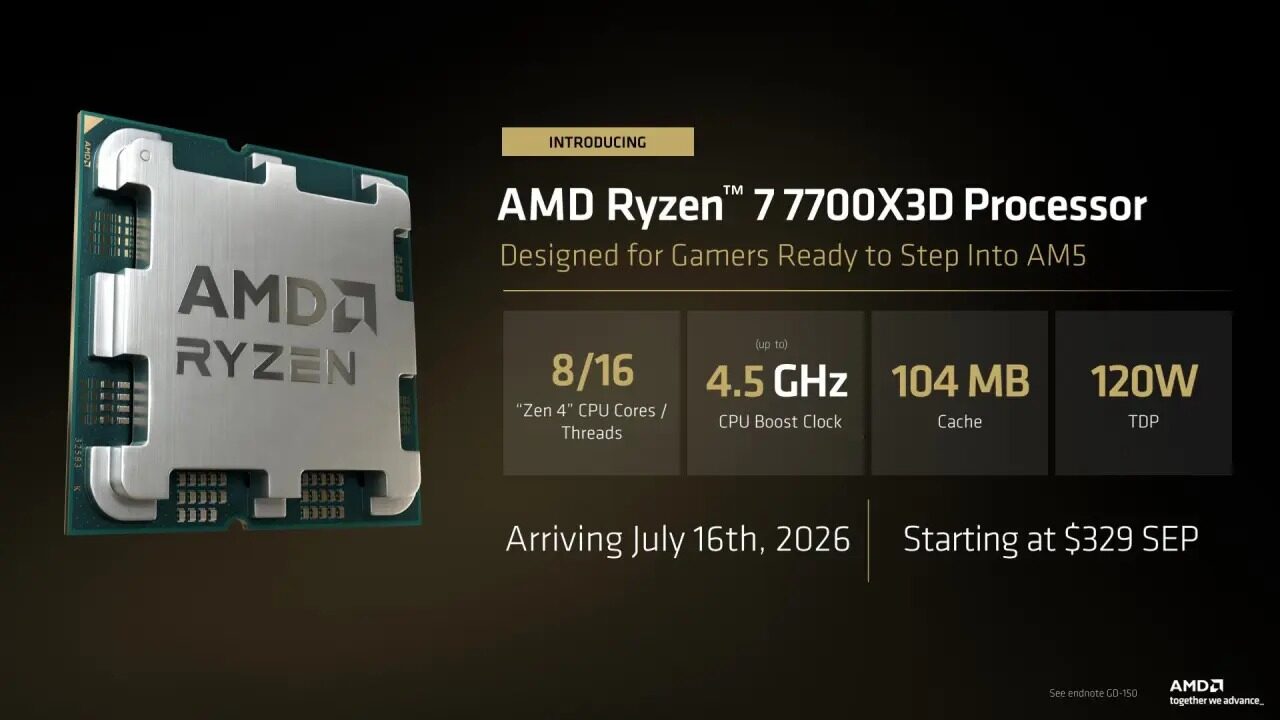
As the name suggests, the AMD Ryzen 7700X3D is a Zen 4-based CPU that fits well with the original 7000-series range while boasting the improvements enabled by the X3D concept. At its core, the Ryzen 7 7700X3D is an eight-core, 16-thread processor with a 4.0 GHz base clock and a boost clock of up to 4.5 GHz. It has 512 KB of L1 cache, 8 MB of L2 cache, and 96 MB of L3 cache, for a total of 104 MB of cache, along with a 120-watt TDP.
The large L3 pool is the main draw here and what makes this release so exciting. AMD’s first-generation 3D V-Cache design places extra cache over the CPU cores, keeping more game data close to the processor and helping in workloads that are sensitive to latency.
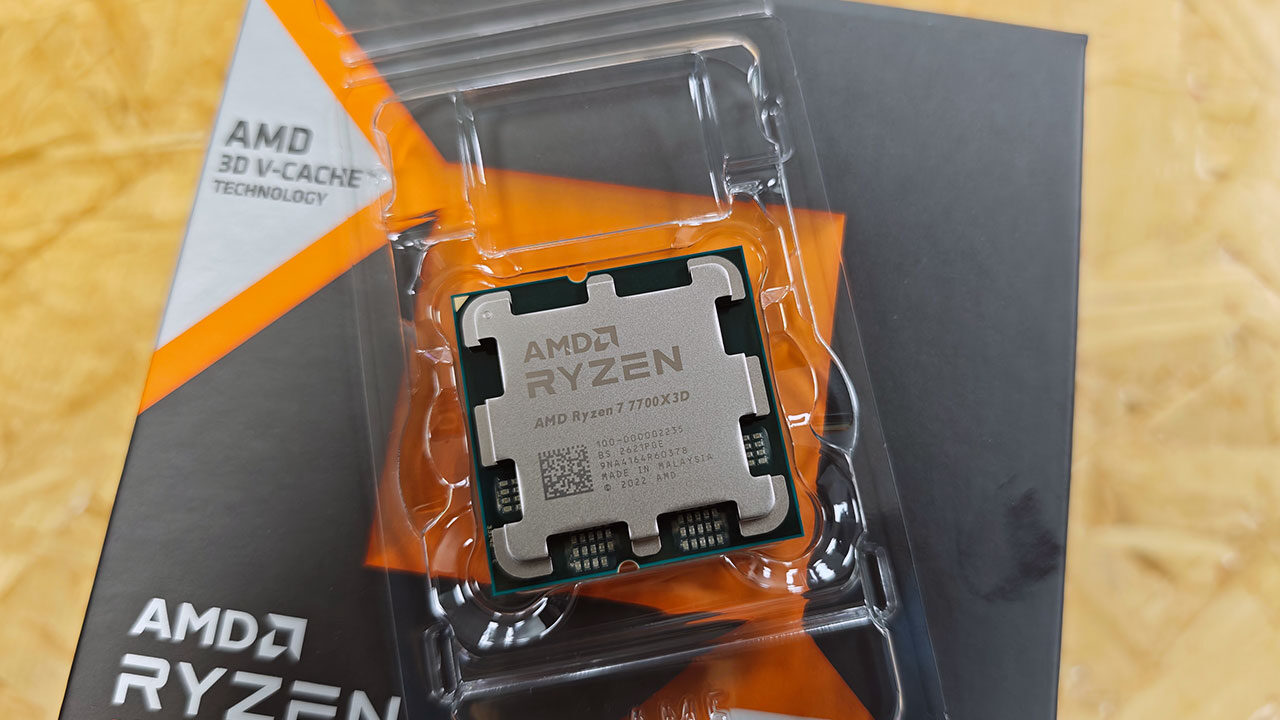
The AMD Ryzen 7 7700X3D processor is, without question, a monumentally late addition to the Ryzen 7000 family, but honestly, that makes sense and does not feel like a bad option in 2026. The standard Ryzen 7 7700X launched as the more traditional eight-core Zen 4 option, with higher clock speeds but far less cache. AMD’s own testing puts the 7700X3D ahead of the 7700X by an average of 9% across 30 games at 1080p and high settings.
That result comes from AMD’s testing setup, which used an RTX 5090 and DDR5-6000 memory, so real-world gains will change with the graphics card, game and resolution. Even by official benchmarks, the CPU is not going to blow the non-X3D chip out of the water, but it does not need to. It needs to offer a viable upgrade that helps your CPU deliver better performance in modern games, and that is what is so exciting about the release. It delivers a budget-friendly upgrade that works well with a range of configurations, even if it lacks some of the newer features found in the 9000-series.
AMD has positioned the 7700X3D as a newer, budget-friendly option and has fit it well within the overall Ryzen X3D lineup. AMD first introduced stacked cache to the Ryzen 5000 series, where the feature offered a targeted boost in games without changing the core count, and the Ryzen 7 5800X3D is still considered one of the best CPU releases, especially for gaming.
Ryzen 7000 moved that idea to AM5 and DDR5, with the 7800X3D taking the lead as the single-chiplet gaming option. That leads us to today, with the 7700X3D using the same basic first-generation cache approach as those Ryzen 5000 and Ryzen 7000 X3D processors, but its lower clocks make it a more modest option in the same family.
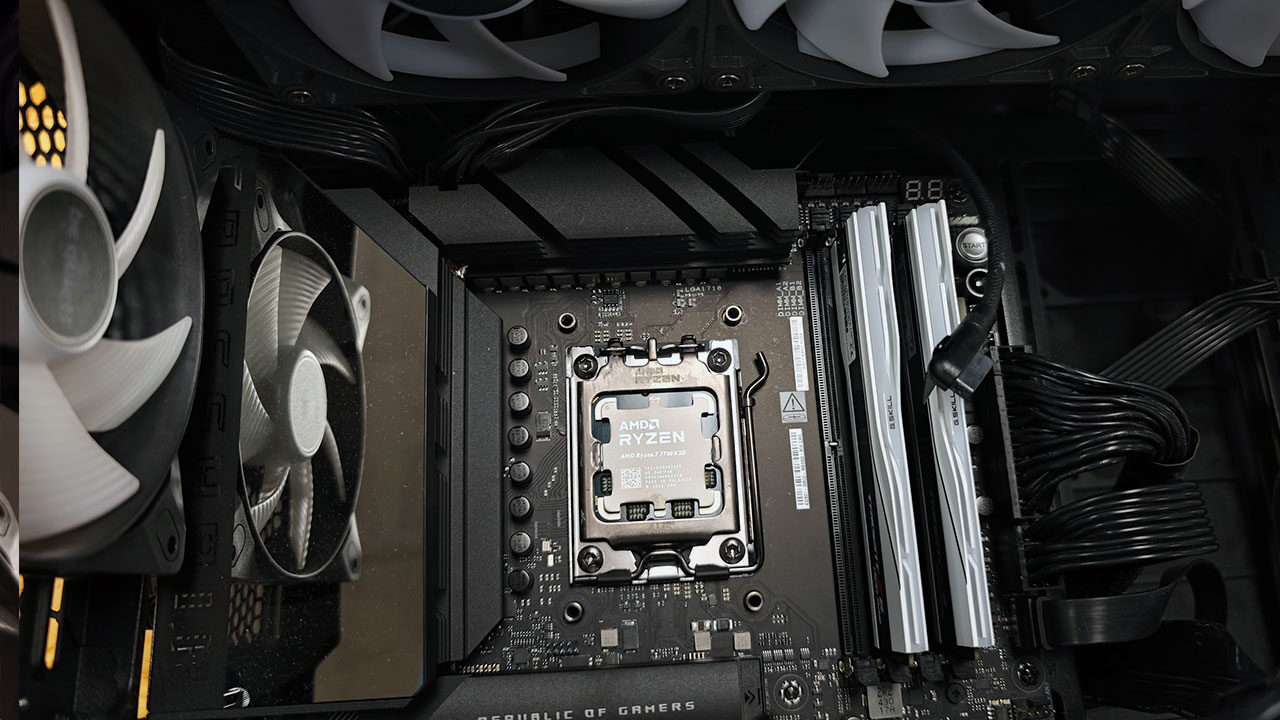
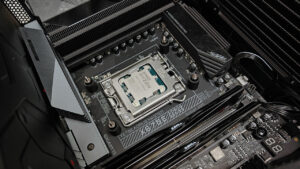
If you are already invested in the AM5 platform, the rest of the platform is standard fare, though there is plenty here for a new build or for those moving from AM4. The processor supports DDR5 memory across two channels, with official support for up to 128 GB. AMD rates it for DDR5-5200 memory at stock settings, while its test guide points to DDR5-6000 with an EXPO profile as the preferred balance of cost and speed. EXPO is AMD’s memory overclocking profile system, and the company says DDR5-6000 can keep the memory controller and memory running in a 1:1 ratio, which can help reduce latency.
“…the AMD Ryzen 7700X3D delivers fantastic performance, and at the price, it may be a worthwhile upgrade for anyone who has been holding off but wants some much-needed gaming improvements.”
As this is an AM5-based CPU, like the rest of the lineup, there is also room for tuning, though it is worth keeping expectations in check, especially given your intended system configuration. The Ryzen 7 7700X3D supports Precision Boost Overdrive, Curve Optimizer voltage offsets and Ryzen Master. AMD warns that overclocking or undervolting outside its published limits can void the CPU warranty, even when the settings are enabled through AMD hardware or software. For most users, enabling a stable EXPO memory profile is likely the simpler route, and what I will always tell potential buyers, unless they know exactly what they are doing.
Like other Ryzen 7000 desktop processors, the 7700X3D includes a small integrated Radeon graphics unit with two graphics cores running at 2,200 MHz. It is useful for display output and system setup, but it is not meant to replace a dedicated graphics card in a gaming PC. The chip also supports PCIe 5.0, with 28 total PCIe lanes and 24 usable lanes, as well as NVMe boot and RAID support. Compatible chipsets range from entry-level A620 boards through B650, X670 and newer B840, B850, X870 and X870E options.
With all of that out of the way, it is time to dive into some testing to explore how the CPU actually holds up when put head to head with a range of chips, and whether the price of entry is worth it in 2026. For benchmarking, we installed the AMD Ryzen 7 7700X3D into the same setup used for many of our recent AMD-based CPU reviews.
The system features a Radeon RX 7900 XTX GPU paired with an ASUS ROG Crosshair Hero motherboard and 32 GB of G.Skill DDR5 RAM running at EXPO 6000 speeds. Storage is handled by a 2 TB SK hynix PCIe Gen 4 M.2 SSD. The PC was powered by a be quiet! 1,200-watt PSU, with a Corsair iCUE LINK TITAN 360 RX RGB AIO cooler working to keep the system cool and quiet.
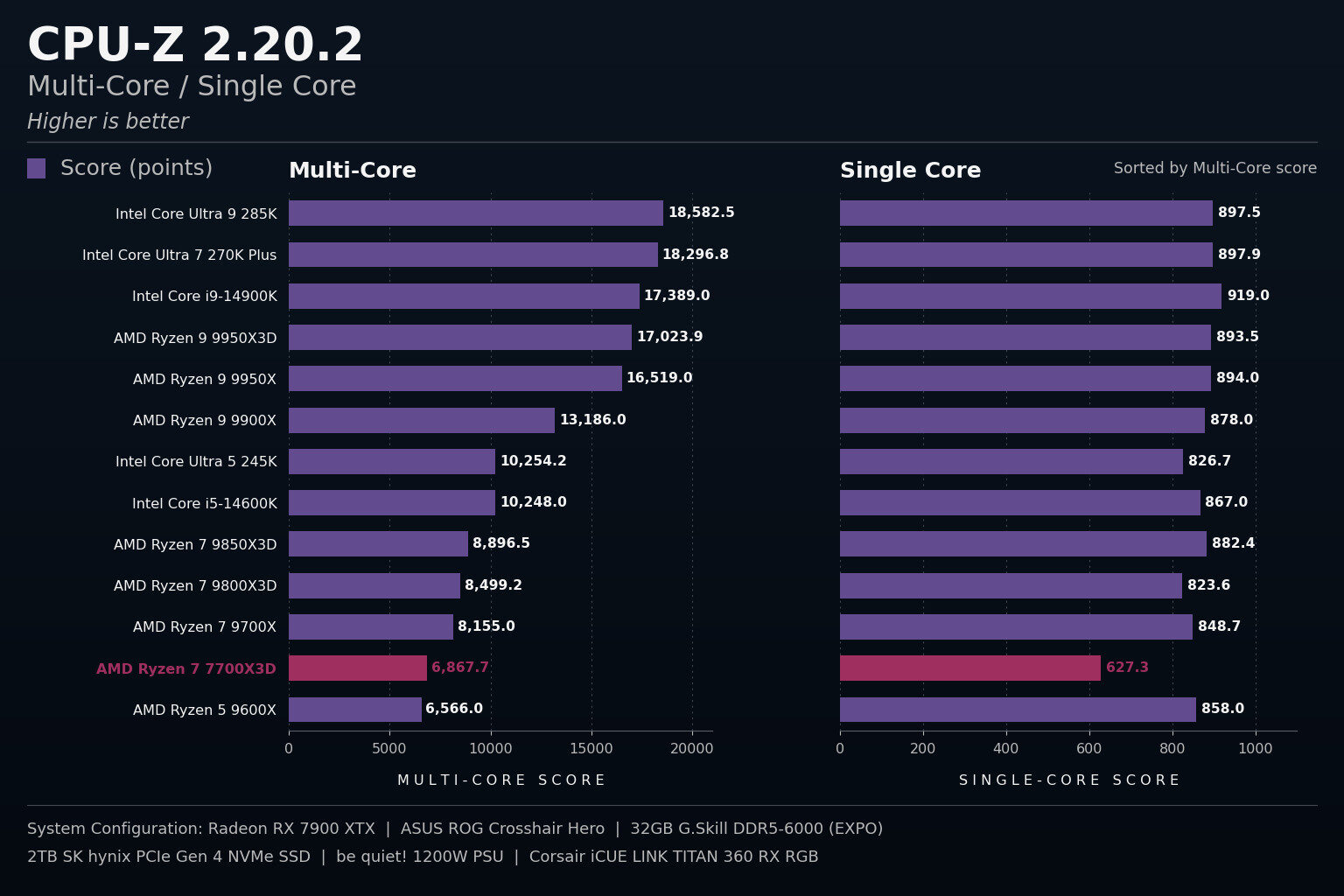
Starting things off with synthetic benchmarks, beginning with CPU-Z, the 7700X3D performs on par with what you would expect from a non-X3D CPU at its level. It delivers a multi-core score of 6,867.7 and a single-core score of 627.3, placing it below the AMD Ryzen 7 9700X and above the Ryzen 5 9600X.
However, it sits far below many other modern CPUs we tested it against, including the current top X3D performer, the 9950X3D, the 9800X3D and most of the latest Intel chips. This makes sense, since 3D V-Cache is used more in games than in standard processing tasks, but it is still good to see how it stacks up for people wanting a CPU that can handle more than just playing the latest AAA titles.
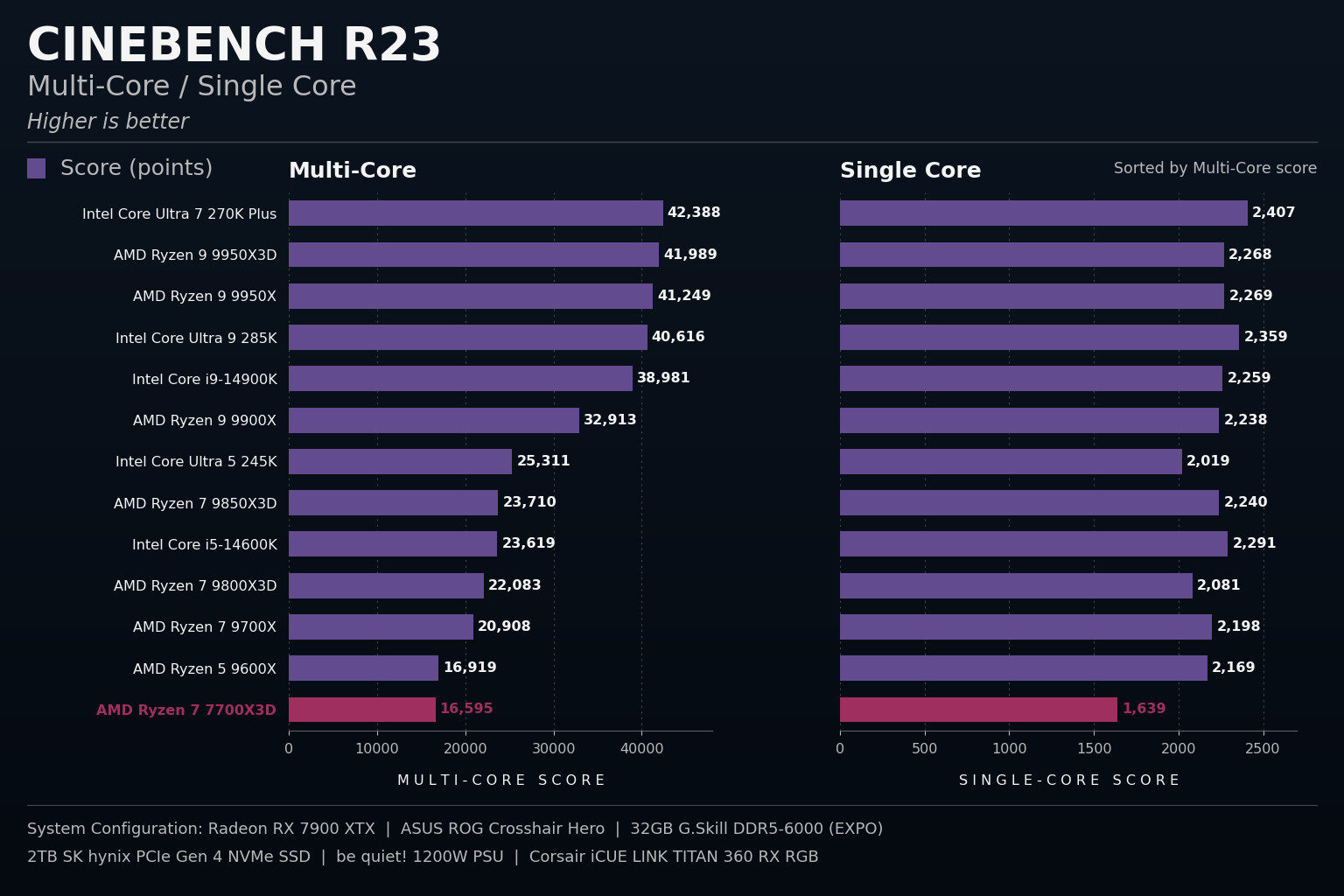
We see the same story when it comes to Cinebench R23, with the Ryzen 7 7700X3D sitting in last place on our benchmark chart with a multi-core score of 16,595 and a single-core score of 1,639, coming just behind the Ryzen 5 9600X. In our Blender benchmark, it once again finishes last among the CPUs we tested, with rendering platforms like Blender not taking advantage of the 3D V-Cache, the 7700X3D’s biggest selling point.
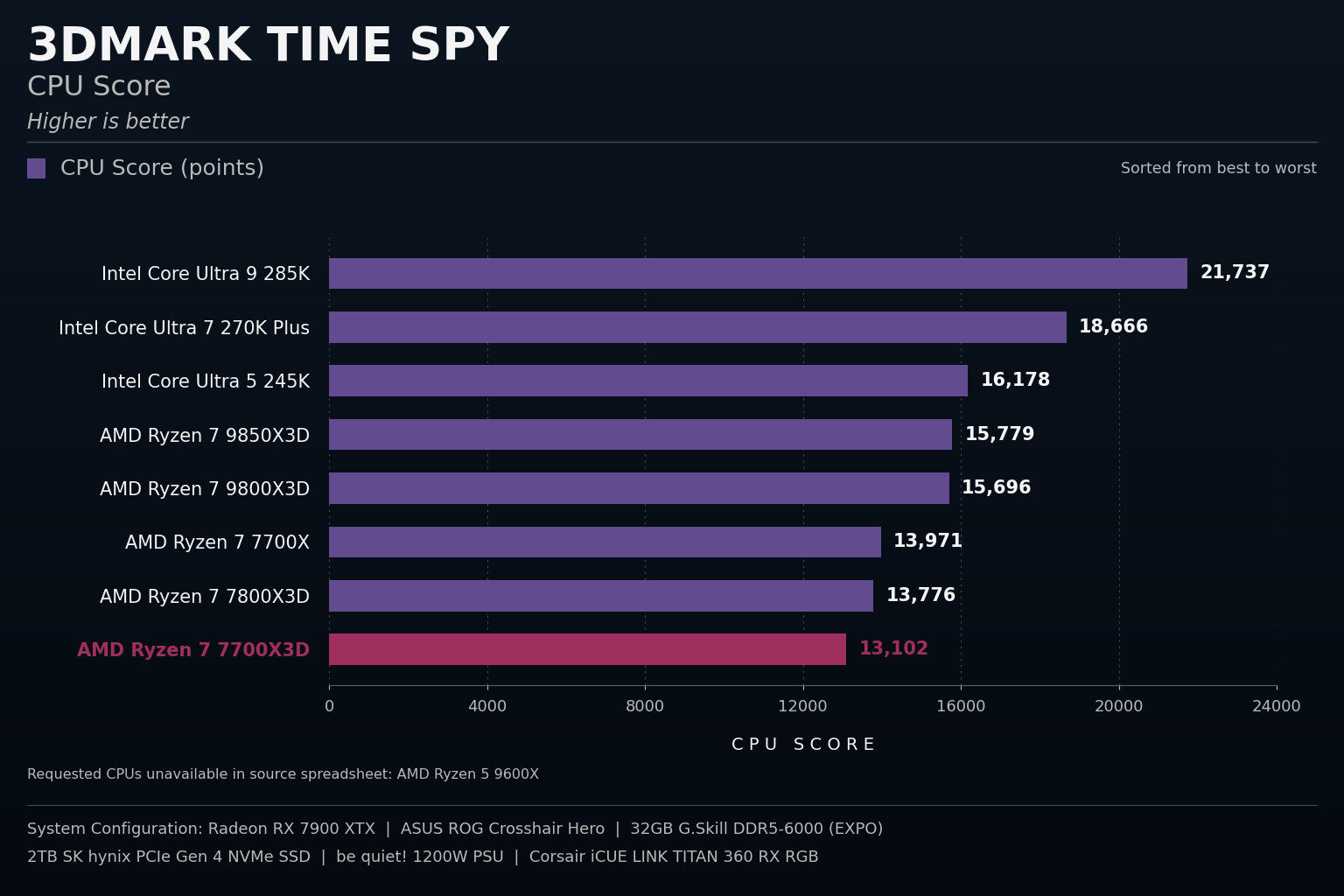
In 3DMark Time Spy, the Ryzen 7 7700X3D does OK, though it cannot keep up with the objectively more powerful 9800X3D or many of the more modern Intel chips we tested it against. It is worth noting that, as with all the other tests, the CPU is limited by its raw specs, and even tests like 3DMark, which measure gaming performance, do not accurately show how 3D V-Cache can help in gaming workloads.
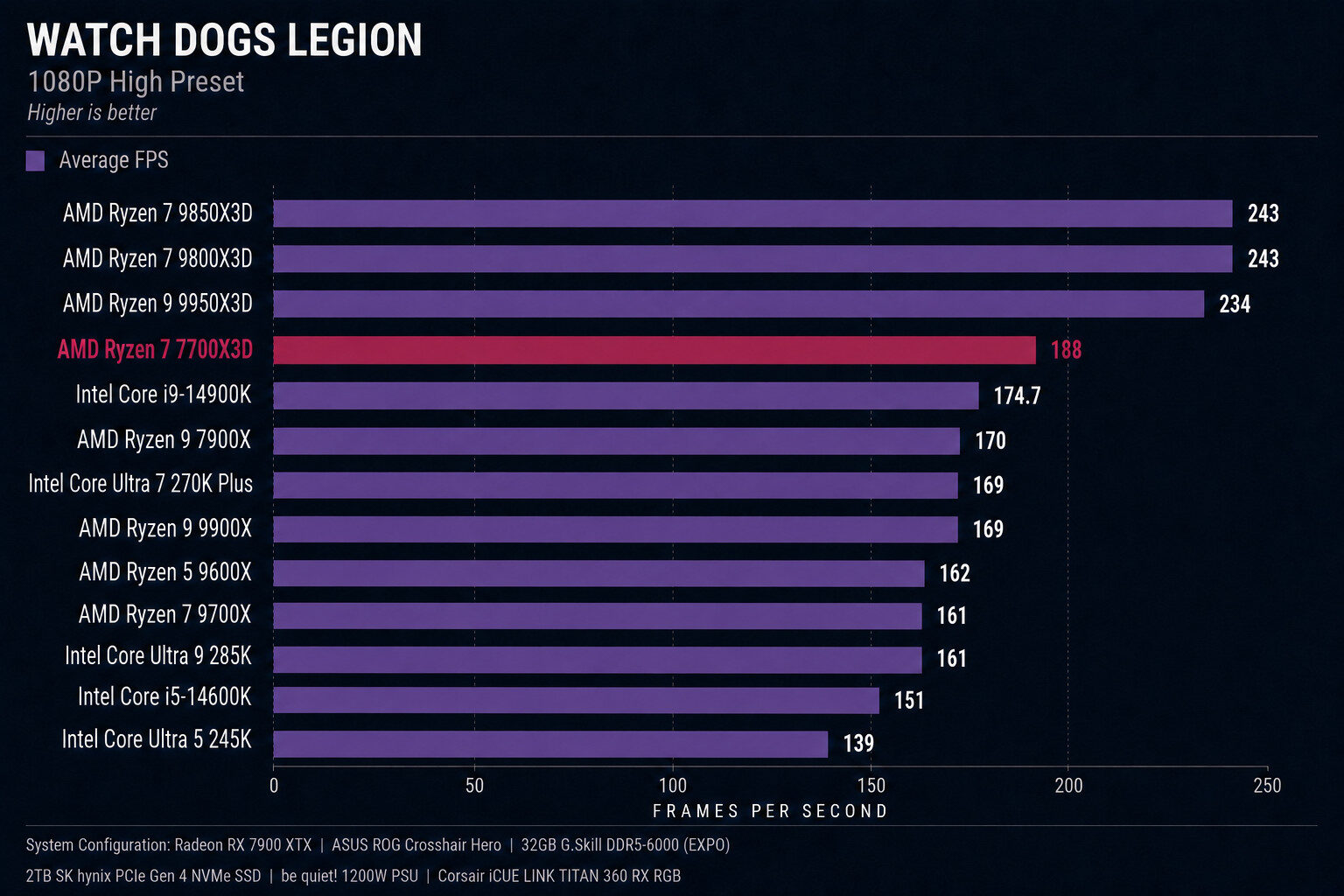
Moving to our first set of gaming tests, we can finally see where the Ryzen 7 7700X3D pulls ahead of the pack, scoring a solid 188 FPS in our 1080p high-settings Watch Dogs: Legion test, just below the 9950X3D. With the CPU scoring ahead of more modern CPUs like the Intel Core Ultra 7 270K, along with the more expensive Ryzen 9 9900X, the advantage 3D V-Cache brings to gaming is obvious. For someone looking to build a pure gaming rig, the X3D range is hands down the best way to go.
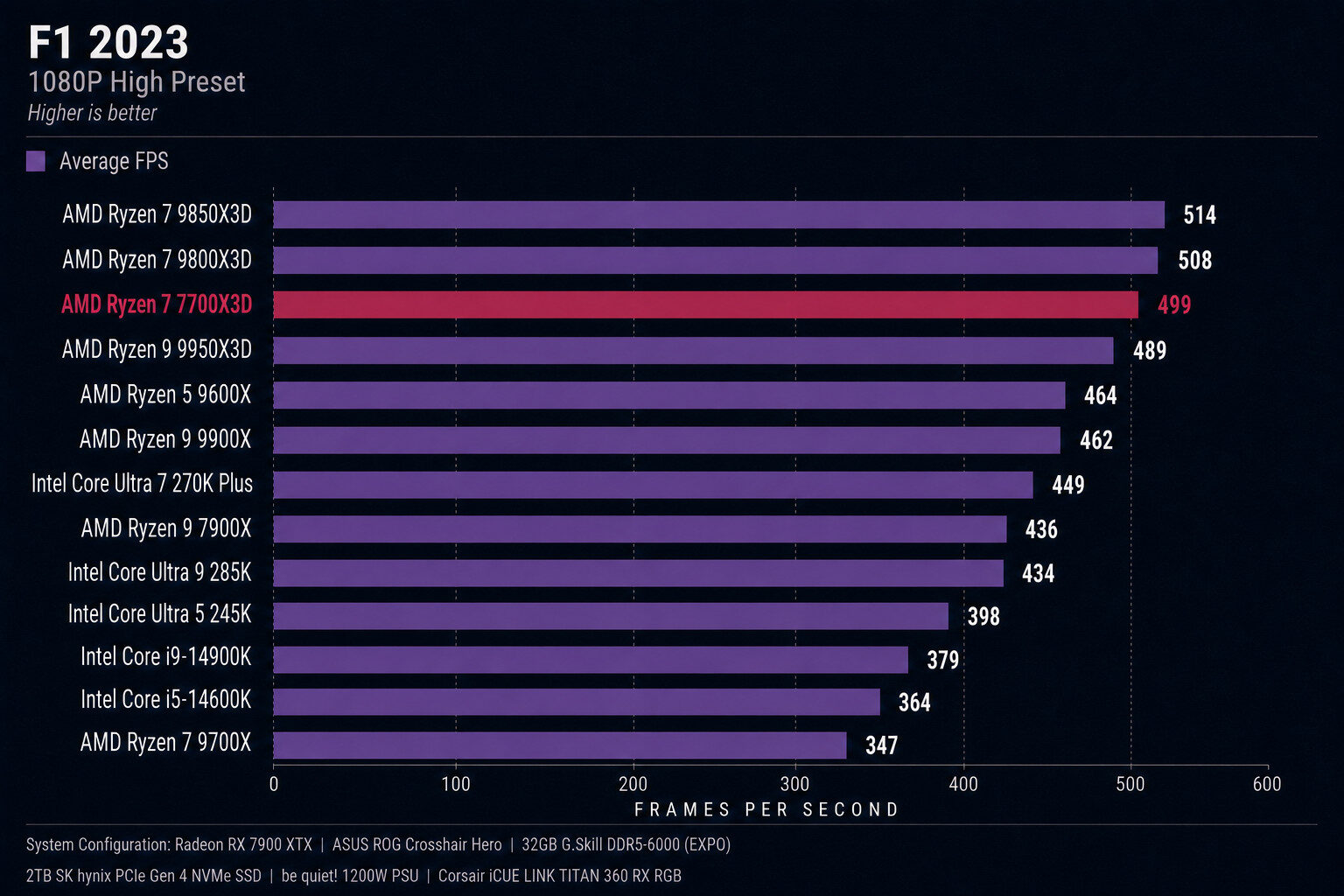
When looking at our F1 2023 1080p High benchmark, we see a similar story; only the Ryzen 7 7700X3D managed to pull ahead of the 9950X3D and sits in third place out of the CPUs tested. Considering the $329 USD MSRP, this CPU showcases how solid an effect the technology has on gaming, making it possible to release an offering that is both affordable and strong in gaming. Granted, it will need to be paired with a solid GPU to get the most out of modern AAA games, but it is impressive how well a CPU built on a past-generation process can still stack up in modern gaming.
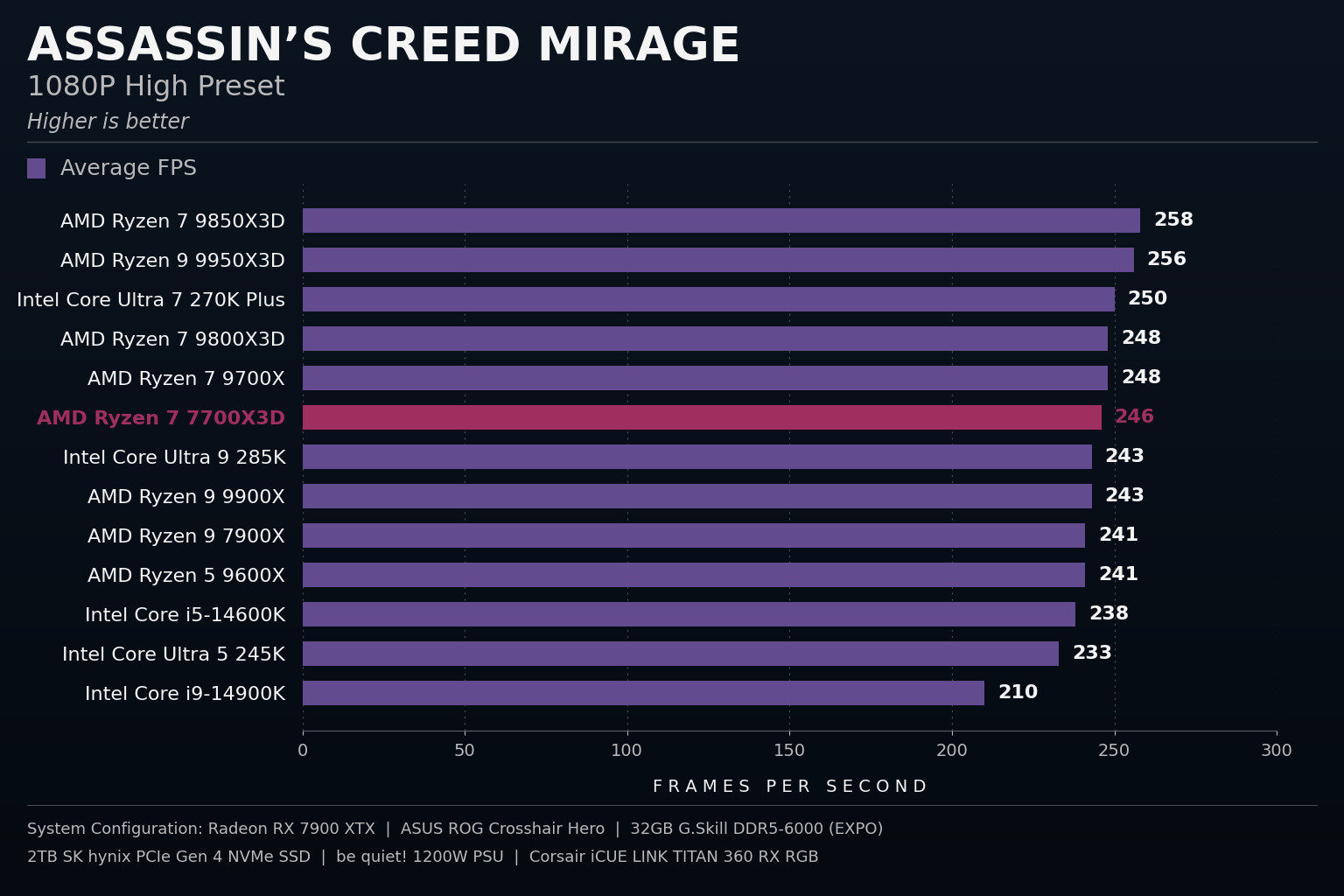
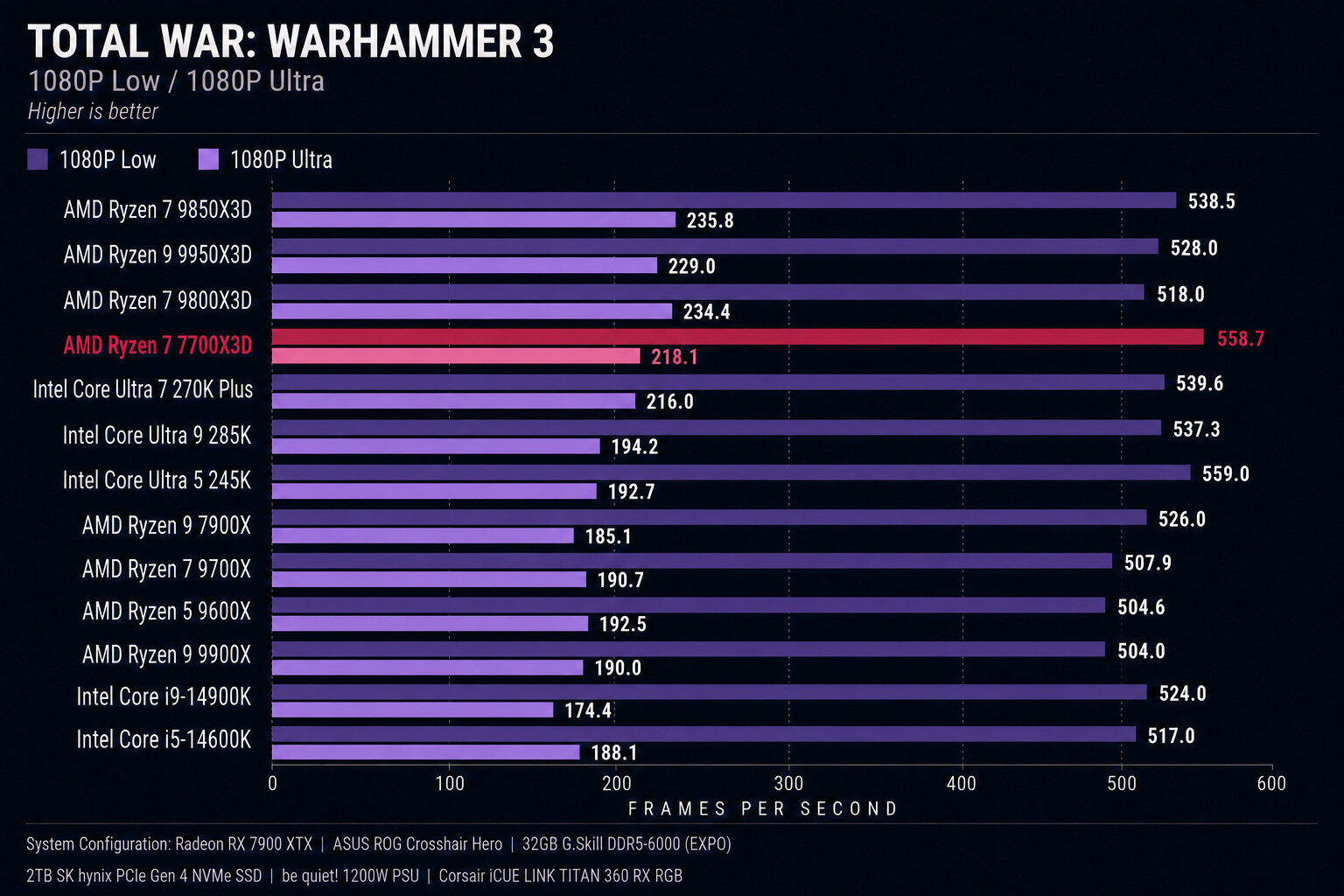
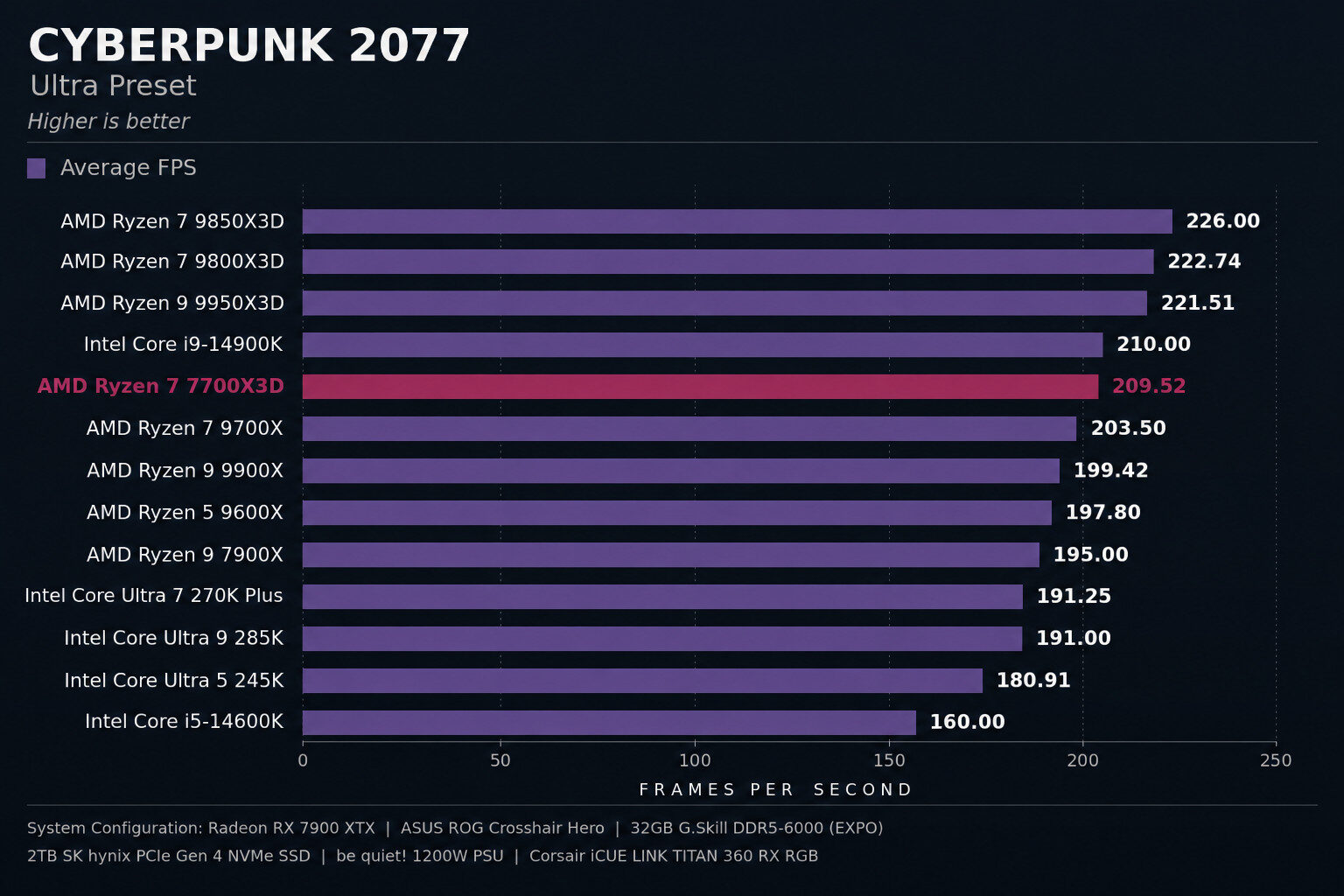
This trend continued through our Total War: Warhammer 3, Cyberpunk 2077 and Assassin’s Creed Mirage benchmarks, with the Ryzen 7 7700X3D managing to stay near the top of the charts, usually sitting close behind its X3D siblings in the 9000-series. The newer Intel chips do catch up in a few tests, with the Intel Core Ultra 7 270K Plus managing to beat it in Assassin’s Creed Mirage, but the scores were close across the range. Only the 9950X3D showed a larger gap, leading by a solid margin over the next four CPUs.
I have to admit, I was a bit skeptical about the release of a 7000-series CPU in 2026, even as an X3D variant, but AMD managed to deliver something that offers solid value in a marketplace where prices have only risen over the past few years. Priced at a $329 USD MSRP and compatible with the full range of AM5 boards, the 7700X3D delivers solid gaming performance across the board and serviceable everyday computing performance compared with modern CPUs on the market.
With the Ryzen 7 9800X3D costing nearly $200 more at $479 USD and Intel’s Core Ultra 7 270K Plus costing around $349 in today’s market, AMD has brought to market a product that offers a fantastic price-to-performance ratio compared with the other options, especially for gaming. It lags behind in content creation, rendering and other computing tasks, but that is not its focus. When gaming is in the picture, it dominates across a range of games, trading blows with some of the top performers on the market.
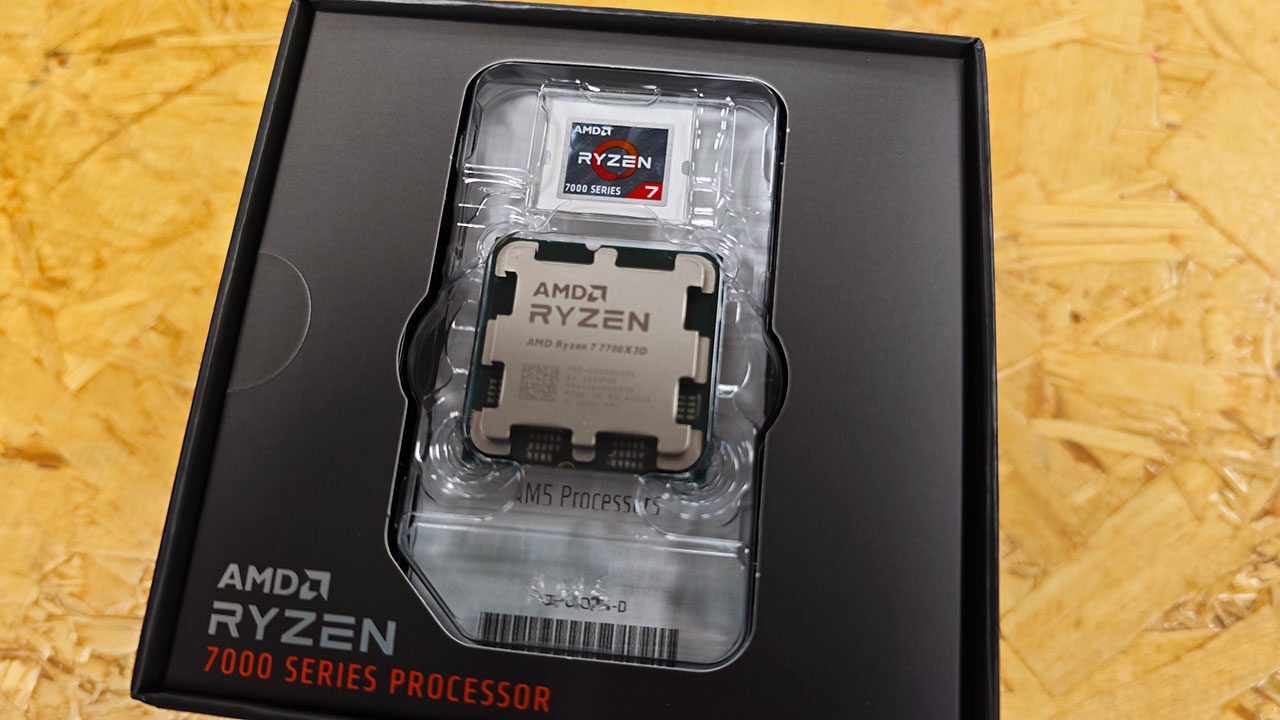
While not a revolutionary product, the AMD Ryzen 7 7700X3D delivers an impressive, value-focused gaming experience and handles a range of titles with ease. This is a CPU for people who want a solid gaming upgrade or to build a good gaming PC without breaking the budget as much as other options do. If you are already invested in the 9000-series or already have an X3D CPU, there is little to see here. For everyone else looking for the next best upgrade to improve gaming performance, the 7700X3D delivers where it matters most.