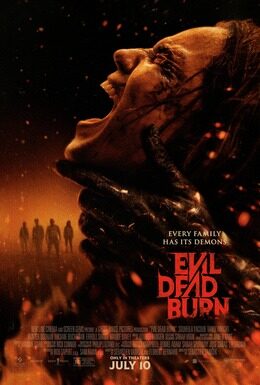

I have only watched The Evil Dead movies in the last 2-3 years, and I have been on a horror rollercoaster. The world that Sam Raimi started has flourished, with other directors and writers taking creative liberties within the same realm. This time, director Sébastien Vanicek brings Evil Dead Burn—returning to Raimi’s roots with the Deadites.
Evil Dead Burn follows Alice’s grief over the loss of her husband, William, as she seeks solace with her in-laws. As one by one they transform into Deadites, she comes to discover that the vows she took in life survive even in death. The prologue and main story of this film were fairly clear-cut, maybe even a bit more interconnected than the original 1980s films. I thoroughly enjoyed how the various plotlines at the beginning were interwoven, setting up the mostly singular setting of Susan and Edgar’s family home.
One of the themes in Evil Dead Burn that surprised me was how much of an action film this was, within the horror and gore. Characters in this film were tortured to their human limits, surviving to the point where surviving may be more painful than just choosing to die. I felt it was more realistic in the ways people fight to live, and can take a lot more physical blows than people think. But the choreography of the fights and scuffles in this movie was no joke and deserves some special recognition.
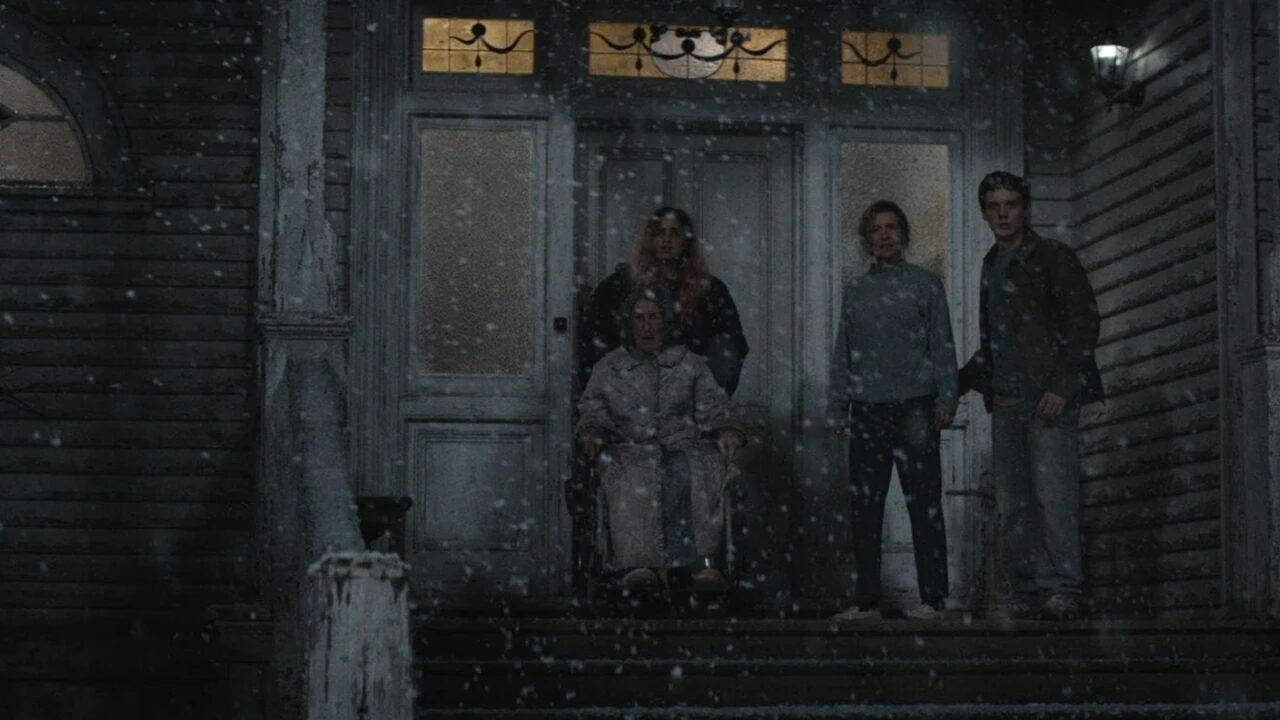
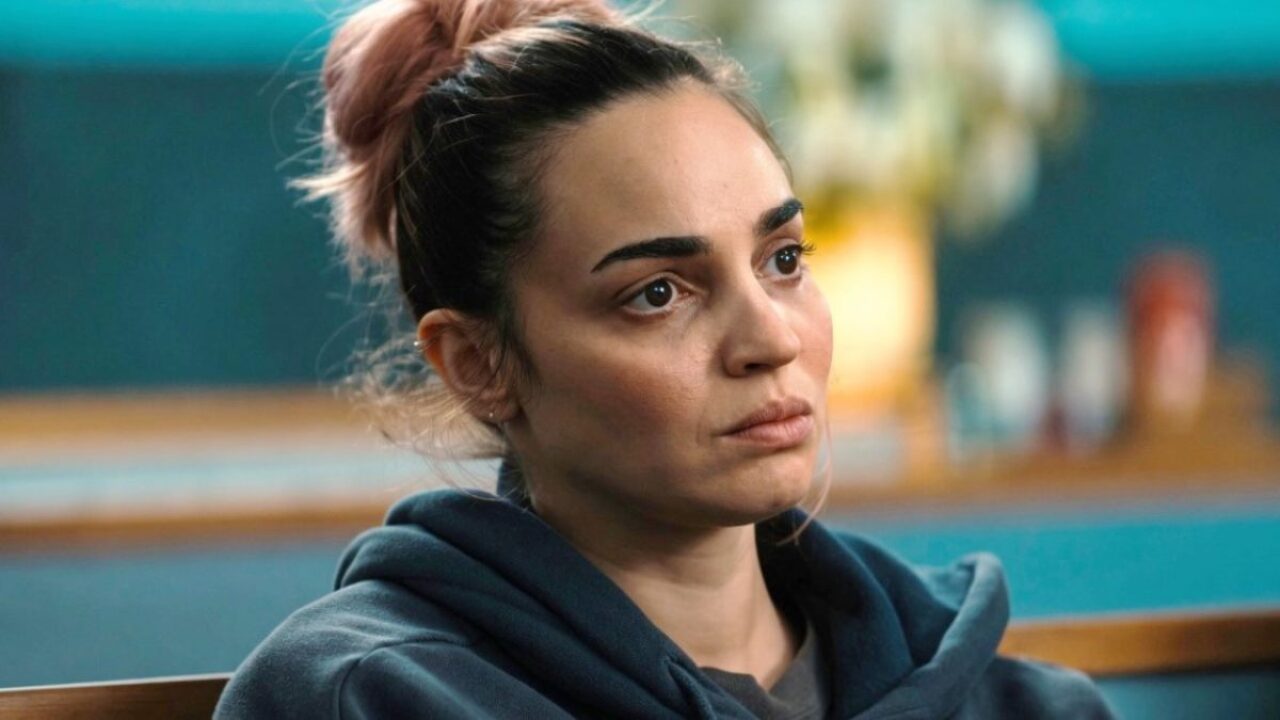
The other unexpected theme I did not expect to find in an Evil Dead movie, as this one was the topic of domestic abuse. I appreciated the dialogue and exploring how Alice navigates her trauma throughout the film, almost like she needed to go through this other traumatic experience to understand and move past her previous mental and physical scars. While this movie is not the first to include a domestic violence conversation in the horror genre, it worked within the overarching storytelling—never feeling like a shoehorned theme.
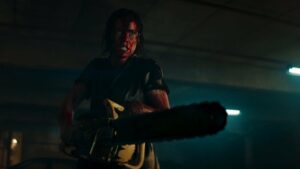
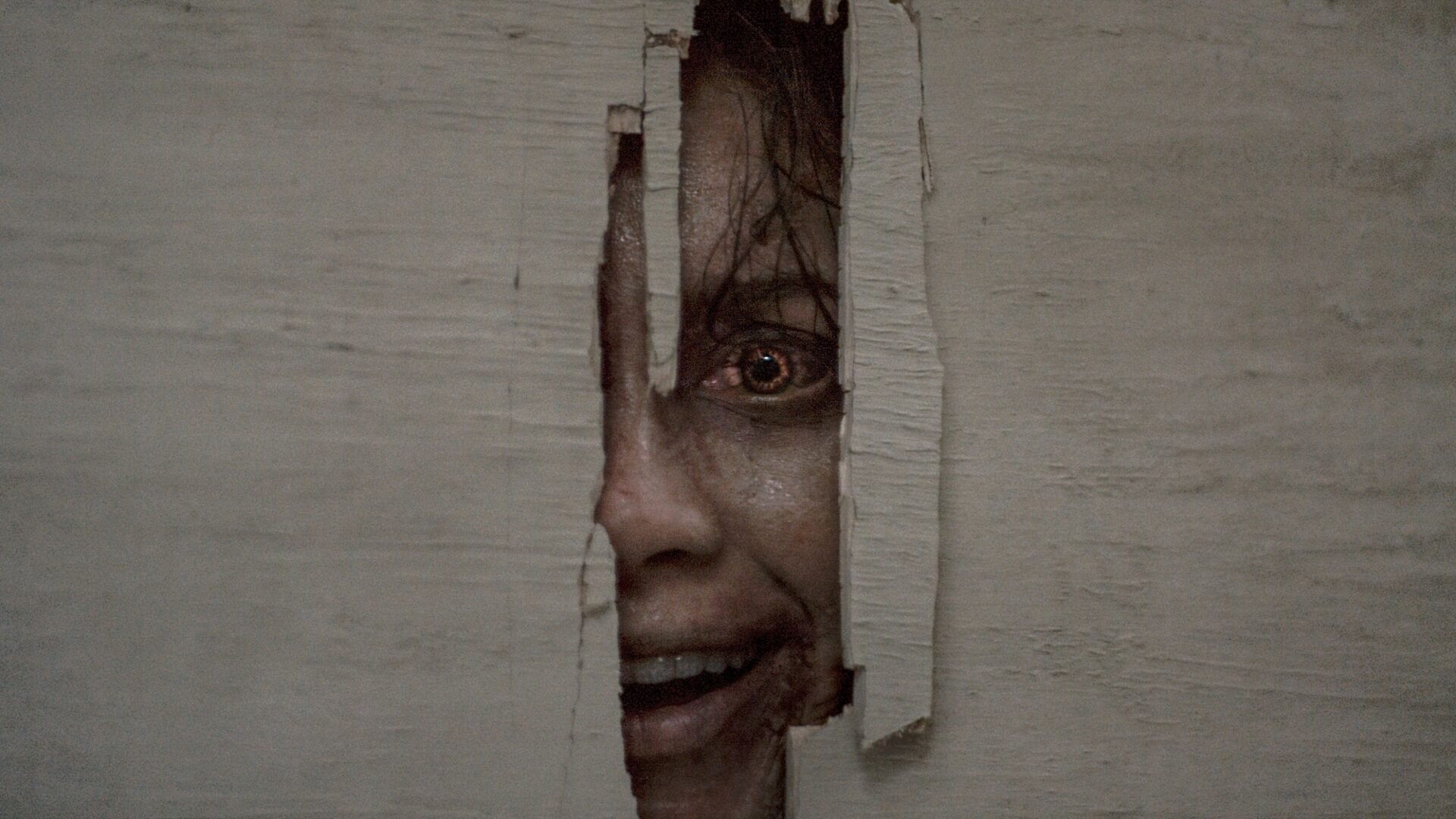
In terms of nostalgia, Vanicek and Florent Bernard wrote a classic Evil Dead lore-filled experience. As Evil Dead Burn is a standalone sequel to Evil Dead (2013) and Evil Dead Rise, the story and style matched these most recent modern takes but leaned more into the world of the Raimi-directed films. We have not really seen Deadites specifically introduced in the last two films, so it paid homage well. Evil Dead fans will recognize a certain voice recording that ties the past to the present. The only writing weakness that stood out to me was that some of the jokes were beaten into the ground, almost as unkillable as a Deadite.
“The core cast acted out of their minds with the screams selling pain.”
I can confidently say Vanicek brought some of those Raimi filmmaking staples. Raimi fans will recognize some camera POV shots of the spirits of Deadites floating about, but it does not lean into the campiness of using a million Dutch angles. Vanicek threw a sweet variety of filmmaking techniques throughout Evil Dead Burn: the movie included mirror trick shots, indoor top-downs, one-shots, insane match cuts/transitions, closeups, and wirework. I was not familiar with Vanicek and cinematographer Philip Lozano’s style, but this movie captured the indie spirit of experimenting with numerous techniques. No wonder Raimi continued to back this seventh installment.
By throwing together and mixing a lot of classic practical filmmaking tricks and styles in Evil Dead Burn, it still held up to modern film standards. I mentioned how Vanicek used the floating Deadites with the moving camera, which was used consistently throughout the film—but it felt too drone-like than the 1981 original movie. The disconnect was when the camera went from the ground level to high above the trees.
“Everyone earned their paycheck in Evil Dead Burn.”
Maxime Caro’s editing and Samy Bardet’s sound design stood out for the quick visual cuts at times, matched by the pinpoint sounds of certain items in the film. For example, there could be a moment when the camera focus quickly switches from a match striking the tinder box, lighting an outdoor mini stove, and a pan of boiling water to a boat engine roaring to life. This all happened within 10-20 seconds and was edited quickly to heighten the tension. I enjoy these small storytelling details when directors and editors nail these quick cuts to enhance the fast-paced narrative without any of the actors saying anything.
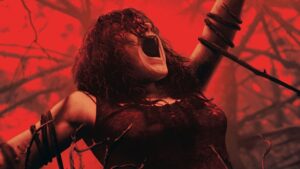
Speaking about the actors and actresses, everyone earned their paycheck in Evil Dead Burn. Since this film leans into the Deadites route, much of the main cast are not just throwaway deaths—I will leave it there without spoiling much for those who do not know what Deadites are. The core cast acted out of their minds with the screams selling pain. For a film called ‘Evil Dead Burn’, these people sounded like they were burning—in more ways than you think.
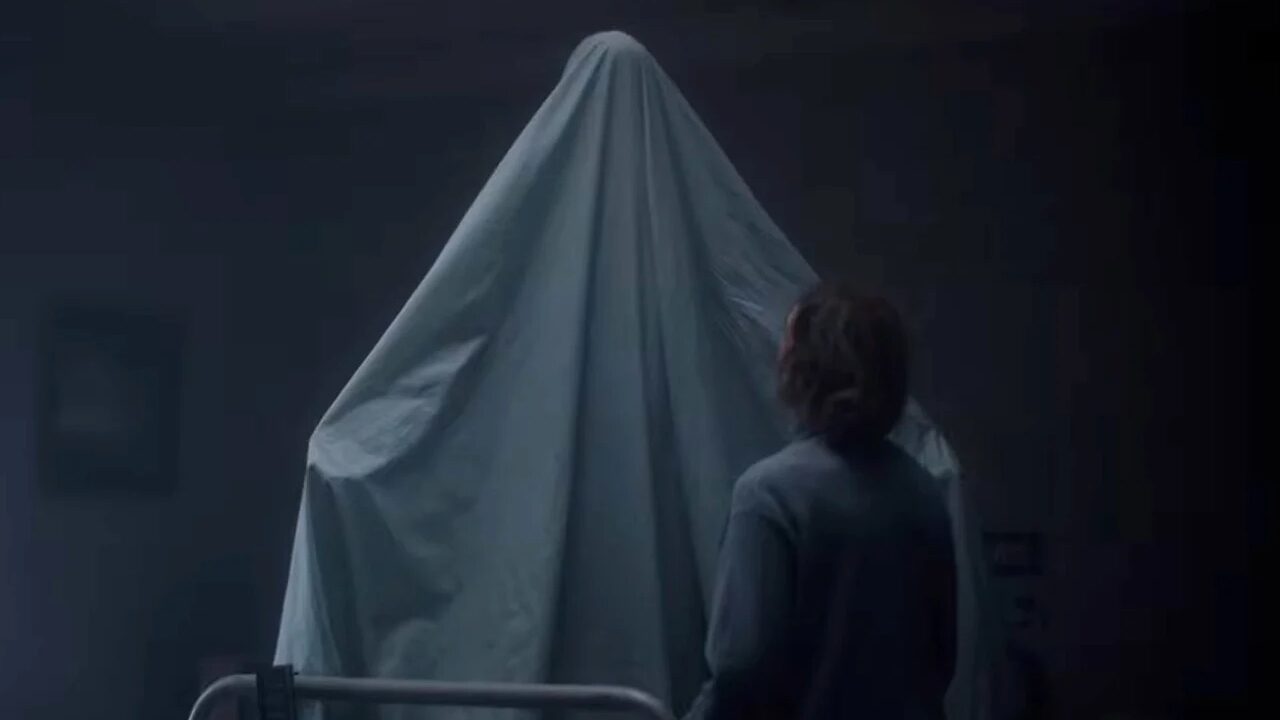
One of the cheaper notes of this horror flick was its unnecessary jump scares. The Evil Dead never seemed to rely on visual and audio jump scares, but this movie abused them enough that it was annoyingly noticeable. To me, the Evil Dead universe’s strength is when it leans into the torture porn and gore style of the Saw films. I could be wrong about what general horror fans want, but I appreciate an ominous atmosphere in the style of The Conjuring or Insidious films over cheap jump scares. Most recently, this is what made Obsession and the Smile films stand out—where the unsettling quality sells the horror and makes audiences gasp.
Evil Dead Burn contains multiple cool set pieces, yet still felt a little safe in some regards. Some production news reports noted that footage was cut to secure an R rating rather than an NC-17 rating. Even though this film leaned into the majority of Evil Dead films that skew toward adults, compared to Army of Darkness, which felt more campy and silly, it had a vibe that suggested Vanicek was told to hold back some explicit content. Maybe this was to appeal to a North American audience, which might be tamer than international films. Either way, this was a good standalone horror sequel, and do not forget to stay for the post-credits scene.