
Few creators have left a mark on the action-adventure genre quite like Patrice Désilets. The Montreal-based designer served as creative director on Prince of Persia: The Sands of Time before creating Assassin’s Creed and helming its first two entries at Ubisoft, games that helped redefine open-world design. In 2014, he founded independent studio Panache Digital Games, which released the ambitious evolution simulator Ancestors: The Humankind Odyssey in 2019.
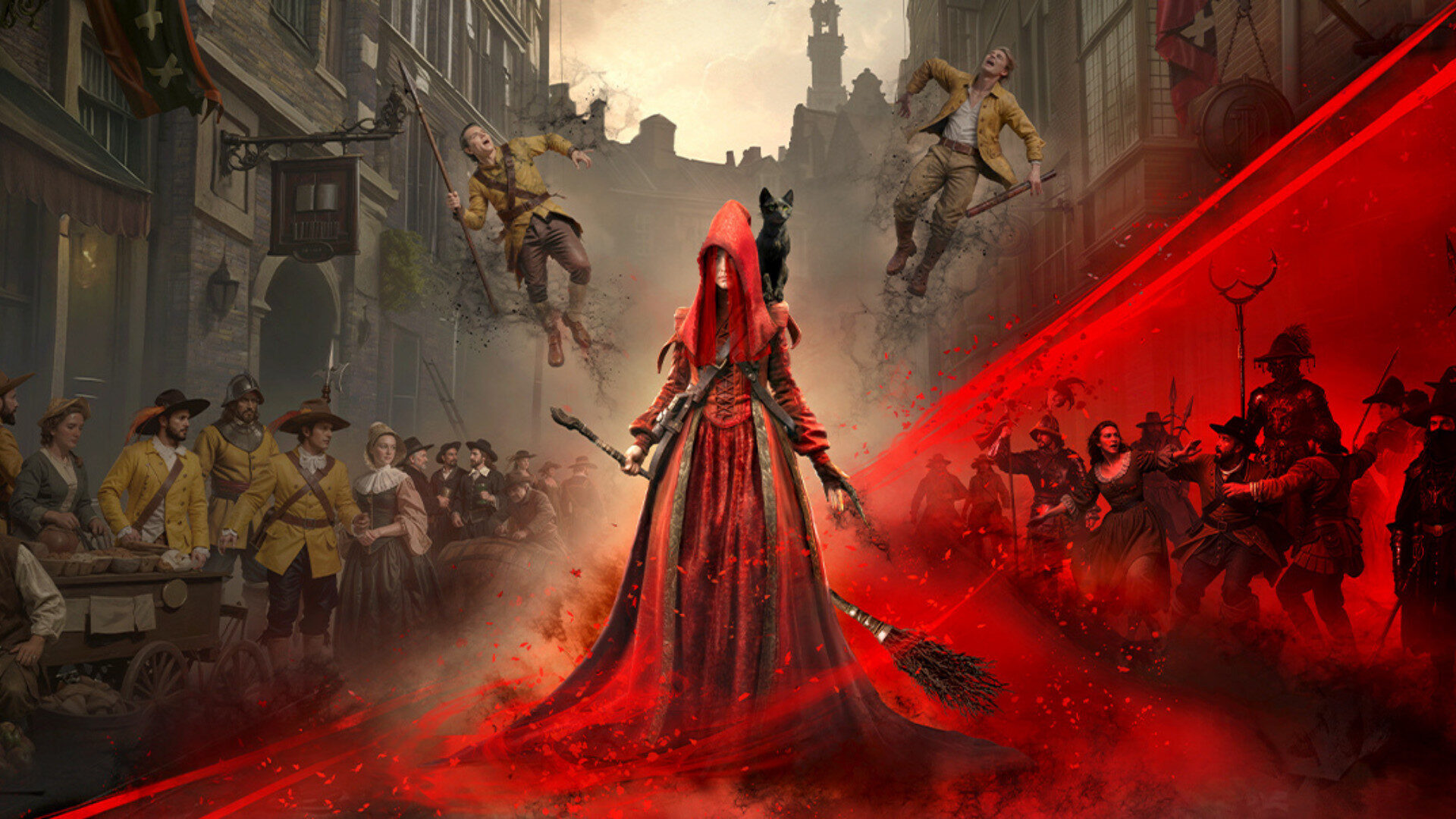
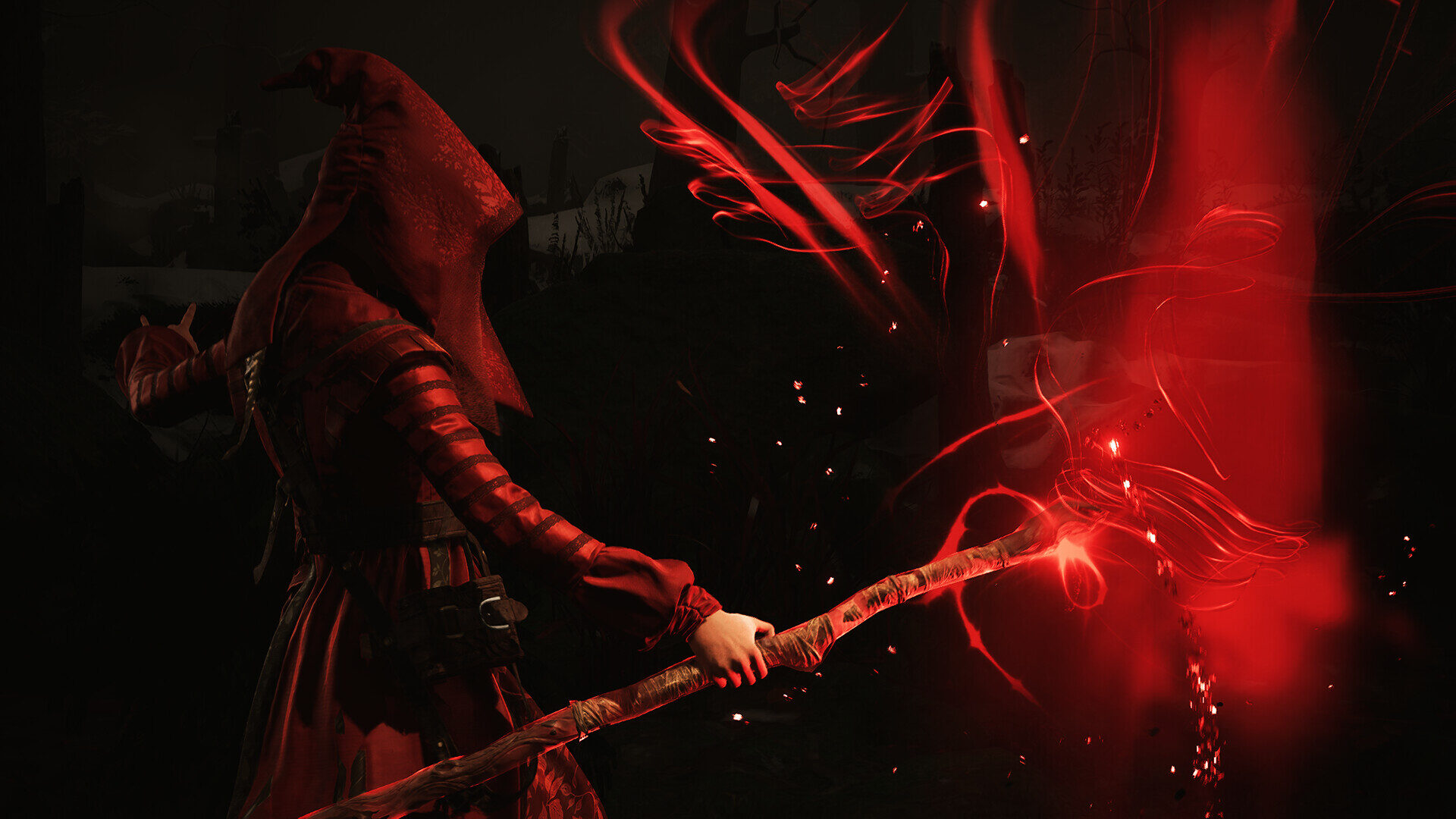
Now, Désilets has returned to the project that refused to die. First pitched at THQ Montreal in 2011, 1666: Amsterdam survived a bankruptcy, a very public firing and a years-long rights battle before Désilets finally regained the rights to the game in 2016. The result, now in Steam Early Access following its Summer Game Fest 2026 reveal, is a third-person dark action-adventure set during the Dutch Golden Age. Players step into the role of Noa, a witch known as the Collector, who hunts demonic entities called the Originals across a handcrafted district of Amsterdam with help from Aaron, a soul from 1999 inhabiting a black cat.
Ahead of the game’s road to 1.0 while at gamescom 2026, we spoke with Désilets about its turbulent journey, its witchcraft and possession systems, and why 1666 is only the beginning of a much larger franchise.
To start off, 1666: Amsterdam has been a long time coming. Could you tell us a bit about why you wanted to put so much passion into making it a reality? What was the process of taking it from the original idea to where it is now?
Patrice Désilets: It all started in 2011-ish, and I was in between Ubisoft and THQ Montreal, and I needed to have a new game, right? I was vacationing for a week in Amsterdam with my girlfriend at the time, the mother of my two daughters, and I was there walking around.
I’m like, “It’s a bummer, because I could have made an Assassin’s Creed game here.” I could see how the city is a bit level-designed. There’s a canal, a street, a facade with houses, all the different houses. And then suddenly, I turn a corner, and I stumble upon the building on which it was written, “Anno 1666,” and I’m like, “Oh!” The devil, the number of the beast. Like, what if we do a game about the devil set in Amsterdam during the 17th century?
I pitched that to THQ. They accepted it, and then they went bankrupt. Couldn’t do it. I had the rights to the game, and then, for multiple reasons, I had to fight for the rights back. Got it back in 2016. But I was doing Ancestors with Panache, so I had to wait. And we went back to it in January 2020. But then it changed a lot because, at first, we were playing the devil per se, and Lucifer, the TV series, came out.
I’m like, “OK, it’s been there. It was done already.” What would be the thing that represents a human being inside a devilish setting? I’m like, “Oh, witches! Witches would be a great fit for that,” and this is what I designed. The only thing that remains between the two periods was this idea with 1666 on one side and 1999 on the other, like two sides of the same coin. But the rest is pretty original from me and the Panache team. Why? I don’t know. Maybe just because I’m stubborn. For two years, this universe was in me, and I didn’t want to let it go. And just my love of the city of Amsterdam.
How has the reaction been so far since the first time you announced 1666: Amsterdam?
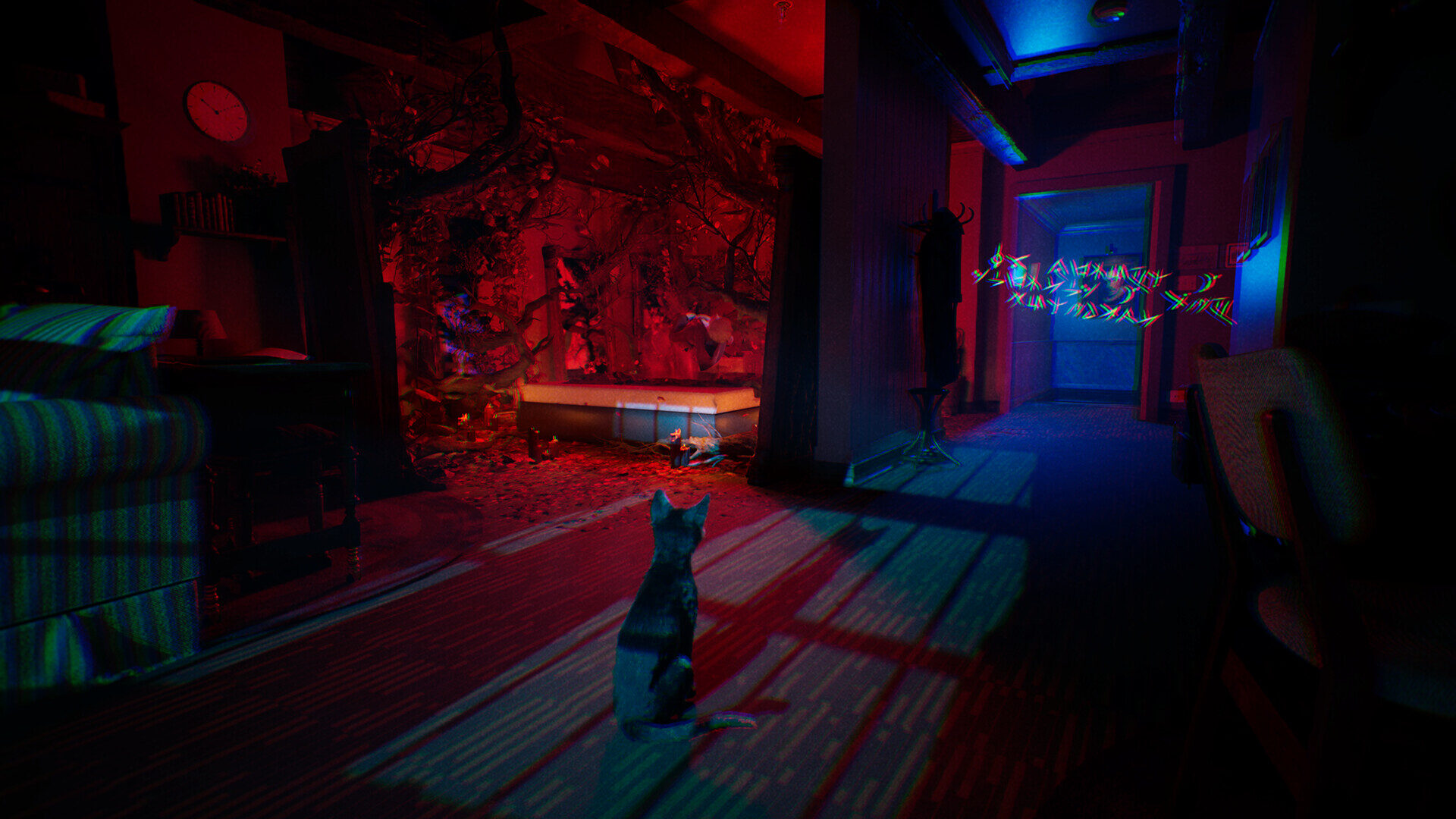
Patrice Désilets: I feel it’s been great because people are like, “Oh, it’s fresh. It’s new. It’s not something you’ve seen before.” The witch theme is in the zeitgeist, I feel, these days. And the cat. The cat is the thing right now. You can also play a black cat. There is a group of people called cat lovers, and they’re really happy to be able to play a cat inside an open-world game.
When designing 1666: Amsterdam, what were the key ideas you wanted to make sure carried over from the design phase to the final product, and how many of those concepts ultimately made it into the game?
Patrice Désilets: For me, it is really about the process with the group of people. I start with a vague vision of what I want, including the emotions and, even more importantly, the sensations. Then it becomes about what the team can bring to the table. For example, at the beginning, it was not the case that you had a cat as a familiar. There were cats in the world, so you could possess them and be a cat for a while. Eventually, I thought, “What if you are the cat and you can switch on the fly?”
The clearing was not there at the beginning either. We wanted to get into the game right away instead of spending too much time in the library, for example. At first, we also did not want to focus too much on fighting. Then it became, “Let’s have a real badass witch with her broom.”
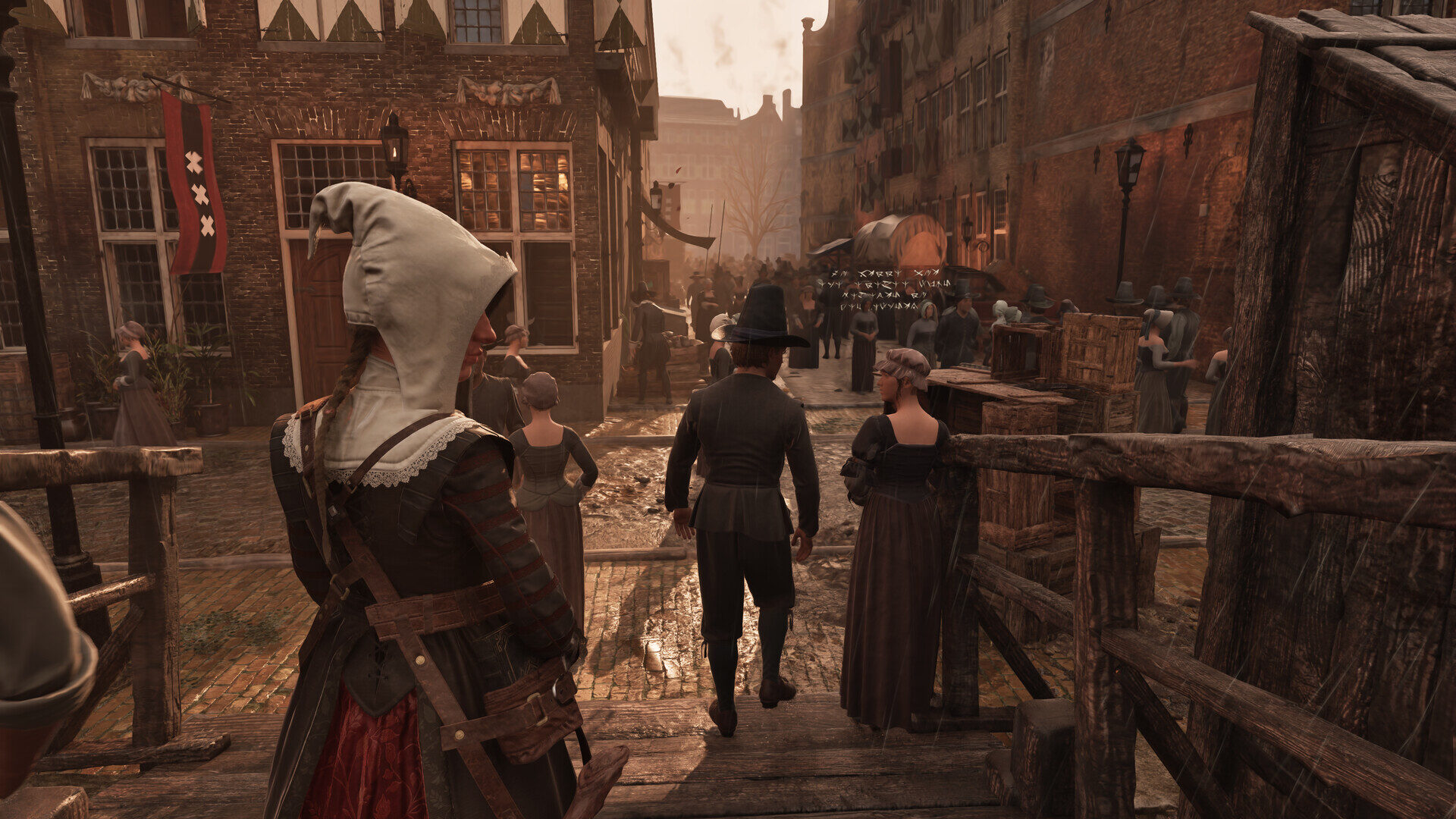
So, it is really a process. But the main idea was always the ability to go inside every house in the district. Our open world is not about exploring all of Amsterdam. It is more district-based, with a smaller area where you can enter every house. There are 135 houses in the district, and you can go into all of them. They are all kind of like little puzzles. You have to deal with the people inside, and you can use the civilian witch, the revealed witch or the cat. You can also possess people to get inside because you can still possess them with your cat. That is his main ability.
On the topic of possession, that mechanic has appeared in games going all the way back to the 1990s, including titles like Messiah. Did you play any of those games while developing the concept for the possession mechanic?
Patrice Désilets: No, no, no. It’s funny because mostly the idea came from two places. Devilish, for me, possession is part of the devilish background of the game, to be possessed by the devil or demons. And then it comes from Ancestors, because you could switch between characters and say, “What if we can switch between all characters?”
This is basically it. At the end of Ancestors, before starting 1666, we were like, “What tech can we use back in the next game?” And that was one of them. So it fit with the setting or the theme, and then we had the tech to do it, and this is how it all started.
So, did you finish Ancestors and go straight into 1666: Amsterdam, or was there a delay between the two projects? How did that transition work?
Patrice Désilets: No, we went right at it. But there was a delay caused by COVID-19 because it happened right at that time. We started conception in January 2020, and then, by March, the team was back home, and everybody was separated. But conception is all about looking people in the eyes, talking things through and saying, “Do you understand this? Do you understand that?”
I remember we had a meeting, and when we closed Zoom, it was like, “Oh, I’m all alone now,” because I was afraid to go outside. So it was tough to be the “let’s go” guy, the “let’s dream” guy. People were not in that mood at that point.
1666: Amsterdam has been in development for a few years, and both PC hardware and consoles have become much more powerful in that time. What has that extra power allowed you to do with 1666: Amsterdam that was not possible when you first conceived the game?
Patrice Désilets: We started and did all our prototyping under 4, and then we switched to 5. I would say the most important technological aspect that came with Unreal 5 is the quality of the lighting, per se. Unreal 4 wasn’t bad, but there was a gap. And to really have this feeling of the Golden Age that we wanted, that changed everything with Unreal 5. Then there’s also what we call the VAT. We have so many people. The VAT is a technology that lets us do crowds and particles, and that was a big “Oh, OK.”
You mentioned the civilian witch and the devilish witch in 1666: Amsterdam. How did you want that system to work, and do you feel it achieved what you intended in the final game?
Patrice Désilets: The final product is not finished. We’re in Early Access. It’s important because we will continue to make the game better until we go to 1.0 in roughly a year from now. The main thing is that there is a witch hunt going on in Amsterdam because it’s 1666, and the rulers of the city are Originals, and they know what’s coming for them. That’s why there’s a witch hunt going on.
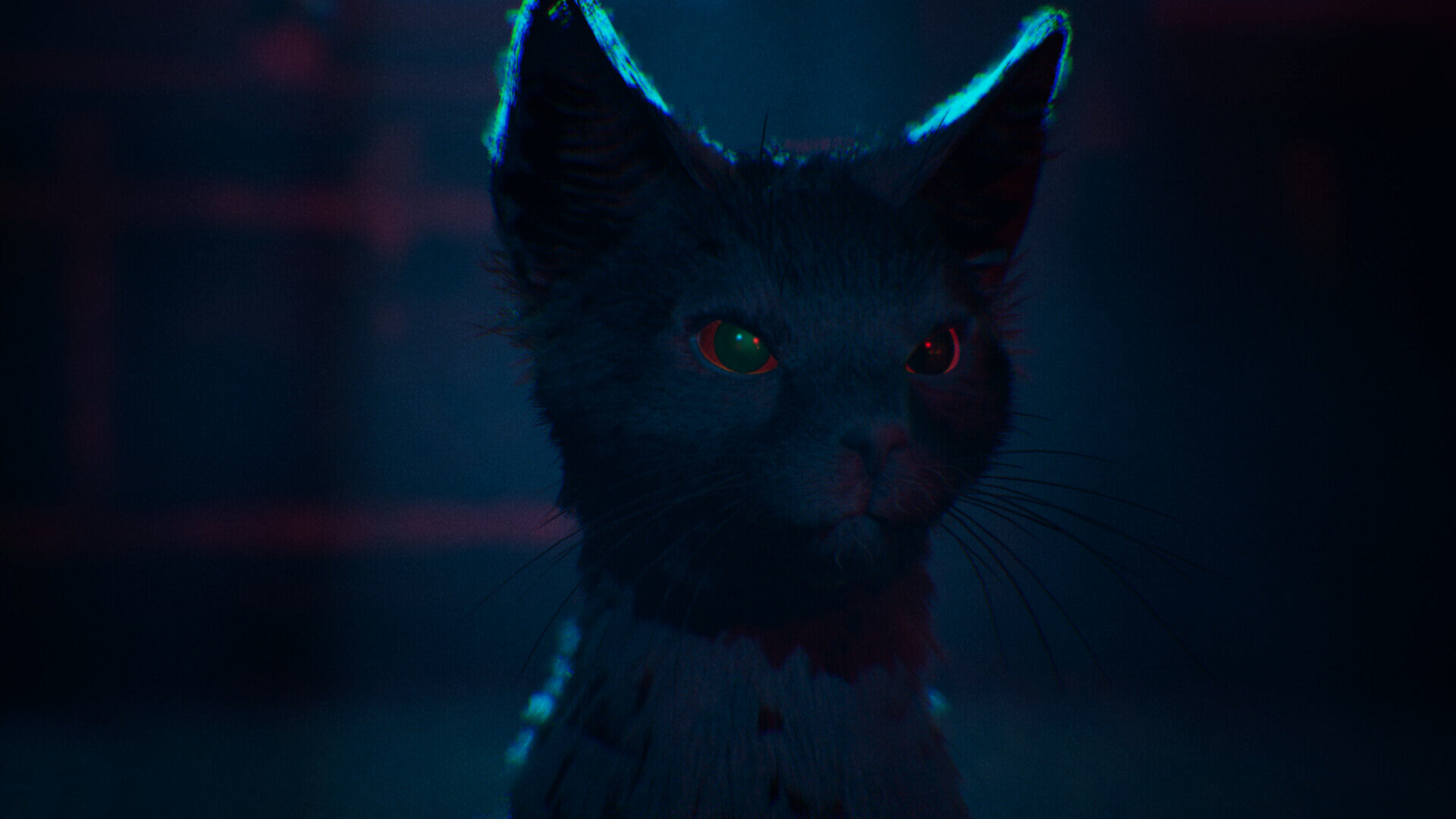
And so, as long as you’re a civilian, you’re kind of OK, except when you get to places you’re not supposed to be, even as a civilian. Like, you go to someone’s house, it’s like, “Who are you, and why are you here?” But as soon as you switch to a witch, people will start noticing you. And if you do witchy stuff, eventually they call the militia to you. And eventually also, depending on how you play and how many fights you get, you’ll have the witch hunters coming for you. The witch hunters are much more powerful. They have magic on their side, so it really comes down to how you choose to play.
You can switch from one to the other by pressing a button, and you can also take control of the cat. One of the cool things about the possession system is that if you possess one of the archetypes and it fits the type of house or area you are in, you can enter certain houses without being detected.
“The main thing is that there is a witch hunt going on in Amsterdam because it’s 1666, and the rulers of the city are Originals, and they know what’s coming for them.”
Why did you choose to launch 1666: Amsterdam in Early Access?
Patrice Désilets: Because it was time for the team to ship something, but mostly because that is how we build the game. It is really a Panache iterative process, so we felt it would be easy. And now, in fact, I put it in brackets for us to give it to the player. They give us feedback, and then, with them and with the community, we can iterate, balance the game, add more and remove some stuff. The structure of the narrative also lets us do that because it is divided into full moons, the Esbats, and we build the game in continuity.
How does the update process work for 1666: Amsterdam? Once you finish a new level, do you add it to Early Access right away, or do you test it internally first and release it when you feel it is ready?
Patrice Désilets: We already have four phases planned for release, but in between, we will do smaller updates as we feel they are ready. Those could include new modes, quality-of-life improvements or debugging. So, we will have a constant evolution of the game. Eventually, there will also be bigger chunks of narrative, new maps and new districts.
If some of the feedback fits with our backlog, that becomes a priority for us. It is all about listening. It is about having a dialogue with the people who actually play the game. For me, that is the most exciting part. It is a bit nerve-wracking, but exciting at the same time. Of course, we are not going to change everything. It is not like someone can say, “I want to play as a dog and not a cat,” and we will do it.
But as much as possible, we want to listen. I am old enough to remember when we were shipping games on cartridges or discs, and that was it. Now, I can actually see people play. I feel like that is a real opportunity to make the game better while people are playing it.
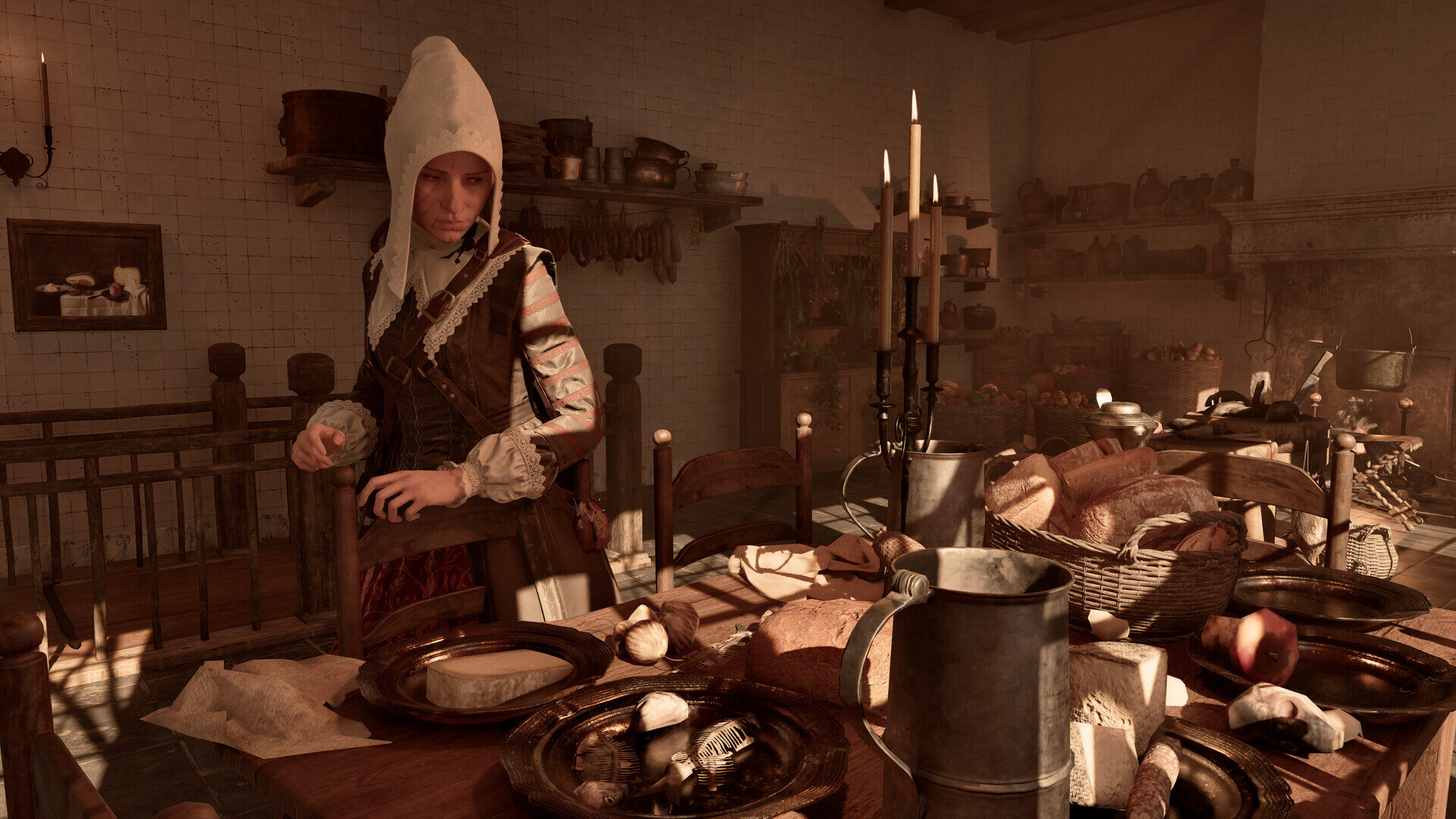
Now, going back to 1666: Amsterdam, the game draws inspiration from history. How much real history did you include, and how much did you take in your own direction to create something wholly unique?
Patrice Désilets: The history is really there as a backdrop, but then it is a witch game with magic. We have more freedom than some other historical game out there that I will not name. I told the team, “Yes, this is what happened, and this is the history, but my witch can fly on canals. She can possess people with her cat.” A small story: we went to Amsterdam in July, and I brought my family with me, including my two daughters. My oldest was two when I first had the idea for the game, and now she works for me at Panache. Can you imagine?
She had heard about Amsterdam for years, and then she finally got to see it. The other day, I was showing her the map of the district and said, “Remember here? We had a coffee.” She was like, “Oh yeah, OK, I know where I am.” So, even though we created some places differently, or added a street because it worked better for the level design, most of it is still there. Rembrandt also appears later in the game, so there are historical figures as well. But my witch is a real witch who can use magic, so we do not have to be as accurate as we would in other games.
In 1666: Amsterdam, you are playing as someone who is not necessarily on the right side of history. How did you approach writing and developing that character?
Patrice Désilets: She has to do what she has to do because that is her role. As we explain in some of the dialogue, it is not like she is just going around attacking people. Black magic has taken over some of them, and she has to deal with it. That is her responsibility. It is not out of pleasure, personal revenge or anything like that. She has a role as the Collector, and she has to fulfil it. She is not attacking people just for the sake of it or because she takes pleasure in it. She is not pure evil at all. In fact, she is not the evil one.
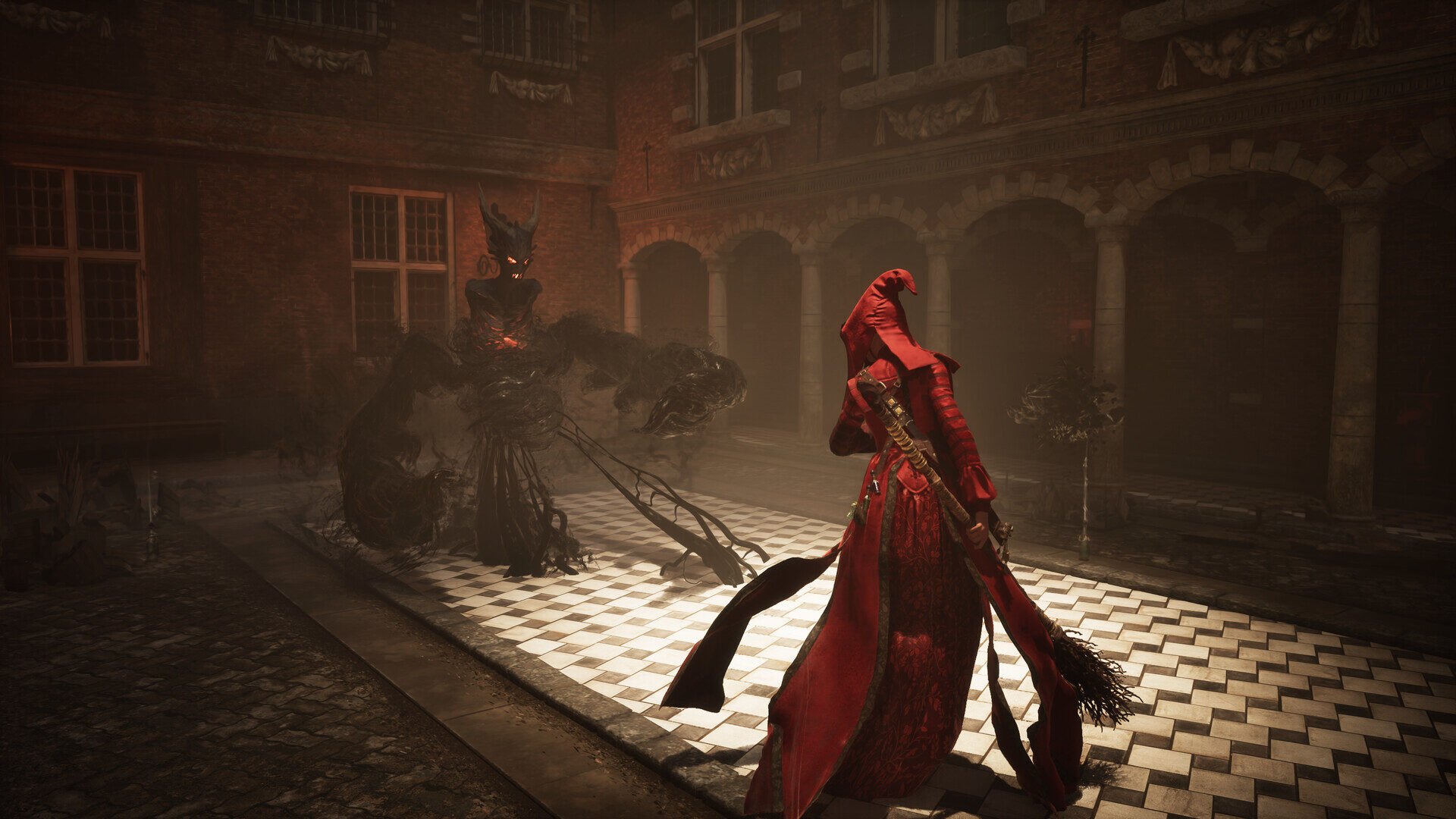
For people who have been following 1666: Amsterdam and are really excited about the concept, what is your sales pitch for why they should jump in?
Patrice Désilets: You’ll be transported into a brand-new universe where you’ll discover a really rich backstory and folklore, and this is just the beginning of the franchise. It is 1666. We want to explore and exploit this year for many other games. But right now, please come and play the Early Access. For $26.99, it’s the best price you’ll ever have, and we’ll keep, with your help, we’ll keep adding and making it a better game.
You have plans for the future then?
Patrice Désilets: Oh yeah. Like I said, the idea is, maybe, to come back to the very first question: why I wanted to do it; it is 1666. And as soon as you change the location, we can go everywhere on the planet and talk about the witches from all over the world.