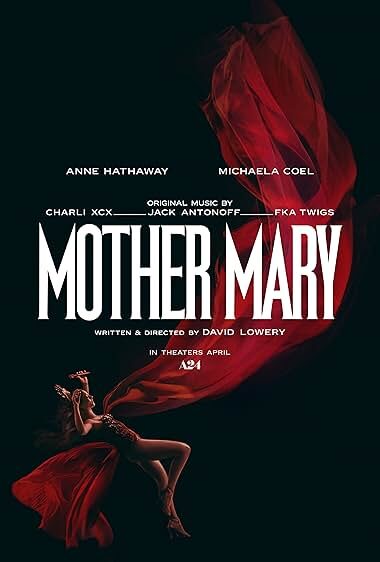

Mother Mary was a trip that swallowed me up into a black hole trance to the point I could not look away. Long-buried wounds rise to the surface when iconic pop star Mother Mary (Anne Hathaway) reunites with her estranged best friend and former costume designer Sam Anselm (Michaela Coel) on the eve of her comeback performance. Mother Mary features original music by Jack Antonoff, Charli xcx, and FKA twigs.
I was surprised by how phantasmic this movie’s direction was, and the visuals supported it so well, with minimal CGI or VFX. The use of red in this film went a long way, interestingly representing both signs of weakness and strength. There must have been some kind of cloth sim or puppetry at work with the pseudo-antagonist. While Mother Mary and Sam are each other’s antagonists, as these two estranged friends try to reconnect, but watching the festering issue animate was mesmerizing.
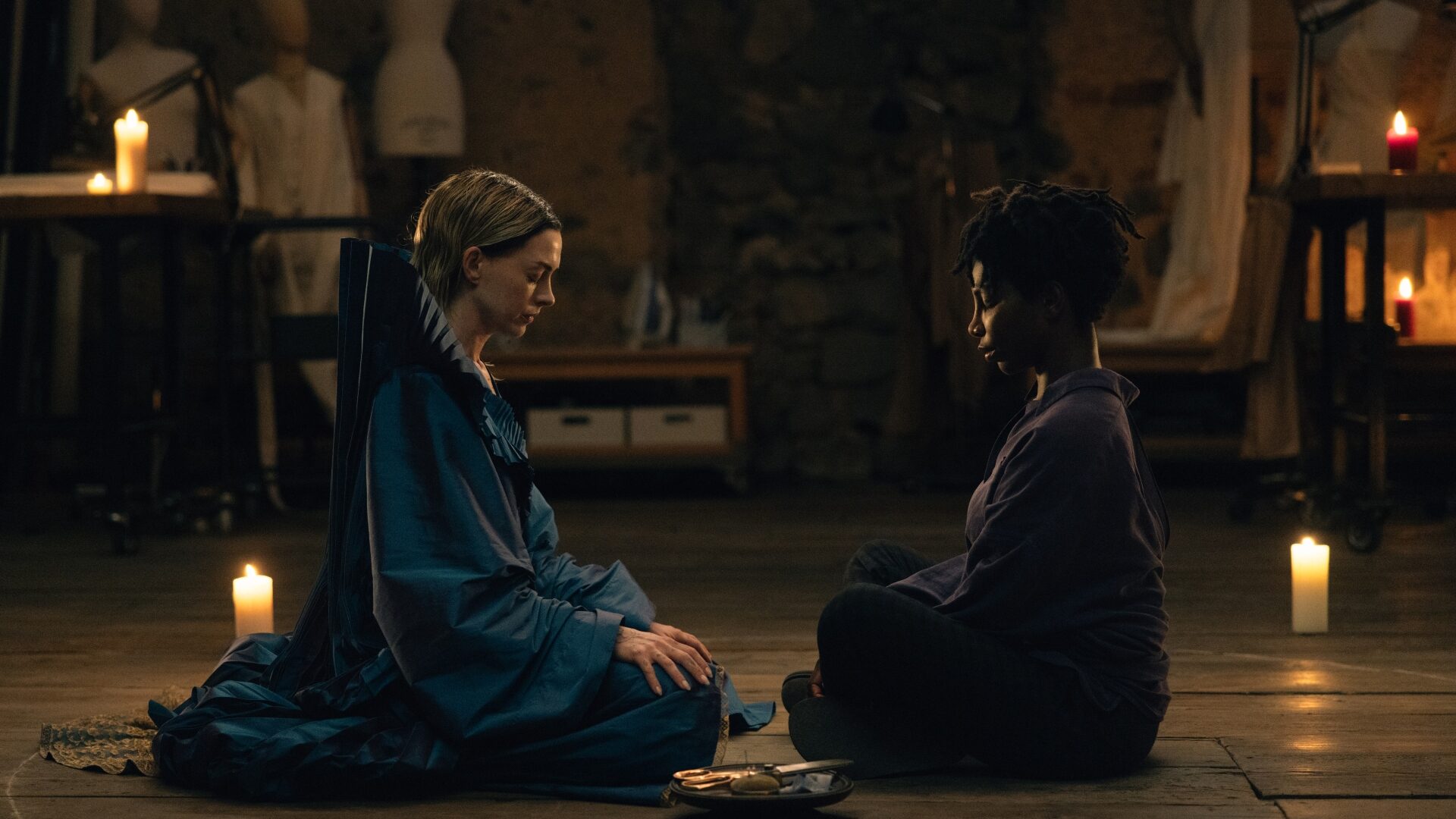
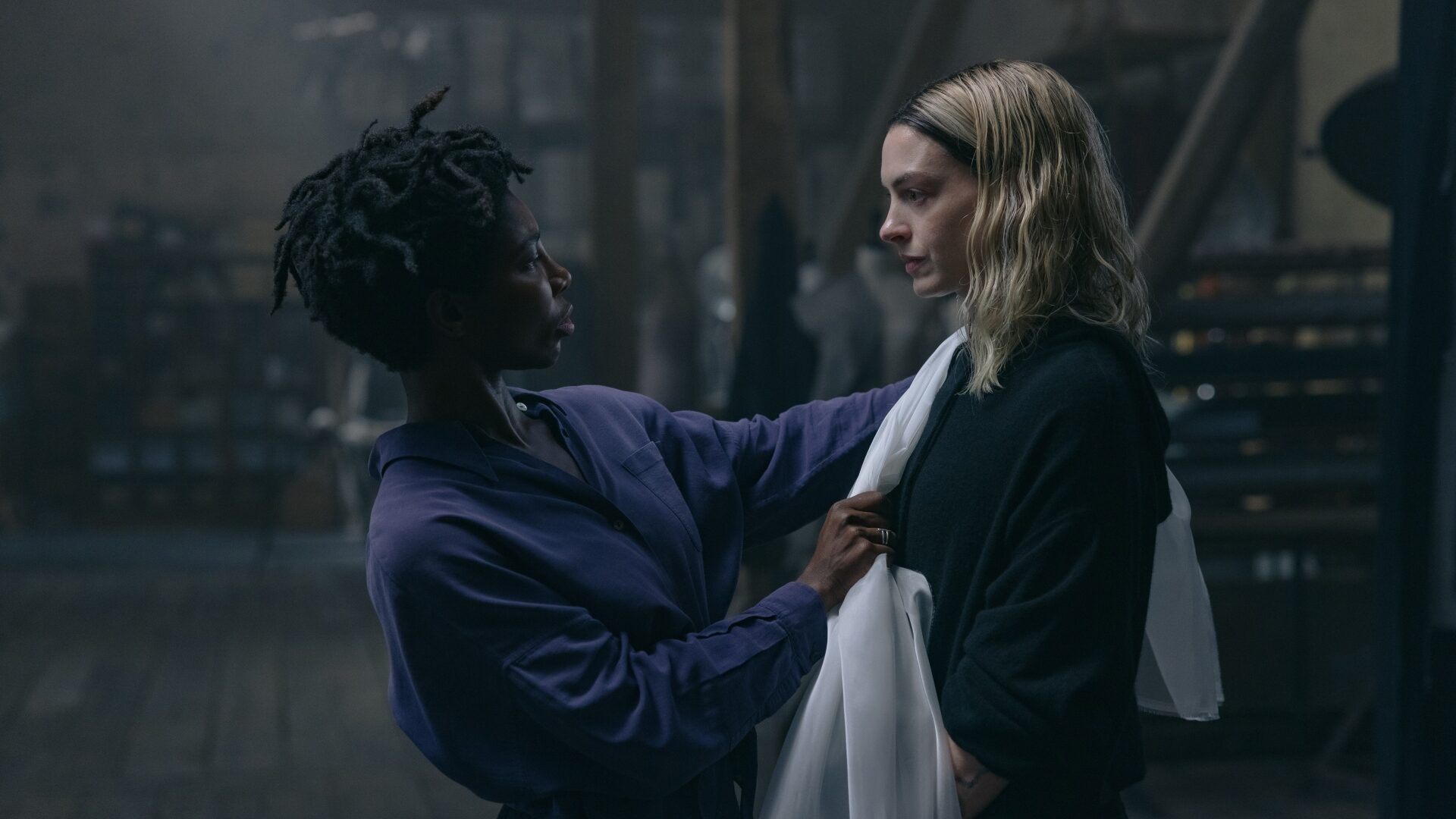
Speaking of attempting to rekindle their friendship, Hathaway and Coel’s performances in this film were riveting. As illusory and surreal as this piece of media art is, its dialogue sold the whole idea. These two protagonists constantly butt heads and exchange power in every conversation, but it is the vulnerability they explore that is so enchanting, keeping my eyes glued. I could not decide when to blink because I might miss a quick, pivotal detail.
“Mother Mary was a trip that swallowed me up into a black hole trance to the point I could not look away.”
To watch these two amazing actresses at the height of their acting powers, it was sublime to witness. I thoroughly enjoyed Coel’s verbal bouts with Sir Ian McKellan in The Christophers, and Mother Mary was no exception. There is something about the way Coel’s voice commands the screen—and sucks me in and never lets me divert my gaze.
Whereas Hathaway delivered a more physically focused performance in this role, I also caught myself with my jaw open at times while watching this film. In the first music number, I thought Hathaway was a little stiff in her stage show. But as the movie progressed, I bought that she was this ethereal Taylor Swift-level pop star. There was one dance sequence where I could feel Hathaway executing the moves with full force, where I was almost concerned if she would hurt herself.
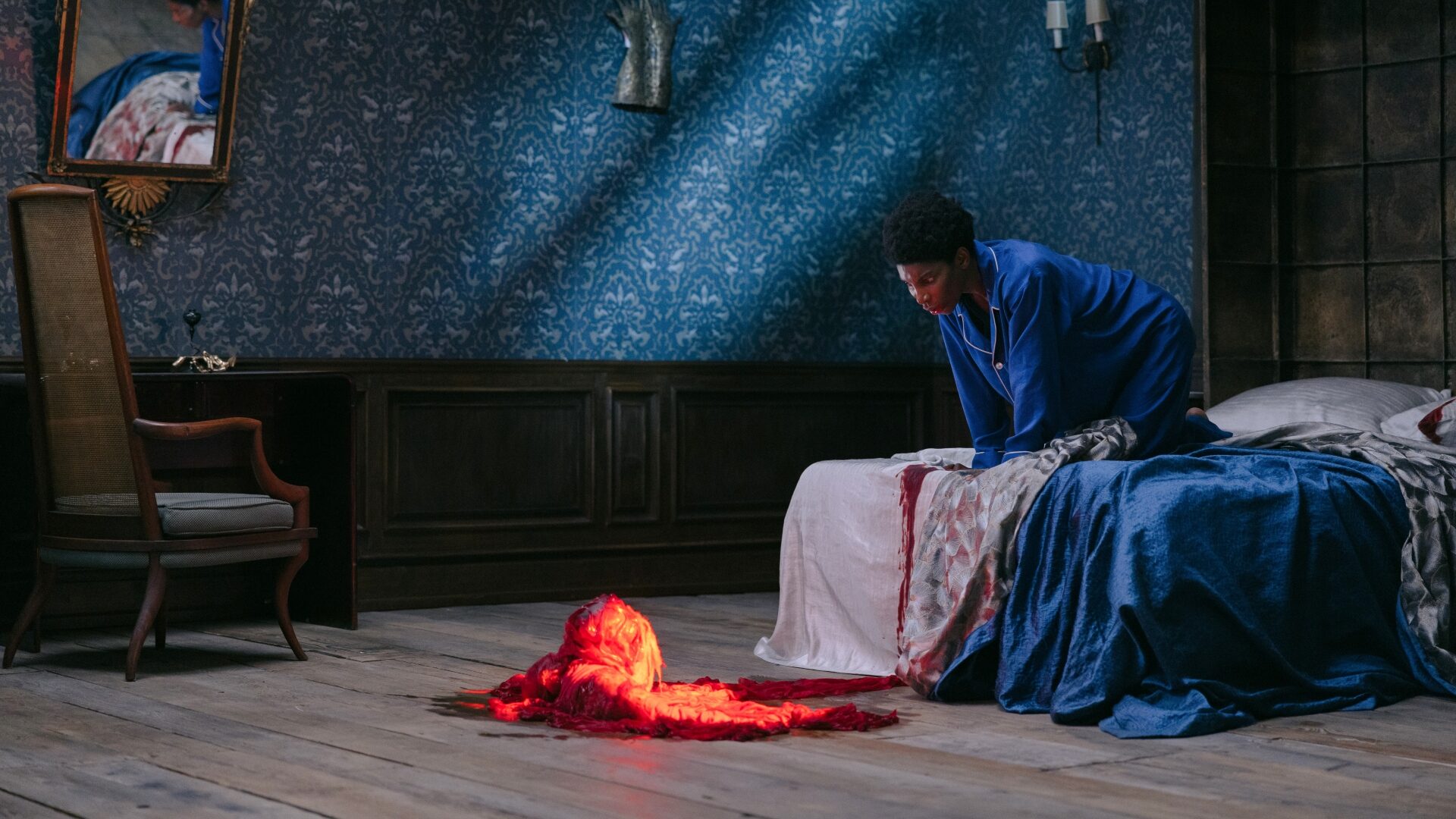
If I had to sum up this film, it was something like—tell me Mother Mary and Sam had so much history without telling me they had an enriching backstory. Director David Lowery did that. The psychosexual imagery and metaphors worked so well to show these two fierce women, both as human beings and industry icons, selling the concept of reaching a place of understanding and letting one’s walls down. Was the story a bit too imaginative? Definitely.
I could see how some of the visual and auditory similes and comparisons could be challenging for those who prefer more literal interpretations than abstract ones. This was one of the few critical points to address. The casual movie watcher or someone not used to watching these types of surreal films may not fully connect with every artistic take on the problems between the two leads. However, I felt the actresses conveyed enough emotion to support the intangible narrative.
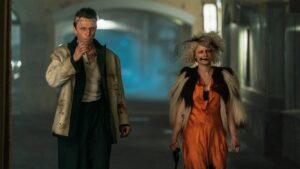
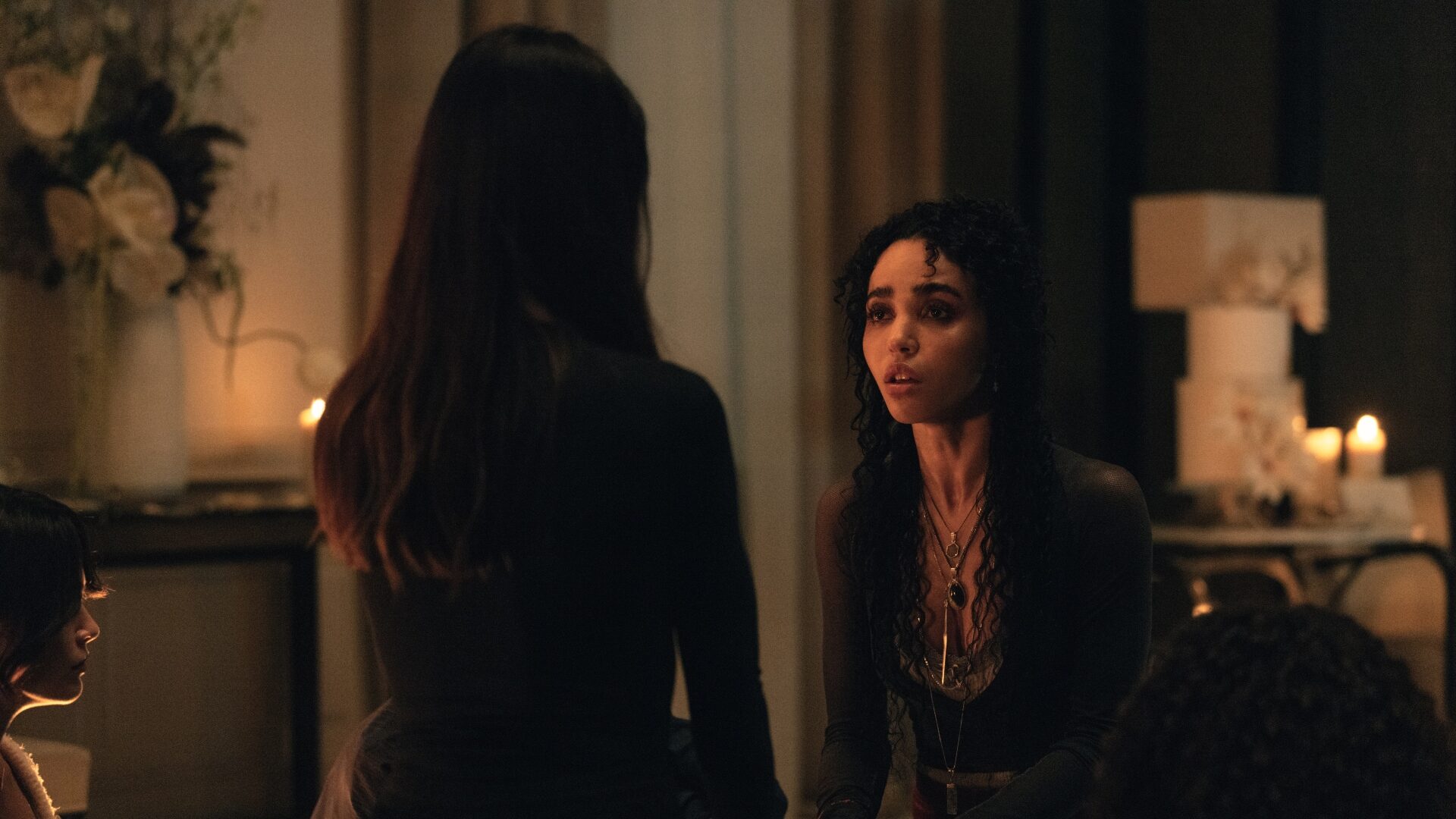
Another small issue I had with Mother Mary was how Hunter Schafer was both underutilized and not necessarily needed for the role of Hilda. She had one decent monologue, but felt like she was a shadow with not much to do. FKA Twigs, on the other hand, I was surprised by her captivating portrayal as Imogen. I was not a big fan of FKA Twigs in The Crow with Bill Skarsgård; it came off a bit flat. Imogen felt more up FKA Twigs’ alley of acting, and allowed her to show off what she could do as a musician-turned-actress.
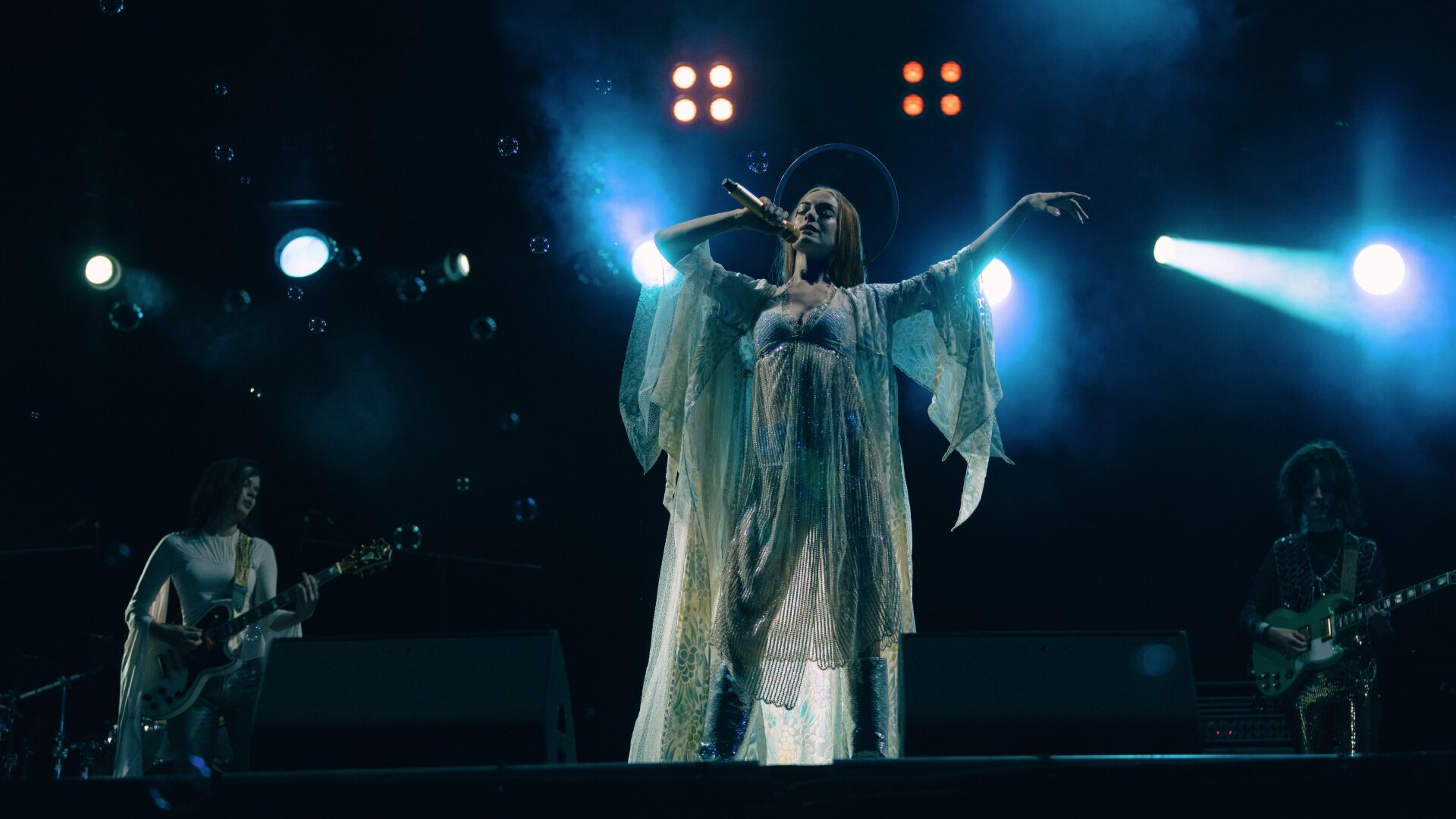
Do not expect this film’s soundtrack to be memorable, because the point of the film seemed to be not about the music but about the people behind it. It is a strange and confusing take, but the concert shots were shot like a real concert. Even the costume design was intricate and thoughtfully chosen, evoking Lady Gaga’s career-stage costumes.
“Mother Mary and its all-women masterclass cast are a must-see movie.”
Going deeper into the colour palette of clothing in this movie, the use of cerulean blue, or a more blueish teal, felt like a Devil Wears Prada joke or a nod. But it was a thoughtful decision to have Sam wear this colour, and attempt to breathe colour back into Mother Mary’s life by showing her own emotional colours. To boil it down, it was like seeing one character who wears their soul and feelings on their body versus someone who does not.
The psychological elements can be dizzying, and oh boy, I would not recommend taking any drugs or substances while watching this movie. The amount of flashing lights and visual trippiness may cause an inebriated individual to pass out. This is less a critique of the film and more of a warning.
On a similar note of lighting, the set decoration and staging were immaculate. It could even go hand-in-hand with the editing. There are various moments where the camera moves past the two main characters and into a scene from their past. Lowery showed off how much realness he can bring to environments and objects by blending physical elements with some CGI/VFX work. All the shots of Hathaway against a black background helped sell the atmospheric tension and otherworldly feeling, as if she were being placed within a VFX simulator itself.
Mother Mary and its all-women masterclass cast are a must-see movie. While it is not the most revelatory film, it provided a perfect example for cinephiles about showing-not-telling emotions. Coming hot off the fashion heels of The Devil Wears Prada 2, Hathaway reminds audiences how far her acting prowess has come. But Cole proves her acting arsenal is just as sharp, if not more dangerously honed, in her craft. This was very much a high-brow psychological drama, but I would not let that stop someone who only enjoys, say, action films. And surprisingly, horror fans would thoroughly enjoy this one for some of the practical effects.