
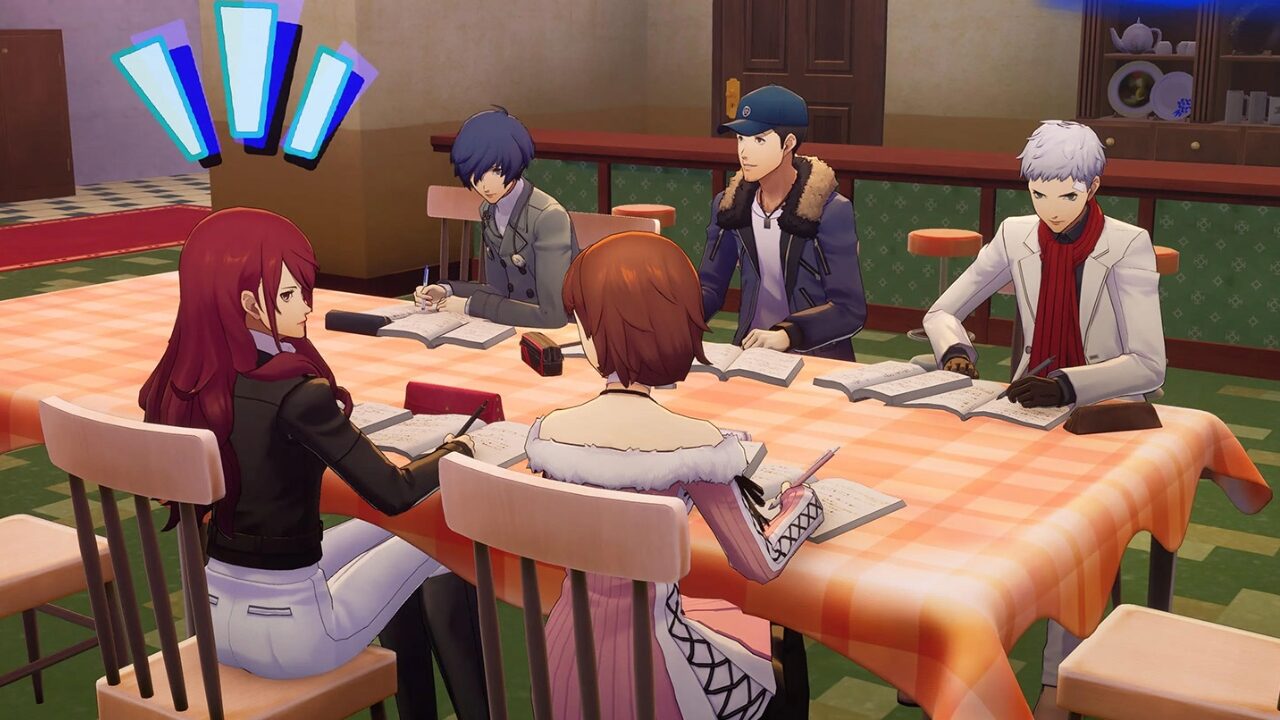
The Persona series, and in turn Shin Megami Tensei, means a lot to me. Growing up on JRPGs from my older brothers, there was a lot of Final Fantasy and Dragon Warrior going on, with the occasional offbeat game like Earthbound (amazing game), and while I enjoy the hell out of those series, there’s one series that I randomly came across in the late hours of August 2007, working at Blockbuster. Persona 3.
While yes, I know it started as a spin-off for SMT, it really evolved into something of its own, and in some ways, has more mainstream appeal than the series it was spun from.
BUT
Playing Persona 3 in my parents’ house until dawn and having to miss school the next day is a memory I will never forget. After playing that game for HOURS, I lost myself in the series, looking up fan translations for Persona 2 and 1, while emulating a ton of SMT games on the good ol’ ZSNES.
I’ve put more hours into this franchise than I’ve put into my own hobbies, so take that as a warning label before you keep reading. This is twenty games, ranked by someone who has way too much time on their hands and grew up entrenched in the JRPG genre.
21. Persona 5: Dancing in Starlight
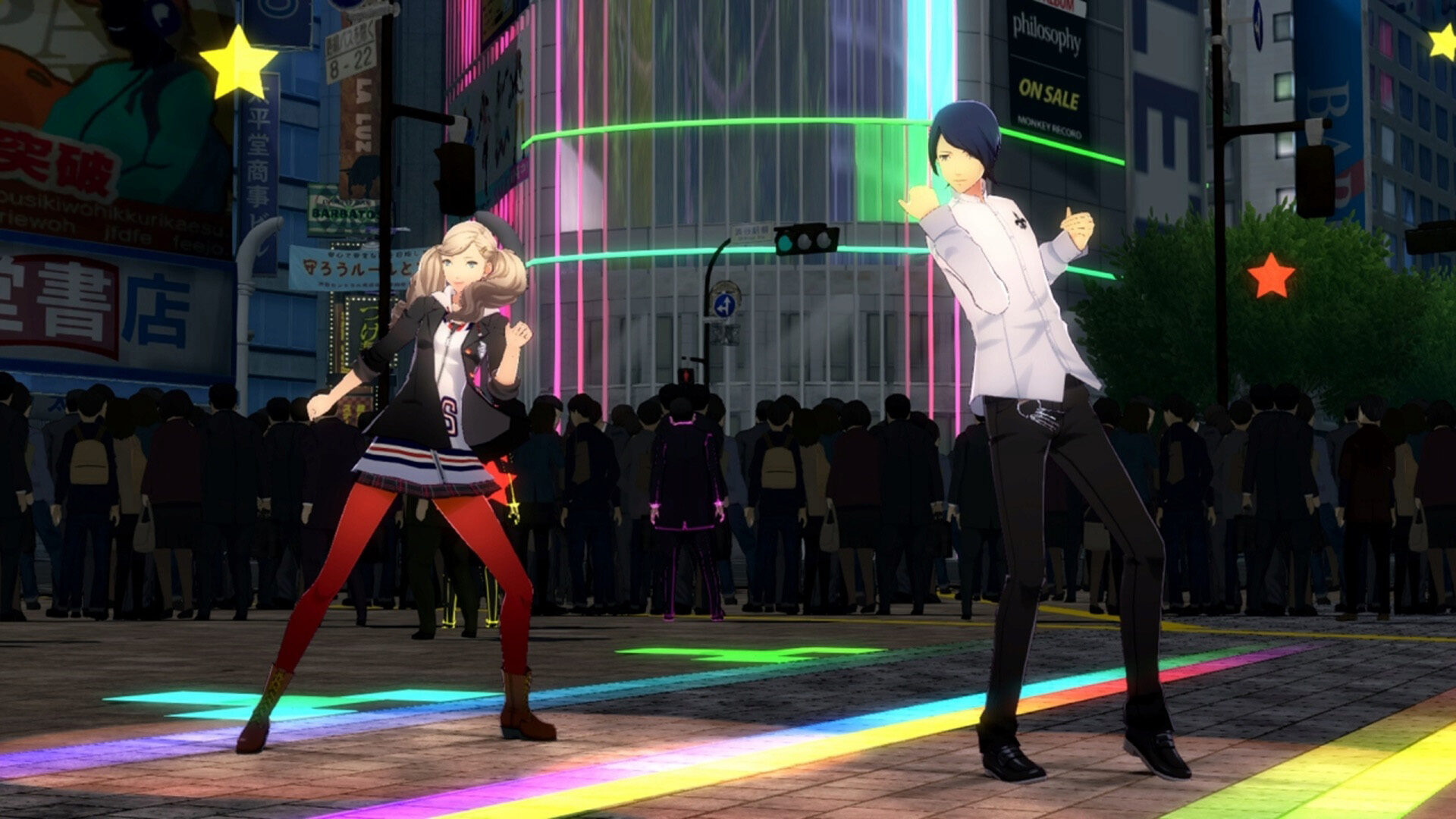
The remixes are genuinely well produced, and if you already love these characters, watching Ann and Ryuji show up in a rhythm game is a cheap hit of dopamine. The presentation is slick; it just doesn’t add anything interesting to the dancing spin-off formula, which is already lacklustre to begin with.
It’s dead last, and it’s not close. The Persona 5 cast has been seen in a ton of spin-offs, and this is easily the worst. As a game, it’s shallow, the outfits are a thirst trap dressed up as DLC, and there’s a “story mode” nobody asked for that adds nothing to Persona 5’s actual narrative. This is the one that started making me nervous about where Atlus was taking the brand.
20. Persona 5: The Phantom X
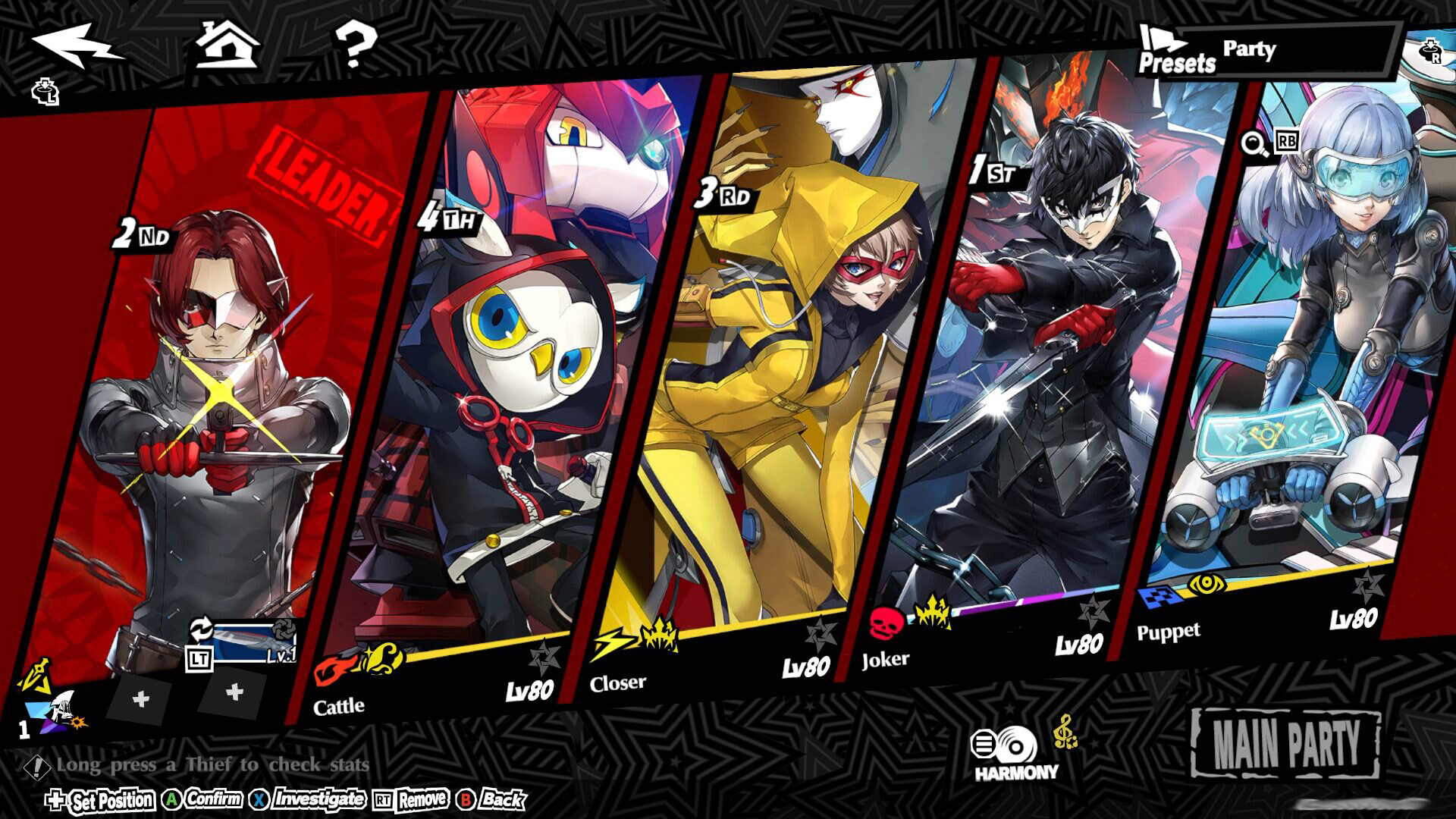
An interesting concept for a spin-off, a Persona gacha game, letting players delve into the Phantom Thieves as if they themselves were a part of the group.
The complete tipping point for the oversaturation of Persona 5. Middling story, F2P mechanics that strip away core concepts of what make Persona like time mechanics, and the daily grind is a chore.
19. Persona 4 Arena
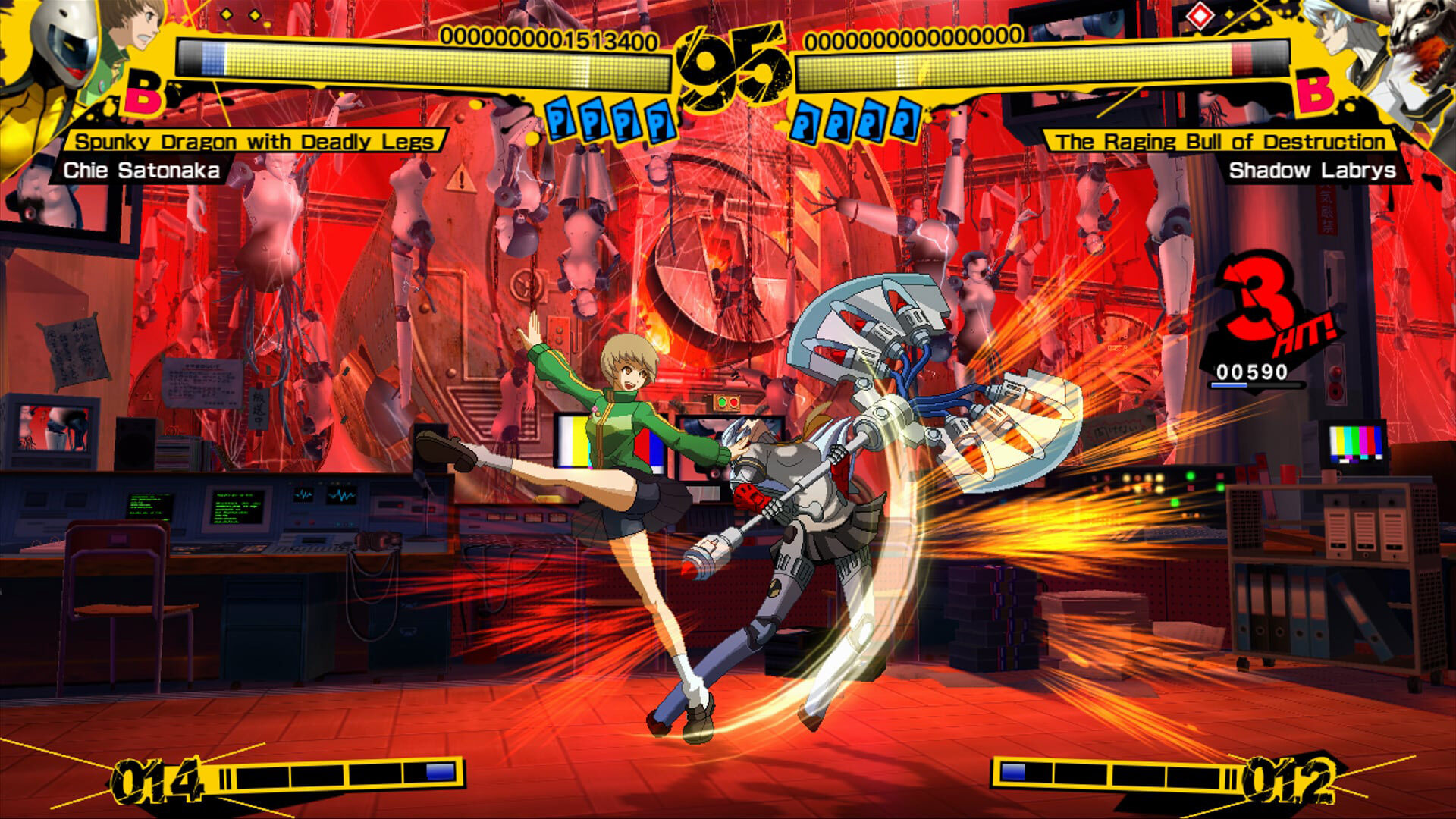
Arc System Works knows fighting games, and on that level this is a legitimately solid fighting game. The animation work on characters like Yukiko and Aigis is fantastic, and the personas being usable as extensions of a normal fighting-game moveset is a smart way to translate the series in a tangible way.
If you’re not already deep in Persona 4’s lore, this plays like eavesdropping on an inside joke for twenty hours. The netcode at launch was also rough enough to sour a lot of people on ranked play before it got patched.
18. Persona 3: Dancing in Moonlight
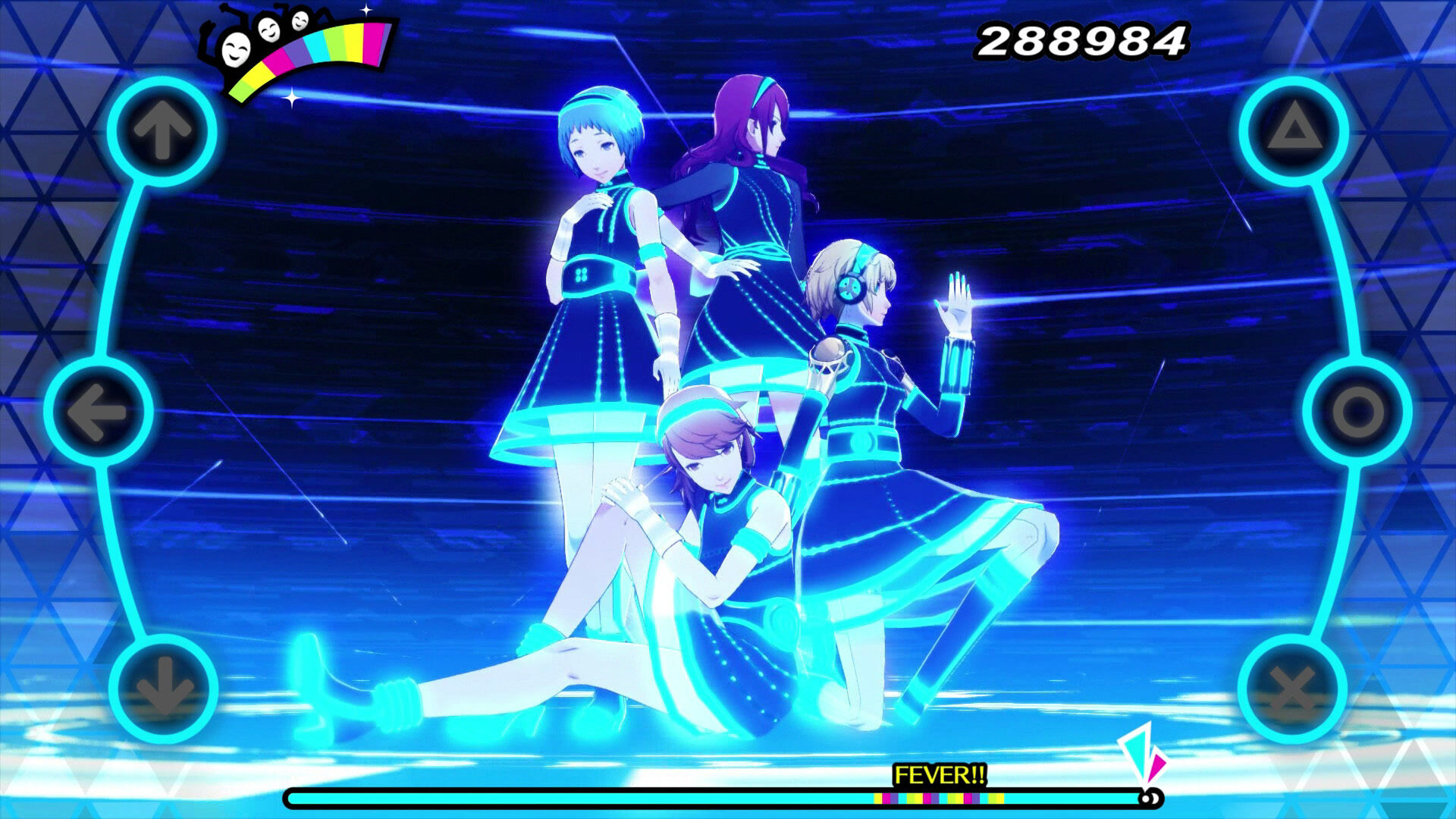
P3’s soundtrack is incredible even when the dancing game around it is forgettable, and hearing “Mass Destruction” and “Burn My Dread” get full dance remixes is a treat for anyone who lived through the original on PS2.
But like with Persona 5 Dancing, it has slightly worse execution on the rhythm mechanics themselves, and a story mode that exists purely to justify the fan service. It’s a spin-off that exists because someone in a boardroom saw how well idol games sell.
17. Persona 4 Arena Ultimax
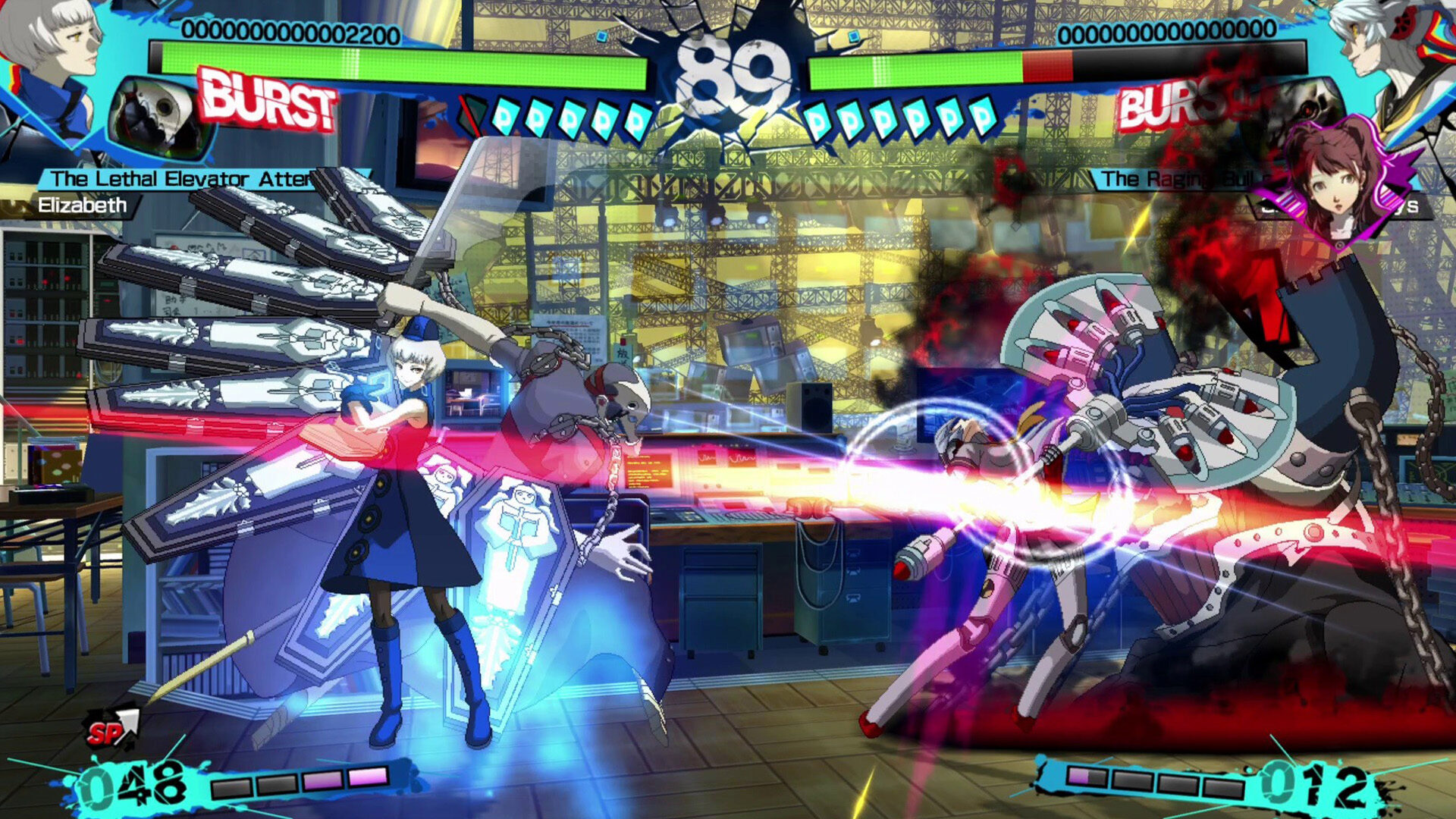
A good improvement on the first Arena in terms of mechanics and roster. The story is also better implemented and actually matters this time since it bridges into later canon and sets up plot threads that pay off elsewhere. The new cast additions like Sho and Yu Narukami’s expanded role give returning players a reason to care.
I still can’t rank a fighting game about characters from a turn-based RPG above the RPGs themselves, no matter how much better the combo system got. It’s also a harder sell to anyone who bounced off the first Arena, since it doubles down on assuming prior knowledge rather than easing newcomers in.
16. Persona 4: Dancing All Night
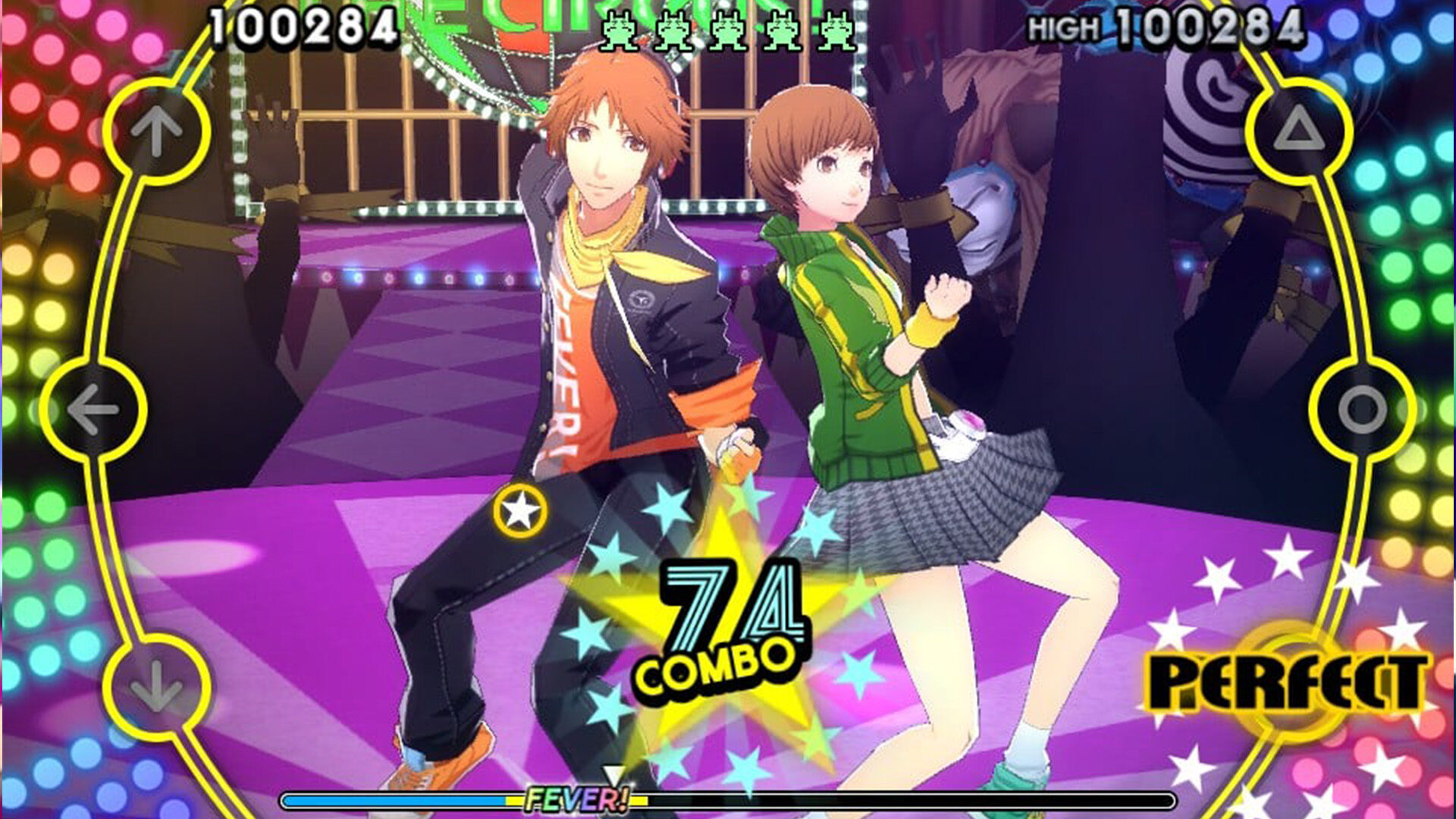
A better-rounded-out cast and some really good remixes have this one higher than the other two, but realistically, it’s the same format, no really inventive changes or evolutions of gameplay.
Ranking these dancing games was a bit of a surprise to me, as I like the music in Persona 3 and Persona 5 better, but for some reason, it really feels like the story and remixes got a lot more love here. If you like the other dancing games its here.
15. Persona 5 Tactica
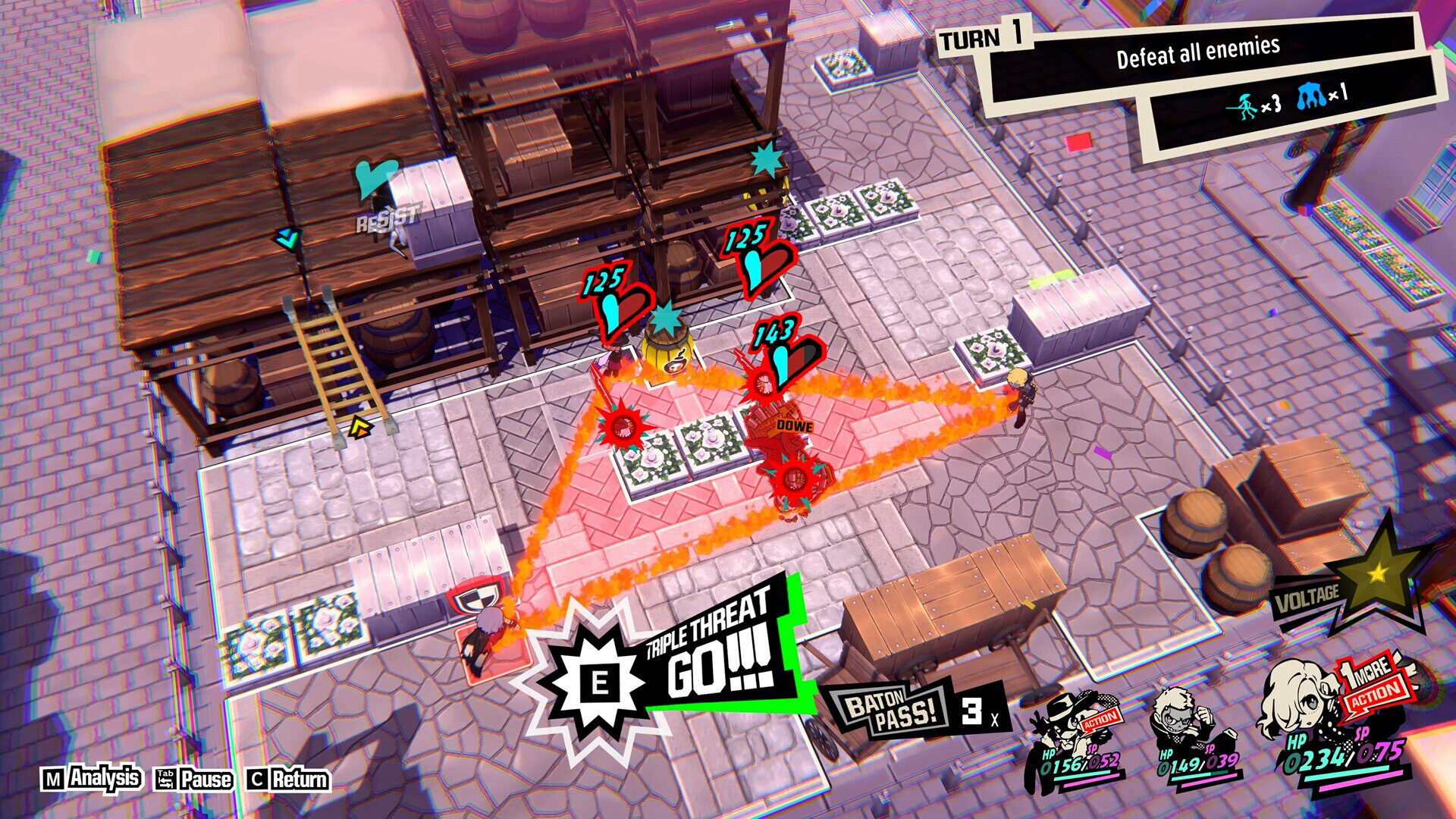
The tactical grid combat take on Persona isn’t broken, and there are a few levels where the almost X-Com-like positioning clicks into something satisfying. The character portraits and menu work at least try to preserve some of the original’s visual identity.
Here is also where the ruination of the Persona 5 side of this franchise started to really settle in. Persona 5 was a great stylistic entry. It was style as substance, a game where the aesthetic and the writing and the combat all pointed in the same direction.
Tactica takes that cast and drops them into a generic tactics-RPG that could have any license slapped on it, and nobody would blink. The strategy layer is very thin, the pacing drags through filler levels, and it reduces the Phantom Thieves to chibi characters taking part in another rote story.
14. Persona Q: Shadow of the Labyrinth
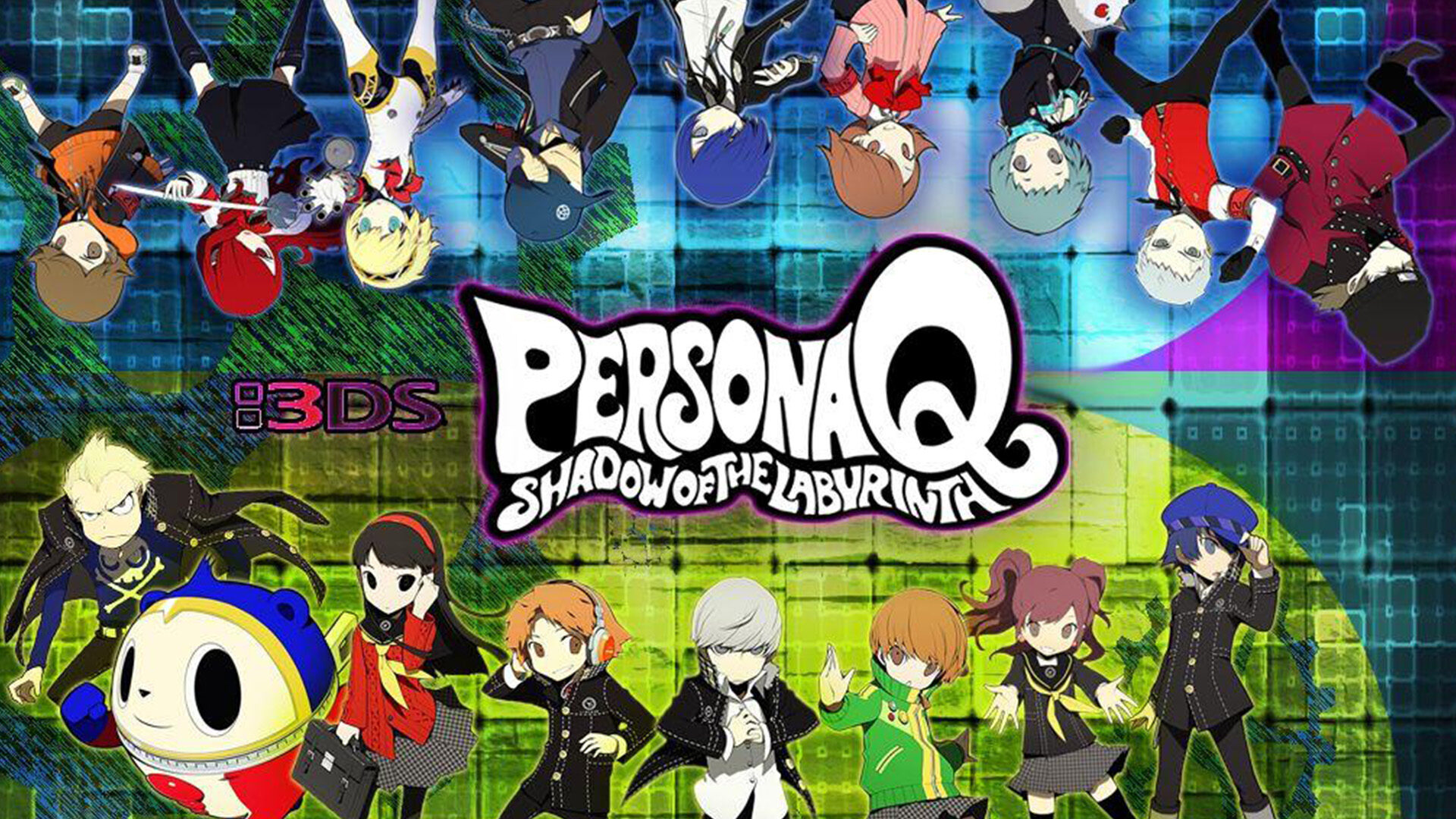
A 3DS dungeon crawler mashing up the Persona 3 and 4 casts is an interesting idea on paper, and the character interactions between the two groups meeting for the first time are charming in the way a good crossover should be.
In practice, it’s Etrian Odyssey mechanics wearing a Persona skin, which means Persona fans need to bring their best grinding mind with them. Through first-person mazes while the characters crack jokes about crossing over, it’s fun in short bursts but exhausting over the long haul, and the mapping mechanics on the 3DS’s second screen feel like a chore rather than a puzzle.
13. Persona Q2: New Cinema Labyrinth
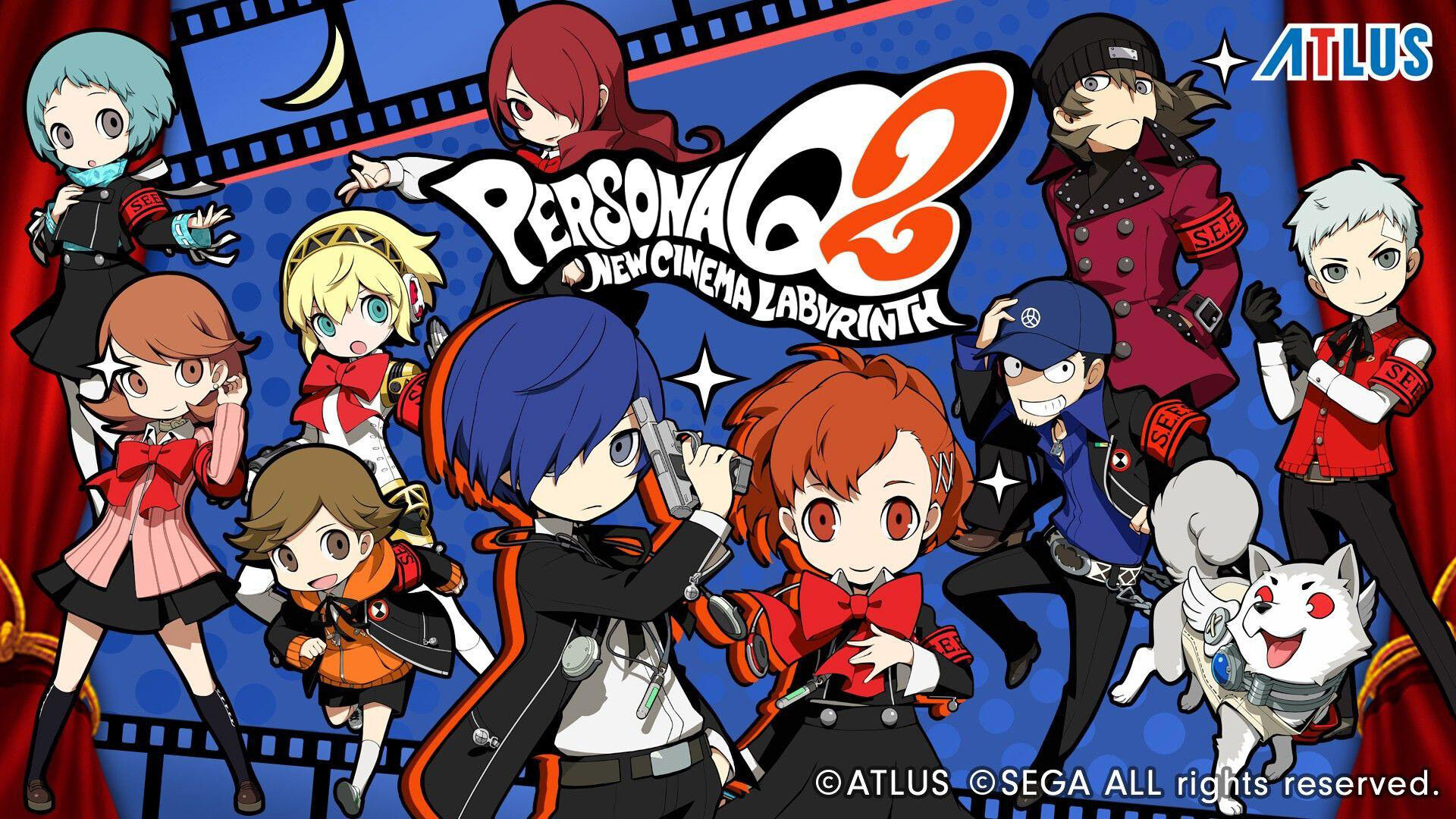
A slightly better version of Persona Q. It brings in the Persona 5 cast and tightens up the dungeon design quite a bit. The movie-themed dungeon gimmicks are a nice change of pace from your basic labyrinthian dungeon crawling from the Etrian Odyssey.
It’s still asking you to enjoy dungeon-crawling for its own sake, which was never what made Persona work in the first place. Three casts crammed into one game also means less individual spotlight time for characters people actually came to see.
12. Persona 5 Strikers
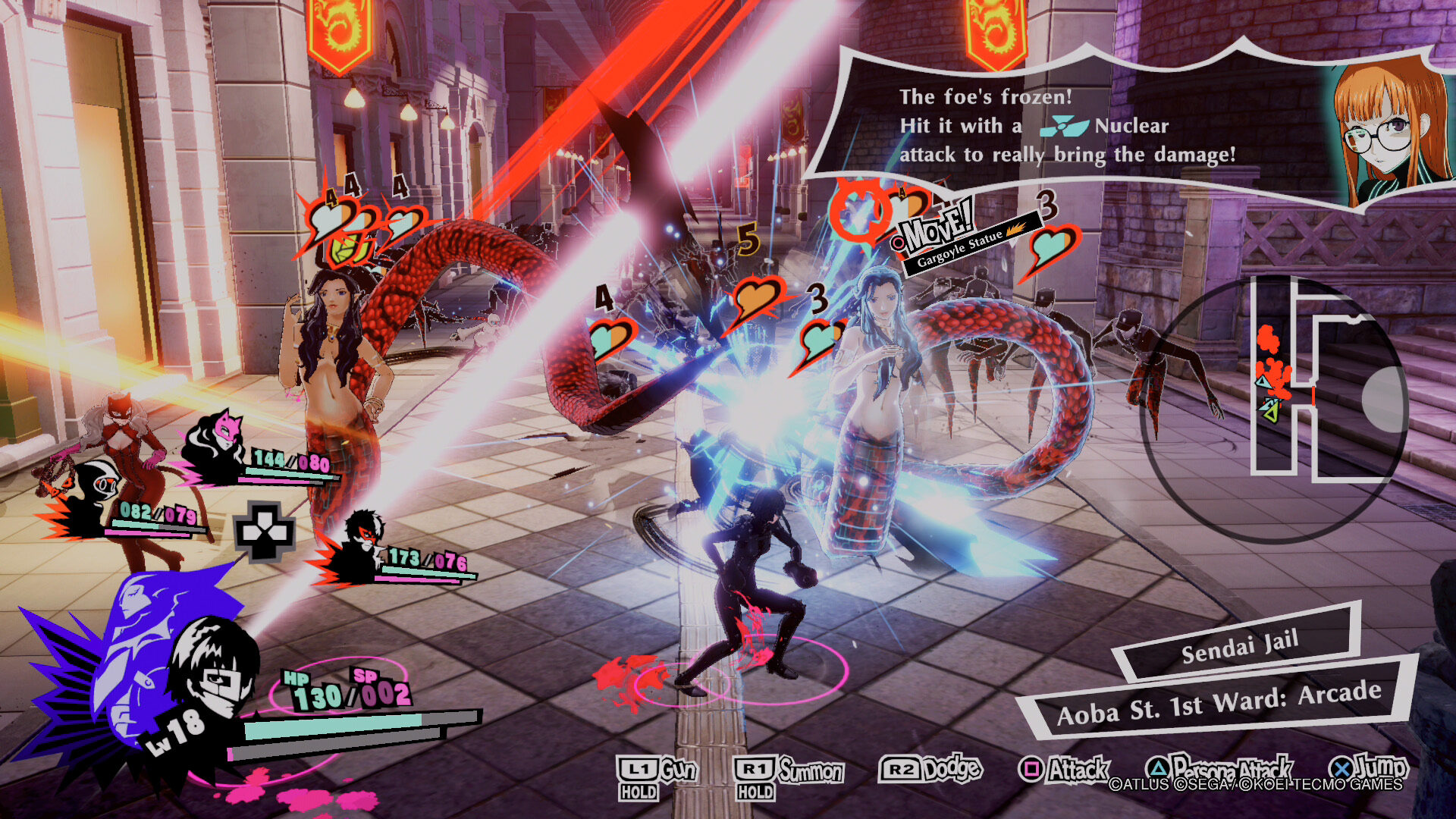
This is where the over saturation problem of Persona 5 gets complicated, because Strikers is actually a good entry into its extended universe. Omega Force built a good action RPG around the Phantom Thieves that fits so well into the universe. The story has an actual arc worth playing through, complete with new Palaces, new villains, and a road-trip structure that lets the cast breathe outside Tokyo. It’s the one spin-off that treats the cast with the respect the mainline game earned.
It still can’t crack the top half of this list because the base combat, however fun, is Dynasty Warriors with a Persona coat of paint, and the game runs long past the point where that formula stays fresh. The back half repeats its own structure enough that the momentum from the first few Palaces starts to sag.
11. Persona 1 (Revelations: Persona)
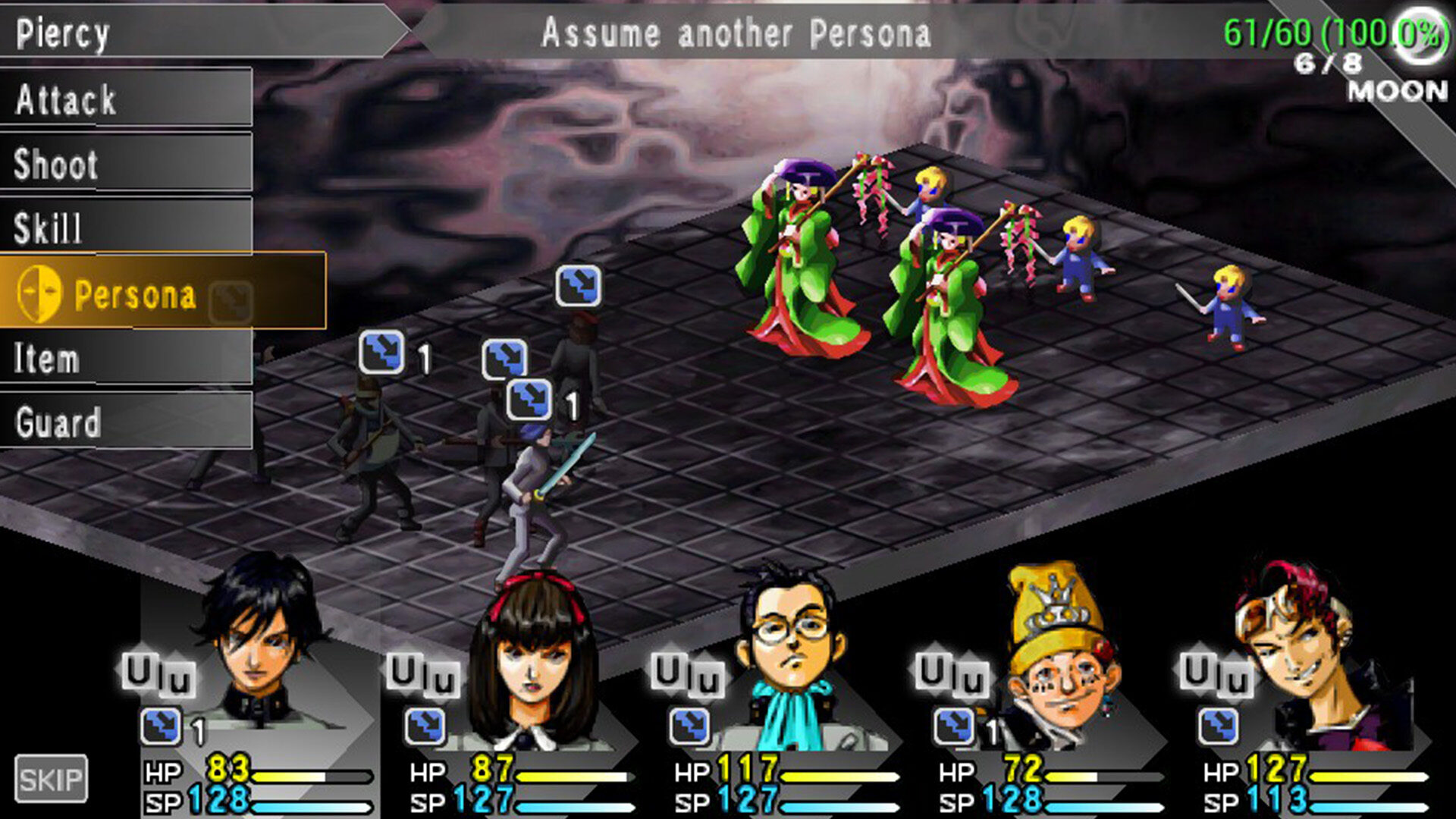
The original spin off that started it all, and I always love going back to see where a series tried to make something for itself, even if it is a more middling experience. The artwork is great and holds up; the soundtrack also has that early PS1 charm that later entries never tried to replicate.
The PS1 original is rough, dungeon design is a maze that takes more from its Shin Megami Tensai routes in the least charitable sense, and the English localization butchered half the character names and voice work on the original release. It’s worth checking out once, but not really something to sink your teeth into.
10. Persona 2: Innocent Sin
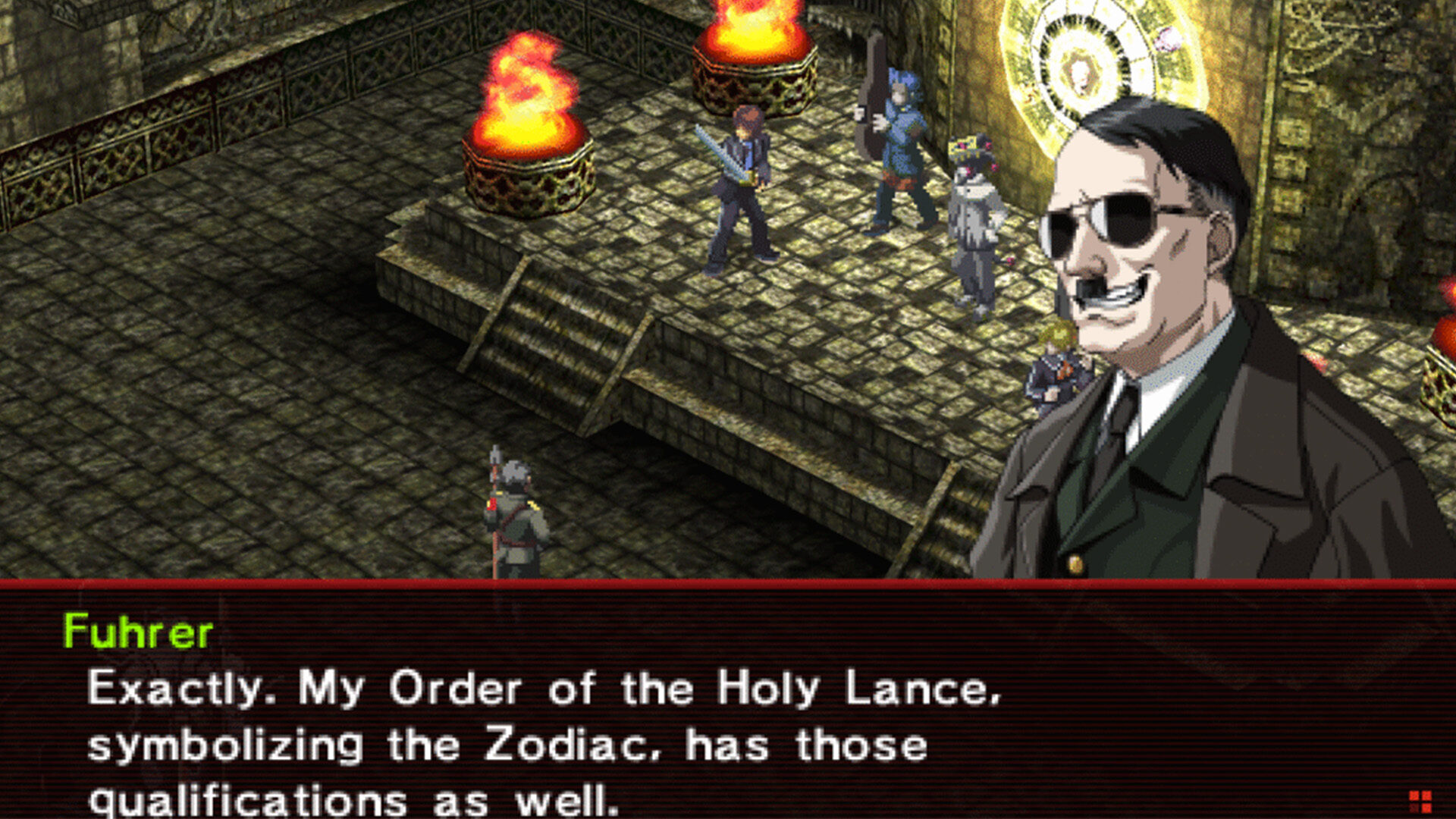
If Revelations: Persona was a testing ground, this is where the series really starts turning into something worthwhile. Innocent Sin has hands down one of the best plots in the whole franchise, with rumors becoming reality, a cast that actually feels like they went to high school together, and a villain reveal that is again one of the best. Also, it is worth noting that Hitler plays a big part in this game and its sequel.
The combat system shows its age, encounter rates are punishing, and the game never got an English release until the PSP remake, which locked most Western fans out of it for over a decade. Story-wise, this punches above almost everything else on this list, but mechanically it asks a lot of patience.
9. Persona 2: Eternal Punishment
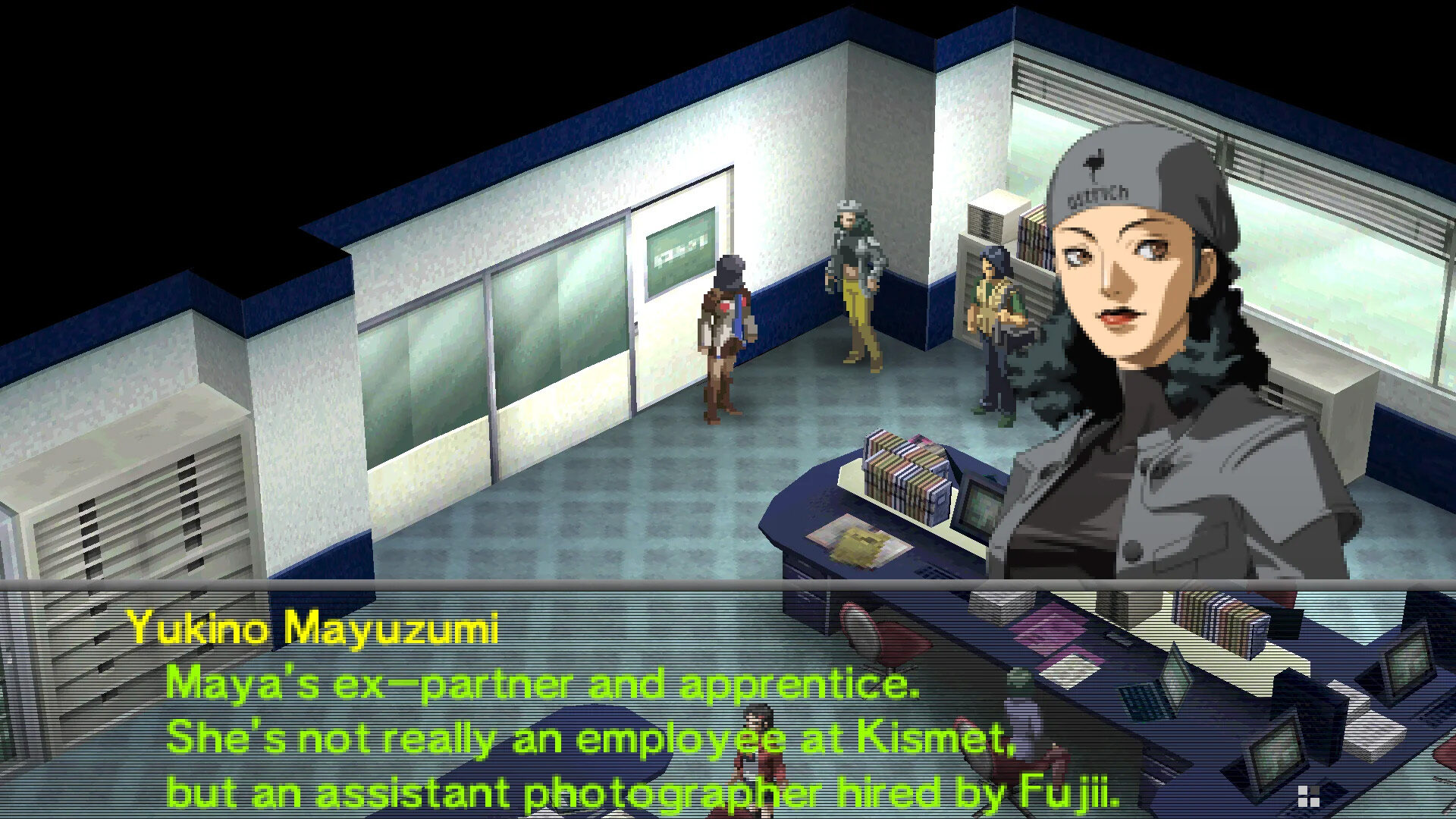
The direct sequel to Innocent Sin, and in some ways a tighter game than Innocent Sin because it trims the fat and lets you play as a different protagonist with a fresh perspective on the same event. Slightly less ambitious than its predecessor but more polished.
Because it’s a direct continuation, playing it without Innocent Sin first blunts a lot of the emotional weight. It also never got a proper remaster the way its predecessor did, so tracking down a playable version legitimately is harder than it should be.
8. Persona 3
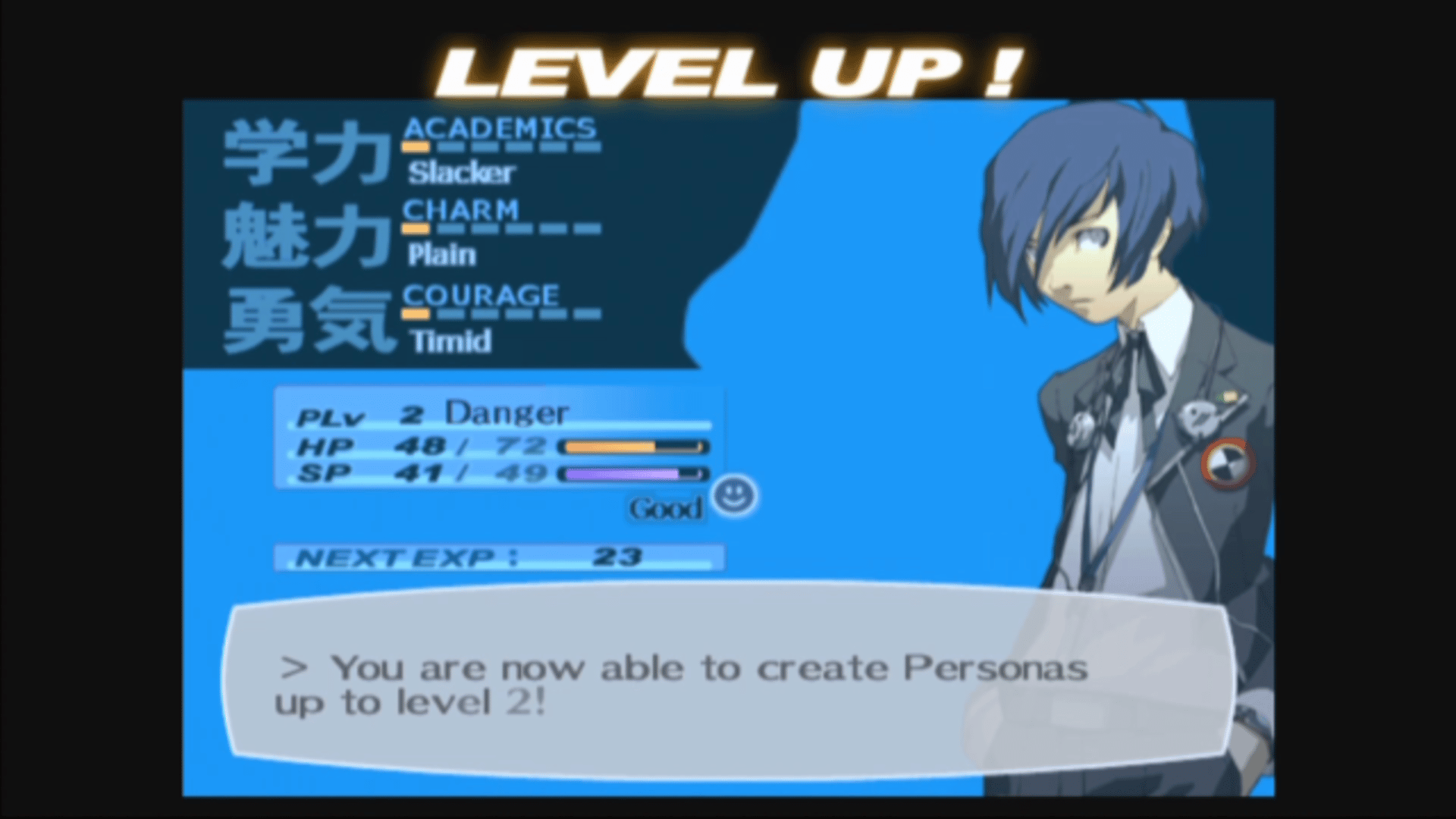
The game that reinvented the series with its social links, the school calendar, the Dark Hour; almost every structural idea people associate with Persona started here. The ending is one of the best in JRPGs, and I will never forget my first time playing it.
It’s brutal in ways the sequels smoothed over, both mechanically and tonally. AI control of the party members in the original release makes the dungeons incredibly frustrating, Tartarus repeats the same handful of visual themes for dozens of floors, and the UI shows its PS2 roots in ways that are hard to go back to once you’ve played anything newer.
7. Persona 5
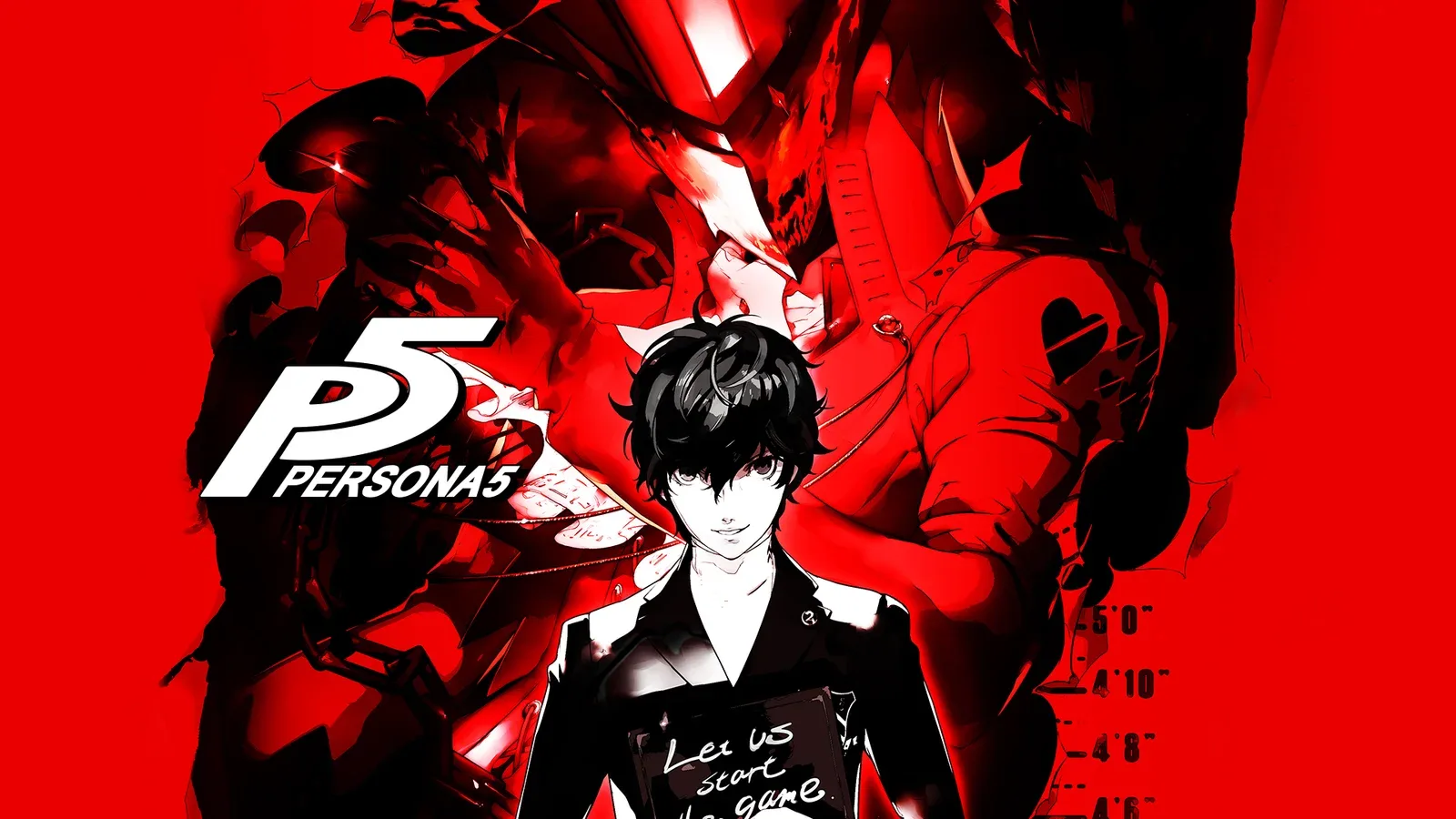
The game that launched the series into a mainstream phenomenon, and deservedly so. The art direction alone changed what people expected a JRPG menu to look like, and still hits incredibly hard. The Phantom Thieves premise, the Palace concept, and Shido’s arc all escalate the comfort of what social commentary we are used to in JRPGS. It doesn’t hurt that the soundtrack yet again is a banger.
It’s long, and the back third can feel bloated. The social commentary occasionally trips over its own ambition without fully landing the point it’s reaching for. A few confidants feel undercooked compared to the depth given to the main cast, which Royal would later go back and fix.
6. Persona 4
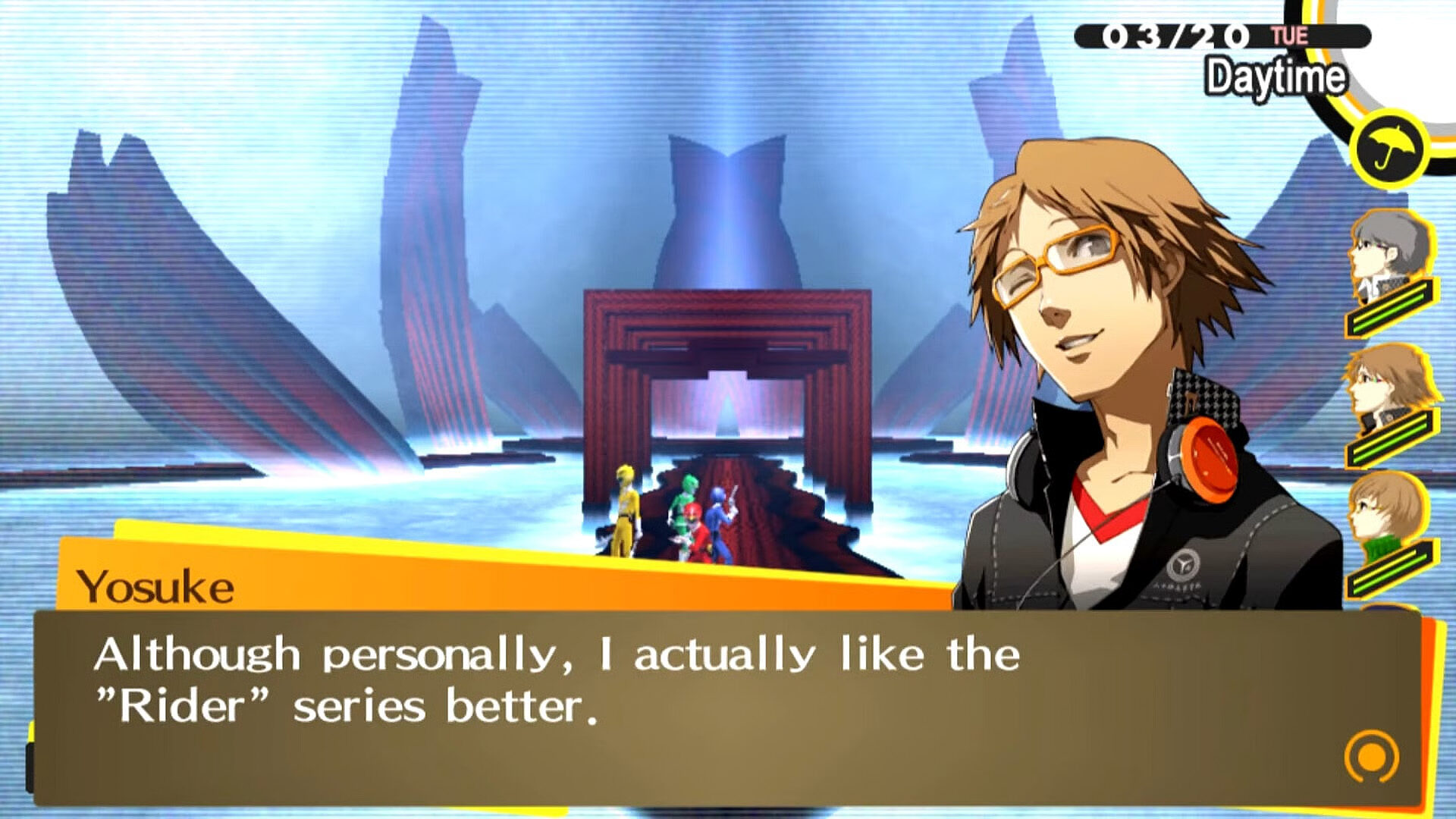
The most enjoyable ensemble cast in the series hands down. The murder-mystery hook, mixed with the small-town setting and the way the game balances comedy with genuine dread, means Persona 4 nails tone better than almost anything else on this list. Not to mention, the big twists in P4 make it one of the most memorable in the series history.
It’s a little slower to open up than P5 or P3 Reload, and the TV World dungeon environments don’t really stick out after seeing the first three floors, especially later on when they feel added in just to pad out the dungeon crawl. The final stretch also drags in a way the sequel learned from.
5. Persona 3 FES
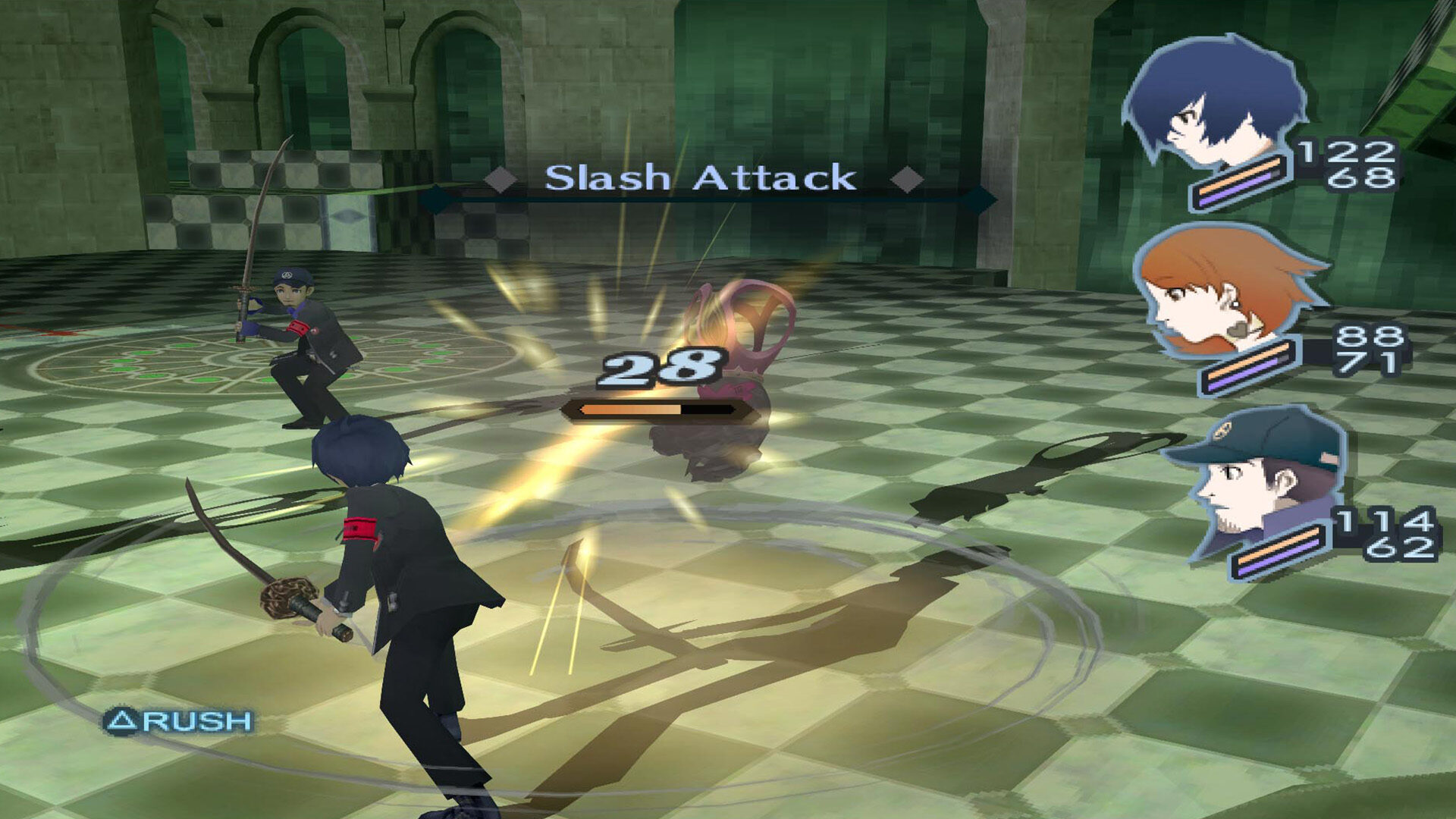
Persona 3 FES took the original and added The Answer, a genuinely tough epilogue that digs into grief and what happens after the credits roll on a story like this one. It’s also just a more complete, better-balanced version of the base game.
The Answer’s difficulty spike and repetitive dungeon design turn a lot of players off before they see its emotional payoff. For years, this was considered the correct way to experience Persona 3, but the AI-controlled party members from the original are still present here, which keeps combat frustrating in ways Portable and Reload both fixed.
4. Persona 3 Portable
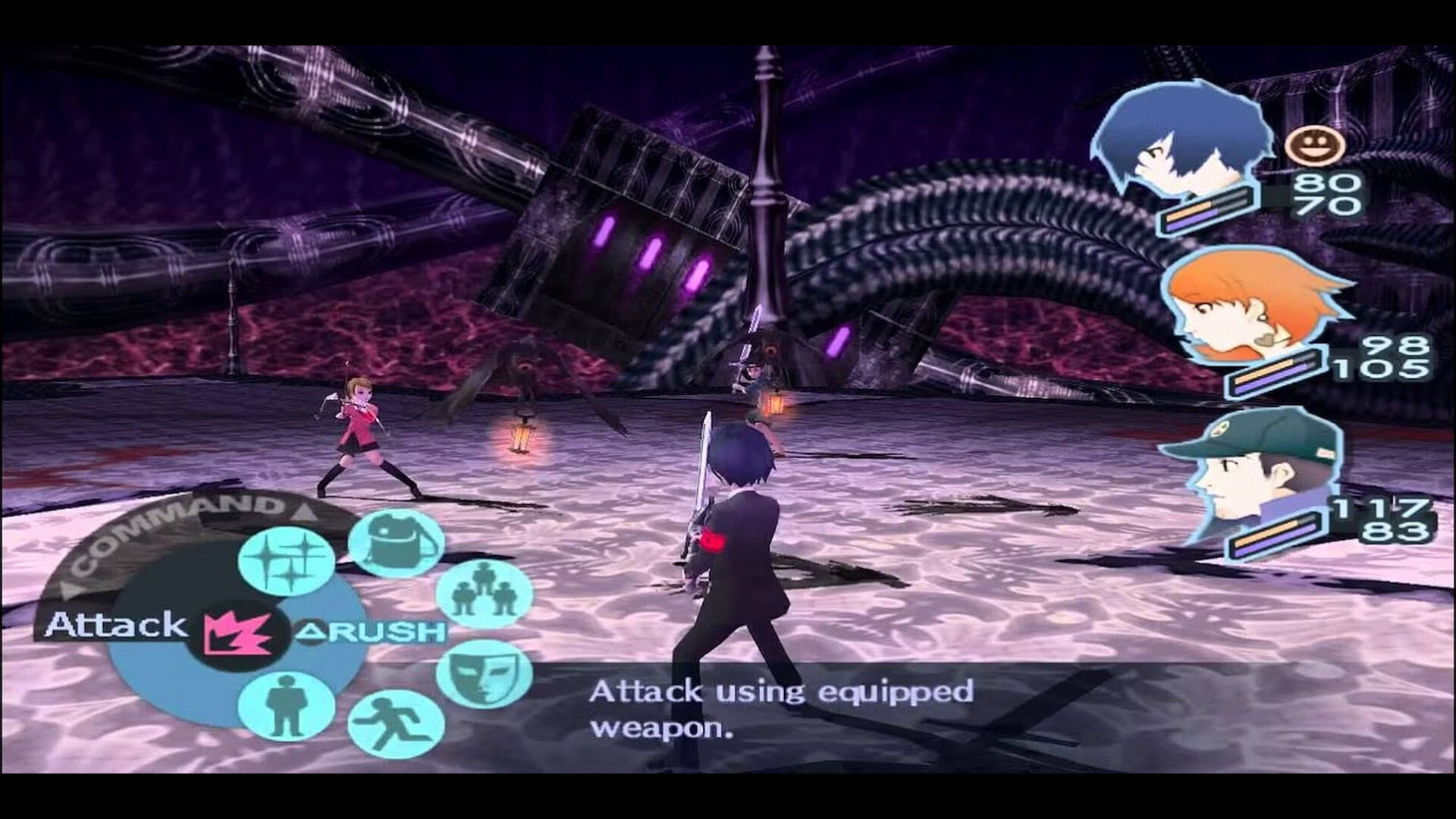
Controversial pick, I know. But P3P did something none of the other versions did by changing up some of the social links if you play as the female protagonist. Not only that, but they give her her own tone, her own relationships with the cast, effectively giving you two different games layered on top of the same story.
Combine that with portable convenience, a leaner presentation that cuts some of the fat from the PS2 original, and content that genuinely reshapes how you experience Tartarus and the cast around you, and you’ve got the version of Persona 3 with the most to offer any single player.
It does drop the full 3D exploration for a menu-based movement system to fit the PSP’s limitations, which is a real loss if you liked walking around Iwatodai. Visually, it’s also the weakest presentation of Persona 3 on this list, since it’s built for hardware from 2009.
It’s not the flashiest game here. It’s the one that respects your time the most while still giving you the deepest version of the story to dig into.
3. Persona 3 Reload
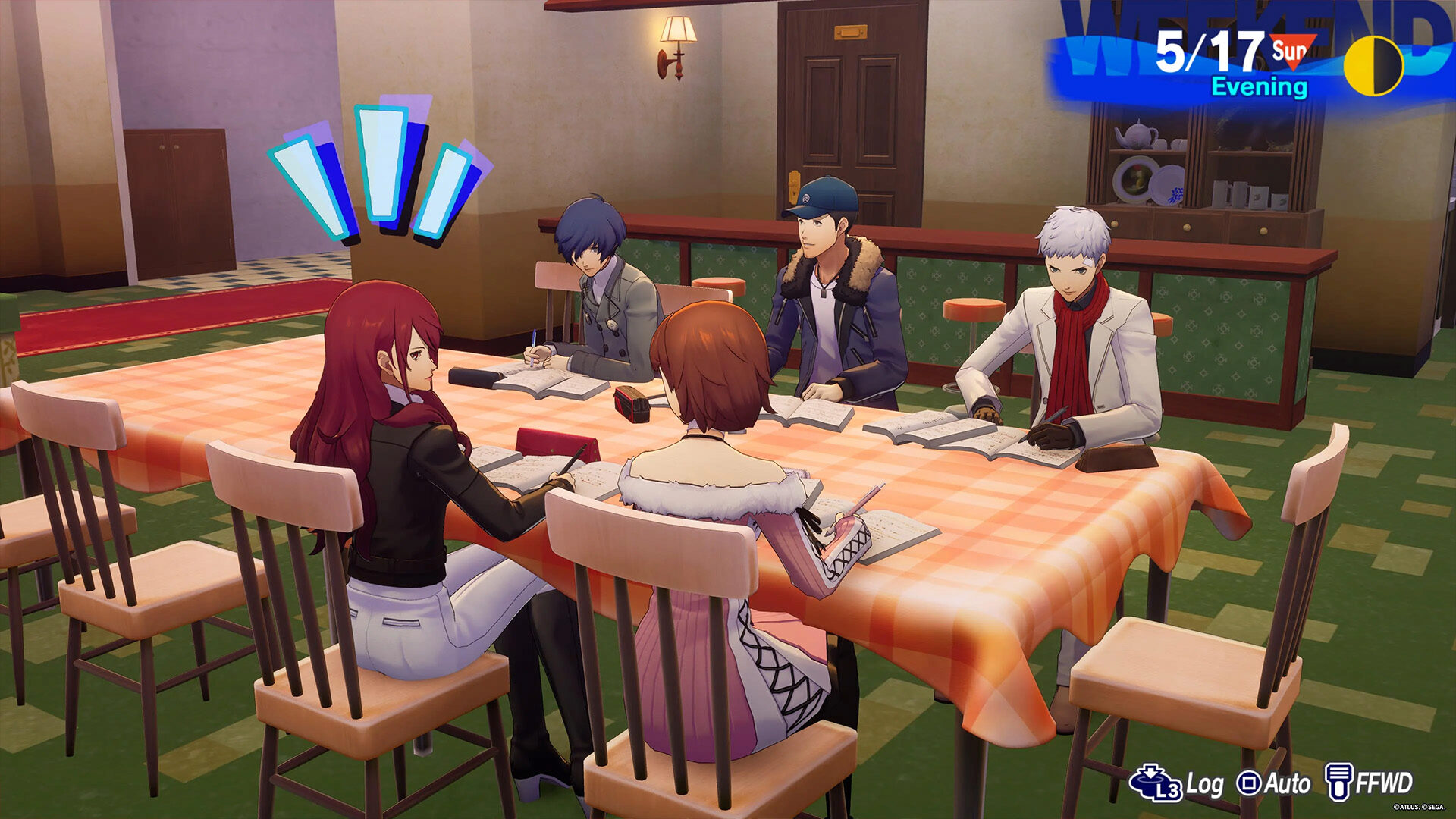
The remake does almost everything right by modernizing the combat without losing what made the original tense. Along with the visual overhaul and tightening the pacing in the parts that dragged in 2006, it also helps that we finally get direct control over party members, and that makes a huge difference in enjoyability.
My one real complaint is the removal of some social link content and the female protagonist option that longtime fans were attached to, which keeps it from claiming the top spot outright. As an entry point in 2024 and beyond, though, it’s the best-looking and best-playing version of Persona 3 that exists.
2. Persona 4 Golden
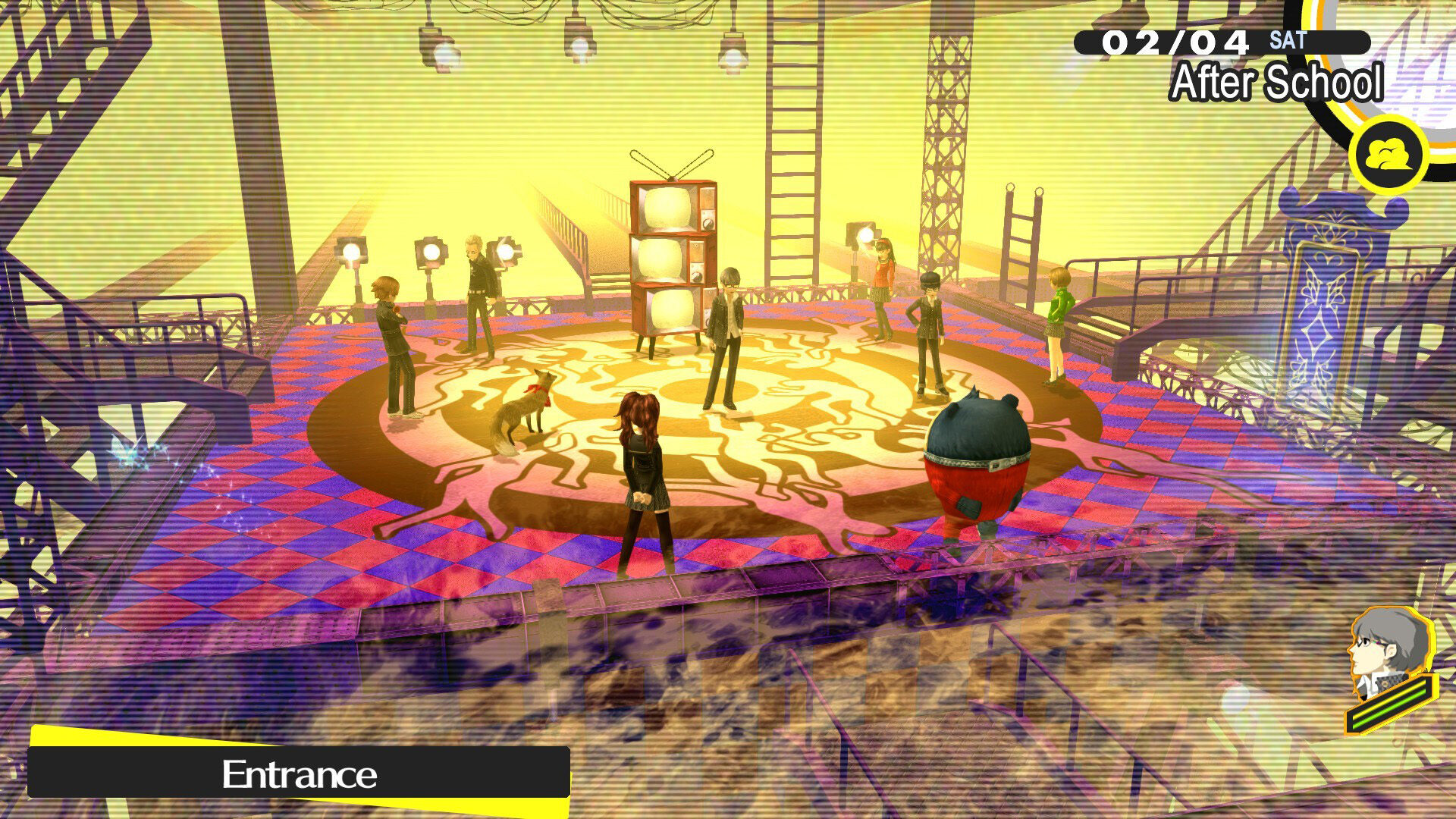
Same game but meaningfully better. New social links, some big quality-of-life fixes across the board, an extra character route that adds to the story in a meaningful way. This is the definitive way to play Persona 4, and it’s the version I would always point newcomers towards.
It’s built on the bones of a Vita port, so some of the dungeon repetition and pacing issues from the original carry over untouched. If you were hoping for a full mechanical overhaul rather than an expanded edition, Golden won’t give you that.
1. Persona 5 Royal
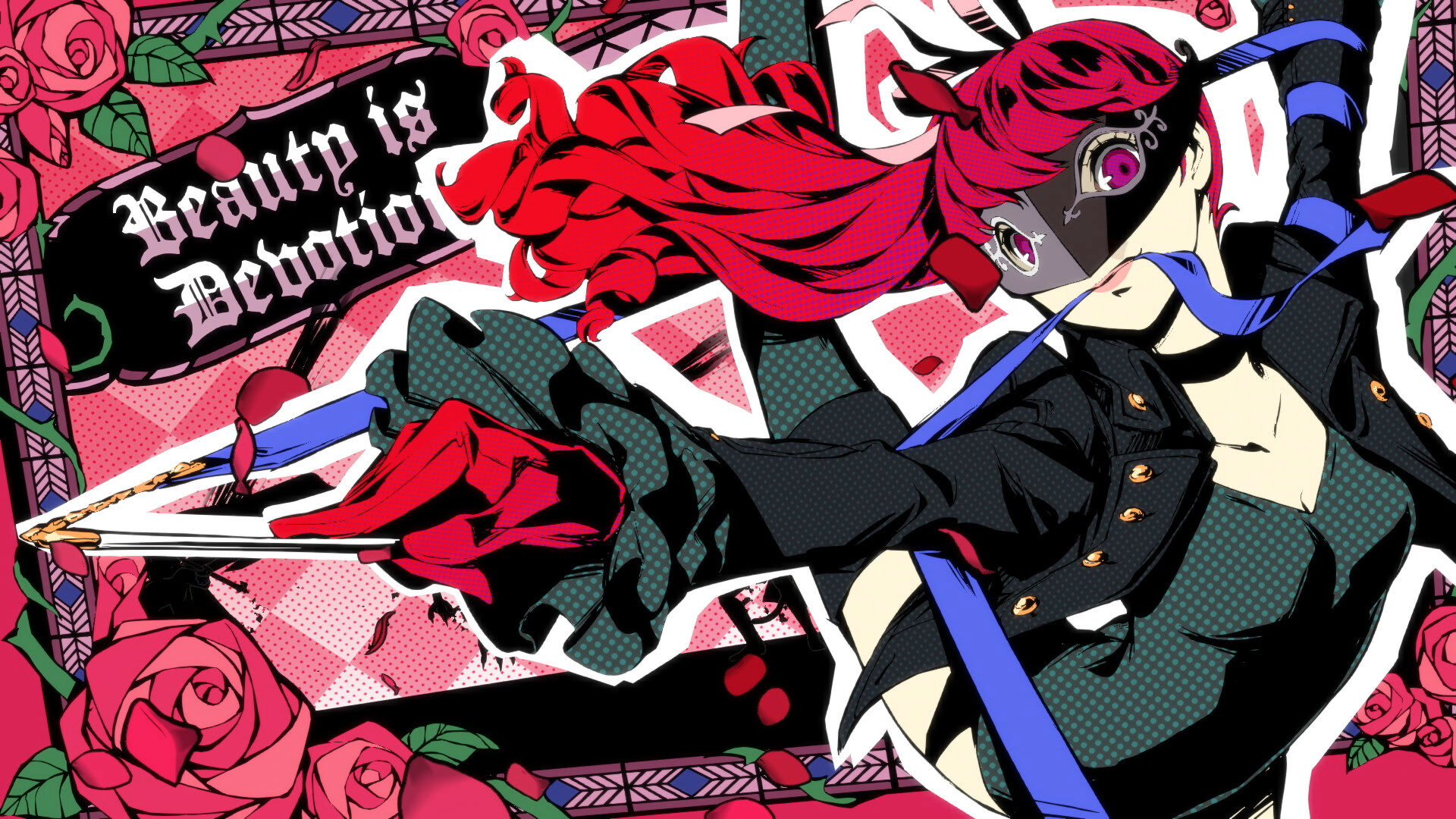
Royal doesn’t just patch Persona 5; it tonally completes it. A new semester, a new confidant and a rewritten final act that actually addresses the gaps in the original release. With Kasumi’s arc that ties into a genuinely strong new dungeon. This is the gold standard for how to re-release a JRPG. Again, the music is still incredible, with I Believe just full sending one of the final moments.
Sure, it’s still a very long game even by Persona standards, and some of the new content in Maruki’s arc, while thematically strong, adds another ten-plus hours on top of an already massive runtime.
—————————————————————————————————
I’ll also say this: the Persona 4 remake Atlus has been teasing looks genuinely interesting to me, more so than I expected going in. Persona 3 got the Reload treatment and came out the other side as the best version of itself, and if Atlus applies the same care to modernizing the TV World and the investigation structure of Persona 4 rather than just re-skinning Golden, that could be the version I end up recommending over everything currently sitting in my top five.
But I’ll be honest, as excited as I am for that remake, it’s Persona 6 I actually can’t wait for. A decade-plus of iterating on the social sim formula, two remakes proving Atlus understands what made the classics work, and a new cast and setting to build from scratch, that’s the release that has my attention more than anything else on the horizon. The core series remains one of the best things happening in JRPGs. What Atlus bolts onto the sides of it is a mixed bag at best, and Tactics is still the clearest recent example of a spin-off doing a disservice to characters that deserved a real game.